Category: Acts for a 21st c. Church

Acts Apostolos - Acts of the Apostles - the chronicles of Christ's Apostles - a history of Christ's Church including early leaders like Stephen, Philip the Evangelist, Paul, Barnabas and many others
Acts of the Apostles + a History of Christ’s Church

Acts of the Apostles 1-28


Acts of the Apostles:
+ The first century Church SHARED Christ while suffering severe persecution.
+ Luke records a historic account of the Church which gives 21c Christians a context to SHARE the Gospel of Jesus Christ with others.

Read more about the Early Church & add your COMMENT on Scripture.

ACT now.

+ SHARE the Gospel history witnessed in the CURRENT chronological SERIES from ACTS of the APOSTLES.

  • Approaching Athens 2 – Addressing gods and goddesses

    Approaching Athens 2 – Addressing gods and goddesses

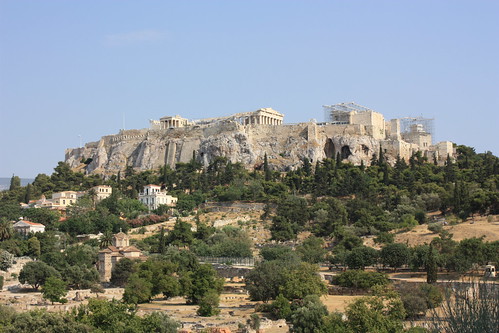
    Acropolis - in Athens ruins from ancient Greece
    acropolis comes from the Greek words ἄκρον (akron, “highest point, extremity”) and πόλις (polis, “city”).
    So Paul stood in the midst of the Areopagus and said, “Men of Athens, I observe that you are very religious in all respects. – Acts 17:22

    The Apostle’s introduction and approach are most gracious in addressing a crowd of men whose religious celebrations of their gods and goddesses would seem most sinful to every Jew in Athens.


    Addressing Athena & the men who idolize her

    The Apostle Paul, a Roman citizen who has also been speaking with the Jews of Athens has been brought to the Areopagus in town to address a ruling council of Hellenist leaders and crowds of interested listeners. His already spirit provoked about the overt and godless idolatry he observed [v.16]
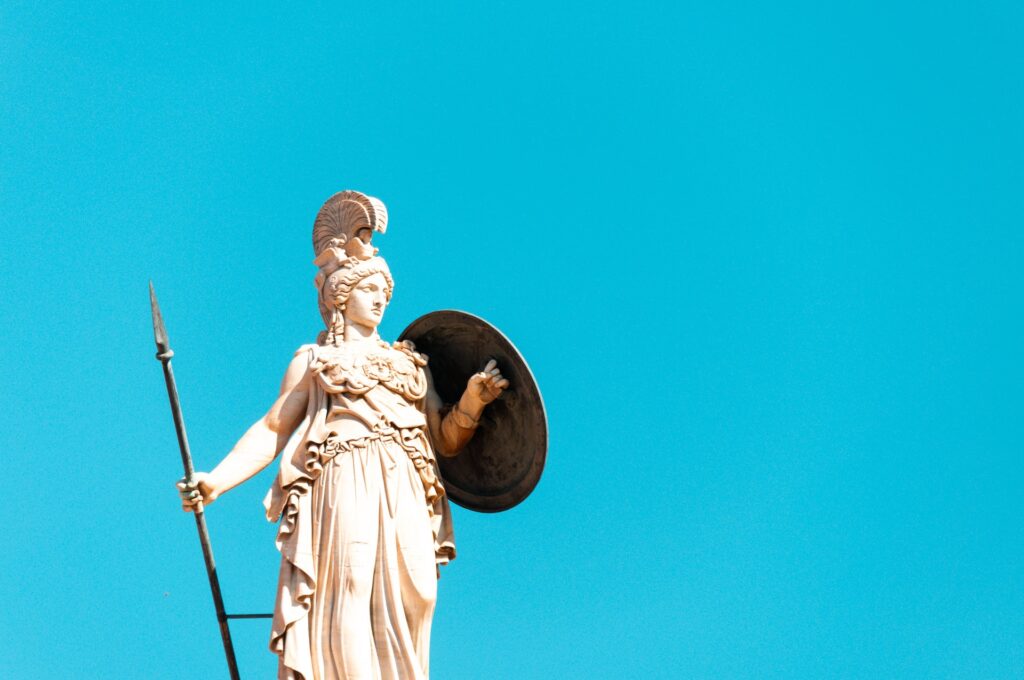
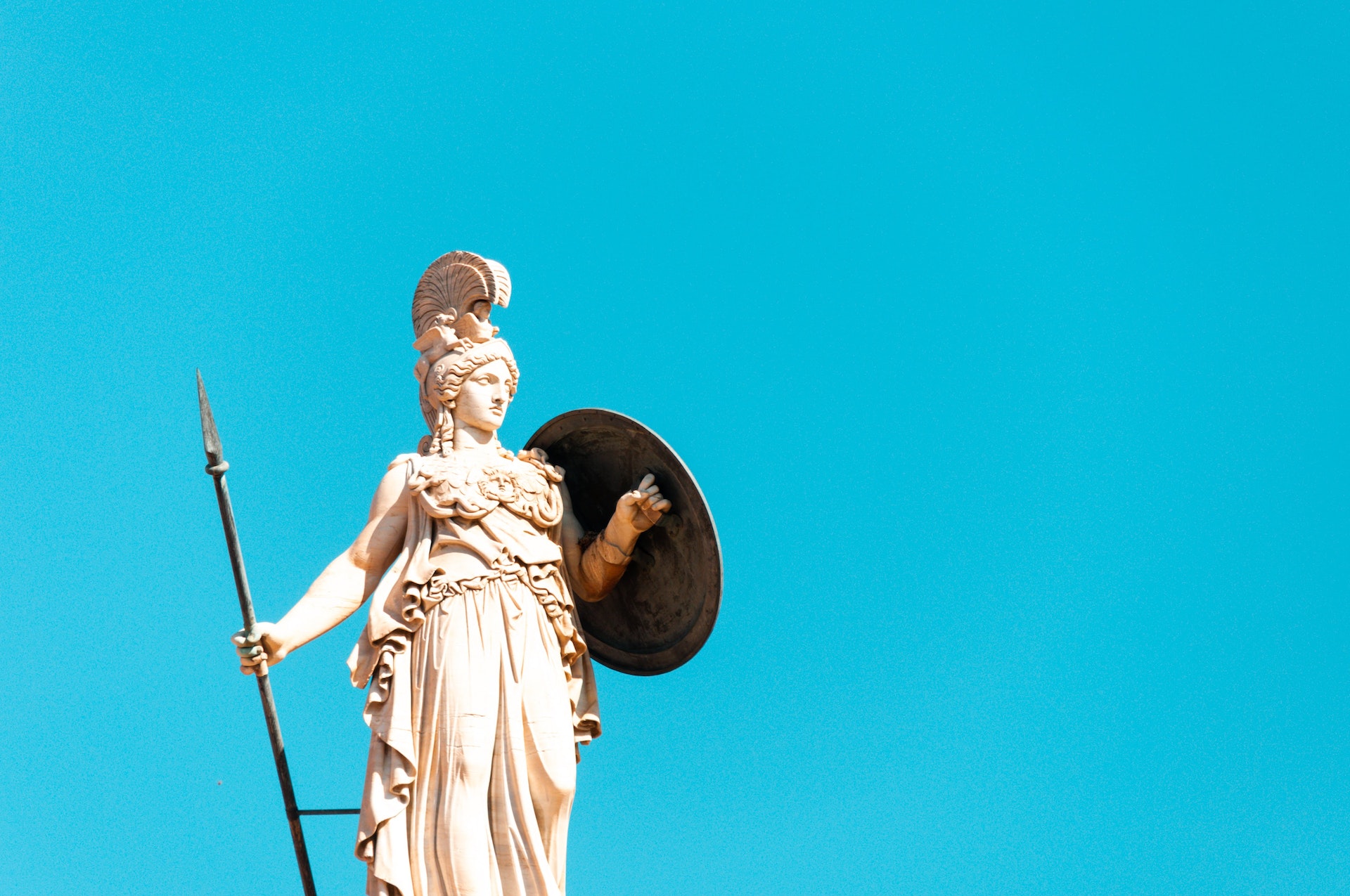
    Statue of the goddess Athena - powerful namesake of Athens

    Athena, goddess of the city is prominent to all but she is just one of many revered gods and goddesses of the myths of ancient Greece.
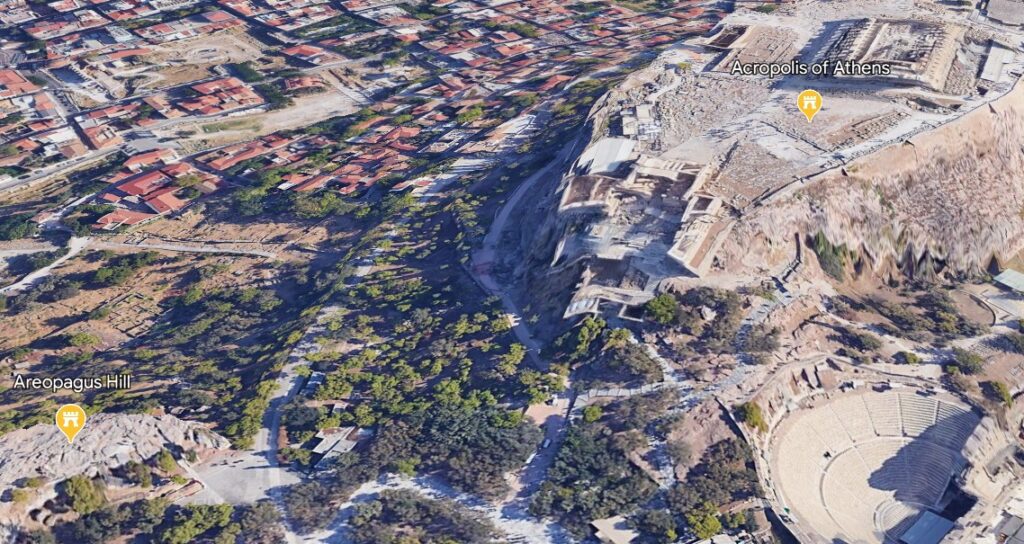
    Once the Apostle Paul begins proclaiming the gospel to the men of Athens in the agora the apostle to the Gentiles is brought to the areopagus.

    The Areopagus a rocky height in the city of Athens, opposite the western end of the Acropolis toward the west to which these men of the city agora have brought Paul is not only an ancient military outpost but has an idolic connection to Greek mythology as well.

    Ἄρειος πάγος – From Ares

    (the name of the Greek deity of war)

    Recall, however, that Rome has long-established its rule of law and officials in the FREE ROMAN CITY of Athens ACHAIA.
    

    The Hill of Mars, Roman god of War

    Allow me to set the mythological stage of the GREEK & ROMAN gods behind the history of Athenian & Roman worship and festivals with music suited to the continuing 'religion' celebrating the passions of men as idols of worship.
    Mars Bringer of War – Listen

    This hill belonged to (Ares) Mars and was called Mar’s Hill; so called, because, as the story went, Mars, having slain Halirrhothius, son of Neptune, for the attempted violation of his daughter Alicippe, was tried for the murder here before twelve gods as judges.

    Lexicon :: Strong’s G697 – areios pagos – BlueLetterBible.org commentary on Mars Hill

    We cannot fully appreciate the dilemma and provocation of the spirit of the Apostle to the gentiles without recognizing as Paul did the seriousness of the sinful culture of idolatry of these men of Athens to whom he now will address himself concerning this ‘strange teaching’ of One God and the resurrection.

    So before we proceed with Paul’s speech let’s take a quick look at the mythology behind these compelling legends of gods such as Mars, Neptune, Zeus, Apollo and goddesses such as their patron mother of Athens – Athena.
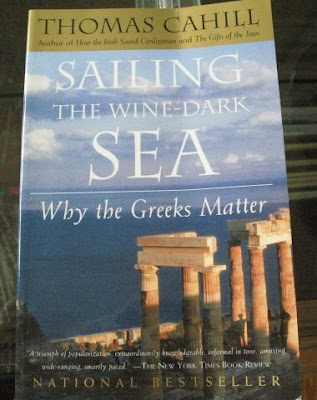

    Thomas Cahill - SAILIING THE WINE DARK SEA - Why the Greeks Matter

    ancient Greek gods & goddesses

    (Try to keep score on the who’s doing what with whom as best you can.)

    As earlier in Approaching Athena the ruling goddess of Athens I will mostly consult the extensive research of historian Thomas Cahill. – RH

    Lord Zeus & other gods

    Zeus, who controlled rain and clouds.. ..was Lord of the Sky and greatest of gods, but not the oldest.” [p.17]
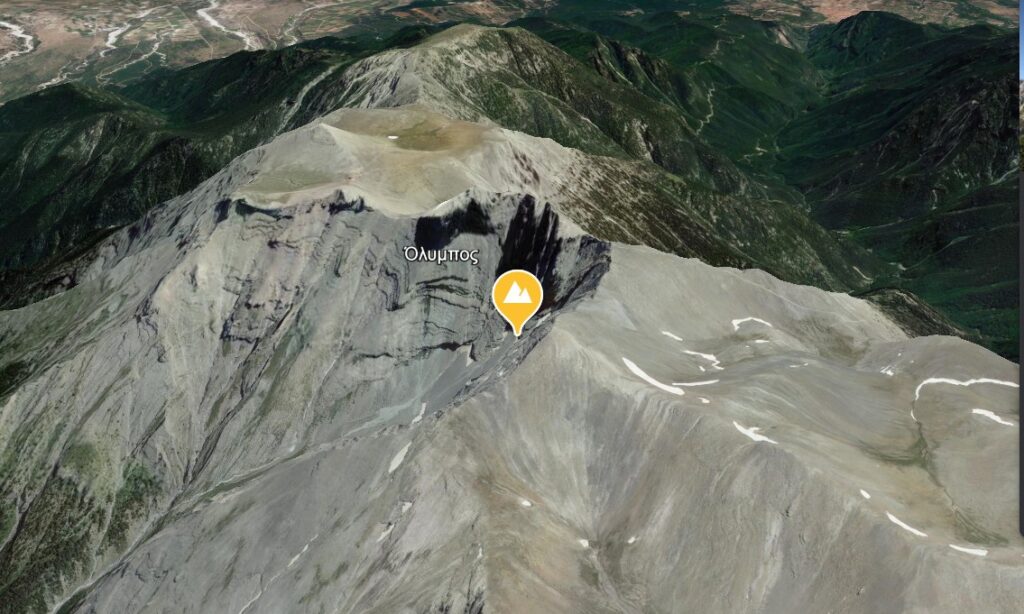
    Mount Olympus, highest peak in Greece

    12 Olympians (including Zeus) ruled from ‘heaven’ atop Mount Olympus.

    These Olympians had overthrown prior gods called the Titans.

    Before that, according to Greek mythology, the TITANS had been formed by FATHER HEAVEN and MOTHER EARTH.

    Father Heaven and Mother Earth had emerged from:

    (Pay close attention now)

    primordial CHAOS whose

    2 children: DARKNESS and DEATH

    gave birth to LIGHT and LOVE

    NIGHT is the mother of DAY

    earth rotating

    which made possible the appearance of FATHER HEAVEN and MOTHER EARTH.

    δεισιδαίμων Scandalous religious worship of gods

    The Olympian Zeus was son of the Titan god Chronos. ZEUS, who has taken the lordship of the throne of heaven, is known for ‘perpetually falling in love, wooing and usually raping beautiful women, both mortal and immortal, who would then give birth to gods and demigods… [Sailing the Wine-Dark Sea, p.17]

    The goddess Hera is Zeus’ wife! And HERA naturally gets jealous. Plus in an additional soap-opera-esque twist, the goddess Hera is also Zeus’ sister!

    Statue of the goddess Athena - powerful namesake of Athens

    IF (unlike Paul) you are unaware of where ATHENA fits in here, this hometown goddess is one of the 12 Olympians which include:

    Zeus, Poseidon, Hades, Hera, Demeter, Aphrodite, Athena, Artemis, Apollo, Ares, Hephaestus, Hermes.

    Without pursuing these Greek gods and goddesses further (many long forgotten, as Paul & Roman inscriptions will note) their idolic family-tree and extra-worldly adventures come from ancient Greek literature, including Theogony, a poem by Hesiod from ~700 B.C. 

    The Hellene Pax Romana from the bringer of War
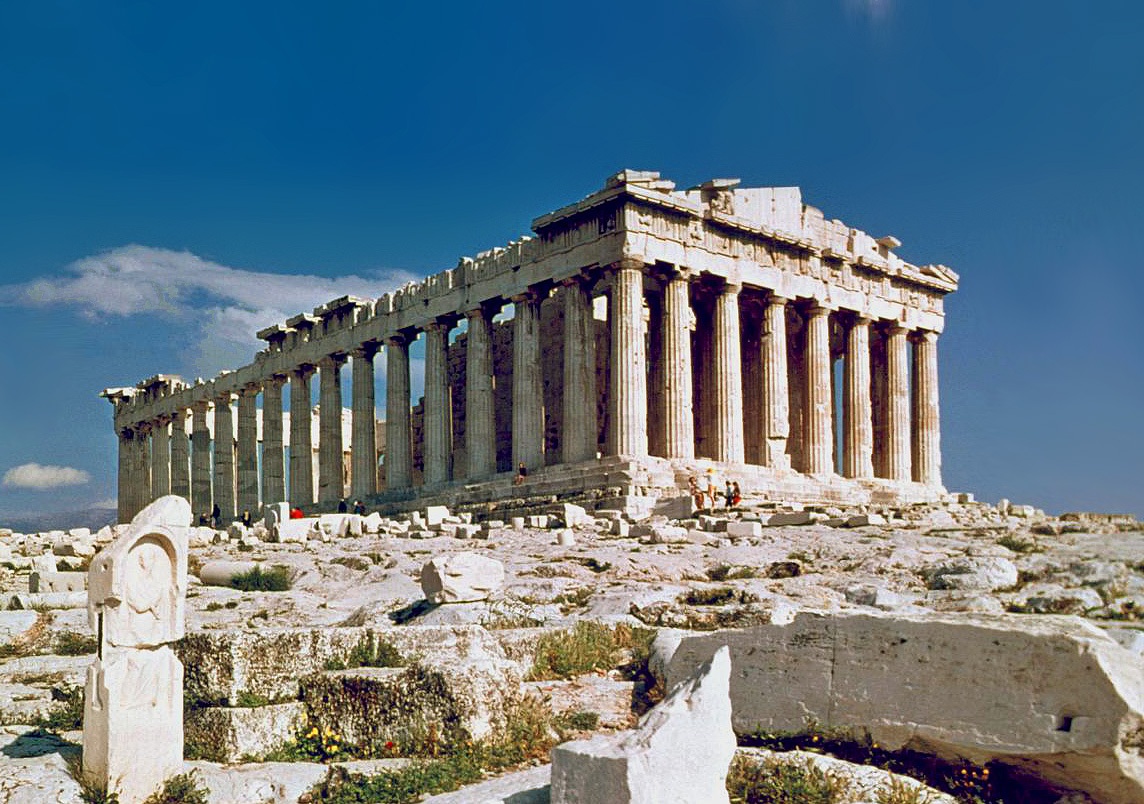
    The Parthenon in Athens a place to honor and worship all the gods

    Who are the ROMAN gods of the Roman free city of Athens?

    Derived from the Greek words ‘πᾶν’ pan – all, and ‘θεός’ theos – god, pantheon literally means ‘of all gods’.

    The British Museum [source for the following list of gods]

    King of the gods is Zeus – or his Roman equivalent, Jupiter – who rules over Mount Olympus and is the god of thunder and lightning, as well as law and order.

    Hera or Juno.. is the goddess of marriage, childbirth and fertility.
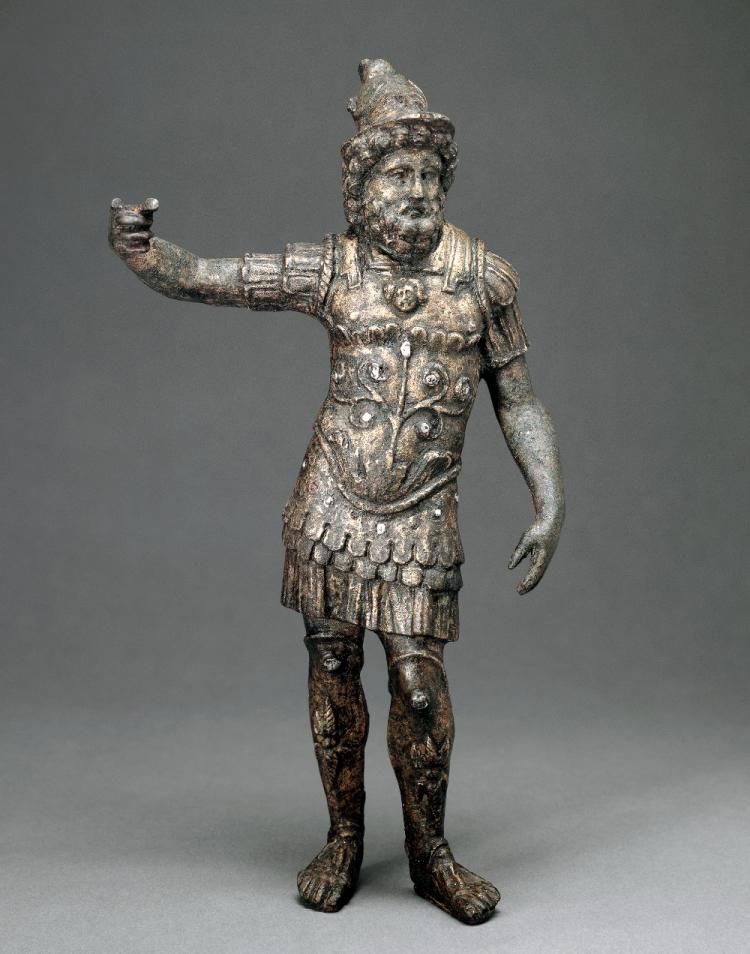
    Ares or Mars
    This Romano-British statuette shows Mars, the god of war, fully decked out in his characteristic armour, missing the original spear and shield he would once have held.

    Athena or Minerva – Ares’ [Mars’] half-sister is the Greek goddess Athena. Goddess of reason, handicraft, wisdom, and war, she is the daughter of Zeus

    Aphrodite or Venus [very popular idol of men and women alike in every century]
    Goddess of love, sex, and beauty, Aphrodite – or Venus – is said to have emerged from the white foam generated when the Titan Cronos [father of ZEUS] threw the severed testicles of his father, Ouranos, into the sea.

    Aphrodite is an ancient Greek goddess associated with love, lust, beauty, pleasure, passion, procreation, and as her syncretized Roman goddess counterpart Venus, desire, sex, fertility, prosperity, and victory.

    Hermes or Mercury
    The messenger of the gods was Hermes, known as Mercury in ancient Roman religion, and he was also a pastoral god, protecting livestock and travellers.

    Do you recall how on their first missionary journey they thought that Paul was Hermes who spoke for Zeus i.e. Barnabas?
    And the priest of Zeus, whose temple was just outside the city [Lystra in Pamphylia], brought oxen and garlands to the gates, and was wanting to offer sacrifice with the crowds. – Acts of the Apostles 14:13
    YOU could learn much more about these Greek and Roman gods, many long forgotten -- and never gain any more wisdom of the One God who sent men like Paul into all the world with the Gospel of the Savior of sinners and hope of the resurrection, Christ JESUS!
    

    Springtime in Athens

    Disclaimer: Although this single illustration of typical events in Roman-ruled Athens is extra-Biblical and may not have taken place specifically during Paul's visit, I provide general descriptions mostly from SAILING THE WINE-DARK SEA to set the cultural stage for Paul's speech with some level of the Apostle's 1st century understanding of his audience. 
    
    Paul's stop in Athens may have been in A.D. 51, perhaps even in the spring.
    Claudius, Emperor of Rome, had changed the calendar back in A.D. 46 and by A.D. 43 had conquered much of Europe including Great Britain. - RH

    A classical culture that wasn’t what you thought.

    The ANCIENT 5th century B.C. cultural of Athens had been that of a ‘democracy’ dependent on slaves. Democracy for ‘all’ was for ‘free’ MEN only, and that only of two basic Greek higher classes, one a ‘high office’ and the others ‘lower’ offices – a sort of competing middle class of free men who directly ruled over the affairs of Athens.

    Athenians probably numbered no more than a quarter million, of which as many as 100,000 may have been slaves.. This would leave a citizen population of little more than twenty percent.

    ‘Why the Greeks Matter’ p.115

    The political experiment of Athenian democracy (of its 20% citizenry) would end, of course, with their conquering by Alexander the Great. Later a similar political experiment of a Roman Republic would also fail as conquering heroes of the people made themselves to be Caesars and gods of the people.

    Europeans.. are full of spirit but are somewhat lacking in intelligence and skill.. Asians.. though intelligent and skilled.. lack spirit.. The race of the Greeks, however, which occupies the center of the earth.. being both spirited and intelligent.. Thus does this race.. continue to be capable of ruling all humanity.

    (Of course no sensible proponent of democracy could today speak of race rather than culture or imply any inequality of those incapable of governing themselves. Let the humanist religion of philosophy bring reason to all religions of humankind with equal participation of all flesh in the rituals of all gods celebrated together in the pax of humanity.
    
    But this of course is a 21st c. religious take on ancient wise ways of 'classical' philosophers such as the excerpt quoted here from Cahill.) - RH
    excerpt [The Politician and the Playwright p. 129 – How to Rule] from ARISTOTLE
    Picture the Classical Greek citizens of Athens (and their slaves)or Hellenist Athenians in built back better ruins of their past with a Roman citizen Paul brought to their curious attention in A.D. 51:

    “The continual buzz of conversation, the orotund sound of the orators, the shrill shouts from the symposia–this steady drumbeat of opinion, controversary, and conflict could everywhere be heard. The agora [marketplace].. was an everyday marketplace of ideas..

    The word the Athenians used for their Assembly was Ekklēsia, the same word used in the New Testament for Church..”

    Thomas Cahill – Sailing the Wine-Dark Sea p.118
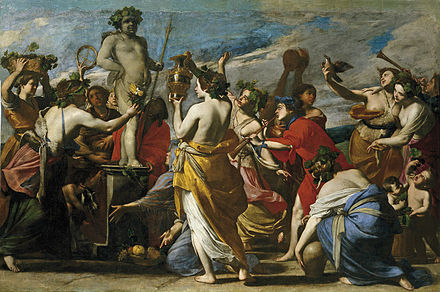
    Dionysus(Bacchus)God of wine, vegetation, fertility, festivity, ritual madness, religious ecstasy, and theatre

    Hellenist worship

    At the springtime Dionysia, the Athenian festival in honor of Dionysus, three days.. began with a solemn religious procession of leading citizens, distinguished visitors, and all the choruses.. led by officials carrying.. sculpture of erect penises, symbols of the god, to his temple…

    Why the Greeks Matter, Thomas Cahill pp. 129-130

    Into the this idolatry walks a Roman citizen, Paul, who is invited to address the assembly of leading men of Athens, to whom the Apostle begins his logical argument with exceeding grace.

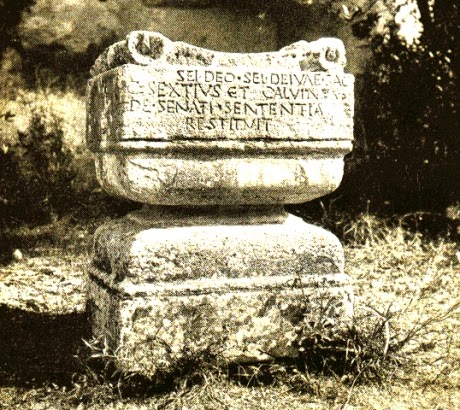
    the UNKNOWN GOD

    The inscription begins "whether god or goddess" (si deus si dea), a phrase indicating that the deity is unknown. Often there would be a request that followed ("Whether you are a god or goddess that rules over Rome, grant us...").
    Whether god or goddess..

    Acts 17 – Paul Addresses the Areopagus

    23 For as I passed along and observed the objects of your worship, I found also an altar with this inscription: ‘To the unknown god.’

    What therefore you worship as unknown, this I proclaim to you. The God who made the world and everything in it, being Lord of heaven and earth, does not live in temples made by man, nor is he served by human hands, as though he needed anything, since he himself gives to all mankind life and breath and everything…


    NEXT: the Logic of Paul’s Theology

    To be continued…
  • Approaching Athena the ruling goddess of Athens

    Approaching Athena the ruling goddess of Athens

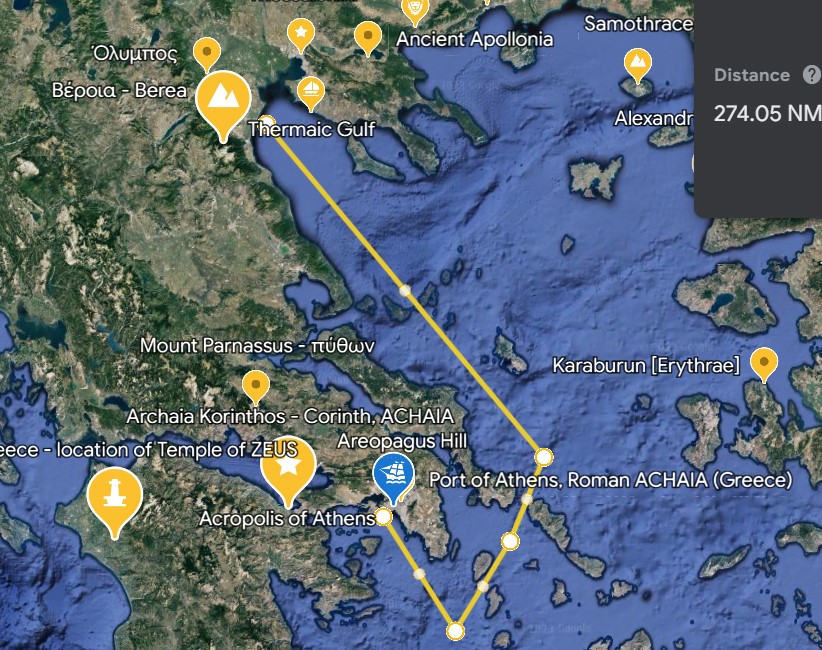
    The Lord’s apostle to the gentiles — Paul, or Saul of Tarsus, a Roman citizen of CILICIA — has hurriedly fled Thessaloniki and Berea MACEDONIA sailing south along the Aegean coast of ACHIA to Athens.

    sailing from Macedonia through the Aegean Sea to Achia, home of ancient Athens and a larger city of Corinth

    Sailing from Macedonia to Athens

    Although fleeing the Jews we must think of Paulos as a ROMAN citizen on some sort of commercial Roman ship traveling from Macedonia to Achia. Yes, the destination of his ticket in Athens – a city of a 300 year old fading glory – but the more important city of Roman Achia is now Corinth.

    What is more important here along Paul’s nearly 300 mile journey here is the context of culture so evident as he sails to Athens and then walks through the entrance of a city steeped in its former Hellenist glory.

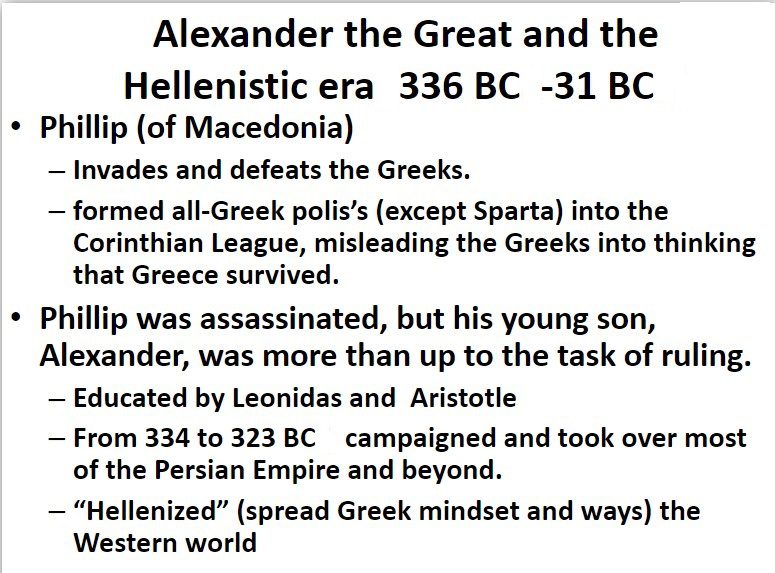
    Previously we addressed the ‘Greek‘ influence of Alexander the Great and Macedonian culture.
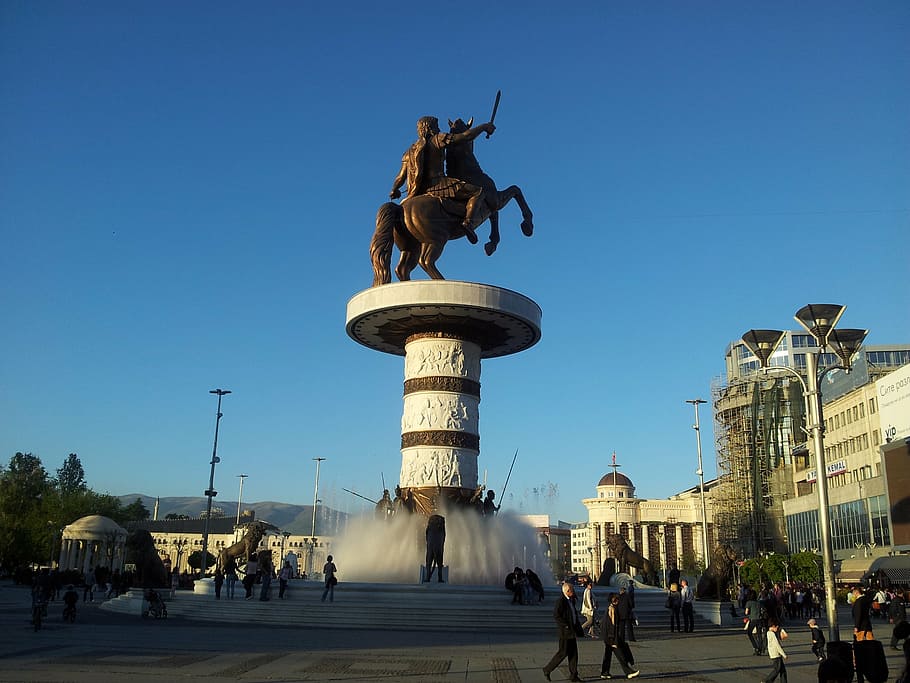
    Statue of Alexander the Great atop a fountain in Thessaloniki, Greece. In Acts 17 Paul fled from there to Berea on his second missionary journey;

    This modern-day statue of Alexander the Great in Thessaloniki, Greece partially demonstrates this Macedonian’s lasting influence even since his death in 323 B.C.

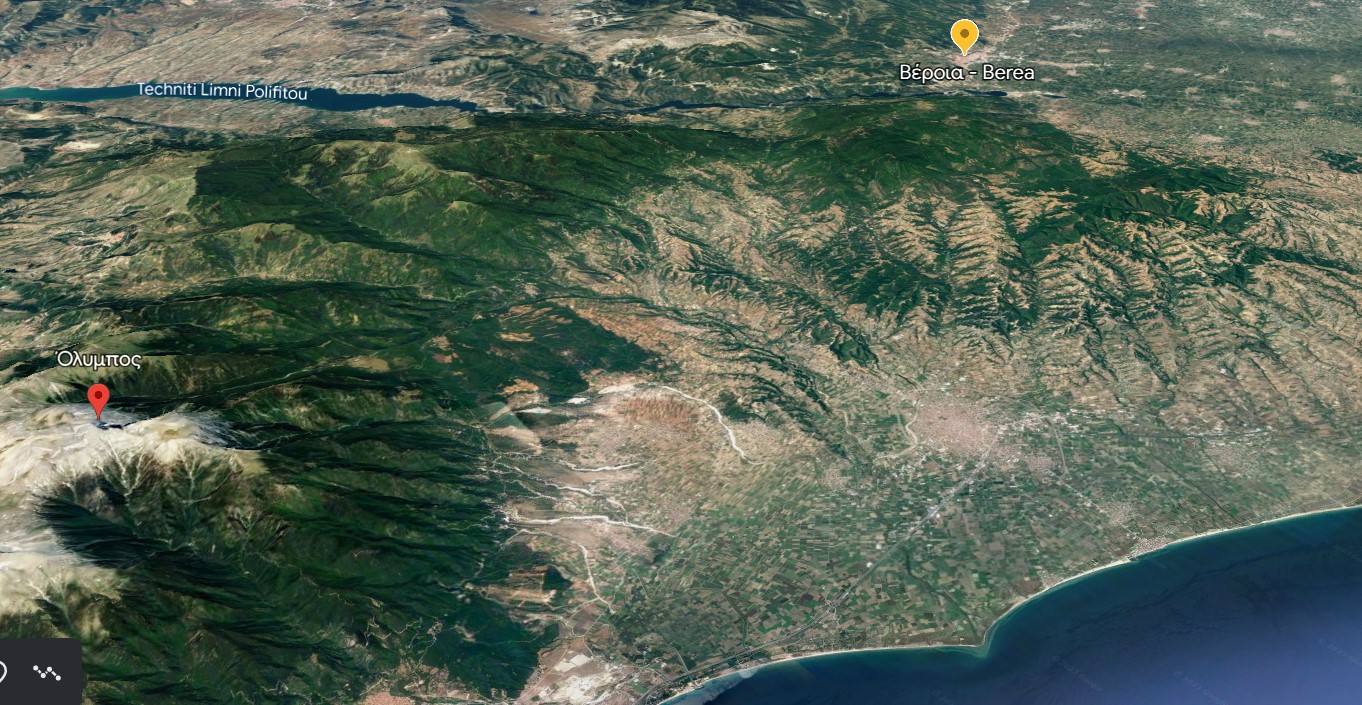
    Paul would have no sooner left port in Macedonia than all would have viewed the great mountains of Greek mythology on their starboard side.

    Google Earth View of Mount Olympus, Olympus mountains toward Berea
    (We will approach these gods Zeus and others upon arrival in Athens.)
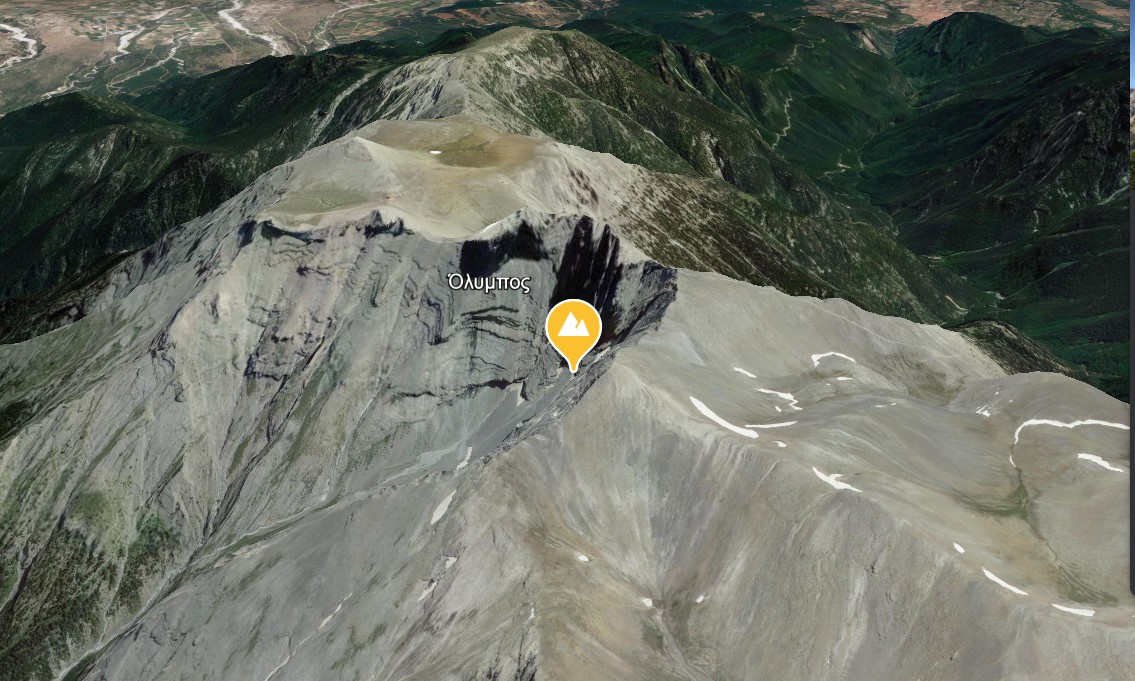
    Mount Olympus, highest peak in Greece
    Mount Olympus – Highest peak in Greece, home of Zeus and the mythology of the Greek gods and goddesses

    As we noted earlier the apostles’ journey along this mountainous coast of about 300 miles takes them from Macedonia (with its Alexandrian history) to Achia, the Roman region of strategic importance which includes Corinth on an inland isthmus and the port of Athens, formerly devastated by war but brought back to prominence by Rome as a ‘free city.’

    Approaching Athens

    Preview in new tab

    As their commercial Roman sailing ship rounded mountains descending into the Aegean on their approach Athens, Paul would have seen ruins of the destroyed Acropolis appear on the hill to their starboard side prior to their ship docking in port.

    acropolis comes from the Greek words ἄκρον (akron, “highest point, extremity”) and πόλις (polis, “city”). – source – Flickr (same as photo)

    Upon arrival, as we noted last time, Paul sent his Berean brothers back to let the church know that he had arrived safely — again a 300 mile return trip while the Apostle Paul takes in the sights of this ancient ruined Greek city of Hellenist influence and lessor free city of Rome gaining the attention of its Emporer (a Caesar and god of the people).

    Visitors to the Athens of A.D. 50 would have walked along streets lined with monuments and statues as they ascended the hill into the city and its agora (marketplace).


    Unknown gods and goddesses

    Now while Paul was waiting for them at Athens, his spirit was being provoked within him as he was observing the city full of idols.

    Acts of the Apostles 17:16
    Thomas Cahill - SAILIING THE WINE DARK SEA - Why the Greeks Matter

    NOTE: Although I have researched several sources as a background for Paul’s Acts 17 speech in Athens, you will find this one most useful and detailed. – Roger@TalkofJesus.com

    https://thomascahill.com/books


    YOU and I cannot fully understand Paul’s more contemporary knowledge of his first century A.D. context of clashes between Hellenist, Roman and Hebrew cultures; however after a brief overview of the text we will take a glance at Athens through the A.D. 50 eyes of all.


    Acts of the Apostles 17:

    Acropolis -

    17 So he was reasoning in the synagogue with the Jews and the God-fearing Gentiles,

    and in the marketplace every day with those who happened to be present.

    18 And also some of the Epicurean and Stoic philosophers were conversing with him. Some were saying, “What would this idle babbler wish to say?” Others, “He seems to be a proclaimer of strange deities,”—because he was proclaiming the good news of Jesus and the resurrection. 19 And they took him and brought him to the Areopagus, saying, “May we know what this new teaching is which you are speaking? 20 “For you are bringing some strange things to our ears. So we want to know what these things mean.”

    Luke now inserts a parenthetical glance at our 1st century A.D. philosophers of Athens.

    21 (Now all the Athenians and the strangers visiting there used to spend their time in nothing other than telling or hearing something newer.)

    Luke's account continues from ACTS 17:22 'So Paul stood in the midst of the Areopagus..
    
    We will listen to the apostle to the gentiles addressing the men of Athens next time, but first some CULTURAL CONTEXT.

    The Jews (in the eyes of Athens)

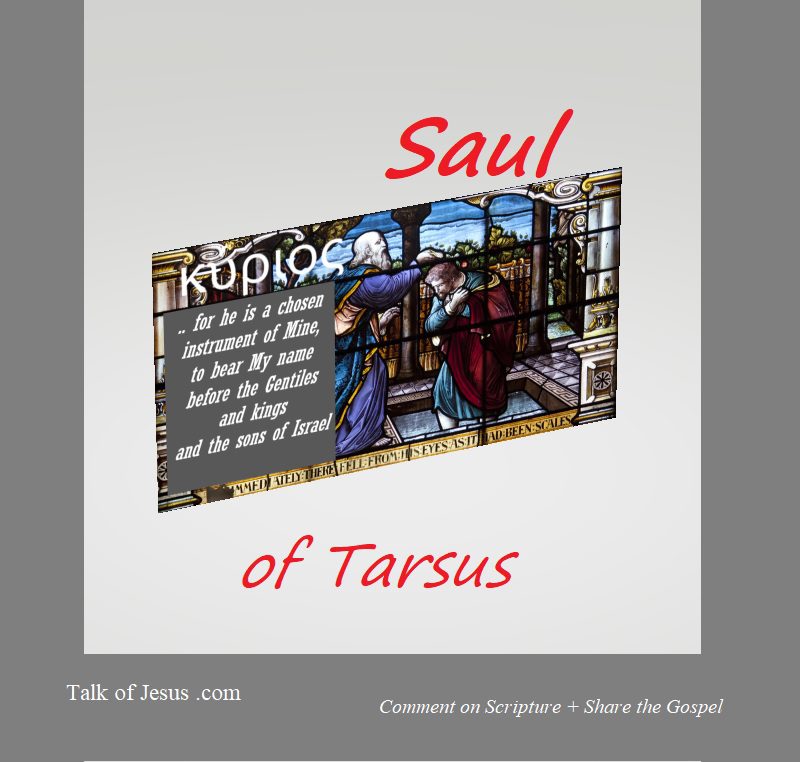
    The acts of Saul of Tarsus persecuted Christians until on a road to Damascus the Lord anoints the Apostle to the gentiles

    Saulos of Tarsus frequented the synagogues of his Hebrew brothers first in many other cities. He is a Pharisee who had believed in the Resurrection even prior to meeting the risen Messiah Jesus (same as Joshua in Hebrew) live and in Person.


    This belief in the resurrection of JESUS, Ἰησοῦς in the common Greek language, yᵊhôšûaʿ or Joshua in Hebrew, held by some Pharisees and some Essenes but not the Jewish sect of the Sadducees attracted Pharisaic Jews and proselytes to Christ’s fulfillment of Hebrew Scripture.

    Jews were merchants who mostly seemed to fit into the Pax Romana like any other religious culture except for one strange belief: Jews only had One God.

    An even more strange belief of some Jews about what happened to the body after death seemed somewhat ghoulish. (Just imagine some neighbor walking around Athens after he died — laughable!) What a strange belief of some of these Jews.

    For the Jews, who had little or no belief in the immortality of the soul, only salvation in one’s body could have any meaning.

    Thomas Cahill, Why the Greeks Matter, p.260

    The ‘peace’ of Rome accomplished in Athens by conquest was tenuous. Athenians and Romans were somewhat suspicious of Jews who the Emperor Claudius had just expelled from Rome.

    Therefore, just as Saul of Tarsus had fled Macedonia secretly and swiftly, Jews in Achia and other cities of the Roman Empire most likely worshiped somewhat ‘under the radar’ in A.D. 50 so as to peaceably blend in with other Greeks.

    As to Jewish cultural traditions of the past, Hellenist and Roman alike would have admired the great Jewish Empire of Solomon which was even more ancient than the centuries-old fallen glory of Alexander of Macedon who also conquered all of the world including the ancient cities of Greece.

    To the Hellenist eyes of Athenian philosophers Jewish wisdom differed from their own ancient Greek wisdom. Paul understood both.

    .. a Hebrew mode of argument .. proceeds by assertion and contrast rather than step-by-step reasoning [of ‘Socratic method’]

    Thomas Cahill, excerpt ibid. p.165

    17 So he was reasoning in the synagogue with the Jews and the God-fearing Gentiles


    Dialogue with men in the Agora

    .. and in the marketplace G58 every day with those who happened to be present.

    You might think that based on previous witness in other cities the apostle would have steered clear of the agora where everybody who’s anybody gathers in town.

    But when her masters saw that their hope of profit had left, they seized Paul and Silas and dragged them into the marketplace before the authorities, – Acts 16:19 LSB

    Acts of the Apostles Missions trips of Paul, Barnabas, Silas and several others

    Paulos, sent out by Christ to the world of the Greeks, is a Roman citizen with a public duty, a Greek-speaking orator with a heart for the One God revealed in Hebrew Scripture and by the Messiah and the Spirit of the Living God.


    This visitor to Athens brings a unique perspective to Roman authorities and citizens of this free Roman city in addition to an appeal to traditional and classic Greek values represented in-part by their many gods.

    The agora in Athens is crowded with Gentiles EVERY DAY.

    ἀγορά

    1. any assembly, especially of the people
    2. the place of assembly
    3. market place, street

    The Greek or Hellenist or Roman agora is a multi-purpose public place.

    For: public debating, in-person democratic elections, trials, for buying and selling and all kinds of business


    Aristotle & the pantheon of Athenian gods of philosophy

    Classic Greece is long gone. Aristotle died in 322 B.C., his student Plato in 347 B.C. and Socrates had accepted his death sentence of hemlock for disbelief in the gods of Athens way back in 399 B.C.

    ~A.D. 50

    Acts 17:18

    And also some of the Epicurean and Stoic philosophers were conversing with him.

    Who are these endless debaters of the Agora?

    Some were saying, “What would this idle babbler wish to say?”

    Others, “He seems to be a proclaimer of strange deities,”—because he was proclaiming the good news of Jesus and the resurrection.

    Classic Schools of Philo-sophy [love of wisdom]

    Roman and Hellene aristocratic families would send their young men to Athens. It’s schools included: Cynicism, Stoicism, Skepticism, Epicureanism and others. Among these that Paul would have encountered:

    Stoics taught virtuous detachment from the physical things of the world (a sort of monastic approach). Epicureans taught to love of life and pleasure much to the liking of most powerful Roman and well-healed Greek men celebrating so many festivals of various gods with little thought of wisdom at all.

    In fact, over the centuries since the esteemed Greek philosophers Athens and other Hellenist cities had had so many varied festivals and pantheons of gods that no man could truly remember them all.

    THE LOVERS OF WISDOM continually TALKED about gods and religion as a contest between PHILOSOPHERS seeking advantage over their opponent without seeking the TRUTH of the LOGOS which the Apostle Paul was about to present.

    And they took him and brought him to the Areopagus

    Acts of the Apostle Paul in ATHENS — To be continued…

  • Jews in Berea receive and believe the Gospel

    Jews in Berea receive and believe the Gospel

    What do Christians mean when they call themselves Bereans?

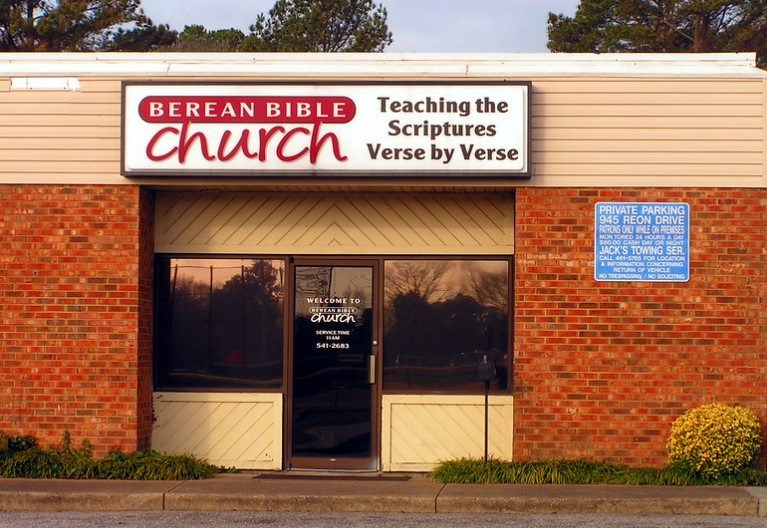
    Berea Bible Church photo Bill Smith creative commons license via Flickr.com

    Berean Bible Believer

    Are YOU one?

    No doubt you have your own imagery.

    (Let’s set our pictures of the past aside for a moment and go straight to the source – THE BIBLE – for some context of Paul’s visit to Berea.)


    Acts of the Apostles 17:

    So IF you are a Berean sort of believer you will first want to examine the Scriptures of our Source. Here they are!

    10 The brothers immediately sent Paul and Silas away by night to Berea, and when they arrived they went into the Jewish synagogue.

    This, of course, was where we left Thessalonica with Paul, Silas and Timothy last time in v. 10a

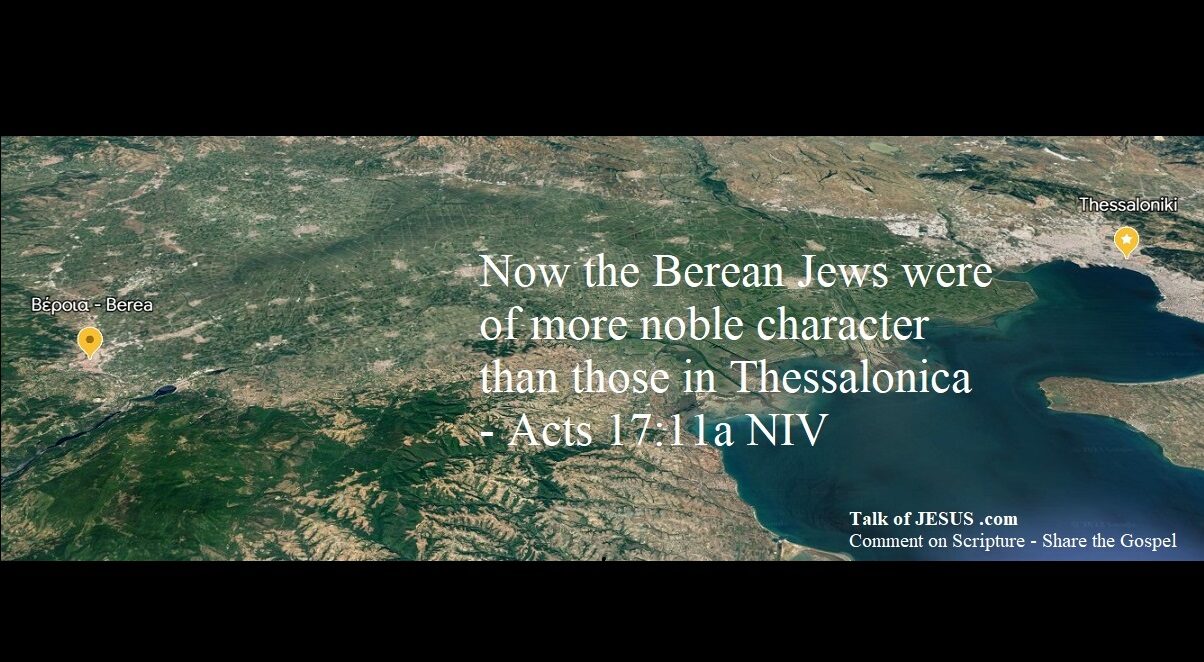
    Now these Jews were more noble than those in Thessalonica; they received the word with all eagerness, examining the Scriptures daily to see if these things were so.

    Acts of the Apostles 17:11 – English Standard Version

    12 Many of them therefore believed, with not a few Greek women of high standing as well as men.

    13 But when the Jews from Thessalonica learned that the word of God was proclaimed by Paul at Berea also, they came there too, agitating and stirring up the crowds.

    14 Then the brothers immediately sent Paul off on his way to the sea, but Silas and Timothy remained there.


    A Brief Stay in Berea

    Luke, as you can see, covers this apostolic visit to Berea in just four and a half verses. And from their arrival [v. 10b] until Paul’s hurried departure [14a] even less time and scripture.

    Yet hardly a Protestant Church lacks a “Berean” Bible Study or group of some sort (even those churches lacking a Berean store front to bring in believers of the Bible).

    Βέροια – Berea or beroia

    Pronunciation
    ber‘-oy-ah

    Modern Veria in Central Macedonian Greece

    Google Earth View of Mount Olympus, Olympus mountains toward Berea
    Mount Olympus and Berea near base of Olympus Mountains

    Although the drama of Paul in this place was most brief, the mythical influence of the ancient Greek gods of Mount Olympus impacted nearby Berea. Olympus is a familiar stage of the Hellenist culture of all Greece.

    The Clash of Titans and Cultures

    Statue of Alexander the Great atop a fountain in Thessaloniki, Greece. In Acts 17 Paul fled from there to Berea on his second missionary journey;

    ALEXANDER – the Great Macedonian

    The former classical glory of Alexander’s empire had faded into a Hellenist culture for nearly four centuries and was then absorbed into a modern Roman culture of the A.D. 1st century.

    Alexander the Great was a titan among kings

    As Rome’s Caesars sought to conquer the vast lands ruled by Alexander they discovered that the same ancient Babylonians, Medes and Persians to the East had all been influenced by the Hellenist culture of Alexander.

    A Pax Romana created a culture of peace with Rome’s captive peoples and incorporated their gods and traditions into local practice.


    The cultural clashes between Jews, Greeks and other Hellenist-influenced peoples of the Roman Empire are inevitable, undeniable and central to Paul’s proclamation of the Gospel to Greeks.

    No better place than Berea near Mount Olympus to set the stage for the world into which these apostles have been sent to proclaim the Gospel of Jesus Christ.


    What is Luke’s point in Acts 17:11?

    FIRST, what it is NOT:

    The Scriptures here are NOT the New Testament (which will later include two letters of Paul to to the Thessalonians).

    And although like in OTHER Jewish synagogues Paul undoubtedly had proclaimed the Gospel to these Jews AND probably shared the letter from the Council of Jerusalem with believers, the SCRIPTURES referenced here were EXCLUSIVELY ‘Old Testament’ similar to earlier preaching of Peter, Paul, Stephen and others connecting it all to Jesus the risen Messiah of Israel.


    Nobility

    Why does Luke refer to these Jews as ‘more noble than those in Thessalonica?’

    (After all, Paul will later write two encouraging letters to those in Thessalonica and the Epistles do NOT include a single correspondence to Berea.)
    
    Let's take a 'Berean' examination of the Scriptures illustrating Luke's meaning.

    “noble” occurs 18 times in 16 verses in the ESV, yet only 7 times in 7 verses in the KJV.

    Hear, for I will speak noble things,
    and from my lips will come what is right,
    for my mouth will utter truth;
    wickedness is an abomination to my lips.
    
    Proverbs 8:6-7 ESV
    
    Yet I had planted thee a noble vine, wholly a right seed: how then art thou turned into the degenerate plant of a strange vine unto me?
    
    
    Jeremiah 2:21 KJV (after the LORD asking Judah in v.11: 
    Hath a nation changed their gods, which are yet no gods? 
    

    Luke, using Greek also common to Macedonia’s Roman rulers uses the word εὐγενής, meaning, ‘more noble-minded.’

    Nobility refers associatively to a higher class; kings, princes, the well-born of certain families.

    (Remember that Roman, Hellenist or Greek and Eastern cultures included many slaves as well; although Christ taught that more slaves than rich would follow the righteousness attached to nobility and ‘leading Jews.’)

    Paul later addresses two Roman Governors as ‘most noble’ when addressing them.

    It is this same meaning attached to the Greek women of high standing [v.12] as well.

    Why are they more noble-minded?

    Rather than being dissuaded by cultural arguments of leading Jews who rejected Jesus the Messiah of Scripture these Berean Jews examined what Paul had taught from the Scriptures.

    δέχομαι – they received the word [logos]


    Luke also records an attitude perhaps equally important to new Christians receiving the Word, who was and IS and will be, the LORD God of the heavens and earth.

    “they received the word with all eagerness.”

    Your Savior from sin and death, the Messiah of Israel will be the judge of ALL men. JESUS saved you!

    SO DO YOU RECEIVE OUR LORD WITH ALL EAGERNESS?

    μετά [meta] πᾶς [pas] προθυμία [prothymia]

    ‘with great (or all) eagerness

    zeal, spirit, inclination, readiness of mind


    The Macedonians of these towns and cities who examined the true witness of the Hebrew Scriptures and obeyed the guidance of the Council of Jerusalem formed a strong, vibrant, and spirited church who witnessed the Good News of Jesus Christ to all the Hellenists, Romans and anyone else who believed.

    Paul’s briefer stay in Berea

    14 Then the brothers immediately sent Paul off on his way to the sea,

    Christians generally note the moving on of the apostle Paul to Athens and what will become one of his most important speeches. However here we will continue our focus on the work of two remaining apostles sent out to Macedonia, Silas and Timothy.

    Timothy and Silas in Berea

    .. but Silas and Timothy remained there. 15 Those who conducted Paul brought him as far as Athens,

    and after receiving a command for Silas and Timothy to come to him as soon as possible, they departed.

    While the Berean brothers helped Paul to flee the Thessalonian Jewish posse, Silas and Timothy stayed on (as Paul and other apostles had done in the past) to organize this church who studied the Scriptures daily.

    Once arriving in distant Athens, Paul then commands them to return home and send Silas and Timothy to continue their journey later when they too will finally arrive from Macedonia NOT in Athens, but in the larger nearby city of Corinth.

    When Silas and Timothy arrived from Macedonia, Paul was occupied with the word, testifying to the Jews that the Christ was Jesus.

    Acts of the Apostles 18:5 ESV

    NEXT: Paul in Athens, ACHIA

    To be continued…

    ACTS of the Apostles 17:16-