Category: Acts for a 21st c. Church

Acts Apostolos - Acts of the Apostles - the chronicles of Christ's Apostles - a history of Christ's Church including early leaders like Stephen, Philip the Evangelist, Paul, Barnabas and many others
Acts of the Apostles + a History of Christ’s Church

Acts of the Apostles 1-28


Acts of the Apostles:
+ The first century Church SHARED Christ while suffering severe persecution.
+ Luke records a historic account of the Church which gives 21c Christians a context to SHARE the Gospel of Jesus Christ with others.

Read more about the Early Church & add your COMMENT on Scripture.

ACT now.

+ SHARE the Gospel history witnessed in the CURRENT chronological SERIES from ACTS of the APOSTLES.

  • Acts 13.4 Sailing to Salamis Cypress

    Acts 13.4 Sailing to Salamis Cypress

    Sailing from Antioch to Cypress

    Acts of the Apostles 13:

    4 So, being sent out by the Holy Spirit, they went down to Seleucia and from there they sailed to Cyprus.
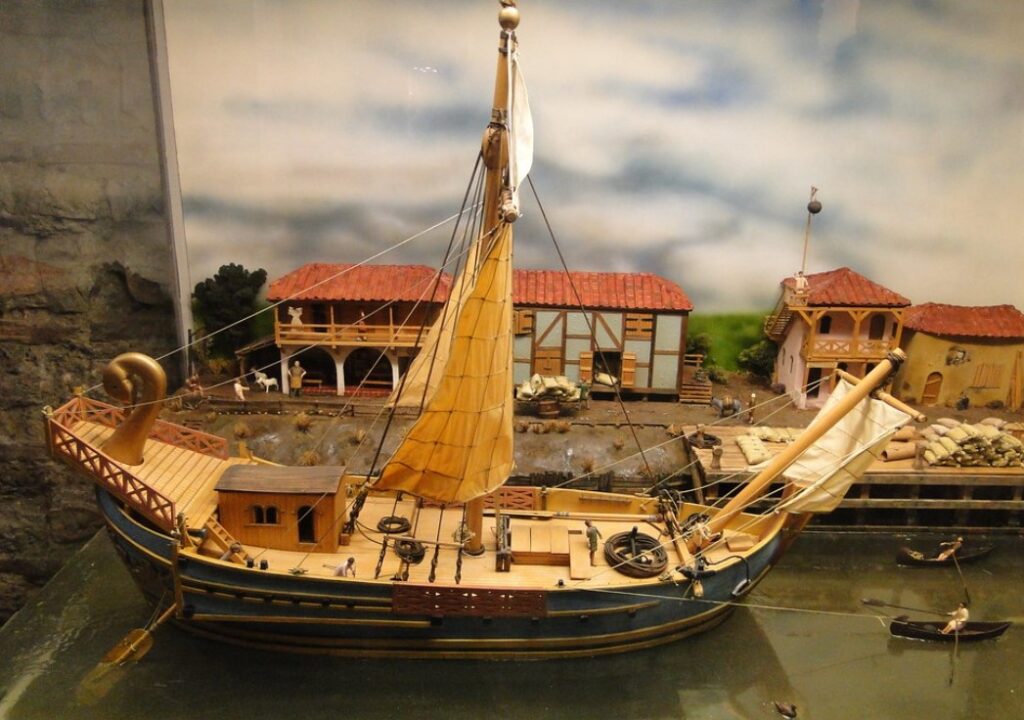
    A.D. 47

    A Roman merchant ship sails from Seleucia

    Photo source

    Sailing Journeys in the Roman Empire

    I don’t know about you, but I didn’t really know very much about sailing around in the Mediterranean in the first century A.D. And when I read later in Acts about wintering in some ort or about ship wrecks I had no idea what that was all about.

    So here is a little I’ve learned about Paul’s journeys by ship in the first century Mediterranean Sea.


    How did the ancient Romans travel?

    [Like Paul and Barnabas]

    • There were no passenger ships per say in first century Rome. No luxury cruise lines or anything similar.
    • People willing to travel by ship had to board a merchant ship.
    • They would first have to find a ship, it could be almost any kind of ship and then they would have to get the captain’s approval. The price would also be negotiated with the captain.
    • Most of the times passengers would bring their own food supplies, covers, mattresses, even a tent and sleep on deck!
    • Sometimes there would be hundreds of people on the deck.
    • There were no restaurants or any of the luxuries of today’s ships but passengers could use the ship’s facilities to cook their meals. People would often play games, gamble, read or just drink wine.

    OR perhaps a fellow passenger might ask two men like Paul and Barnabas,

    “What brings you to Cypress?”

    VITA ROMAE

    .. Romans were not traditionally seafaring people. They were mostly land-based people who learned to build military and merchant ships from the people that they conquered. Sailing the seas was often considered un-Roman.

    Romans had very few warships [BUT]

    Rome managed to defeat the world’s most powerful navy to become the dominant naval power in the Mediterranean or as the Romans called it Mare Nostrum (“our sea”).

    Sailing the Roman Sea

    Another function of Roman military ships was to patrol the Mediterranean sea and to sometimes escort merchant ships.

    • Most ships had a cargo capacity of 100 to 150 tons
    • The largest ships, with a capacity of 600 tons, were 150 ft (46m) long.
    • Merchant ships mainly used mainly wind power. They had from one to three masts with large square sails and a small triangular sail called the supparum at the bow.
    • They also had oarsmen (usually slaves). [Roman military ships used free Roman soldiers on the oars.]

    The time of travel along the many shipping lanes could vary widely. Roman ships would usually ply the waters of the Mediterranean at average speeds of 4 or 5 knots.

    VITAE ROME

    Salamis, Cypress
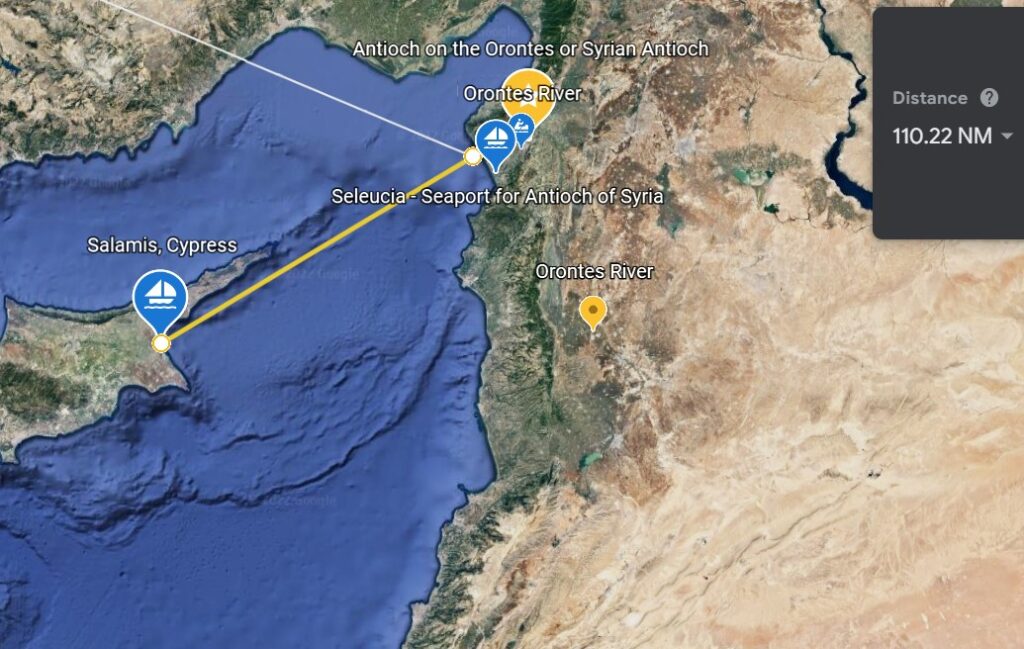
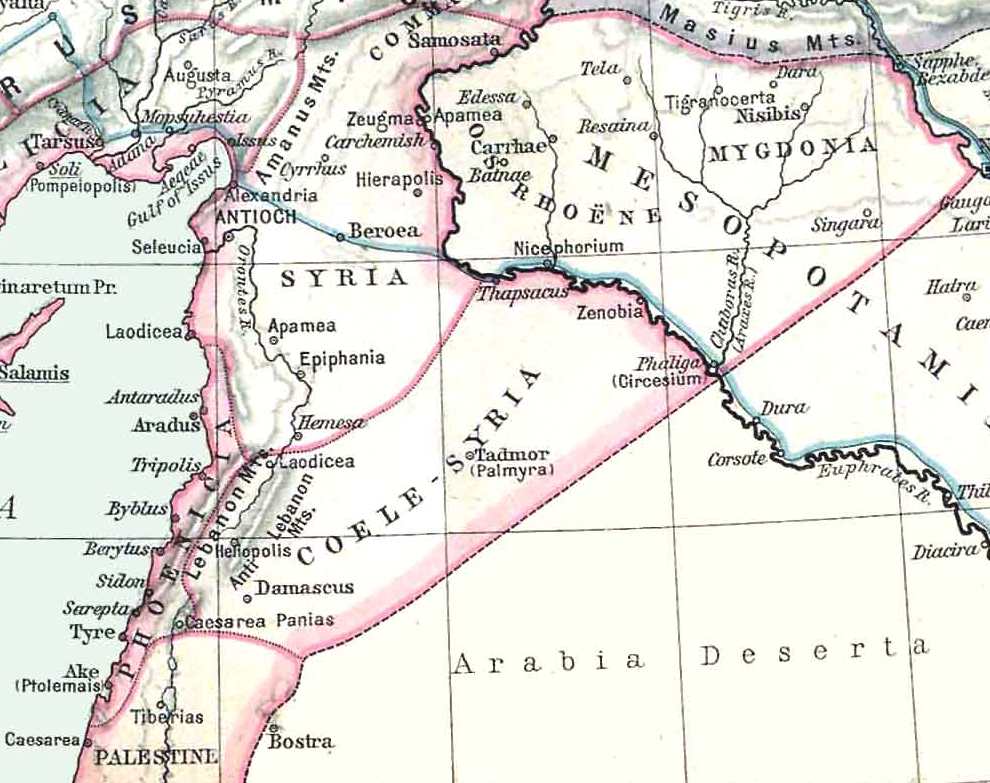
    Seleucia Syria (1st c) to Salamis Cypress

    IF we do the math, allowing for the additional time in Seleucia while the cargo is loaded on their ship.. waiting in the boarding line where the captain’s representative makes certain all passengers have paid their fare.. boarding time… casting off WHEN the tide and winds seem right…

    once weighing anchor, navigating the ship with new weight in the hold carefully out of the harbor…

    AT 4-5 knots per hour (eventually) & depending on prevailing winds..

    for perhaps 20-25 hours.. at least overnight (for this short voyage_) and timing of the tides and navigating Salamis…

    [Don't you just love all that waiting before departure and docking even on a short journey?]
    

    IF you would like to catch up to the LATEST post from our SERIES from ACTS of the Apostles CLICK HERE


    So Joseph, you say you were born here?

    See Acts 4:36

    A Levite.

    And you brought Saul here from Tarsus? (I’ve been there.)

    What’s this ‘Good News’ you are bringing here?


    One additional passenger

    DO YOU RECALL:

    Five years earlier in Jerusalem [~AD 42}: Peter amazingly appears at the gate of John Mark’s home after being freed from Herod’s prison by an angel.

    Peter goes to the home of Mary mother of Mark

    AFTER Herod Agrippa died [A.D. 44]:

    Barnabas and Saul returned to Jerusalem, fulfilling their ministry, taking along with them John, who was also called Mark. – Acts of the Apostles 12:25

    NOW, nearly three years later [~A.D.47]:

    Seleucia Syria (1st c) to Salamis Cypress

    FIRST PORT of the FIRST Missionary Journey – Salamis

    • It possessed a good harbor and was the most populous and flourishing town of Cyprus
    • in the Hellenic and Roman periods, carrying on a vigorous trade with the ports of Cilicia and Syria.
    • Its population was mixed, consisting of Greek and Phoenician elements.
      • The former, however, gave its tone and color to the city, and the chief cult and temple were those of Salaminian Zeus.
    • There they preached the gospel in the “synagogues of the Jews” (Acts 13:5);
      • the phrase is worth noting as pointing to the existence of several synagogues and thus of a large Jewish community in Salamis.
      • Of work among the Gentiles we hear nothing,
      • nor is any indication given either of the duration of the apostles’ visit or of the success of their mission;
      • but it would seem that after a short stay they proceeded “through the whole island”

    And when they reached Salamis, they began to proclaim the word of God in the synagogues of the Jews, and they also had John as their helper.

    Acts of the Apostles Paul & Barnabas 13:5 on Cypress

    WE see here just a brief first stop of Apostles sent out by the Holy Spirit with the Gospel, which Paul and Joseph of Cypress proclaim in the synagogue of Salamis to fellow Jews who have not yet heard the Good News of Jesus, the Christ promised by the Lord God.

    With them, a servant helper, John Mark, who observingly will record his first Gospel published about ten years later [in the A.D. 50’s].


    ACTS of the Apostles 13 on Cypress
    
    TO BE CONTINUED...
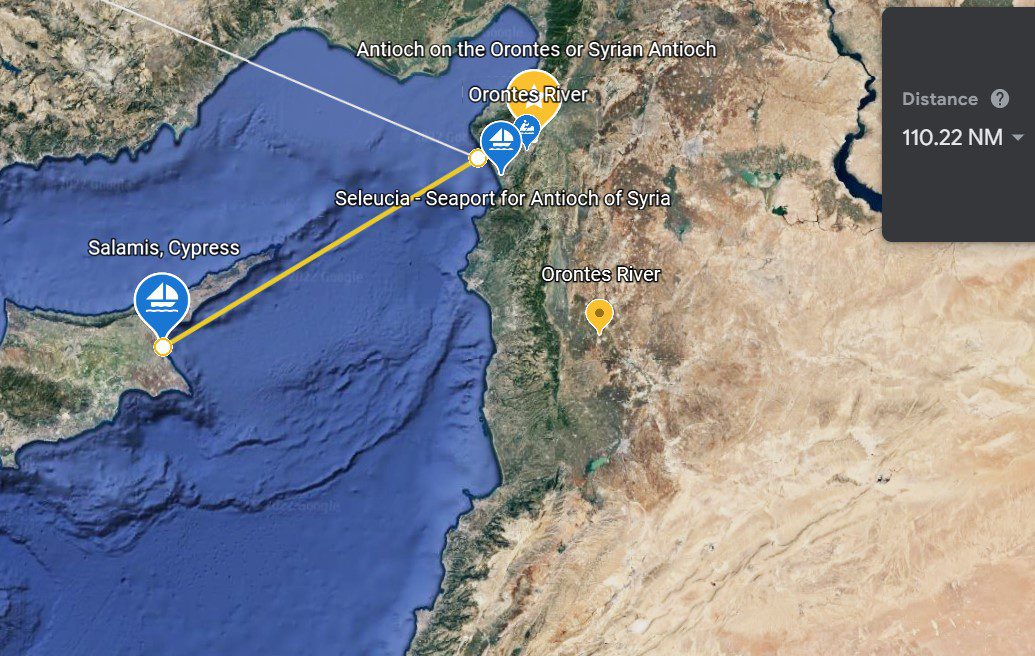
    
    Seleucia Syria (1st c) to Salamis Cypress

    Talk of JESUS . com

    Comment on Scripture – Share the Gospel

  • Acts 13.2 – Sailing from Antioch

    Acts 13.2 – Sailing from Antioch

    ON OUR JOURNEY AHEAD from Antioch I’ll show you a 21st century view of Paul’s missionary journey from GOOGLE EARTH guided by brief scripture for each part of Paul’s first missionary journey.

    What do you know about Antioch?

    https://talkofjesus.com/an-antioch-blueprint-of-church-evangelism/
    Did any of you cartographers catch my wrong label for Antioch on this map?

    In my introduction to the first missionary journey of Paul we introduced you to some representative faces of the culture in Antioch, the most notable church outside of Jerusalem.

    In the year of our Lord [A.D.] 47 + about 14 years after the Crucifixion, Resurrection & Ascension of JESUS.

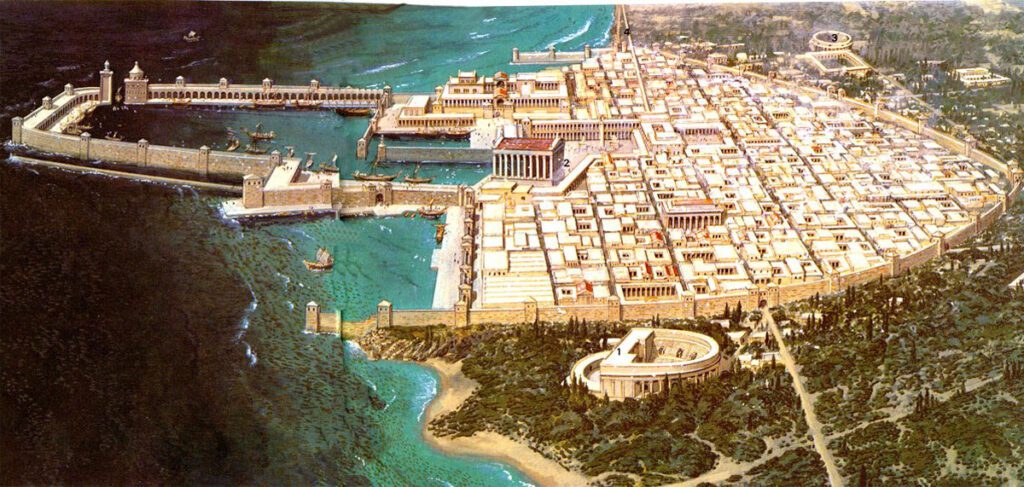
    About Antioch

    Rather than taking a traditional approach to Paul’s missions from a first-century view culturally rooted in Jerusalem, it may help us to think about Antioch and Paul’s departure from this IMPORTANT ROMAN CITY more like a Roman Citizen.

    After all, Saul of Tarsus (Paul), is not only a Jew, but a Roman Citizen who becomes somewhat of an ambassador between cultures, a man of learning and understanding of Romans, Jews and Greeks or Hellenists.

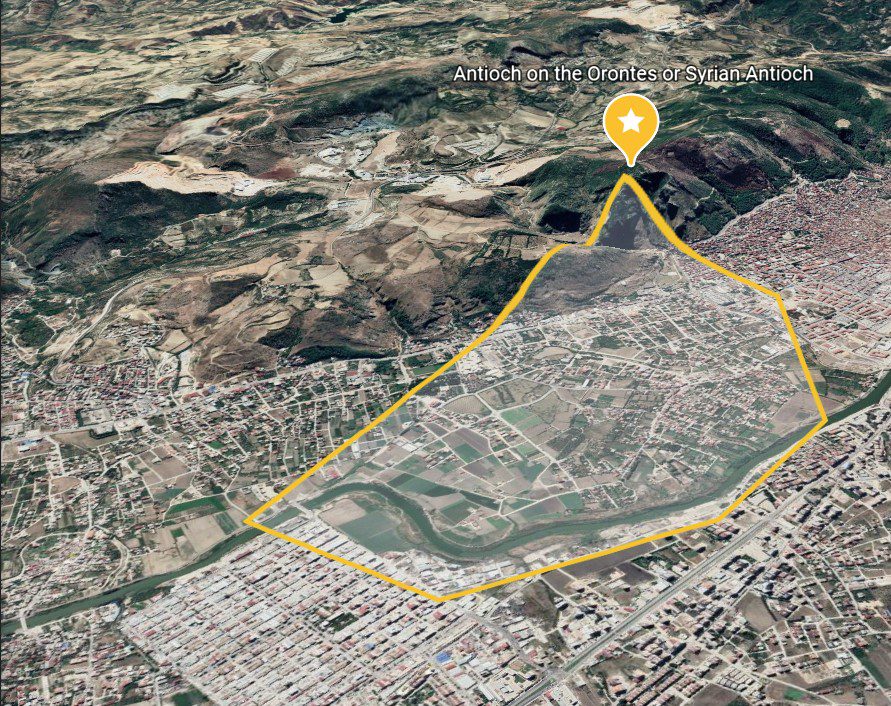
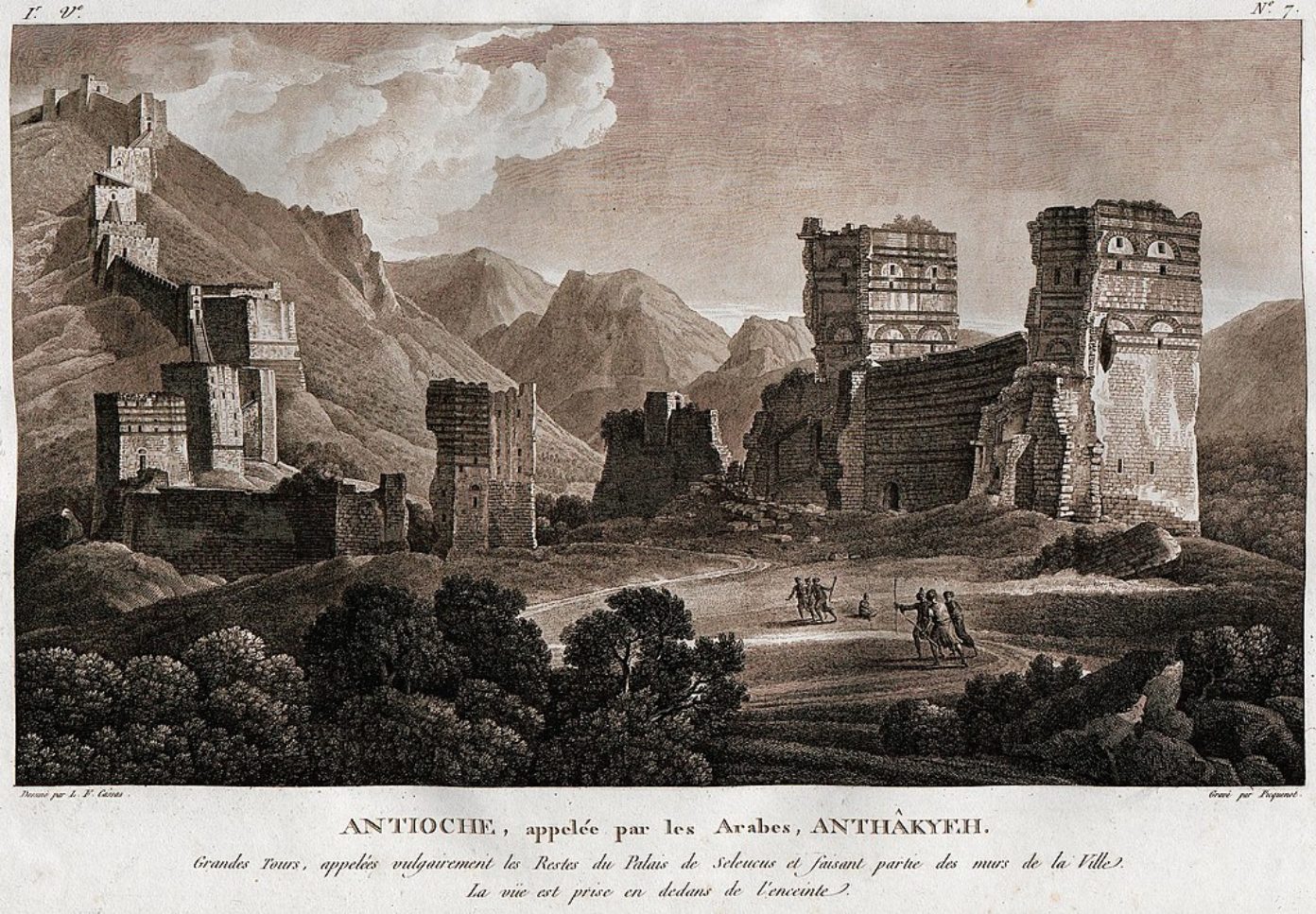
    Antioch on the Orontes source
    • What you see above is a painting of ruins of the ancient wall of Antioch.
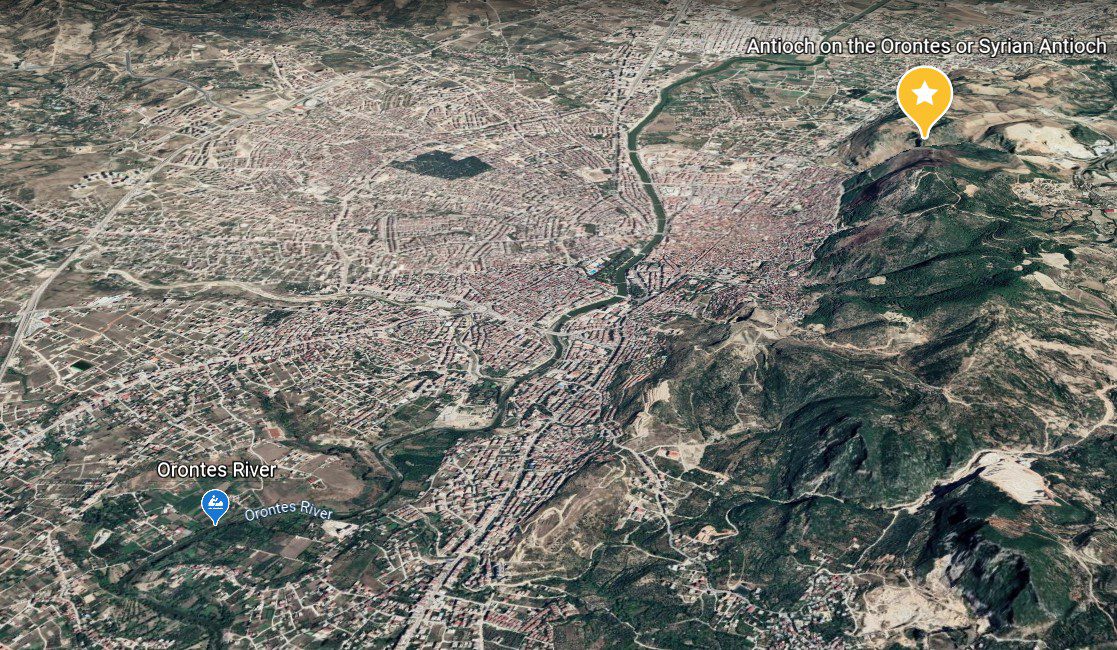
      • (I’ll show you an aerial view of this same area of the city [below]).

    About Antioch: a little before Paul, but NOT before ROME:

    The Great Commission – from Antioch

    Three hundred miles (480 km) north of Jerusalem, the Seleucids urged Jews to move to Antioch, their western capital, and granted them full rights as citizens upon doing so. In 64 BC, Pompey made the city capital over the Roman province of Syria. By AD 165, it was the third largest city of the empire.

    source
    21st c. comparison: FROM CINCINNATI OH to CHICAGO or Ashtabula OH 
    WE might FLY to Chicago or DRIVE 400-500 km across Ohio, the same as from Jerusalem to Antioch {Syria, not Ohio}.
    Jerusalem is a long walk from MOST of the Roman World!  
    So Jerusalem in many ways is NOT such a great place to "go into all the world.'
    
    TRAVEL: FLYING or even DRIVING 50+ mph for a day is NOT a first century option (obviously).
    OUR DEPARTURE is for MOSTLY ROMAN destinations. 
    And in fact, ANTIOCH is mostly Roman; therefore the Holy Spirit brings Paul, Barnabas and many others to establish the CHURCH in Antioch and from there, to proclaim the Gospel of the Lord JESUS." 
    antioch on the Orontes in Syria
    Orontes River flows north along modern-day Lebanon and Syria toward Antakya, Turkey then SW to the Mediterranean.

    Antioch on the Orontes, an ancient Greek city on the eastern side of the Orontes River, was one of the most glorious of all the Greek cities in the world.

    Home to hundreds of thousands of people in its golden age, it was known as “The Second Rome” and subsequently “the Cradle of Christianity” before it experienced so many cataclysmic earthquakes and military conquests that it was reduced to a backwater.

    source

    ~A.D. 47

    ACTS of the Apostles 13:

    Now there were at Antioch, in the church that was there, prophets and teachers: Barnabas, and Simeon who was called Niger, and Lucius of Cyrene, and Manaen who had been brought up with Herod the tetrarch, and Saul. And while they were ministering to the Lord and fasting, the Holy Spirit said, “Set apart for Me Barnabas and Saul for the work to which I have called them.”

    Then, when they had fasted and prayed and laid their hands on them, they sent them away.

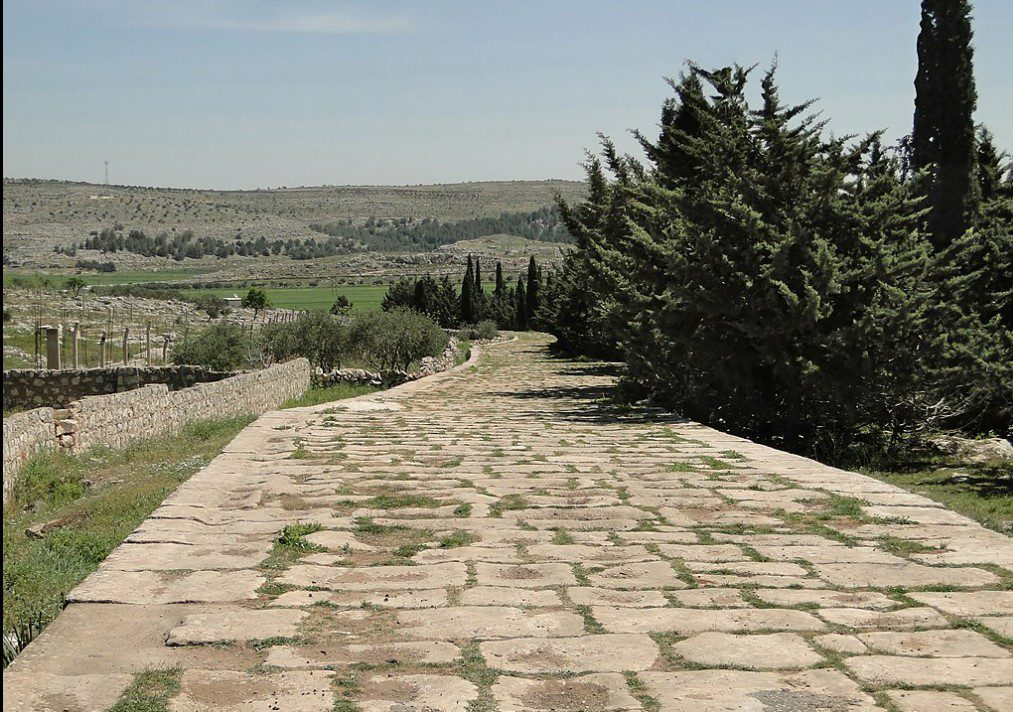
    This Ancient Roman road connected Antioch and Chalcis.

    So, being sent out by the Holy Spirit, they went down to Seleucia…

    Acts of the Apostles 13:4a

    Caesarea! a model of Roman incursion into all the world of the Mediterranean - a key port for Romans, a city where Cornelius, Philip, Peter, Paul and others brought the gospel
    The Roman city is not unlike a more familiar Caesarea [a model pictured here], Jerusalem's Roman port also built by Herod the Great AND built even better for Rome by Herod Agrippa.
    
    ..and from there they sailed to Cyprus. – Acts 13:4b LSB

    ACTS 13 of the Apostles on Mission TO BE CONTINUED…

  • Who shall we send? Barnabas and Saul

    Who shall we send? Barnabas and Saul

    AD 1st c. timeline – what has happened so far in ACTS of the Apostles 1-12
    + a Brief Summary of Acts [ABOVE] covers 10+ years.

    First Missionary Journey of Paul & Barnabas

    In this introduction to what Christians typically refer to as the THREE Missionary Journeys of Paul, I would prefer to get us thinking about the chronology, context and characters (yes, plural) leading these missions into all the world with the Gospel of Jesus Christ.

    Sometimes Bible publishers try to help us with HEADINGS of Scripture to give readers an outline of the content of context chronologically or topically. (Of course the original didn't even have chapters and verse references either.) 
    
    Here are a few which may match the HEADING of ACTS 13 in your Bible:
    
    Preparing for the Mission Field, First Missionary Journey, Barnabas and Saul Sent Off, Paul’s First Missionary Journey, Barnabas and Saul Commissioned, The Church at Antioch Commissions Barnabas and Saul, Saul and Barnabas are called to a special task, The Apostles Preach in Cyprus, Mission and Magic, Barnabas, Saul, and Doctor Know-It-All, 2 The holy Ghost commandeth that Paul and Barnabas be separated unto him. [1599 Geneva Bible] 
    

    Luke’s account of various ‘acts’ of the church now moves into the mission field.

    As we noted in our Synopsis & AD 1st c. timeline [linked above], ACTS took place:

    IN THE YEAR OF OUR LORD 47

    Although earlier, in ~A.D. 40-45, as we have already read:

    https://talkofjesus.com/an-antioch-blueprint-of-church-evangelism/
    An earlier missionary journey to Antioch

    The report [of gentiles receiving the Holy Spirit] of this came to the ears of the church in Jerusalem, and they sent Barnabas to Antioch.

    Acts of the Apostles 11:22
    • Barnabas had been sent out from Jerusalem to Antioch about five years earlier.
    • Men of Cyprus and Cyrene have already been preaching the Gospel there.
    • Barnabas, the son of encouragement, went to Tarsus to look for Saul, and when he had found him, he brought him to Antioch.
    • For a whole year they met with the church and taught a great many people.
      • ~A.D. 45?

    ALSO:

    • prophets came down from Jerusalem to Antioch.. who by the Spirit foretold of a famine
    • so the church (in Antioch) wants to send relief to help the church back in Judea
    • they sent their contributions back to the Jerusalem Church
    • by the hand of Barnabas and Saul. – Acts 11:30 ESV

    Acts of the Apostles 13:

    13:1  ἦσαν δὲ ἐν Ἀντιοχείᾳ κατὰ τὴν οὖσαν ἐκκλησίαν προφῆται καὶ διδάσκαλοι ὅ τε Βαρναβᾶς καὶ Συμεὼν ὁ καλούμενος Νίγερ καὶ Λούκιος ὁ Κυρηναῖος Μαναήν τε Ἡρῴδου τοῦ τετραάρχου σύντροφος καὶ Σαῦλος

    Picture these MISSIONARIES:

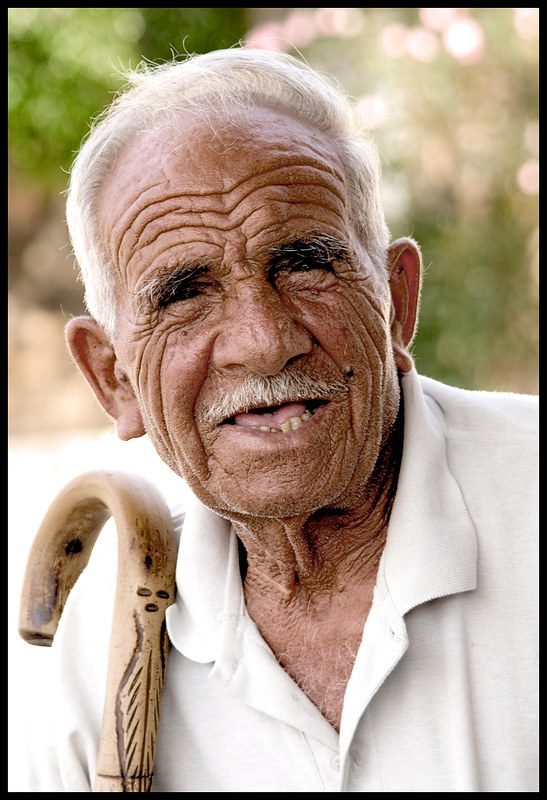
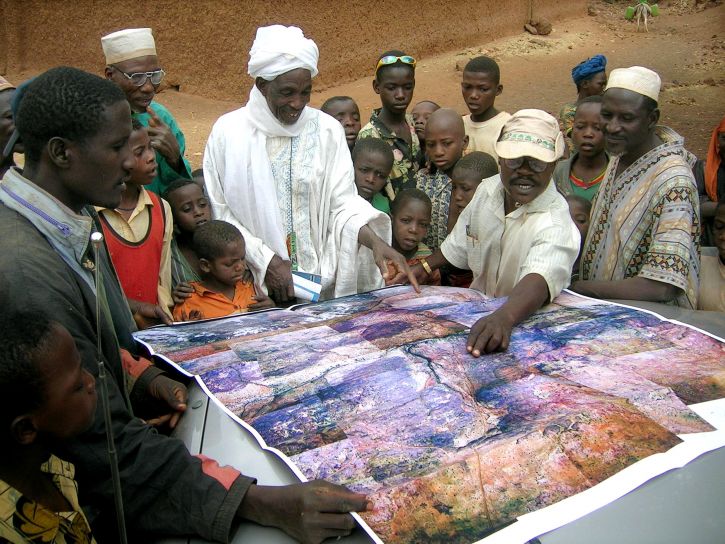
    Photos below intended to provoke thought on the colorless blend of cultures of the first century Church by utilizing random photos of men living in lands of those ethnic gentile cultures. (It's not simply a Hebrew or Hellenist context.) 

    Now there were at Antioch, in the church that was there, prophets and teachers:

    • Barnabas,
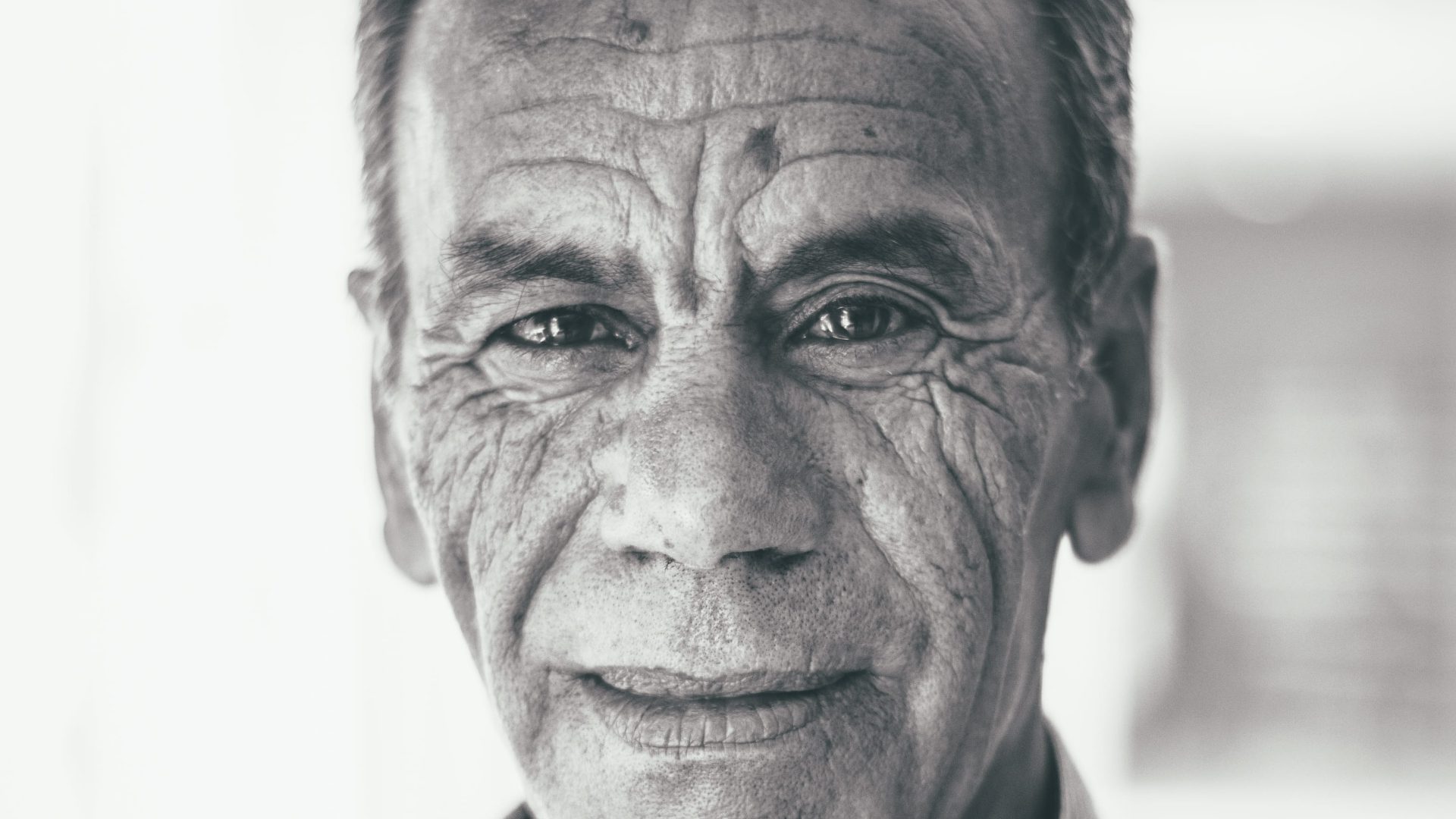
    Joseph of Cypress may have had an encouraging smile like Barnabas
    Βαρναβᾶς or Joseph of Cypress may have looked similar to this old man [2005]
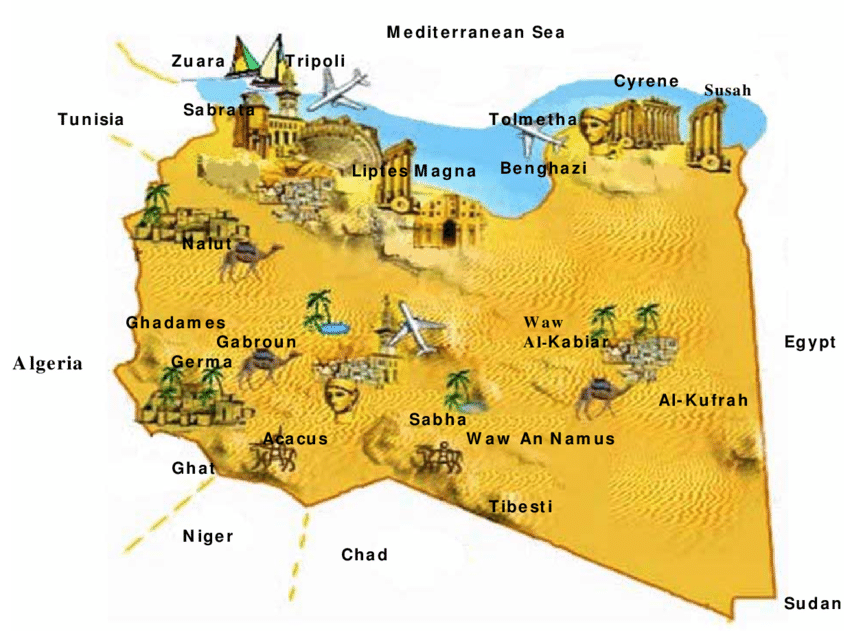
    • and Lucius of Cyrene,
    Libyan Man
    map of Libya including Cyrene
    Map of 21st c. Libya, ‘Lucius of Cyrene: Lucius = “light: bright: white” – a man from Cyrene who was a prophet and a teacher of the church in Antioch (Acts 13:1), perhaps the same one as mentioned in Ro. 16:21 – source BLB.org
    • and Manaen who had been brought up with Herod the tetrarch,
    As a reminder from the complexity of the Herod family:
    Herod the tetrarch = Herod Antipas, who married his half-brother's wife and beheaded John the Baptist! 
    He is one of ten sons of Herod the Great (who had five wives). The Herod's are raised as Romans, connected socially and politically with the Roman emperors.
    "Agrippa grew up around Rome.. went to school with the son of emperor Tiberius.. was eventually offered a small post in Galilee by his uncle Antipas.. Agrippa was given a job tutoring Tiberius’ grandson.. Caligula. Caligula banished Antipas and gave his territory to Agrippa, too. - source
    
    In any case, Manaen's name is similar to [מְנַחֵם] that of an earlier king of Israel, whose name Menahem means  "comforter."
    He must have needed to comfort others frequently while being raised in the household of this most-dysfunctional family of Roman-raised 'King's of the Jews.
    
    • and Saul.
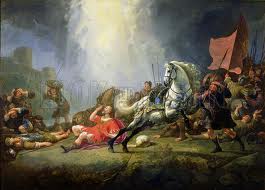
    conversion of saul on the road to Damascus

    (Yes, that would be the former Pharisee and Roman citizen, Saul of Tarsus, converted by Jesus on the road to Damascus back in A.D. 37.

    NOW, nearly ten years later, Barnabas and Saul are about to embark on their first mission trip into all the world.

    from the Church at Antioch..

    This Ancient Roman road connected Antioch and Chalcis.
    .. and the disciples were first called Christians in Antioch. Acts of the Apostles 11:25b NASB

    While they were worshiping the Lord and fasting, the Holy Spirit said,

    “Set apart for me Barnabas and Saul for the work to which I have called them.”

    Then after fasting and praying they laid their hands on them and sent them off.

    So, being sent out by the Holy Spirit, they went down to Seleucia… – ACTS of the Apostles 13:4a

    First Missionary Journey of Paul

    To be continued…

    Acts of the Apostles Missions trips of Paul, Barnabas, Silas and several others