Acts of the Apostles + a History of Christ’s Church
Acts of the Apostles 1-28
Acts of the Apostles:
+ The first century Church SHARED Christ while suffering severe persecution.
+ Luke records a historic account of the Church which gives 21c Christians a context to SHARE the Gospel of Jesus Christ with others.
Read more about the Early Church & add your COMMENT on Scripture.
ACT now.
+ SHARE the Gospel history witnessed in the CURRENT chronological SERIES from ACTS of the APOSTLES.
And he was accompanied by Sopater of Berea, the son of Pyrrhus, and ..
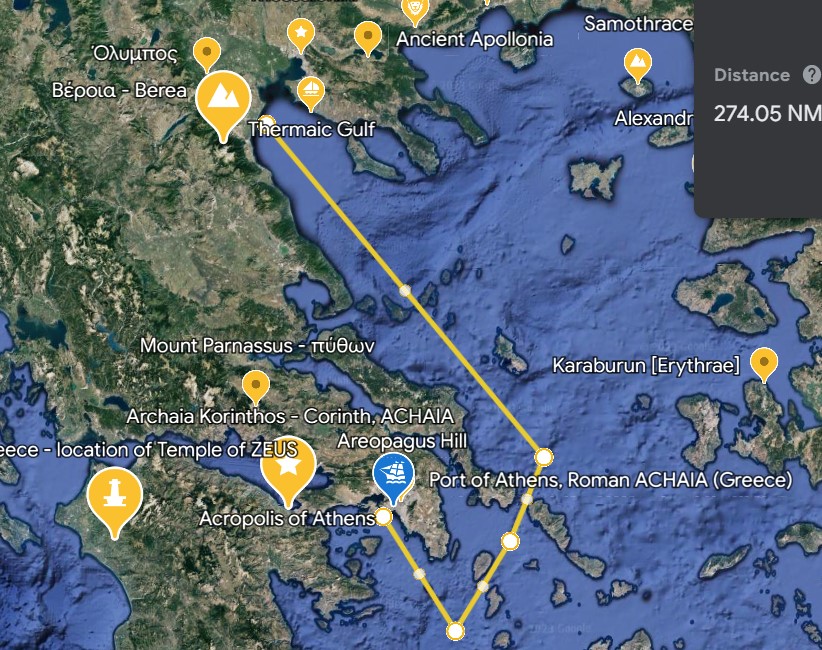
Paul's 2nd mission had brought Berean Jews with ears to hear Scripture into the fold of Christ's Church.
.. by Aristarchus and Secundus of the Thessalonians, and ..
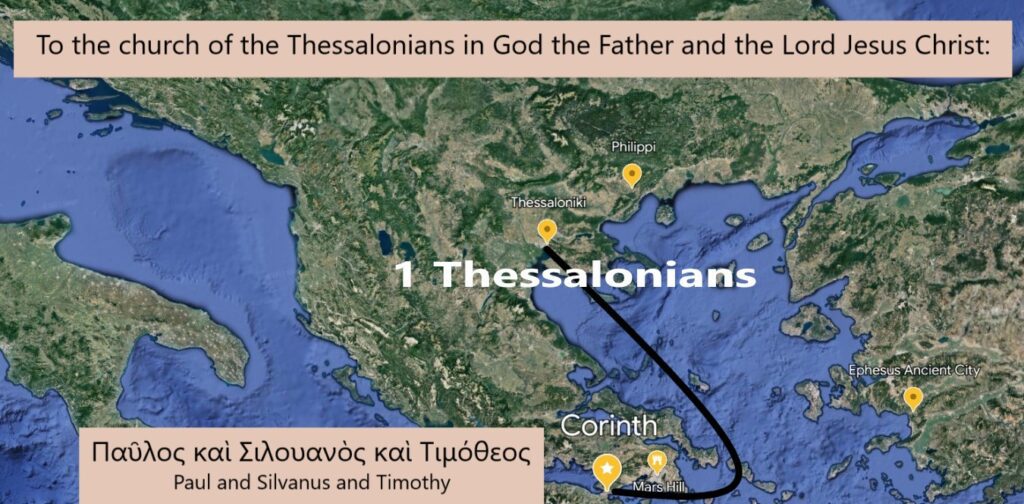
Thessalonica had been an important stop on Paul's 2nd missionary journey & he would encourage them with two letters in A.D. 50-51 while completing this 3rd mission.
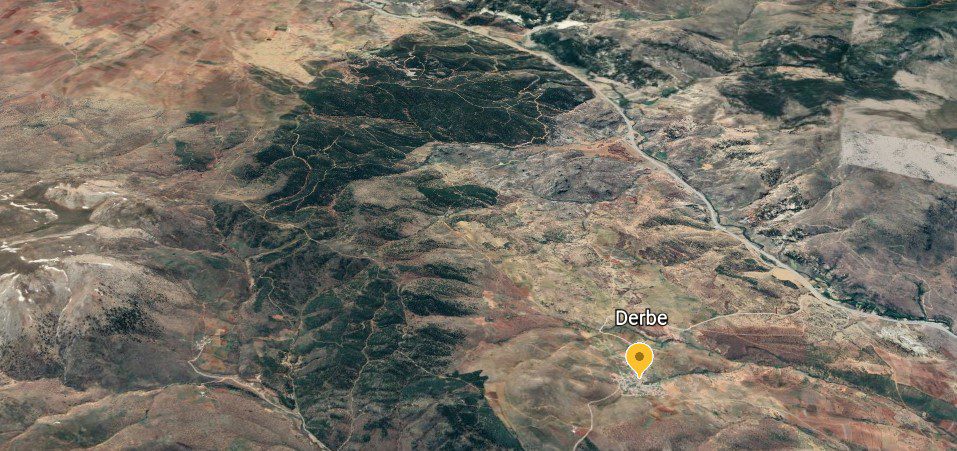
.. Gaius of Derbe..
where the crowds sought to worship Paul as Hermes and Barnabas as Zeus
.. and Timothy, and Tychicus and Trophimus of Asia.
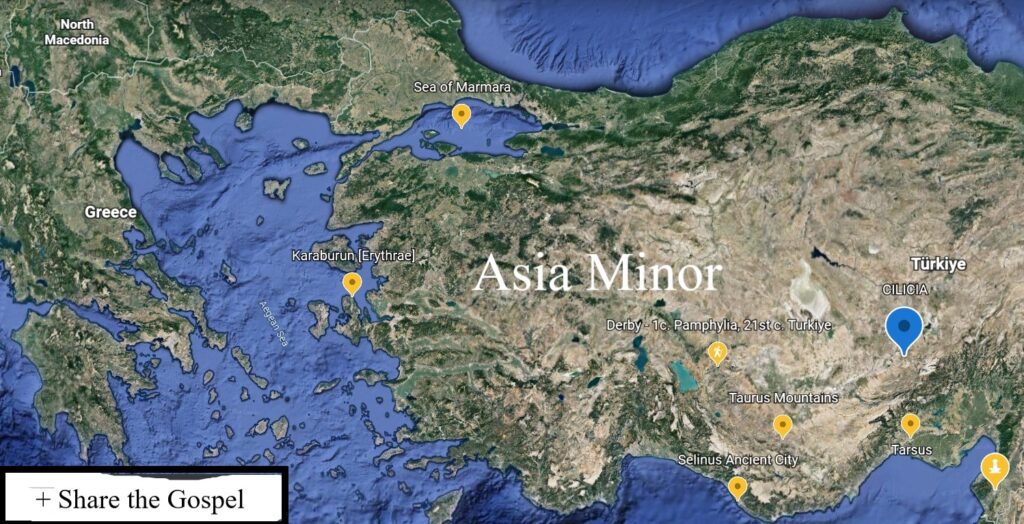
Timothy of Lystra near Derby has already been an important disciple and pastor since the 2nd mission of Paul and Silas.
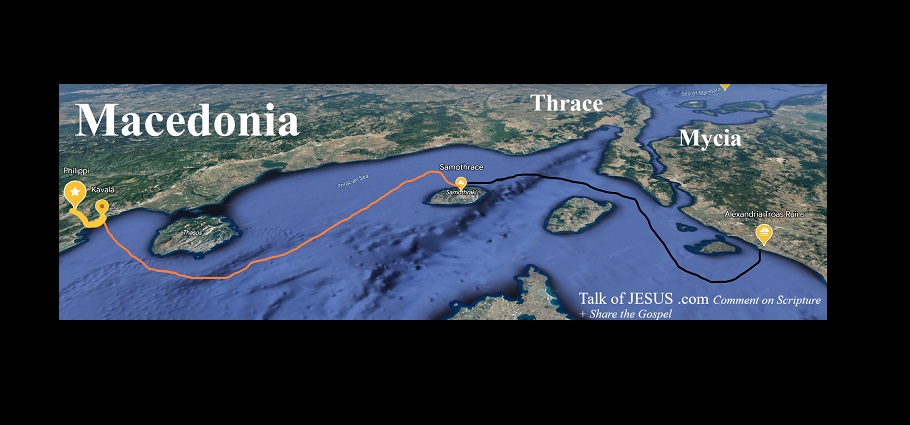
An important Aegean port of Troas
But these had gone on ahead and were waiting for us at Troas.
Acts of the Apostles 20:5
Τρῳάς –
Troas = “a Trojan”
Troas, a city near the Hellespont, formerly called Ἀντιγονεια Τρῳάς, but by Lysimachus Ἀλεξάνδρεια ἡ Τρῳάς in honor of Alexander the Great; it flourished under the Romans (and with its environs was raised by Augustus to acolonia juris italici, ‘the Troad’)
And we sailed from Philippi after the days of Unleavened Bread, and came to them at Troas within five days; and there we stayed seven days.
Acts of the Apostles 20:6 – the ‘we’ most likely: Paul, Luke the physician who journals their mission and other disciples
Note the timing AFTER the days of the Passover Feast.
And possibly in Philippi these disciples of the risen JESUS may have remembered HIS breaking of the Bread and taking the Cup commemorating HIS death for our sins.
The resurrection of our Lord Jesus Christ just a generation before would be foremost in the hearts of these disciples as Paul is about to preach the Gospel in Troas.
After some pause in A.D. 2023 for celebration of our Lord's birth, God-willing we will return to the witness of yet another miracle in ~A.D. 55 in Troas.
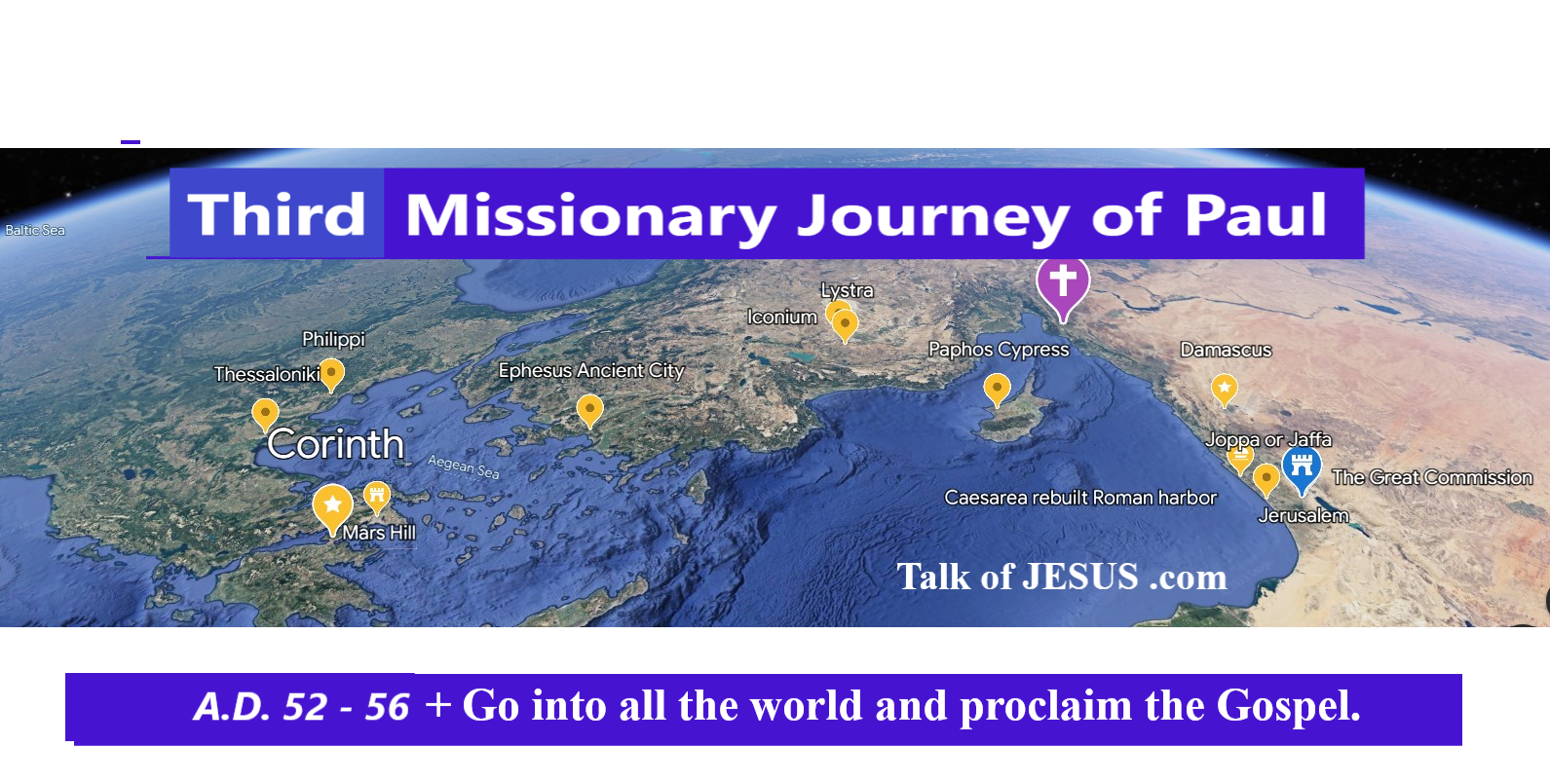
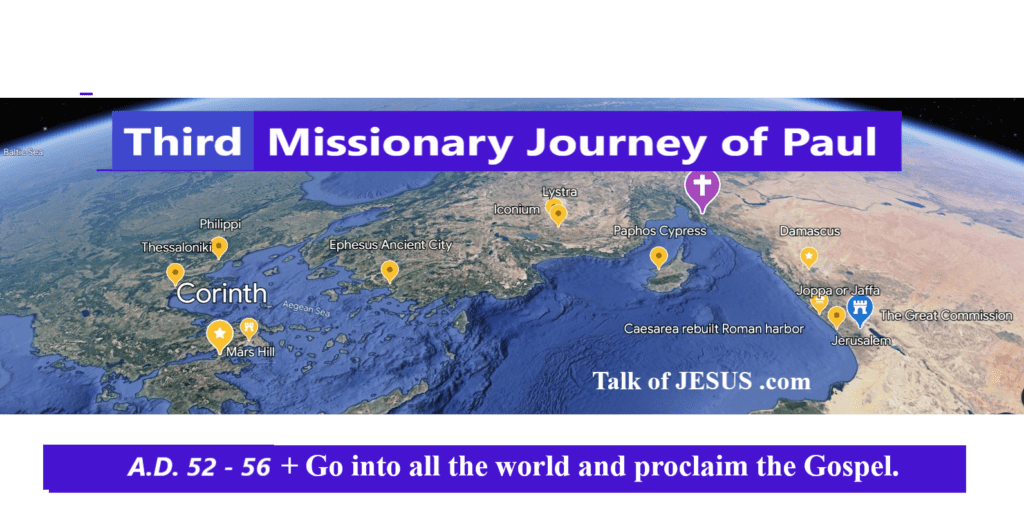
The Third Missionary Journey of Paul – ACTS from a stop in Troas – To Be Continued…
Now after the uproar had ceased, Paul having summoned and exhorted the disciples, said farewell and left to go to Macedonia.
Acts of the Apostles 20:1 Legacy Standard Bible
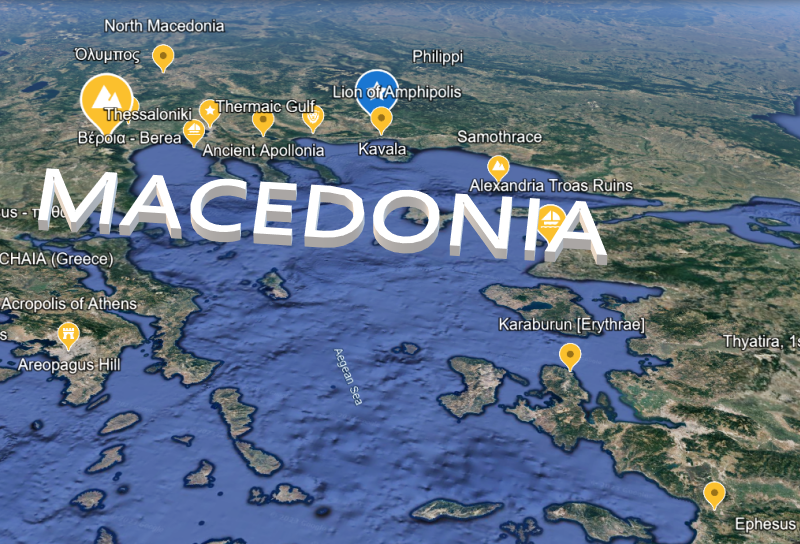
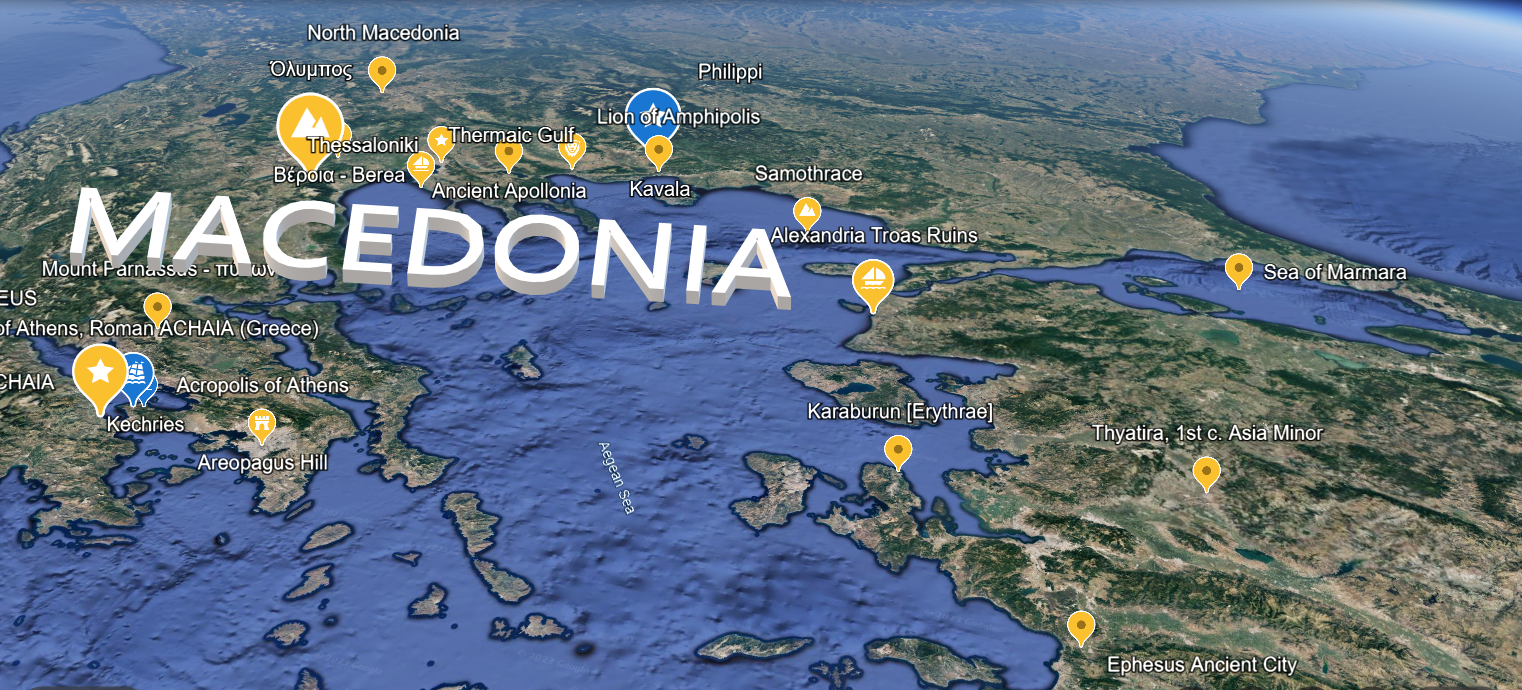
Paul’s mission returns to Macedonia
When we last left Paul in Ephesus the Apostle had been acquitted of causing a riot and was preparing to sail back to familiar destination of his second mission. Today we’ll briefly return to Macedonia and remind ourselves of the role of exhortation of Christ’s faithful.
2 And when he had gone through those districts and had given them much exhortation, he came to Greece. And there he spent three months, and when a plot was formed against him by the Jews as he was about to set sail for Syria, he decided to return through Macedonia.
Now it happened that while Apollos was at Corinth, Paul passed through the upper regions G3313 and came to Ephesus and found some disciples.
Acts of the Apostles 19:1 – when Paul first came to Ephesus – [‘through the upper country,’ – KJV ]
Paul has just left Ephesus (a major Roman city). But think BIGGER: the mission of these apostles leaves Asia.
The apostle Paul goes out again on mission to Roman Achaia (Greece in some translations) with rebuilt ancient Greek city-states [districts] of a former empire.
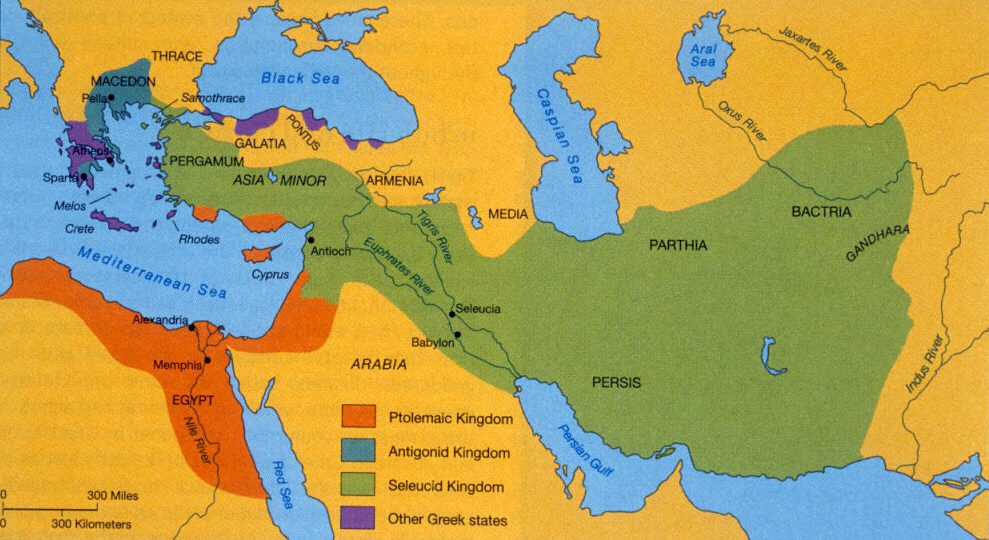
Ancient districts and kingdoms including those of the Jews had all fallen in time to EMPIRES of
Egyptians, Babylonians and Persians.
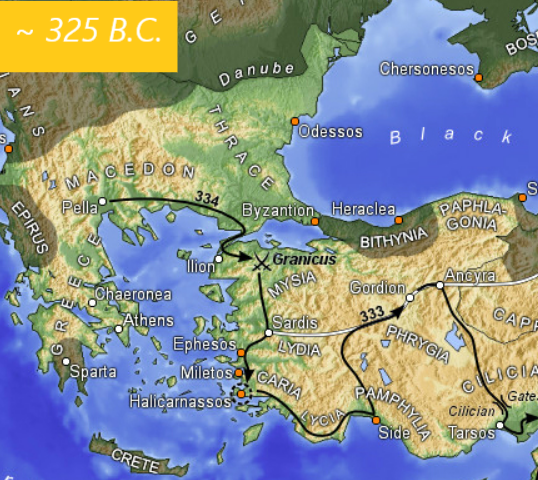
More recently Greece had been conquered by a Macedonian King Philip (as in Philippi) and his son.
Alexander the Great conquered most of the world to the west only to have his fourth century B.C. Greek-speaking Empire later fall to Rome in the East.
An even more ancient Kingdom of David and far-reaching Empire of Solomon had fallen into a distant memory of a thousand years before. The Jews, however, had been dispersed into all the nations.
In the first century A.D. time of a Galilean Jewish Messiah Jesus and a Cilician Jewish Roman citizen Paul, Jews sailed and traded from district to district with cultures within Empires from east to west.
much exhortation
THE EVANGELISM OF PAUL’S MISSIONARY JOURNEYS ALL INCLUDE EXHORTATION.
If any thread of witness of the Lord Jesus Christ continues throughout Paul’s three missions none is more evident than his exhortation or ongoing encouragement of these new churches by letter and in person.
Encouragement practically jumps off the page of Luke’s account outlining Paul’s travel from Ephesus to Achaia and Macedonia
+ to call to one’s side, + to address, speak to, (call to, call upon), which may be done in the way of exhortation, entreaty, comfort, instruction, etc.
ALL saints and members of the churches baptized in the Name of Jesus Christ our Lord and Savior and changed forever by the Holy Spirit need exhortation.
Paul is a humble teacher who loves and mentors his disciples or students. The Apostle encourages the Ephesians as he departs to Macedonia and later will exhort the Ephesians, Philippians as well as others by letter.
Paul called unto him the disciples, and embraced them – KJV
Paul sent for the disciples, and after encouraging them and saying farewell – NET
and when he had exhorted them and taken his leave of them, he left to go to Macedonia. – NASB95
He traveled through that area, speaking many words of encouragement to the people, and finally arrived in Greece,
Acts of the Apostles 20:2 NIV
Do you recall a few years earlier when Paul had first been called to GO TO MACEDONIA?
The Apostle’s heart longs to build up the living stones of Christ’s Church in the Gospel of the Lord Jesus Christ.
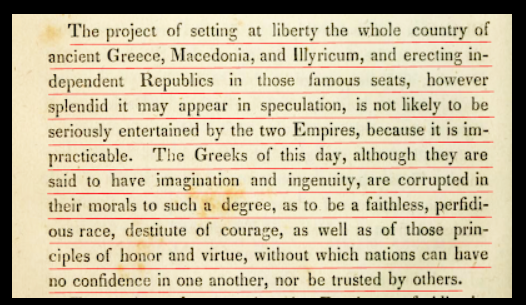
an 18th c. A.D. view of Macedonia
Cultural commentary expressed here by a notable 18th c. A.D. American should not be read as a 21st c. C.E. commentary of TalkofJESUS.com and is provided as another historical perspective.

You may see his name on source links or at the bottom of this section. - R.H.
Source: “The Diplomatic Correspondence of the American Revolution”.
1-..advocate for erecting three new independent republics on the European territory of the Ottoman Empire: Greece, Macedonia and Illyricum. 2- Macedonia is mentioned separately from Greece, and with that, Macedonia is not part from Greece.
Source: “The Diplomatic Correspondence of the American Revolution”.
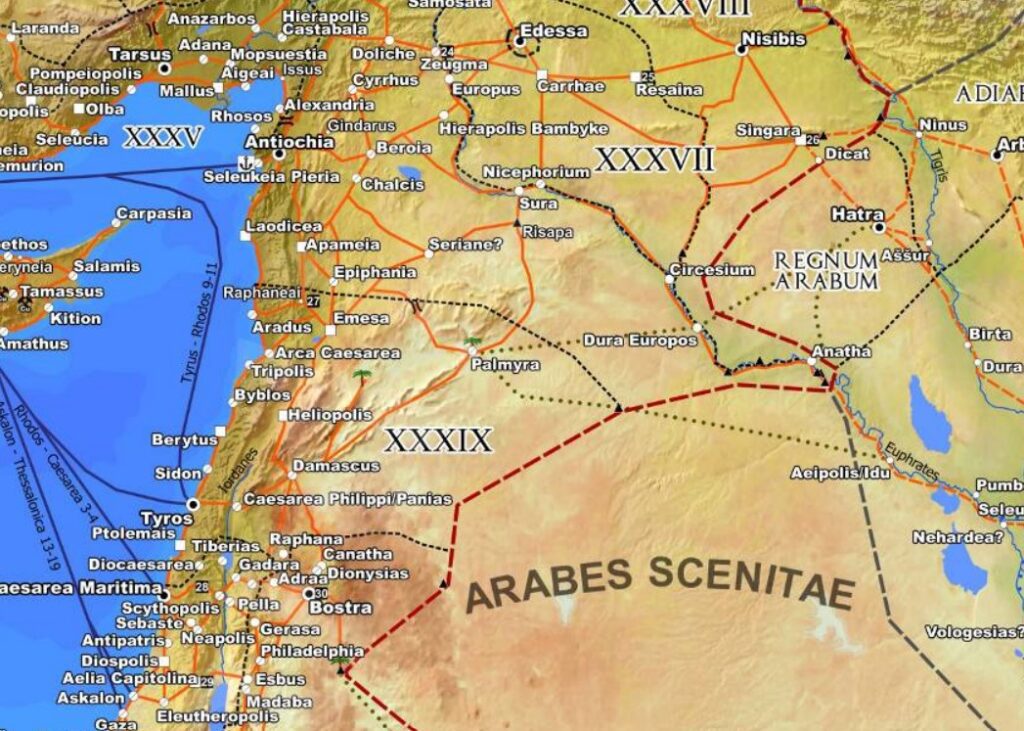
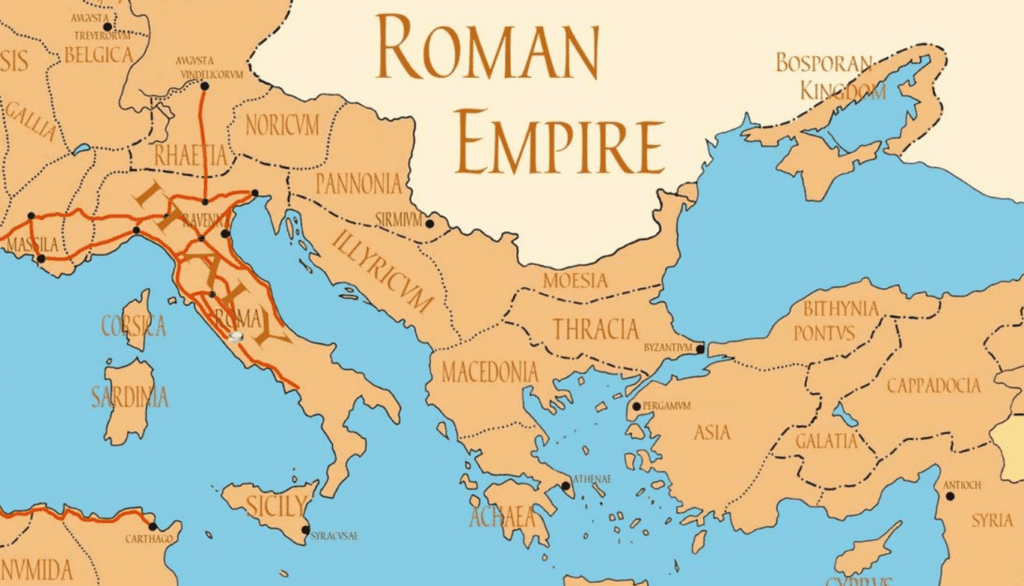
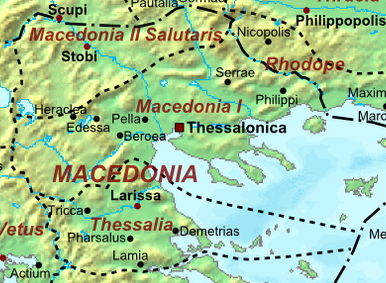
At first, within the Roman province of Macedonia were ancient territories of Boeotia, Southern Epirus, Thessaly, Lower Macedonia, Attica, Peloponnese (present-day Greece), Upper Macedonia and Paeonia (present-day northern Greece and southern FYROM), Northern Epirus and Southern Illyria (present-day Albania).
After the defeat of Andriscus of Macedon (last Ancient King of Macedon) from Roman general Quintus Caecilius Metellus in 148 BC, region of Macedonia was divided into four client republics.
After that in 27 BC, with establishment of the principate territories of Attica and Peloponnese were split off from Macedonia, and was founded new senatorial propaetrorial province named as Achaea.
Province of Achaea included all Greece south of Thessaly, Macedonia and Epirus. It proves that separation, isn’t made by ethnic dimension (because if Greek inhabitants of Macedonia and Epirus, are questionable for Slavomacedonians and Albanians, then the case with Thessaly isn’t such).
Also at 67 AD, whole Epirus (Epirus vetus and Epirus nova) has become imperial procuratorial province separated from Macedonia. Thessaly remained as part of Macedonia.
Source: “The Diplomatic Correspondence of the American Revolution”.
“Conclusion: Alexander and Ptolemy are mentioned as examples for understanding between Jews and Greeks.
John Adams for Boston Gazette
– series of papers signed as Novanglus [Newenglander], written in 1774.
Timeline
332 Before Christ – Alexander the Great captures Judea and Egypt, Hellenization begins
330 Before Christ – Alexander captures Persia
323 B.C. his Empire divided after Alexander dies in Susa
42 B.C. – Battle of Philippi involving 200,000+ Romans in a civil war
37 B.C. – Herod the Great becomes client King of Judea
27 B.C. – Augustus [Octavian, victor at Battle of Philippi] becomes Caesar of the Roman Empire
Philippi named a Roman colony Colonia Victrix Philippensium built for veterans of the Roman civil war not returning to Italy.
Anno Domini 30 – Crucifixion and resurrection of our Lord Jesus Christ
~A.D. 55 – Paul DEPARTS EPHESUS for MACEDONIA
~A.D. 67 – Paul will write a second letter to Timothy (who accompanies the Apostle on this mission and will become the Pastor of the church at Ephesus) just prior to Paul’s martyrdom by Nero in Rome.
~ in the year of our Lord 55
The Jews plotted against him when he was about to set sail for Syria, and so he decided to go back through Macedonia.
Now when they heard this, they were full of wrath and cried out, saying, “Great is Diana of the Ephesians!”
The city was filled with the uproar, and the crowd rushed to the theater together, dragging with them Gaius and Aristarchus, the Macedonians who were Paul’s traveling companions.
Some accounts begin: So the whole city was filled with confusion, while other accounts of the incident refer to this riot simply as an uproar.
And for the testimony of our trial later note its participants: the CROWD (who all rushed to the theater together) and two outsiders from Macedonia (Gaius and Aristarchus).
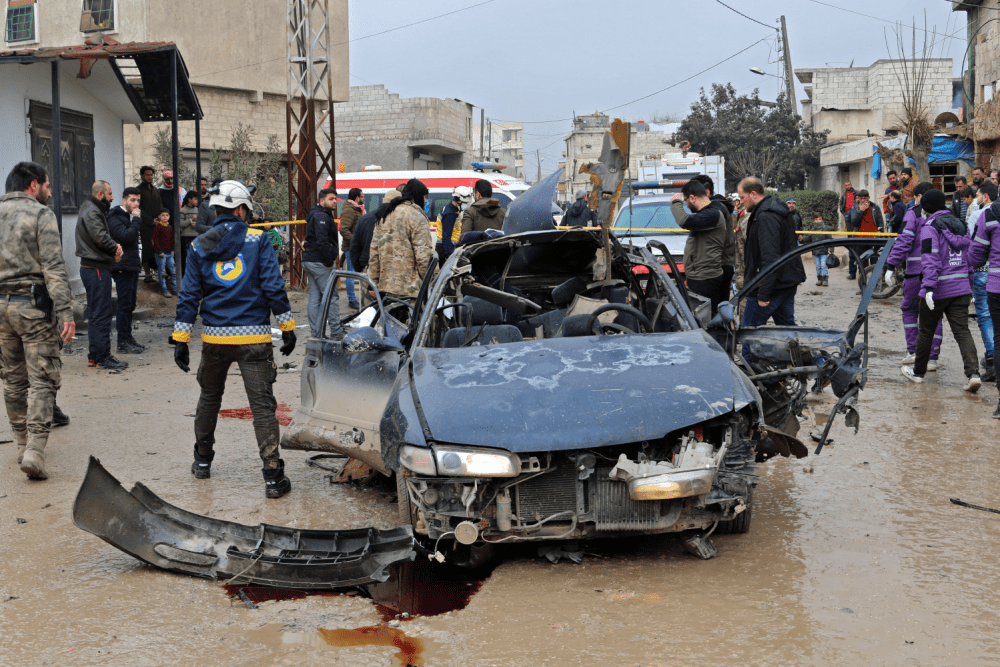
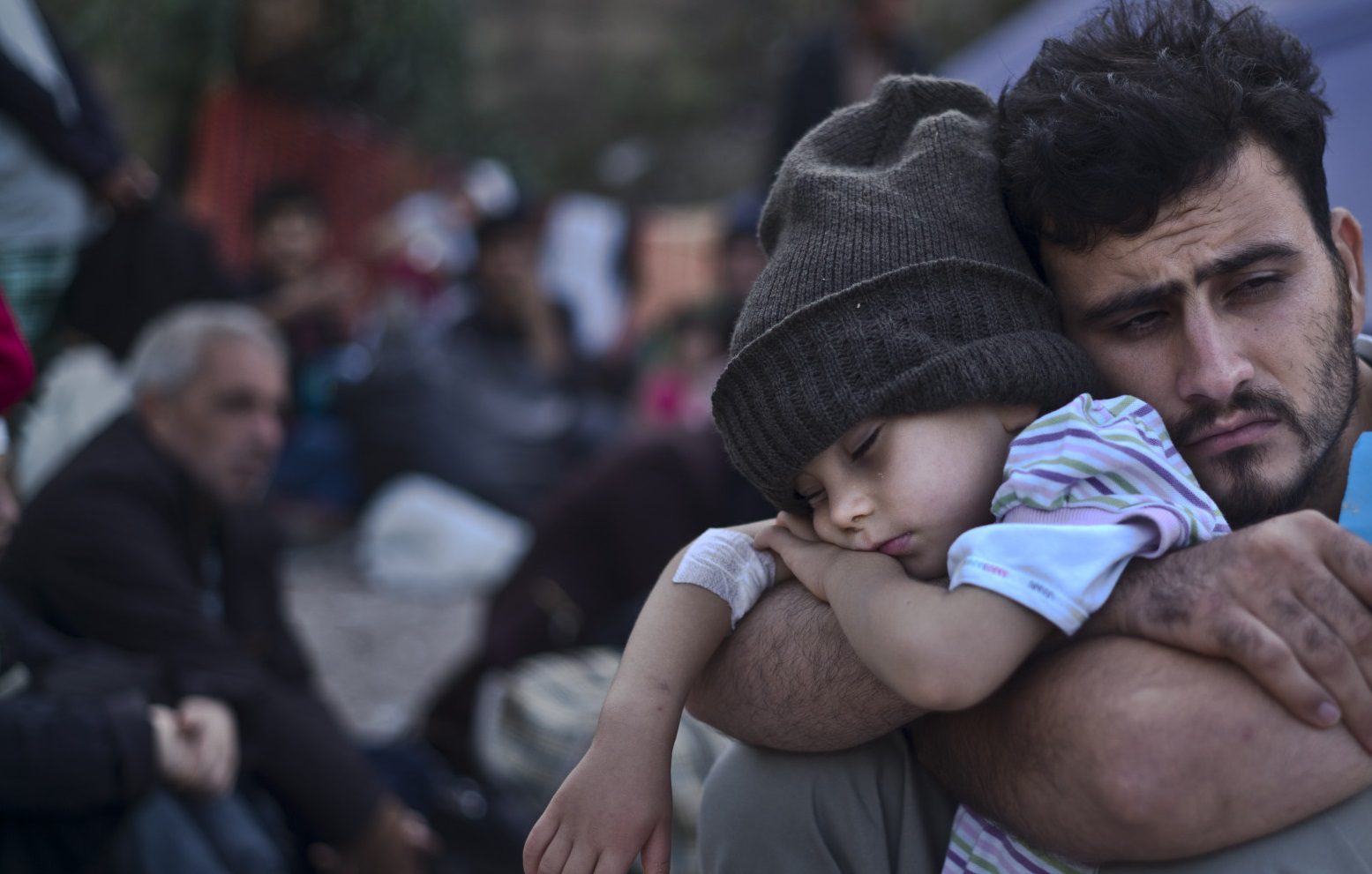
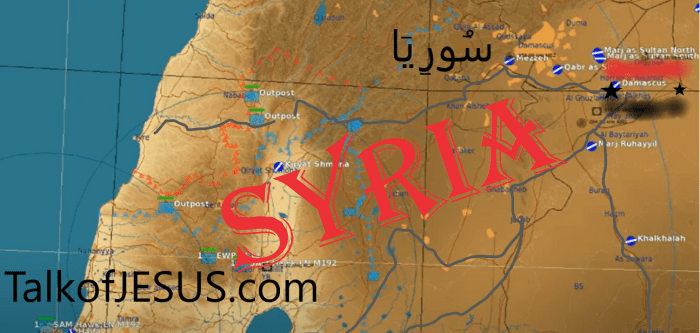
Syria War Refugees
This ‘trial‘ of these outside agitators in the public stadium (think of it as the social media outlets of the day) should solve the town’s local political problem.
These free-speaking men (shouting down the acts of these disciples of Jesus) stormed the Roman court with two Macedonians they had already convicted by majority mob rule.
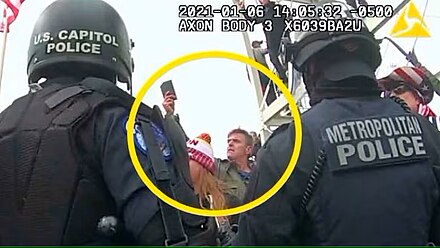
U.S. Capitol under siege JANUARY 6, 2021
READ some earlier accounts of recent events leading up to the riot (the A.D. 1st c. riot in Ephesus, that is). AND note the outsiders who come and go with Paul.
23 .. Paul left and went through the region of Galatia and Phrygia, strengthening all the disciples.
24 Now a Jew named Apollos, a native of Alexandria, arrived in Ephesus..
26 ..Priscilla and Aquila (having arrived ahead of Paul) heard him..
27 [Apollos leaves Ephesus to] cross over to Achaia..
ACTS 19:
and when Paul placed his hands on them, the Holy Spirit came upon them, and they began to speak in tongues and to prophesy. (Now there were about twelve men in all.)
So Paul entered the synagogue and spoke out fearlessly for three months, addressing and convincing them about the kingdom of God.
17 This became known to all who lived in Ephesus, both Jews and Greeks; fear came over them all, and the name of the Lord Jesus was praised.
18 Many of those who had believed came forward, confessing and making their deeds known.
19 Large numbers of those who had practiced magic collected their books and burned them Inup in the presence of everyone. When the value of the books was added up, it was found to total fifty thousand silver coins.
[Paul] .. after sending two of his assistants, Timothy and Erastus, to Macedonia, he himself stayed on for a while in the province of Asia [and presumably in its capital Ephesus for the most part].
Inciting the riot of the day
THIS all leads up to what Luke describes as ‘NO SMALL DISTURBANCE’ concerning ‘the WAY’ or disciples (all followers) of the Lord Jesus Christ.
But the Jews, becoming jealous, taking along some wicked men from the marketplace, and forming a mob, set the city in an uproar.. they began dragging Jason and some brothers before the city authorities, shouting,
“These men who have upset the world have come here also.. And they disturbed the crowd and the city authorities who heard these things.
Acts of the Apostles 17:5a,6b,8
But when the Jews of Thessalonica found out that the word of God had been proclaimed by Paul in Berea also, they came there as well, shaking up and disturbing G5015 the crowds.
And the city was filled with the confusion, and they rushed with one accord into the theater, dragging along Gaius and Aristarchus, Paul’s traveling companions from Macedonia.
And when Paul wanted to go into the [people of the] assembly, the disciples would not let him. Also some of the [*] Asiarchs who were friends of his sent to him and repeatedly urged him not to venture into the theater.
* These are Political or religious officials of the province of Asia, likely some Roman and others Jewish converts of The Way.
32 So then, some were shouting one thing and some another, for the [*] meeting was in confusion..
* Some Bibles translate this gathering of citizens as 'assembly,' from a word familiar to many Christians: ekklēsia
.. and the majority did not know for what reason they had come together.
Centuries of riots and wars, refugees and massacres
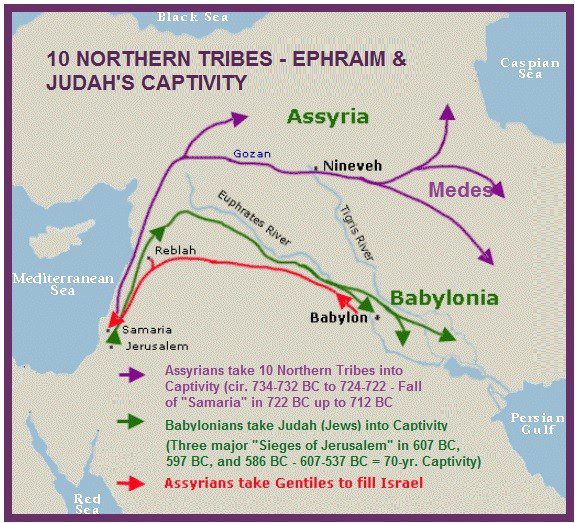
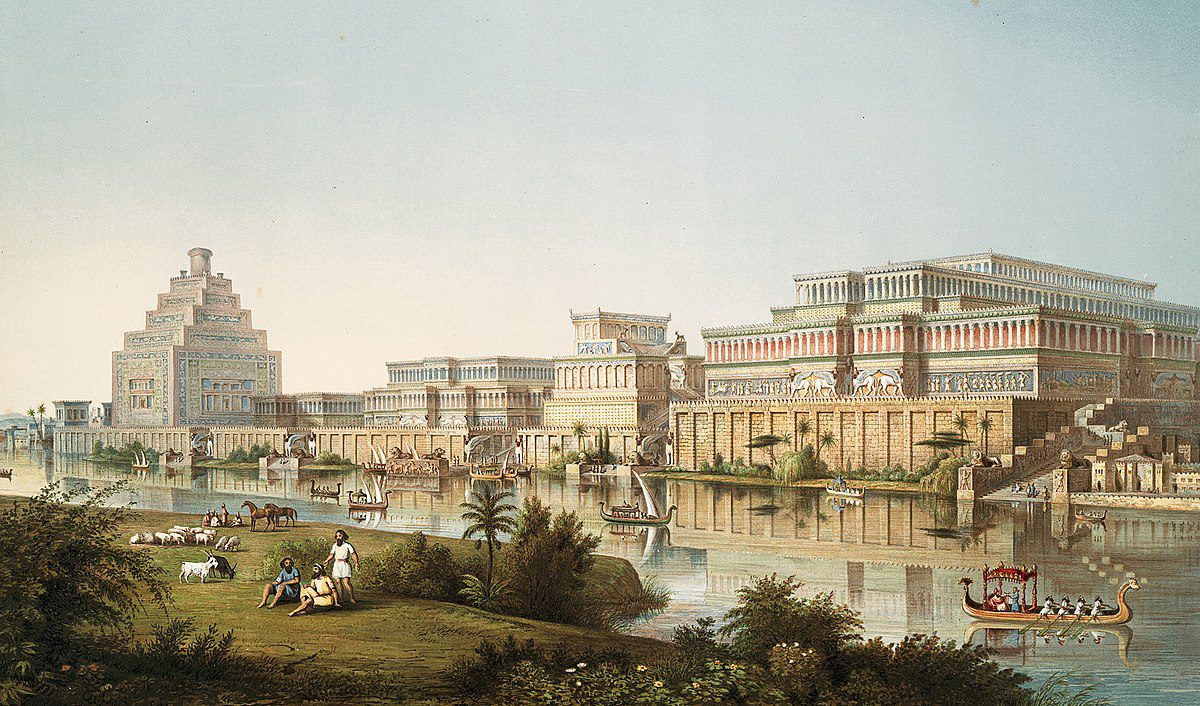
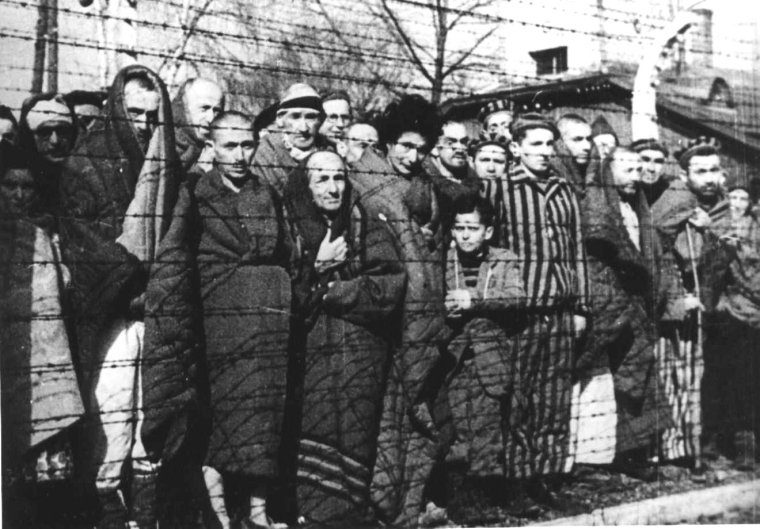
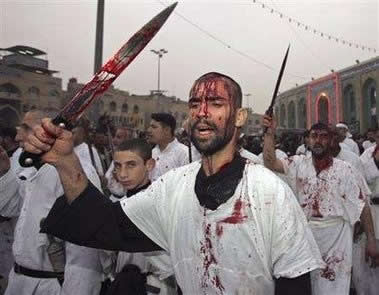
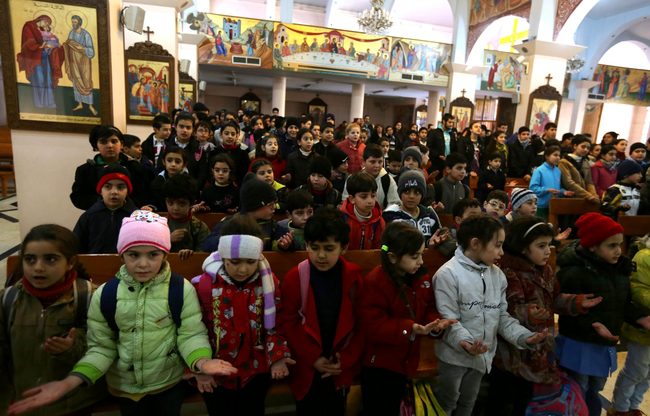
Assyria takes Samarian captives 722 BC & Babylon takes Judah’s captives 607-537 BCAssyria near Nineveh (art)AD 2015 WWI 200 Christians Burned inside church in Turkey – 1915Auschwitz AD 1945 WWII – genocide of the Jews and Eastren Europeans1945 dead slave laborsEgypt circa 2013refugee man embracing boySyria 2014 boy searching for food2014 Syria Christians pray2022 conquestmodern military mapmore refugees driven from their cities in Syria & IraqDublin, Ireland – Choice infant genocideJerusalem of Islam & Jew
But when they recognized that he was a Jew, a single cry arose from them all as they shouted for about two hours..
Acts of the Apostles 19:34a – at the riot in Ephesus
Undeniable Facts
35 Now after calming the crowd, the city clerk said..
‘So, since these are undeniable facts, you ought to keep calm and to do nothing rash. For you have brought these men here who are neither robbers of temples nor blasphemers of our goddess.’
“So then, if [your leader and you] have a complaint against anyone, the courts are in session and proconsuls are available; let them bring charges against one another. But if you want anything beyond this, it shall be settled in the [scheduled] lawful meeting.
Sometimes riots END as quickly as they begin IF sensible leadership prevails over the CROWDS incited by hatred into a frenzy of lawlessness and sin. (Of course at other times sin simmers beneath the surface until it erupts into something worse -- even war.
“For indeed we are in danger of being accused of a riot [stasis] in connection with today’s events, since there is no cause for which we can give as an account for this disorderly gathering.”
Acts of the Apostles 19:40 LSB
And when he had said these things, he dismissed the assembly.
After the uproar ceased, Paul sent for the disciples, and after encouraging them, he said farewell and departed for Macedonia.
The KJV translates Strong’s G4714 in the following manner: sedition (3x), dissension (3x), insurrection (1x), uproar (1x), standing (1x).
Eleven (11) other versions of the Bible translate this simply as a riot.
Contemporary applications to this lesson from first century Ephesus — in a Greek culture accommodating Jews and other religions under a heavy hand of a pagan Roman Empire and its governors with the power to judge and execute whom they will — consider one further application from the Greek root of this word:
A word of warning from Scripture received by the Apostle John a few years later near the end of the first century.
Then I saw the dead, the great and the small, standing G2476 before the throne, and books were opened; and another book was opened, which is the book of life. And the dead were judged from the things which were written in the books, according to their deeds.
Used to monitor number of Google Analytics server requests
10 minutes
__utmb
Used to distinguish new sessions and visits. This cookie is set when the GA.js javascript library is loaded and there is no existing __utmb cookie. The cookie is updated every time data is sent to the Google Analytics server.
30 minutes after last activity
__utmc
Used only with old Urchin versions of Google Analytics and not with GA.js. Was used to distinguish between new sessions and visits at the end of a session.
End of session (browser)
__utmz
Contains information about the traffic source or campaign that directed user to the website. The cookie is set when the GA.js javascript is loaded and updated when data is sent to the Google Anaytics server
6 months after last activity
__utmv
Contains custom information set by the web developer via the _setCustomVar method in Google Analytics. This cookie is updated every time new data is sent to the Google Analytics server.
2 years after last activity
__utmx
Used to determine whether a user is included in an A / B or Multivariate test.
18 months
_ga
ID used to identify users
2 years
_gali
Used by Google Analytics to determine which links on a page are being clicked
30 seconds
_ga_
ID used to identify users
2 years
_gid
ID used to identify users for 24 hours after last activity
24 hours
_gat
Used to monitor number of Google Analytics server requests when using Google Tag Manager
1 minute
_gac_
Contains information related to marketing campaigns of the user. These are shared with Google AdWords / Google Ads when the Google Ads and Google Analytics accounts are linked together.