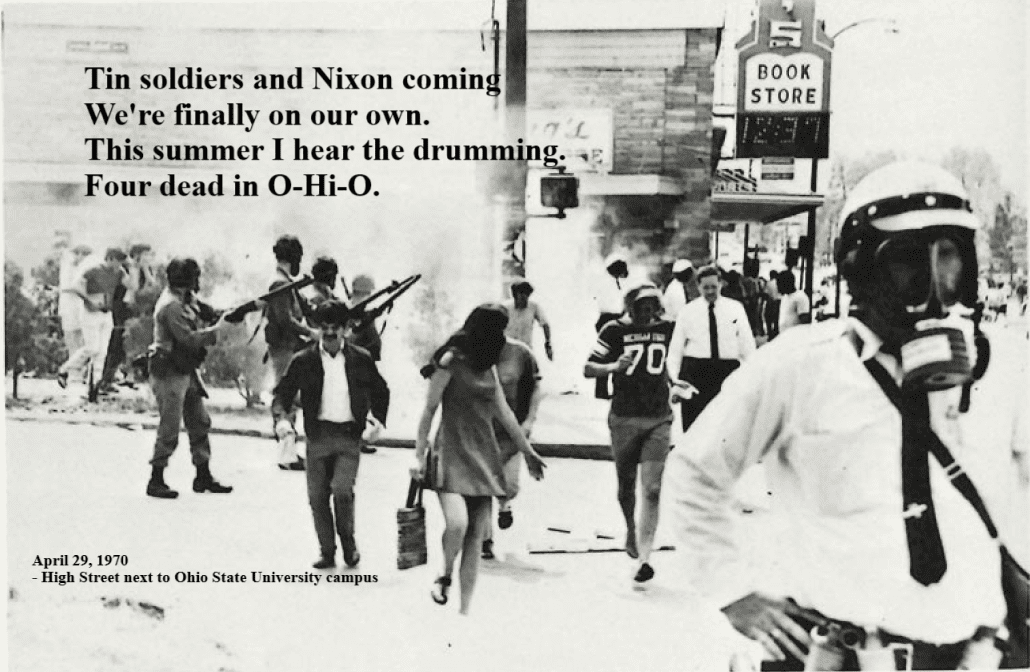
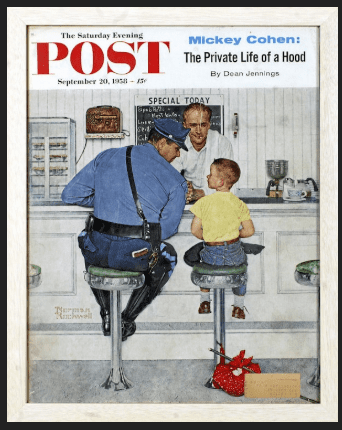
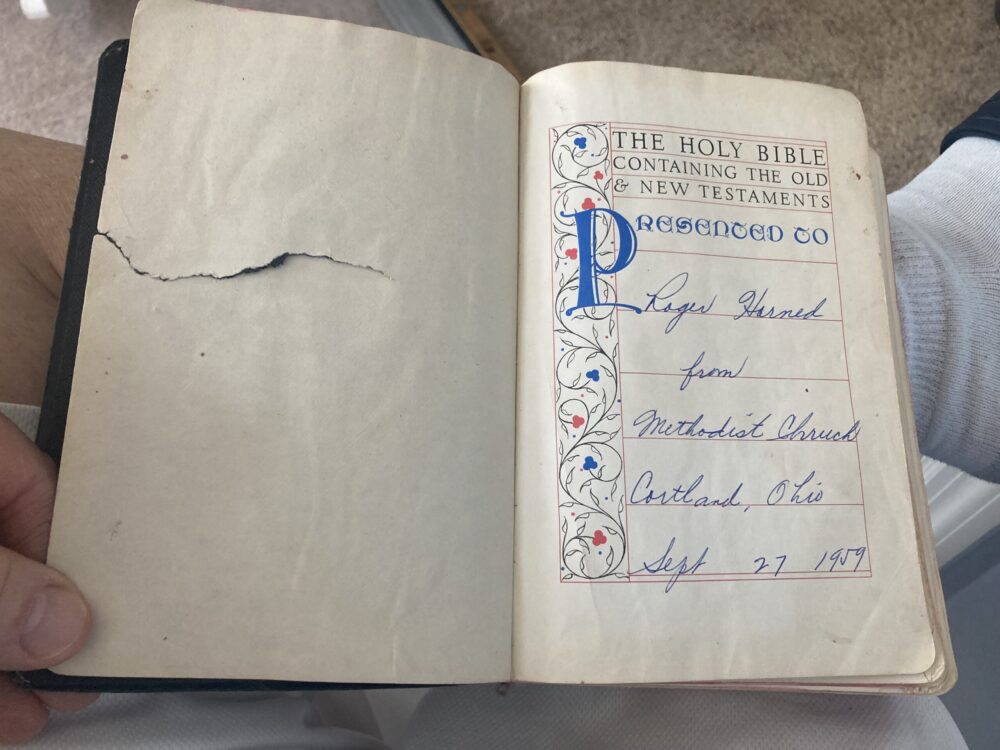
April 1970, Ohio Governor Rhodes sends troops to Ohio State to quash campus protests of Vietnam war
Winter quarter of 1970 I had faced great failure – flunking or withdrawing from classes, working nights downtown at the Ohio BMV and being generally tired, as well as running out of money.
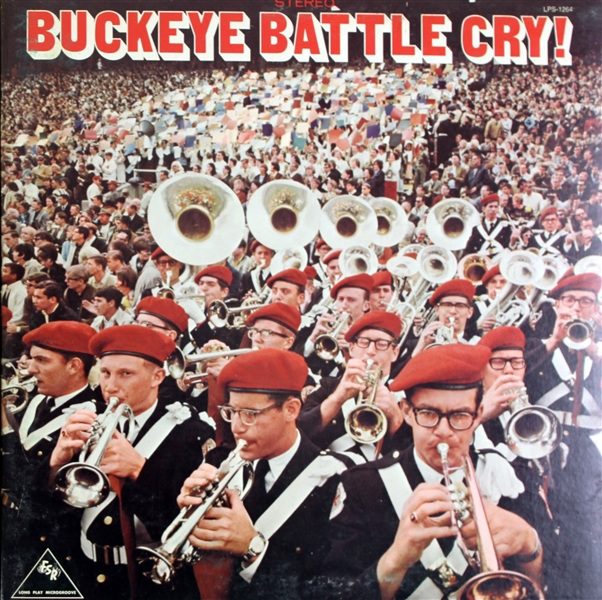
I had made the Ohio State University Marching Band in the fall, but no longer had time for the military band that performed for some basketball and hockey games and I had quit ROTC.
I was, by the two-year requirement of those days, still residing in a men’s dorm. We crossed campus several times daily for classes, concerts, buying books, eating elsewhere, studying at the library and practicing our instruments. But by Spring quarter everything seemed to fall apart at OSU caught up in Vietnam protests.
I tried my best to circumvent all of it, but tear gas knows no bounds.
President Johnson had used troops in the south and sent more to Vietnam. Most students I knew didn’t like him, but Nixon was an ardent McCarthyist, little better than Goldwater who wanted to blowup all the communists.
the Nixon White House orders the elimination of student deferments and the first draft lottery, held in December 1969. Just like that, tens of thousands of college students are in danger of being drafted and shipped off to Vietnam, as soon as their current deferments expire.
Source: derfcity.blogspot.com- 4-15-2015
During the next election Watergate came along. Nixon famously said, “I’m not a crook,” and not even the Republicans believed him.
We had a couple of oil embargoes by wealthy Arab countries that caused long lines at my grandfather’s and other gas stations across the country.
We watched South Vietnam fall on TV in 1975.
In December 1979, the Soviet Union invaded Afghanistan, which would later prompt US to secretly send money to a radical guy fighting against the Russians named Osama bin Laden.
The 1970’s as I recall
Every heart holds at least one love story —
some tragedy
of lost or unrequited love.
Where do I begin?
Once more, with music.
I could begin with that same emptiness and diminished worth that had stalked me back home
All the lonely people
Where do they all come from?
All the lonely people
Where do they all belong?
Part-time work turned into full-time jobs.
My former resolve to learn music finally frustrated my inescapable limited talent and no money left for school. (Never was smart enough for scholarships.) By the difficult winter of 1970, I changed my tune of the music I heard. Conducting dreams faded. And my ideals of college disappointed in so many ways.
LOVE
I might have fictionalized any of several compelling stories from the 60’s. Now in the 70’s love would embrace not only my dreams but fill my aching flesh and soul.
So to begin there, sadly I must take the tragedy of my first love at college to my own grave as well.
Although some knew our story, even now I do not know the conclusion of her story, I cannot betray our timely affair.
How beautiful and pleasant you are, O loved one, with all your delights!
Song of Songs 7:6
I would marry — and we would move out on our own (as young marrieds should). A new job — for her (though she continued hers). Then failure (as some jobs also become brief) — and another, an assembly line laborer just like practically everyone else.
NOT good enough! — and in a year, month and two days to Papa she returned. It was a self-inflicted shotgun wedding wound, but not fatal.
Lonely again — but not friendless. (Another treasured confidence I would never betray.)
The assemblyline job eventually shut down too. If I was to even have hope again — and food to eat.. I would have to go home again, too.
The 70’s of our Parents and Family
Moving back in with parents (at twenty-two) admits failure — defeat you do not want to follow you for long. Everybody in town knows it. (I wanted to date; but meddling moms complicate relationships of every kind.)
I got more work, other jobs, and eventually another apartment of my own.
With thanks to those who read this post when published, regrettably the conclusion of this 1970’s portion of Roger’s autobiography & additional decades published up to August 29 2025 CE are no longer available on TalkofJESUS.com
Mention the 1960’s to anyone and in addition to a fast-changing world most will mention music and its impact on everything.
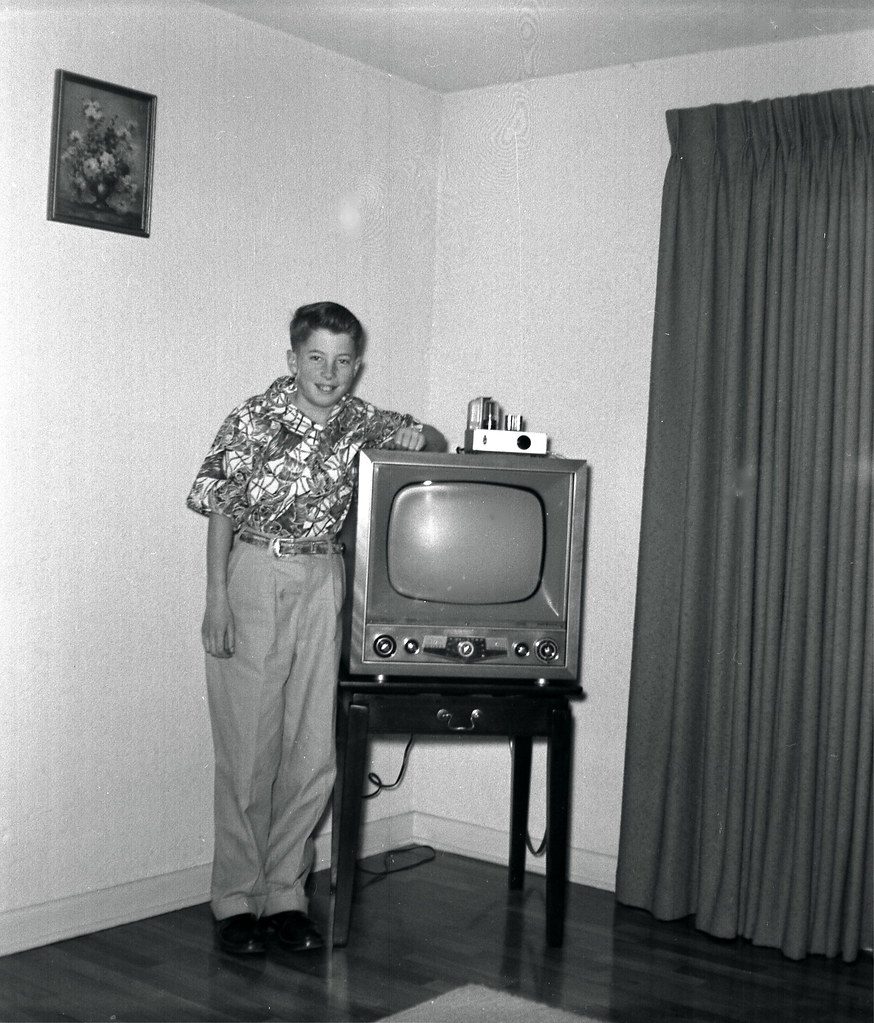
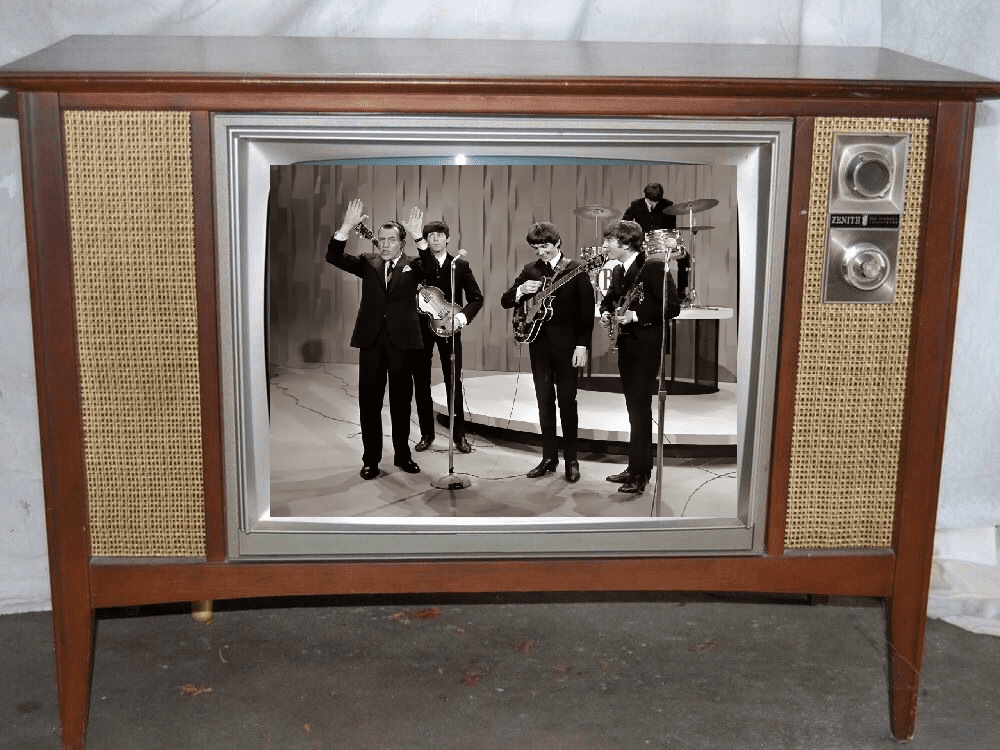
TV had a lot to do with it too. (We’ll get into that later.)
Yes, that's me in the middle of the cover band photo.
The 1960’s to which History points
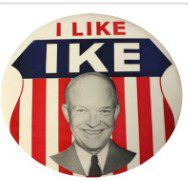
President Eisenhower, who had led America as a general back in WWII, was no longer President. He had been President as long as I could remember and his picture graced our classroom wall as we all stood and recited the Pledge of Allegiance daily.
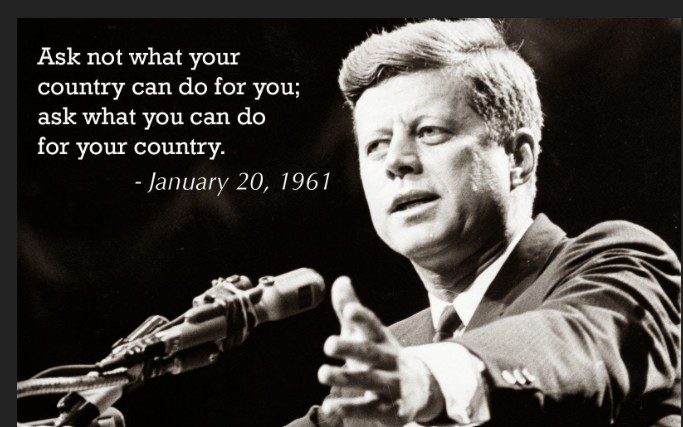
JFK was our young, handsome new president who wanted US to get to the moon first — before Russia (now called the U.S.S.R or Soviet Union), who like Germany and Japan before was now our enemy.
The 1960’s – the times they were achangin’
When I was eleven years old TV showed an angry Khrushchev threatening the world at the U.N.
In 1961 the US flew in big WWII planes to West Berlin to keep Russia from starving all the West Germans. (It seemed like the right thing to do.)
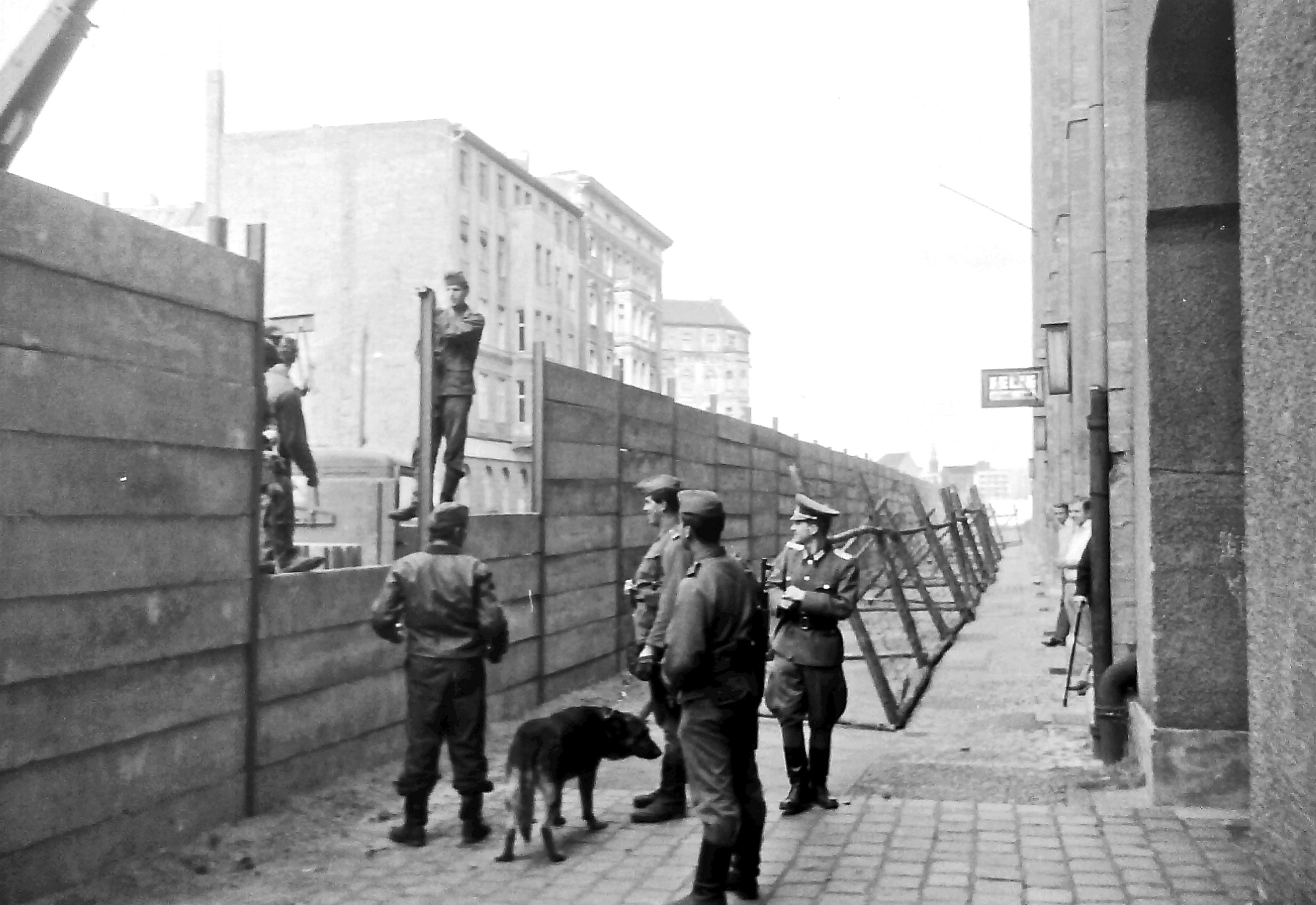
The communists also built a wall in East Berlin to keep the East Germans from escaping communism.
Near the end of 1962, JFK went on TV addressing the nation about the Russians bringing missiles to Cuba — NUCLEAR MISSILES!
All of US were scared.
Everybody knew that ducking under a desk was not going to save US from an ultimate end triggered by nuclear war.
America had been getting along fine at home — or so I thought from my mid-west small-town Utopian perspective.
But we kept hearing about troops being sent to cities in the South where apparently southerners were not at all like US Ohioans.
I didn’t get it.
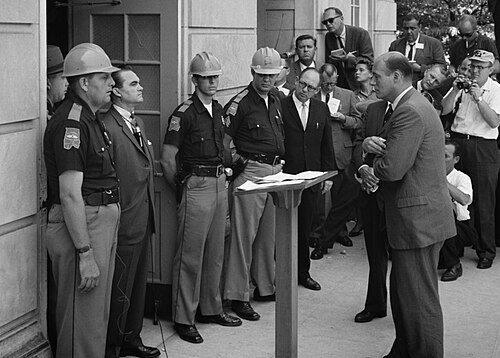
Why would the Governor of Alabama want to stop a black student from entering the University of Alabama?
I too began to question the authority of some men — political leaders and policemen our parents had taught us to obey.
And what about military men armed against our own PEOPLE? (It didn’t make much sense.)
The 1960’s as I recall
Radio (which had been so big back in the days of our grandparents) had been replaced with a television in every family room, including ours.
Dad watched the NEWS after dinner every night at 6:30.
NEWS also migrated mostly to T.V. from radio. Local newspapers clung to traditional reliable journalism. I delivered our local Warren Tribune-Chronicle to about fifty homes along Fowler Street every weekday after school on my bicycle, collecting cash for accounts every Saturday.
Music in the 60’s
Our music was different from that 40’s stuff my mom had played on our organ at home or at the Cortland Roller Rink. The older teens had listened to Elvis back in the 50’s and now Elvis and others were on T.V.
(I didn’t really like Elvis, but the Beach Boys resonated in my young heart.)
We started seeing “beach movies,” too, even on T.V. And Dick Clark had kids our age dancing to ‘our music’ on American Bandstand.
We got to have 45’s for little record players in our rooms.
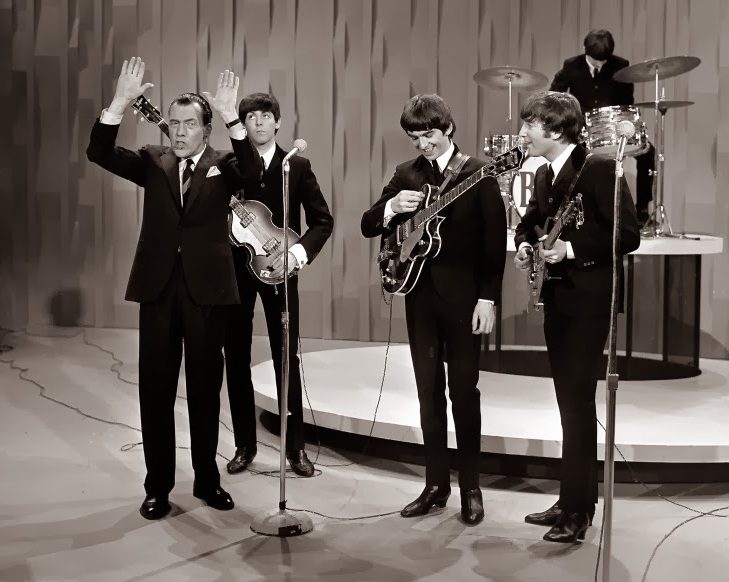
The Beatles had invaded America, our T.V. screens and American culture.
When I was older I had a 33 1/3 record player that would play three or four albums in a row.
Band
Mom had given me some box-sets with “classical” and other music she bought from Time-Life magazine. I listened to them practically every night.
Those rock and roll bands and country singers didn’t interest me, because I wanted to play music like the orchestras played on T.V.
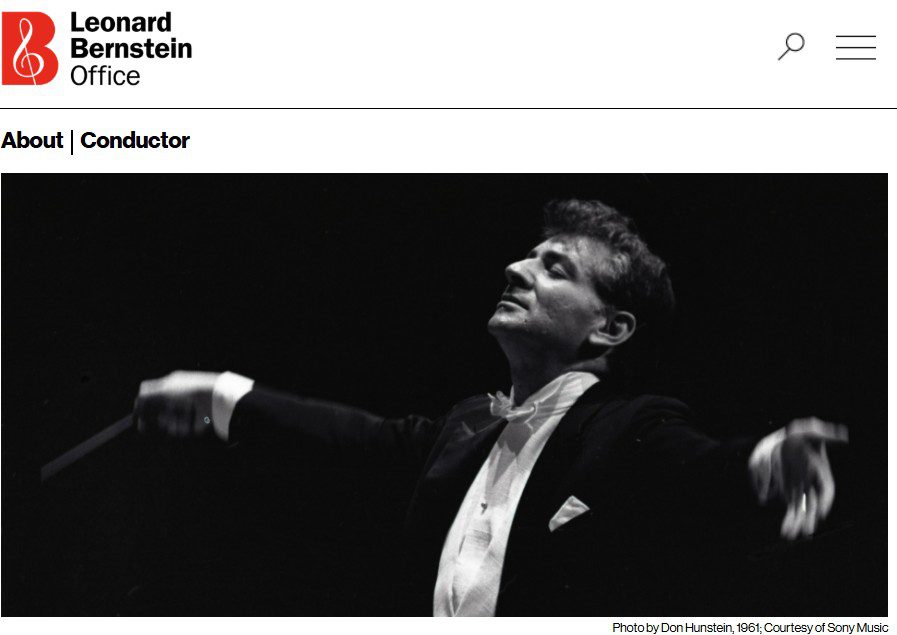
More than that, as I listened to my own classical albums most nights I longed to conduct such great pieces of music that had been performed live for centuries.
So in fifth grade I signed up for our school band and eventually ended up playing baritone horn in the High School Band in eighth grade.
Band would become my favorite class and best social connection.
Europe – Summer 1966
One day in the spring of my Sophomore year, after considerable consternation over a brochure on our band room bulletin board, I took it home and called the number about auditioning for the American Youth Band and Chorus to join their month-long 1966 concert tour of Europe!
What was I thinking? After all, I was just a third-chair baritone-player in the Lakeview Band.
During my call the man on the phone called the director on his other line. They had an opening IF I wanted to audition. But, I would have to get to Washington D.C. to audition for a former director of the US Air Force Band.
After I auditioned, Colonel Howard called the director and I was accepted. As a parting gift he autographed a box-set of marches played by each of the four military bands and gave it to me.
I have listed to each album of the US service bands dozens of times, and later conducted and played many of those same marches.
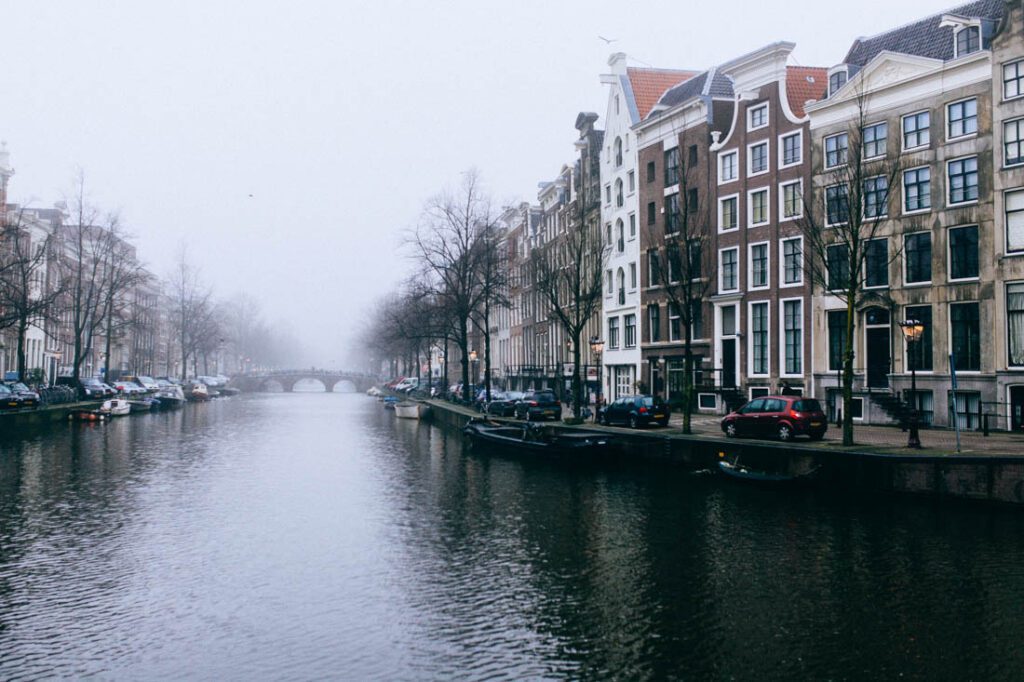
We rehearsed for six days in Amsterdam then played concerts practically daily in London, Brussels, Paris, and many of the leading cities of western Europe.
Many of these concerts and experiences remain imprinted in the fondest of my travel memories.
But to my own shock, in September I could not get out of our principal’s insistence that I present a slide-show of my pictures to an assembly of our whole high school. I was terrified (but survived it).
Ohio State Bands
After graduation in 1968, I left home to The Ohio State University in Columbus Ohio, majoring in music education.
I played in two different concert bands and the military band (since I was in Air Force ROTC). In 1969 I joined the Ohio State Marching Band where I learned to march. (Lakeview didn’t have a football marching band until 1969.)
I tried to stay connected to a few other Lakeview graduates there. None of it really worked out and the huge crowded campus of OSU became a rather lonely place sometimes.
The 60’s of our Parents and Family
Grandma Hall had died on my dad’s birthday in 1961. Her birthday was August 24, just three days after mine, so we had often celebrated my birthday with hers.
Grandma was short – 4’11’ – and hugably plump. She always had Wonder Bread with Welches grape jelly and peanut butter for us if we wanted. Her livingroom wall had a cross and scriptures. I don’t recall her getting out of their little house very much.
Grandpa Hall was a craneman at Copperweld steel. He told us stories of when he had been a conductor for the Erie Railroad, working from a caboose of their trains.
One year he took us (his grandchildren) on a train from Warren to a Cleveland Indians baseball game at Municiple Stadium. It was an adventure.
He had been born in 1900 and died in 1965. I thought then that 65 was old and thought little that Grandma Hall had died at just 56.
Mom must have been devastated having lost both parents so soon, but she had a new baby of her own – our new brother, Kenneth Alan Harned, born in April, 1966.
The Harned’s of Cortland
Dad had built our house less than a block from Grandma and Grandpa Harned’s house. We spent many joyful evenings and home-cooked meals at the fireplace back beyond the barn and the orchard.
As I mentioned before, Grandma Harned had horses she feed daily and ponies she had pull her small floats in the Cortland Street Fair parade every July. Grandma and all our mom’s built the floats and supervised us.
We kids dressed appropriately as fair-themed characters each year and walked with or rode on our float. One year when the theme was Dogpatch, I was Li’l Abner. And another year in the Hawaii-themed parade most of us had marched as pineapples
In the mid-sixties the mill went bankrupt and Grandpa Harned bought a new Atlantic station at the intersection of routes 5 and 46. Since the gas station was at the bottom of the hill from the high school, I got to work pumping gas after school. Fifty-cents an hour and later a bit more in the summers I was home from college.
Grandma worked there too and insisted on wearing a uniform. She cooked dinner on a very small stove in the back by the garage bay where their mechanic repaired cars, did oil changes, changed tires and replaced old mufflers.
Grandma pumped gas, too! And she build oil-can art that stood along the road, such as an 8′ oil-can man with an oil-can dog.
Some years the car-wash bay at their ARCO station became a public office where everybody in town could stop in to renew their license plates. Practically everyone in Cortland did.
Who mattered most then?
We clung to old friendships as we reached high school. I thought that my band, chorus and theatre friends meant more to me than our parents.
But truth be told, for me and my friends, most of our life was still guided in every subtle and not-so-subtle way by our moms and dads.
Somehow Dad had always been a distant leader of things. And Mom might appeal to him IF we didn’t do what she said.
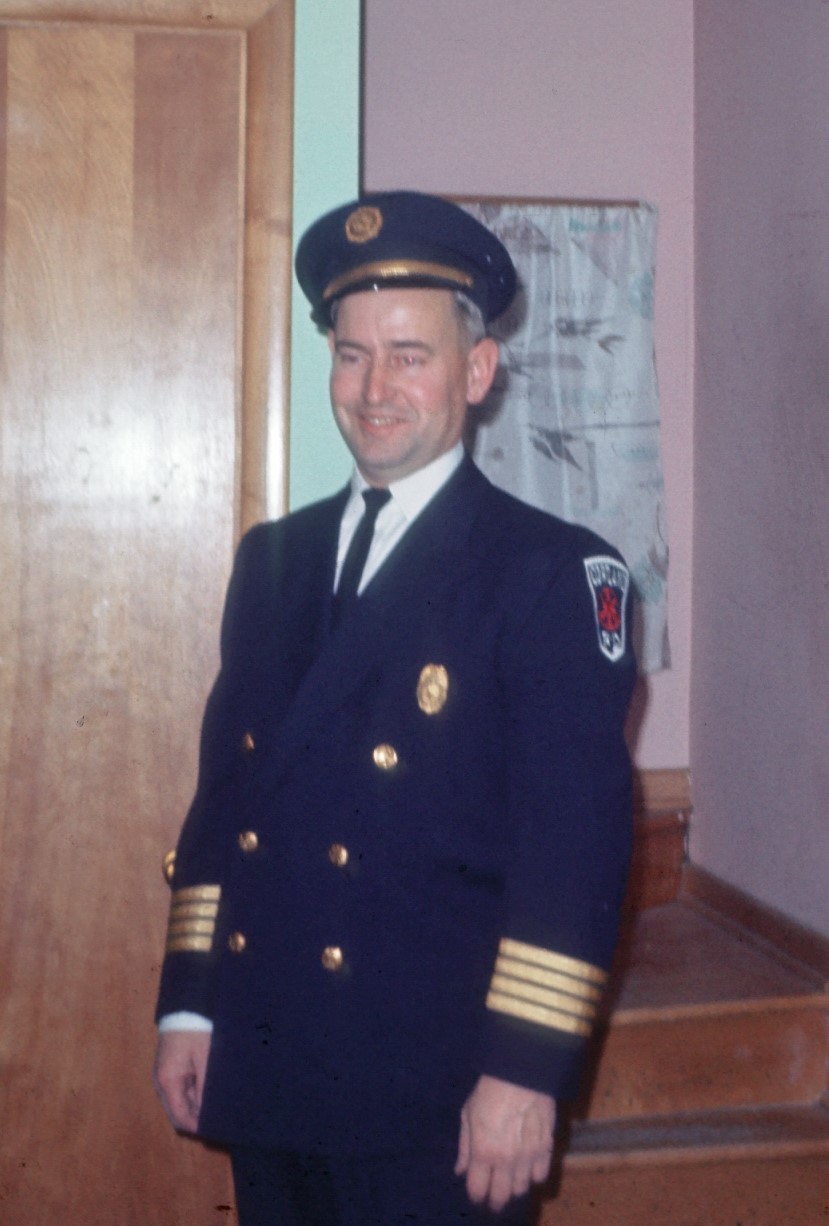
In addition to his work, Dad became assistant and later Chief of the Cortland Volunteer Fire Department.
Even though Mom worked, she monitored and oversaw nearly everything we did until we left home to college (or in Eddie’s case, the Navy).
Dad and Uncle Bob split-up their construction business. Later Dad planned to sell swimming pools and put one in in our back yard. Pools didn’t sell either in the slow housing market, so he switched to selling industrial cleaning products on the road throughout NE Ohio and NW PA which he knew well.
Jenny and I babysat our youngest brother Ken afterschool when Mom wasn’t home.
After I left home for OSU, the Droste’s and certain music faculty at Ohio State became mentors and examples to me in a maze of new relationships and responsabilities away from my parents.
Our Faith of these years past
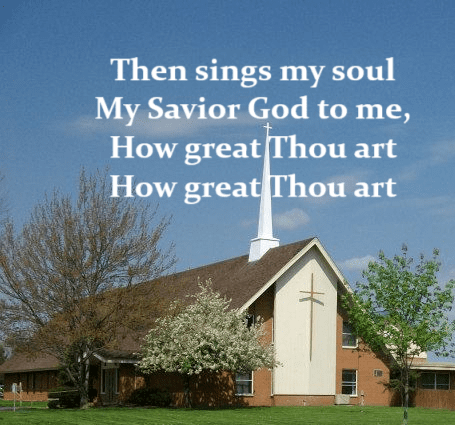
Pastor O’suga of Bazetta Christian Church used to inspire believers singing, “How great Thou art.”
One day Mom was hit by a car in the parking lot as she left work at Packard. Scarey and surreal even for this teenage son.
She almost died and later witnessed to us of her out-of-body experience when Jesus told her that He wasn’t ready for her yet.
She returned to work, making many more friends in Bible studies at lunch and on breaks and lived many more years beyond the miracle of living through it.
Church
Our family had a big break with the (now) United-Methodist Church when I refused to attend there after a post Youth Sunday encounter with its new pastor.
So Mom introduced me to another Methodist youth group in Johnston (where I would later teach).
We sometimes worshipped at a local “Christian Church” (Disciples of Christ) where other Lakeview classmates and families attended.
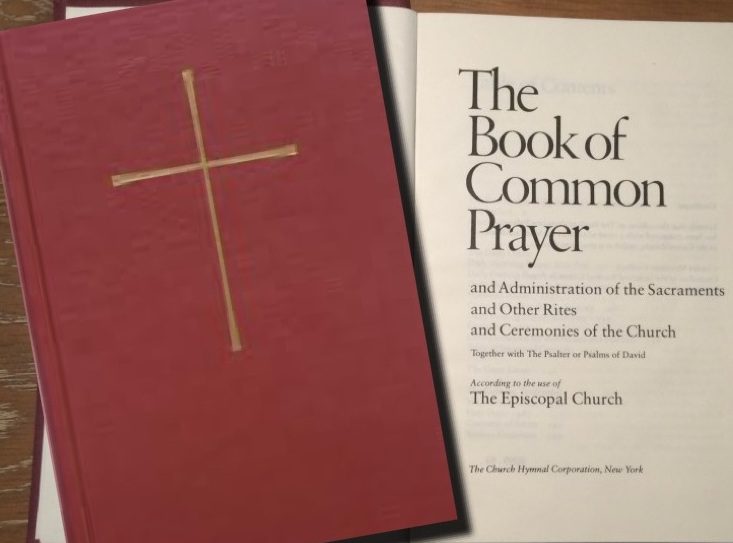
At Ohio State a roommate invited me to the Episcopal Church on campus where he sang in the choir (as I had at Cortland Methodist).
The organist/choir director was a friend of Joe’s and they had coffee after church.
I remained part of the Anglican communion for decades.
What shall I do?
I can think of no place where the parental values of our upbringing faces more darts of the evil one than at college.
This may have become even more true in the 1960’s, when it seemed that conventional society was falling apart.
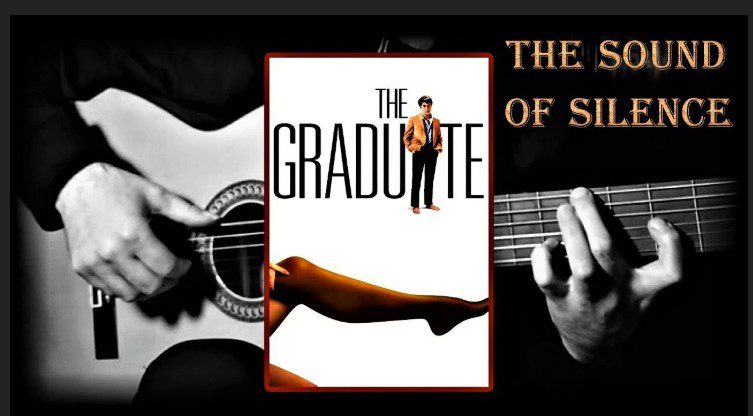
I guess that movie about The Graduate wasn’t so farfetched.
“The Sound of Silence” kept echoing in my emptiness frequently at college.
Am I still a believer?
Dare I confess Christ to any other student?
After all, my own evil tendencies emerged quickly in the boiling sea of sexuality and dissent in which we were all drowning.
Even the more-proper Episcopalians joyed in the surroundings of our intellectual ascent to the the Bible. My college friends and I carefully avoided judgment of others and more so, discernment of our own mingling in the atmosphere of self-indulgent ‘little-sins.’
I sang in the choir but can’t recall what good things we did on campus. Made more Christian friends there though…
I loved Episcopal hymns as much as those in the Methodist hymnal. The ethics and conviction of many of these hymns continued to resonate in my conscience, leading me to act (mostly) how I was brought up.
I still tried to do the right things. We all went to class (most days). I joined ROTC for two years, followed orders in the classroom and on the drill field. Obey the authorities.
I didn’t drink too much (except once, after which I vowed never to get that drunk again). And I really had no interest in any kind of smoking (even the sweet weed so prevalent in the air from some of my hippie-type friends and probably more than a few professors).
Being a Christian on any 70’s campus was no easy task. I failed miserably so many times.
Used to monitor number of Google Analytics server requests
10 minutes
__utmb
Used to distinguish new sessions and visits. This cookie is set when the GA.js javascript library is loaded and there is no existing __utmb cookie. The cookie is updated every time data is sent to the Google Analytics server.
30 minutes after last activity
__utmc
Used only with old Urchin versions of Google Analytics and not with GA.js. Was used to distinguish between new sessions and visits at the end of a session.
End of session (browser)
__utmz
Contains information about the traffic source or campaign that directed user to the website. The cookie is set when the GA.js javascript is loaded and updated when data is sent to the Google Anaytics server
6 months after last activity
__utmv
Contains custom information set by the web developer via the _setCustomVar method in Google Analytics. This cookie is updated every time new data is sent to the Google Analytics server.
2 years after last activity
__utmx
Used to determine whether a user is included in an A / B or Multivariate test.
18 months
_ga
ID used to identify users
2 years
_gali
Used by Google Analytics to determine which links on a page are being clicked
30 seconds
_ga_
ID used to identify users
2 years
_gid
ID used to identify users for 24 hours after last activity
24 hours
_gat
Used to monitor number of Google Analytics server requests when using Google Tag Manager
1 minute
_gac_
Contains information related to marketing campaigns of the user. These are shared with Google AdWords / Google Ads when the Google Ads and Google Analytics accounts are linked together.