Category: Acts for a 21st c. Church

Acts Apostolos - Acts of the Apostles - the chronicles of Christ's Apostles - a history of Christ's Church including early leaders like Stephen, Philip the Evangelist, Paul, Barnabas and many others
Acts of the Apostles + a History of Christ’s Church

Acts of the Apostles 1-28


Acts of the Apostles:
+ The first century Church SHARED Christ while suffering severe persecution.
+ Luke records a historic account of the Church which gives 21c Christians a context to SHARE the Gospel of Jesus Christ with others.

Read more about the Early Church & add your COMMENT on Scripture.

ACT now.

+ SHARE the Gospel history witnessed in the CURRENT chronological SERIES from ACTS of the APOSTLES.

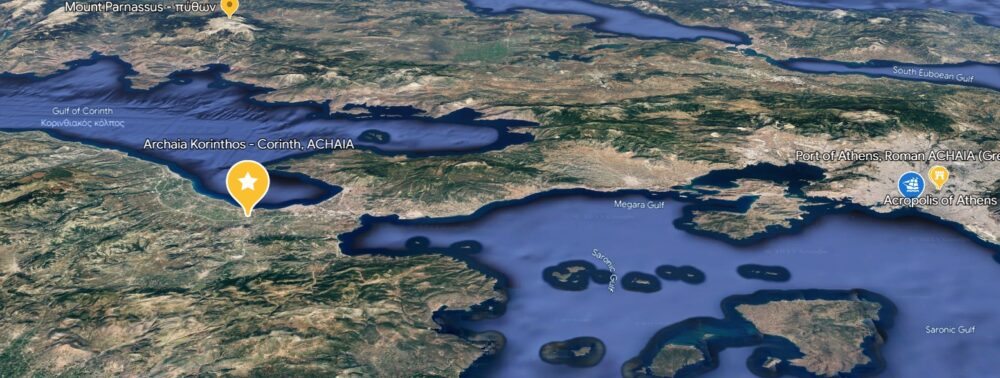
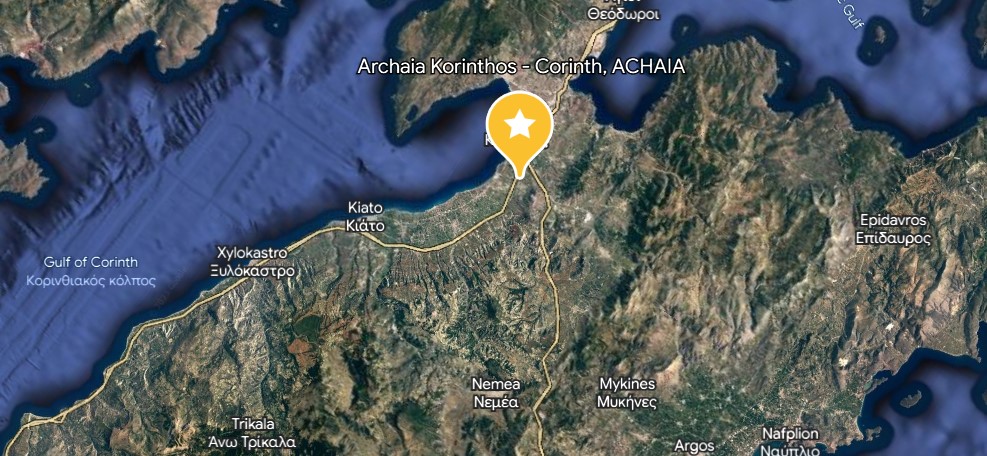
  • Corinth – 1st Church Plant in ACHAIA

    Corinth – 1st Church Plant in ACHAIA

    So why did Paul leave Athens, Greece? These apostles to the Gentiles are sent to Corinth by the Holy Spirit to plant a church in Achaia.

    THIS summary of Paul's first two missions INCLUDES a 20 YEAR TIMELINE OF THE EARLY CHURCH. 
    1. After this Paul left Athens and went to Corinth.
    After Paul's speech at Mars Hill about the unknow god the Apostle departs for Corinth even though a few wanted to know more about the resurrection of of the dead and Jesus a human Son of God

    You’ll recall the Apostle’s great proclamation of the Gospel at the Areopagus of Mars Hill in the shadow of a Roman built-back-better ancient Acropolis. (The same philosophers’ debates continue into this distant millennium.)

    Now when they heard of the resurrection of the dead, some mocked. But others said, “We will hear you again about this.” – ACTS of the Apostles 17:32 ESV

    So Paul went out from their midst.

    We will talk about those new disciples who joined Paul's mission in Athens once we arrive in Corinth.

    The Mission to Corinth

    17:33 So Paul went out from their midst. 34 But some men joined him and believed, among whom also were Dionysius the Areopagite and a woman named Damaris and others with them.

    Prior to leaving Athens Dionysius and Damaris AND others join 'them.' 
    TWO new believers plus unnamed 'others.' 

    Please don’t forget that Jesus, the Twelve Apostles, rabbis, and even those Greek philosophers who invited Paul to address them at the Areopagus in Athens all had followers. Some disciples (or followers) of these men frequently traveled with these teaching mentors to learn more.

    Paul and the missionaries of the early church are no exception. The apostle to the gentiles does not preach the Gospel in Athens or anywhere else without the witness of other disciples of Jesus Christ.

    ἀποστέλλω

    Lexicon :: Strong's G649 - apostellō

    Paul has disciples of the Way of Jesus Christ with him — other apostles SENT by the Holy Spirit – and others followers sent to become ministers of Christ’s church in all the world.

    Gospel of Luke 10:

    Now after this the Lord appointed seventy others, and sent G649 them in G649 pairs ahead of Him to every city and place where He Himself was going to come.

    4 “Go! Behold, I send G649 you out G649 as lambs in the midst of wolves.

    What kind of MAN would send out 70 missionaries with the Gospel into the midst of wolves?

    JESUS!


    “The one who listens to you listens to Me, and the one who rejects you rejects Me. And he who rejects Me rejects the One who sent G649 Me.”

    Gospel of Luke 10:16 LSB – the Word of Jesus by the Authority of God the Father to seventy disciples

    Paul will later write to his disciple Timothy, whom he has already circumcised to keep the young man from the wolves seeking their lives —

    For this I was appointed a preacher and an apostle (I am telling the truth, I am not lying), a teacher of the Gentiles in faith and truth.

    1 Timothy 2:7 ESV

    Jesus had brought Paul to Himself years ago in Syria, then to Cypress and Galatia previously with Barnabas. Now with Silas and several others the Apostle of the Gentiles journeys through Syria, Galatia, Macedonia, briefly to Greece and here to ACHAIA and its important city of Corinth.

    Paul and his company of Christians from Antioch and many other places will build yet another church for the Corinthians and Christ Jesus here in the months to come.

    a 20 YEAR Timeline of 2 missions

    PAUL, as before, has fled Athens with the young lambs of Christ’s fold not only preserving his own life from the pack of Jewish and Hellenist wolves but done so to continue on the Lord Jesus’ mission before harm might be inflicted on any in his care.

    A.D. 30’s –

    Jesus crucified and raised from the dead!

    The risen Christ instructs the Twelve (now including Mathias) until Pentecost and appears to more than 500 witnesses before the Lord ascends into Heaven. Jesus’ brothers James (who will later lead the Jerusalem church) and Jude now believe and proclaim Jesus as Lord.

    The Apostles and others receive the Holy Spirit in Jerusalem and go out to Jews and Samaritans with the Gospel.

    After Saul of Tarsus (Paul) had pursued and killed many disciples of the risen Lord, Jesus confronts him near Damascus, later sending Saul into all the world as His vessel with the Gospel. Paul then goes to Arabia.

    A.D. 40’s –

    Three years after Paul’s conversion and ten years after Jesus’ resurrection Peter, who earlier had miraculously escaped prison in Jerusalem, takes the Gospel to the Gentiles, including Romans.

    Then in ~A.D. 44 the Apostle James is murdered and once again Peter is freed from prison in Jerusalem by angels.

    The Apostles have begun their journey into all the world, occasionally returning to Jerusalem where Jesus’ half-brother James is now leader of the local church.

    ~A.D. 47- 49 + Paul’s 1st Mission with Barnabas

    Now there were in the church at Antioch prophets and teachers, Barnabas, Simeon who was called Niger, Lucius of Cyrene, Manaen a lifelong friend of Herod the tetrarch, and Saul. While they were worshiping the Lord and fasting, the Holy Spirit said, “Set apart for me Barnabas and Saul for the work to which I have called them.” 3 Then after fasting and praying they laid their hands on them and sent them off.

    Acts of the Apostles 13:1-3 ESV – commissioning of Paul and Barnabas for 1st mission

    49 And the word of the Lord was spreading throughout the whole region. 50 But the Jews incited the devout women of high standing and the leading men of the city, stirred up persecution against Paul and Barnabas, and drove them out of their district. 51 But they shook off the dust from their feet against them and went to Iconium. 52 And the disciples were filled with joy and with the Holy Spirit.

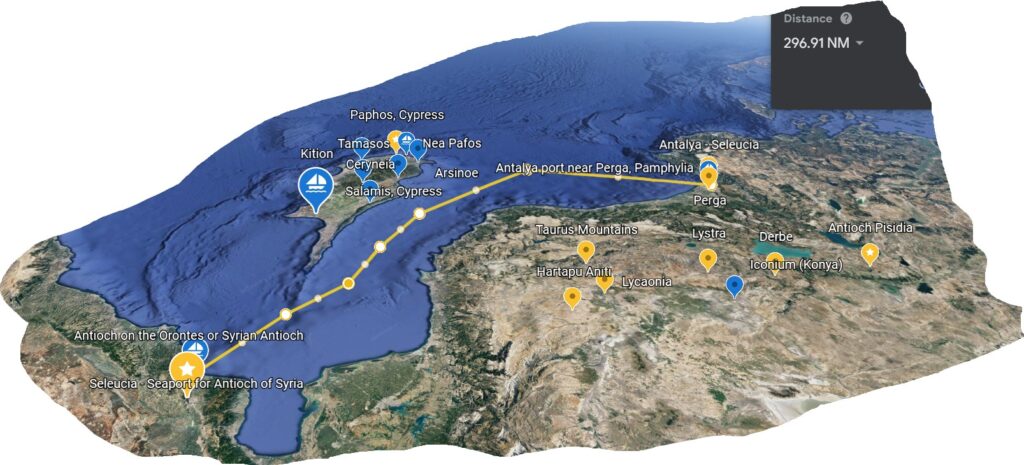
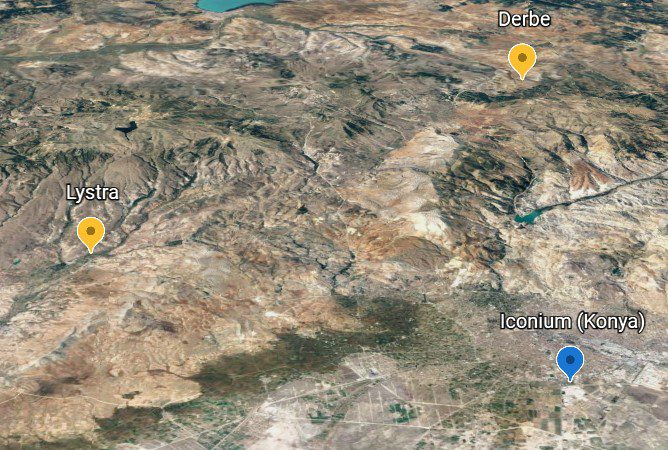
    Lystra, Derbe and Iconium in the Taurus mountains.

    When an attempt was made by both Gentiles and Jews, with their rulers, to mistreat them and to stone them, they learned of it and fled to Lystra and Derbe, cities of Lycaonia, and to the surrounding country, and there they continued to preach the gospel.

    Acts of the Apostles 14:5-7 ESV

    I reiterate this from Paul’s first mission to emphasize both the persecution by Jews and Gentiles AND the persistence of the Apostles in uplifting these new churches with letters and returning to them on other missions. Barnabas and Mark returned to Cypress. On this mission Paul began by returning to these same churches of his earlier mission in the same regions of Galacia.

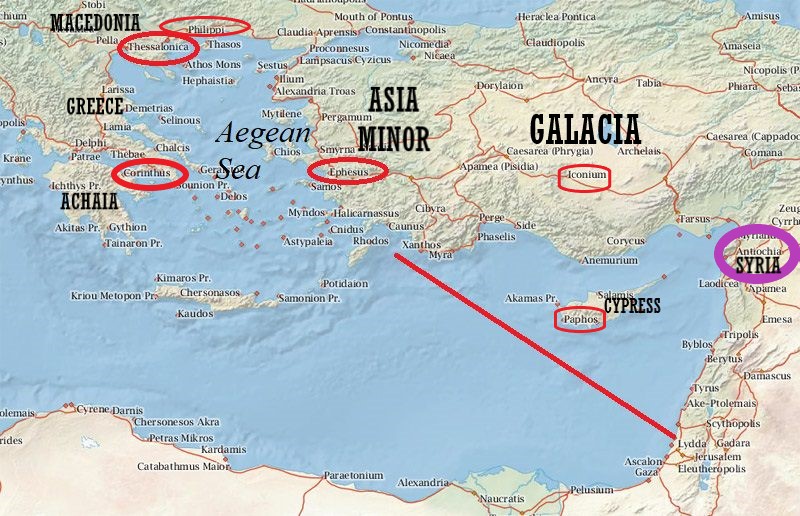
    Major Roman Provinces of the Aegean including: Achaia, Greece, Macedonia, Asia Minor, Galatia, Cypress and Syria including major cities of Paul's first missions.
    Go into all of the world‘ of the Hellenist Roman Aegean with the Gospel

    ~A.D. 49 – 51 + Paul’s Second Mission with Silas & others

    In the year of our Lord 49 the Council at Jerusalem was followed by several notable witnesses of Christ in various ways.
    • James, brother of Jesus & leader of the church in Jerusalem writes a letter primarily to the Jews of the dispersion,

    Count it all joy, my brothers, when you meet trials of various kinds, for you know that the testing of your faith produces steadfastness. And let steadfastness have its full effect, that you may be perfect and complete, lacking in nothing.

    Letter of James 1:2-4 ESV
    • Paul writes a letter to the Galatians, saints of the churches he and Barnabas have just planted in the region of Galatia including Iconium, Lystra and Derbe.

    I am astonished that you are so quickly deserting him who called you in the grace of Christ and are turning to a different gospel— not that there is another one, but there are some who trouble you and want to distort the gospel of Christ.

    from Paul and all the brothers who are with me.. To the churches of Galatia: 1:6-7 ESV
    • The Emperor Claudius expelled most Jews (including the sect of Christians) from Rome
      • Those expelled from Rome included Priscilla and Anguilla, who the Lord will use in an important new missing in ACHAIA.

    Missionaries in Corinth sent out to the STATES of Rome

    Again, in A.D. 50 Paul has been sent out with the Gospel to several states of Roman influence – each with its own culture – each with its unique mixture of Hellenists, Italians more connected to Rome’s politics, Jews (some connected to the politics of Jerusalem), just regular residents, travelers, merchants, foreigners and of course, varying numbers of active and retired Roman soldiers.

    Acts 18 ESV – Paul in Corinth

    NOTE all the other apostles sent to Corinth in ACHAIA with Paul.

    After this Paul left Athens and went to Corinth. 2 And he found a Jew named Aquila, a native of Pontus, recently come from Italy with his wife Priscilla, because Claudius had commanded all the Jews to leave Rome. And he went to see them, 3 and because he was of the same trade he stayed with them and worked, for they were tentmakers by trade. 4 And he reasoned in the synagogue every Sabbath, and tried to persuade Jews and Greeks.

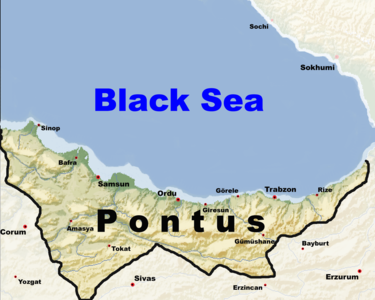
    Part of the kingdom was now annexed to the Roman Empire, being united with Bithynia in a double province called Pontus and Bithynia: this part included only the seaboard between Heraclea (today Ereğli) and Amisus (Samsun), the ora Pontica.[18] The larger part of Pontus, however, was included in the province of Galatia.

    Source: Wikipedia
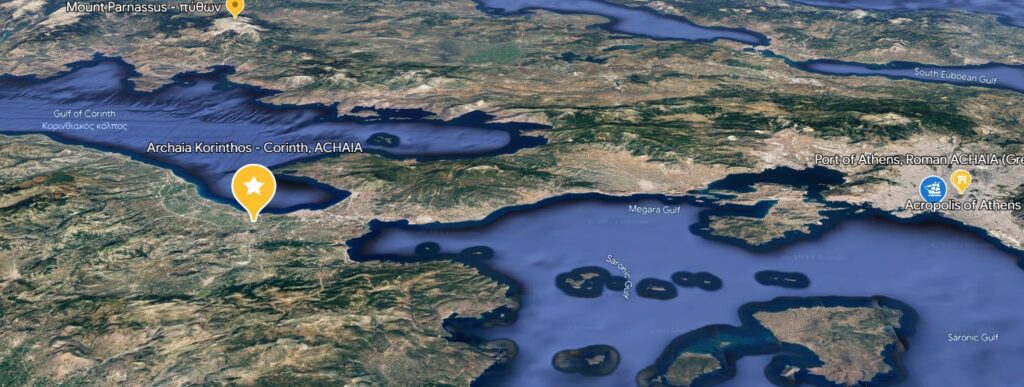
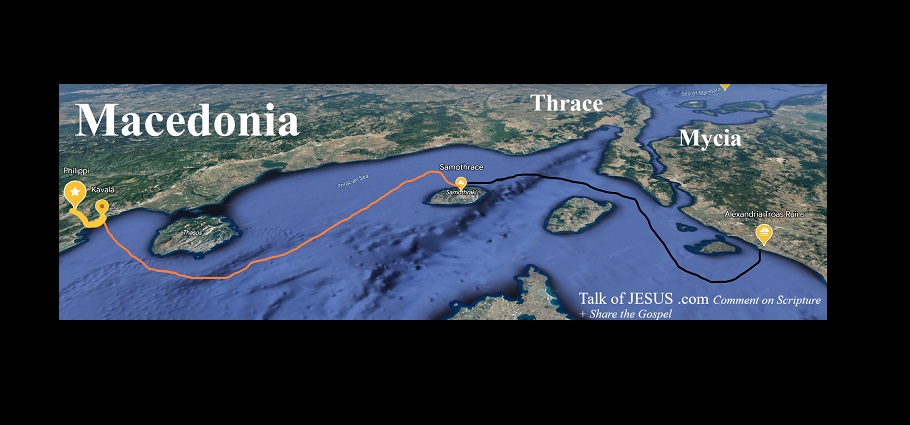
    google earth of Aegean Sea coast between Troas and Macedonia

    5 When Silas and Timothy arrived from Macedonia, Paul was occupied with the word, testifying to the Jews that the Christ was Jesus. And when they opposed and reviled him, he shook out his garments and said to them,

    “Your blood be on your own heads! I am innocent. From now on I will go to the Gentiles.”

    Once again, the Apostle sent into all the world has taken the Gospel first to his brothers in the faith of God - the Jews. AND once again as in other cities before many BUT NOT ALL Jews reject Paul and the Good News of the Messiah - the Christ, Jesus.
    

    7 And he left there and went to the house of a man named Titius Justus, a worshiper of God. His house was next door to the synagogue.

    (ALSO) 8 Crispus, the ruler of the synagogue, believed in the Lord (Jesus) , together with his entire household.

    These two local men of Corinth are important and influential Jews, but they cannot dissuade the outside influences of Jewish zealots who have rejected their own Messiah.
    

    And many of the Corinthians hearing Paul believed and were baptized. 

    Acts of the Apostles 18:8b ESV

    Acts for a 21st c. Church

    – a history of the 1st century church –

    To Be Continued… in Corinth.


  • Death, Judgment and Resurrection in light of your own

    Death, Judgment and Resurrection in light of your own

    For he has set a day when he will judge the world with justice by the man he has appointed. He has given proof of this to everyone by raising him from the dead.”

    Acts of the Apostles 17:31 NIV – the Apostle Paul to the men of Athens at Mars Hill

    The Good News of Death!

    The Apostle Paul has just proclaimed Jesus Christ to a LARGE PUBLIC gathering of Greeks in Athens as an unknown god.

    ..  but now he commands all people everywhere to repent – Acts 17:30 ESV

    Had this been the 20th century you might have expected an altar call at Mars Hill as public witness of the Apostle’s anointed mission. But that’s not what he did.

    In fact, Paul left town and headed for a new province of Achia and the larger city of Corinth (for Athens was now but a rebuilt remnant of its former ancient glory).

    Acts 17:

    • 16b his spirit was provoked within him as he saw that the city was full of idols.
    • 17 So he reasoned in the synagogue with the Jews and the devout persons,
    • and in the marketplace every day with those who happened to be there.

    Just like in most cities and towns the Apostle has already engaged various groups of listeners in the good news of Jesus’ resurrection.

     “He seems to be a preacher of foreign divinities”—because he was preaching Jesus and the resurrection.

    And they took him and brought him to the Areopagus [Mars Hill], saying,

    “May we know what this new teaching is that you are presenting?

    Acts of the Apostles 17:18b-19 ESV

    AND as often happens, once Paul proclaims Christ at the risen Son of the Living God the Apostle’s preaching this Good News to the intelligentsia of Athens yields mixed results. The truth of the Gospel sows more seeds of controversy into the hearts of sinners who must confront our own mortality, death and judgment.

    Now when they heard of the resurrection of the dead, some mocked.

    But others said, “We will hear you again about this.”

    Acts 17:32 ESV

    Resurrection

    What else could Paul have said?

    The philosophers among the learned men of Athens had already chosen sides in their entrenched idolatries of self. These men suggesting a willingness to hear more from Paul only sought to use this preacher of foreign gods to support their own unending philosophical debates.

    The Apostle must have also wondered if the Jews of Athens might soon provoke discord in the crowds as had happened recently as the Paul and Silas had fled Thessalonica then Berea?

    (Many of the Jews did not believe in resurrection or apply the prophesies of their own Scriptures to the leaven of culture in their daily 'better-than-thou' lives.)

    To the Jew who does NOT believe in resurrection death is the end of life — the end of a brief mortal time God gives to Jews and Gentiles alike. DEATH may come as a penalty of righteous men to put an END to the unrighteous. But even the righteous will expire once the LORD has blessed their mortal days.

    The pagan Greeks and pagan Romans, however, worshipped idols of their own making and mythology, molded by the manifold desires of their creatively sinful flesh and guiltless justification of their wicked minds.

    The GREEK and ROMAN gods were DEAD monuments of STONE with no authority over the living worshipers of the temples who willfully indulgenced in wickedness.


    So Paul went out from their midst.

    But some men joined him and believed, among whom also were Dionysius the Areopagite and a woman named Damaris and others with them.

    Acts 17:33-34 ESV

    18:1 Μετὰ δὲ ταῦτα χωρισθεὶς ὁ Παῦλος ἐκ τῶν Ἀθηνῶν ἦλθεν εἰς Κόρινθον

    After these things he departed Athens and went to Corinth.

    Acts 18:1 LSB

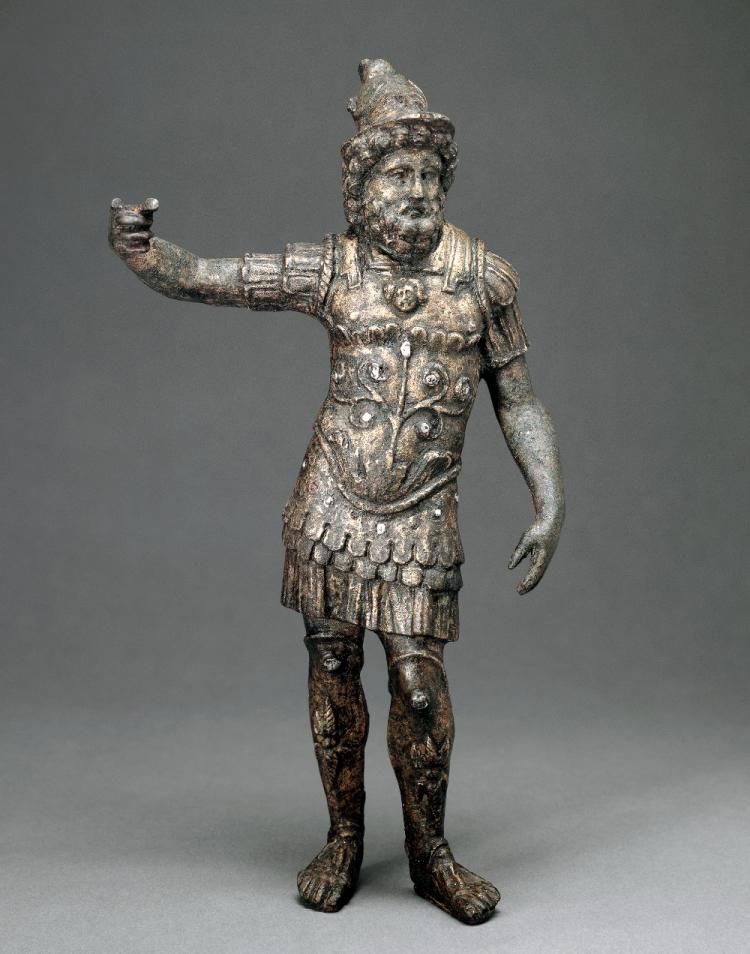
    Mars - God of War - bringer of death
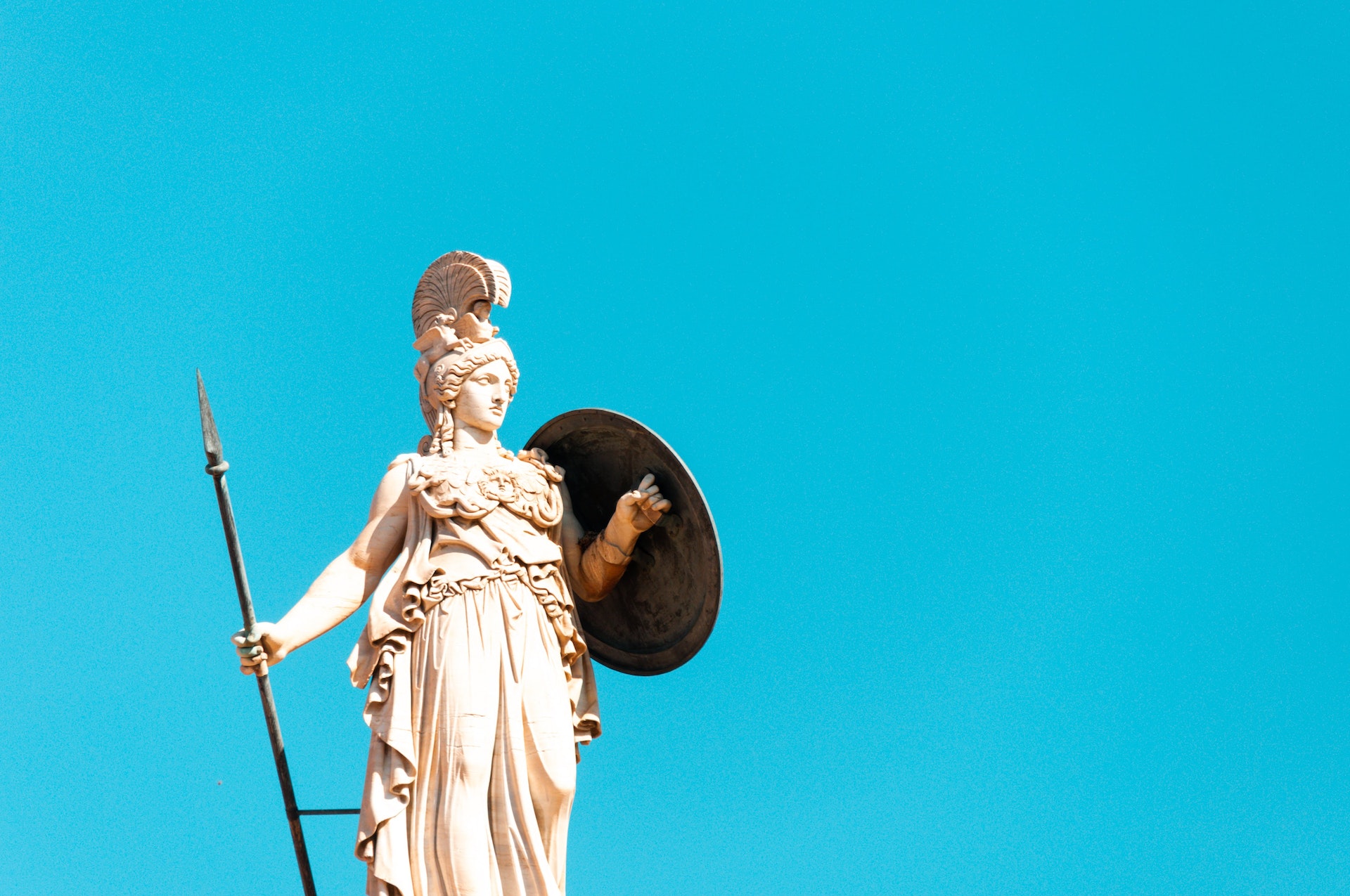
    Statue of the goddess Athena - powerful namesake of Athens

    Judgment on Mars Hill

    It seems rather ridiculous to look upon a copper Mars (Ares) or stone statue of Athena as gods mortal men should worship. [v. 29]

    Paul points out that the Living God does not live in temples. [vs. 24-25]

    The Living God made man — men and women of every place and nation; therefore we ought to see ourselves as sons and daughters of God. [vs. 26-28]

    (God knows that you didn’t know better — that is, before now) v.30a

    but NOW God COMMANDS you to REPENT!

    Paul did not side with the Stoics.

    At Tarsus, Paul certainly had opportunities for hearing Stoic lectures on philosophy. .. Although not a Stoic technical term, syneidēsis, which Paul used as “conscience,” was generally employed by Stoic philosophers. In 1 Corinthians 13 and in the report of Paul’s speech at Athens (Acts 17), there is much that is Hellenistic, more than a little tinged by Stoic elements—e.g., the arguments concerning the natural belief in God and the belief that human existence is in God.

    Britannica – excerpt on Roman Stoicism

    Neither did the Apostle side with the Epicureans.

    As part of his Physics, Epicurus’s psychology held that the soul must be a body…

    “The gods are not to be feared. Death is not a thing that one must fear. Good is easy to obtain. Evil is easy to tolerate.”

    Britannica

    And as we know well from his persecution by the Jews, Paul’s Gospel was not seen as good news to many Jews to whom the Apostle to the gentiles generally sought to convince first in a new town that Jesus is the Messiah or Christ predicted by Scripture.

    The JEWS know God’s LAW and read the Prophets who warned them in the past to REPENT.

    NOW, the Apostle provides the same proof of the LORD’s COMMAND to Jew and Gentile alike.

    Proof of Judgment (and the One to Judge)

    The Apostle Paul has no reason to return to the centuries-extended debates of Greek philosophers or Jewish parties to traditions formed when God kept silent after speaking through His Prophets.
    

    πίστις

    Pistis – a word Paul uses here translated in the English Standard Version of the Bible as PROOF – provides an insight into his closing of a logical argument stated before his listeners in the areopagus.

    The same Greek word is translated in the New Testament (King James Version) can also be translated as assurance or belief, even as fidelity; but beyond our limited English understanding most times [239x in KJV] pistis is translated as faith.

    Our 21st century faith seems to lack assurance and proof, let along fidelity to the One God our Lord. Never-the-less, study from Strong's definition Lexicon :: Strong's G4102 - pistis
    the better understanding of Paul's audience of first century philosophers.
    1. conviction of the truth of anything, belief; in the NT of a conviction or belief respecting man’s relationship to God and divine things, generally with the included idea of trust and holy fervour born of faith and joined with it
    2. fidelity, faithfulness – A. the character of one who can be relied on

    What had happened back in Lystra?

    Acts 14:

    And Paul, looking intently at him [a man lame from birth] and seeing that he had faith to be made well, 10 said in a loud voice, “Stand upright on your feet.” And he sprang up and began walking. 11 And when the crowds saw what Paul had done, they lifted up their voices, saying in Lycaonian, “The gods have come down to us in the likeness of men!”

    19 But Jews came from Antioch and Iconium, and having persuaded the crowds, they stoned Paul and dragged him out of the city, supposing that he was dead. 

    This incident of PROOF had occurred on the Apostles' first missionary journey and Paul had returned to them on this current mission.
    
    Same word -- and just after this listen to how Paul uses it in witnessing the PROOF of the Gentiles receiving the Holy Spirit to the church.

    27 And when they arrived [returned to the church in Antioch Syria] and gathered the church together, they declared all that God had done with them, and how he had opened a door of faith to the Gentiles.

    Acts of the Apostles 14:27 ESV

    πίστις – Lexicon :: Strong’s G4102 – pistis

    • in the NT of a conviction or belief respecting man’s relationship to God and divine things
      • relating to God
    • the conviction that God exists and is the creator and ruler of all things, the provider and bestower of eternal salvation through Christ
      • relating to Christ
    • a strong and welcome conviction or belief that Jesus is the Messiah, through whom we obtain eternal salvation in the kingdom of God

    NOW, Paul uses this same word [pistis] referring to Jesus Christ as PROOF even to the Greeks. And how is CHRIST PROOF?

    In act and deed GOD has provided the PROOF by the resurrection of Jesus — an act of FAITH proven which NO MAN could do (who is not God). AND by this PROOF men must believe the command of GOD TO REPENT.

    because He has fixed a day in which He will judge the world in righteousness through a Man whom He determined, having furnished proof to all by raising Him from the dead.”

    Acts of the Apostles 17:31 LSB – from Paul’s speech at the areopagus in Athens

    Now when they heard of the resurrection of the dead..

    God IS.

    God excused your ignorance (as your philosophers sought to argue for or against the Him who created the heavens and the earth and all mankind.

    God now commands all men to repent, for He as set a day to judge the world in righteousness. (Of course NO man is righteous, no not one.)

    God appointed a righteous JUDGE to judge YOU and the world.

    (NOT by condemning you to death which is inevitable for moral beings, but after YOU die! (No human EVER escapes DEATH! — that is, except the One Man anointed by God to JUDGE our faith in Him.)

    PROOF TO ALL:

    the RESURRECTION of Christ Jesus!


    ἀνάστασις (anastasis) νεκρός (nekros)

    Resurrection of the dead

    Paul could have returned to Mars Hill to debate with philosophers who continuously look for a new argument about life, death, resurrection, God or gods and how we should live in some semblance of righteousness. Even twenty-one centuries later the debates of the philosophers still seek their own new truths.

    Some will respond to the GOOD NEWS of God. MANY will continue the debate in unbelief.

    The Apostle, therefore, journeys on to ACHAIA and Corinth where they will nurture and build yet another church for more than a year before Paul’s return to SYRIA.


    ACTS of the Apostles [18] – To Be Continued… in Corinth

    Comment on Scripture – Share the Gospel

  • Lectures about God in Athens’ University of Idols

    Lectures about God in Athens’ University of Idols

    The inscription begins "whether god or goddess" (si deus si dea), a phrase indicating that the deity is unknown. Often there would be a request that followed ("Whether you are a god or goddess that rules over Rome, grant us...").

    TO THE UNKNOWN GOD

    TODAY’S LECTURE

    At the Areopagus –

    Visiting Professor of Philosophy & Religion

    Παῦλος – paulos

    πολίτης Ταρσεύς Κιλικία

    Citizen of Tarseus in Cilicia


    The Hill of Ares or Mars’ Hill, depending on language reference of Greek or Roman for the god of war.

    The Apostle Paul is about to make an important speech to the Romans and Hellenists studying in Athens in ~A.D. 50 at the university lecture hall of the day which sits atop a hill facing the crumbling 5th c. B.C. temples of Athena and many idols.

    Areopagus (Mars) Hill view of Acropolis from where Paul preached of the unknown God

    (Now all the Athenians and the strangers visiting there used to spend their time in nothing other than telling or hearing something newer.)

    Acts 17:21 LSB
    To best understand the 1st century Roman-Hellenist culture of Athens read our two previous posts.
    Now while Paul was waiting for them at Athens, his spirit was being provoked within him as he was observing the city full of idols. – Acts of the Apostles 17:16
    Brief summary of Greek mythology

    Acts 17:

    Visiting Professor Paulus teaches on the topic of an unknown God addressing stoics, epicureans and other religious professors of idolatrous worship graciously.

    “Men of Athens, I perceive that in every way you are very religious.

    Acts 17:22b ESV

    Those claiming Christ in this 21st century A.D. would do well to address unbelievers and idolaters with the same grace as Paul employed in the first century A.D. in the beginning of his apostleship into all the world of the gentiles.

    What is Paul’s outline of a logical approach to the proclamation of the GOOD NEWS of JESUS CHRIST?

    The Apostle to the Gentiles points toward the incarnation of Christ as a pivotal recent event in the timeline of human history as part of GOD’S timeless plan for mankind.

    God who made the world

    Therefore,
    the One whom you worship without knowing,
    Him I proclaim to you:

    ACTS 17:23b NKJV – of the Apostle Paul in the Areopagus

    The religious men and other men of Athens, as well as religious Romans adding their own iconic monuments to the Athens’ landscape of religious festivals, admittedly could not possibly know every god.

    Therefore, Paul begins from their own documented conclusion. They need to hear what I have to proclaim about the TRUE GOD Romans and Greeks do not know.

    (And God is NOT just the God of the Hebrews worshiped in Jerusalem.)

    Who IS the GOD WHO MADE THE WORLD?

    (Certainly not Zeus who was not in the beginning, nor the goddess Athena — but Paul does not even need to state this accepted timeline from mythology which does not worship the very God of creation.)

    α – θεός (theos) does not live in temples made by man

    24 The God who made the world and everything in it, being Lord of heaven and earth, does not live in temples made by man, nor is he served by human hands, as though he needed anything, since he himself gives to all mankind life and breath and everything.

    β – ἀνθρώπινος (anthrōpinos) – mankind, timelines & nations

    26 And he made from one man every nation (ethnos) of mankind (anthrōpos) to live on all the face of the earth, having determined allotted periods and the boundaries of their dwelling place, that they should seek God, in the hope that they might feel their way towards him and find him.

    Although contemporary twisting of imagery limits such use of an archaic word, I like the more literal translation of this picture of man groping for God, as a blind person reaches near for that which can be touched.
    

     .. in the hope that they might grope for Him and find Him, though He is not far from each one of us

    Acts 17:26a NKJV & others

    γ – ἐγώ (egō) in Him we live and move and exist

    Now our Professor of Theology, Paul of Cilicia, quotes two poets likely studied by the university he addresses -- NOT Hebrew poets such as David or Solomon -- NOT Jesus, whose many teachings have become well-known these past twenty years -- but GREEK or Hellenist poets revered by the university of classical thought in Athens. 
    
    One is likely from Crete, where earlier along with Barnabas, Paul professed Christ to the gentiles. Paul also quotes a classical Greek poet from the forth century B.C. - source
    Paul's introduction of the One God (of the Hebrews) is non-confrontational, providing an outline of God's plan to have all people of all cultures and all nations seek and find the Living God at a time appointed by Him.

    Yet he is actually not far from each one of us, for

    “‘In him we live and move and have our being’;

    as even some of your own poets have said,

    “‘For we are indeed his offspring.’

    Paul could have quoted Jesus here, who quoted David, but instead the Apostle to the Gentiles quotes their own learned teachers. 

    δ – οὖν – therefore as God’s offspring

    The question never-the-less remains the same: WHAT IF GOD created YOU?

    (It’s not simply a question of ONLY the FIRST MAN {adam}, therefore the Apostle leaves no room for arguments of philosophers backing him into a creation corner.)

    • What if we are SONS (& DAUGHTERS) of the Living God?
    • WHAT IF GOD CONSIDERS ME FAMILY?

    29 Being then God’s offspring, we ought not to think that the divine being is like gold or silver or stone, an image formed by the art and imagination of man.

    Do you think of your own mother or your own father as one of these idolatrous worshiped things? Of course not!
    
    YET if you belong to GOD's own family with your LIVING human father and mother as progeny of the LIVING GOD and Creator of all life, how can you worship your loving God like a stone, a man-made myth or self-breathed thoughts?

    30 The times of ignorance God overlooked,


    ε – θεός νῦν παραγγέλλω – theos is now declaring

    but now he commands all people everywhere to repent,

    30 “Therefore, having overlooked the times of ignorance, God now commands all people everywhere to repent,

    Acts 17:30 CSB

    ζ – ἄνθρωπος πανταχοῦ μετανοέω – ALL men everywhere repent

    The apostle to the Hellenists and Romans proclaims a STRONG authoritative choice to listeners in the Areopagus: GOD 'winked' (says the King James Version) but now commandeth all men every where to repent!
    REPENT, therefore, sons and daughters of the Living God!
    For YOU are no longer ignorant.
    
    And WHY should you REPENT? 
    WHY turn back to the Living God?
    

    η – ἡμέρα κρίνω οἰκουμένη – a day he will judge righteousness

    because he has fixed a day on which he will judge the world in righteousness by a man whom he has appointed;

    Can WE SAVE the earth anymore than WE can save our own FLESH and BLOOD from DEATH and destruction?

    But by His word the present heavens and earth are being reserved for fire, being kept for the day of judgment and destruction of ungodly men.

    2 Peter 3:7 LSB
    SO is this professor of the unknown god proclaiming that his teaching must be given authority over all other schools of thought about our gods?
    
    WHO IS THIS MAN Paulus of Cilicia claims will JUDGE all of mankind?

    Α – πίστιςassurance

    and of this he has given assurance to all by raising him from the dead.”

    Therefore, just as sin came into the world through one man, and death through sin, and so death spread to all men because all sinned—

    For if, because of one man’s trespass, death reigned through that one man, much more will those who receive the abundance of grace and the free gift of righteousness reign in life through the one man Jesus Christ.

    Romans 5:12 διὰ τοῦτο ὥσπερ δι᾽ ἑνὸς ἀνθρώπου ἡ ἁμαρτία εἰς τὸν κόσμον εἰσῆλθεν καὶ διὰ τῆς ἁμαρτίας ὁ θάνατος καὶ οὕτως εἰς πάντας ἀνθρώπους ὁ θάνατος διῆλθεν ἐφ᾽ ᾧ πάντες ἥμαρτον & again, Paul’s letter to Roman believers 5:15 ESV

    Ω – ἀναστήσας αὐτὸν ἐκ νεκρῶν – by raising Him from the dead!

    He has provided proof of this to everyone by raising him from the dead.”

    Acts of the Apostles 17:31b CSB

    All things have been handed over to me by my Father, and no one knows who the Son is except the Father, or who the Father is except the Son and anyone to whom the Son chooses to reveal him.”

    Gospel of Luke 10:22 ESV

    I and the Father are one.”

    Gospel of John 10:30 ἐγὼ καὶ ὁ πατὴρ ἕν ἐσμεν

    παντοκράτωρ – THE ALMIGHTY

    “I am the Alpha and the Omega,” says the Lord God, “who is and who was and who is to come, the Almighty.”

    The Revelation of the risen Jesus Christ to John 1:8 ἐγώ εἰμι τὸ Ἄλφα καὶ τὸ Ὦ λέγει κύριος ὁ θεός ὁ ὢν καὶ ὁ ἦν καὶ ὁ ἐρχόμενος ὁ παντοκράτωρ
    CLICK HERE: For more information about Jesus Christ and Inerrant TRUTH: Our reasoned Biblical Faith.

    ACTS of the Apostles – To Be Continued…

    Comment on Scripture – Share the Gospel