Category: Acts for a 21st c. Church

Acts Apostolos - Acts of the Apostles - the chronicles of Christ's Apostles - a history of Christ's Church including early leaders like Stephen, Philip the Evangelist, Paul, Barnabas and many others
Acts of the Apostles + a History of Christ’s Church

Acts of the Apostles 1-28


Acts of the Apostles:
+ The first century Church SHARED Christ while suffering severe persecution.
+ Luke records a historic account of the Church which gives 21c Christians a context to SHARE the Gospel of Jesus Christ with others.

Read more about the Early Church & add your COMMENT on Scripture.

ACT now.

+ SHARE the Gospel history witnessed in the CURRENT chronological SERIES from ACTS of the APOSTLES.

  • Truth for Gentiles who turn to God

    Truth for Gentiles who turn to God

    How will the Jerusalem Council judge Gentiles according to the Jewish Law of Moses?

    Acts 15

    6 The apostles and the elders were gathered together to consider this matter.

    Simon Peter has testified.

    “Brothers, you know that in the early days God made a choice among you, that by my mouth the Gentiles should hear the word of the gospel and believe.

    Acts of the Apostles 15:7b ESV

    And all the assembly fell silent, and they listened to Barnabas and Paul as they related what signs and wonders God had done through them among the Gentiles.

    Acts of the Apostles 15:12 ESV

    Response of Jerusalem’s Pastor James

    13 After they finished speaking, James replied,

    “Brothers, listen to me. 14 Simeon has related how God first visited the Gentiles, to take from them a people for his name. 

    Leaders and Witnesses of the Jerusalem council

    Let’s be clear who is speaking and which leaders have witnessed the truth of events leading to a church meeting about the gentiles.

    Simon Peter.

    In verse 14 the King James and English Standard versions translate Συμεών from the Greek as Simeon; however the NKJV, NIV and other versions use “Simon” while the NLT uses the most familiar identification of the Apostle, “Peter.”

    Barnabas and Paul

    Their mission journey has brought about this council and clearly both are leaders in their testimony of the Holy Spirit to the Gentiles and leadership of the church at Antioch Syria.

    James

    And let’s not miss who now speaks a the representative pastor and leader of the local church at Jerusalem where the council meets.

    It is none other than James brother of Jesus who was raised with the Lord, yet did not believe that his half-brother was the Christ, the prophesied Son of God until after Jesus’ resurrection at which time James became a faithful disciple called to lead the Jerusalem Church.

    Witness of the Prophets

    James refers to the Prophet Amos from ~760 BC and Samuel Prophet of David three hundred years before that.

    “Brothers, listen to me. 14 Simeon has related how God first visited the Gentiles, to take from them a people for his name. 15 And with this the words of the prophets agree, just as it is written,

    16 “‘After this I will return,
    and I will rebuild the tent of David that has fallen;
    I will rebuild its ruins,
         and I will restore it,
    17 that the remnant[a] of mankind may seek the Lord,
        and all the Gentiles who are called by my name,
         says the Lord, who makes these things 18 known from of old.’

    In A.D. 49, James witnesses the promises of God to David a thousand years before. Now it seems that the kingdom promised to David is all but defeated.

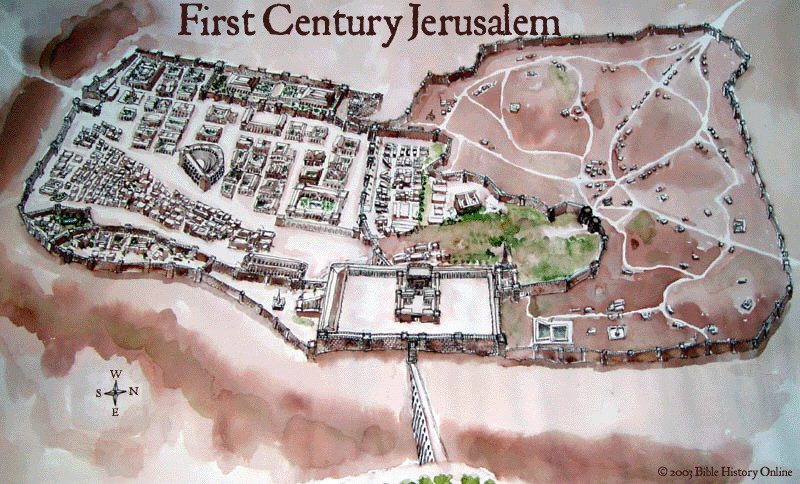
    The Temple of Solomon was destroyed, the Jews were captured and taken to Babylon and Persia. The distant hope witnessed by Amos and the Prophets seems near to slipping away once more at the hand of Rome (which will again destroy Jerusalem and Herod’s temple in A.D. 70).

    Yet Scripture is true and God’s word comforting to those faithful few who wait for the Lord to save — for the Lord to redeem the captives who hold to His Name — saving them from God’s judgment of sin and eternal punishment and granting His true worshipers the glory of the kingdom of the root and the son of David. Yes, even the Nations of the world beyond the hills of Jerusalem.

    Amos 9:

    I saw the Lord standing beside the altar, and he said:
    “Strike the capitals until the thresholds shake,
    and shatter them on the heads of all the people;
    and those who are left of them I will kill with the sword;
    not one of them shall flee away;
    not one of them shall escape.

    8 Behold, the eyes of the Lord GOD are upon the sinful kingdom,
    and I will destroy it from the surface of the ground,
    except that I will not utterly destroy the house of Jacob,”
    declares the LORD.

    “For behold, I will command,
    and shake the house of Israel among all the nations
    as one shakes with a sieve,
    but no pebble shall fall to the earth.

    All the sinners of my people shall die by the sword,
    who say, ‘Disaster shall not overtake or meet us.’


    This was just one judgment of Jerusalem!

    Amos had prophesied it.

    Twenty years earlier, the Sanhedrin of Herod which meets in this same Jerusalem as today’s council had crucified Jesus Christ, brother of James and Son of David. The leaders of a semi-captive Israel disregarded the revealed will and written word of the Lord God.

    The Jewish council of Herod’s Temple had also slain the Apostle James by the sword, another politically expedient death which it thought would prevent the sword of Rome from overtaking their city of sin.

    It didn’t. (For as most of us know Rome would destroy Jerusalem just twenty-one years from this time of the Christian Council in Jerusalem.)


    Amos 9:11-12 (to which James refers)

    “In that day I will raise up
    the booth of David that is fallen
    and repair its breaches,
    and raise up its ruins
    and rebuild it as in the days of old,

    that they may possess the remnant of Edom
    and all the nations who are called by my name,”
    declares the LORD who does this.

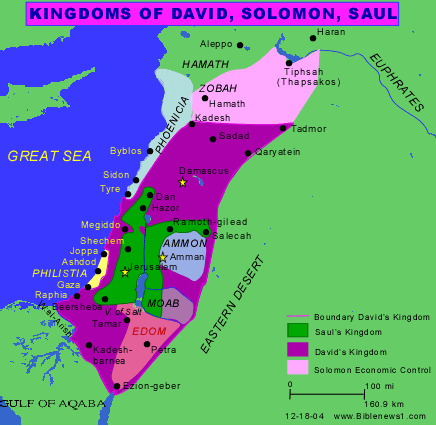
    kingdom Saul David Solomon & surrounding kingdoms of Ammon, Edom and other gentiles

    It is a remnant of Edom. Yes even a remnant of Judah and Israel after these many centuries — only a remnant who remember the Lord their God and look for the redemption paid on the Cross for “all the nations who are called by my name, says the LORD.”


    Judgment for the Gentiles

    You have probably never thought of James, brother of Jesus, pastor of the Jerusalem church and author of a New Testament letter to the church as a Judge.

    But this is his role here with the Council at Jerusalem.

    The accusations (concerning circumcision) have been presented. Several witnesses have presented evidence about the truth of events where gentiles have interacted with Jewish witnesses (including the Apostles).

    A defense of the truth by Barnabas and Paul recounts incidents for which some Jews have accused them of breaking the Law of Moses.

    Pastor James, head of this Christian Sanhedrin gathering of Apostles and other leaders has even preceded his decision as Judge with Scriptural prophesy of their very actions concerning the gentiles. So here is his verdict speaking on behalf of this council at Jerusalem as its leader:

    19 Therefore my judgment is that we should not trouble those of the Gentiles who turn to God

    Acts of the Apostles 15:19 ESV – Verdict of the Council of Jerusalem pronounced by James

    The verdict pronounced by James on behalf of the Council at Jerusalem, however, is conditional. Addressing the concerns of which Gentiles have turned to God by the grace of the Lord Jesus Christ, he continues with clarification of what the Council must do to go into the Gentile world with the Gospel.

    NEXT, God-willing, we will join James and the Council of Jerusalem as they take action by way of a letter and messengers sent on another mission trip to the Gentile Nations.
  • A.D. 49 – the Council at Jerusalem

    A.D. 49 – the Council at Jerusalem

    Acts 15

    – a council of the Apostles in Jerusalem


    map of route between Jerusalem and Antioch where apostles sent missionaries into all the world of the gentiles
    between the Church at Antioch & the Council at Jerusalem

    Arrival of Paul and Barnabas from the Church at Antioch Syria

    When they came to Jerusalem, they were welcomed by the church and the apostles and the elders, and they declared all that God had done with them. 

    Historical context:

    In A.D. 49, nearly two decades after the crucifixion and resurrection of the Lord Christ Jesus, the Church has grown greatly by the power of the Holy Spirit.

    • Claudius had assassinated Caligula in Rome and is now Caesar of the Empire.
    • Herod Antipas, who had ruled Galilee and Perea was exiled and died ten years ago in A.D. 39
    • Herod [Marcus Julius] Agrippa I, grandson of Herod the Great, raised in Rome and appointed Ethnarch of Idumea, Judea and Samaria, had died in Caesarea Marittima, Roman port of access to Judea and beyond.
    King Herod Agrippa I Acts 12:19 .. he examined the guards and ordered that they be led away to execution. Then he went down from Judea to Caesarea and was spending time there.
    • A.D. 44, in addition to imprisoning Peter, Herod Agrippa had executed the Apostle James in Jerusalem and then traveled bank to Caesarea where he died.
    • Herod Agrippa II now governs Syria, Galilee and Perea
    • A.D. 49 The Emperor Claudius has just expelled the Jews from Rome (but not Christians)

    “Claudius saw the Jews as troublemakers who undermined his right to rule, and he expelled them from Rome. Gentile Christians, however, were not expelled from Rome, which amplified Jewish-gentile animosity in the early Roman church.

    Rose Guide to the Book of Acts, p.45

    A Council of Leaders addressing issues of Culture

     But some believers who belonged to the party of the Pharisees rose up and said, “It is necessary to circumcise them and to order them to keep the law of Moses.”

    The Apostles and Elders of the church in Jerusalem had dealt with these issues. Peter has previously addressed the role of the Holy Spirit in accepting gentiles — even Romans of the army enforcing their government of Jerusalem in Roman Syria.

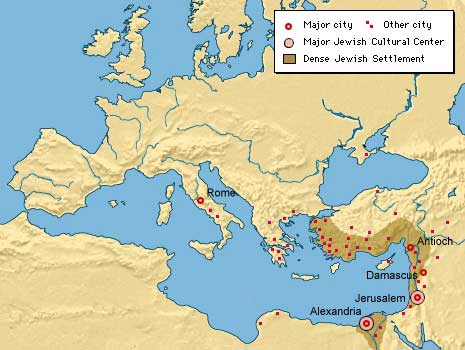
    The Pharisees, who believed in the resurrection, strained to enforce Mosaic LAW among the Jews throughout the Roman Empire long before the birth, crucifixion and resurrection of the Christ prophesied throughout Scripture.

    The political JEWISH party of the Pharisees chose what they believed was a defining issue of Jewish Law to present to their fellow leaders at this council in Jerusalem.

    Saul of Tarsus — Paul — had been zealous for the Law as a Pharisee and understood detailed application of the Law of Moses; but he and Barnabas had also been persecuted in Asia for their proclamation of grace through the blood of Christ in accepting gentiles into the worship of God Almighty, Father of our Lord Jesus who became the redemption for the sins of Jews and gentiles alike.

    The apostles and the elders were gathered together to consider this matter. 

    Church doctrine a line in the sand. - How will a leader or council of leaders choose what the Church will teach?
    How will a leader or council of leaders decide what the Church will teach?

    Illuminating the Authority of Church Councils

    (from the Greek) συνέδριον

    We gentile Christians may not quickly make the connection of the importance and authority of this meeting from the Hebrew traditions of Jerusalem.

    I didn’t.

    Transliteration
    synedrion (Key)

    The KJV translates Strong’s G4892 in the following manner: council (22x).

    • any assembly (esp. of magistrates, judges, ambassadors), whether convened to deliberate or pass judgment
    • any session or assembly or people deliberating or adjudicating
      • the Sanhedrin, the great council at Jerusalem, consisting of the seventy one members, viz. scribes, elders, prominent members of the high priestly families and the high priest, the president of the assembly.
      • a smaller tribunal or council which every Jewish town had for the decision of less important cases.

    Obviously this group is NOT the seventy members of the Jewish Sanhedrin which condemned the Lord Jesus and now still decide religious issues twenty years later in similar gatherings of leadership on behalf of the Temple.

    The council of Jerusalem is a smaller group of Christian men with authority over the Church anointed by the Holy Spirit.

    Luke does NOT call this key meeting of Christian leadership in Jerusalem a synedrion or council (though it is).

    Many Bible translations accurately add a heading to ACTS of the Apostles 15:

    The Jerusalem Council [ESV], The Council at Jerusalem [NIV], The Council in Jerusalem [NASB]


    Circumcision – Not Really the Issue

    Recall that Peter, Paul and many leaders of the Church must address MANY issues at odds between the opposing cultures of the Jews and the Greeks, Romans — any gentiles seeking to worship the Lord God.

    Is the issue food?

    Who should worship the Lord?

    Where? When? What will our corporate worship gathering look like each week?


    How will gatherings of worshipers of different cultures agree as a ‘church’ to follow and teach only certain rules or doctrine?

    As a reminder to my fellow gentile Christians, a quick look at circumcision:
    
    περιτέμνω - Lexicon :: Strong's G4059 - peritemnō
    - cut off one's prepuce (used of that well known rite by which not only the male children of the Israelites, on the eighth day after birth, but subsequently also "proselytes of righteousness" were consecrated to Jehovah and introduced into the number of his people)
    
    - since by the rite of circumcision a man was separated from the unclean world and dedicated to God, the word is transferred to denote the extinguishing of lusts and the removal of sins
    

    10:12 וְעַתָּה יִשְׂרָאֵל מָה יְהוָה אֱלֹהֶיךָ שֹׁאֵל מֵעִמָּךְ כִּי אִם־לְיִרְאָה אֶת־יְהוָה אֱלֹהֶיךָ לָלֶכֶת בְּכָל־דְּרָכָיו וּלְאַהֲבָה אֹתוֹ וְלַֽעֲבֹד אֶת־יְהוָה אֱלֹהֶיךָ בְּכָל־לְבָבְךָ וּבְכָל־נַפְשֶֽׁךָ׃

    “And now, Israel, what does the LORD your God require of you, but to fear the LORD your God, to walk in all his ways, to love him, to serve the LORD your God with all your heart and with all your soul.. Deuteronomy 10:12 ESV


    10:16 וּמַלְתֶּם אֵת עָרְלַת לְבַבְכֶם וְעָרְפְּכֶם לֹא תַקְשׁוּ עֽוֹד׃

    Circumcise therefore the foreskin of your heart, and be no longer stubborn.

    Deuteronomy 10:16 ESV – the word of the Lord through Moses

    The issue presented to the council is not the actual symbolic act OR the Law of Moses OR one culture being cleansed to become as the flesh of another. Circumcision is NOT the issue, but the underlying stubbornness of the hearts of believers and worshipers to agree.


    Peter’s Leadership of the Council at Jerusalem

    The church at Jerusalem is now being led by James son of Joseph and Mary.

    It has its own elders as well as deacons anointed by the Holy Spirit to serve under the Twelve (which now includes Mathias).

    Peter understands that in these times of persecution other Apostles will also be killed as was the James the greater by Herod and other leaders such at Stephen.

    We learned during the first mission trip of Paul and Barnabas how they modeled leadership of the the local churches after the church at Antioch Syria, not actually the church in Jerusalem where this council has gathered.

    Antioch Syria where the followers of Jesus were first called Christians became a model for church leadership in Asia and Greece.

    Simon Peter’s Instruction to the Council

    ACTS 15:7 And after there had been much debate, Peter stood up and said to them,

    “Brothers, you know that in the early days God made a choice among you, that by my mouth the Gentiles should hear the word of the gospel and believe. And God, who knows the heart, bore witness to them, by giving them the Holy Spirit just as he did to us, and he made no distinction between us and them, having cleansed their hearts by faith.

    10 Now, therefore, why are you putting God to the test by placing a yoke on the neck of the disciples that neither our fathers nor we have been able to bear?

    But we believe that we will be saved through the grace of the Lord Jesus, just as they will.”

    12 And all the assembly fell silent..


    Here is true leadership by the Apostle, even though technically Peter has no active role in leadership in Antioch, any of the Asian churches or even the Apostle’s own local gathering in Jerusalem.

    What else could this diverse group of leaders do? They fell silent, withholding their former opinions and cultural differences concerning worship.

    NO, circumcision was not really the issue — other than the circumcision of their own hearts which the Apostle has just cut to the quick.

    Therefore the council now listens to the evidence presented to them (which Luke has already outlined from the recent first mission of Paul and Barnabas) with ears to hear.


    .. and they listened to Barnabas and Paul as they related what signs and wonders God had done through them among the Gentiles.


    A Pastor’s Response

    NEXT we will take a look at the leadership of Jerusalem’s Pastor James after Paul and Barnabas finished speaking.

    ACTS of the Jerusalem Council TO BE CONTINUED, God-willing…

  • According to the Custom of Moses

    According to the Custom of Moses

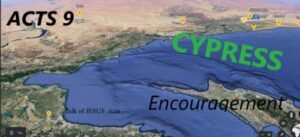
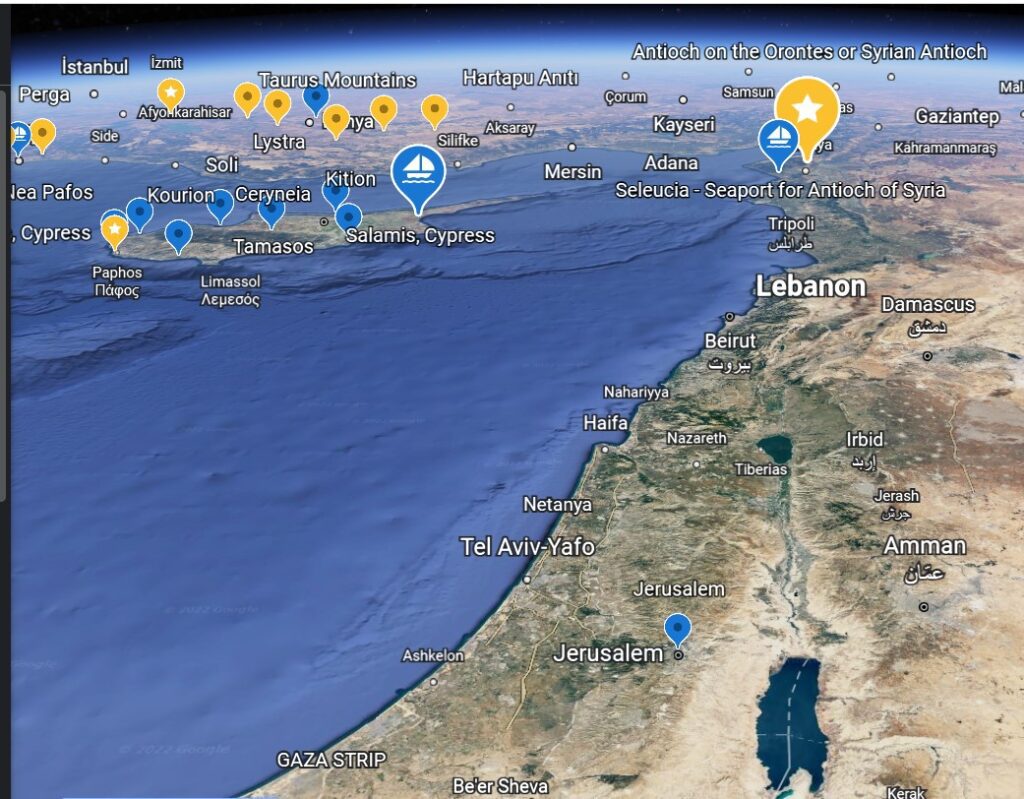
    Paul and Barnabas have returned from Cypress and the mountain cities of nearby Asia minor after nearly two years of an amazing first missionary journey from Antioch.

    But some men came down from Judea and were teaching the brothers, “Unless you are circumcised according to the custom of Moses, you cannot be saved.”

    Acts of the Apostles 15:1 ESV

    TRADITION, TRADITION, TRADITION, some preach. — We all know the type (and EACH of us in our own way have danced the dance).

    Roger@TalkofJesus.com

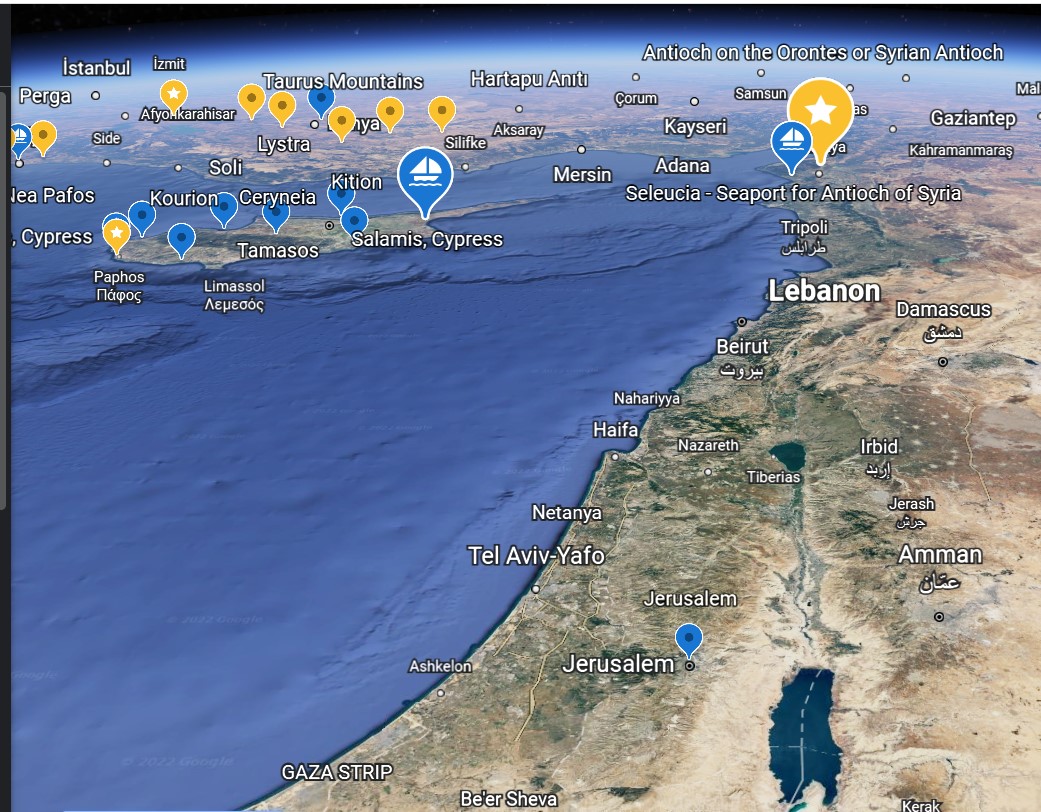
    map of Mediterranean coastline - Jerusalem, Antioch Syria Cypress & Antioch Pisidia on Paul's first missionary journey

    And after Paul and Barnabas had no small dissension and debate with them, Paul and Barnabas and some of the others were appointed to go up to Jerusalem to the apostles and the elders about this question. Acts 15:2 ESV

    ἔθος – Ethos of Μωϋσῆς

    Controversies of the Custom of Moses Continue

    ethos  Lexicon :: Strong’s G1485 – ethos

    • custom
    • usage prescribed by law, institute, prescription, rite

    ἔθος – Ethos from the Greek of Paul, Barnabas, the local language of the church at Antioch Syria from where these apostles had been sent on their mission by the Holy Spirit and the church — Ethos from the common Greek Jesus preached to the crowds of Galilee and Judea nearly two decades earlier

    ἔθνος – Ethnos NOT of Μωϋσῆς

    ethos, so similar and applicable to ethnos, that is, ἔθνος, used for ‘the nations’ or gentiles.

    ἔθνος – Lexicon :: Strong’s G1484 ethnos

    • a multitude (whether of men or of beasts) associated or living together
      • a company, troop, swarm
    • a multitude of individuals of the same nature or genus
      • the human family
    • a tribe, nation, people group
    • in the OT, foreign nations not worshipping the true God, pagans, Gentiles
    • Paul uses the term for Gentile Christians
    Circumcision (and other Mosaic traditions)

    ~ A.D. 60-62 – Luke’s two accounts of the Gospel and Acts of the Apostles are published for a church suffering severe persecution throughout the Empire, including Jerusalem which is about to be destroyed by Rome in A.D. 70.

    ~ A.D. 49 – Luke’s records this encounter between some men of Judea and Gentile Christians of Antioch Syria. This takes place after their first missionary journey, leads to a council at Jerusalem and consequently to a second missionary journey (into the world of the gentiles).

    So my first reaction to such opposition is WHY is circumcision such a BIG DEAL with these men?

    ~ A.D. 32 [Jerusalem]

    Then some of those who belonged to the synagogue of the Freedmen (as it was called), and of the Cyrenians, and of the Alexandrians, and of those from Cilicia and Asia, rose up and disputed with Stephen. .. and they set up false witnesses who said, “..we have heard him say that this Jesus of Nazareth will destroy this place and will change the customs that Moses delivered to us.”

    Acts of the Apostles 6:9-14 ESV – excerpt from Jewish accusation of Stephen

    The issue of the LAW, covenants and traditions is NOT who has broken with tradition but who the LORD now separates to HIMSELF by the Sacrifice of Christ.

    Timeline: Moses *uncertain *(~15th or 13th c. B.C.); (Precise timeline of Joshua & the Judges of Israel uncertain.):
    David *~1000 B.C. (dates differ between various sources); Solomon ~900's B.C. - First Temple of the United Kingdom of Israel (Judah in the south & Israel in the north) ended in 931 B.C. at Solomon's death.
    
    Stephen's testimony before Jerusalem's leaders takes place about ten centuries (1000 years) after David, 
    but just two years after these judges of Herod's temple reject their Messiah Jesus.

    Acts of the Apostles

    Paul and Barnabas have prevailed over such opposition by the power of the Holy Spirit throughout their first missionary Journey already.

    Acts 13:9 But Saul, who was also called Paul, filled with the Holy Spirit, looked intently at him and said, “You son of the devil, you enemy of all righteousness, full of all deceit and villainy, will you not stop making crooked the straight paths of the Lord? And now, behold, the hand of the Lord is upon you, and you will be blind and unable to see the sun for a time.” Immediately mist and darkness fell upon him, and he went about seeking people to lead him by the hand. 

    For so the Lord has commanded us, saying,
    “‘I have made you a light for the Gentiles,
    that you may bring salvation to the ends of the earth.’”

    Acts of the Apostles 13:47 ESV

    The issue of salvation of the Gentiles NOT the traditions of Moses, Israel, Abraham or David.

    But the Jews incited the devout women of high standing and the leading men of the city, stirred up persecution against Paul and Barnabas, and drove them out of their district. – Acts of the Apostles 13:50 ESV
    Lystra, Derbe and Iconium in the Taurus mountains.

    Now at Iconium they entered together into the Jewish synagogue and spoke in such a way that a great number of both Jews and Greeks believed.

    But the unbelieving Jews stirred up the Gentiles and poisoned their minds against the brothers.

    Act of the Apostles 14:1-2 ESV

    But Jews came from Antioch and Iconium, and having persuaded the crowds [at Lystra], they stoned Paul and dragged him out of the city, supposing that he was dead.

    Acts of the Apostles 14:19 ESV

    And when they had appointed elders for them in every church, with prayer and fasting they committed them to the Lord in whom they had believed. – Acts 14:23 ESV

    Acts 15 of the Apostles Paul and Barnabas

    So several months back before this year of our Lord 49, the Holy Spirit anointed these apostles to be sent out from the church at Antioch. Their mission was first to the Jews, but also to Romans in the Roman cities and Greeks in the Greek cities — men NOT of the circumcision AND women as well – the ethos of the ethnos as it were — the uncustomary customs of the gentiles accepted into the Church by its Apostles and Elders as new traditions of grace in Jesus Christ.

    2 And after Paul and Barnabas had no small dissension and debate with them, Paul and Barnabas and some of the others were appointed to go up to Jerusalem to the apostles and the elders about this question.

    map of first century coast of Phoenicia, Samaria and Judea
    Journey from Antioch to Jerusalem via Roman roads to Tyre and Sidon in Phoenicia, Caesarea on the Samarian coast and Joppa on the Judean coast to Jerusalem is approximately 350 miles.
    So, being sent on their way by the church, they passed through both Phoenicia and Samaria, describing in detail the conversion of the Gentiles, and brought great joy to all the brothers.

    NEXT: The Council at Jerusalem

    Paul and Barnabas and some of the others were appointed to go up to Jerusalem (by the church at Antioch Syria) from where the Holy Spirit had sent them into the lands of the Gentiles.

    These apostles of Antioch continue to proclaim the Gospel as previously on this next journey of more than three-hundred miles to Jerusalem.

    The Samaritans and certainly Phoenicians of Tyre and Sidon are NOT of an ethos like the Judeans either (but Jesus had brought the Gospel to these towns too).

    The church has also added Romans in Caesarea when Peter previously visited, as had Samaritans witnessed the power of the Holy Spirit in Joppa.

    In Jerusalem Peter, Paul, Barnabas, the Apostles and many others will sort it all out as the Holy Spirit continues to bring both Jew and Gentile together in the salvation of the Lord Jesus Christ.


    To be continued…