The A.D. First Century Church
I tend to look at the Acts of the Apostles and oversimplify the History of the Church,
STARRING THE APOSTLES — Peter and Paul.
Although Jesus says of Peter, “Upon this Rock I will build My Church,” we tend to miss the frequency of John at Peter’s side throughout the early acts of all of the Apostles in Jerusalem.
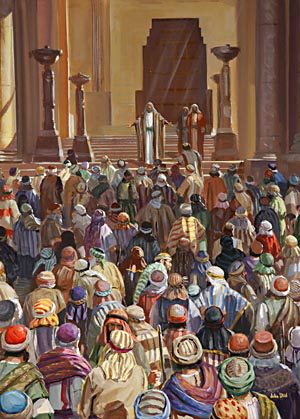
Epistles from Apostles to Elders
Even while reading the Epistles of Paul outlining a developing leadership structure of the A.D. 1st century Church, Elders seem to get lost somewhere between Apostolic authority (at the top) and dynamic Deacons (such as Stephen).
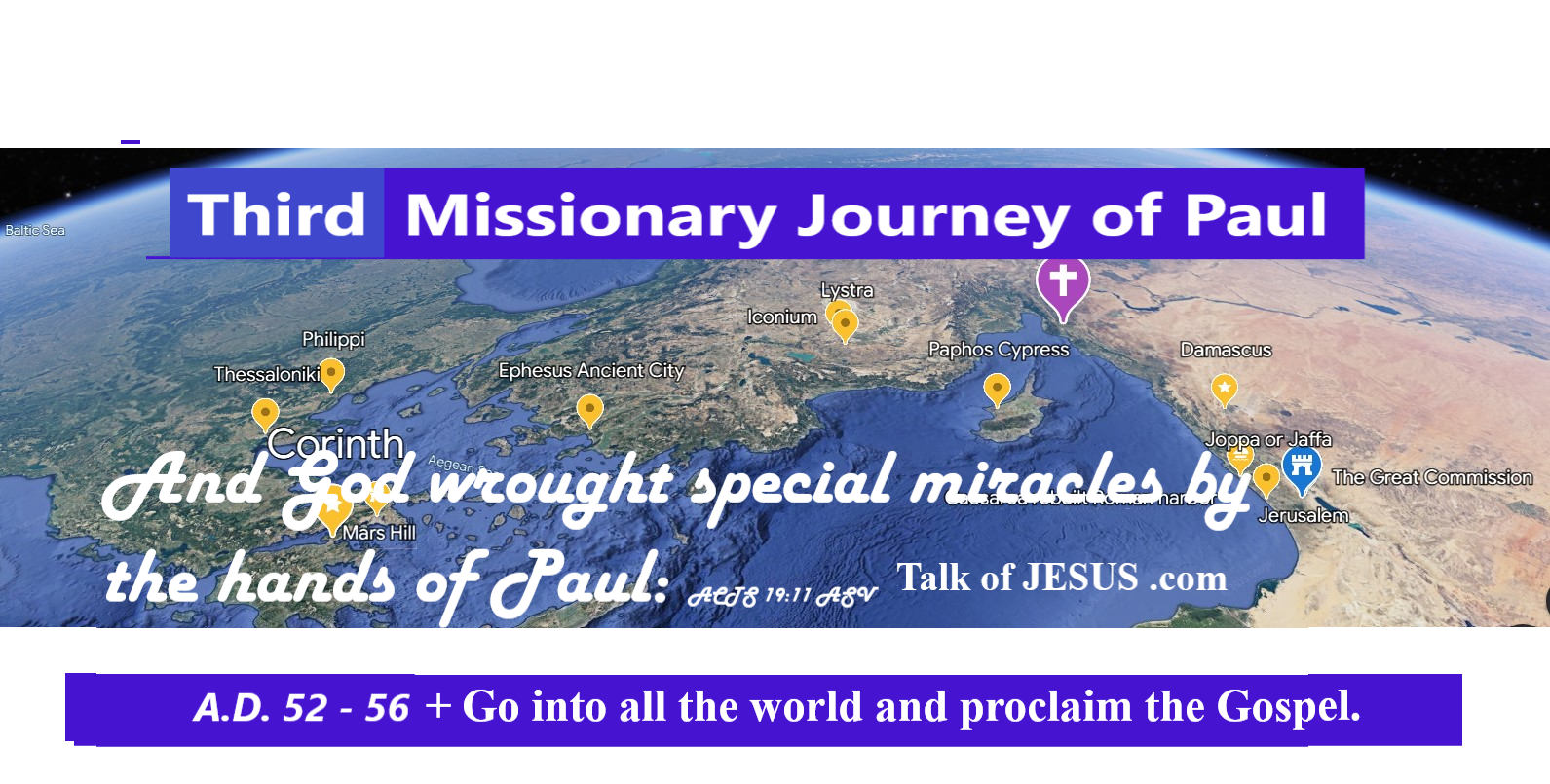
Elders, Deacons and other Apostolic leadership
Paul writes in his first pastoral letter to Timothy:
Let the elders who rule well be counted worthy of double honor, especially those who labor in the word and doctrine.
1 Timothy 5:17 NKJV
Other English translations help us apply the same Scripture into responsibilities 21st century C.E. churches consider as leadership jobs.
The elders who are good leaders are to be considered worthy of double honor, especially those who work hard at preaching and teaching.
1 Timothy 5:17 CSB
We need to think of the Apostles John, Peter, Paul and others in these dual roles in relation to the developing churches they establish.

Paul offers a precedent and example of which churches need elders in a pastoral epistle to (the pastor) Titus.
The reason I left you in Crete was to set right what was left undone and, as I directed you, to appoint elders in every town.
Epistle of Paul to Titus 1:5 CSB
Timothy, Titus, Barnabas, Silas and especially the Apostles often deserved double honor for serving as pastor and teacher of a specific local church for a time, in addition to their commission and titles as apostles, disciples, deacons and elders.
JOHN, during his long years of Apostolic ministry to many churches served as an Elder (probably in several towns) in addition to his chosen commission by Christ as an Apostle.
Elders Leading the Family of God
Before we look at letters from John the Elder or the role of an Elder in the New Testament families of God and Christ, let’s honor the tradition into which James and John, Sons of Zebedee, Andrew and Simon Peter and other first century Jews were born.
Elders of Jewish Scripture (the Old Testament)
“You stand today, all of you, before Yahweh your God [יְהוָה אֱלֹהֵיכֶם]:
your heads, your tribes, your elders, and your officers, even all the men of Israel, your little ones, your wives, and the sojourner who is within your camps..
Deuteronomy 29:10-11a KJV
Included with the elders [the old men, some leaders of clans or families] yᵊhōvâ ĕlōhîm includes officers [foremen] and many others.
Assemble to me all the elders of your tribes and your officers, that I may speak these words in their ears and call heaven and earth to witness against them.
Deuteronomy 31:28 ESV
Then all the elders H2205 of Israel gathered together and came to Samuel at Ramah
1 Samuel 8:4 LSB
So Samuel did what Yahweh said and came to Bethlehem. And the elders H2205 of the city came trembling to meet him and said, “Do you come in peace?”
1 Samuel 16:4 LSB
Princes are hanged up by their hand:
the faces of elders were not honoured.
They took the young men to grind,
and the children fell under the wood.
The elders have ceased from the gate,
the young men from their musick.
The joy of our heart is ceased;
our dance is turned into mourning.
The crown is fallen from our head:
woe unto us, that we have sinned!

Lamentations of the Prophet Jeremiah 5:12-16 KJV
“But you shall select excellent men out of all the people, those who fear God, men of truth, those who hate greedy gain; and you shall place these men over them as leaders of thousands, of hundreds, of fifties, and of tens.
Exodus 18 & Deuteronomy 1 LSB
Elders lead the thousands, the hundreds, the fifties and the tens..
Elders of a developing or disintegrating church
Before we breeze through the years of the ACTS OF THE APOSTLE JOHN, let’s recall the chronology mentioned previously in a look at John’s Gospel — a timeline taking the young Disciple at the foot of the Cross, past his proclaiming the Gospel with Peter on Pentecost and up to the time the Elder writes his Gospel.
An account of ACTS in the life of John
All dates and ages of John are approximate
- ~A.D. 30 – Jesus’ ascension, Pentecost, Peter & John preaching in the Temple
- The Apostle John is only about 25 years old.
- ~A.D. 44 –
- John is now in his upper 30’s
About that time King Herod violently attacked some who belonged to the church, and he executed James, John’s brother, with the sword.
Acts of the Apostles 12:1-2 CSB
- ~A.D. 49 – Council at Jerusalem (Acts 15)
- The Apostle John, ~ age 43
- Peter, who an angel released at the time James was execution, would have been present, along with James, half-brother of Jesus and leader of the Jerusalem church.
- Paul and other Elders present to decide how Jews and Gentiles will worship Jesus the Lord as one body of Christ
Then it seemed good to the apostles and the elders, with the whole church, to choose men from among them—Judas called Barsabbas, and Silas, leading men among the brothers—to send to Antioch with Paul and Barnabas, and they sent this letter by them,
“The apostles and the brothers who are elders, to the brothers in Antioch and Syria and Cilicia who are from the Gentiles, greetings.
Acts 15:22-23 LSB
- ~ A.D. 55 – Mark, (John Mark, gentile nephew of Barnabas who had accompanied his uncle and Paul on Cypress & became a scribe to Peter) – writes his Gospel.
- The Apostle John is about 50 years old
- Paul and others write Epistles to various churches
- ~ A.D. 61 – Luke, gentile physician of Paul, writes his Gospel and Jesus’ Apostle Matthew Levi writes his Gospel
- The Apostle John is now in his upper 50’s
- The Apostles Peter and Paul continue to write Epistles
- ~ A.D. 62 – James, half-brother of Jesus and leader of the Jerusalem church is martyred
- ~ A.D. 66
- John is now 60 years old
- The Jews revolt against Rome
- Christians flee Jerusalem
- The Apostles Paul and Peter are Martyred in Rome
- Jude (Jesus’ half-brother) writes an Epistle
- Epistle “to the Hebrews” written (anonymously)
- ~ A.D. 86
- The Elder John is now 80 years old
- ALL of the other Apostles are dead and as Jesus had told Simon Peter, is the only one remaining.
- The Lord has saved John even from torture, exiled on a Greek island of Patmos.
- John will now write three Epistles…
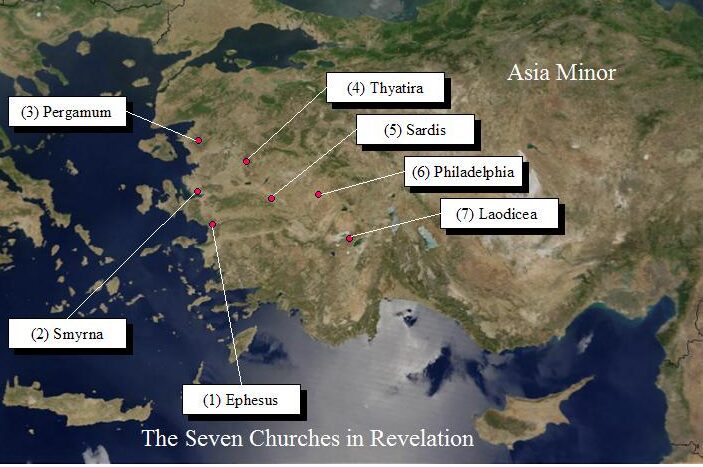
- ten, if you count brief greetings to seven in his apocalypse from the Lord Jesus Christ.
Elders of the New Testament
In the New Testament, the role of elders becomes more defined within the structure of the early church. Elders, also known as overseers or bishops, are responsible for shepherding the flock, teaching sound doctrine, and maintaining church discipline.
Plurality and Accountability:
The New Testament model for church leadership often emphasizes a plurality of elders, suggesting that multiple elders should lead each congregation. This plurality provides a system of accountability and shared responsibility, ensuring that no single individual holds excessive power. The collective wisdom and diverse gifts of multiple elders contribute to the health and growth of the church.Conclusion:
The biblical concept of elders encompasses a rich tradition of leadership and service, rooted in both the Old and New Testaments. Elders are called to be shepherds, teachers, and examples, guiding the people of God with wisdom, humility, and integrity.Their role is vital to the spiritual well-being and doctrinal soundness of the church, as they seek to honor God and serve His people faithfully.
source: BibleHub.com
NO man was more directly accountable to our risen Lord Jesus Christ, with a lasting impact on the saints of an expanding second century church who had met him, than the ELDER JOHN.

Comment on Scripture – Share the Gospel