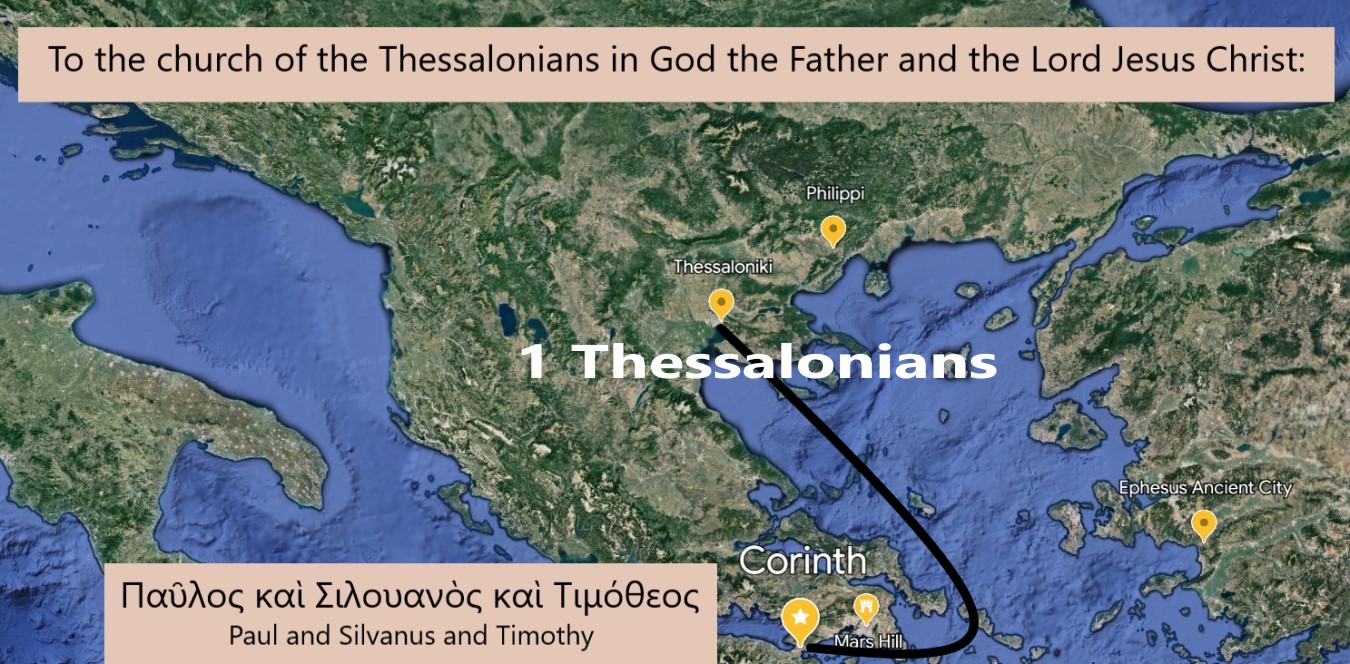
Paul, and Silvanus, and Timotheus,
unto the church of the Thessalonians in God our Father and the Lord Jesus Christ:
grace unto you, and peace, from God our Father and the Lord Jesus Christ.
Second Epistle of Paul to the Thessalonians
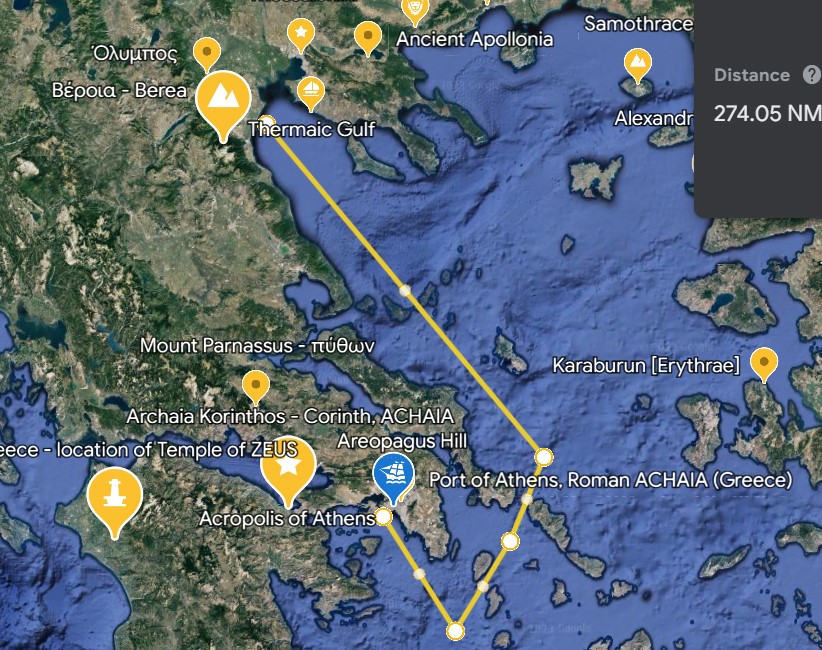
WHY are the Thessalonians so special to Paul that the Apostle would write not one but TWO Epistles to their church from Athens?
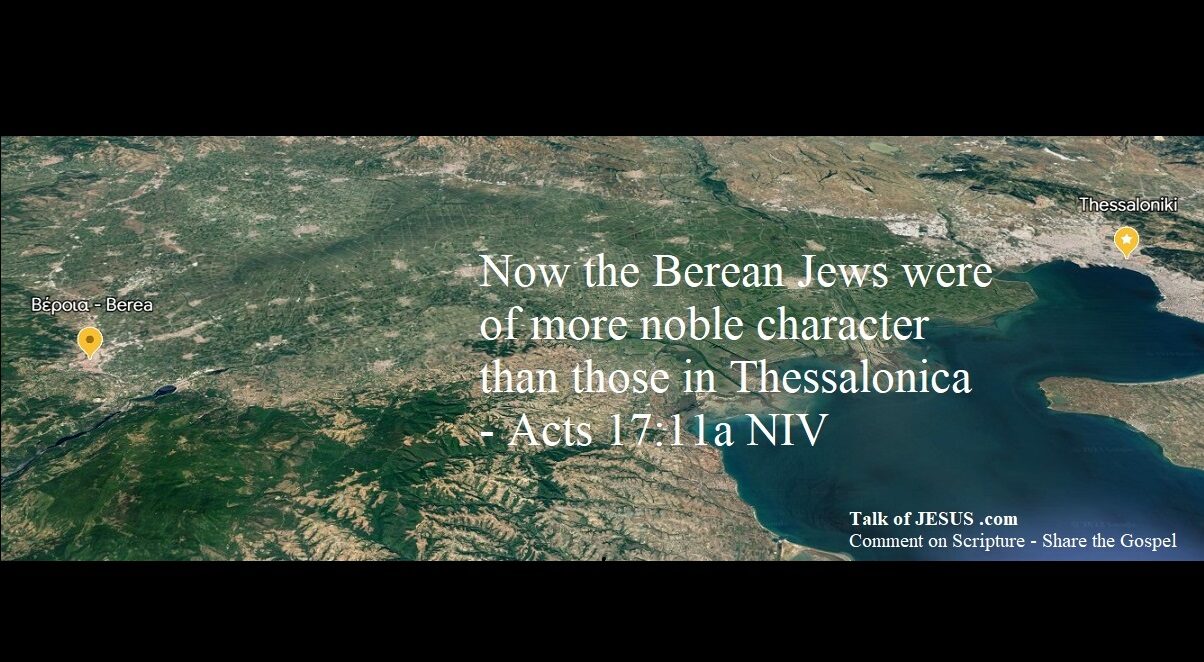
After all, hadn't Paul recorded that the Bereans were 'more noble than those in Thessalonica?'

Actually, this much overstated passage from Acts of the Apostles 17 refers ONLY to the Jews.
In addition to several Jews, including Jason who had been a leader of the local synagogue, the Church of the Thessalonians had many Macedonians (and perhaps Roman citizens as well.)
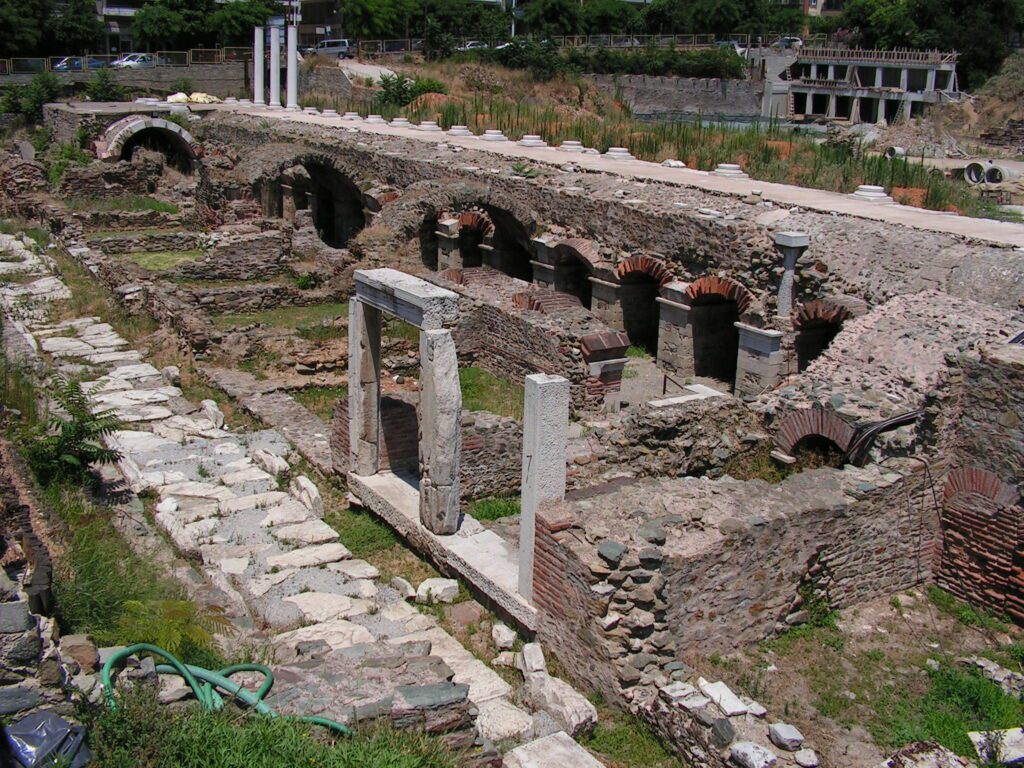
And some of them were persuaded, and consorted with Paul and Silas; and of the devout Greeks a great multitude, and of the chief women not a few.
Acts of the the Apostles 17:4 – Thessalonians during Second Missionary Journey ~ A.D. 50
ACTS 17:5 But the Jews which believed not, moved with envy, took unto them certain lewd fellows of the baser sort, and gathered a company, and set all the city on an uproar, and assaulted the house of Jason, and sought to bring them out to the people. 6 And when they found them not, they drew Jason and certain brethren unto the rulers of the city, crying,
These that have turned the world upside down are come hither also; 7 whom Jason hath received: and these all do contrary to the decrees of Cæsar, saying that there is another king, one Jesus. 8 And they troubled the people and the rulers of the city, when they heard these things. 9 And when they had taken security of Jason, and of the other, they let them go.
10 And the brethren immediately sent away Paul and Silas by night unto Berea..
Jason and other Jews have undoubtedly continued in Christ as members of the church in Thessalonica.
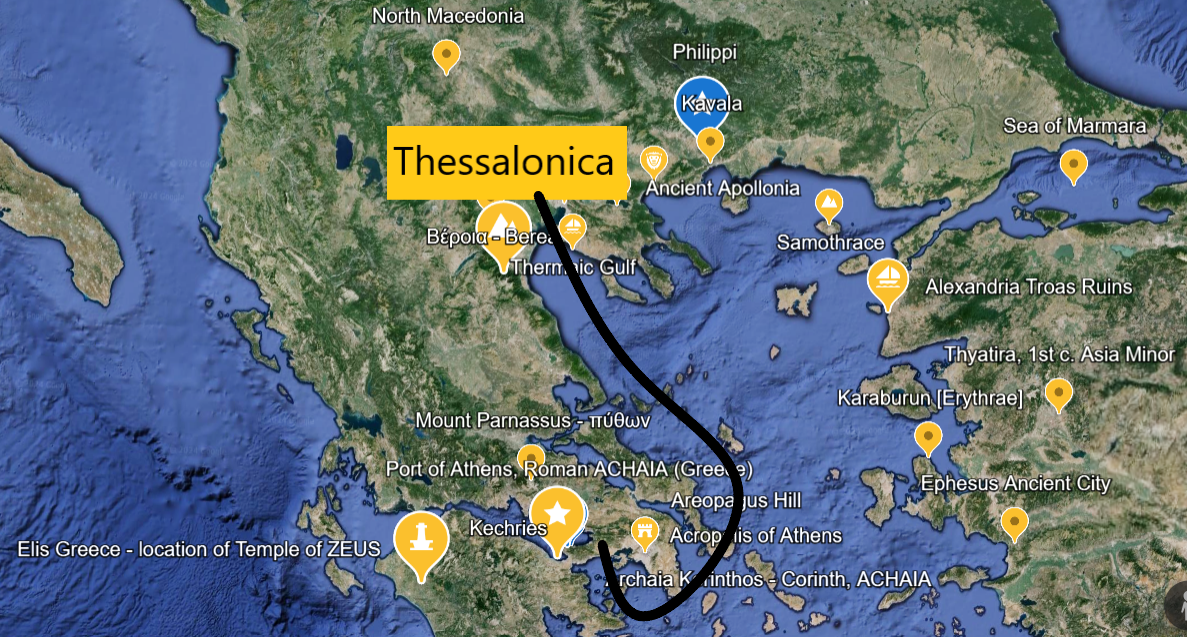
And they [Berean believers] that conducted Paul brought him unto Athens: and receiving a commandment unto Silas and Timotheus [who had remained in Berea] for to come to him with all speed, they departed.
Acts of the Apostles 17:15 AKJV
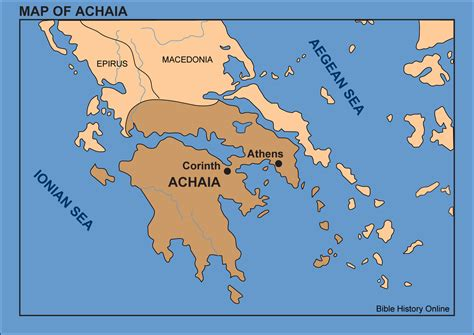
18 After these things Paul departed from Athens, and came to Corinth.. 5 And when Silas and Timotheus were come from Macedonia, Paul was pressed in the spirit, and testified to the Jews that Jesus was Christ.
How was our first epistle received?
PAUL, TIMOTHY, SILAS (Silvanus), Dionysius the Areopagite, and a woman named Damaris, and others [from Athens and other cities] COMMUNICATED with the Church in places where Paul and Silas had proclaimed the gospel of Jesus Christ. Timothy, Jason and others became part of church leadership in cities throughout Asia Minor, Macedonia and Achaia.
APOSTLES SENT EPISTLES TO COMMUNICATE WITH AND SUSTAIN THE CHURCHES in a similar fashion as when in about A.D. 50 the Council of Jerusalem had sent clarifications of the faith into all the world of their ROMAN provinces.
The Apostles must have sent AND RECEIVED letters and brief messages much more frequently than these exemplary New Testament Epistles record.
Paul’s Second Letter to the Thessalonians
Once again PLEASE endure a most appropriate formality (17th c. King's English) of the KJV & Authorized KJV for this Apostolic Epistle.
- RH
~ A.D. 51 (a few months after Paul’s First Epistle)
.. we ourselves glory in you in the churches of God for your patience and faith in all your persecutions and tribulations that ye endure:
II Thessalonians 1:4b AKJV
Silas, Timothy, Jason and others had delivered first-hand or second-hand accounts of events in Thessalonica after Paul had escaped.
Paul knew that the Thessalonian believers were suffering. So the Apostle encourages the faithful:
5 which is a manifest token of the righteous judgment of God, that ye may be counted worthy of the kingdom of God, for which ye also suffer:
Skipping ahead in Paul's Second Epistle:
II Thessalonians 3:6
Now we command you, brethren, in the name of our Lord Jesus Christ, that ye withdraw yourselves from every brother that walketh disorderly, and not after the tradition which he received of us. ..
11 For we hear that there are some which walk among you disorderly, working not at all, but are busybodies. 12 Now them that are such we command and exhort by our Lord Jesus Christ, that with quietness they work, and eat their own bread.
HOW did Paul, Silas and Timothy know about these serious challenges to the Thessalonians?
COMMUNICATION between church leaders and the Apostles.
IF you are SUFFERING on account of your witness of the Lord JESUS Christ GOD has chosen you and GOD will repay those who trouble you.
BUT IF some in your church DO NOT OBEY the commands and example of the Apostles they DO NOT and SHOULD NOT represent Christ as a member of your church.
When the Lord Jesus shall be revealed!
Paul preaches clearly about the Judgment to come.
II THESSALONIANS 1:7-12 AKJV – Paul’s Points concerning Judgment
- .. and to you who are troubled rest with us,
- when the Lord Jesus shall be revealed from heaven
- taking vengeance on them
- that know not God, and that obey not the gospel of our Lord Jesus Christ
- who shall be punished with everlasting destruction from the presence of the Lord,
- and from the glory of his power;
- when he (The Lord Christ JESUS] shall come to be glorified in his saints (all believers),
- and to be admired in all them that believe (because our testimony among you was believed) in that day.
- with his mighty angels,
- in flaming fire
Let no man deceive you
Paul continues in encouraging these faithful Thessalonians currently enduring persecution to look forward to THE DAY Christ will return and draw the saints unto Him in victory over death.
.. by the coming of our Lord Jesus Christ,
and by our gathering together unto him,
be not soon shaken
in mind,
or be troubled,
neither by spirit, nor by word, nor by letter as from us, as that the day of Christ is at hand.
Don't believe such things.
.. for that day shall not come, except there come a falling away first,
and that man of sin be revealed, the son of perdition; who opposeth and exalteth himself above all that is called God, or that is worshipped; so that he as God sitteth in the temple of God, shewing himself that he is God.
2 Thessalonians 2b-4 AKJV
ἄνομος ánomos – Wicked
And then shall that Wicked be revealed, whom the Lord shall consume with the spirit of his mouth, and shall destroy with the brightness of his coming: even him, whose coming is after the working of Satan with all power and signs and lying wonders, and with all deceivableness of unrighteousness in them that perish; because they received not the love of the truth, that they might be saved.
2 Thessalonians 2:8-10 AKJV
We can hardly overlook Paul’s warning of Satan’s deception which will precede the returning of Christ for those He has saved.
Persecuted Thessalonians would obey the Apostle – having received the Holy spirit AND to whom Paul had already written in his first epistle:
- He therefore that despiseth, despiseth not man, but God, who hath also given unto us his holy Spirit. – 1 Thessalonians 4:8
- Quench not the Spirit. – 1 Th 5:19
- And the very God of peace sanctify you wholly; and I pray God your whole spirit and soul and body be preserved blameless unto the coming of our Lord Jesus Christ. – 1 Th 5:23
ONCE MORE PAUL ENCOURAGES BELIEVERS IN THE TRUTH OF THE RETURN AND JUDGMENT OF THE LORD JESUS CHRIST.
Pray that we might be delivered..
- .. pray for us
- ..that we may be delivered from unreasonable and wicked men:
- for all men have not faith.
- But the Lord is faithful,
- .. and keep you from evil.
- And we have confidence in the Lord touching you, that ye both do and will do the things which we command you.
- And .. into the patient waiting for Christ.
Walk away from evil men
I have already addressed [above] Paul's concern from evil influencers who claim to be 'christians' AND Paul's COMMAND to stay away from such men.
But ye, brethren, be not weary in well doing.
And if any man obey not our word by this epistle, note that man, and have no company with him, that he may be ashamed. Yet count him not as an enemy, but admonish him as a brother.
11 Thessalonians 3:13-15 AKJV
And so, my dear brother or sister in the Lord, WHY NOT respond to Paul’s Epistle by your COMMENT?
The grace of our Lord Jesus Christ be with you all. Amen.
Comment on Scripture – Share the Gospel

![Thessalonica [Θεσσαλονίκη] next destination of Paul, Silas and Timothy when they depart from Philippi on the 2nd missionary journey of Paul.](https://talkofjesus.com/wp-content/uploads/2023/03/Thessalonica-2nd-missionary-journey-from-Philippi.jpg)