Tag: amos

  • Amos – Not immune from judgment

    Amos – Not immune from judgment

    We interrupt the Good News of John for an urgent warning from the Prophet Amos.

    “Behold, the eyes of the Lord GOD are on the sinful kingdom,
    And I will destroy it from the face of the earth

    Amos 9:8a NASB

    We are NOT IMMUNE to the #pandemic of sin!

    A familiar forgotten history

    Even though festival seasons of Passover and Easter approach, our casual celebrations may possibly be banned this year and diminished by the rulers of this world.

    We know little of the first century church in this year of our Lord 2020, and struggles of the saints when Jerusalem fell not so many years after the Sacrifice and resurrection of the Messiah Jesus.

    Yet during this time of Jesus and the Apostles, scripture from Amos and other Prophets of the LORD would have been familiar to some.

    Briefly, the historical background of the time of Amos reads something like more recent times before our most recent struggles of these last days.

    Prosperity before the fall

    • Uzziah is King of Judah (792-740 BC)
    • Jeroboam II is King of Israel (793-753 BC)
    • Both kingdoms were blessed by tremendous wealth
    • Both kingdoms had powerful military which had defeated their enemies.
    • Both kingdoms had an aristocratic class who gained great wealth, enough to loan money to their poor neighbors.
    • Both Israel and Judah believed their kingdom to be permanently blessed by the LORD as a chosen people.
    • Israel and Judah believed themselves immune to judgment by the LORD.

    Sound familiar?

    It will to many of the suppressed working poor of first world nations.

    Yet the LORD sent a poor shepherd of Tekoa, a hillside suburb of Jerusalem, to tell the nations why a judgment of the LORD would fall upon them.

    It was a warning rejected, as we would have rejected such bad news just a short time ago when billionaires bragged of how good we have done under their affluent watch.

    Amos speaks for the LORD

    Perhaps you would like to sit still in dust and ashes, reading everything the Prophet Amos warns from the LORD – every call to repentance to a nation which has strayed far from righteousness. Here I can only list a few which may apply.

    Jesus, the Messiah, and John the Baptist will both echo these same indictments to broods of religious vipers.

    Peter, Paul, John and the Apostles of the first century church all encourage the saints, yet reprove the unrepentant who stray from teachings of the Lord.

    The church witnessed judgment on Ananias, with his wife Sapphira, when the Lord struck them dead for lying to the church!

    The Revelation of Christ to John warns the church. To one local church at Sardis, Christ warns though John:

    I know your works; you have a reputation for being alive, but you are dead.

    Be alert and strengthen what remains, which is about to die, for I have not found your works complete before my God. Remember, then, what you have received and heard; keep it, and repent.

    If you are not alert, I will come like a thief, and you have no idea at what hour I will come upon you.

    Revelation 3:1a-3 CSB

    Is your church in the the year of our Lord, 2020, like that? Not alert, though your reputation of this life multiplies the flock?

    If so, the warnings of the Prophet Amos and other prophets of the Old Testament may help you to return to the will of the Lord our God.

    Amos 1:

    Various Indictments & Punishments

    • Because they deported an entire population
    • And did not remember the covenant of brotherhood.
    • because he pursued his brother with the sword.
    • He stifled his compassion,
    • his anger tore at him continually,
    • and he harbored his rage incessantly.
    • Because they ripped open the pregnant women… in order to enlarge their borders.
      • (Was this a barbaric abortion to choose only the boys of their own culture?)

    15 “Their king will go into exile,
    He and his princes together,” says the Lord.

    Judgment on Judah and Israel

    4 Thus says the Lord:

    “For three transgressions of Judah, and for four,
    I will not turn away its punishment…

    • Because they rejected the law of the Lord
    • And have not kept His commandments.
    • Their lies lead them astray,
      • Lies which their fathers followed.

    Is your religious tradition more important than obedience to the Lord your God? A better perception of your own righteousness than the Perfect righteousness of the Messiah sacrificed for your redemption?

    6 Thus says the Lord,
    “For three transgressions of Israel and for four
    I will not revoke its punishment…

    • Because they sell the righteous for money
    • and a needy person for a pair of sandals.
    • They trample the heads of the poor on the dust of the ground
    • and obstruct the path of the needy.

    How sad the compassionless ambition of the rich who do not see the sufferings of the poor.

    Roger Harned – talkofJesus.com

    … And you commanded the prophets saying, ‘You shall not prophesy!’

    13 Look, I am about to crush you in your place
    as a wagon crushes when full of grain.
    14 Escape will fail the swift,
    the strong one will not maintain his strength,
    and the warrior will not save his life.

    וְשָׁמַרְתָּ אֶת־מִצְוֹת יְהוָה אֱלֹהֶיךָ לָלֶכֶת בִּדְרָכָיו וּלְיִרְאָה אֹתֹֽו׃

    “Therefore, you shall keep the commandments of the LORD your God, to walk in His ways and to fear Him.

    Deuteronomy 8:6 – Masoretic Text, NASB

    I’m not even certain that christians blinded by science fear the Lord our God, let alone those chosen of Jesus’ and Amos’ times who turned away from scripture.

    Jesus said to them, “Truly, truly, I say to you, before Abraham was born, I am.”

    “I and the Father are one.”

    John 8:58, 10:30 NASB

    Authority of the Prophet’s Message

    Hear this word which the Lord has spoken against you, sons of Israel, against the entire family which He brought up from the land of Egypt:

    Indeed, the Lord God does nothing
    without revealing his counsel
    to his servants the prophets.
    A lion has roared;
    who will not fear?
    The Lord God has spoken;
    who will not prophesy?

    11 Therefore, the Lord God says:

    An enemy will surround the land;
    he will destroy your strongholds
    and plunder your citadels.

    13 Listen and testify against the house of Jacob—
    this is the declaration of the Lord God,
    the God of Armies.
    14 I will punish the altars of Bethel
    on the day I punish Israel for its crimes;
    the horns of the altar will be cut off
    and fall to the ground.

    Social and Spiritual Corruption

    Perhaps some in this day will yet hear the indictment of our land, a warning to shepherds who lead the flock astray.
    • [You rich women] Who oppress the poor,
    • Who crush the needy,
    • Who say to your husbands, “Bring wine, let us drink!”

    Are these not the leadings of rich women who lead their husbands by day and discard them by the darkness of divorce?

    Yet we have not listened to the Lord who places the man over his wife; also father and mother over their children and youth, raised in God’s Law. Raised as rebellious children ourselves, we do not believe God’s warnings to return to fear of His judgment.

    I gave you absolutely nothing to eat
    in all your cities,
    a shortage of food in all your communities,
    yet you did not return to me.
    This is the Lord’s declaration.

    8 Two or three cities staggered
    to another city to drink water
    but were not satisfied,
    yet you did not return to me.
    This is the Lord’s declaration.

    • I struck you with blight and mildew… yet you did not return to me.
    • I sent plagues like those of Egypt;
    • I killed your young men with the sword,

    11 I overthrew some of you
    as I overthrew Sodom and Gomorrah,
    and you were like a burning stick
    snatched from a fire,
    yet you did not return to me—
    This is the Lord’s declaration.

    “Therefore thus will I do to you…

    Because I will do this to you,
    Prepare to meet your God…

    13 For behold,
    He who forms mountains,
    And creates the wind,
    Who declares to man what his thought is,
    And makes the morning darkness,
    Who treads the high places of the earth—
    The Lord God of hosts is His name.

    4:13 כִּי הִנֵּה יֹוצֵר הָרִים וּבֹרֵא רוּחַ וּמַגִּיד לְאָדָם מַה־שֵּׂחֹו עֹשֵׂה שַׁחַר עֵיפָה וְדֹרֵךְ עַל־בָּמֳתֵי אָרֶץ יְהוָה אֱלֹהֵֽי־צְבָאֹות שְׁמֹֽו׃ ס
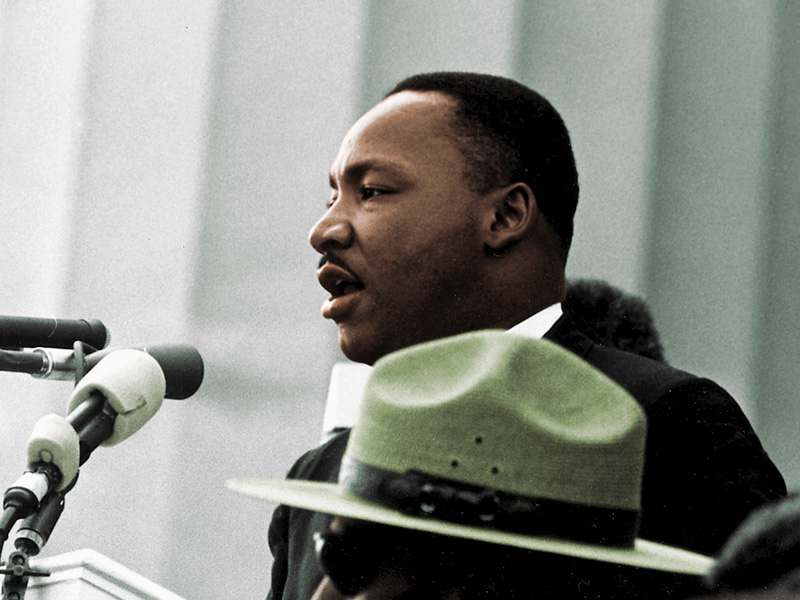
    Martin Luther King "I have a dream" speech

    “But let justice roll on like a river, righteousness like a never-failing stream.” – quoting Amos 6:24

    Then one of the seven angels who had the seven bowls came and spoke with me, saying,

    “Come here, I will show you the judgment of the great harlot who sits on many waters, with whom the kings of the earth committed acts of immorality,

    and those who dwell on the earth were made drunk with the wine of her immorality.”

    Revelation 17:1-2 NASB
    To be continued... Lord willing...
  • Jude -3- Apostates

    Jude -3- Apostates

    Why did Jude write to the churches about apostasy? What is apostasy and how do we recognize apostates?

    As we learned previously in the study of Jude’s reason for exhortation, certain intruders have joined the churches to which he writes. Jude describes them as ungodly people who pervert God’s grace. He accuses these apostates of denying our Master and Lord Jesus Christ.

    Jude

    5 [NASB] Now I desire to remind you, though you know all things once for all, that the Lord, after saving a people out of the land of Egypt, subsequently destroyed those who did not believe.

    Why a reminder from the Old Testament?

    The approach of the church is different in Christ than that of the Jewish culture from which they have been redeemed by the Lord.

    A first century view of the church

    Donald Guthrie in The New Testament Approach to Social Responsibility writes:

    The New Testament assumes the validity of the Old Testament view that man was made in the image of God.1 The whole conception of sin requires that there must have been a state from which man has deviated.

    Guthrie continues with reminders of the social nature of the church of the first century to which Jude writes:

    The New Testament doctrines of redemption and reconciliation are central to the whole Christian message and involve a disarming of man’s natural enmity against God and of his self-centredness.7

    The consequence of this is that redeemed man finds himself with an entirely new set of values and yet remaining in his former alien environment. A tension must at once develop between his former way of looking at social responsibility and his new principles in Christ.

    The New Testament concentrates on the privileges and responsibilities of the Christian life, because this was the aspect which was new. The Christian faith demands new attitudes and actions which are of prior importance for those who have just turned away from a pagan background. This will explain the relative paucity of specific exhortations towards social responsibility.

    Examples from the Old Testament

    Jesus, nevertheless, teaches the validity of the Old Testament from where Jude takes examples of exhortations as contemporary reminders for our faith.

    “For verily I say unto you, Till heaven and earth pass, one jot or one tittle shall in no wise pass from the law, till all be fulfilled.”

    Matthew 5:18 KJV – the words of Jesus about the Old Testament

    Jesus told numerous stories from the Old Testament as well. For an excellent of His view of Scripture you can read this article by Don Stewart.

    Apostasy

    Before we continue with the examples of Hebrew history, let’s define what Jude does not specifically name. (You already know the challenges of Hebrew, Greek and Latin translations into today’s English.)

    Apostasy – definition

    from the OXFORD dictionary

    The abandonment or renunciation of a religious or political belief or principle.

    ‘the execution of their leader for apostasy brought widespread criticism’

    Origin

    Middle English from ecclesiastical Latin apostasia, from a late Greek alteration of Greek apostasis ‘defection’.

    ἀποστασία – apostasia

    Definition from the Greek: defection from truth (properly, the state) (“apostasy”):—falling away, forsake.

    מְשׁוּבָה

    Definition from the Hebrew mĕshuwbah : turning away, turning back, apostasy, backsliding

    The Bible warns of the apostasy of the Lord’s chosen people more times than the New Testament church specifically warns believers against it.

    “Your own wickedness will correct you,
    And your apostasies will reprove you;
    Know therefore and see that it is evil and bitter
    For you to forsake the LORD your God,
    And the dread of Me is not in you,” declares the Lord GOD of hosts.

    Jeremiah 2:19 NASB

    Jude’s Old Testament Exhortations

    Various Biblical headings for the verses to follow from Jude’s letter read:

    • Apostates: Past and Present -CSB
    • False Teachers – NTE
    • Old and New Apostates & Apostates Depraved and Doomed – KJV
    • Judgment on False Teachers – NSRV
    • Past history warns us that the unfaithful have mingled with the faithful & Be on your guard against these wicked men – PHILLIPS

    So as not to extend exposition of this twenty-five verse letter into another post, I will link the important cross-references for these Old Testament verses for your further study. I suspect the the first century readers of Jude’s exhortations warning against apostasy knew these examples much better than I can remember.

    1. Jude 1:5 – Egypt
    2. v. 6 – Angels – a multitude of examples throughout both Testaments
    3. vs. 7-8 – Sodom and Gomorrah
    4. v. 9 – Michael the Archangel, concerning Moses
    5. v. 11 – Cain, Balaam & Korah
    6. vs. 14-15 Enoch

    Egypt

    For I should like to remind you, my brothers, that our ancestors all had the experience of being guided by the cloud in the desert and of crossing the sea dry-shod. … many of them failed to please God, and left their bones in the desert. Now in these events our ancestors stand as examples to us, warning us not to crave after evil things as they did.

    1 Corinthians 10 excerpt – J.B. PHILLIPS

    Angels and Archangels

    For our struggle is not against flesh and blood, but against the rulers, against the powers, against the world forces of this darkness, against the spiritual forces of wickedness in the heavenly places.

    Ephesians 6:12 NASB

    Michael, from the vision of Daniel 10 [audio]

    Sodom and Gomorrah

    “I destroyed some of your cities,
    as I destroyed Sodom and Gomorrah.
    Those of you who survived
    were like charred sticks pulled from a fire.
    But still you would not return to me,”
    says the LORD.

    Amos 4:11 NLT

    Cain, Balaam & Korah

    All apostates! And for the most part we know their sins. Yet do we recall their warnings from the Lord?

    The Lord warns Cain

    Then the Lord said to Cain, “Why are you furious? And why do you look despondent? 7 If you do what is right, won’t you be accepted? But if you do not do what is right, sin is crouching at the door. Its desire is for you, but you must rule over it.”

    Genesis 4:6-7 CSB

    The Lord & an Angel warn Balaam

    And God said to Balaam, “You shall not go with them; you shall not curse the people, for they are blessed.”

    And the Angel of the LORD said to him, “Why have you struck your donkey these three times? Behold, I have come out to stand against you, because your way is perverse before Me.

    Numbers 22:12,32 NKJV

    Moses warns Korah & The Lord warns Moses & Aaron

    Moses also told Korah, “Now listen, Levites! Isn’t it enough for you that the God of Israel has separated you from the Israelite community to bring you near to himself, to perform the work at the Lord’s tabernacle, and to stand before the community to minister to them?

    The Lord spoke to Moses and Aaron, “Separate yourselves from this community so I may consume them instantly.”

    Numbers 16:8-9, 20-21

    Have we recognized the apostates opposed to the Lord and separated them from His church?

    The Lord requires both our faith and our loyalty. He cautions us concerning those who would turn against the faithful, loyal congregation of believers.

    Jude warns:

    These people are dangerous. They share communion of Christ with you, but only care about themselves. These men (and presumably women) are a menace to good fellowship. They are shepherds (pastors and priests) who care not for their sheep. These opinionated apostates are clouds without water, trees without fruit, twice-dead, and uprooted. Do not listen to them.

    Jude makes other comparisons of these apostates to raging waves splashing up their own shame and wandering stars ‘for whom the deepest darkness has been reserved forever,’ a clear reference to the eternal punishment of Satan’s apostate angels.

    Enoch Predicted an Apostasy of Israel

    The study of Jude’s source material [linked above] is complex. See Jude 1:14. Yet to simplify the apostasy of Israel which the Lord spoke to Moses at the time of his death, here is an excerpt from its scriptural background.

    Deuteronomy 31 & Intro from the Song of Moses

    The Lord said to Moses, “Behold, you are about to lie down with your fathers; and this people will arise and play the harlot with the strange gods of the land, into the midst of which they are going, and will forsake Me and break My covenant which I have made with them. Then My anger will be kindled against them in that day, and I will forsake them…

    “They have acted corruptly toward Him,
    They are not His children, because of their defect;
    But are a perverse and crooked generation.
    “Do you thus repay the Lord,
    O foolish and unwise people?

    Deuteronomy 31:16-17a,32:5:6a NASB

    A Reminder of Scoffers

    Jude reminds the church that the Apostles also warn of those who deny the power and judgment of Almighty God and turn from the grace of our Lord Jesus Christ.

    “In the last time there will be scoffers, indulging their own ungodly lusts.” It is these worldly people, devoid of the Spirit, who are causing divisions.

    Jude 1:18b-19 NRSV

    But you, beloved…

    Jude addresses the church agapētos, beloved ones, just as James in his letter had cautioned: “Do not be deceived, my beloved brethren.”

    Jude and also James knew the familial love of Jesus. Both letter writers love those saints of the church faithful to Christ, their brother, the risen Lord.

    But you, dear friends, as you build yourselves up in your most holy faith, praying in the Holy Spirit, keep yourselves in the love of God, waiting expectantly for the mercy of our Lord Jesus Christ for eternal life.

    Jude 1:21-22 CSB

    How shall we view the apostate?

    Have mercy on some who are doubting.

    Is this unexpected as our attitude toward some who temporarily turn against Christ?

    Jude shares the same teaching as Christ.

    “Blessed are the merciful, for they shall receive mercy.

    The words of Christ, Matthew 5:7

    By our mercy and Christ’s grace some may be built up in the true faith.

    Save others

    ‘Snatching them out of the fire,’ Jude pleads, a clear reference to saving their souls from hell.

    σῴζω – sōzō – Saveto rescue from danger or destruction

    It is the same Greek word for save familiar to all from John 3:16. Jude urges the church to save those of the world who come to us.

    Have mercy with fear

    “And on some have mercy with fear, hating even the garment polluted by the flesh,” Jude cautions.

    But what fear?

    φόβος – Most know the word phobos and its meaning: dread or that which strikes terror.

    What strikes terror in your heart?

    Your own death?

    Judgement? Eternal damnation?

    Or do you fear for the souls of others more than you fear them? For these are loved ones, friends and those who you know as a part of the church. Some apostate ‘christians’ have turned against the Lord Jesus Christ!

    Do you fear man or the Lord God?

    Luke tells us in the Acts of the Apostles,

    So the church throughout all Judea and Galilee and Samaria enjoyed peace, being built up; and going on in the fear of the Lord and in the comfort of the Holy Spirit, it continued to increase.

    Acts 9:31 NASB

    Jude’s reference to ‘hating even the garment polluted by the flesh’ clearly calls the church to hating the sin, yet not the sinner. Let us clearly identify the spotted speech of apostates among us, urging those with such worldly coverings to purify their sins in the blood of Christ.

    And the tongue is a fire, the very world of iniquity; the tongue is set among our members as that which defiles the entire body, and sets on fire the course of our life, and is set on fire by hell.

    James 3:6 NASB

    Let us watch that we condemn the sins of the apostates among us, while not judging their souls which the Lord may choose to snatch from the fire.

    Benediction

    Jude wants to encourage the church, giving those saints faithful to the Lord praise. Yet he has chosen to exhort the church against apostates, warn us against the sins which defile us and turn our witness against Christ.

    He briefly makes his strong warning and now closes with praise to the Lord. You may have heard such comforting benedictions from a pastor of your own church congregation.

    Now to him who is able to protect you from stumbling and to make you stand in the presence of his glory, without blemish and with great joy, to the only God our Savior, through Jesus Christ our Lord, be glory, majesty, power, and authority before all time, now and forever. Amen.

    Jude 1:24-25 CSB Benediction

    Christ Jesus can keep you from stumbling so that you may stand in His holy presence. You will know His glory, because of His mercy and grace of covering our sins by His shed blood.

    God IS our Savior, through the sacrificial love of Christ Jesus, our Lord and Savior. Anyone who does not believe in the only One who can save us is an apostate, turned against the Lord our God!

    To Him be all glory, majesty, power and authority. As it was in the beginning, it will be now and forever. AMEN.

  • Between Sabbaths – Convocations and Holiness

    Between Sabbaths – Convocations and Holiness

    Speak unto the children of Israel, and say unto them, Concerning the feasts of the LORD, which ye shall proclaim to be holy convocations, even these are my feasts.

    Leviticus 23:2 KJV

    Holy Holidays

    We’ve lost something of the holiness of the holidays in the translation. Worldliness seeps steadily into our daily lives and we don’t necessarily relate to what some versions of the Bible call, ‘sacred assemblies,’ or ‘holy feasts.’

    Six days shall work be done: but the seventh day is the sabbath of rest, an holy convocation; ye shall do no work therein: it is the sabbath of the LORD in all your dwellings.

    Leviticus 23:3 KJV

    Do we hear of or even know what “holy convocations” might be?

    Even though raised in the church, I didn’t until I looked it up during my college years. A convocation מִקְרָא is a sacred gathering, a called public meeting for the reading of God’s word.

    Perhaps you’ve noted our digression from holy worship  to a more culturally palatable feast of entertainment at church.

    Priests and religious officials would have taken all sorts of rules (and definitions of work) from Leviticus, which we recognize as the Sabbath Commandment. Yet what many contemporary gatherings may miss or dismiss from Exodus and Deuteronomy is holiness.

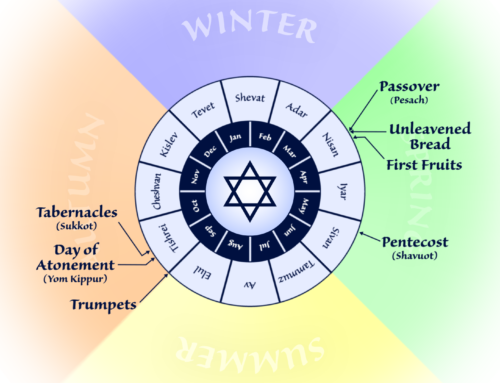
    Seasons and celebrations between the sabbaths may be designated as holy convocations; days for feasting — neither a time for fasting, nor ordinary work day.

    The sabbath of the LORD, which Christ points out it is ‘made for man,‘ is, never-the-less, set aside by the LORD for Holiness.

    So what are these convocations? And more importantly, how do their principles apply to us today?

    Note that these seven prescribed seasons of holy rest do not include certain notable minor holiday observances.


    Hanukkah חֲנֻכָּה and Christmas??

    Christmas and Hanukkah both focus on light and God’s faithfulness in helping men (and women) of faith to be restored to holiness.

    The minor celebration of Hanukkah began during the second temple period, about 200 years before Christ and was also known as the feast of dedication.

    The minor convocation of Christmas points to the holiness of God, humbly descending to us as the Son of Man; a baby like all others, yet without sin, like no other man. 

    Jews have recently celebrated eight days of Hanukkah.

    Christians have begun a preparatory season of Advent leading up to the festival of Christmas. 

    Do you feel rested? 

    Has God been a part of your celebrations of this season?

    I mention these holidays blown out of proportion by our sustained worldly emphasis on minor celebrations, because we fail to rest in the Lord.

    Return to the Lord’s rest

    “I hate all your show and pretense—
    the hypocrisy of your religious festivals and solemn assemblies.

    Amos 5:21 NLT

    This, too, is nothing new, as you can see from the rebuke of the Lord through the prophet Amos. His complaint sounds much like that of contemporary unbelievers, when Christians most of all ought to be questioning our own Christmas traditions. 

    God deserves worship שָׁחָה, not occasions of excess and entertainment.

    “Where is he who has been born king of the Jews? For we saw his star at its rising and have come to worship him.”

    Matthew 2:2

    Religious Convocations

    Without drilling down to the detail of ancient worship to the Lord called for in the Law, let’s briefly examine these other Sabbath rests. I invite you to research these scriptures and celebrations further, since I will only comment on each briefly.

    Most scriptures and quotes in this section from BlueLetterBible.org
    Below are festivals linked to this article from Easton's Bible Dictionary.

    1. The weekly Sabbath
    2. The Passover feast:
    3. Pentecost, or the feast of weeks.
    4. The Ingathering, or feast of Tabernacles 
    5. The seventh new moon or the feast of Trumpets (Num 28:11-15; Num 29:1-6)
    6. The Sabbatical year (Exd 23:10-11; Lev 25:2-7)
    7. The year of jubilee (Lev 25:8-16; Lev 27:16-25)

    “The Passover was kept just before the harvest commenced, Pentecost at the conclusion of the corn harvest and before the vintage, the feast of Tabernacles after all the fruits of the ground had been gathered in.

    As previously mentioned, Jews celebrated additional feasts after destruction of the first Temple.

    • The feast of Purim
    • The feast of Dedication (Hanukkah)

    The Day of Atonement, the tenth day of the seventh month (Lev 16:1; Lev 16:34; Lev 23:26-32; Num 29:7-11). 

    Christians cannot overemphasize God’s requirement of holiness, achieved by atonement for our sins.

    God presented Christ Jesus as an atoning sacrifice in his blood, received through faith, to demonstrate his righteousness, because in his restraint God passed over the sins previously committed.

    Romans 3:25

    The Sacrifice and death of Christ, made possible by the incarnation of God in the flesh of Jesus, exceeds the importance of our holy celebrations.

    Traditions of Sabbath Rests

    Contemporary worshipers may not relate to cultures of the times of these designated rests from the Lord; however, hear the Lord’s purpose in these additional Sabbaths made for man.

    On each of these occasions every male Israelite was commanded “to appear before the Lord” (Deu 27:7; Neh 8:9-12).

    The attendance of women was voluntary. (Luk 2:41; 1Sa 1:7; 1Sa 2:19.)

    The promise that God would protect their homes (Exd 34:23-24) while all the males were absent in Jerusalem at these feasts was always fulfilled.

    “During the whole period between Moses and Christ we never read of an enemy invading the land at the time of the three festivals. The first instance on record is thirty-three years after they had withdrawn from themselves the divine protection by imbruing their hands in the Saviour’s blood, when Cestius, the Roman general, slew fifty of the people of Lydda (Joppa) while all the rest had gone up to the feast of Tabernacles, A.D. 66.

    A few details of worship

    Of the new moon festivals the Lord commands: “this is the burnt offering of every month throughout the months of the year ‘And in the seventh month, on the first day of the month, ye shall have an holy convocation; ye shall do no servile work.’

    All men worship the Lord and all men have rest for this worship.

    Of the Sabbatical year the Lord commands rest for the field, the vineyard and orchard. 

    Celebration of the year of Jubilee each fiftieth year: “In the Year of Jubilee each of you may return to the land that belonged to your ancestors…Be assured that I will send my blessing for you in the sixth year, so the land will produce a crop large enough for three years… 

    ‘The land shall not be sold permanently, for the land is Mine; for you are strangers and sojourners with Me.

    Leviticus 25:23

    “You are to allow the redemption of any land you occupy.

    We walk with the Lord: our land, a temporary possession of sojourners in this temporary world where we work. The Lord grants redemption to us, the ability to repurchase what He has rightfully given to us from all that is His. Our worship returns but a portion of His abundance to our Lord.

    The Lord’s laws are unlike our own unbalanced views of righteousness and justice. His ways are higher than our ways. Though the birth of our Redeemer is important, Jesus’ sacrificial death and resurrection challenge the sinners of this world with consequence for our worldly ways. 

    Are you caught up in the restless rush of the holidays?

    1 Peter 1:

    3 Blessed be the God and Father of our Lord Jesus Christ. Because of his great mercy he has given us new birth into a living hope through the resurrection of Jesus Christ from the dead…

    Christmas defines the beginning of the life of God Incarnate, His gift to us: “new birth into a living hope…”

    14 As obedient children, do not be conformed to the desires of your former ignorance.

    15 But as the one who called you is holy, you also are to be holy in all your conduct; 16 for it is written, Be holy, because I am holy.

    “Be holy, because I am holy. – 1 Peter 1:15b, Leviticus 11:44-45; 19:2; 20:7

    Christ-mass: ‘because I am holy.’

    Be holy, because I am holy. – This is our promised rest, through a babe in a manger, a sinless Savior born for the Cross.