Tag: Athens

  • Approaching Athens 2 – Addressing gods and goddesses

    Approaching Athens 2 – Addressing gods and goddesses

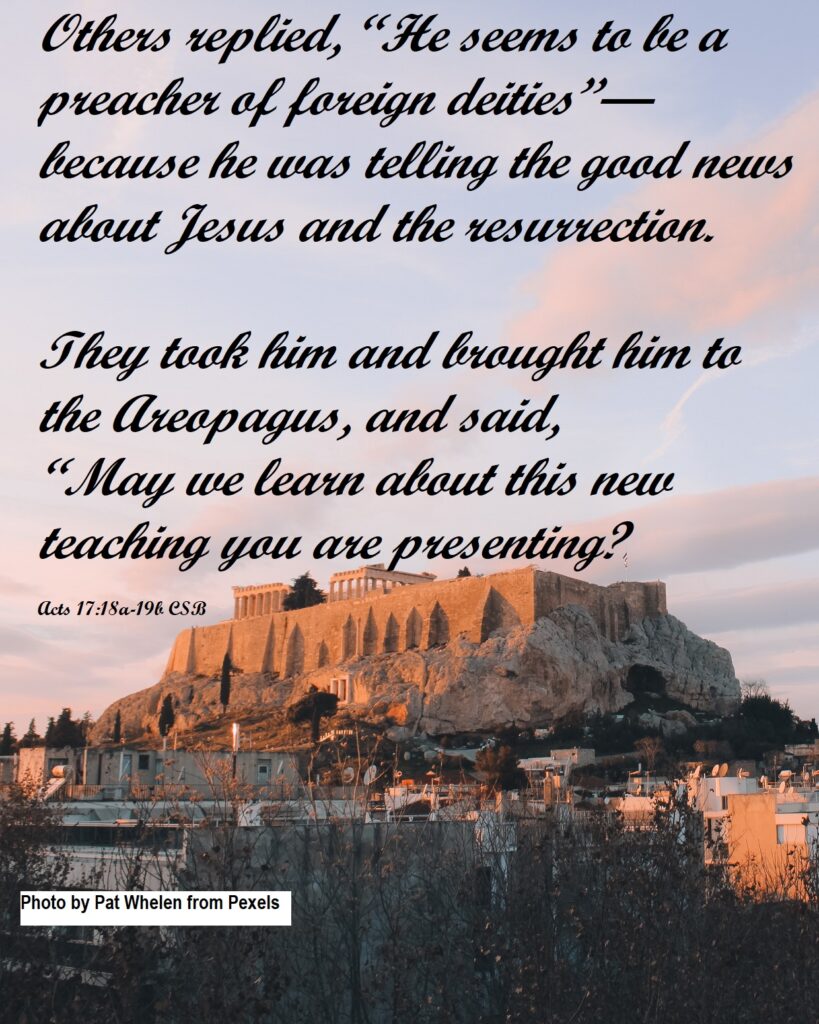
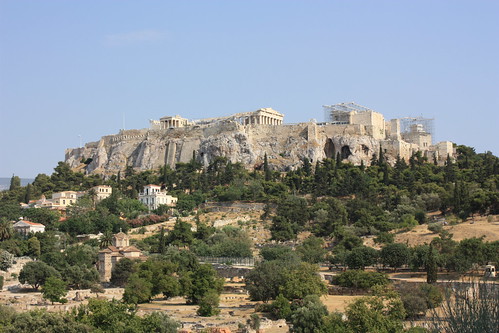
    Acropolis - in Athens ruins from ancient Greece
    acropolis comes from the Greek words ἄκρον (akron, “highest point, extremity”) and πόλις (polis, “city”).
    So Paul stood in the midst of the Areopagus and said, “Men of Athens, I observe that you are very religious in all respects. – Acts 17:22

    The Apostle’s introduction and approach are most gracious in addressing a crowd of men whose religious celebrations of their gods and goddesses would seem most sinful to every Jew in Athens.


    Addressing Athena & the men who idolize her

    The Apostle Paul, a Roman citizen who has also been speaking with the Jews of Athens has been brought to the Areopagus in town to address a ruling council of Hellenist leaders and crowds of interested listeners. His already spirit provoked about the overt and godless idolatry he observed [v.16]
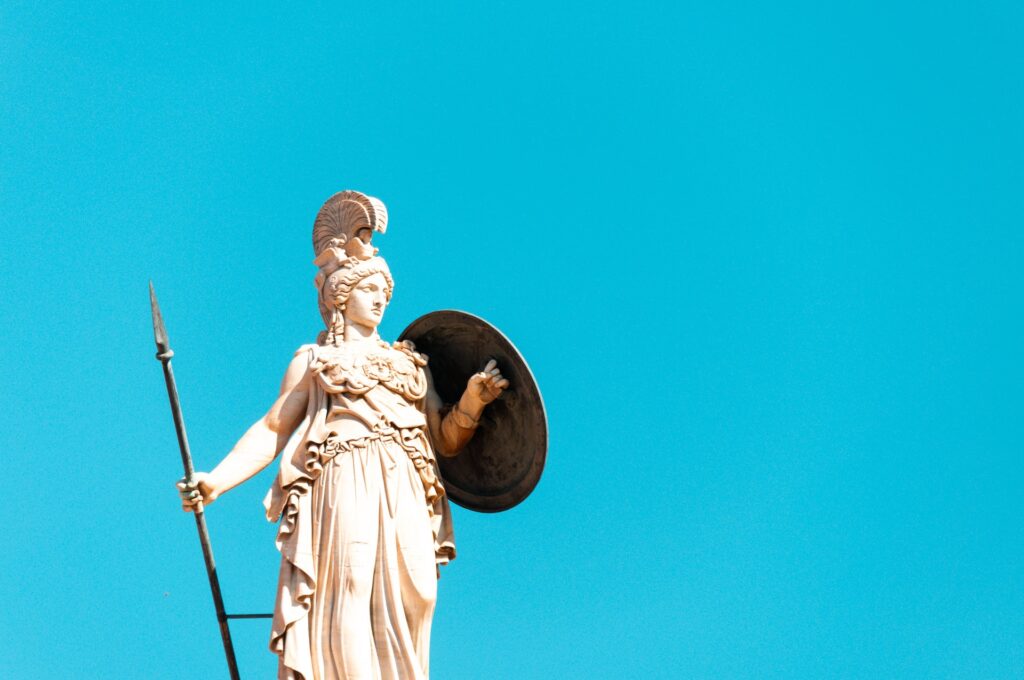
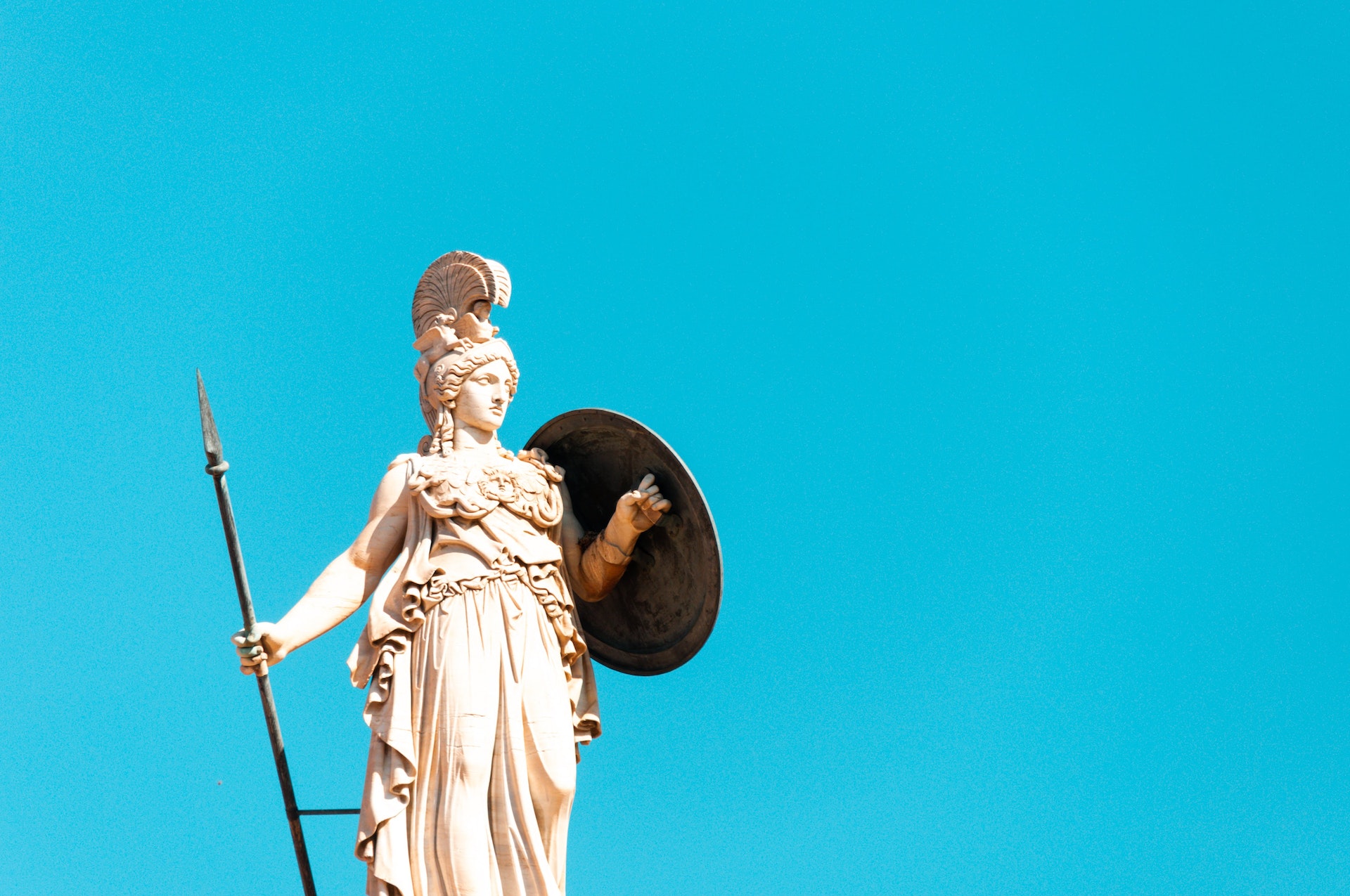
    Statue of the goddess Athena - powerful namesake of Athens

    Athena, goddess of the city is prominent to all but she is just one of many revered gods and goddesses of the myths of ancient Greece.
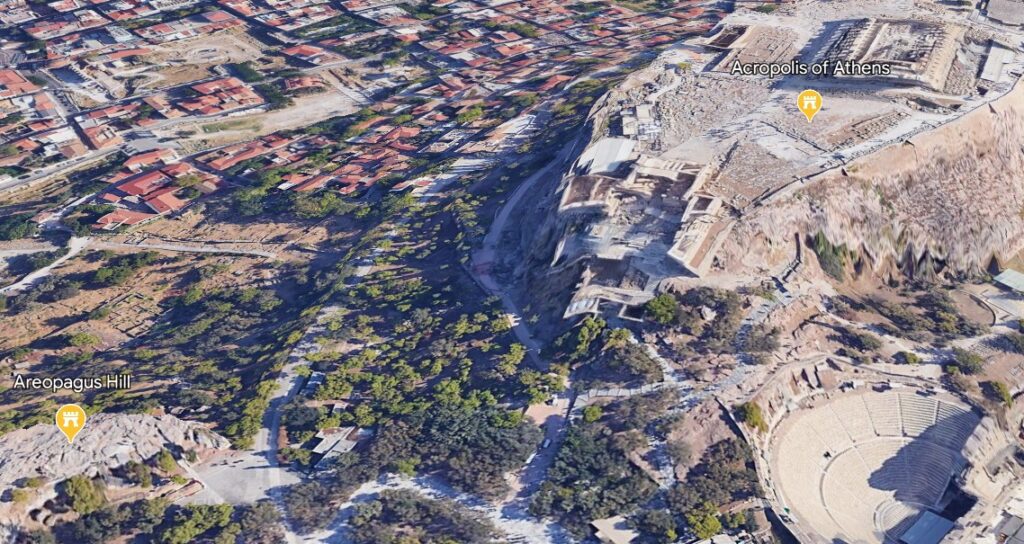
    Once the Apostle Paul begins proclaiming the gospel to the men of Athens in the agora the apostle to the Gentiles is brought to the areopagus.

    The Areopagus a rocky height in the city of Athens, opposite the western end of the Acropolis toward the west to which these men of the city agora have brought Paul is not only an ancient military outpost but has an idolic connection to Greek mythology as well.

    Ἄρειος πάγος – From Ares

    (the name of the Greek deity of war)

    Recall, however, that Rome has long-established its rule of law and officials in the FREE ROMAN CITY of Athens ACHAIA.
    

    The Hill of Mars, Roman god of War

    Allow me to set the mythological stage of the GREEK & ROMAN gods behind the history of Athenian & Roman worship and festivals with music suited to the continuing 'religion' celebrating the passions of men as idols of worship.
    Mars Bringer of War – Listen

    This hill belonged to (Ares) Mars and was called Mar’s Hill; so called, because, as the story went, Mars, having slain Halirrhothius, son of Neptune, for the attempted violation of his daughter Alicippe, was tried for the murder here before twelve gods as judges.

    Lexicon :: Strong’s G697 – areios pagos – BlueLetterBible.org commentary on Mars Hill

    We cannot fully appreciate the dilemma and provocation of the spirit of the Apostle to the gentiles without recognizing as Paul did the seriousness of the sinful culture of idolatry of these men of Athens to whom he now will address himself concerning this ‘strange teaching’ of One God and the resurrection.

    So before we proceed with Paul’s speech let’s take a quick look at the mythology behind these compelling legends of gods such as Mars, Neptune, Zeus, Apollo and goddesses such as their patron mother of Athens – Athena.
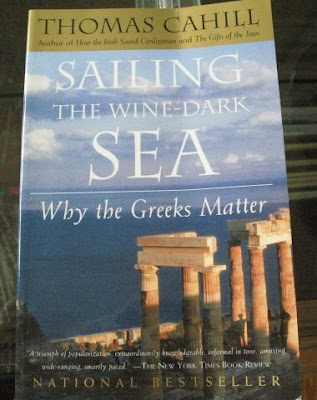

    Thomas Cahill - SAILIING THE WINE DARK SEA - Why the Greeks Matter

    ancient Greek gods & goddesses

    (Try to keep score on the who’s doing what with whom as best you can.)

    As earlier in Approaching Athena the ruling goddess of Athens I will mostly consult the extensive research of historian Thomas Cahill. – RH

    Lord Zeus & other gods

    Zeus, who controlled rain and clouds.. ..was Lord of the Sky and greatest of gods, but not the oldest.” [p.17]
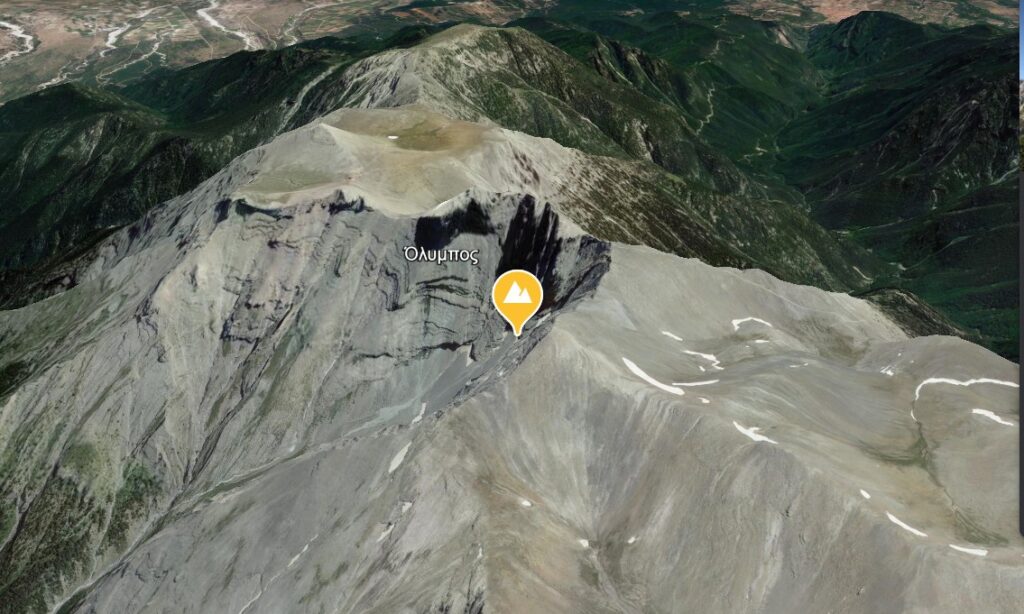
    Mount Olympus, highest peak in Greece

    12 Olympians (including Zeus) ruled from ‘heaven’ atop Mount Olympus.

    These Olympians had overthrown prior gods called the Titans.

    Before that, according to Greek mythology, the TITANS had been formed by FATHER HEAVEN and MOTHER EARTH.

    Father Heaven and Mother Earth had emerged from:

    (Pay close attention now)

    primordial CHAOS whose

    2 children: DARKNESS and DEATH

    gave birth to LIGHT and LOVE

    NIGHT is the mother of DAY

    earth rotating

    which made possible the appearance of FATHER HEAVEN and MOTHER EARTH.

    δεισιδαίμων Scandalous religious worship of gods

    The Olympian Zeus was son of the Titan god Chronos. ZEUS, who has taken the lordship of the throne of heaven, is known for ‘perpetually falling in love, wooing and usually raping beautiful women, both mortal and immortal, who would then give birth to gods and demigods… [Sailing the Wine-Dark Sea, p.17]

    The goddess Hera is Zeus’ wife! And HERA naturally gets jealous. Plus in an additional soap-opera-esque twist, the goddess Hera is also Zeus’ sister!

    Statue of the goddess Athena - powerful namesake of Athens

    IF (unlike Paul) you are unaware of where ATHENA fits in here, this hometown goddess is one of the 12 Olympians which include:

    Zeus, Poseidon, Hades, Hera, Demeter, Aphrodite, Athena, Artemis, Apollo, Ares, Hephaestus, Hermes.

    Without pursuing these Greek gods and goddesses further (many long forgotten, as Paul & Roman inscriptions will note) their idolic family-tree and extra-worldly adventures come from ancient Greek literature, including Theogony, a poem by Hesiod from ~700 B.C. 

    The Hellene Pax Romana from the bringer of War
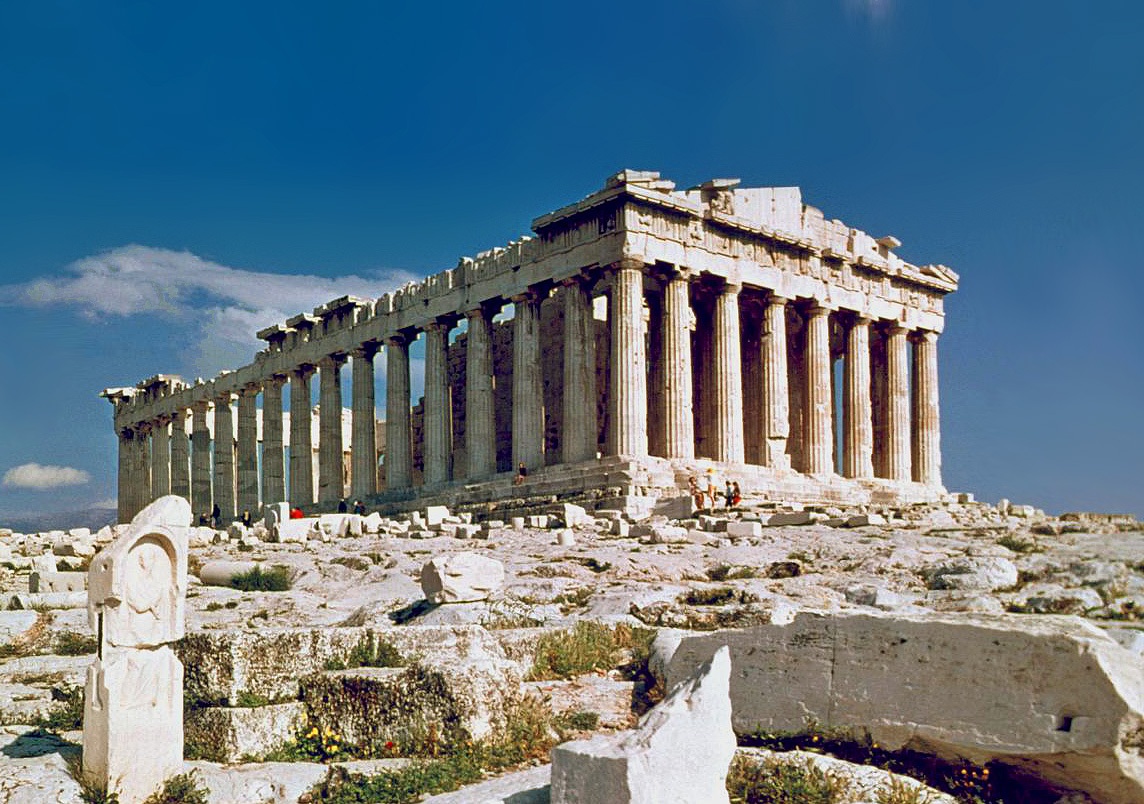
    The Parthenon in Athens a place to honor and worship all the gods

    Who are the ROMAN gods of the Roman free city of Athens?

    Derived from the Greek words ‘πᾶν’ pan – all, and ‘θεός’ theos – god, pantheon literally means ‘of all gods’.

    The British Museum [source for the following list of gods]

    King of the gods is Zeus – or his Roman equivalent, Jupiter – who rules over Mount Olympus and is the god of thunder and lightning, as well as law and order.

    Hera or Juno.. is the goddess of marriage, childbirth and fertility.
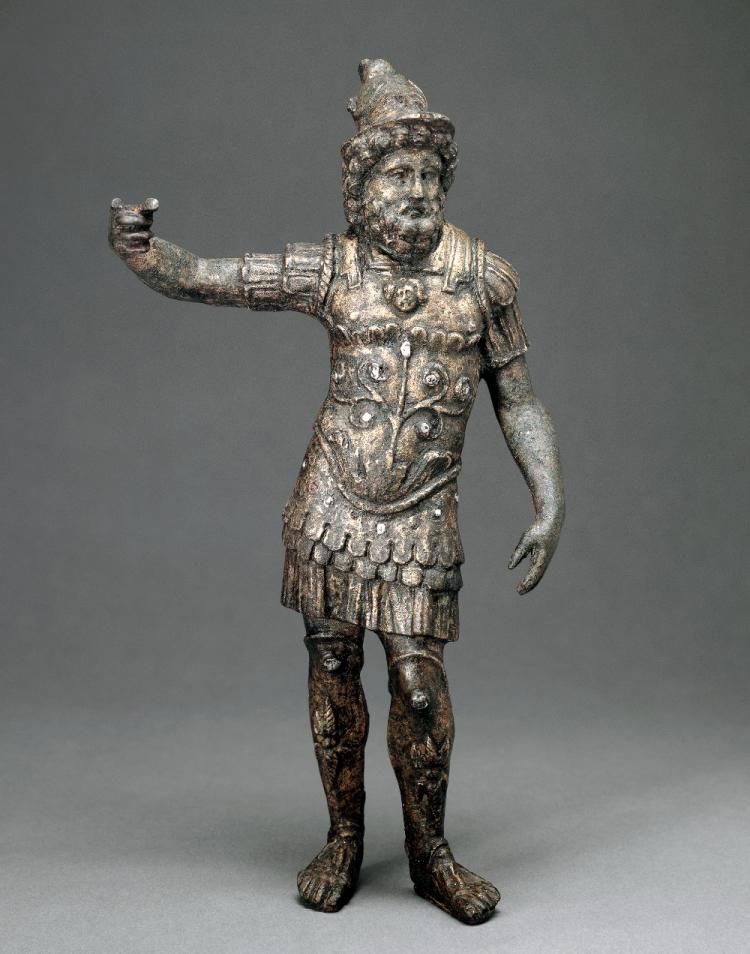
    Ares or Mars
    This Romano-British statuette shows Mars, the god of war, fully decked out in his characteristic armour, missing the original spear and shield he would once have held.

    Athena or Minerva – Ares’ [Mars’] half-sister is the Greek goddess Athena. Goddess of reason, handicraft, wisdom, and war, she is the daughter of Zeus

    Aphrodite or Venus [very popular idol of men and women alike in every century]
    Goddess of love, sex, and beauty, Aphrodite – or Venus – is said to have emerged from the white foam generated when the Titan Cronos [father of ZEUS] threw the severed testicles of his father, Ouranos, into the sea.

    Aphrodite is an ancient Greek goddess associated with love, lust, beauty, pleasure, passion, procreation, and as her syncretized Roman goddess counterpart Venus, desire, sex, fertility, prosperity, and victory.

    Hermes or Mercury
    The messenger of the gods was Hermes, known as Mercury in ancient Roman religion, and he was also a pastoral god, protecting livestock and travellers.

    Do you recall how on their first missionary journey they thought that Paul was Hermes who spoke for Zeus i.e. Barnabas?
    And the priest of Zeus, whose temple was just outside the city [Lystra in Pamphylia], brought oxen and garlands to the gates, and was wanting to offer sacrifice with the crowds. – Acts of the Apostles 14:13
    YOU could learn much more about these Greek and Roman gods, many long forgotten -- and never gain any more wisdom of the One God who sent men like Paul into all the world with the Gospel of the Savior of sinners and hope of the resurrection, Christ JESUS!
    

    Springtime in Athens

    Disclaimer: Although this single illustration of typical events in Roman-ruled Athens is extra-Biblical and may not have taken place specifically during Paul's visit, I provide general descriptions mostly from SAILING THE WINE-DARK SEA to set the cultural stage for Paul's speech with some level of the Apostle's 1st century understanding of his audience. 
    
    Paul's stop in Athens may have been in A.D. 51, perhaps even in the spring.
    Claudius, Emperor of Rome, had changed the calendar back in A.D. 46 and by A.D. 43 had conquered much of Europe including Great Britain. - RH

    A classical culture that wasn’t what you thought.

    The ANCIENT 5th century B.C. cultural of Athens had been that of a ‘democracy’ dependent on slaves. Democracy for ‘all’ was for ‘free’ MEN only, and that only of two basic Greek higher classes, one a ‘high office’ and the others ‘lower’ offices – a sort of competing middle class of free men who directly ruled over the affairs of Athens.

    Athenians probably numbered no more than a quarter million, of which as many as 100,000 may have been slaves.. This would leave a citizen population of little more than twenty percent.

    ‘Why the Greeks Matter’ p.115

    The political experiment of Athenian democracy (of its 20% citizenry) would end, of course, with their conquering by Alexander the Great. Later a similar political experiment of a Roman Republic would also fail as conquering heroes of the people made themselves to be Caesars and gods of the people.

    Europeans.. are full of spirit but are somewhat lacking in intelligence and skill.. Asians.. though intelligent and skilled.. lack spirit.. The race of the Greeks, however, which occupies the center of the earth.. being both spirited and intelligent.. Thus does this race.. continue to be capable of ruling all humanity.

    (Of course no sensible proponent of democracy could today speak of race rather than culture or imply any inequality of those incapable of governing themselves. Let the humanist religion of philosophy bring reason to all religions of humankind with equal participation of all flesh in the rituals of all gods celebrated together in the pax of humanity.
    
    But this of course is a 21st c. religious take on ancient wise ways of 'classical' philosophers such as the excerpt quoted here from Cahill.) - RH
    excerpt [The Politician and the Playwright p. 129 – How to Rule] from ARISTOTLE
    Picture the Classical Greek citizens of Athens (and their slaves)or Hellenist Athenians in built back better ruins of their past with a Roman citizen Paul brought to their curious attention in A.D. 51:

    “The continual buzz of conversation, the orotund sound of the orators, the shrill shouts from the symposia–this steady drumbeat of opinion, controversary, and conflict could everywhere be heard. The agora [marketplace].. was an everyday marketplace of ideas..

    The word the Athenians used for their Assembly was Ekklēsia, the same word used in the New Testament for Church..”

    Thomas Cahill – Sailing the Wine-Dark Sea p.118
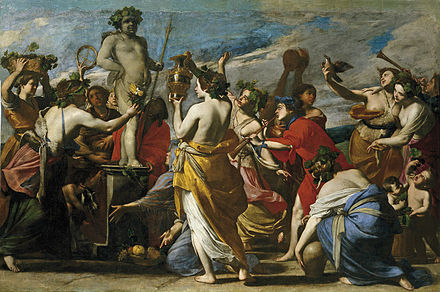
    Dionysus(Bacchus)God of wine, vegetation, fertility, festivity, ritual madness, religious ecstasy, and theatre

    Hellenist worship

    At the springtime Dionysia, the Athenian festival in honor of Dionysus, three days.. began with a solemn religious procession of leading citizens, distinguished visitors, and all the choruses.. led by officials carrying.. sculpture of erect penises, symbols of the god, to his temple…

    Why the Greeks Matter, Thomas Cahill pp. 129-130

    Into the this idolatry walks a Roman citizen, Paul, who is invited to address the assembly of leading men of Athens, to whom the Apostle begins his logical argument with exceeding grace.

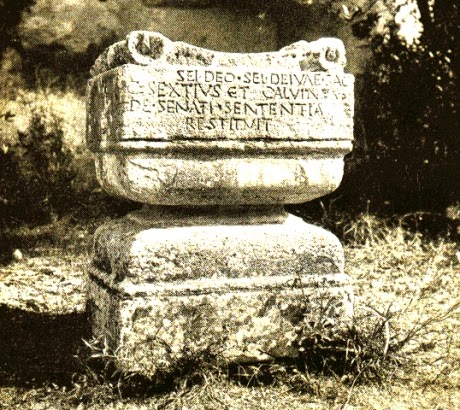
    the UNKNOWN GOD

    The inscription begins "whether god or goddess" (si deus si dea), a phrase indicating that the deity is unknown. Often there would be a request that followed ("Whether you are a god or goddess that rules over Rome, grant us...").
    Whether god or goddess..

    Acts 17 – Paul Addresses the Areopagus

    23 For as I passed along and observed the objects of your worship, I found also an altar with this inscription: ‘To the unknown god.’

    What therefore you worship as unknown, this I proclaim to you. The God who made the world and everything in it, being Lord of heaven and earth, does not live in temples made by man, nor is he served by human hands, as though he needed anything, since he himself gives to all mankind life and breath and everything…


    NEXT: the Logic of Paul’s Theology

    To be continued…
  • Approaching Athena the ruling goddess of Athens

    Approaching Athena the ruling goddess of Athens

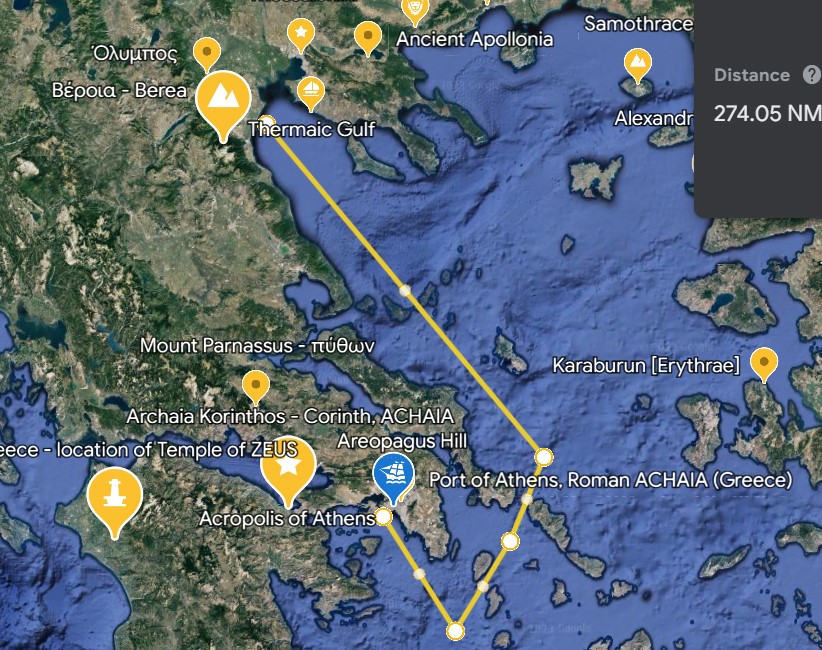
    The Lord’s apostle to the gentiles — Paul, or Saul of Tarsus, a Roman citizen of CILICIA — has hurriedly fled Thessaloniki and Berea MACEDONIA sailing south along the Aegean coast of ACHIA to Athens.

    sailing from Macedonia through the Aegean Sea to Achia, home of ancient Athens and a larger city of Corinth

    Sailing from Macedonia to Athens

    Although fleeing the Jews we must think of Paulos as a ROMAN citizen on some sort of commercial Roman ship traveling from Macedonia to Achia. Yes, the destination of his ticket in Athens – a city of a 300 year old fading glory – but the more important city of Roman Achia is now Corinth.

    What is more important here along Paul’s nearly 300 mile journey here is the context of culture so evident as he sails to Athens and then walks through the entrance of a city steeped in its former Hellenist glory.

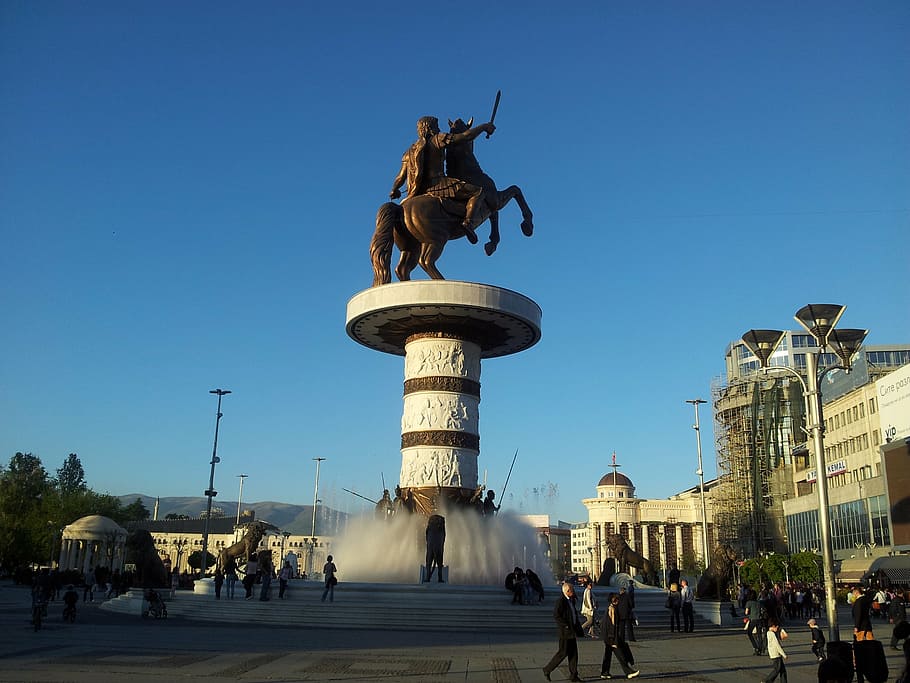
    Previously we addressed the ‘Greek‘ influence of Alexander the Great and Macedonian culture.
    Statue of Alexander the Great atop a fountain in Thessaloniki, Greece. In Acts 17 Paul fled from there to Berea on his second missionary journey;

    This modern-day statue of Alexander the Great in Thessaloniki, Greece partially demonstrates this Macedonian’s lasting influence even since his death in 323 B.C.

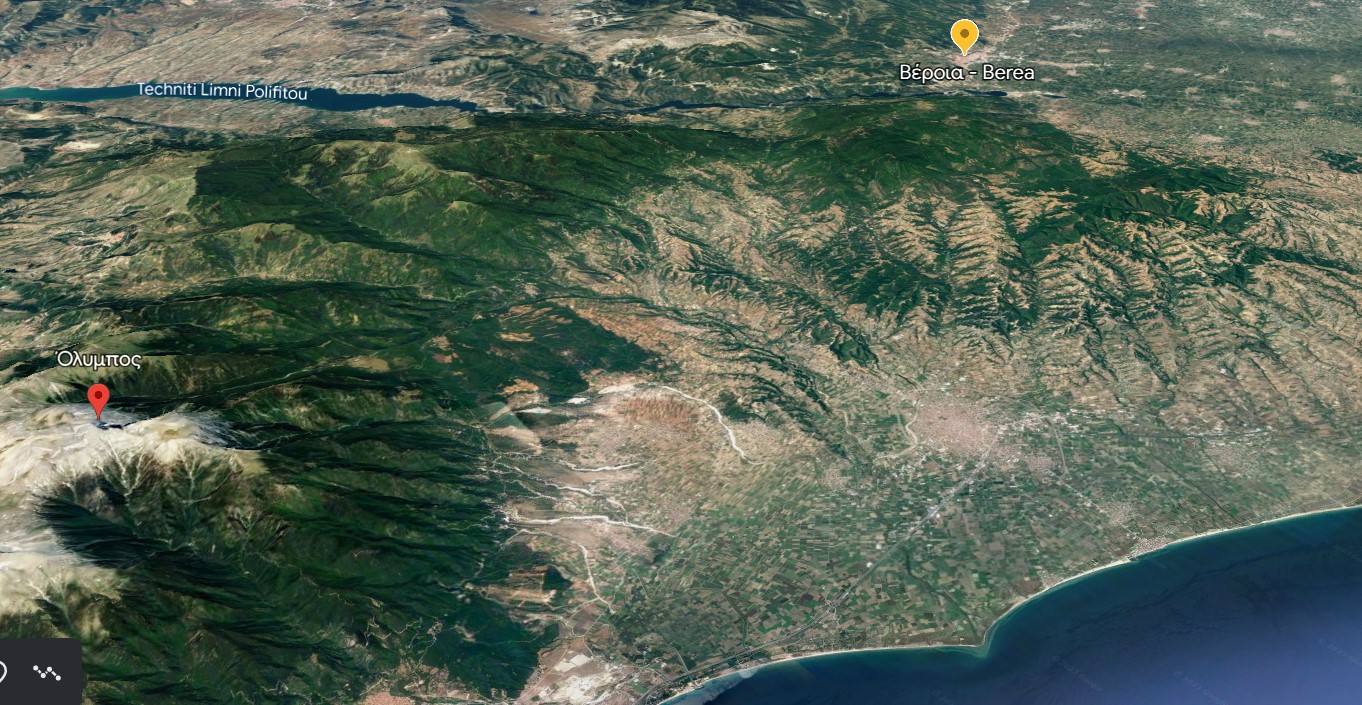
    Paul would have no sooner left port in Macedonia than all would have viewed the great mountains of Greek mythology on their starboard side.

    Google Earth View of Mount Olympus, Olympus mountains toward Berea
    (We will approach these gods Zeus and others upon arrival in Athens.)
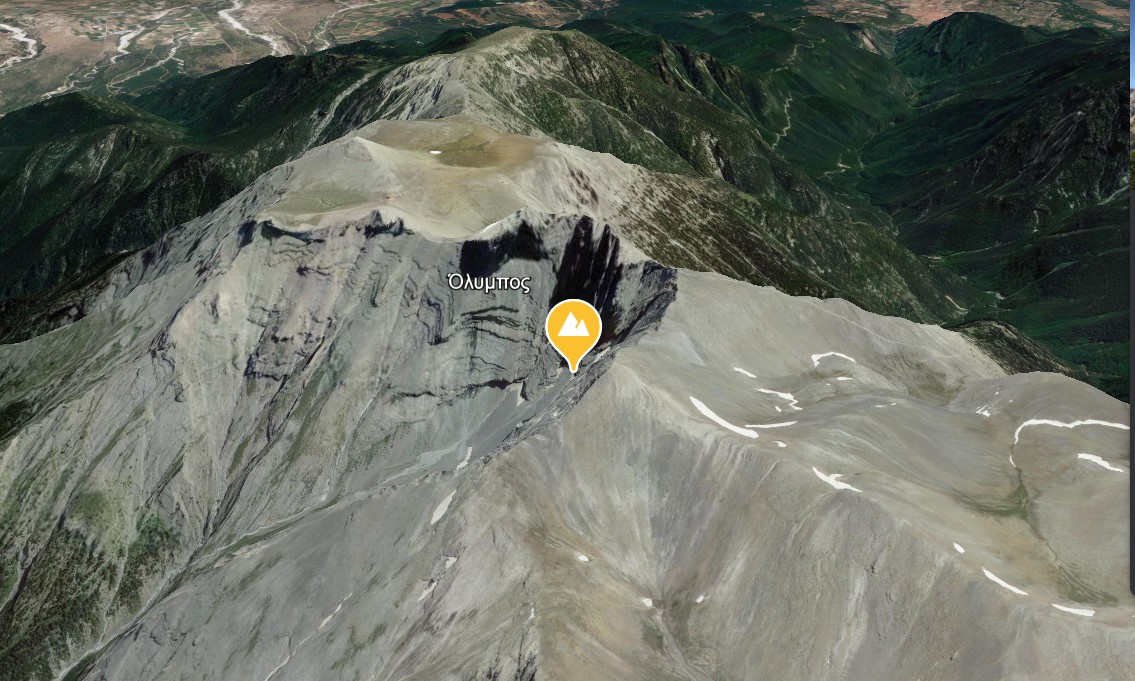
    Mount Olympus, highest peak in Greece
    Mount Olympus – Highest peak in Greece, home of Zeus and the mythology of the Greek gods and goddesses

    As we noted earlier the apostles’ journey along this mountainous coast of about 300 miles takes them from Macedonia (with its Alexandrian history) to Achia, the Roman region of strategic importance which includes Corinth on an inland isthmus and the port of Athens, formerly devastated by war but brought back to prominence by Rome as a ‘free city.’

    Approaching Athens

    Preview in new tab

    As their commercial Roman sailing ship rounded mountains descending into the Aegean on their approach Athens, Paul would have seen ruins of the destroyed Acropolis appear on the hill to their starboard side prior to their ship docking in port.

    acropolis comes from the Greek words ἄκρον (akron, “highest point, extremity”) and πόλις (polis, “city”). – source – Flickr (same as photo)

    Upon arrival, as we noted last time, Paul sent his Berean brothers back to let the church know that he had arrived safely — again a 300 mile return trip while the Apostle Paul takes in the sights of this ancient ruined Greek city of Hellenist influence and lessor free city of Rome gaining the attention of its Emporer (a Caesar and god of the people).

    Visitors to the Athens of A.D. 50 would have walked along streets lined with monuments and statues as they ascended the hill into the city and its agora (marketplace).


    Unknown gods and goddesses

    Now while Paul was waiting for them at Athens, his spirit was being provoked within him as he was observing the city full of idols.

    Acts of the Apostles 17:16
    Thomas Cahill - SAILIING THE WINE DARK SEA - Why the Greeks Matter

    NOTE: Although I have researched several sources as a background for Paul’s Acts 17 speech in Athens, you will find this one most useful and detailed. – Roger@TalkofJesus.com

    https://thomascahill.com/books


    YOU and I cannot fully understand Paul’s more contemporary knowledge of his first century A.D. context of clashes between Hellenist, Roman and Hebrew cultures; however after a brief overview of the text we will take a glance at Athens through the A.D. 50 eyes of all.


    Acts of the Apostles 17:

    Acropolis -

    17 So he was reasoning in the synagogue with the Jews and the God-fearing Gentiles,

    and in the marketplace every day with those who happened to be present.

    18 And also some of the Epicurean and Stoic philosophers were conversing with him. Some were saying, “What would this idle babbler wish to say?” Others, “He seems to be a proclaimer of strange deities,”—because he was proclaiming the good news of Jesus and the resurrection. 19 And they took him and brought him to the Areopagus, saying, “May we know what this new teaching is which you are speaking? 20 “For you are bringing some strange things to our ears. So we want to know what these things mean.”

    Luke now inserts a parenthetical glance at our 1st century A.D. philosophers of Athens.

    21 (Now all the Athenians and the strangers visiting there used to spend their time in nothing other than telling or hearing something newer.)

    Luke's account continues from ACTS 17:22 'So Paul stood in the midst of the Areopagus..
    
    We will listen to the apostle to the gentiles addressing the men of Athens next time, but first some CULTURAL CONTEXT.

    The Jews (in the eyes of Athens)

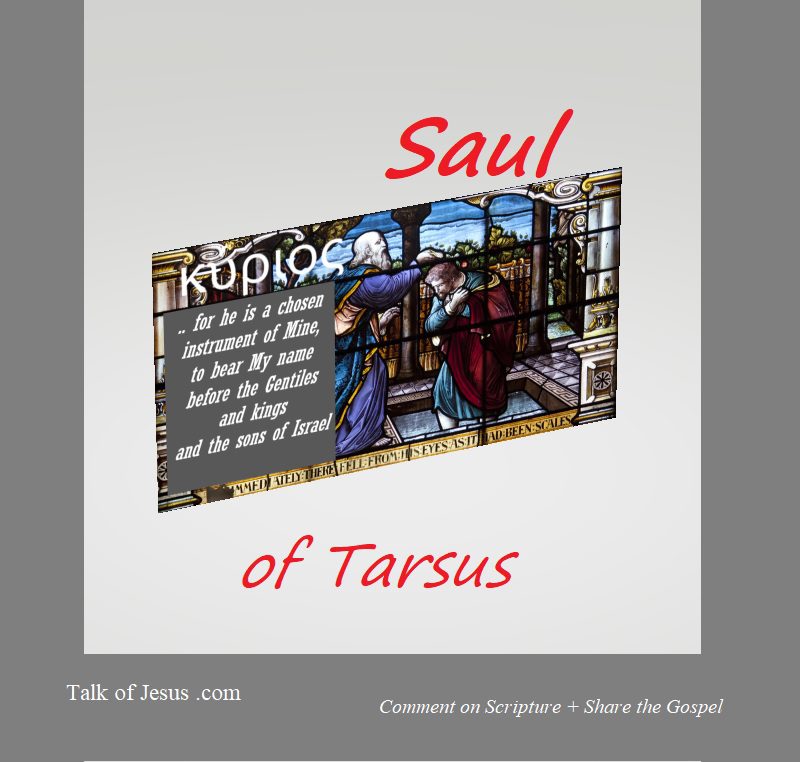
    The acts of Saul of Tarsus persecuted Christians until on a road to Damascus the Lord anoints the Apostle to the gentiles

    Saulos of Tarsus frequented the synagogues of his Hebrew brothers first in many other cities. He is a Pharisee who had believed in the Resurrection even prior to meeting the risen Messiah Jesus (same as Joshua in Hebrew) live and in Person.


    This belief in the resurrection of JESUS, Ἰησοῦς in the common Greek language, yᵊhôšûaʿ or Joshua in Hebrew, held by some Pharisees and some Essenes but not the Jewish sect of the Sadducees attracted Pharisaic Jews and proselytes to Christ’s fulfillment of Hebrew Scripture.

    Jews were merchants who mostly seemed to fit into the Pax Romana like any other religious culture except for one strange belief: Jews only had One God.

    An even more strange belief of some Jews about what happened to the body after death seemed somewhat ghoulish. (Just imagine some neighbor walking around Athens after he died — laughable!) What a strange belief of some of these Jews.

    For the Jews, who had little or no belief in the immortality of the soul, only salvation in one’s body could have any meaning.

    Thomas Cahill, Why the Greeks Matter, p.260

    The ‘peace’ of Rome accomplished in Athens by conquest was tenuous. Athenians and Romans were somewhat suspicious of Jews who the Emperor Claudius had just expelled from Rome.

    Therefore, just as Saul of Tarsus had fled Macedonia secretly and swiftly, Jews in Achia and other cities of the Roman Empire most likely worshiped somewhat ‘under the radar’ in A.D. 50 so as to peaceably blend in with other Greeks.

    As to Jewish cultural traditions of the past, Hellenist and Roman alike would have admired the great Jewish Empire of Solomon which was even more ancient than the centuries-old fallen glory of Alexander of Macedon who also conquered all of the world including the ancient cities of Greece.

    To the Hellenist eyes of Athenian philosophers Jewish wisdom differed from their own ancient Greek wisdom. Paul understood both.

    .. a Hebrew mode of argument .. proceeds by assertion and contrast rather than step-by-step reasoning [of ‘Socratic method’]

    Thomas Cahill, excerpt ibid. p.165

    17 So he was reasoning in the synagogue with the Jews and the God-fearing Gentiles


    Dialogue with men in the Agora

    .. and in the marketplace G58 every day with those who happened to be present.

    You might think that based on previous witness in other cities the apostle would have steered clear of the agora where everybody who’s anybody gathers in town.

    But when her masters saw that their hope of profit had left, they seized Paul and Silas and dragged them into the marketplace before the authorities, – Acts 16:19 LSB

    Acts of the Apostles Missions trips of Paul, Barnabas, Silas and several others

    Paulos, sent out by Christ to the world of the Greeks, is a Roman citizen with a public duty, a Greek-speaking orator with a heart for the One God revealed in Hebrew Scripture and by the Messiah and the Spirit of the Living God.


    This visitor to Athens brings a unique perspective to Roman authorities and citizens of this free Roman city in addition to an appeal to traditional and classic Greek values represented in-part by their many gods.

    The agora in Athens is crowded with Gentiles EVERY DAY.

    ἀγορά

    1. any assembly, especially of the people
    2. the place of assembly
    3. market place, street

    The Greek or Hellenist or Roman agora is a multi-purpose public place.

    For: public debating, in-person democratic elections, trials, for buying and selling and all kinds of business


    Aristotle & the pantheon of Athenian gods of philosophy

    Classic Greece is long gone. Aristotle died in 322 B.C., his student Plato in 347 B.C. and Socrates had accepted his death sentence of hemlock for disbelief in the gods of Athens way back in 399 B.C.

    ~A.D. 50

    Acts 17:18

    And also some of the Epicurean and Stoic philosophers were conversing with him.

    Who are these endless debaters of the Agora?

    Some were saying, “What would this idle babbler wish to say?”

    Others, “He seems to be a proclaimer of strange deities,”—because he was proclaiming the good news of Jesus and the resurrection.

    Classic Schools of Philo-sophy [love of wisdom]

    Roman and Hellene aristocratic families would send their young men to Athens. It’s schools included: Cynicism, Stoicism, Skepticism, Epicureanism and others. Among these that Paul would have encountered:

    Stoics taught virtuous detachment from the physical things of the world (a sort of monastic approach). Epicureans taught to love of life and pleasure much to the liking of most powerful Roman and well-healed Greek men celebrating so many festivals of various gods with little thought of wisdom at all.

    In fact, over the centuries since the esteemed Greek philosophers Athens and other Hellenist cities had had so many varied festivals and pantheons of gods that no man could truly remember them all.

    THE LOVERS OF WISDOM continually TALKED about gods and religion as a contest between PHILOSOPHERS seeking advantage over their opponent without seeking the TRUTH of the LOGOS which the Apostle Paul was about to present.

    And they took him and brought him to the Areopagus

    Acts of the Apostle Paul in ATHENS — To be continued…

  • Does YOUR church preach Christ Jesus?

    Does YOUR church preach Christ Jesus?

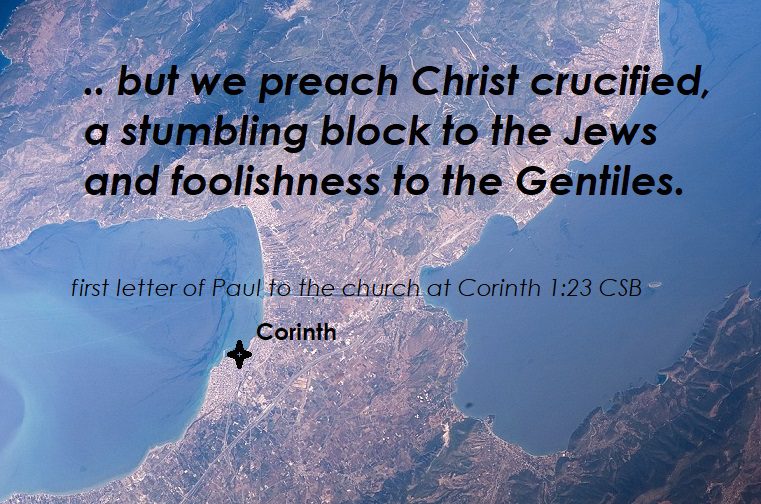
    .. but we preach Christ crucified, to Jews a stumbling block, and to Gentiles foolishness..

    1 Corinthians 1:23
    Times of Difficulty – from 9/11/2017

    Remembering the souls of the victims of 9/11/2001.

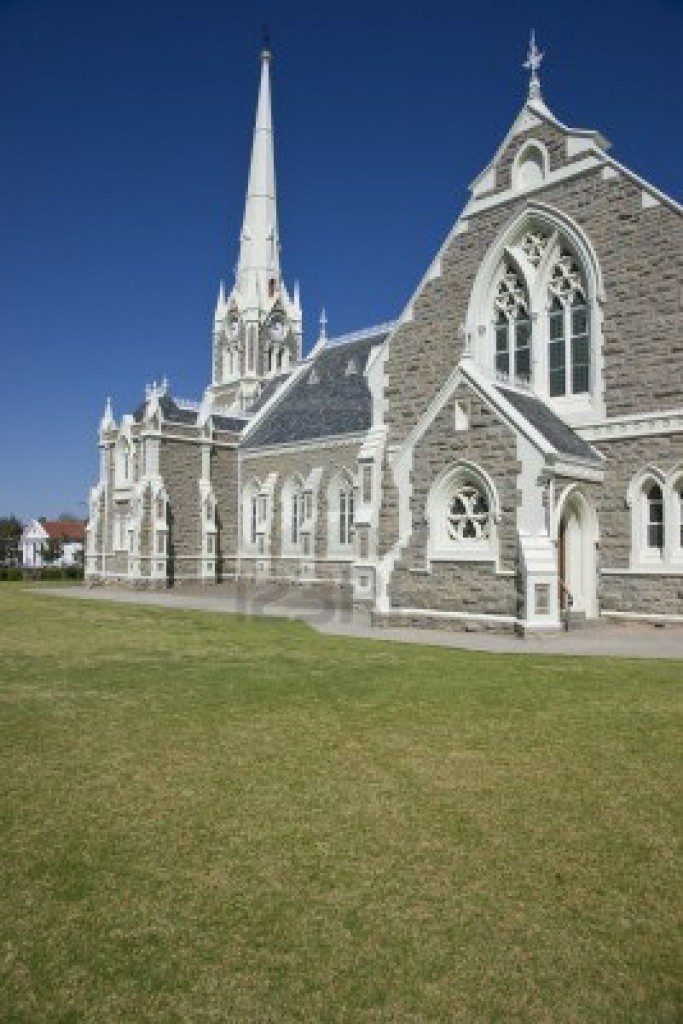
    church building

    An unbeliever walks into your church and what do they seek?

    • Good teaching for their kids?
    • Perhaps a trendy King opening heaven’s wide gate?

    Does your Shepherd preach Christ Jesus?

    The Apostles did!

    They preached the Lord Jesus Christ faithfully, even though the first century church faced some of the same challenges we do.

    Peter – Preaching Christ to believers in Sodom

    Simeon Peter, a servant and an apostle of Jesus Christ:

    To those who have received a faith equal to ours through the righteousness of our God and Savior Jesus Christ.

    2 Peter 1:1 CSB

    Simon Peter, who had denied Christ three times during the Lord’s trial but was then restored by Jesus after the resurrection, introduces himself as a servant [bond-servant] and Apostle of Jesus Christ. He speaks of Jesus in the present tense, for Christ has shown Himself to many alive and risen from death!

    Peter is a bond-servant of the Living God in the Person of Christ Jesus. And the Apostle writes not to all, but to those chosen by God to receive ‘the righteousness of our God and Savior Jesus Christ.’

    2 May grace and peace be multiplied to you through the knowledge of God and of Jesus our Lord.

    Peter builds up believers in their faith, assuring them:

    18 We ourselves heard this voice when it came from heaven while we were with him on the holy mountain.

    THE JUDGMENT OF FALSE TEACHERS

    The Apostle then cautions the church of false teaching.

    YES, even from the first days of Christ’s Church, built on a foundation of His Apostles, some sought to destroy the Good News of the Lord’s resurrection and restoration of sinners by distorting the way, the truth and the life of Christ Jesus our Lord.

    Peter warns:

    There were indeed false prophets among the people, just as there will be false teachers among you.

    They will bring in destructive heresies, even denying the Master who bought them, and will bring swift destruction on themselves. Many will follow their depraved ways, and the way of truth will be maligned because of them.

    2 Peter 2:1-2 CSB

    The King James Version then pointedly follows Peter’s warning translated thusly:

    And through covetousness shall they with feigned words make merchandise of you: whose judgment now of a long time lingereth not, and their damnation slumbereth not.

    2 Peter 2:3 KJV

    Thou Shalt Not Covet. Do you remember the Commandment?

    • greedy desire to have more, covetousness, avarice

    These false teachers with insincere words make merchandise of those who would believe Christ Jesus.

    Then the Apostle Peter uses the strongest language of their inevitable demise:

    and their damnation slumbereth not.

    The Lord Jesus had said (using the same Greek word for damnation):

    Enter ye in at the strait gate: for wide is the gate, and broad is the way, that leadeth to destruction, G684 and many there be which go in thereat:

    Matthew 7:13 KJVStrong’s G684 (damnation)

    Christ then concluded this caution by stating:

    Because strait is the gate, and narrow is the way, which leadeth unto life, and few there be that find it.

    Matthew 7:14 KJV

    FEW find the strait gate and the narrow way leading to eternal life. FALSE teachers WILL NOT teach that, though our Lord Christ Jesus preached this challenging truth.

    Beware of false prophets, which come to you in sheep’s clothing, but inwardly they are ravening wolves.

    Matthew 7:15

    Returning to Peter’s analogy of Sodom

    The Apostle acknowledges the challenges of believers living in a world of sin and disbelief.

    Peter preaches that God cast angels down to hell and did not spare ANY in a sinful world, except Noah and his family.

    For if God did not spare angels when they sinned, but cast them into hell and committed them to pits of darkness, held for judgment; and did not spare the ancient world, but protected Noah, a preacher of righteousness, with seven others, when He brought a flood upon the world of the ungodly; and if He condemned the cities of Sodom and Gomorrah to destruction by reducing them to ashes, having made them an example of what is coming for the ungodly..

    2 Peter 2:4-6 NASB Bolded emphasis mine. – RH

    The Apostle of the Lord Jesus then encourages the church to be faithful, as were Noah and Lot.

    So what is the Apostle’s encouragement to believers who persevere in their own difficult challenges of the first century? (Or, I might add, equally applied for the believer of this 21st century?)

    .. and if He rescued righteous Lot, who was oppressed by the perverted conduct of unscrupulous people..

    .. then the Lord knows how to rescue the godly from a trial, and to keep the unrighteous under punishment for the day of judgment, and especially those who indulge the flesh in its corrupt passion, and despise authority.

    2 Peter 2:7, 9a NASB20 Bolded emphasis mine. – RH

    A (parenthetical) pain of the righteous

    We are righteous in Christ Jesus, beloved believer, (though we were condemned as sinners).

    • Did you notice my omission of verse (8) above from Peter’s encouragement?

    Here the Apostle shows our empathy for Lot as he lived in Sodom.

    (for by what he saw and heard that righteous man, while living among them, felt his righteous soul tormented day after day by their lawless deeds)

    2 Peter 2:8 NASB20 – speaking of Lot living in Sodom before its destruction by the LORD
    • Is the city of your church a Sodom of sorts?
    • (Of course it is.) Here we feel the same compassion for Lot which Peter points out.

    Further Description of False Teachers

    For your own instruction you may want to read some characteristics of false teachers who will not preach Christ Jesus crucified and risen. READ the rest of the Apostle Peter’s second letter {below}.

    2 Peter 2-3

    Then consider if YOUR church, your Bible study, your ‘church group,’ and the children’s ministry of YOUR church all preach Christ Jesus.

    The Lord Jesus’ Apostle, Simon Peter closes his letter to the church with this:

    17 Therefore, dear friends, since you know this in advance, be on your guard, so that you are not led away by the error of lawless people and fall from your own stable position.

    But grow in the grace and knowledge of our Lord and Savior Jesus Christ.

    To him be the glory both now and to the day of eternity.

    Second Letter of the Apostle Peter to the Church 3:18 CSB

    Paul – Peaching Christ to Believers in Sodom

    Paul, Apostle to the gentiles, though a rabbinically trained Jew of high learning, Paulos of Tarseus {his Greek name}, after encountering Christ Jesus personally on a road to Damascus, also wrote to the Church with encouragement and cautions against false teachers.

    In an intellectual environment of Athens where Paul could well have debated hours on end with its idolatrous and worldly philosophers and political leaders, this Apostle to the gentiles chose to defend Jesus Christ our risen Lord as ‘the unknown god.’

    • IS CHRIST JESUS the unknown god in YOUR city?
    • Who do you preach in your church?
    • Do you preach Christ OR some unknown ‘Jesus?

    We glance back at scenes of the Son of Man, Christ Jesus, walking with Peter and the Twelve throughout all of Galilee, Samaria, Judea and other places – bringing the Good News to all who would believe.

    Many of us who grew up in the instruction of a faithful church heard stories of evangelists like John Wesley and others riding further distances into unknown towns on horseback, preaching Christ Jesus and planting churches. These faithful preachers of Christ followed a model of the Apostle Paul of the first century Church.

    Some even sailed into new lands as did Paul.

    So whether in Athens, Corinth, Rome, London, New York, Washington DC — even Cincinnati or the ‘sin city’ where you reside:

    We see Sodom in the mirror of our neighborhood, don’t we?

    Dubai buildings lit at night

    Dubai is a city and emirate in the United Arab Emirates known for luxury shopping, ultramodern architecture and a lively nightlife scene. Burj Khalifa, an 830m-tall tower, dominates the skyscraper-filled skyline.

    Source: Google Maps – Photo – Pexels.com

    Acts 17:

    16 Now while Paul waited for them at Athens, his spirit was stirred in him, when he saw the city wholly given to idolatry.

    .. The God who made the world and everything in it —he is Lord of heaven and earth—does not live in shrines made by hands. Neither is he served by human hands, as though he needed anything, since he himself gives everyone life and breath and all things..

    So having overlooked the times of ignorance, God is now proclaiming to mankind that all people everywhere are to repent, because He has set a day on which He will judge the world in righteousness through a Man whom He has appointed, having furnished proof to all people by raising Him from the dead.”

    Acts 17:30-31 NASB

    The Apostle preaches to the idolaters of their ignorance of the Living God! Paul then preaches God’s mercy in overlooking their past sins. And the Apostle to the gentiles warns:

    God is now proclaiming to mankind that all people everywhere are to repent, because He has set a day on which He will judge the world in righteousness through a Man whom He has appointed, having furnished proof to all people by raising Him from the dead.”

    This ‘unknown god’ to those on Mars Hill who sought Paul’s teachings is the Lord Jesus Christ.

    Does your church preach THAT?

    So we hear Paul preach Christ crucified and risen from city to city.

    Those young saints of the first century Church did repent and believe in the Lord. They often suffered and frequently died for their faith — a true faith in the One God and risen Lord Jesus Christ — NOT an idolatrous faith in a god of war (Mars), a temple prostitute priestess, or a false prophet promising sinful bliss.

    Paul – Writing to the saints in Sodom

    Again, I direct our look back at Scripture to understand the heart of those preaching the Gospel of Jesus Christ.

    (Oh, how our Lord was so grieved over an unrepentant Jerusalem and all the other cities which witnessed the many proofs (signs and miracles) of the Son of Man, the Messiah Jesus.)

    As the Apostle to the gentiles sustains the saints of The Way, Paul writes to believers in cities such as Corinth.

    (Of course Athens and Rome were NOT the only sin cities of Paul’s missionary journeys.) The manifest sin of these cities tormented Paul’s heart as such unrighteous men had troubled Noah and Lot and in the Apostles’ time, Christ Jesus.

    The city of Corinth was prominent in the first century. It is located in Greece on an isthmus between the Aegean and Ionian Seas, which guaranteed its importance both militarily and commercially. Corinth was the capital of the Roman province Achaia. It was a prosperous city but also known for its immorality. Because of Corinth’s sordid reputation, a new Greek word was coined, korinthiazomai, which meant “to live immorally like a Corinthian.”

    https://www.gotquestions.org/church-in-Corinth.html

    Paulos, To the ekklēsia theos (church of God) at Korinthos,

    • to those who have been sanctified in Christ Jesus,
    • saints by calling,
    • with all who in every place
    • call on the name of our Lord Jesus Christ, their Lord and ours:

    Do you have ANY question to whom Paul writes?

    TO the saints of the church of God, separated TO GOD in Christ Jesus — those brothers and sisters of the Church who Name (also as He IS for us) Jesus Christ Lord.

    • (It is not an earthly name; i.e. Caesar, King, Governor, Prefect, Premier, President, Emperor, Iman or Pope.)

    χάρις ὑμῖν καὶ εἰρήνη ἀπὸ θεοῦ πατρὸς ἡμῶν καὶ κυρίου Ἰησοῦ Χριστοῦ

    Grace to you and peace from God our Father and the Lord Jesus Christ.

    1 Corinthians 1:3
    • The Apostle Paul speaks of Jesus by Name forty-three [43] times in his two letters to the Corinthians.
    • He calls our Savior Jesus Christ (meaning Yeshua the Messiah to Jews) seventeen [17] times AND
      • Christ Jesus an additional nine [9] times,
      • once adding ‘the Son of GodChrist Jesus, who was preached among you by us..’
    • Paul’s frequent reference to our Master (and his, as a ‘bond-servant’) is Lord Jesus Christ [49 times in 15 verses] & specifically eight times in 1 Corinthians, as well as four times in 2 Corinthians.
    • The Apostle further makes some of his most pointed arguments for our Lord Jesus using His Messianic title in Greek: Christ.
    • The Church will always hear Paul preach Christ Jesus. The Apostle always serves our Lord Jesus testifying to the truth of His Gospel.

    1 Corinthians 15:

    NASB; KJV; CSB; ΠΡΟΣ ΚΟΡΙΝΘΙΟΥΣ Α΄ 15
    SBL Greek New Testament

    12 Now if Christ is preached, that He has been raised from the dead, how do some among you say that there is no resurrection of the dead?

    Paul frequently warns of the false teachers who preach this heresy boldly or in the guise of interpreting ‘God’s word.’

    .. no resurrection of the dead? 13 But if there is no resurrection of the dead, then not even Christ has been raised; 14 and if Christ has not been raised, then our preaching is in vain, your faith also is in vain.

    “IF,’ Paul preaches — IF these things are true, THEN the Gospel of Jesus Christ is false. YET some false ‘christian’ denominations preach and teach this heresy.

    Paul says in effect, “You may as well go home and stop calling your self a ‘christian’ or a ‘believer.’

    .. 16 For if the dead are not raised, then not even Christ has been raised; 17 and if Christ has not been raised, your faith is worthless; you are still in your sins.

    You know what some preach? No resurrection to the judgment or condemnation to hell. Sounds nice, doesn’t it?

    But IF God is good and just, how can He just save all to heaven (if indeed life beyond the grave is even possible)?

    Many are the heresies which have crept into ‘christian’ thinking over the millennia of these last days.

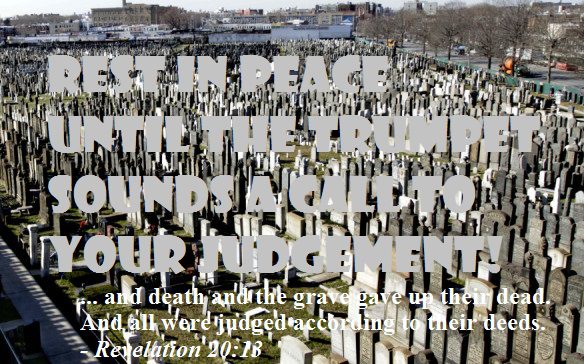
    What about all those funerals?

    18 Then also those who have fallen asleep in Christ have perished. 

    19 If we have hoped in Christ only in this life, we are of all people most to be pitied.

    Are we celebrating (a last time) the lives of the dead? OR

    Do our final days and death proclaim Christ?

    But the fact is, Christ has been raised from the dead, the first fruits of those who are asleep..

    1 Corinthians 15:20 NASB

    Do YOU preach Christ?

    & Does your church teach Christ Jesus?

    Paul has much more to say about the Lord Jesus Christ, as do all the Apostles.

    IF you are not fully convinced, dear brother or sister in Christ, READ more of the letters to the Corinthians.

    OR even HEAR 1 Corinthians 15 read from Paul’s letter.

    2 Corinthians 4:

    Aerial view of New York City, in which the World Trade Center Twin Towers is prominent.

    And even if our gospel is veiled, it is veiled to those who are perishing,

    in whose case the god of this world has blinded the minds of the unbelieving so that they will not see the light of the gospel of the glory of Christ, who is the image of God.

    For God, who said, “Light shall shine out of darkness,” is the One who has shone in our hearts to give the Light of the knowledge of the glory of God in the face of Christ.

    2 Corinthians 4:6 NASB20

    .. for the things which are seen are temporal, but the things which are not seen are eternal. For we know that if our earthly tent which is our house is torn down,

    we have a building from God, a house not made by hands, eternal in the heavens.

    2 Corinthians 4:18b-5:1 NASB20

    Second Coming of CHRIST Foretold

    The Gospel of Jesus Christ recorded by Luke

    “And just as it happened in the days of Noah, so will it also be in the days of the Son of Man..

    “It was the same as happened in the days of Lot..

    but on the day that Lot left Sodom, it rained fire and brimstone [burning sulfur] from heaven and destroyed them all.

    “It will be just the same on the day that the Son of Man is revealed [apokalyptō].

    Luke 17:29 NASB20 – Jesus answering as to when the kingdom of God was coming

    He which testifieth these things saith, Surely I come quickly. Amen. Even so, come, Lord Jesus.

    from the Apocalypses [Revelation] of Jesus Christ to the Apostle John 22:20 KJV