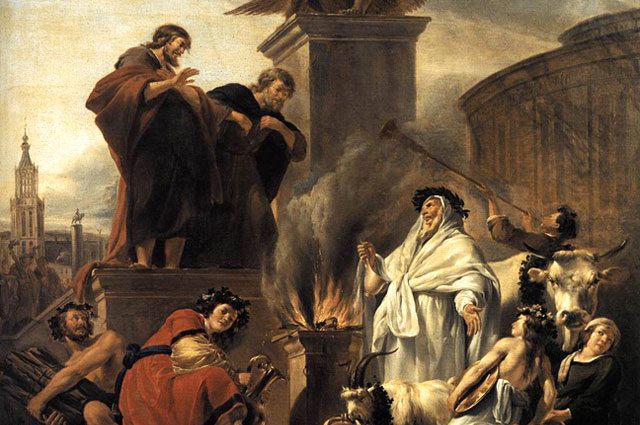
Tag: david

  • The Gatekeeper & the Shepherds

    The Gatekeeper & the Shepherds

    Then the watchman saw another man running; and the watchman called to the gatekeeper and said, “Behold, another man running by himself.”

    And the king said, “This one also is bringing good news.”

    2 Samuel 18:16
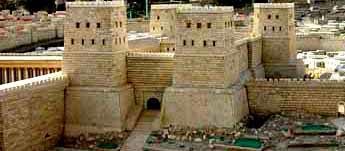
    watchtower at Jerusalem gate
    Watchtowers at gates of old city

    Of Gatekeepers and Watchmen

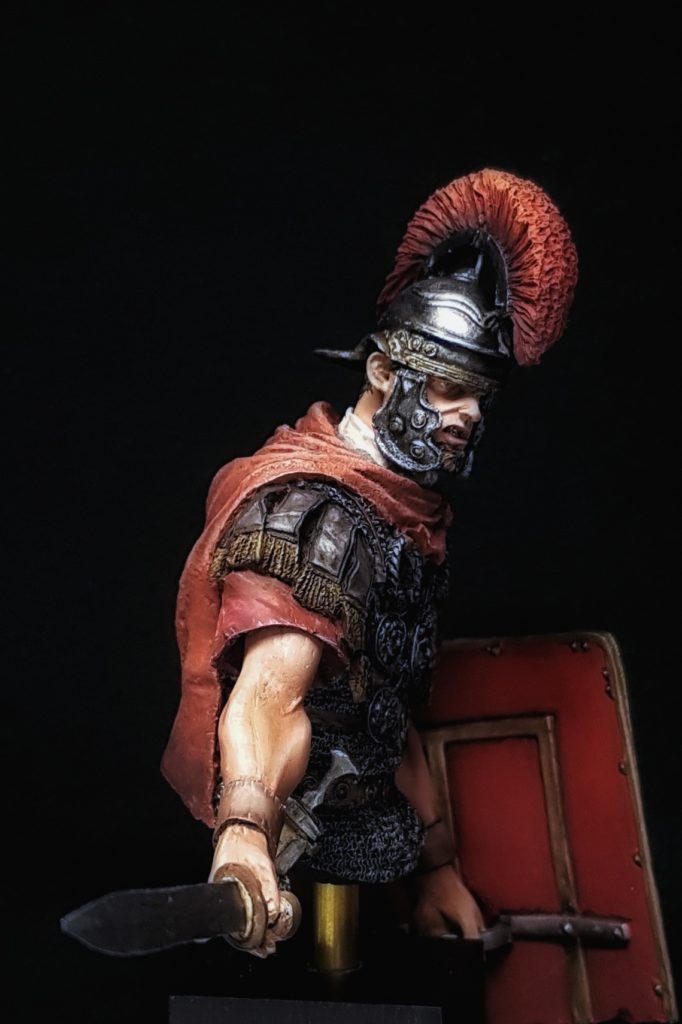
    Soldier of Roman Legion

    It would have been a Roman Centurion, Roman guards at the gates of first century Jerusalem.

    Armed soldiers, some who had marched on Roman roads connecting nearby towns and slaughtering rebellious zealots in the mountain passes guarded the gates.

    As each festival approached with its crowds of pilgrims flooding the streets of Jerusalem, each watchtower with its Roman overseers would look to turn back any threat to their subject-king and their Caesar.

    A Roman guard in each watchtower of Jerusalem would have sent out an alarm if any opponent approached their captive city.

    They were unlike the faithful who worshiped here and the not so casual crowds of curious visitors of this day.

    Damascus Gate of Jerusalem
    • Who approaches our city?
    • Will they enter through the gate by permission of their king (or city leader)?
    • Are they any threat to the Emperor’s representative, our leaders and our Legions?

    Who may enter?

    It was common practice of the people, including shepherds leading sheep for the slaughter of the sacrifice, to travel here from far away hills and trade within Jerusalem’s walls. Then they worshiped within the courts of their Temple, surrounded by walls of watchmen.

    The gatekeeper is much more than a ticket taker, so to speak, a man of authority.

    Please keep in mind the context of John’s gospel in the earthly journey of Jesus and the Apostles to Jerusalem. Although we pause once more in John’s witness of a man born blind, the context of Jesus’ actions set the stage for what will happen next.

    Rome will destroy Jerusalem later, as Babylon and others had destroyed her before. This nervous alliance between a subject king of the region and ruler of Rome governed the day-to-day lives of Judea’s subjects.

    Some mattered more than others. A ruling council guarded their revamped religion and culture: Pharisees, Sadducees, rich landowners paying taxes for the Roman army to remain there in peace.

    They kept pretense of self-rule under Herod as a self-subjugated nation which could be crushed by Rome at any hint of rebellion.

    A Roman legacy of a Judean King

    Back in 19 B.C., Rome had allowed their great builder king to start rebuilding the Temple. Ten thousand skilled laborers and a thousand Levites built it with contributions of Jews mostly from the diaspora to the east just beyond Rome’s grip. It would not be completed until A.D. 63, just seven years prior to their destruction of all Jerusalem. – Source

    Those now in authority choose who may enter Jerusalem. Several acted as gatekeeper for a gate entering the court of the Temple, a designated religious police poised at its gates. And as always, those judged for crimes were sentenced by a court sitting at the gate.

    But now their jewish judgments must be confirmed by Rome’s prefect who cruelly crushed opposition by the constant reminders of their Roman crosses of crucifixion along roads to the city.

    Like always, men of no threat to anyone often sat within the gates begging from faithful pilgrims coming and going into the city.
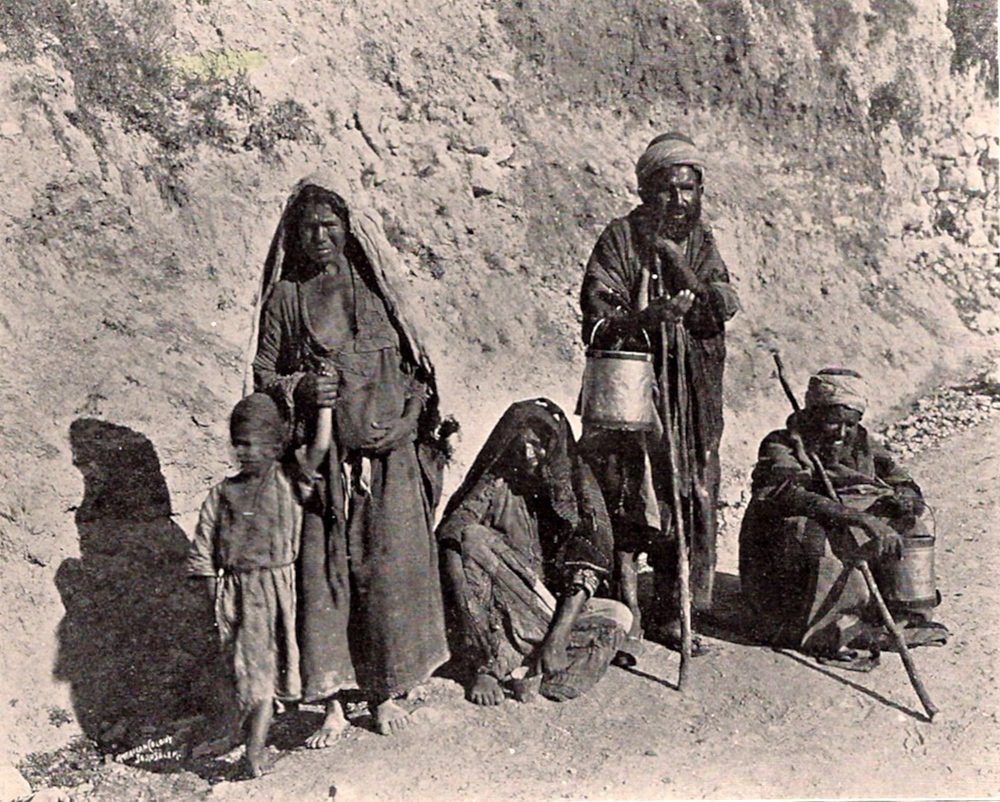
    poor pilgrims to Jerusalem
    “For you always have the poor with you; but you do not always have Me. – the words of Jesus, Matthew 26:11 NASB

    David’s Watchmen

    When David was king, Jerusalem had fought for the LORD rather than bowing down to a Caesar. Yet even David sat as gatekeeper of Israel after opposition by his own son.

    David’s great kingdom long forgotten, Jerusalem’s leaders mustered the crowds toward a new faith of confidence by the name of David, although few remembered David’s defeats and difficulties.

    One such ne’er-told scripture would have been of David’s time after Absalom’s revolt. It was a day not so grandiose as their many reminders to first century crowds of Solomon’s first Temple.

    2 Samuel 18:

    Then David numbered the people who were with him and set over them commanders of thousands and commanders of hundreds…

    So the king stood beside the gate, and all the people went out by hundreds and thousands…

    6 Then the people went out into the field against Israel, and the battle took place in the forest of Ephraim. (Note Ephraim’s earlier loss of the blessing of Jacob.)

    7 The people of Israel were defeated there before the servants of David [Judah], and the slaughter there that day was great, 20,000 men…

    17 They took Absalom and cast him into a deep pit in the forest and erected over him a very great heap of stones. And all Israel fled, each to his tent.

    24 Now David was sitting between the two gates; and the watchman went up to the roof of the gate by the wall, and raised his eyes and looked, and behold, a man running by himself. The watchman called and told the king.

    And the king said, “If he is by himself there is good news in his mouth.”

    And he came nearer and nearer. Then the watchman saw another man running; and the watchman called to the gatekeeper and said, “Behold, another man running by himself.”

    And the king said, “This one also is bringing good news.”

    Why send two?

    Two messengers. King David awaits good news as he sits in the gate as gatekeeper of the City of David.

    Men from the watchtowers above see a distant scene long before David has news of what has happened. Two separate messengers approaching the stronghold of Jerusalem where the people had kept their king behind as gatekeeper.

    Why two? What details of the battle for the LORD will they reveal?

    “O my son Absalom

    The report of hope turns into great sorrow for the king.

    “Let my lord the king receive good news, for the Lord has freed you this day from the hand of all those who rose up against you.”

    “Let the enemies of my lord the king, and all who rise up against you for evil, be as that young man!”

    33 The king was deeply moved and went up to the chamber over the gate and wept.

    Though his victory as King is secured, David would have done anything to have kept his own son from death.

    And thus he said as he walked, “O my son Absalom, my son, my son Absalom! Would I had died instead of you, O Absalom, my son, my son!”

    2 Samuel 19:

    8 So the king arose and sat in the gate. When they told all the people, saying, “Behold, the king is sitting in the gate,” then all the people came before the king…

    After several violent battles between the rebellious tribes of Israel David prevails as king.

    Solomon then becomes Israel’s richest and greatest king, building the Temple of the Lord. But in his old age Solomon falls away from his faith and at his death Israel and Judah once again divide.

    After some centuries both kingdoms fall, the Temple of Solomon destroyed.

    A Babylonian-built Jewish temple

    Perhaps you have never considered that the temple in Jerusalem could never have been rebuilt over the ruble where the Law was found without Persia’s and Babylon’s help. Of course, the LORD made it possible as the LORD had influenced Pharaoh before.

    “Thus says Cyrus king of Persia, ‘The LORD, the God of heaven, has given me all the kingdoms of the earth and He has appointed me to build Him a house in Jerusalem, which is in Judah.

    Ezra 1:2 NASB

    Therefore, ‘in order to fulfill the word of the LORD by the mouth of Jeremiah, the LORD stirred up the spirit of Cyrus king of Persia.’ [Ezra 1:1]

    For every house is built by someone, but the builder of all things is God.

    Hebrews 3:3 NASB

    Therefore, just as the Holy Spirit says,
    “TODAY IF YOU HEAR HIS VOICE,

    DO NOT HARDEN YOUR HEARTS AS WHEN THEY PROVOKED ME,
    AS IN THE DAY OF TRIAL IN THE WILDERNESS…

    Hebrews 3:7-8 NASB

    Nehemiah & Ezra

    Prophets like Isaiah, Jeremiah and Ezekiel warned both Israel and Judah to return to the LORD, but they also provided hope for later faithful generations of God’s faithfulness.

    Although building of the second temple was begun around 516 BC (many centuries after David), it was not completed until about 349 BC under the leadership of Ezra and Nehemiah.

    Then I said to them, “You see the bad situation we are in, that Jerusalem is desolate and its gates burned by fire. Come, let us rebuild the wall of Jerusalem so that we will no longer be a reproach.”

    Nehemiah 2:17 NASB

    Again, note the passage of time and the patience of the LORD in completing His plan of redemption.

    Nehemiah 4:

    He [Sanballat] spoke in the presence of his brothers and the wealthy men of Samaria and said,

    “What are these feeble Jews doing?

    Are they going to restore it for themselves? Can they offer sacrifices? Can they finish in a day? Can they revive the stones from the dusty rubble even the burned ones?”

    The importance of gatekeepers guarding the gates of the faith, as well as the city continued as it had since the time of David and traditions of Moses.

    1 Chronicles 9

    A century before the beginning of the rebuilding of the temple

    … And Judah was carried away into exile to Babylon for their unfaithfulness.

    17 Now the gatekeepers were Shallum and Akkub and Talmon and Ahiman and their relatives (Shallum the chief being stationed until now at the king’s gate to the east)…

    20 Phinehas the son of Eleazar was ruler over them previously, and the Lord was with him. Zechariah the son of Meshelemiah was gatekeeper of the entrance of the tent of meeting. All these who were chosen to be gatekeepers at the thresholds were 212.

    The Pharisees and priests (Levites) of the rebuilt temple of the first century had legitimacy of guarding the purity of the faith of the LORD.

    Now the leaders of the people lived in Jerusalem, but the rest of the people cast lots to bring one out of ten to live in Jerusalem, the holy city, while nine-tenths remained in the other cities.

    Nehemiah 11:1 NASB

    Isaiah 60:

    ק֥וּמִי א֖וֹרִי כִּ֣י בָ֣א אוֹרֵ֑ךְ וּכְב֥וֹד יְהוָ֖ה עָלַ֥יִךְ זָרָֽח׃

    2 כִּֽי־הִנֵּ֤ה הַחֹ֙שֶׁךְ֙ יְכַסֶּה־אֶ֔רֶץ וַעֲרָפֶ֖ל לְאֻמִּ֑ים וְעָלַ֙יִךְ֙ יִזְרַ֣ח יְהוָ֔ה וּכְבוֹד֖וֹ עָלַ֥יִךְ יֵרָאֶֽה׃

    We will next return to first century Jerusalem, but first hear the words of the Prophet Isaiah. (Without knowing their context you may have heard them before.)

    Arise, shine;
    For your light has come!
    And the glory of the Lord is risen upon you.

    The Gentiles shall come to your light,
    And kings to the brightness of your rising.
    “Lift up your eyes all around, and see:
    They all gather together, they come to you;
    Your sons shall come from afar,
    And your daughters shall be nursed at your side.
    Then you shall see and become radiant,
    And your heart shall swell with joy…

    Yet previously Isaiah the Prophet had warned:

    His watchmen are blind,
    All of them know nothing.
    All of them are mute dogs unable to bark,
    Dreamers lying down, who love to slumber;
    And the dogs are greedy, they are not satisfied.

    And they are shepherds who have no understanding;
    They have all turned to their own way,
    Each one to his unjust gain, to the last one.

    Into this same Jerusalem the Messiah Jesus enters the gates, encounters the watchmen and shepherds of Herod. Among other signs the Lord gives a man blind from birth his sight!

    Could the LORD have sent a new gatekeeper of heaven to Jerusalem?

    To be continued...
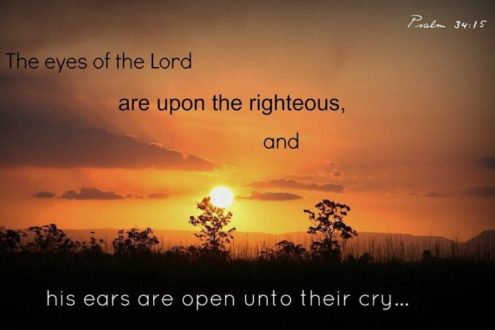
  • Psalm 34: Like-minded with Peter – 5

    Psalm 34: Like-minded with Peter – 5

    We might describe Peter and David as like-minded, that is, men after God’s own heart.

    Of course, Psalm 34 is a Psalm of David. So what does this Psalm have to do with a letter from Peter (where we left off previously by asking, ‘Why Submit?’)?

    Psalm 34 would have been familiar to first century believers and Peter quotes David’s message as a unifying foundation of hope for these new believers in Christ.

    1 Peter 3:

    8 Finally, all of you be like-minded and sympathetic, love one another, and be compassionate and humble, 9 not paying back evil for evil or insult for insult but, on the contrary, giving a blessing, since you were called for this, so that you may inherit a blessing.

    Stick with this short list of characteristics of relationships between believers.

    • like-minded
    • sympathetic
    • love one another
    • be compassionate
    • be humble
    • do not return evil for evil
    • never insult
    • bless your brother or sister in Christ.

    Remember the church’s persecution as exiles and their hope from many familiar stanzas of this Psalm Peter does not even mention. We have much to unpack from Peter’s instruction to the church here.

    For now, because he moves on to the Psalm and we most likely lack the familiarity of the first century believers, I will attempt to open the scripture of Psalm 34, returning later to Peter’s letter.

    Psalm 34

    Introduction to Psalm 34

    Charles Spurgeon provides some helpful insight into this Psalm.

    Although the gratitude of the psalmist prompted him thankfully to record the goodness of the Lord in vouchsafing an undeserved deliverance, yet he weaves none of the incidents of the escape into the narrative, but dwells only on the grand fact of his being heard in the hour of peril…

    David in view of the special peril from which he was rescued, was at great pains with this Psalm, and wrote it with considerable regularity, in almost exact accordance with the letters of the Hebrew alphabet.

    C.H. Spurgeon

    Spurgeon also helpfully points out that this Psalm of David divides into two parts: a hymn [vs.1-10] and a sermon [vs.11-22].

    Have you ever been in such a situation as David when your life as you know it is at stake? Did you praise the Lord for saving you?

    Perhaps this hymn was sung by the persecuted first century church. And maybe the church receiving Peter’s letter already knew well the sermon David preaches. From this context the Apostle’s recalls Psalm 34 in his first letter to the church.

    I will bless the Lord at all times

    [[A Psalm of David, when he changed his behaviour before Abimelech; who drove him away, and he departed.]]

    לְדָוִ֗ד בְּשַׁנֹּותֹ֣ו אֶת־֭טַעְמֹו לִפְנֵ֣י אֲבִימֶ֑לֶךְ וַֽ֝יְגָרֲשֵׁ֗הוּ וַיֵּלַֽךְ׃ אֲבָרֲכָ֣ה אֶת־יְהוָ֣ה בְּכָל־עֵ֑ת תָּ֝מִ֗יד תְּֽהִלָּתֹ֥ו בְּפִֽי׃

    Psalm 34:1 WLC

    I will bless the LORD at all times;
    His praise shall continually be in my mouth. – Psalm 34:1 NKJV

    Most contemporary Christians know that David was a man after God’s own heart. Certainly the newly founded and persecuted church to whom Peter wrote knew the same. Bless the LORD at all times! It is a good start.

    3 O magnify the Lord with me,
    And let us exalt His name together.
    4 I sought the Lord, and He answered me,
    And delivered me from all my fears.

    6 This poor man cried, and the Lord heard him
    And saved him out of all his troubles.
    7 The angel of the Lord encamps around those who fear Him,
    And rescues them.

    Spurgeon commentary – Psalm 34:6

    Once again Spurgeon relates David’s verse from from the Psalm in a way Peter also knew would resonate with Christians in fear for their lives.

    Verse 6. “This poor man cried.” Here he returns to his own case. He was poor indeed, and so utterly friendless that his life was in great jeopardy; but he cried in his heart to the protector of his people and found relief. His prayer was a cry, for brevity and bitterness, for earnestness and simplicity, for artlessness and grief; it was a poor man’s cry, but it was none the less powerful with heaven, for “the Lord heard him,” and to be heard of God is to be delivered; and so it is added that the Lord “saved him out of all his troubles.”

    Peter then refers to this next stanza [in 1 Peter 3:10]:

    8 O taste and see that the Lord is good;
    How blessed is the man who takes refuge in Him!

    Psalm 34:8 NASB

    Peter’s Psalm 34 Sermon

    Peter urges the men of the church to whom he writes:

    1 Peter 3:

    10 For the one who wants to love life
    and to see good days,
    let him keep his tongue from evil
    and his lips from speaking deceit,
    11 and let him turn away from evil
    and do what is good.
    Let him seek peace and pursue it,

    Keep your tongue from evil, Peter urges. Also turn away from evil to do what is good. Pursue peace (with each other, between members of the church).

    12 because the eyes of the Lord are on the righteous
    and his ears are open to their prayer.

    This too is from the Psalm [v.15].

    Do you, beloved believer, pray to the Lord? His eyes look toward the righteous.

    Are your actions now righteous because of Christ? His ears are open to your prayers; therefore pray to the Lord in whom you now take refuge. Taste and see that the Lord is good.

    And a reminder from Peter as he continues quoting from Psalm 34 [v.16]:

    But the face of the Lord is against
    those who do what is evil.

    1 Peter 3:12b CSB

    This is actually encouraging to those who have turned to the Lord. For in Christ we no longer want to do what is evil.

    The vengeance of the Lord will prevail against the enemies of God, as when David called on the Lord for help. Again, this Psalm of David will be familiar to the persecuted church of the first century.

    Psalm 34 beyond Peter’s quote

    9 O fear the Lord, you His saints;
    For to those who fear Him there is no want.

    Do we realize that all like-minded servants of the Lord are referred to as saints?

    11 Come, you children, listen to me;
    I will teach you the fear of the Lord.
    12 Who is the man who desires life
    And loves length of days that he may see good?

    Like Peter, the Apostle John also encourages the church. We are called to be like-minded faithful, ‘children of God.’

    But as many as received Him, to them He gave the right to become children of God, even to those who believe in His name

    John 1:12 NASB

    When Peter earlier referred to ‘not paying back evil for evil or insult for insult‘ his advise came from Psalm 34 and other scripture.

    13 Keep your tongue from evil
    And your lips from speaking deceit.
    14 Depart from evil and do good;
    Seek peace and pursue it.

    15 The eyes of the Lord are toward the righteous
    And His ears are open to their cry.
    16 The face of the Lord is against evildoers,
    To cut off the memory of them from the earth.
    17 The righteous cry, and the Lord hears
    And delivers them out of all their troubles.
    18 The Lord is near to the brokenhearted
    And saves those who are crushed in spirit.

    Like-minded believers

    What do the faithful do with Scripture?

    Peter’s readers applied Old Testament Scripture to the promises of their faith in Christ Jesus.

    The Lord has done this before and the Lord promises these things; therefore we have faith.

    David, a man after God’s own heart, preaches the sermon of Psalm 34 to the church. Yet first century persecuted followers of Christ probably seemed just as crazy to others as David had when he pretended madness before Abimelech.

    The Psalmist assures us that God hears the cries of the righteous and sees our suffering. Furthermore, the Lord prevailed and saved David.

    The Lord also saves us in spite of humanly impossible circumstances many times; therefore the faithful hear:

    Psalm 34:21 Evil shall slay the wicked,
    And those who hate the righteous shall be condemned
    22 The Lord redeems the soul of His servants,
    And none of those who take refuge in Him will be condemned

    Is your soul saved?

    The Lord redeems the soul of His servants.

    Are you a servant of the Lord? Will you become like-minded with Jesus in suffering?

    Do you take refuge in the Lord Jesus Christ?

    Once again, turning to the preaching of Spurgeon:

    “The Lord redeemeth the soul of his servants”—with price and with power, with blood and with water. All providential helps are a part of the redemption by power, hence the Lord is said still to redeem. All thus ransomed belong to him who bought them—this is the law of justice and the verdict of gratitude. Joyfully will we serve him who so graciously purchases us with his blood, and delivers us by his power. “And none of them that trust in him shall be desolate.” Faith is the mark of the ransomed, and wherever it is seen, though in the least and meanest of the saints, it ensures eternal salvation. Believer, thou shalt never be deserted, forsaken, given up to ruin. God, even thy God, is thy guardian and friend, and bliss is thine.

    Charles Spurgeon commentary Psalm 34:22

    Peter continues

    Beloved brothers and sisters in Christ, Peter asks, are you all these things in Christ?

    • like-minded and sympathetic?
    • Do you love one another?
    • Are you compassionate and humble?

    Peter will continue by asking the church to be Christlike.

    • Do not return evil for evil and never insult anyone.
    • Bless your brother or sister in Christ.

    Do good, even if you suffer for it.

    If we are in Christ we must be like-minded. For we are now children of the Living God through Christ Jesus!

    Do not fear what they fear; do not be terrified.

    Isaiah 8:12b;1 Peter 3:14b CSB
    To be continued...
  • My love – 2 – Friendship

    My love – 2 – Friendship

    A friend loves at all times,
    and a brother is born for adversity. – Proverbs 17:17

    [Eleanor Rigby] All the lonely people… where do they all come from?

    Are you one of them (at least sometimes in your chaotic busyness)? I think we all are at times; yet not for a lifetime, I pray.

    Can you think of any love more important and personal in those times when you need compassion, empathy and perhaps even an embrace of love? Is any relationship on the planet more necessary to you at that moment than the support of a friend?

    facebook unfriendedHistory and the Bible retell many stories of the great love of friendship. Like the word ‘love,’ we have also cheapened the very love of friendship, philia, or brotherly love. Wisdom and the pens of poets caution us against ignoring, confusing or devaluing the true love of friendships God would put in our lives.

    Faithful are the wounds of a friend;
    profuse are the kisses of an enemy. Proverbs 27:6

    Has there been a Judas in your life? Yet the love of a friend loves you when you are wronged, embraces you with kindness and defends you in the battle of righteousness. A loyal friend holds near the double-edged sword of truth.

    Ralph Waldo Emerson “The glory of friendship is not the outstretched hand, not the kindly smile, nor the joy of companionship; it is the spiritual inspiration that comes to one when you discover that someone else believes in you and is willing to trust you with a friendship.” ― Ralph Waldo Emerson
    The incalculable value of your friend is the faithful love of trusted relationship.

    A man of many companions may come to ruin,
    but there is a friend who sticks closer than a brother. – Proverbs 18:14

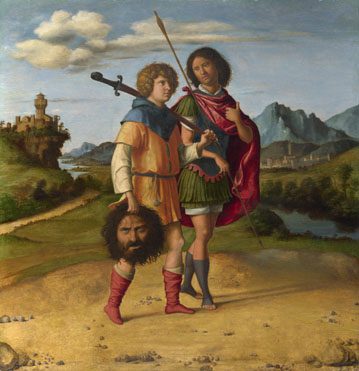
    Jonathan was such a friend to David, who would not have become King of Israel without him. Jonathan was a hero to Israel even before David slayed Goliath (many of us will not recall).

    1 Samuel 13:3 Jonathan defeated the garrison of the Philistines that was at Geba, and the Philistines heard of it. And Saul blew the trumpet throughout all the land, saying, “Let the Hebrews hear.”

    Jonathan, son of Saul, was in line to be King.

    1 Samuel 17:

    cima-da-conegliano-david-jonathan-NG2505-fm57 And as soon as David returned from the striking down of the Philistine, Abner took him, and brought him before Saul with the head of the Philistine in his hand. 58 And Saul said to him, “Whose son are you, young man?” And David answered, “I am the son of your servant Jesse the Bethlehemite.”

    18:1 As soon as he had finished speaking to Saul, the soul of Jonathan was knit to the soul of David, and Jonathan loved him as his own soul. 2 And Saul took him that day and would not let him return to his father’s house. 3 Then Jonathan made a covenant with David, because he loved him as his own soul. 4 And Jonathan stripped himself of the robe that was on him and gave it to David, and his armor, and even his sword and his bow and his belt.

    The high value of David’s love for Jonathan and the love of Jonathan for David is well-documented in the many encounters between Saul and David prior to Saul’s death and David’s God-anointed ascent to the throne.

     Are you a friend like Jonathan to someone you love?

    Jesus was a friend to His Apostles.

    John 15

     12 “This is my commandment, that you love one another as I have loved you. 13 Greater love has no one than this, that someone lay down his life for his friends. 14 You are my friends if you do what I command you. 15 No longer do I call you servants, for the servant does not know what his master is doing; but I have called you friends, for all that I have heard from my Father I have made known to you.

    Imagine, a friend and equal to Jesus! This is the great humility of God. This is the greatest love of all, that He makes us once more His friends and commands us to love each other.

    17 These things I command you, so that you will love one another.

    Friendship!

    This love is the relationship of the church, modeled many times in the Acts of the Apostles and the letters. Perhaps a favorite early unlikely friendship is the one which brought Saul of Tarsus and Barnabas together as friends in the Lord. Here is the beginning of Saul’s story after seeing the risen Christ (you may remember):

    Acts 9

    Saul in Jerusalem
    26 And when he had come to Jerusalem, he attempted to join the disciples. And they were all afraid of him, for they did not believe that he was a disciple. 27 But Barnabas took him and brought him to the apostles and declared to them how on the road he had seen the Lord, who spoke to him, and how at Damascus he had preached boldly in the name of Jesus. 28 So he went in and out among them at Jerusalem, preaching boldly in the name of the Lord.

    Barnabas took Paul to Cypress to his home for their first missionary journey. When Peter heard of the gentiles receiving the Holy Spirit, the church sought out Paul, who would become known as the Apostle to the gentiles.

    Acts 11

    21 And the hand of the Lord was with them, and a great number [of gentiles or Hellenist Greeks] who believed turned to the Lord. 22 The report of this came to the ears of the church in Jerusalem, and they sent Barnabas to Antioch. 23 When he came and saw the grace of God, he was glad, and he exhorted them all to remain faithful to the Lord with steadfast purpose, 24 for he was a good man, full of the Holy Spirit and of faith. And a great many people were added to the Lord.

    25 So Barnabas went to Tarsus to look for Saul, 26 and when he had found him, he brought him to Antioch. For a whole year they met with the church and taught a great many people. And in Antioch the disciples were first called Christians.

    Acts 14: Barnabas & Paul refuse to be worshiped as gods in Lystra after God performs a miracle through them.
    Acts 14: Barnabas & Paul refuse to be worshiped as gods in Lystra after God performs a miracle through them.

    And later, in Jerusalem:

    Acts 15:12 And all the assembly fell silent, and they listened to Barnabas and Paul as they related what signs and wonders God had done through them among the Gentiles.

    It is a lasting friendship, a faithful love, that blesses the life of a Christian (even that of an unbeliever, who my be won by your faithfulness to God).

    The Letter of Paul to the Galatians:

    2:1 Then after fourteen years I went up again to Jerusalem with Barnabas, taking Titus along with me.

    My love, my friend: my dear brother, my dear sister in our Lord and savior Jesus Christ,

    Do you have a friend you love in the Lord?

    We should, in fact, have more than one love, a fellow like-minded believer.

    Do you LOVE your church friend? Do you hear in your heart and soul the command of our Lord and friend, Christ Jesus?

    To be continued