Tag: death

  • The Curse of Disease and Death – 2

    The Curse of Disease and Death – 2

    Moses, Privilege of the Wilderness

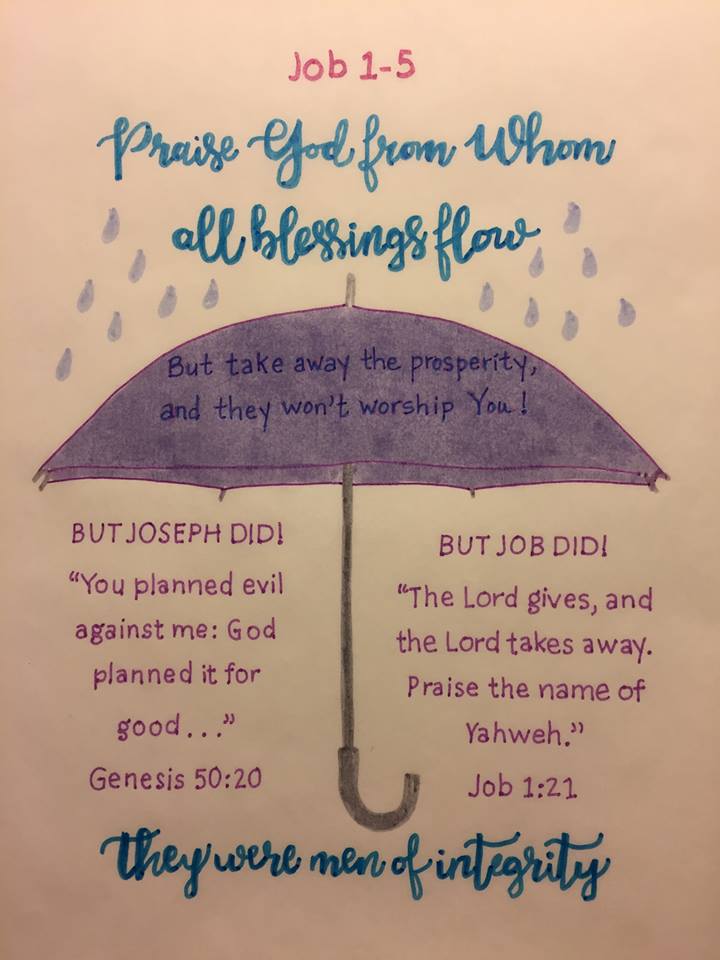
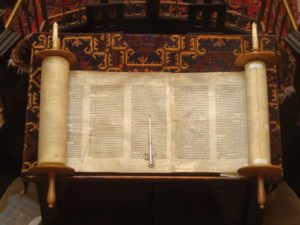
    In part one of this series about our attitude toward disease and death we briefly examined a story from the oldest book of the Bible, Job. Job was well-to-do, he had then lost nearly everything including his health, yet he blessed the Lord. תּוֹרָה‎Today we examine part of a too-familiar story from the Pentateuch [Torah ], written by Moses. The Book of the Law, or the first five books of the Bible, are written about the Lord and relationship to man (adam), but within this story we find a man not unlike Job, a man of privilege and wealth, Moses.
    Moses may have been the most learned man on earth in his day, raised as a prince of privilege in a palace of a most powerful man who accumulated wealth and knowledge from the many corners of the world he ruled, conquered or traded. The house of Pharaoh, a throne perhaps to which Moses could have ascended upon his death, was a Rome on the Nile to which the peoples of the land looked in worship.

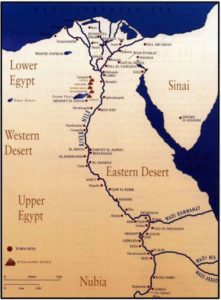
    Egypt of MosesMoses, Prince of Egypt, ruled over the important day-to-day projects in the extensive north-to-south agricultural empire whose glory was tied to management of the rich resources of the 4,160 mile [6670 km] long Nile River.

    Moses gave up much, first in fleeing for his life at age forty and later in returning at age eighty to challenge Pharaoh at the urging of the Lord, only to be led to live in the wilderness of Sinai for forty more years.

    The Torah breezes quickly over typically the most notable years of a man’s life to tell most about Moses’ life after age eighty.

    [ctt title=”The Torah is five Books about the LORD, not a book about Moses.” tweet=”תּוֹרָה‎” coverup=”U9Qna”]

    Exodus 2:

    Moses Flees to Midian

    11 One day, when Moses had grown up, he went out to his people and looked on their burdens…

    21 And Moses was content to dwell with the man [Jethro, Priest of Midian], and he gave Moses his daughter Zipporah. 22 She gave birth to a son, and he called his name Gershom, for he said, “I have been a sojourner in a foreign land.”

    God Hears Israel’s Groaning

    23 During those many days the king of Egypt died, and the people of Israel groaned because of their slavery and cried out for help. Their cry for rescue from slavery came up to God…

    Exodus 3 

    The Burning Bush

    Now Moses was keeping the flock of his father-in-law, Jethro, the priest of Midian, and he led his flock to the west side of the wilderness and came to Horeb, the mountain of God. And the angel of the Lord appeared to him in a flame of fire out of the midst of a bush. He looked, and behold, the bush was burning, yet it was not consumed…


    Most of us are fairly familiar with this part of Moses’ story, yet with minimal thought of his again comfortable life with a wife and children and a good job of shepherd. We fail to remember that much time has passed and Moses has survived his own flight from Pharaoh (father of his adoptive Egyptian mother) to establish a good life in the family of a Hebrew priest.

    Now there is a new Pharaoh, perhaps a son who came to the throne of Egypt who would have grown up with Moses, a son perhaps even jealous of the many talents of the former Prince of Egypt who had fled to Midian so many years before. “Exodus 2:23 During those many days the king of Egypt died…” Easy to have missed this. Time had passed in life as always it will.


    Exodus 3:

    10 “Come, I will send you to Pharaoh that you may bring my people, the children of Israel, out of Egypt.” 11 But Moses said to God, “Who am I that I should go to Pharaoh and bring the children of Israel out of Egypt?” 12 He said, “But I will be with you, and this shall be the sign for you, that I have sent you: when you have brought the people out of Egypt, you shall serve God on this mountain.”

    Moses is about to become (after a time) a man higher than the LORD’s High Priest, a mortal standing before the Lord as Adam had been in the very presence of the LORD! Yet first, much time would pass both in Egypt and in the wilderness.

    Exodus 4:19-20

    And the LORD said to Moses in Midian, “Go back to Egypt, for all the men who were seeking your life are dead.” So Moses took his wife and his sons and had them ride on a donkey, and went back to the land of Egypt. And Moses took the staff of God in his hand…

    27 The Lord said to Aaron, “Go into the wilderness to meet Moses.” So he went and met him at the mountain of God and kissed him. 28 And Moses told Aaron all the words of the Lord with which he had sent him to speak, and all the signs that he had commanded him to do.


    Exodus 7:

    Moses and Aaron Before Pharaoh

    And the Lord said to Moses, “See, I have made you like God to Pharaoh, and your brother Aaron shall be your prophet. You shall speak all that I command you, and your brother Aaron shall tell Pharaoh to let the people of Israel go out of his land. But I will harden Pharaoh’s heart, and though I multiply my signs and wonders in the land of Egypt,Pharaoh will not listen to you. Then I will lay my hand on Egypt and bring my hosts, my people the children of Israel, out of the land of Egypt by great acts of judgment.


    We know well the drama to follow: plagues and suffering of both Egyptian and Hebrew. What we may have missed in the big screen dramas is how the Lord used a now ordinary old man (Moses) to lead a suffering people to the promised land. We might not see the humble weakness of old Moses in light of the powerful work the Lord would do by his own hand.

    Now Moses was eighty years old, and Aaron eighty-three years old, when they spoke to Pharaoh.

    This, of course, was prior to the suffering of the plagues to follow or forty more years of a most difficult life dependant on the manna of God in the wilderness of the Sinai.


    Forty years of suffering

    You’ve lived a good life, one longer than most in those days, eighty years. Would you now choose to go out into the desert as leader of a difficult people? Would you now choose to suffer the severe hard life of a nomad refugee in desperate need of water and food, a people without home or shelter?

    Why would God allow this – yes, even command it?

    Like Job, Moses believed the covenant promise of the Lord. God does not always call us to receive double blessing at the end of our life. The Lord does not call us to always extend our years to one hundred and twenty, with sight of the land promised to your sons and daughters.

    If the Lord calls us to suffering, the loss of a child or loved one, the loss of city and home, the devastating loss of health; it is for His own righteous will and the redemption of His own worshipers.

    Are you a worshiper of the Lord God? Would you humble your flesh,  surrender your prideful ‘self?’

    Would you sacrifice your home, your wealth and everything you have ever known before Almighty God? For the LORD IS, He will judge of our souls and redeems the lives of His own. The Lord IS and He has suffered in the flesh for your sins and for mine.


    Jesus has been counted worthy of more glory than Moses—as much more glory as the builder of a house has more honor than the house itself. – Hebrews 3:3


    To be continued…


  • The Curse of Disease and Death

    The Curse of Disease and Death

    We don’t understand death. Illness, disease and all the relatives of pain. These challenge our sense of mortality and question our grasp of purpose.

    Why did God make it this way?

    Wrong question. God created mankind in his image. Sin brought forth death and suffering out of our disobedience to a Father’s command.

    Just like understanding death, we cannot eat of the tree of all knowledge the fruit of what the spirit will endure. Death brings judgment of decay and suffering. But what of the spirit resting, the spirit awakened from death?

    Why a man can hardly understand the fall of adam, let alone the fall of angels. Yet angels and adam rebel against the righteous authority of Almighty God. These fallen ones affect our lives in ways we cannot know. Yet unseen scores of angels answer the righteous beckoning of a loving heavenly Father, who looks upon the mortal and eternal lives of His own.


    A Story of Suffering

    We think we know this oldest of stories of a man whose final blessing we cherish. He received twice the blessing. Fair enough. That’s worth some time when God will not help. Right?

    You don’t really believe that, do you? At least, not if you are the suffering one or the one living every minute with the anguishing pain of a dear loved one. This is the story of Job we quickly overlook on the way to the double-blessed ending.

    Job 1:

    There was a man in the land of Uz whose name was Job, and that man was blameless and upright, one who feared God and turned away from evil.

    Question #1

    Would that be a man like you? Or a woman like you (if that is your gender)? Was Job a man like me?

    Certainly not. I am a sinner time and time again, certainly not ‘blameless‘ nor upright before the Lord God.

    [ctt title=”תָּם – täm – blameless: complete, perfect, sound, wholesome, morally innocent, having integrity” tweet=”How are you doing at ‘blameless’ minute by measured minute of your mortal life?” coverup=”jaG0i”]

    The fallen angel of disobedience challenges God:

    “Does Job fear God for no reason? 10 Have you not put a hedge around him and his house and all that he has, on every side? You have blessed the work of his hands, and his possessions have increased in the land…

    Isn’t that how we pray to the Lord?

    Hedge us in. Protect us. Give us those double blessings. It’s as if our mortal minutes were all about God giving us a gardens of blessings in all that we do.

    Is that why the Lord created man?


    Job’s Bad Day

    Job didn’t bring on his own distress as we often do. Yet put yourself in this loving father’s place as he hears of the fates of the sons and daughters he has raised.

    15 and the Sabeans fell upon them and took them and struck down the servants with the edge of the sword..

    … “Your sons and daughters were eating and drinking wine in their oldest brother’s house, 19 and behold, a great wind came across the wilderness and struck the four corners of the house, and it fell upon the young people, and they are dead, and I alone have escaped to tell you.”

    … the Lord has taken away; blessed be the name of the Lord.” – Job 1:21c

    Would that have been your (blameless) reaction?


    Me neither; but it gets worse. Once again, Satan challenges the Lord at the integrity of Job.

    Job 2:

    “Skin for skin! All that a man has he will give for his life. 5 But stretch out your hand and touch his bone and his flesh, and he will curse you to your face.”

    7 So Satan went out from the presence of the Lord and struck Job with loathsome sores from the sole of his foot to the crown of his head.

    Can you imagine any righteous man suffering like this, though he is blameless? Image the constant suffering, the pain this man endured.

    8 And he took a piece of broken pottery with which to scrape himself while he sat in the ashes.


    11 Now when Job’s three friends heard of all this evil that had come upon him, they came each from his own place…

    12 And when they saw him from a distance, they did not recognize him. And they raised their voices and wept, and they tore their robes and sprinkled dust on their heads toward heaven.

    13 And they sat with him on the ground seven days and seven nights, and no one spoke a word to him, for they saw that his suffering was very great.


    Tragic Suffering

    Have you ever seen it? (Did you for a moment blame God?) Was it your wife, or a parent, perhaps even a child…

    Why such suffering!?

    Job’s friends came to him because of the report of the evil Job was suffering. The story of Job in the Bible clearly not only shows us the unseen origin of Job’s tormentor, the fallen angel Satan, but also describe Job’s suffering as evil.

    רַע

    [ctt title=”The evil of suffering sometimes seems larger than God.” tweet=”Remember, though, the Lord suffered for your sins and for mine.” coverup=”Sm646″]

    Wickedness, mischief, hurt, trouble, affliction, ill, adversity, harm and other suffering often leading to death have nearly disappeared from our mortal consciousness.

    For like good, evil has become a measure of no meaning in the minds of mankind.


    Job goes on to lament his very life. Have we not done that when in great distress? Have we not questioned God’s motives in the suffering of man, especially those nearest our mortal hearts?

    All the lessons of life taught from Moses to the Prophets to the Revelation of Jesus Christ to John show suffering – consequence of the disease of sin, yet a hope of redemption and cure of righteousness, resurrection from the suffering of this fragile flesh.

    To be continued…

  • That Unwelcome Quiet Time

    That Unwelcome Quiet Time

    STRESS!! It consumes, divides and doubles. You would think that a little quiet time would be welcome, but that’s not always the case. In fact, for many of us quiet time may invite the most intimidating minutes of our day.

    A quiet awakening

    I should have welcomed opportunity for more sleep, for my night had been nearly sleepless. Yet after awakening to near silence before dawn I turned off the alarm and remained awake.

    What was on my mind? Everything. And I must confess that my first thought was not,

    This is the day that the LORD has made; let us rejoice and be glad in it.

    Psalm 118:24

    We arose as usual, beginning the necessary routines of each day. The dog stretched and hurried toward the door. Routine, but required, we set out on today’s event full journey. Charlie followed his nose along previously blazed paths oblivious to my attempt of a hurried pace along a cold continuous sidewalk.

    Running from work

    A jogger ran by, buds in her ears and pulse-monitoring watch on her wrist. She tracks more than time and steps. On warmer days I sensed her daily pace, caught in her mini-marathon between school drop-off and her gym or coffee shop. A man drove by in his loud pizza-logoed car, bobbing his head to a beat of some music inside.

    Charlie walked further, but I was no different from these running to and from work. I could have been busy in some song or sense of life’s sprint, but this day all was quiet except multiplying messages of a mind caught up in my ‘what to do next’ and ‘why did I do that.”

    Once I had driven miles between accounts with my mind also cruising well above the speed limit of a time-constrained goal list. I once listened to anything louder than my passing thoughts; nostalgic classics or current upbeat songs by young musicians full of life. Yet work always approached with the day’s music fleeting to where carefree sounds, singing and smiles fade into hope of a different journey.

    As I thought ahead to work I considered a place filled with well-meaning souls, busy building barns most will never see. Eight or so hours without running to places where we have time to count the costs before the laying of foundations of futility.

    An unexpected glimpse at quiet sleep

    Unexplored paths led by tugs of long leash from long-wandered straight paths of purpose, we returned to a road taken by only a few headed to their cul-de-sac of journey’s end.

    A sight behind an open blind of dawn-lit window imprints image of both past and future. The man lay sleeping peacefully in a hospital bed, between his room’s window and rising metal tree with clear bags of liquid extending long lines dripping life into failing flesh and relief into the delay of decay.

    Man is like to vanity: his days are as a shadow that passeth away.

    Psalm 144:4 KJV

    A mere breath, vapour, a fleeting shadow are the lives of mankind. Souls caught in the image of God trapped in failing flesh. What question of man precedes such astute observation though the looking-glass of life?

    יְֽהוָה מָה־אָדָם וַתֵּדָעֵהוּ בֶּן־אֱנֹושׁ וַֽתְּחַשְּׁבֵֽהוּ׃

    O LORD, what is man that you regard him, or the son of man that you think of him?

    PS 144:3

    A second to last death bed

    Psalm 41:

    Blessed is the one who considers the poor!

    In the day of trouble the Lord delivers him;
    2 the Lord protects him and keeps him alive;
    he is called blessed in the land;
    you do not give him up to the will of his enemies.

    3 The Lord sustains him on his sickbed;
    in his illness you restore him to full health.


    Charlie had inadvertently led me to a path where in the near silence of our morning walk I had to remember our path toward a final rest. So many have passed this way before us, yet today in an unwelcome misstep I glanced briefly into my own future as well as a sudden step back into a memory of a deathbed before.

    By the sweat of your face
    You shall eat bread,
    Till you return to the ground,
    Because from it you were taken;
    For you are dust,
    And to dust you shall return.”

    Genesis 3:19 NASB

    It had been brought into my own living room. She had been sick for months and they couldn’t figure it out. Doctors were busy and work went on while family and life rushed about. A trip to the ER told more of the disruption of life to come.

    After giving up on work and her parents moving in, trips from doctor to hospital and home again… to a bed not our own…

    Once I sat by her inadvertently on her oxygen tube. It was that kind of sudden realization that the breath of life we take so granted becomes perilously cumbersome to draw in for just one more moment. She would live fully just two score and ten, one more month and one more night to say ‘Good-bye, I love you.’


    Psalm 90: 9-12 KJV

    For all our days are passed away in thy wrath:

    we spend our years as a tale that is told.

    The days of our years are threescore years and ten;

    and if by reason of strength they be fourscore years,

    yet is their strength labour and sorrow;

    for it is soon cut off, and we fly away.

    Who knoweth the power of thine anger?

    even according to thy fear, so is thy wrath.

    So teach us to number our days,

    that we may apply our hearts unto wisdom.


    Charlie and I turned off into home, just a short way along our temporary path of these days. I remained lost in contemplative prayer and unexpectedly fond memory, for I knew just how temporary was this life for her and for me.

    “I am the resurrection and the life. Whoever believes in me, though he die, yet shall he live…

    “..and everyone who lives and believes in me shall never die. Do you believe this?”

    John 11:25-26