We have recently been reading some of Paul’s early letters to churches. Now the Apostle sends a brief Epistle to Ephesus to set up a parting embrace with the leaders of the Ephesian Church before the apostles sail toward home.
Previously we learned that an epistle is not simply a letter from Apostles but from any authority to others. In Acts 15 we examined one sent from the Council in Jerusalem to several churches.
The apostles send several epistles to churches throughout the MISSIONS of PAUL and others.
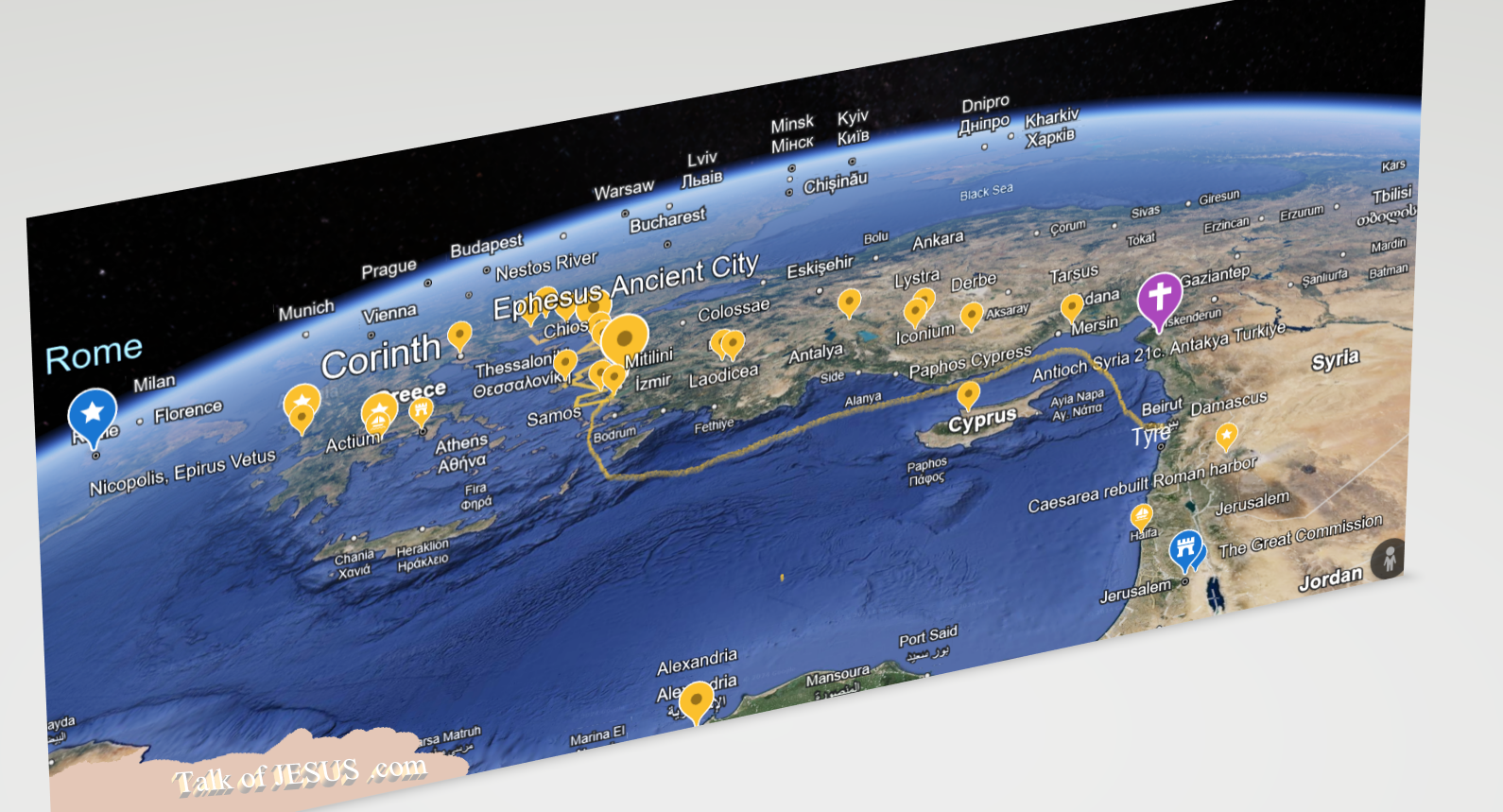
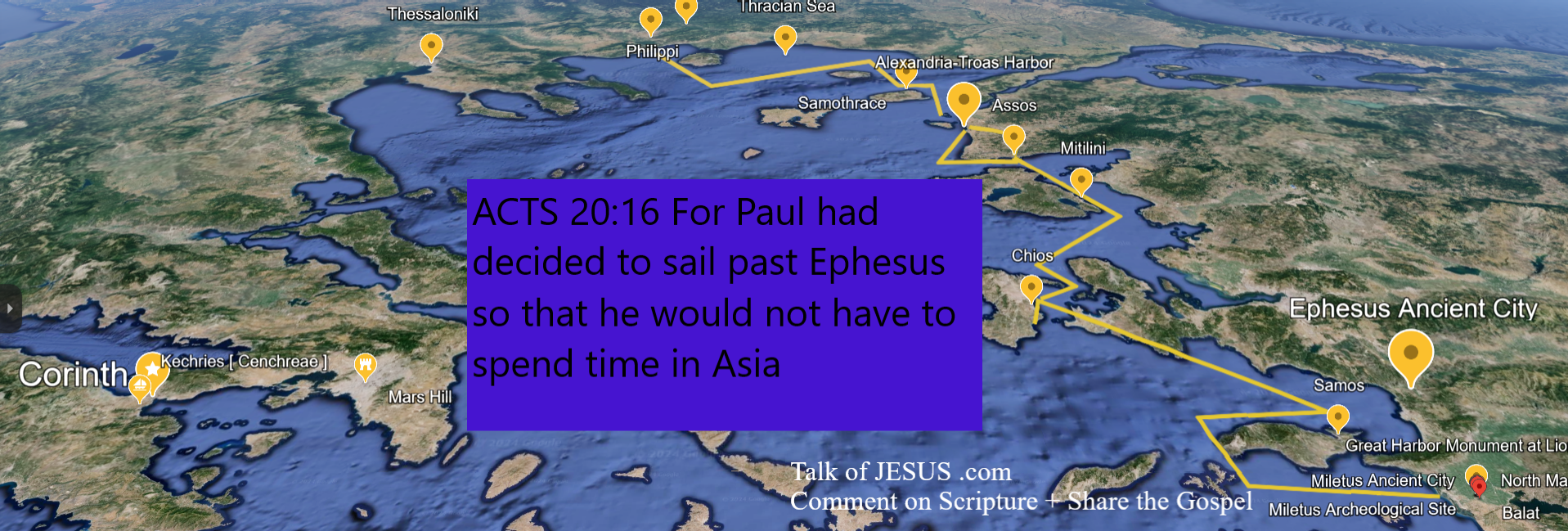
Ephesus to Assos – by land and by sea
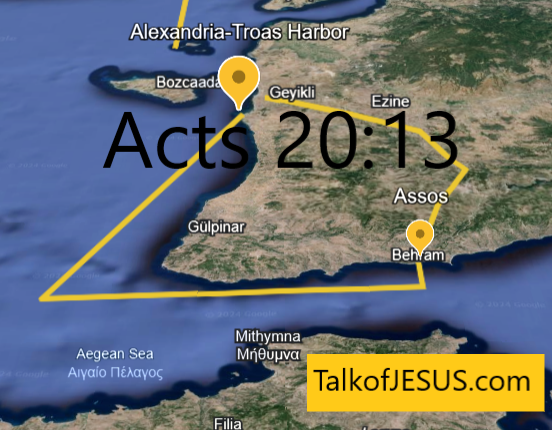
But we, going ahead to the ship, set sail for Assos, intending from there to take Paul on board; for so he had arranged it, intending himself to go by land [on foot].
Picture the Apostle Paul after having been personally involved in the resurrection of a young man in Troas. He journeys on foot no doubt considering this miracle and the Lord’s will for his next destination.
Their route on a Roman ship would have been ~42 nautical miles along the coastline while Paul's overland hike was about 28 miles.
Once arriving in Assos Paul probably sends a message to the leaders in Ephesus where the Apostle had been so instrumental in leading the Church. His messenger may have set sail separately to Ephesus with an Epistle.
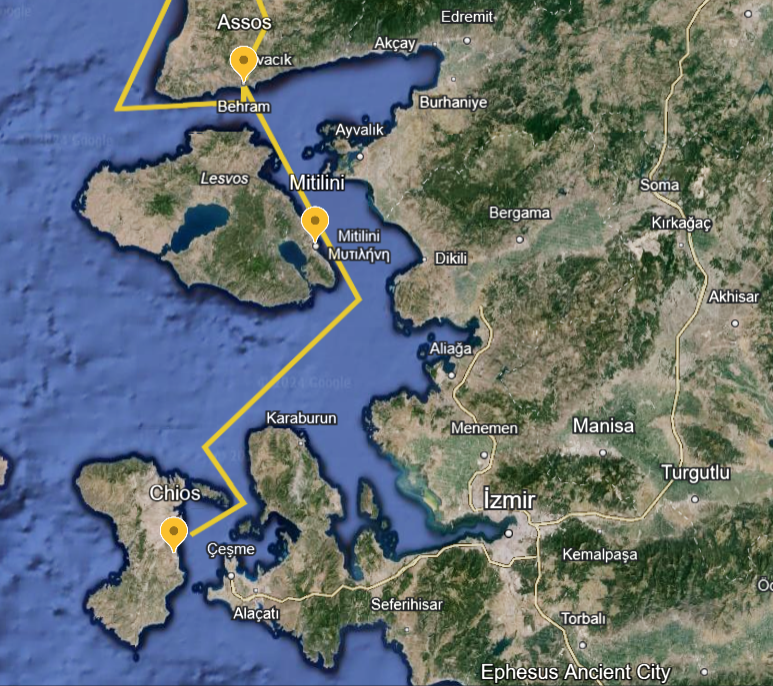
14 And when he met us at Assos, we took him on board and came to Mitylene.
15 And sailing from there, we arrived the following day opposite Chios;
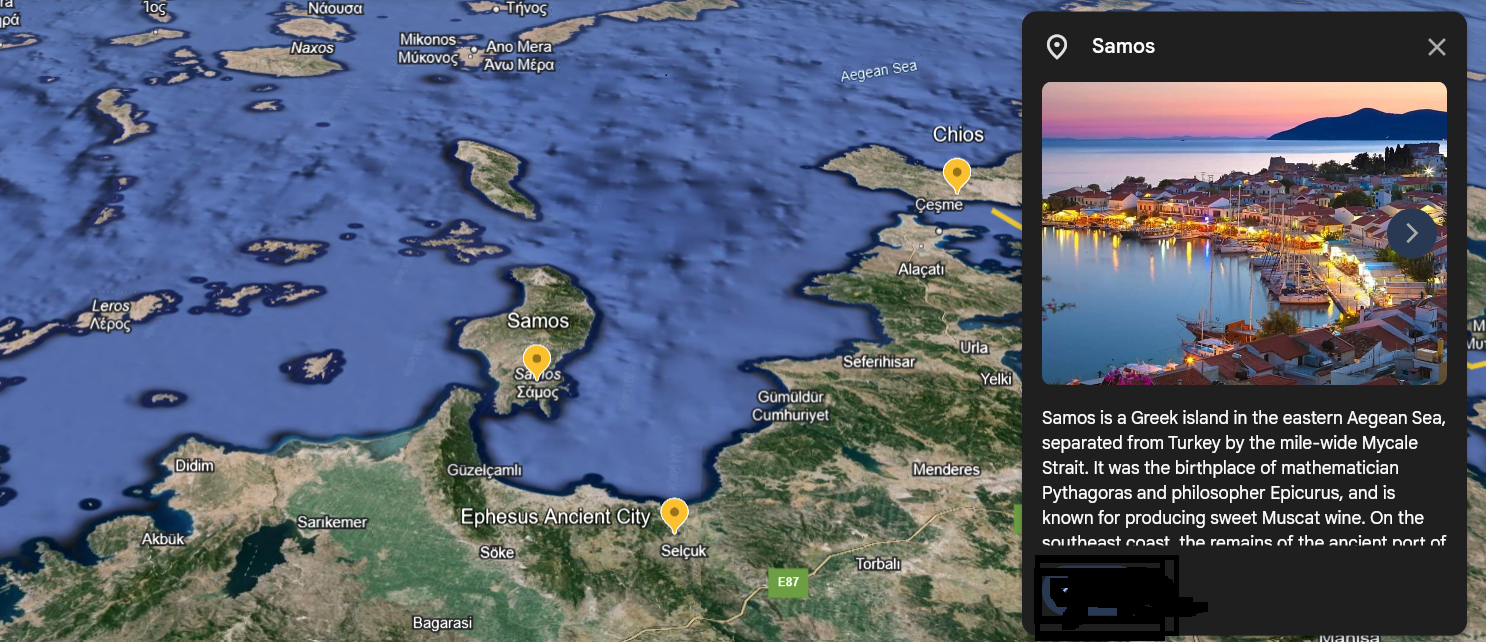
and the next day we crossed over to Samos;
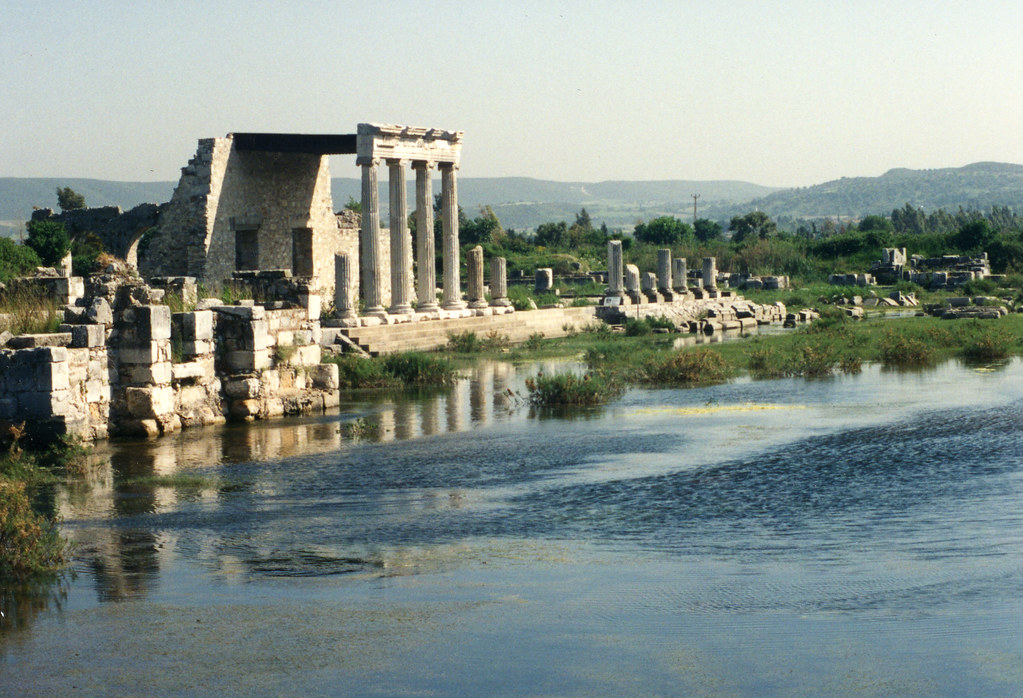
and the day following we came to Miletus.
and the day following we came to Miletus. For Paul had decided to sail past Ephesus so that he would not have to spend time in Asia; for he was hurrying to be in Jerusalem, if possible, on the day of Pentecost.
Acts of the Apostles 20:15b-16 LSB – Luke records that the return of the apostles sent out on Paul’s third missionary journey will bypass Ephesus on their way home.
What’s the hurry to worship in Jerusalem?
Paul’s earlier hike to Assos following the time of the miraculous events at Troas would have given the Apostle time to consider his witness of the risen Christ twenty years ago.
In Jerusalem Paul would have met MANY witnesses of Jesus’ resurrection.
AND Paul would have met those present seven years before Christ appeared to him who along with the Apostles had received the Holy Spirit in an upper room on Pentecost.
Now when they heard this, they were full of wrath and cried out, saying, “Great is Diana of the Ephesians!”
The city was filled with the uproar, and the crowd rushed to the theater together, dragging with them Gaius and Aristarchus, the Macedonians who were Paul’s traveling companions.
Some accounts begin: So the whole city was filled with confusion, while other accounts of the incident refer to this riot simply as an uproar.
And for the testimony of our trial later note its participants: the CROWD (who all rushed to the theater together) and two outsiders from Macedonia (Gaius and Aristarchus).
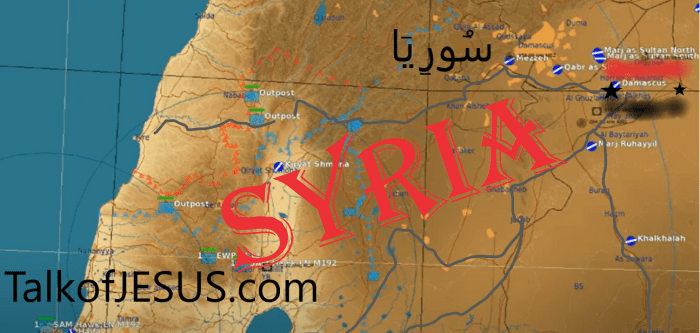
Syria War Refugees
This ‘trial‘ of these outside agitators in the public stadium (think of it as the social media outlets of the day) should solve the town’s local political problem.
These free-speaking men (shouting down the acts of these disciples of Jesus) stormed the Roman court with two Macedonians they had already convicted by majority mob rule.
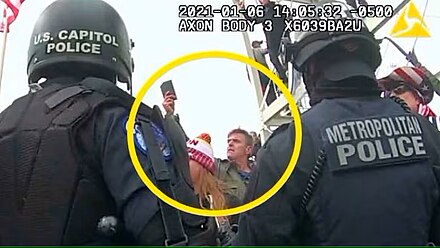
U.S. Capitol under siege JANUARY 6, 2021
READ some earlier accounts of recent events leading up to the riot (the A.D. 1st c. riot in Ephesus, that is). AND note the outsiders who come and go with Paul.
23 .. Paul left and went through the region of Galatia and Phrygia, strengthening all the disciples.
24 Now a Jew named Apollos, a native of Alexandria, arrived in Ephesus..
26 ..Priscilla and Aquila (having arrived ahead of Paul) heard him..
27 [Apollos leaves Ephesus to] cross over to Achaia..
ACTS 19:
and when Paul placed his hands on them, the Holy Spirit came upon them, and they began to speak in tongues and to prophesy. (Now there were about twelve men in all.)
So Paul entered the synagogue and spoke out fearlessly for three months, addressing and convincing them about the kingdom of God.
17 This became known to all who lived in Ephesus, both Jews and Greeks; fear came over them all, and the name of the Lord Jesus was praised.
18 Many of those who had believed came forward, confessing and making their deeds known.
19 Large numbers of those who had practiced magic collected their books and burned them Inup in the presence of everyone. When the value of the books was added up, it was found to total fifty thousand silver coins.
[Paul] .. after sending two of his assistants, Timothy and Erastus, to Macedonia, he himself stayed on for a while in the province of Asia [and presumably in its capital Ephesus for the most part].
Inciting the riot of the day
THIS all leads up to what Luke describes as ‘NO SMALL DISTURBANCE’ concerning ‘the WAY’ or disciples (all followers) of the Lord Jesus Christ.
But the Jews, becoming jealous, taking along some wicked men from the marketplace, and forming a mob, set the city in an uproar.. they began dragging Jason and some brothers before the city authorities, shouting,
“These men who have upset the world have come here also.. And they disturbed the crowd and the city authorities who heard these things.
Acts of the Apostles 17:5a,6b,8
But when the Jews of Thessalonica found out that the word of God had been proclaimed by Paul in Berea also, they came there as well, shaking up and disturbing G5015 the crowds.
And the city was filled with the confusion, and they rushed with one accord into the theater, dragging along Gaius and Aristarchus, Paul’s traveling companions from Macedonia.
And when Paul wanted to go into the [people of the] assembly, the disciples would not let him. Also some of the [*] Asiarchs who were friends of his sent to him and repeatedly urged him not to venture into the theater.
* These are Political or religious officials of the province of Asia, likely some Roman and others Jewish converts of The Way.
32 So then, some were shouting one thing and some another, for the [*] meeting was in confusion..
* Some Bibles translate this gathering of citizens as 'assembly,' from a word familiar to many Christians: ekklēsia
.. and the majority did not know for what reason they had come together.
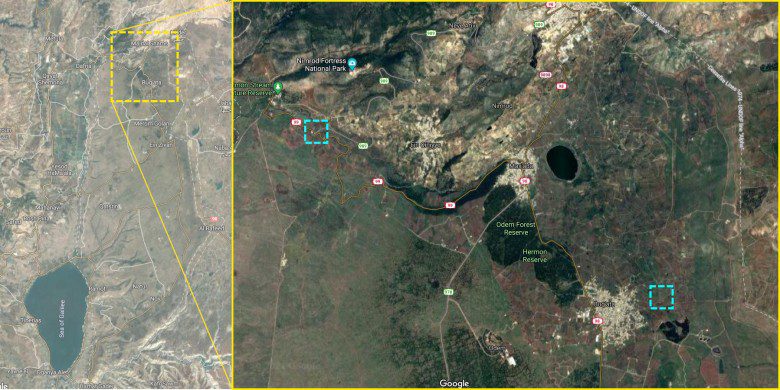
Centuries of riots and wars, refugees and massacres
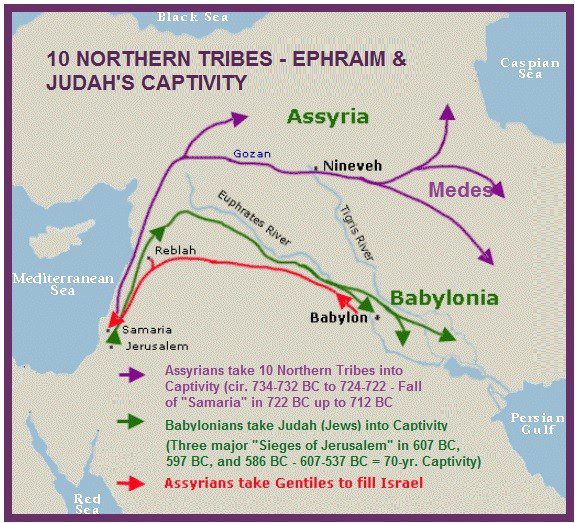
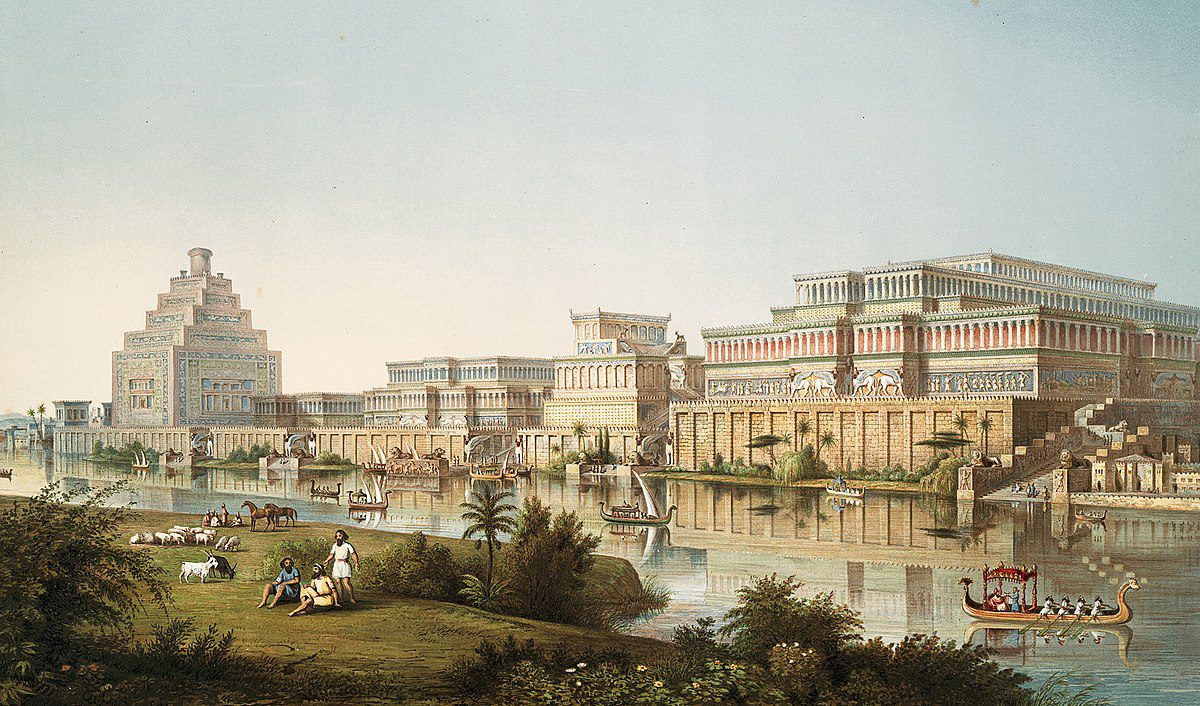
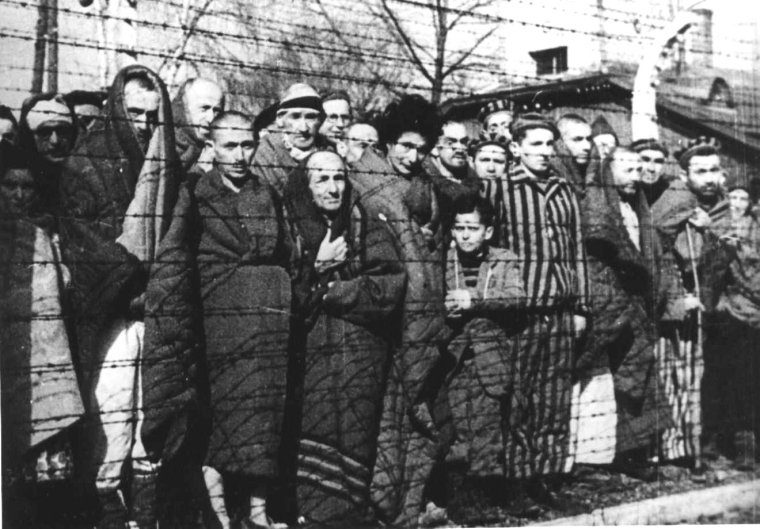
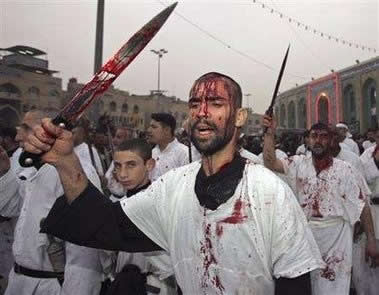
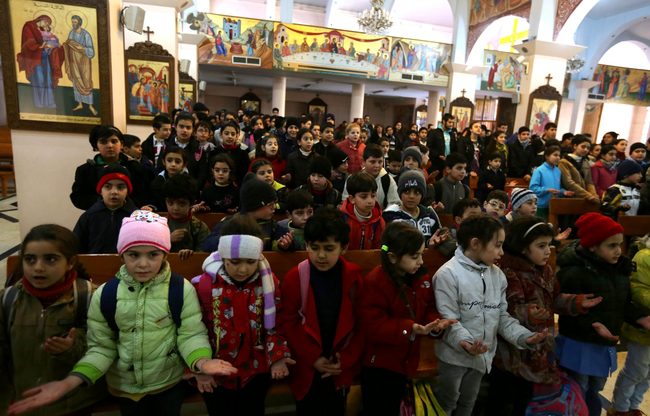
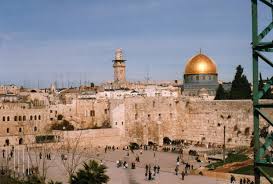
Assyria takes Samarian captives 722 BC & Babylon takes Judah’s captives 607-537 BCAssyria near Nineveh (art)AD 2015 WWI 200 Christians Burned inside church in Turkey – 1915Auschwitz AD 1945 WWII – genocide of the Jews and Eastren Europeans1945 dead slave laborsEgypt circa 2013refugee man embracing boySyria 2014 boy searching for food2014 Syria Christians pray2022 conquestmodern military mapmore refugees driven from their cities in Syria & IraqDublin, Ireland – Choice infant genocideJerusalem of Islam & Jew
But when they recognized that he was a Jew, a single cry arose from them all as they shouted for about two hours..
Acts of the Apostles 19:34a – at the riot in Ephesus
Undeniable Facts
35 Now after calming the crowd, the city clerk said..
‘So, since these are undeniable facts, you ought to keep calm and to do nothing rash. For you have brought these men here who are neither robbers of temples nor blasphemers of our goddess.’
“So then, if [your leader and you] have a complaint against anyone, the courts are in session and proconsuls are available; let them bring charges against one another. But if you want anything beyond this, it shall be settled in the [scheduled] lawful meeting.
Sometimes riots END as quickly as they begin IF sensible leadership prevails over the CROWDS incited by hatred into a frenzy of lawlessness and sin. (Of course at other times sin simmers beneath the surface until it erupts into something worse -- even war.
“For indeed we are in danger of being accused of a riot [stasis] in connection with today’s events, since there is no cause for which we can give as an account for this disorderly gathering.”
Acts of the Apostles 19:40 LSB
And when he had said these things, he dismissed the assembly.
After the uproar ceased, Paul sent for the disciples, and after encouraging them, he said farewell and departed for Macedonia.
The KJV translates Strong’s G4714 in the following manner: sedition (3x), dissension (3x), insurrection (1x), uproar (1x), standing (1x).
Eleven (11) other versions of the Bible translate this simply as a riot.
Contemporary applications to this lesson from first century Ephesus — in a Greek culture accommodating Jews and other religions under a heavy hand of a pagan Roman Empire and its governors with the power to judge and execute whom they will — consider one further application from the Greek root of this word:
A word of warning from Scripture received by the Apostle John a few years later near the end of the first century.
Then I saw the dead, the great and the small, standing G2476 before the throne, and books were opened; and another book was opened, which is the book of life. And the dead were judged from the things which were written in the books, according to their deeds.
Previously, Luke tells us about Apollos leaving Ephesus as the Apostle Paul arrives and begins preaching to the Jews.
Two Schools of Thought in Ephesus
The School of Our Master the Lord Jesus Christ is led by the lecturer Paul; known as the Apostle to the Gentiles and formerly known as Saul of Tarsus.
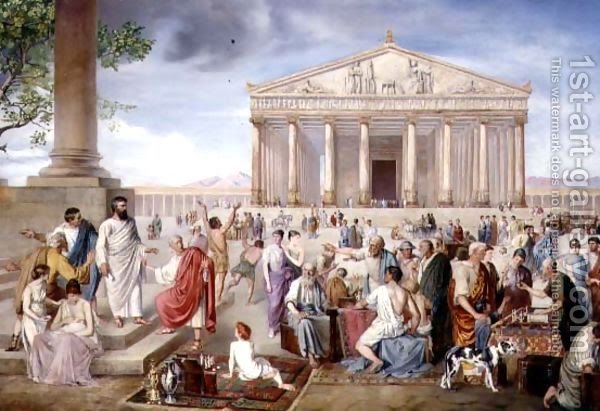
Picture this setting & scene in either the 1st century A.D. where it took place OR in a more Common Era scene in a University of this time:
‘We haven’t heard from Paul in a while. I heard that he has been teaching in the School of Tyrannus. Is that so?‘
‘Let’s go over to the big lecture hall and see.‘
Paul has already encountered various schools of thought at several points on his missionary journeys. His Pharisaical School in Jerusalem had taught different doctrines than an exclusive School the Sadducees. So the renounced Jewish scholar comfortably challenged other beliefs and philosophies.
And just like back in Corinth Achaia, Paul must reconcile perceptions of Christ with the Greeks and Yeshua Messiah of the Jews to followers of The Way in Ephesus.
Now that he resides in this key city of Asia Minor where the Holy Spirit initially had prevented Paul from going, Paul will no doubt need to answer many questions about our Lord Jesus Christ.
AND let’s not overlook Paul’s perseverance during several months of Apostolic teaching in Ephesus that took place here which Luke covers in just a few summary verses.
A brief reminder:
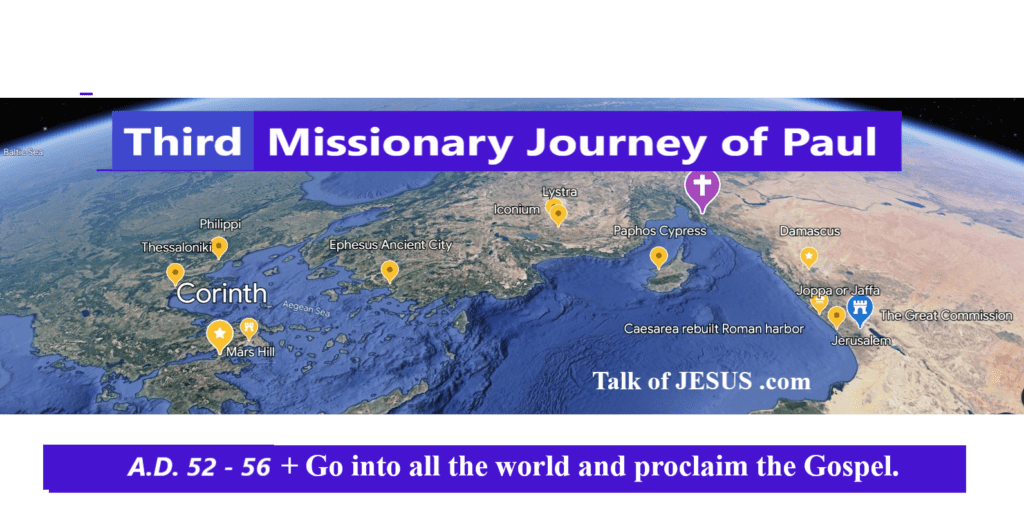
Paul began his journey to Ephesus in ~A.D. 52 by land from the church in Antioch and will not return from this 2700 mile mission for about five years.
As is his general practice the Apostle first teaches the Good News of the Messiah Jesus to the Jews.
And he entered the synagogue and for three months spoke boldly, reasoning and persuading them about the kingdom of God.
Twelve converted disciples join Paul, listening to the Gospel as the Apostle teaches fellow Jews how Jesus fulfilled the Scriptures as the Promised One. Many Jews believe during this time of Paul’s proclaiming Jesus in the synagogue and consequently follow The Way.
Yet like everywhere else, some remain immovable by truth or any other teaching than that which serves them.
But when some became stubborn
and continued in unbelief,
speaking evil of the Way before the congregation..
[A familiar pattern of stiff-necked men standing firm on their shaky ground of unreasoned truth and false doctrine.]
.. he withdrew from them and took the disciples with him, reasoning daily in the hall of Tyrannus.
Acts of the Apostles 19:9
NOTE: Although this picture is NOT the School of Tyrannus, don't miss the significance of this School in the city of Ephesus as a university where men could gather to hear lecturers in order to learn and discuss their teachings.
~A.D. 53 – A.D. 54
Let’s look a root problem of unbelievers from the Greek root words Luke chooses translated from the NASB:
But when some were becoming hardened and disobedient, speaking evil of the Way before the [multitude]..
Acts 19:9a NASB20
ἐσκληρύνοντο – to make hard, harden, metaph. to render obstinate, stubborn
ἀπειθέω – apeitheō [Does any familiar English term come to mind?] –
to refuse or withhold belief
to refuse belief and obedience
not to comply with
Men APATHETICto sound doctrine and truth of the Gospel may claim to be religious men. Stubborn and stiffnecked sinners TURNED AGAINST Christ’s Apostle of Good News and they will turn against YOU as well for your witness of JESUS Christ as your Lord.
Apparent apathy to Christ and disobedience to the very word of God go hand in hand.
“The one who believes in the Son has eternal life; but the one who does not G544 [apeitheō] obey the Son will not see life, but the wrath of God remains on him.”
Gospel of John 3:36
THREE MONTHS Paul had reasoned with the Ephesian Jews in his manner of quoting Scripture and applying the Old Covenant to their Messiah JESUS. A remnant is saved and follow. The rest will continue in their false faith for refusing to look up to the LORD from the wilderness of their refining.
The heart-hardened enemies of the Gospel murmur to the multitudes against the followers [disciples] of the Way, the Truth and the Life redeemed through Christ our Lord.
in the hall of Tyrannus
DAILY, from the fifth hour to the tenth (that is, from 11 a.m. to 4 p.m.) according to some manuscripts
Lecture Hall
The lecture hall of Tyrannus is an important place of teaching Roman cultural context in a Roman community of the empire.
21st century believers may not understand the openness in a university-type forum from the teaching and disciples of Paul OR even the Lord Jesus. So in order to understand this PLACE of Paul’s CLASSROOM better we will examine it from the Greek which Luke records in just one of today’s three verses:
Τύραννος – tyrannos – A provincial form of the derivative of the base of κύριος (G2962)
Its base word and root Christians may recognize but have never considered in this context of first century A.D. controversy in witness to the Gospel in the Roman Empire.
Tyrannus = “sovereign“
kyrios – From kuros (supremacy)
It’s the ‘sovereign school’ OR School of the Sovereign.
Is Paul now teaching in the highest school, so to speak, in Ephesus, an environment we would understand to be a University?
scholē – probably feminine of a presumed derivative of the alternate of G2192; properly, loitering (as a withholding of oneself from work) or leisure, i.e. (by implication) a “school” (as vacation from physical employment):—school.
OR
Does the SCHOOL NAME imply a particular Sovereign for whom it is named?
(And, let the hearer understand, Ephesus, like Jerusalem, Corinth or Rome itself has only ONE SOVEREIGN.)
But they cried out,
Away with him, away with him, crucify him.
Pilate saith unto them, Shall I crucify your King?
The chief priests answered, We have no king but Caesar.
κύριος – kyrios – Strong’s G2962 – masculine noun From kuros (supremacy)
Lord, Lordship:
properly an adjective, signifying “having power” (kuros) or “authority,” is used as a noun, variously translated in the NT, “‘Lord,’ ‘master,’ ‘Master,’ ‘owner,’ ‘Sir,’ a title of wide significance, occurring in each book of the NT save Titus and the Epistles of John. It is used
Vine’s Expository Dictionary
WHAT DID THE APOSTLE PAUL PREACH IN EPHESUS?
Luke does not say specifically in these four verses, but we must believe that in one form or other that the Apostle proclaims the Gospel, JESUS IS LORD.
Paul said, “John baptized with a baptism of repentance, telling the people to believe in Him who was coming after him, that is, in Jesus.” When they heard this, they were baptized into the name of the Lord G2962 Jesus.
Acts of the Apostles 19:5 NASB20
Asia Minor
This continued for two years, so that all the residents of Asia heard the word of the LordG2962, both Jews and Greeks.
Used to monitor number of Google Analytics server requests
10 minutes
__utmb
Used to distinguish new sessions and visits. This cookie is set when the GA.js javascript library is loaded and there is no existing __utmb cookie. The cookie is updated every time data is sent to the Google Analytics server.
30 minutes after last activity
__utmc
Used only with old Urchin versions of Google Analytics and not with GA.js. Was used to distinguish between new sessions and visits at the end of a session.
End of session (browser)
__utmz
Contains information about the traffic source or campaign that directed user to the website. The cookie is set when the GA.js javascript is loaded and updated when data is sent to the Google Anaytics server
6 months after last activity
__utmv
Contains custom information set by the web developer via the _setCustomVar method in Google Analytics. This cookie is updated every time new data is sent to the Google Analytics server.
2 years after last activity
__utmx
Used to determine whether a user is included in an A / B or Multivariate test.
18 months
_ga
ID used to identify users
2 years
_gali
Used by Google Analytics to determine which links on a page are being clicked
30 seconds
_ga_
ID used to identify users
2 years
_gid
ID used to identify users for 24 hours after last activity
24 hours
_gat
Used to monitor number of Google Analytics server requests when using Google Tag Manager
1 minute
_gac_
Contains information related to marketing campaigns of the user. These are shared with Google AdWords / Google Ads when the Google Ads and Google Analytics accounts are linked together.