Why do the nations rage
and the peoples plot in vain?The kings of the earth set themselves,
Psalm 2:1b-2
and the rulers take counsel together,
against the Lord and against his Anointed
ACTS of the disciples of the Apostles 4:
If you READ this section of Acts 4 carefully, you will discover that unlike the earlier acts focused on Peter, here Luke records that these prayers, praises and actions emanate from followers of the Apostles along with them.
23 On their release, Peter and John went back to their own people.. 24 When they heard this, they raised their voices together in prayer to God.
Thanks for Simeon Peter from the Psalms
Look closely and hear this praise of the Lord God through the followers (now disciples) of the Apostles (as their teachers).
Act 4:24 (KJV) — And when they heard that, they lifted up their voice to God with one accord, and said, Lord, thou art God, which hast made heaven, and earth, and the sea, and all that in them is:
Psalm 55 – Prayer for the Destruction of the Treacherous
- First, is it godly to pray for the ‘destruction of the treacherous?
Listen to my prayer, God;
And do not hide Yourself from my pleading.
2 Give Your attention to me and answer me;
I am restless in my complaint and severely distracted,
3 Because of the voice of the enemy,
Because of the pressure of the wicked;
For they bring down trouble upon me
And in anger they hold a grudge against me.
- Yes, I say; for their treachery is not only against the Apostles but rage against the Sovereign Lord God and His Anointed Messiah, their savior against the sins of their own Nation.
11 Destructive forces are at work in the city;
threats and lies never leave its streets.
12 If an enemy were insulting me,
I could endure it;
if a foe were rising against me,
I could hide.
13 But it is you, a man like myself,
my companion, my close friend,
14 with whom I once enjoyed sweet fellowship
at the house of God,
as we walked about
among the worshipers.
- Is this not what the Apostles Peter and John have just endured at the Temple? For they have been imprisoned overnight by Judaism’s highest officials who then dismiss the Truth of the Holy Spirit as leaven in the house of the LORD.
Therefore these Jewish disciples of the Apostles now pray according to the Psalms:
16 As for me, I shall call upon God,
And the Lord will save me.
17 Evening and morning and at noon, I will complain and moan,
And He will hear my voice.
18 He will redeem my soul in peace from the battle which is against me,
For they are many who are aggressive toward me.
19 God will hear and humiliate them—
Even the one who sits enthroned from ancient times— Selah
With whom there is no change,
And who do not fear God.
16 ׳יַשִּׁימָוֶת׳ ״יַשִּׁ֤י״ ״מָ֨וֶת׀״ עָלֵ֗ימוֹ יֵרְד֣וּ שְׁא֣וֹל חַיִּ֑ים כִּֽי־רָע֖וֹת בִּמְגוּרָ֣ם בְּקִרְבָּֽם׃
17 אֲ֭נִי אֶל־אֱלֹהִ֣ים אֶקְרָ֑א וַ֝יהוָ֗ה יוֹשִׁיעֵֽנִי׃
18 עֶ֤רֶב וָבֹ֣קֶר וְ֭צָהֳרַיִם אָשִׂ֣יחָה וְאֶהֱמֶ֑ה וַיִּשְׁמַ֥ע קוֹלִֽי׃
19 פָּ֘דָ֤ה בְשָׁל֣וֹם נַ֭פְשִׁי מִקֲּרָב־לִ֑י כִּֽי־בְ֝רַבִּ֗ים הָי֥וּ עִמָּדִֽי׃
Who by the mouth of thy servant David hast said,
Acts 4:25a KJV
Righteous Rage: Answers from Acts 4:25-26
Again recalling the context of Luke’s second account written to the Church, these early events which took place in Jerusalem reflect some cause for evil already evident to all and a destruction of Jerusalem at the hands of Rome very shortly.
Questions of Cause:
“‘WHY
- do the nations rage
- the peoples plot in vain
- kings of the earth rise up
- and the rulers band together
Against the Lord
and against His Christ.’
Yes, their rage is not only against the Apostles but against the Sovereign Lord God and His Anointed Messiah, Jesus Christ.
27 For truly in this city there were gathered together against Your holy servant Jesus, whom You anointed, both Herod and Pontius Pilate, along with the Gentiles and the peoples of Israel, to do whatever Your hand and purpose predestined to occur.
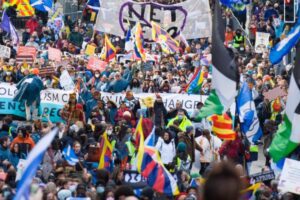
We see the RAGE in protests
The crowds turn quickly FOR or AGAINST the proclaimed leaders of the day.
Multitudes of OTHERS against
Nations rage against each other. But it’s not just nation against nation.
Not only religious leader against religious leader. Certainly not just political leader against political leader – party of one agenda opposing God against the other side of the aisle also opposing the rule of a ‘nation’ under God.

the rulers take counsel together,
against the Lord and against his Anointed – Psalm 2:2

ἔθνος – ethnos
To the Jews, gentiles; to Rome any foreign peoples to be conquered; to Caucasians, people of any other ethnic color.
Outline of Biblical Usage Strong’s G1484 – ethnos
- a multitude (whether of men or of beasts) associated or living together
- a company, troop, swarm
- a multitude of individuals of the same nature or genus
- the human family
- a tribe, nation, people group
- in the OT, foreign nations not worshipping the true God, pagans, Gentiles
- Paul uses the term for Gentile Christians
MEDIA HEADLINES of today provoke one multitude against another. The political/religious officials of first Century Jerusalem were no different. Herod and the Jews joined the Romans in accusing Christ and Christians falsely for many of the same personal motives as today.
RAGE!
φρυάσσω phryassō – to neigh, stamp the ground, prance, snort; to be high-spirited: properly, of horses
Who by the mouth of thy servant David hast said, Why did the heathen rage, and the people imagine vain things?
Acts 4:25 KJV
Although this is the only instance in the New Testament where this word is used from the common Greek of the Roman Empire, the Hebrew use by David and Isaiah also connect the ‘rage’ to other ‘nations.’
2:1 לָמָּה רָגְשׁוּ גוֹיִם וּלְאֻמִּים יֶהְגּוּ־רִֽיק׃
Tehillim (Psalms) 2 :
- Lexicon :: Strong’s H1471 – gôy
- רָגַשׁ – Lexicon :: Strong’s H7283 – rāḡaš
- † [רָגַשׁ] verb be in tumult or commotion (Arabic bdb092104 make a vehement noise; Biblical Aramaic Aramaic רְגַשׁ, bdb092105 be disturbed, in tumult (Targum Ithp. often for הָמָה, as Psalm 46:6, שָׁאָה Isaiah 17:12f.; bdb092106 for חָמוֺן ibid.); but Syriac usually perceive, so Late Hebrew Hiph., but Hithp. fall stormily upon); —
- Qal Perfect 3rd person plural Psalm 2:1 רָֽגְשׁוּ why do the nations throng tumultuously ?
A Parallel between Herod’s city of Jerusalem in Roman Syria and Damascus in David’s day
With some vision toward more recent events of these last days of this 21st century, heed yet another warning to the Nations.
Yeshaiya (Isaiah) 17 ::
Behold, Damascus is taken away from being a city, and it shall be a ruinous heap...
And in that day it shall come to pass, that the glory of Jacob shall be made thin, and the fatness of his flesh shall wax lean...

Woe to the multitude of many people, which make a noise like the noise of the seas; and to the rushing of nations, that make a rushing like the rushing of mighty waters!

The nations shall rush like the rushing of many waters: but God shall rebuke them, and they shall flee far off, and shall be chased as the chaff of the mountains before the wind, and like a rolling thing before the whirlwind.

And behold at eveningtide trouble; and before the morning he is not. This is the portion of them that spoil us, and the lot of them that rob us.

Faithful Jews knew their Scripture.
Isaiah, the son of Amoz, ministered in and around Jerusalem as a prophet to Judah during the reigns of 4 kings of Judah: Uzziah (called “Azariah” in 2 Kings), Jotham, Ahaz, and Hezekiah (1:1), from ca. 739–686 B.C. – source
- In panic, Ahaz sent to the Assyrian king for help (2 Kin. 16:7) and the Assyrian king gladly responded, sacking Gaza, carrying all of Galilee and Gilead into captivity, and finally capturing Damascus (732 B.C.). Ahaz’s alliance with Assyria led to his introduction of a heathen altar, which he set up in Solomon’s temple (2 Kin. 16:10–16; 2 Chr. 28:3). During his reign (722 B.C.), Assyria captured Samaria, capital of the northern kingdom, and carried many of Israel’s most capable people into captivity (2 Kin. 17:6, 24).- source
Long BEFORE Rome, the LORD banished His chosen nation because of their turning against Him.
The Holy Spirit then spoke through the same Isaiah who prophesied the coming of the Christ, warning Jerusalem’s rulers seven centuries before Christ.
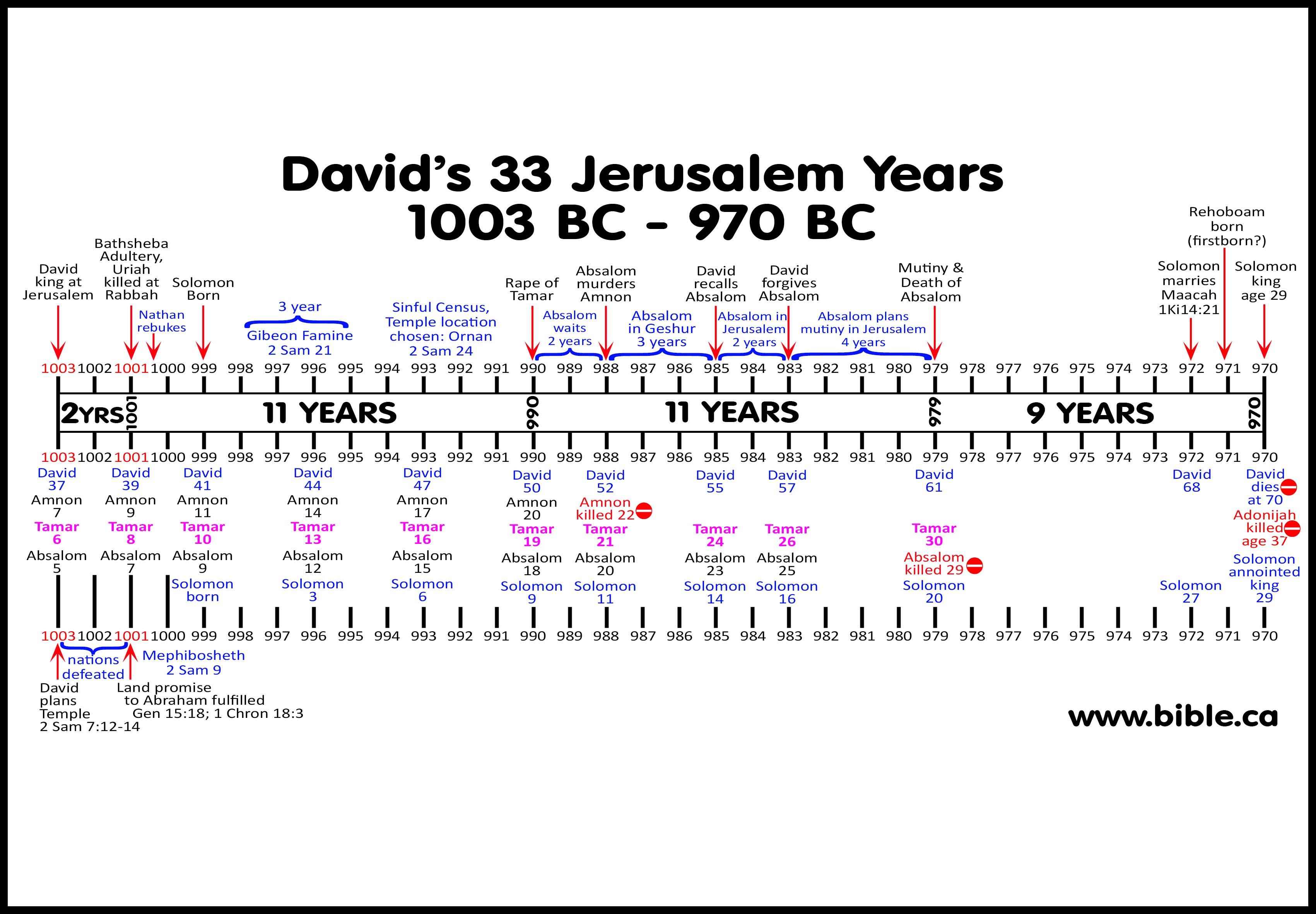
40 Years of King David – 1000 B.C.
(Some after his anointing by Samuel, but before victorious return to Jerusalem)
David’s first two Psalms were written a full millennium before Jesus’ triumphal entry into Jerusalem just two months before this day in ACTS 4.
Now, Luke records what the Holy Spirit reiterates: Psalm 2, as praise for John and Peter’s safe returns, reminding all of similar themes of these two verses in Psalms to Acts of the Apostles:
Blessed is the person who does not walk in the counsel of the wicked,
Nor stand in the path of sinners,
Nor sit in the seat of scoffers!
Psalm 1:1 NASB
Why are the nations restless
And the peoples plotting in vain?
2 The kings of the earth take their stand
And the rulers conspire together
Against the Lord and against His Anointed, saying,
3 “Let’s tear their shackles apart
And throw their ropes away from us!”
4 He who sits in the heavens laughs,
The Lord scoffs at them.
5 Then He will speak to them in His anger
And terrify them in His fury, saying,
6 “But as for Me, I have installed My King
Upon Zion, My holy mountain.”
- Do YOU know the prophesies of Christ Jesus the Lord from the Psalms, of Isaiah and the true Prophets of Old Testament Scripture?
- (These 1st century Jewish saints did.)
- The saints who followed the Apostles of the early Church ACTED when the Lord showed such signs of His glory.
The Jews knew their history and its consequence, even as they awaited their expected Messiah, the Son of David.
These outrageous events have already taken place as the Church reads Acts of the Apostles.
- AD 40 Emperor Caligula orders that a statue of himself is to be erected in the temple at Jerusalem. Herod delays implementation long enough to prevent wide-spread revolt in Judaea.
- AD 44 Judaea is annexed as a Roman province after the death of Herod Agrippa.
- AD 49 Claudius passes an edict expelling all Jews from Rome.
- (Christians considered just a sect of Judaism by Rome.)
- AD 54 Death and deification of Claudius. Nero ascends to the throne.
Consequence
JUST one more reminder of context and consequence for these disciples of the Apostles to whom LUKE wrote ACTS of the APOSTLES in about A.D. Sixty. [~AD 60-62]
- Martyrdom of James, head of the Jerusalem church (A.D. 62 according to the Jewish historian Josephus)
- AD 64 The Great Fire of Rome speculated to have been started by Nero to make room for his palace.
- Christians Persecuted as scapegoats.
- AD 67-69 The future Emperor Vespasian is sent to Judaea to put down a Jewish revolt.
- Nero enters the Olympic games and is named the winner of every he event he enters.
- Death [by execution] of Paul the Apostle.
- Widespread revolt forces Nero to commit suicide, sparking civil war.
- Year of the four emperors.
And LESS than a DECADE after Luke completes ACTS:
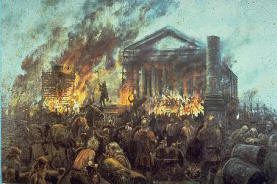
Persecution under Nero (A.D. 64), and the fall of Jerusalem (A.D. 70) also suggests he [Luke] wrote Acts before those events transpired.
ACTS 4: (In Jerusalem before its destruction)
And now, Lord, look at their threats, and grant it to Your bond-servants to speak Your word with all confidence, while You extend Your hand to heal, and signs and wonders take place through the name of Your holy servant Jesus.”
ACTS 4:29-31 NASB
31 And when they had prayed, the place where they had gathered together was shaken, and they were all filled with the Holy Spirit and began to speak the word of God with boldness.
From the bold witness of these saints of the first century church, Jerusalem will witness ACTS of power against its worldly powers which will soon plot the first DEATHS of disciples of the Apostles.
To be continued...