Tag: gentiles

  • Caesar’s Palace East welcomes PETRUS

    Caesar’s Palace East welcomes PETRUS

    Caesar's Palace 21st c Las Vegas, Nevada, US
    Caesar’s Palace

    Peter in Roman Sin City

    A background behind Caesar’s Palace in Judea

    Initially, a few decades before..

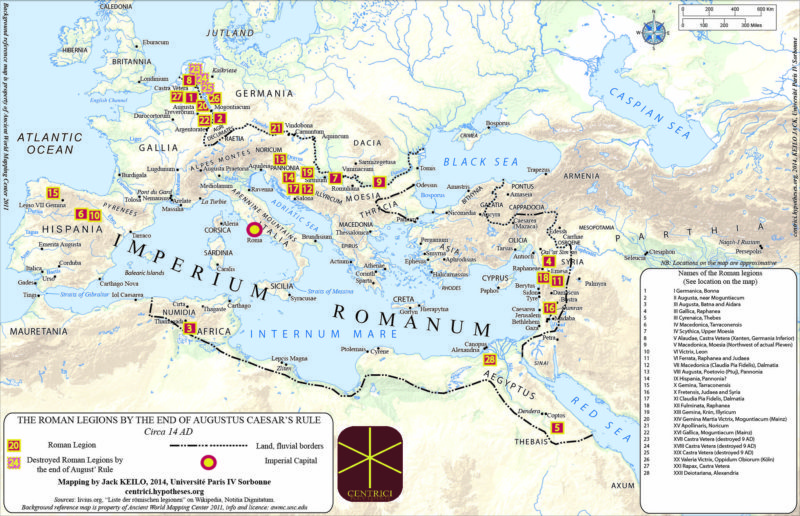
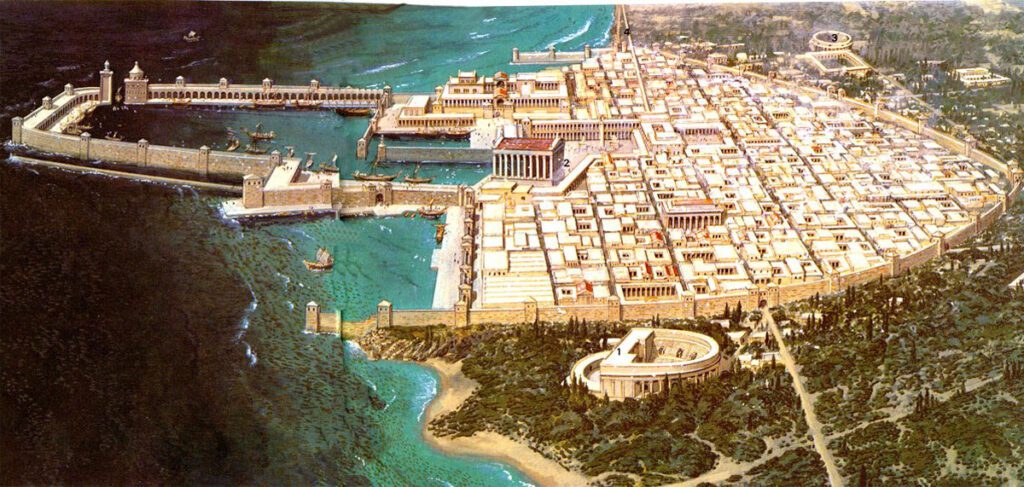
    Caesarea is sixty some miles northwest of Jerusalem. Herod had expanded it to become one of the most important cities in the Roman Empire, which would later serve Rome as Judea’s capital. (Yes, it would later have a grande Caesar’s Palace intended for the Herodian rulers of Judea.)

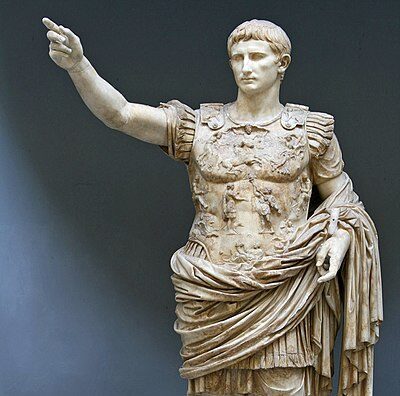
    Herod the Great had sold his political soul to an alliance with the great Caesar Augustus (title first claimed by Herod’s ally, Octavian). But Herod’s alliance accomplished only a brief stay of execution of Roman dominance over Judea, even as he began many magnificent building projects. These included an incomplete Temple in Jerusalem where Jesus would preach and an opulent port of Caesarea Maritima (one of several Caesar’s Palaces of these times).

    Romans, Egyptians and the Greeks before them under the dominance of Alexander’s world empire worshiped MANY gods. Jerusalem’s differing parties of Jews argued constantly over such forced relationships with their pagan overseers. A Caesar or Cleopatra as one of these gods was common occurrence in the A.D. first century world where Jews mostly traded liberally with other cultures.

    Caesar’s, Ptolemy’s & Herod’s

    You probably know about the whoredom of Cleopatra (glamorized by Hollywood) from when the Queen of Egypt willingly made her bed with the power of Rome in order to hold onto her kingdom. (It’s a complex plot of military/political/religious drama of real life at its best.)

    In fact, Jews recognized that the ruling party of the Herod’s was no less in bed with Rome than had been Cleopatra.

    She had commanded a personal fleet of 60 ships and sent 200 ships to Antony at Actium [33 B.C.]. This Egyptian Pharaoh also appointed her own governors of conquered regions like Syria and Cypress.

    Cleopatra had incited a war against Herod. Octavian later takes power as Caesar Augustus. [See more linked to the quote below.]

    Herod, who had personally advised Antony after the Battle of Actium that he should betray Cleopatra, traveled to Rhodes to meet Octavian and resign his kingship out of loyalty to Antony. Octavian was impressed by his speech and sense of loyalty, so he allowed him to maintain his position in Judea, further isolating Antony and Cleopatra.

    Wikipedia.org – citing additional sources

    Herod’s new harbor of Caesarea was forty acres and could accommodate 300 ships. According to the historian Josephus, he built a “most magnificent palace” on a promontory jutting out into the waters of Caesarea and lengthy aqueduct to bring water from springs at the base of Mount Carmel nearly ten miles away.

    Read more & see additional photos: https://www.bibleplaces.com/caesarea/

    Enter Peter encountering Rome in Caesarea

    In ~ the year of our Lord, 40

    Your additions or corrections to this approximate scenario of A.D. 40'ish from various sources are welcome as a COMMENT to this post. - RH
    • Joseph ben Caiaphas, who had condemned the Messiah JESUS to a Cross and unsuccessfully tried Peter and John remains powerful in Jerusalem.
    • Pontius Pilate had been recalled from office as governor by Tiberius Caesar three years earlier after Pilate had ordered great violence to suppress a Samaritan rebelion.
    • Tiberius Caesar Augustus died that same year and was succeeded by his son Caligula, who declared himself a god.
    • Caligula ordered a statue of himself is to be erected in the temple at Jerusalem, but Herod delays implementation long enough to prevent widespread revolt in Judaea and prior to Caligula’s assassination by men of a succeeding Emperor, Claudius.
    • Herod Antipas, son of Herod the Great & Tetrarch of Galilee and Perea, whose wife Herodias had incited him to behead John the Baptist, has also died just a year earlier.

    • AND NOW, The Lord has summoned Simon Peter to accompany three Roman men sent from Caesarea by a Roman military leader to find Peter in Joppa.

    ACTS 10: of PETER in Caesarea

    CLICK ACTS 10 [above] to view:  New American Standard Bible; Conferenza Episcopale Italiana; Orthodox Jewish Bible; SBL Greek New Testament 
    + consider the significance of this crucial cross-cultural visit by Simon Peter to a Roman in Caesarea.

    Now on the next day he got ready and went away with them, and some of the brothers from Joppa accompanied him. On the following day he entered Caesarea.

    ACTS 10:23b-24a NASB

    Now Cornelius was expecting them and had called together his relatives and close friends.

    • Peter has brought fellow followers of Christ, fellow jews from Joppa [v.23].
    • Cornelius is A devout man, &–an uncircumcised Gentile proselyte to the Jewish faith, of whom there were a very great number at this time; a distinguished proselyte, who had brought his whole household establishment under the hallowing influence of the Jewish faith and the regular observance of its principal seasons of worship. – source

    When Peter entered, Cornelius met him, and fell at his feet and worshiped him.


    This is more than respect and above customary honor of one man to a delegate coming to him from another place or as a representative of the true faith he seeks.

    Cornelius, a Roman Jew in every way except birth and circumcision, recognizes that Peter, is ambassador of the Messiah Jesus, a man of miracles.

    Faithful and reliable men have even told him about Peter and his miracles in Jerusalem confirming the Messiah AND Jesus’ anointing of this Apostle who has now come into his presence in his Roman city of Caesarea.

    Just like the healed lame man who clung to Peter at the Temple, Cornelius meets a man with the Power of the Lord who gives all credit to the Lord Jesus Christ.

    26 But Peter helped him up, saying,

    “Stand up; I, too, am just a man.”

    27 As he talked with him, he entered and found many people assembled. And he said to them,

    “You yourselves know that it is forbidden for a Jewish man to associate with or visit a foreigner;


    Just let this sink in for a moment, as Peter’s Roman listeners in Caesarea certainly must have done:

    Cornelius may have instructed the men in his command in this manner:

    These JEWISH subjects of our Roman legions are NOT at all like the tolerant Hellenists we meet throughout Caesar’s Empire! So avoid them when possible.

    Peter continues with words of comfort to these gentiles:

    and yet God has shown me that I am not to call any person unholy or unclean.

    That is why I came without even raising any objection when I was sent for.


    NEXT:

    Cornelius recounts his own ‘coming to Jesus’ experience at Caesar’s Palace East in Caesarea.

    To be continued...
  • Who is this Saul, Apostle to the Gentiles?

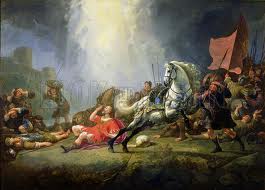
    conversion of saul on the road to Damascus

    “Saul, Saul, why are you persecuting Me?”

    Saul: a Jew of Some Reputation

    We are familiar with Saul the first King of Israel, ultimately killed in battle then replaced by David. – שָׁאוּל

    His Hebrew name šā’ûl means ‘desired,‘ however Saul of Tarsus was not the ‘hebrew of hebrews’ that any follower of The Way currently wants to meet.

    A brilliant and well-educated man under the tutelage of Judah’s most respected Rabbi, Saul was an up-and-coming leader bound for greatness in the eyes of all of the sanhedrin. A keen observer of their political and religious tutelage, Saul seized his potential claim to fame just as the Apostles had disrupted all Jerusalem.

    Saul: Witness at the Stoning of Stephen

    ACTS 7 HNV

    Behold, I see the heavens opened, and the Son of Man standing at the right hand of God!”

    But they cried out with a loud voice, and stopped their ears, and rushed at him with one accord. They threw him out of the city, and stoned him.

    The witnesses placed their garments at the feet of a young man named Sha’ul.

    They stoned Stephen as he called out, saying,

    “Lord Yeshua, receive my Spirit!”

    He kneeled down, and cried with a loud voice, “Lord, don’t hold this sin against them!” When he had said this, he fell asleep.

    It had been some scene!

    That was the day many disciples began fleeing Jerusalem and now, this Saul of Tarsus pursues them in hopes of more trials and executions like that of Stephen.

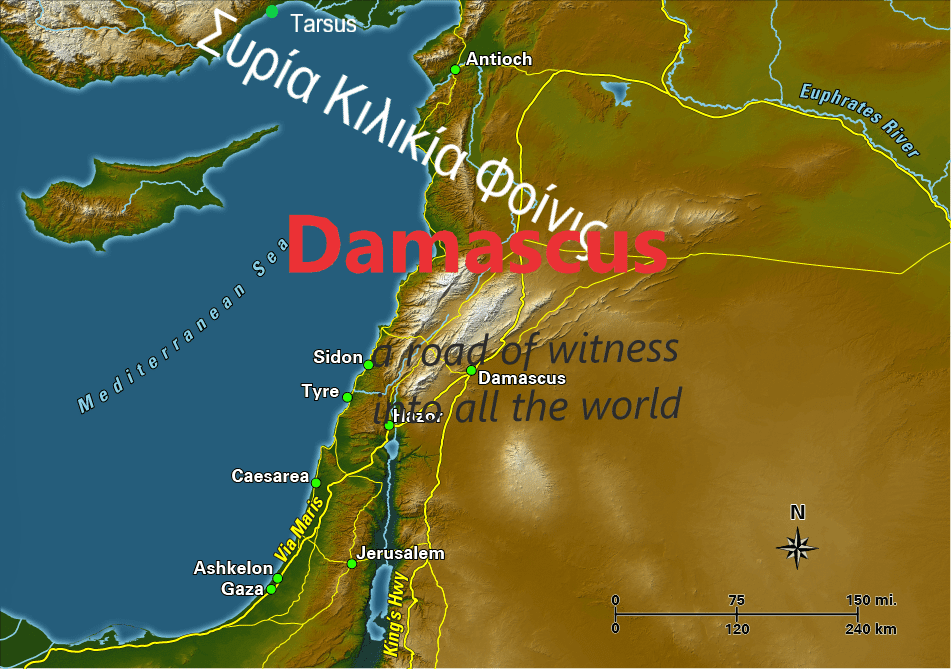
    Acts of Saul in Damascus

    Click for English, Ukrainian & Russian translations of Деяния 9

    10 Now there was a disciple in Damascus named Ananias; and the Lord said to him in a vision, “Ananias.” And he said, “Here I am, Lord.”

    And the Lord said to him,

    “Get up and go to the street called Straight, and inquire at the house of Judas for a man from Tarsus named Saul, for he is praying, and he has seen in a vision a man named Ananias come in and lay his hands on him, so that he might regain his sight.”

    ACTS 9:11-12 NASB – The Word of the Lord to Ananias in a vision

    We have already witnessed the Apostles laying hands on people who then received healing. This disciple of Jesus, Ananias, may have witnessed such signs or perhaps even the stoning of Stephen.

    Remember? Click here.

    At this time Peter stood up among the brothers and sisters (a group of about 120 people were there together), and said,

    Acts of the Apostles 1:15

    “Lord, I have heard from many people about this man, how much harm he did to Your saints in Jerusalem; and here he has authority from the chief priests to arrest all who call on Your name.”

    Do you fear a high official of the priestly court who has authority to murder you?

    Of course you do; but it is the Lord speaking in a vision to this saint in Damascus.

    15 But the Lord said to him,

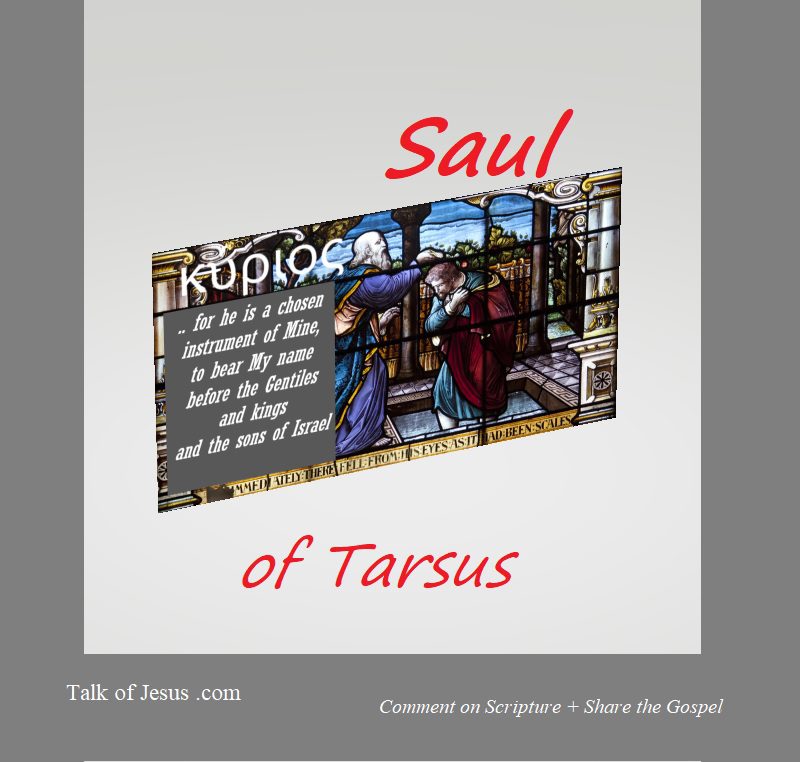
    Go, for he is a chosen instrument of Mine, to bear My name before the Gentiles and kings and the sons of Israel; for I will show him how much he must suffer in behalf of My name.”

    ACTS of the Apostles 9:15-16 – The word of the Lord to Ananias

    Ananias anoints Saul

    So Ananias departed and entered the house,

    He placed his hands on him and said,

    “Brother Saul,

    the Lord Jesus, who appeared to you on the road you were traveling, has sent me so that you may regain your sight and be filled with the Holy Spirit.

    OBEDIENCE to the Lord! on the part of Ananias.

    The Lord says, GO, and he goes to Saul. And though he has good reason to fear him, Ananias fears the Lord more. He also addresses Saul as ‘brother.’ [Click here to see the embrace of this greeting to the saints.]

    Anania anoints Saul of Tarsus in Damascus

    18 And immediately something like fish scales fell from his eyes, and he regained his sight,

    and he got up and was baptized; and he took food and was strengthened.

    Saul: Now I can see!

    Савл проповедует в Дамаске

    Click for translation.

    Савл провел несколько дней с учениками в Дамаске

    20 Immediately he began proclaiming Jesus in the synagogues: 

    Yeshua is the Son of God.

    ACTS of the Apostles 9:20b, Complete Jewish Bible – Proclamation of Saul of Tarsus
    מָשִׁיחַ מָשִׁיחַ talk of jesus dot com

    You have to picture this NEW witness of Saul

    .. in the synagogues, saying, “He is the Son of God.” 21 All those hearing him continued to be amazed, and were saying,

    “Isn’t this the man in Jerusalem who was causing havoc for those who called on this name and came here for the purpose of taking them as prisoners to the chief priests?”


    But Saul grew stronger and kept confounding the Jews who lived in Damascus by proving that Jesus is the Messiah.

    Acts of the Apostle Saul 9:22

    Many Days – Saul some three years later..

    Luke records a little more of Saul’s conversion story in ACTS of the Apostles 9; however his reference to later readers some three decades later begins, ‘ὡς δὲ ἐπληροῦντο..’ that is: ‘When many days had elapsed..’

    Saul, later records in his letter to the church in Galatia:

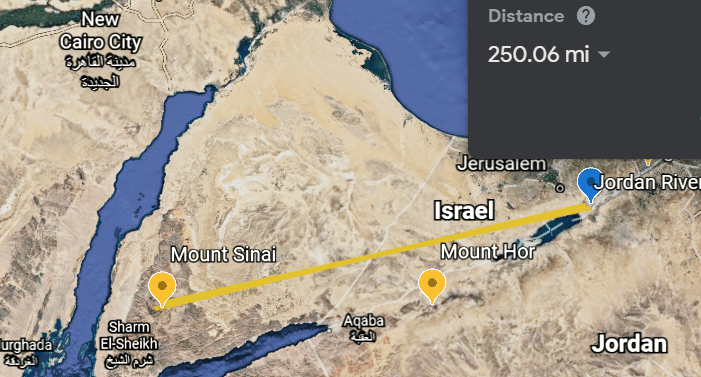
    satellite view of mouth Sinai to the Jordan

    but I went away to Arabia, and returned once more to Damascus.

    Then three years later I went up to Jerusalem to become acquainted with Cephas, and stayed with him for fifteen days.

    Paul’s letter to the Galatians 1:17b [above] & 18 NASB20
    ACTS of the Apostles - To be continued...
  • That you may have Certainty – 7 – An outsider’s view from a Gentile

    That you may have Certainty – 7 – An outsider’s view from a Gentile

    That you may have Certainty in these Uncertain Times

    Our post-resurrection series is witness from the introduction of Luke-Acts and Jesus’ assurances to followers. In our previous post we pointed out: “The ultimate outsiders were Gentiles, and Luke emphasizes that God’s salvation extends even to them.” We began with a Hebrew view of a Gentile, noting that Prophets compared Jews who turned from the Lord to the Gentiles.

    Today we will view the meaning of Gentile in the first century context of Luke. Judea, Samaria and other Roman-ruled provinces had all spoken Greek since Alexander’s rule in third century before Christ. Therefore we’ll take a cultural view of the Gentile from a Hellenist or Greek usage.  (After all, most Greeks were considered Gentiles by Jews living in any land.)

    We ourselves are Jews by birth and not gentile sinners – Paul’s letter to the Galatians 2:15

    A Gentile in the time of Christ

    Luke, of course, was born a Gentile. Yet Luke does not refer to any person as “a gentile” and Christ’s only naming a person as a gentile makes connection to a groups of people.

    Matthew 18:17 ἐὰν δὲ παρακούσῃ αὐτῶν εἰπὲ τῇ ἐκκλησίᾳ ἐὰν δὲ καὶ τῆς ἐκκλησίας παρακούσῃ ἔστω σοι ὥσπερ ὁ ἐθνικὸς καὶ ὁ τελώνης

    If he refuses to listen to them, tell it to the church. And if he refuses to listen even to the church, let him be to you as a Gentile and a tax collector.

    Matthew (a Jew and a tax collector) quotes Jesus’ instructions to the church (plural) about differences with individuals. Gentiles is a plural reference to nations not of Jewish heritage.

    ἔθνος – ethnos

    • a multitude (whether of men or of beasts) associated or living together
    • a multitude of individuals of the same nature or genus: the human family
    • a tribe, nation, people group
    • in the OT, foreign nations not worshiping the true God, pagans, Gentiles
    • Paul uses the term for Gentile Christians

    Strong’s Definitions 
    ἔθνος éthnos, eth’-nos; a race (as of the same habit), i.e. a tribe; specially, a foreign (non-Jewish) one (usually, by implication, pagan):—Gentile, heathen, nation, people.

    Refer to someone as a gentile and we may not get it, but ethnos or ethnic we understand as culture.  Luke’s gospel is clear witness of the importance of Jesus to both Jew and Gentile.

    Luke 2:

    30 for my eyes have seen your salvation
    31 that you have prepared in the presence of all peoples,
    32 a light for revelation to the Gentiles,
    and for glory to your people Israel.”

    Luke expounds further on Jesus’ importance to the Nations (other ethnicities) in the Acts of the Apostles. Mathew’s gospel also addresses the ethnos of the Messiah and like Luke, also quoting a Prophet.

    Matthew 4:

    … he went and lived in Capernaum by the sea, in the territory of Zebulun and Naphtali, 14 so that what was spoken by the prophet Isaiah might be fulfilled:

    15 “The land of Zebulun and the land of Naphtali,
    the way of the sea, beyond the Jordan, Galilee of the Gentiles—
    16 the people dwelling in darkness
    have seen a great light,
    and for those dwelling in the region and shadow of death,
    on them a light has dawned.”

    17 From that time Jesus began to preach, saying, “Repent, for the kingdom of heaven is at hand.”

    A Gentile not like us

    Therefore, gentiles (ethnos) are those not like us. Different skin color, different language, different food, a different culture and yes, different gods.

    The following excepts are take from International Standard Bible Encyclopaedia

    Gentiles – jen’-tilz (goy, plural goyim; ethnos, “people,” “nation”): Goy (or Goi) is rendered “Gentiles” in the King James Version in some 30 passages, but much more frequently “heathen,” and oftener still, “nation,” … commonly used for a non-Israelitish people…

    Under Old Testament regulations they were simply non-Israelites, not from the stock of Abraham, but they were not hated or despised for that reason, and were to be treated almost on a plane of equality, except certain tribes in Canaan…

    But as we approach the Christian era the attitude of the Jews toward the Gentiles changes, until we find, in New Testament times, the most extreme aversion, scorn and hatred. They were regarded as unclean… All children born of mixed marriages were bastards.

    If we inquire what the reason of this change was we shall find it in the conditions of the exiled Jews, who suffered the bitterest treatment at the hands of their Gentile captors and who, after their return and establishment in Judea, were in constant conflict with neighboring tribes and especially with the Greek rulers of Syria. The fierce persecution of Antiochus IV, who attempted to blot out their religion and Hellenize the Jews, and the desperate struggle for independence, created in them a burning patriotism and zeal for their faith which culminated in the rigid exclusiveness we see in later times.

    A Centurion’s Faith

    Perhaps the best illustration of Jesus’ love for the Gentiles comes from Luke’s story of an encounter initiated by genuine love of a Roman official for his Jewish servant. In it Jesus highlights an exemplary example of faith in this Gentile Roman.

    Jesus returns home to Capernaum after teaching the people in other places. A Roman Centurion had messengers waiting to see Jesus. The local Jews in Capernaum understand both the message and the reason for this Gentile Roman soldier wanting to see Jesus. They had been asked to have Jesus come to heal this man’s servant.

    Luke 7:

    6 And Jesus went with them.

    When he was not far from the house, the centurion sent friends, saying to him, “Lord, do not trouble yourself, for I am not worthy to have you come under my roof. 7 Therefore I did not presume to come to you. But say the word, and let my servant be healed. 8 For I too am a man set under authority, with soldiers under me: and I say to one, ‘Go,’ and he goes; and to another, ‘Come,’ and he comes; and to my servant, ‘Do this,’ and he does it.”

    9 When Jesus heard these things, he marveled at him, and turning to the crowd that followed him, said, “I tell you, not even in Israel have I found such faith.”

    10 And when those who had been sent returned to the house, they found the servant well.


    Jesus heals a Jewish servant of a Gentile (without even enter the servant’s room). Faith of the Roman Centurion illustrates the love of Jesus also, His great compassion. For the Jews of Capernaum had told Jesus of this man, ” “He is worthy to have you do this for him, 5 for he loves our nation, and he is the one who built us our synagogue.”

    The local Jews praise a Roman Gentile for building a place to worship to the Lord. Think about it. A Gentile man of faith has already stood before Capernaum as an example of a man who loved others. This Gentile meets the Lord Jesus, who heals one he loves.  Consequently Jesus says, “I tell you, not even in Israel have I found such faith.”

    Our Gentile faith

    Jesus doesn’t look much like a Roman. For that matter our Lord does not look European or African or American. In so many ways Jesus does not look like other Jews or even Galileans. Yet He comes to you and encounters you personally.

    Will the Lord find such faith in me or in you, even though we differ in so many ways?

    In personal encounters with His followers for forty days Jesus has so much to tell Disciples now sent to all the nations. After His victorious Resurrection from the Cross of Sacrifice the Gospel is sent out not only to a faithful remnant of the Jews, but to the world.  Gentiles of the generations have this same faith until His certain return that we are chosen by the Lord, Christ Jesus.

    Isaiah 42:

    The Lord‘s Chosen Servant

    42 Behold my servant, whom I uphold,
        my chosen, in whom my soul delights;
    I have put my Spirit upon him;
        he will bring forth justice to the nations.
    He will not cry aloud or lift up his voice,
        or make it heard in the street;
    a bruised reed he will not break,
        and a faintly burning wick he will not quench;
        he will faithfully bring forth justice.
    He will not grow faint or be discouraged
        till he has established justice in the earth;
        and the coastlands wait for his law.

    Thus says God, the Lord,
        who created the heavens and stretched them out,
        who spread out the earth and what comes from it,
    who gives breath to the people on it
        and spirit to those who walk in it:
    “I am the Lord; I have called you in righteousness;
        I will take you by the hand and keep you;
    I will give you as a covenant for the people,
        a light for the nations,
        to open the eyes that are blind,
    to bring out the prisoners from the dungeon,
        from the prison those who sit in darkness.
    I am the Lord; that is my name;
        my glory I give to no other,
        nor my praise to carved idols.
    Behold, the former things have come to pass,
        and new things I now declare;
    before they spring forth
        I tell you of them.”


    Faith’s Certainty in Christ

    Jesus will send the Holy Spirit of the Lord to dwell with men and women of faith. He sends out disciples, Jews and Gentiles, in faith. The Lord IS the Good News, the Gospel of Light to those with eyes to see. 

    A Day of His return, the judgment of all flesh and restoration of all righteousness draws near. Shall His wrath not justify making the end of all sin and death?

    Beloved believer, your sin and mine did cause His suffering and Sacrifice. Does your love for Jesus and faith anticipate the grace of His return?

    Jesus IS LORD! 

    May He draw us together into the glory of His eternal love.

    Amen.