The Bondage of Culture and Corruption
This is only reference to ‘bondage’ in the English Standard Bible — BONDAGE is not a very popular word of cultural correctness — and “bondage of culture” does NOT occur in any version of the Bible (though the NKJV mentions bondage more than two dozen times).
The Shaking of Earthquakes
IF you will examine the events of ACTS of the Apostles carefully as has Luke, then you will see what some would call ‘natural events,’ such as the Philippi earthquake in Acts 16 by which Paul and Silas had the bondage of their shakles released, as one of many signs of power over nature, the idolatrous ‘mother‘ of many proclaiming the bondage of culture.
About midnight Paul and Silas were praying and singing hymns to God, and the prisoners were listening to them, and suddenly there was a great earthquake, so that the foundations of the prison were shaken.
And immediately all the doors were opened, and everyone’s bonds were unfastened. – ACTS 16:25-26 ESV
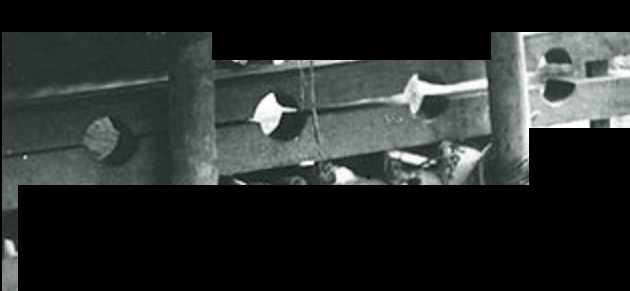
Wooden bonds shackled to their feet – a chain bondage to a stone floor or base of the wall of their deep prison cell. THEN AN EARTHQUAKE!
Just then? (What a coincidence of ‘mother nature.’)
Just when the witness of Paul and Silas heard by the prisoners had been singing to God?
σεισμός – seismos
Even the idolaters of the bondage of culture know this, yet minimize God’s power.
“For nation will rise against nation, and kingdom against kingdom, and in various places there will be famines and earthquakes G4578.
Signs by the One God of Power!
and there will be great earthquakes, and in various places famines and plagues; and there will be terrors and great signs from heaven.
Gospel of Luke 21:11 LSB –
“But before all these things, they will lay their hands on you and will persecute you, delivering you to the synagogues and prisons, bringing you before kings and governors for My name’s sake.
Gospel of Luke 21:12
Isn’t this what has just happened to the apostles Paul and Silas in a Philippian prison?
Acts 16:
- .. a slave girl who had a spirit of divination and brought her owners much gain by fortune-telling.
- Paul .. said to the spirit, “I command you in the name of Jesus Christ to come out of her.” And it came out that very hour.
A spiritual bondage to the darkness of evil forbidden by Almighty God. And a bondage of culture to profit from knowledge unavailable to others.
- ..her owners saw that their hope of gain was gone, they seized Paul and Silas and dragged them into the marketplace before the rulers.
- The crowd joined in attacking them, and the magistrates tore the garments off them and gave orders to beat them with rods. 23 And when they had inflicted many blows upon them, they threw them into prison
These magistrates were Roman leaders. The slave girl’s owners may also have been Roman OR these evil masters of the girl may have been Hellenist (Greek) men of Philippi clinging to the bondage of culture, not only theirs but that of their Roman overseers.
If you missed it previously READ more about the Culture of Philippi
The slave girl of spiritual bondage AND the local bondage of culture of her Philippian owners had proclaimed prophetically:
“These men are servants of the Most High God, who proclaim to you the way of salvation.”
Yet the local Philippian owners of this girl bound to sin and under the bondage of culture – the slavery of differences:
“These men are Jews, and they are disturbing our city. 21 They advocate customs that are not lawful for us as Romans to accept or practice.”
Is it customary for culture to beat its prisoners without a trial?
Yes, if the loudest of crowds can rule over their rulers with impunity.
It is our own bondage of culture which refuses the Savior Jesus Christ who sent his apostles and Gospel into all the world to free sinners from death.
Sorry, my public judgment was a mistake
So just go quitely away from our culture of bondage (to what we insist on doing).
35 But when it was day, the magistrates sent the police, saying, “Let those men go.”
(We are moving down the cultural commanding chain of command here.)
36 And the jailer reported these words to Paul, saying, “The magistrates have sent to let you go. Therefore come out now and go in peace.”
But Paul said to them,
“They have beaten us publicly, uncondemned, men who are Roman citizens, and have thrown us into prison; and do they now throw us out secretly?
No! Let them come themselves and take us out.”
Acts of the apostle Paul 16:37, sending out his reply to Philippian Roman magistrates through their jailer
The Legacy Standard Version [below] may be more helpful in understanding the cultural connection of this injustice.
But Paul said to them, “Having beaten us in public without trial, men who are Romans, they have thrown us into prison. And now are they sending us away secretly?
No indeed! But let them come themselves and bring us out.”
Paul now draws a line in the sand by his refusal to go away quietly.
He challenges a Roman bondage of culture claiming public justice of their Pax Romana.
(Working back up the Roman chain of command ruling Philippi.)
38 The police reported these words to the magistrates, and they were afraid when they heard that they were Roman citizens.
39 So they came and apologized to them. And they took them out and asked them to leave the city.
The political leaders of this leading Roman city have publically punished men for crimes and having served an overnight sentence in the stocks they ordered their punished prisoners to go away and don’t come back.
But Paul’s witness of righteousness in Christ demands that these apostles remain in town after this public incident.
40 So they went out of the prison and visited Lydia.
Paul and Silas then visit Lydia and their NEW church in the place where Christ’s apostles were first sent and welcomed — Philippi at the eastern edge of Europe and in the very heart of the Roman Mediterranean Empire.
What’s just happened?
FAITH of two apostles singing at midnight in a prison in Philippi and THEN an earthquake!
They might have been killed in a collapsing cell in the lowest part of this jail!
BUT it’s more than just a shaking of the ground — this pivotal sign from the All-powerful God of heaven to whom Paul and Silas had prayed and praised. The prison doors are also opened yet no prison trys to escape. They wait in the darkness for the light of the hope of Paul and Silas.
Returning to the Jailer
27 When the jailer woke and saw that the prison doors were open, he drew his sword and was about to kill himself, supposing that the prisoners had escaped..
..the prison doors were open, he drew his sword and was about to kill himself..
“Do not harm yourself, for we are all here.”
29 And the jailer called for lights and rushed in, and trembling with fear he fell down before Paul and Silas. Then he brought them out and said,
“Sirs, what must I do to be saved?” 31 And they said,
“Believe in the Lord Jesus, and you will be saved, you and your household.”
Acts of the Apostles 16:31b – Paul’s reply to his jailer in Philippi who asked, “What must I do to be saved?”
And they spoke the word of the Lord to him and to all who were in his house. And he took them the same hour of the night and washed their wounds; and he was baptized at once, he and all his family.
34 Then he brought them up into his house and set food before them. And he rejoiced along with his entire household that he had believed in God.
We have already examined the cultural bondage of the public court and its magistrates, who later attenpted to apologize and send them away quietly.
The faith of the apostles had been public before prison, public in prison, public at the house of Lydia and the house of their Philippian Jailer.
FAITH in the Lord Jesus is a matter of PUBLIC witness every day and in every place.
And when they had seen the brothers, they encouraged them and departed.
Acts of the apostles 16:40b
To be continued…