The Gospel is Good News to all who will humbly accept Jesus and listen to His teaching.
We refer to the four books of the Bible which tell the story of Jesus Christ as the Gospels. These books are named for their authors: Matthew, a Jewish Apostle; Mark, a disciple of the first generation who recorded accounts of Peter and the Twelve; Luke, a gentile Physician and disciple of the first century; and John, one of the Twelve Jewish Apostles chosen by Jesus.
The following Scriptural Rerun, although not a part of our current Apostolic Faith SERIES, will provide additional context for our look at the Gospel of John written about five years before the Elder's Epistles.
READ any post linked below from our 2020 SERIES from the Gospel of John
Scriptural exposition in the context of A.D. 85-90,
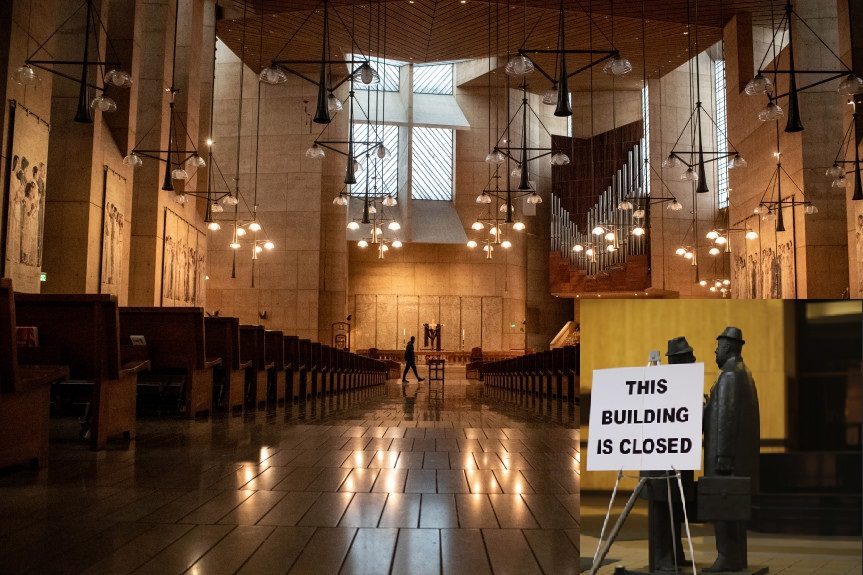
19 March AD2020 Churches ordered closed..while during recent months:
some sought to stream the stage of worship
some sent seeker-friendly scripture into our homes
some church communities disintegrated while others diminished & distanced (like our 2020 remote office meetings complete with slides).
To review the Gospel of John, simply click on any link in the outline below& it will open in a new window.
Roger – author of A.D. 2020 series on the Gospel ‘Good NEWS’ of John
I hope you were blessed by the secure links to reliable sites for further study of Scripture, as well as insight into the 1st century church of John’s Gospel (written ~A.D.- 90).
IN THE BEGINNING was the Word, and the Word was with God, and the Word was God. He was in the beginning with God.
ALL THINGS came into being through Him, and apart from Him not even one thing came into being that has come into being. In Him was life, and the life was the Light of
MANKIND.
And the Light shines in the darkness, and the darkness did not grasp it.
14 And the Word became flesh, and dwelt among us; and we saw His glory, glory as of the only Son from the Father, full of grace and truth.
The Book of the Prologue
John’s Prologue [1:1-18], from which the Apostle next proceeds to the testimony of John the Baptist and the Messiah’s calling of the Twelve, states many important theological themes & along with his Epilogue [21:1-25 {linked below}] provides additional depth of purpose of John’s Gospel.
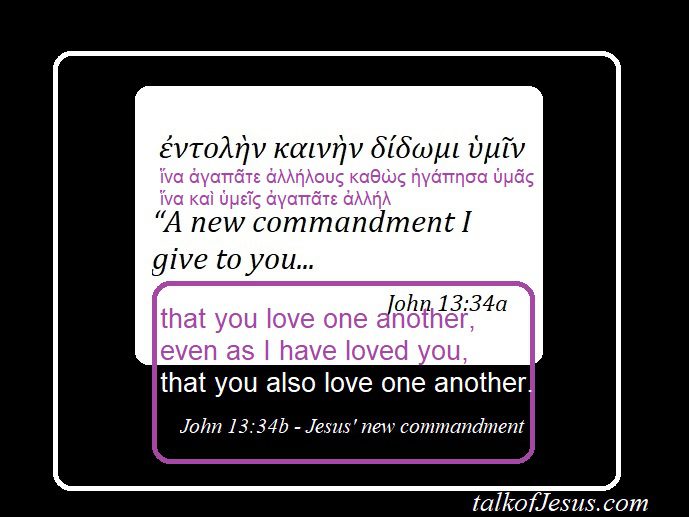
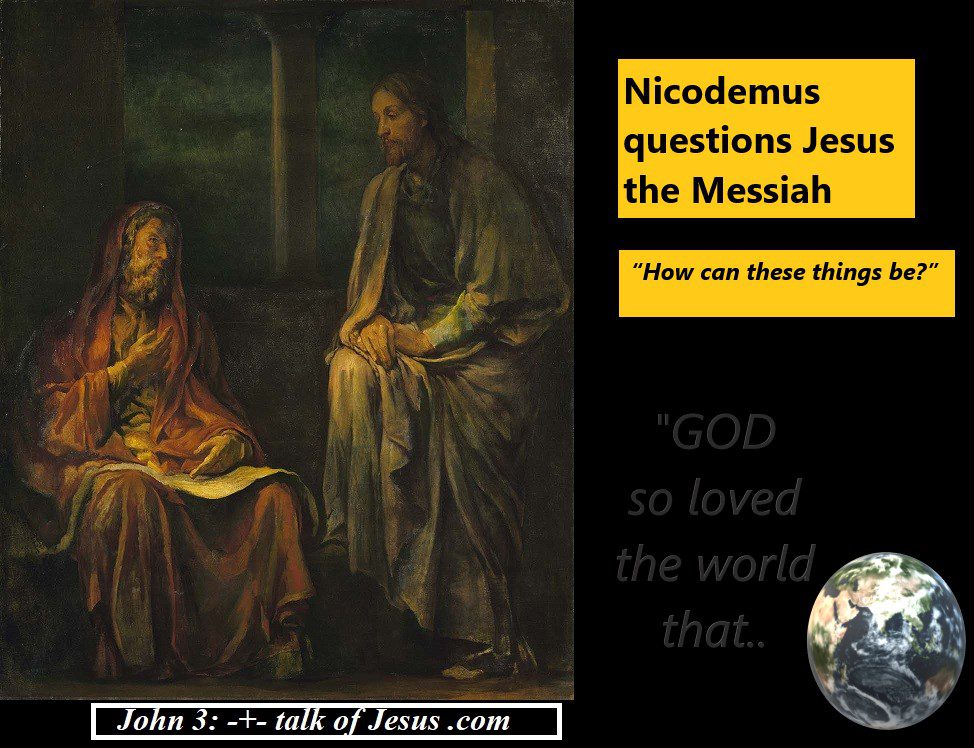
‘My Father’s House – John 2“You must be born again.I am the Messiah – John 4Before Abraham was, I AM John 11“..and he who hates his life in this world will keep it to life eternal.also love one another-John 13Jesus prays – John 17Jesus answered him – John 19:11 Jesus said:
Gospel of John
“Behold! The Lamb of God who takes away the sin of the world! – John 1:29b
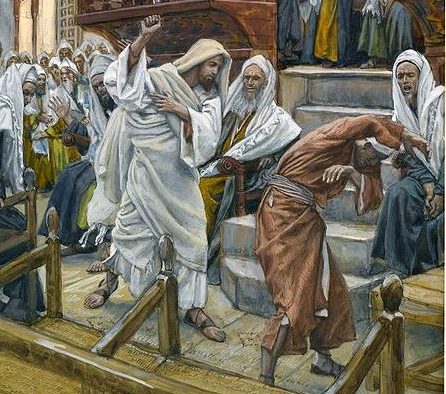
As Jesus passed by, He saw a man who had been blind from birth. – John 9:1
Are you greater than our father Abraham who died? And the prophets died. Who do you claim to be?” – John 8:53
“But you do not believe because you are not of My sheep.
My sheep hear My voice, and I know them, and they follow Me;
and I give eternal life to them, and they will never perish; and no one will snatch them out of My hand. – John 10:26-28
Jesus said to her, “Your brother will rise from the dead.”
.. “I am the resurrection and the life; the one who believes in Me will live, even if he dies, and everyone who lives and believes in Me will never die.
Hear all the unrelenting bad news of yesterday or today or any future year in the Common Era of these last days.
For followers of Jesus, His death diminished life’s hope in eternal life;
that is, until the GOOD NEWS of the Lord’s resurrection reached the eyes and ears and touch of His dearly beloved friends.
John and the Disciples witnessed the Lord Jesus in His Risen Flesh several times after His resurrection, as had hundreds of other disciples also seen their risen Christ!
but these are written that you may believe that Jesus is the Christ, the Son of God, and that believing you may have life in His name.
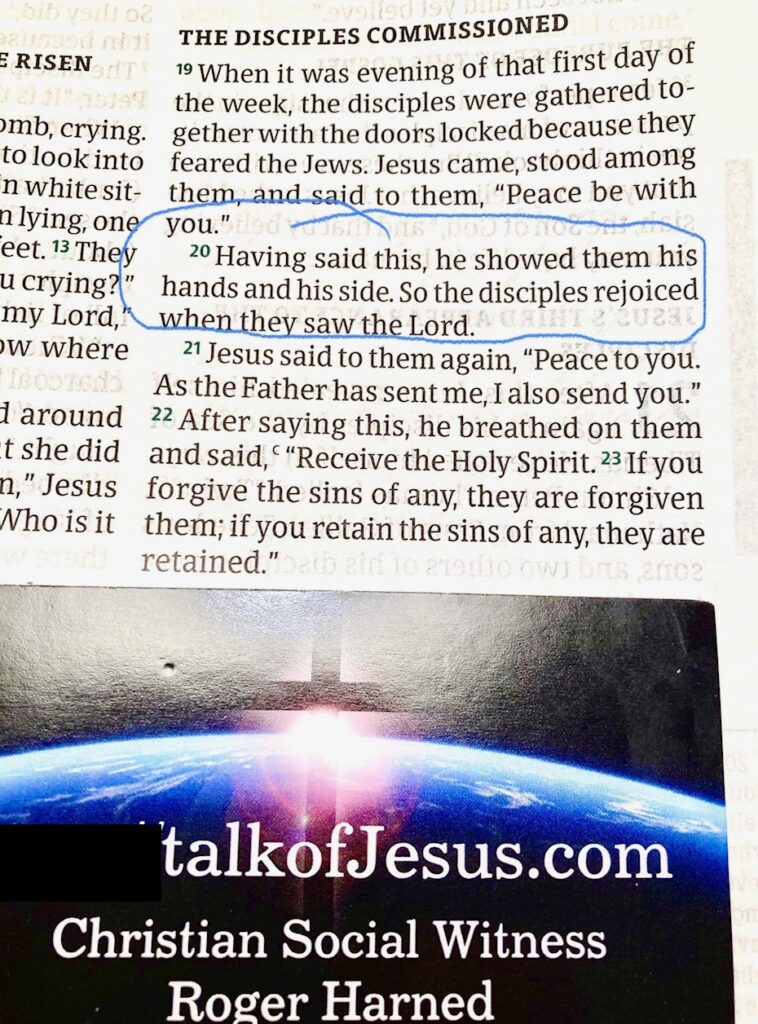
And when He had said this, He showed them both His hands and His side. The disciples then rejoiced when they saw the Lord.
John 20:20
Their sorrow had turned into joy and so must ours; for in Christ Jesus his disciples of every generation have eternal life through His sacrifice for our sins. This is our Gospel, John’s Good News to those who would believe.
John’s Epilogue
John 20:30 Jesus performed many other signs in the presence of his disciples that are not written in this book.
But these are written so that you may believe that Jesus is the Messiah, the Son of God, and that by believing you may have life in his name.
John 20:21 CSB
Go in Peace and Believe
I pray that the Lord has blessed you through the Gospel of John in A.D. 2020 and now I might add, the Good NEWS of John by God’s grace continuing these last days in 2023 of the Common Era ..
May our Lord Jesus Christ
draw you into His grace,
giving you new hope of Eternal Life in the remaining years of our Common Era of 2023 and beyond if it is God's will,in the Name of the Father and the Son Christ JESUS, Who IS and Was and will judge all things when the Lord returns, and the Holy Spirit who sustains saved sinners in these last days.
AMEN.
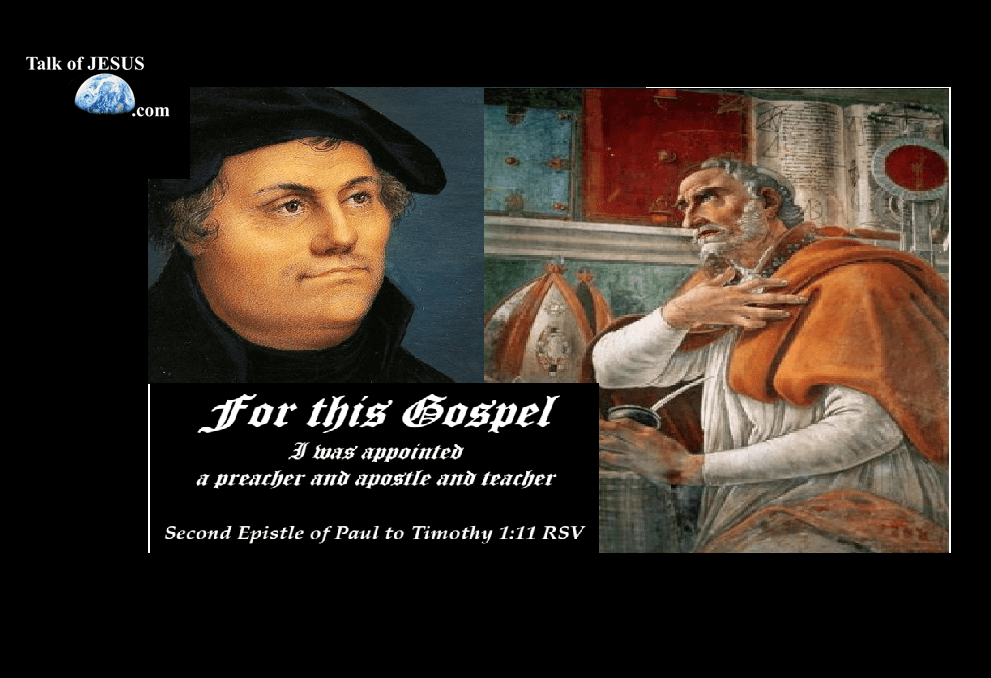
For this gospel I was appointed a preacher and apostle and teacher,
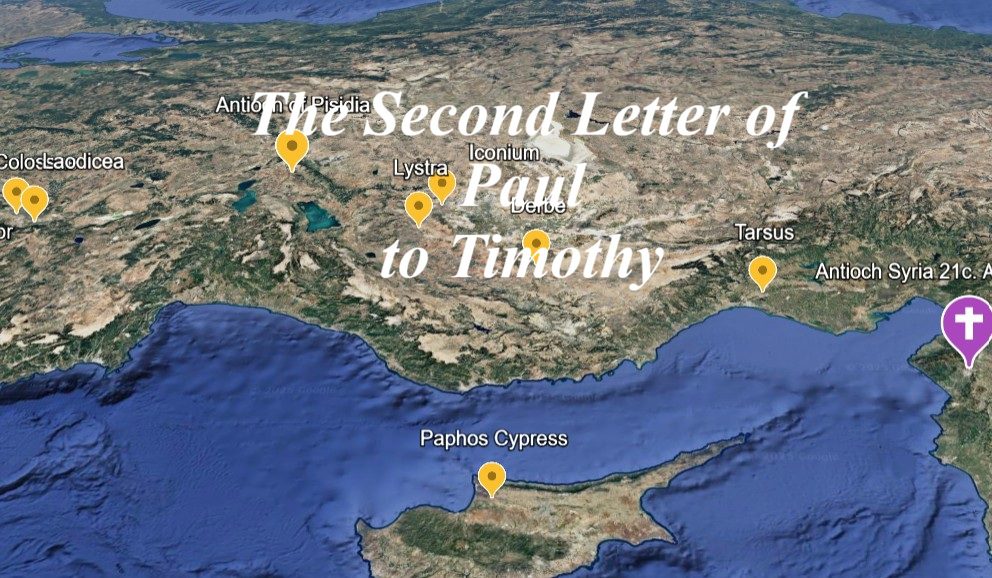
Second Epistle of Paul to Timothy 1:11 RSV
Paul’s Gospel of God and Christ
The Apostle has begun his final pastoral epistle with encouragement of young Timothy as his beloved son appointed to continue in the Gospel of Jesus Christ.
Paul also identifies some of who fall away from Christ and others who remain faithful. (It remains a pattern for the ages.)
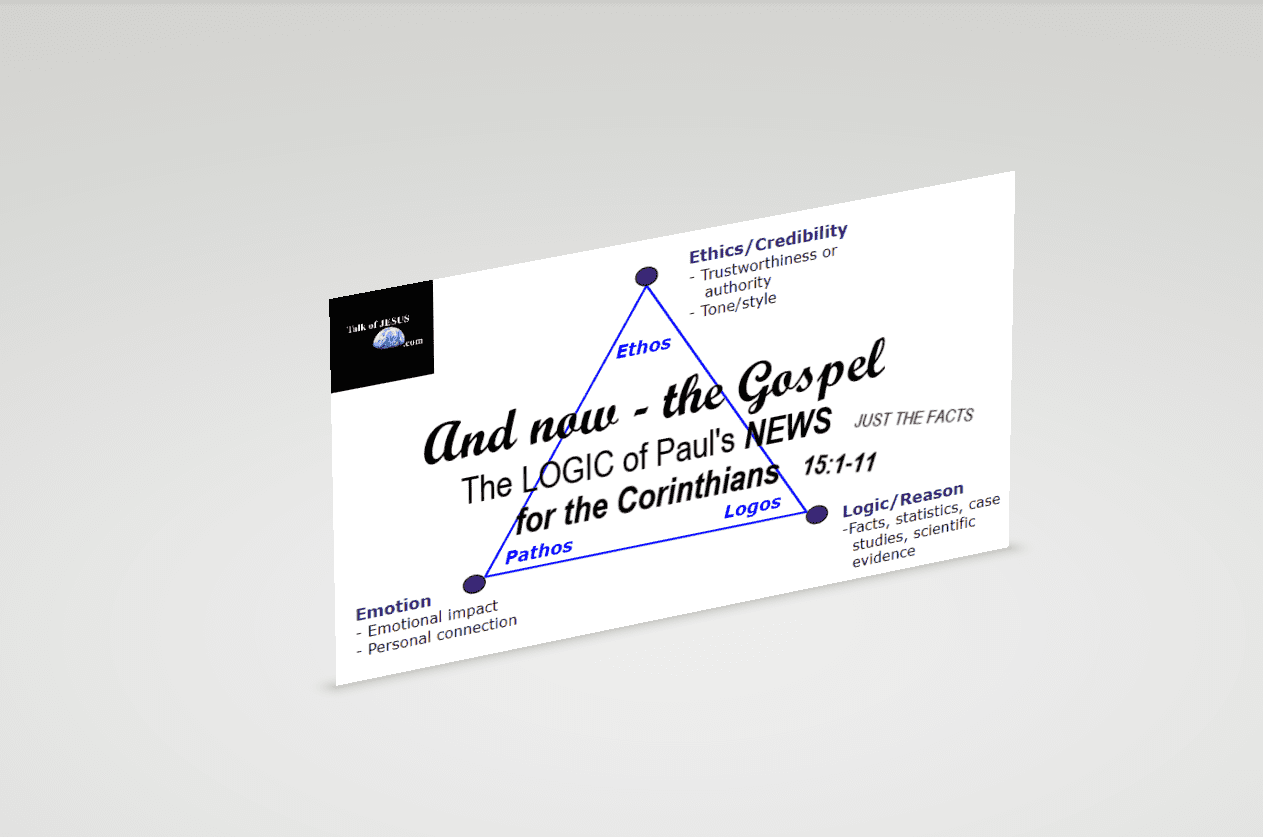
What is Paul’s Gospel?
εὐαγγέλιον
euangelion
Paul has written to the Romans, faithful saints in the city in which the Apostle is imprisoned and awaiting death:
Paul, a servant of Jesus Christ, called to be an apostle, separated unto the gospel G2098 of God,
Romans 1:1 KJV
To the Corinthian saints Paul writes:
.. for in Christ Jesus I have begotten you through the gospel. G2098
1 Corinthians 4:15b KJV
and
But if our gospel G2098 be hid, it is hid to them that are lost:
2 Corinthians 4:3 KJV
We could point to additional epistles of Paul to the saints of various churches.
Paul refers to the GOSPEL 74 times in 68 verses in ‘The Pauline Epistles.’
God’s Divine plan now revealed in Christ
That’s the Apostles’ NEW Good News!
In Paul’s earlier pastoral letter to Timothy the Apostle had written:
As I urged you when I was going to Macedonia, remain at Ephesus that you may charge certain persons not to teach any different doctrine,
1 Timothy 1:3 RSV
Certain saints supposedly committed to Christ had already wavered away from the Gospel Paul taught.
Now we know that the law is good, if any one uses it lawfully, understanding this, that the law is not laid down for the just but for the lawless and disobedient, for the ungodly and sinners, for the unholy and profane..
and whatever else is contrary to sound doctrine, in accordance with the glorious gospel of the blessed God
with which I have been entrusted.
1 Timothy 1:8-11 excerpt RSV
I charge you to keep the commandment unstained and free from reproach until the appearing of our Lord Jesus Christ; and this will be made manifest at the proper time by the blessed and only Sovereign, the King of kings and Lord of lords,
who alone has immortality and dwells in unapproachable light, whom no man has ever seen or can see.
To him be honor and eternal dominion. Amen.
1 Timothy 6:14-16 RSV – charge of the Apostle Paul to Timothy
Paul worships God and Christ, pointing to the promise of the eternal mystery now revealed in the resurrection and ascension of Jesus.
Paul’s Gospel of SALVATION in JESUS
manifested by the appearing of our Savior
join with me in suffering for the gospel according to the power of God, who has saved us
and called us with a holy calling, not according to our works,
but according to His own purpose and grace
which was given to us in Christ Jesus from all eternity,
but now has been manifested by the appearing of our Savior Christ Jesus,
who abolished death and brought life and immortality to light through the gospel,
2 Timothy 1:8b-10 LSB
Jesus is now revealed as our Savior and it is death from which He has saved us.
This is the gospel of Jesus as our saviour which Paul emphasizes throughout this last pastoral epistle to Timothy and saved saints of the Church.
The Apostle has used [ὑποτύπωσις]hypotypōsis in his first epistle as well:
Howbeit for this cause I obtained mercy, that in me first Jesus Christ might shew forth all longsuffering, for a patternG5296 to them which should hereafter believe on him to life everlasting.
1 Tim 1:16 KJV
And again Paul states here:
Hold fast the form G5296 of sound words, which thou hast heard of me, in faith and love which is in Christ Jesus.
2 Tim 1:13 KJV
His outline [or pattern] here is for Timothy and any pastor who will follow in the authority of Christ Jesus — the Apostolic faith which Paul, Peter and others have echoed.
RETAIN THIS, insists Paul.
Preachers, Apostles and Teachers
This self-discipline [v.7] to which the Apostle has already pointed requires preachers and teachers to retain this pattern of Paul.
Therefore do not be ashamed of either the witness about our Lord or me His prisoner..
2 Tim 1:8a LSB
a brief reminder about apostles, preachers and teachers.. and then, saints:
An Apostle is ‘sent out’ or set apart under the Authorithy through God and Christ.
IF you address your preacher standing in a pulpit going nowhere but the stage of their church as Apostle So-and-so, you miss the Apostolic authority Paul calls for preachers and teachers to retain as our pattern in Christ Jesus.
Paul points out that he was appointed [tithēmi ] to all these responsibilities. He is an apostle, a preacher and teacher.
The Church often used a symbolic laying on of hands for such offices, but the true sign is of the indwelling of the Holy Spirit of Almighty God.
Preachers
kēryx is the same word Peter used of Noah calling him, ‘a preacher of righteousness.’ It’s a noun meaning: a herald or messenger vested with public authority.
You’ll recognize Paul’s point from its verb meaning to preach or proclaim.
From that time Jesus began to preach G2784 and say, “Repent, for the kingdom of heaven is at hand.”
Gospel of Matthew 4:17 LSB
and He said to them, “Thus it is written, that the Christ would suffer and rise again from the dead the third day,and that repentance for forgiveness of sins would be proclaimed [ G2784] in His name to all the nations, beginning from Jerusalem.
“You are witnesses of these things.
Gospel of Luke 24:46-48 LSB – Jesus to the Apostles just prior to His ascension
Paul reminds Timothy:
That is why I am suffering here in prison. But I am not ashamed of it, for I know the one in whom I trust, and I am sure that he is able to guard what I have entrusted to him until the day of his return.
2 Timothy 1:12 NLT
Teachers
διδάσκαλος – in the NT one who teaches concerning the things of God, and the duties of man
“Adisciple is not above his teacherG1320, nor a slave above his master. It is enough for the disciple that he become like his teacherG1320, and the slave like his master.
Gospel of Matthew 10:24-25a LSB
And a reminder that mathētēs is any student or disciple of a teacher.

Slave is doulos which we often gently translate, servant.

And again the significance of the teacher (whether Paul or Jesus or a teaching Elder of your church) is that relationship —

 of Teacher-Student or Master-Servant — kyrios - the same word often used for the Lord JESUS points to the authority of God.
“You call Me Teacher G1320 and Lord G2962; and you are right, for so I am.
Gospel of John 13:13 LSB – Jesus to His Disciples
a duty of the saints and pastors
Now if any one says that we need not direct men how or what they should teach, since the Holy Spirit makes them teachers, he may as well say that we need not pray, .. or that the Apostle Paul should not have given directions to Timothy and Titus as to how they should teach others.
And these three apostolic epistles ought to be constantly before the eyes of everyone who has obtained the position of a teacher in the Church.
ON CHRISTIAN DOCTRINE – AD 397 & 426 – translated JF Shaw, book IV, ch xxxiii excerpt – ST. AUGUSTINE of Hippo
Augustine, an elevated father of the early Church, presents sound reasons why all saints of Christ ought to dutifully follow their teachers and why all pastors can only lead their sheep of Christ’s pasture in diligence of prayer, obeying the Holy Spirit and keeping in Scripture, including these pastoral epistles.
Guard the Truth
guard the truth that has been entrusted to you by the Holy Spirit who dwells within us.
Second Epistle of the Apostle Paul to Timothy 1:14 RSV
* SUMMARY OF THIS GOSPEL:
Christ alone is the good shepherd...
Christ’s sheep know only Christ’s voice
and follow it.
God knows well who are his as Paul says in 2 Timothy 2:19: “Howbeit the firm foundation of God standeth, having this seal, The Lord knoweth them that are his.”
It is not a congregation of Christ that strives for the honor of this world and desires to be esteemed great in the eyes of the world…
~ AD 1520 – Sermons of MARTIN LUTHER – a theologian, Catholic priest, reformer and former Augustinianfriar – Vol 3, Pg 340 [translated Lenker]
NEXT: 2 Timothy 2 – STRONG Teachers and FALSE Preachers
The baby Jesus, born of the virgin Mary, remains a fond and distant memory in our annual celebrations of theChrist-MassHoly-days.
Not surprisingly (as I recall that this year is the two-thousand twenty-fifth year of our Lord , as Christians used to call it in the days of Advent Calendars) I discovered my first CHRISTMAS EVE post from AD 2013,
It’s overall place in our current SERIES on The Apostles’ Creed is most fitting.
His timeline of three years of teaching during a mere 30 years in the world as the Son of Man places relevance on the brevity of both His and our mortal lives.
Roger Harned – author, administrator and founder of TalkofJesus.com
Just a few introductory Scriptures here, followed by my original Christmas Eve post of AD 2013. - RH
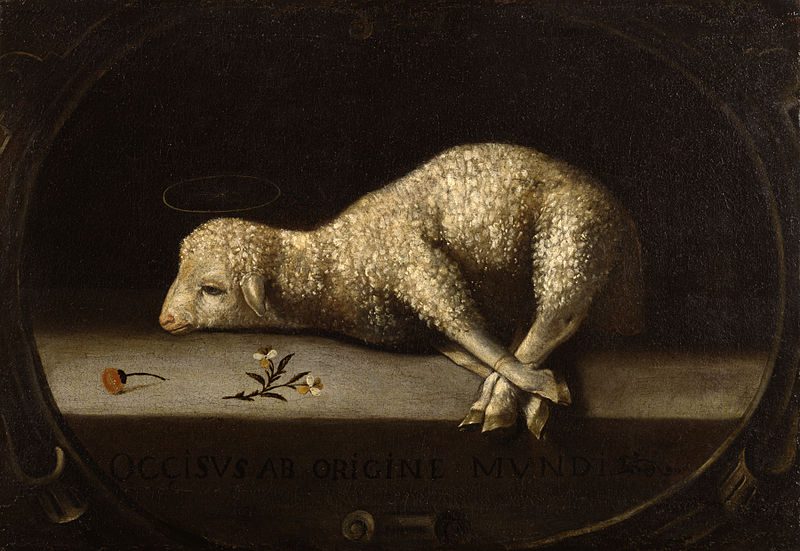
He is both Shepherd & a sheep for the Sacrifice
Thou hast given us like sheep appointed for meat; and hast scattered us among the heathen.
Psalm 44:11 KJV
Is that not the lot of 2025 CE Christians as well?

Many Christians know this next one from the Gospel:
All we like sheep have gone astray;
we have turned every one to his own way;
and the LORD hath laid on him the iniquity of us all.
1 The beginning of the gospel of Jesus Christ, the Son of God.
2 As it is written in Isaiah the prophet,
“Behold, I send my messenger before your face, who will prepare your way, 3 the voice of one crying in the wilderness: ‘Prepare the way of the Lord, make his paths straight,’”
Before John the messenger of the Messiah, prior to Isaiah and the Prophets calling us to repentance and announcing the coming of the Lord;
Before David and the Kingdom of Israel, before Moses and the exodus of God’s chosen from captivity;
Thus, God IS and did send unto mankind Himself His only Son, a babe in a humble manger, born of a humble woman betrothed of a humble man, for the work of our redemption, a sheep of sacrifice on the Cross for our salvation. He IS the resurrection and the life.
Are we not prisoners of our many sins? Do our hearts not suffer in the dungeons of our darkness. Is God not distant from our difficulties and silent in our sufferings?
It was no different 2013 years ago. Yet the beginning of the story of the babe in the manger begins before the beginning.
In the beginning, the Holy Spirit was with God. The Holy Spirit descended on Christ Jesus, Son of God and He, a man with us, taught us once more the surpassing love and grace of God our Father in heaven.
Before Jesus’ ministry and teaching in the Holy Spirit, before the Son of Man was born in a manger in Bethlehem, He IS God in creation. Now a savior is come. He IS God with man: like every man, a babe, a child, a youth, a young man, and finally a mature man teaching the very word of God. He IS the very word of God! Jesus’ teaching IS the only truth, the whole truth and nothing but the truth. Yet by His own love and the great grace of God our Father, He IS the Lamb of sacrifice for our sins.
Think of Jesus descended into the womb of Mary and born to be worshiped in a lowly manger in this way:
1 In the beginning was the Word, and the Word was with God, and the Word was God. 2 He was in the beginning with God.
Jesus, Son of Man, born of Mary, the Incarnate spoken Word of God the Father. He was with God the Father and God the Holy Spirit in the beginning.
3 All things were made through him, and without him was not any thing made that was made.
Genesis 1:
And the Spirit of God was hovering over the face of the waters.
3 And God said, “Let there be light,” and there was light.
The Word was with God, and the Word was God.
Jesus speaks to creation as the Word taught us.
4 In him was life, and the life was the light of men.
Genesis 1: 26 Then God said, “Let us make man in our image, after our likeness.
In the image and likeness of Jesus we were made. In the beginning, adam (man) was without sin, as Jesus, as God: Holy and separated from sin, like the darkness is divided from the light.
5 The light shines in the darkness, and the darkness has not overcome it.
Here is revealed the identity of the babe in the manger: Jesus, heralded by angels and worshiped by shepherds and wise kings; Jesus, the babe smuggled into Egypt by Joseph to escape the sword of Herod; Jesus who would return to Nazareth of Galilee announced by John the Baptist, greatest of all Prophets.
9 The true light, which gives light to everyone, was coming into the world. 10 He was in the world, and the world was made through him, yet the world did not know him.
11 He came to his own, and his own people did not receive him. 12 But to all who did receive him, who believed in his name, he gave the right to become children of God, 13 who were born, not of blood nor of the will of the flesh nor of the will of man, but of God.
By His Light and the cloud of His glory He led His own people from the slavery of Egypt to His land of promise. By His own Word He proclaimed His Law of holiness and light for the people of His promise.
God’s own rejected God as a people of God; therefore God came unto His own and also to those who were not His own as a light to the gentiles, to all nations and all peoples.
All who will believe in the only Son of God and truly follow the will of God have become sons and daughters of God, adopted into the household and heart of His eternal life and overflowing love.
14 And the Word became flesh and dwelt among us, and we have seen his glory, glory as of the only Son from the Father, full of grace and truth.
Unto us a child is born, a son of man, the Son of God. His glory was again witnessed by His Apostles and His righteousness seen by all.
15 (John bore witness about him, and cried out, “This was he of whom I said, ‘He who comes after me ranks before me, because he was before me.’”)
16 For from his fullness we have all received, grace upon grace. 17 For the law was given through Moses; grace and truth came through Jesus Christ.
18 No one has ever seen God; the only God, who is at the Father’s side, he has made him known.
6 And while they were there, the time came for her to give birth. 7 And she gave birth to her firstborn son and wrapped him in swaddling cloths andlaid him in a manger, because there was no place for them in the inn.
The Shepherds and the Angels
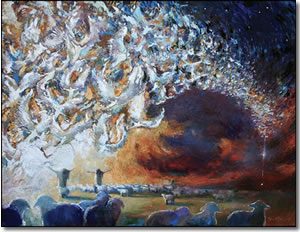
8 And in the same region there were shepherds out in the field, keeping watch over their flock by night. 9 And an angel of the Lord appeared to them, and the glory of the Lord shone around them, and they were filled with great fear. 10 And the angel said to them, “Fear not, for behold, I bring you good news of great joy that will be for all the people.
11 For unto you is born this day in the city of David a Savior, who is Christ the Lord. 12 And this will be a sign for you: you will find a baby wrapped in swaddling cloths and lying in a manger.”
13 And suddenly there was with the angel a multitude of the heavenly host praising God and saying,
14 “Glory to God in the highest, and on earth peace among those with whom he is pleased!”
15 When the angels went away from them into heaven, the shepherds said to one another, “Let us go over to Bethlehem and see this thing that has happened, which the Lord has made known to us.”
Thirty-three years later near Golgotha, then departed from Jerusalem:
Luke 24:
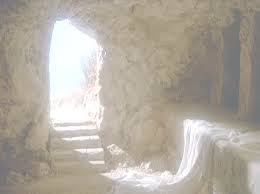
But on the first day of the week, at early dawn, they went to the tomb, taking the spices they had prepared. 2 And they found the stone rolled away from the tomb, 3 but when they went in they did not find the body of the Lord Jesus.
4 While they were perplexed about this, behold, two men stood by them in dazzling apparel. 5 And as they were frightened and bowed their faces to the ground, the men said to them, “Why do you seek the living among the dead? 6 He is not here, but has risen.
12 But Peter rose and ran to the tomb; stooping and looking in, he saw the linen cloths by themselves; and he went home marveling at what had happened.
13 That very day two of them were going to a village named Emmaus, about seven miles from Jerusalem, 14 and they were talking with each other about all these things that had happened. 15 While they were talking and discussing together, Jesus himself drew near and went with them.
Acts 1: 9 And when he had said these things, as they were looking on, he was lifted up, and a cloud took him out of their sight. 10 And while they were gazing into heaven as he went, behold, two men stood by them in white robes, 11 and said, “Men of Galilee, why do you stand looking into heaven? This Jesus, who was taken up from you into heaven, will come in the same way as you saw him go into heaven.”
John 1:1 In the beginning was the Word, and the Word was with God, and the Word was God.
Christ Jesus, from the beginning to the manger, to the cross, to the tomb, to the resurrection, to walking and witness with men fifty more days, to His ascension, to the heavens above, to return on the clouds.
Do you have a relationship with the greatest love of all, that of God our Father in Heaven, Christ Jesus the Lamb of sacrifice for our sins, and the Holy Spirit counselor of the Most High?
The Revelation of Jesus Christ to John 1:8 I am Alpha and Omega, the beginning and the ending, saith the Lord, which is, and which was, and which is to come, the Almighty.
Bow down and worship the Lord our God, Who IS and was and will be: God With Us; Christ Jesus our Lord and Savior.
May the peace of God’s love dwell in your hearts through the grace of our Lord Christ Jesus, who came to a lowly manger that we might bow even lower to worship His Holy Name in this Holy time: Christ Mass, 2013
Used to monitor number of Google Analytics server requests
10 minutes
__utmb
Used to distinguish new sessions and visits. This cookie is set when the GA.js javascript library is loaded and there is no existing __utmb cookie. The cookie is updated every time data is sent to the Google Analytics server.
30 minutes after last activity
__utmc
Used only with old Urchin versions of Google Analytics and not with GA.js. Was used to distinguish between new sessions and visits at the end of a session.
End of session (browser)
__utmz
Contains information about the traffic source or campaign that directed user to the website. The cookie is set when the GA.js javascript is loaded and updated when data is sent to the Google Anaytics server
6 months after last activity
__utmv
Contains custom information set by the web developer via the _setCustomVar method in Google Analytics. This cookie is updated every time new data is sent to the Google Analytics server.
2 years after last activity
__utmx
Used to determine whether a user is included in an A / B or Multivariate test.
18 months
_ga
ID used to identify users
2 years
_gali
Used by Google Analytics to determine which links on a page are being clicked
30 seconds
_ga_
ID used to identify users
2 years
_gid
ID used to identify users for 24 hours after last activity
24 hours
_gat
Used to monitor number of Google Analytics server requests when using Google Tag Manager
1 minute
_gac_
Contains information related to marketing campaigns of the user. These are shared with Google AdWords / Google Ads when the Google Ads and Google Analytics accounts are linked together.


![“He who loves his [fn]life loses it, and he who hates his [fn]life in this world will keep it to life eternal.](https://talkofjesus.com/wp-content/uploads/2015/03/triumphal-entry.jpg)