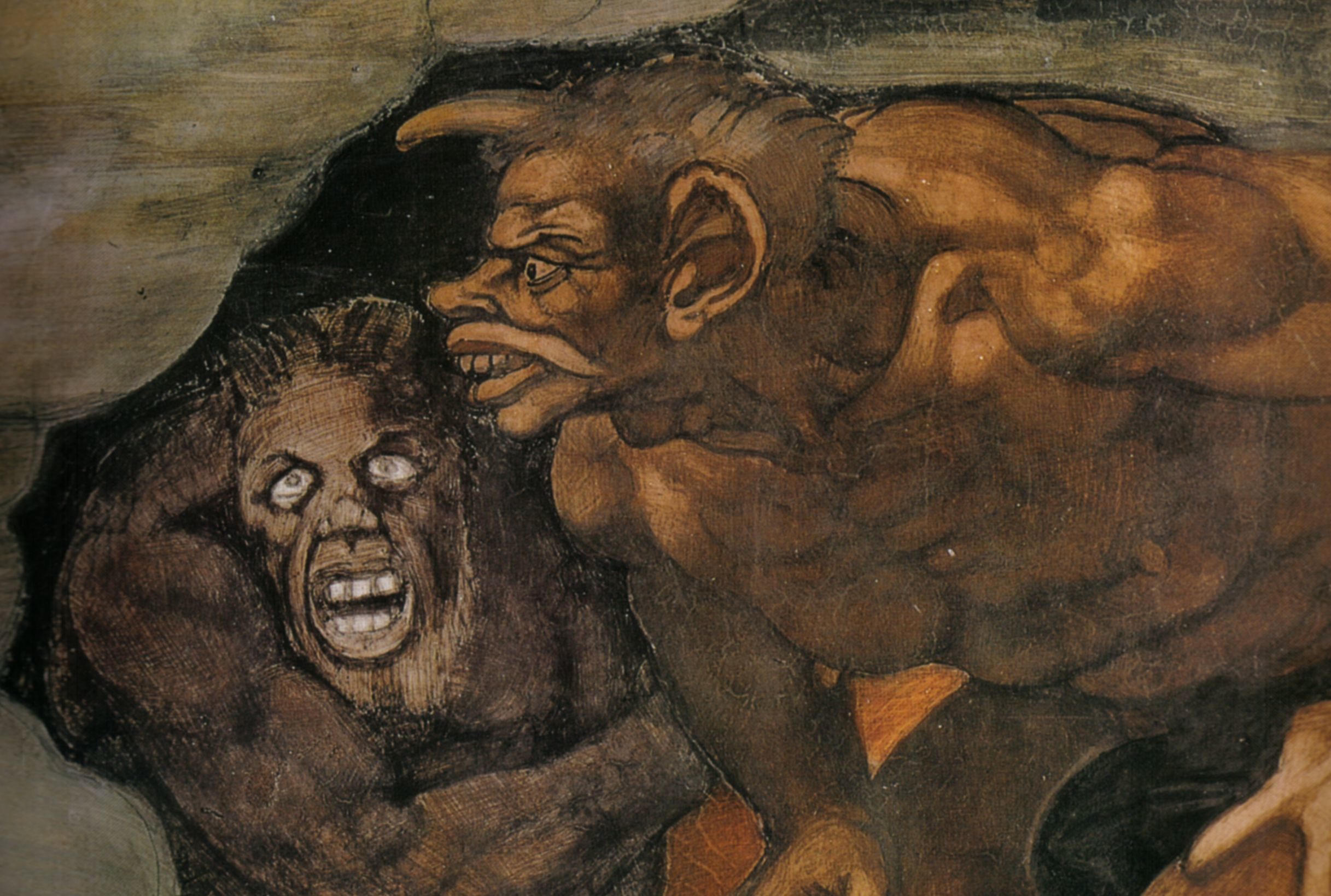
In politics bitter tongues spew hatred from each side over the airwaves and into our devices. Broadcasters claim a ‘balanced,’ supposedly unbiased approach, while we ask: ‘What now? Will this never end?’
Oh, the hateful words of a tongue on fire! Media broadcasts them every day, sometimes even minute by minute.

BREAKING NEWS! (Politics, again)
Media and now #socialmedia broadcast fiery furious tongue-lashings available on demand from any public figure. Winning politicians hope to burn their opponent with their own words and rally opposition. Who might join their cause of shouted hatred?
Our present political battlefield seems hopeless to those beaten by the constant plummeting of hellacious accusation and diffident denial. The politics of the day of course is nothing new under the sun, as a once-great leader long ago lamented.
“Never discuss religion or politics
In fact history of the ages will confirm assassinations to ascension, misleading public proclamations and attempts of cleansing lands of religious and political opponents.

We can make light of it all (and sometimes should), but government always gets out of control.
Presidents, senators, representatives, prime ministers, premiers, governors, kings, queens, princes, dictators and despots – ALL will always have critics (and often they should). But careful what your tongue speaks against those in power and watch each touch of your inciting visual indictment pointing a finger directly into the eyes of the victimized masses.
Many have given up hope for any sane solution to this country’s current problems. Our current lack of civility in the media marketplace stems not from disagreement, but from frustration.
Yet I ask, which country do I speak of and which troublesome time now or in our past?

One of the penalties for refusing to participate in politics is that you end up being governed by your inferiors.
Plato – Greece 4th c. B.C.
In our age there is no such thing as ‘keeping out of politics.’ All issues are political issues, and politics itself is a mass of lies, evasions, folly, hatred and schizophrenia.
George Orwell – U.S.A. A.D. 1946

Preparation for HATE WEEK
The Ministry of Truth — Minitrue, in Newspeak — was startlingly different from any other object in sight. It was an enormous pyramidal structure of glittering white concrete, soaring up, terrace after terrace, 300 metres into the air. – 1984 ch. 1 – George Orwell
& let’s not ignore the politics of religion
Has the tongue been condemned for truth or held mute for silence?
Yes, of course; again and again. Controversy is no stranger to politics of power or conflicts of religious belief.
Occasionally a man or woman of principle will prevail; but more often than not, the sharp tongues of adamant belief will ignite shouts of suspicion from crowds bent on justice.
Ignorance ignores mercy and truth in deference to hell-bent justice shouted from the masses.
Greece: 4th c. B.C.
Socrates – Philosopher opposed to our gods
399 B.C.
Socrates’ accusers cited two ‘impious’ acts: ‘failing to acknowledge the gods that the city acknowledges’ and ‘introducing new deities.’
A majority of the 501 dikasts (Athenian citizens chosen by lot to serve as jurors) voted to convict him. Consistent with common practice, the dikasts determined Socrates’ punishment with another vote. Socrates was ultimately sentenced to death by drinking a hemlock-based liquid.
It’s the very kind of accusation which takes place to this day.
Authoritative secular leaders or tyrannical religious leaders decide justice for those who oppose their iron-fisted rule. So one man or a few in power determine justice and death of men of popular opposition.
Classic Greek Democracy & Culture of Religion
Life in Athens’ 4th c. B.C “Golden Age.”
- Greek influence northern rim of the Mediterranean Asia Minor to the Italian peninsula
- only men could be citizens
- only upper-class males (aristocracy) enjoyed a formal education
- 25% population made up of slaves, usually prisoners captured during the many clashes that extended Greek influence overseas.
- Slaves provided much of the manpower of a burgeoning economy
- 12 Olympian gods & goddesses + a whole society of lesser gods, demigods, mythic creatures, immortals, plus godly entities that existed before the Olympians such as the Titans.
Politics behind the scenes of Socrates’ trial.
Another commentator investigating the motives behind Socrates’ “suicide” (which was far from voluntary) states:
- Socrates was 70 years old and familiar to most Athenians.
- His anti-democratic views had turned many in the city against him. [politics]
- accused of “refusing to recognize the gods recognized by the state” [religion] and of “corrupting the youth.” [politics]
- Two of his students had twice briefly overthrown the democratic government of the city,
- instituting a reign of terror in which thousands of citizens [aristocracy] were deprived of their property
- and either banished from the city or executed.
- Socrates was found guilty by a vote of 280 to 220.
It’s a house divided — or a city-state, if you prefer, divided by politics with religion and corruption of culture as an excuse.
Socrates: GUILTY by a poll of the leading citizens
56% voting Guilty & 44% (4 of every 10 men) voting Not Guilty.
Justice by majority meant death to the philosopher so the accusers could blame Socrates for their problems. Who shall we blame for our?
Jerusalem, A.D. 1st. century Politics
If we took time to dig into the archeology of the time between Socrates in ancient Athens and Jesus in first century Jerusalem we would discover politics, not justice. Many similarities between the complex politics of their times four centuries apart point to true injustice of the ambitions of man.
You would discover more than just rebellion, but war between east and west. Babylon and Persia to the east, Egypt to the south and Rome to the west all had roles in the philosophies, culture and religions imported into the place still known for controversy. The city and state strategically buffering these powers in the centuries before Jesus: Jerusalem in Judea of Palestine (named variously by capturing powers.
How often we overlook context of the past while judging the present. Think back four centuries from this present trouble to the 1600’s and world power and politics would look very different, having undergone many violent political upheavals.
Is 1st c. Jerusalem so different?
Hate Week in Jerusalem is about to become a week of hypocritical religion meeting with the brokers of political power to preserve a captive land. Israel is no more; but captive spoil, vassal states under the rule of their Roman rulers. Their local political king must negotiate with political religious parties to maintain a delicate peace of Rome in a city ripe for rebellion of crowds in the name of God.
The holiest time of pilgrimage brings thousands into a Jerusalem guarded by Roman troops. The only political card Jews held what that of helping Rome keep the peace for the sake of their considerable trade and commerce. Money flowed into the city each year at Passover and on into Roman coffers which paid their oppressing legions and built the ports and roads of Roman ambition.
Into this very visible public square of the Temple courtyard and markets, enters Jesus.
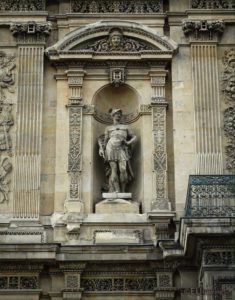
Greece had idols and gods for everything. A Roman peace offered to its captives promoted the ancient greek culture. And like the greeks, Rome worshiped many gods, idols of culture.
- 67 different gods and goddesses in the Roman pantheon, and plenty more demigods, each ruling over a particular dominion and watching over particular professions and classes of people.
Like Plato four centuries earlier, Jesus’ reputation precedes Him.
Unlike Plato, Jesus is only thirty years old. Yet He acts more like a king than a boisterous rebel. This Jesus, with both reputation and crowds following Him to the gate of Jerusalem is a man to be watched.
a Lamb of Sacrifice for Justice
The Gospel (Good News) of John, chapter 11:
47 Then the chief priests and the Pharisees gathered a council and said, “What shall we do? For this Man works many signs. If we let Him alone like this, everyone will believe in Him, and the Romans will come and take away both our place and nation.”
And one of them, Caiaphas, being high priest that year, said to them,
“You know nothing at all, nor do you consider that it is expedient for us that one man should die for the people, and not that the whole nation should perish.”
John 11:49b-50 NKJV
53 Then, from that day on, they plotted to put Him to death.
To be continued...