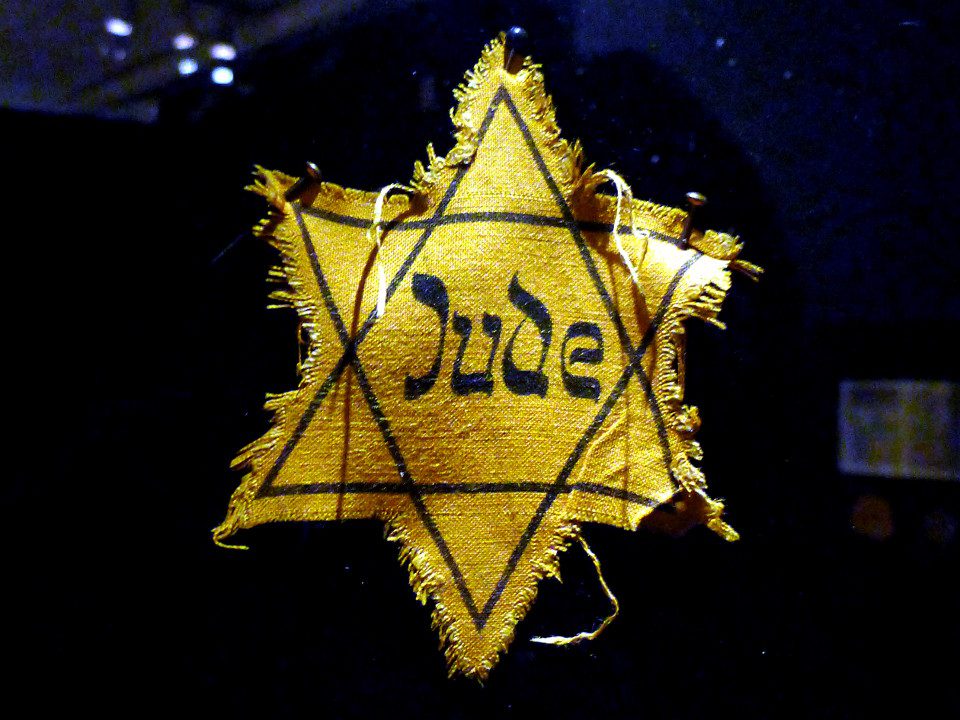
Tag: herod

  • Jude – Now I will praise the Lord

    Jude – Now I will praise the Lord

    Who is Jude?

    The first thing I want to know about any letter I receive is who sent it to me. So as a leader or member of one of several churches we would want to be certain of the identity of the author of Jude and the authenticity of Jude’s message.

    Jude, a bondservant of Jesus Christ, and brother of James

    Letter of Jude 1:1a NKJV

    To fully understand the identity of the man who’s name is translated in English as ‘Jude” we must look to both the original Greek text and the common name of its Hebrew origin in first century Judea and Galilee.

    Ἰούδας

    Pronounced: ē-ü’-däs — Most translations of the Greek use Jude, the Latin Iudas and Yehudah in the Hebrew Names Version. The root word of the Greek name is Yĕhuwdah from the Hebrew יְהוּדָה meaning “praised” and translated at Judas. (We understand why after Jesus’ betrayal no man wanted to be known by this name now synonymous with ‘betrayer.’)

    In James – Witness of a Converted Brother we learned that Roman names derived from local languages had become Hellenized. James could be Jim, but Judas and Judah easily become, Jude.

    Some fathers named their sons after a forefather of their tribe like Judah or Israel. Judah יָדָה is the familiar Hebrew root of both the Greek and English.

    Brother of James

    Jude means: he shall be praised.

    The author of our letter identifies himself as the brother of James.

    Jude refers to James, head of the church of Jerusalem, leader of the first century churches who exchanged letters throughout Asia minor, Greece, Palestine and other areas receiving the Good News of Christ. Most Biblical commentators agree that like James, Jude is is also a half-brother of Jesus.

    Both James and Jude identify themselves as servants of Jesus, rather than claiming their biological relationship to the Lord. Most kings come to power via their family connection and install relatives in high positions.

    One of the great Jewish controversies Jesus would take no part in was that of the legitimacies of kings and followers of certain political traditions. These political/family controversies had progressed and preceded Jude, James and Jesus by several generations back to the second century B.C.

    Maccabees

    Source: BibleHub.org (a hammer), This title, which was originally the surname of Judas, one of the sons of Mattathias, was afterward extended to the heroic family of which he was one of the noblest representatives. Asmonaeans or Hasmonaeans is the Proper name of the family, which is derived from Cashmon, great grandfather of Mattathias. The Maccabees were a family of Jews who resisted the authority of Antiochus Epiphanes king of Syria and his successors who had usurped authority over the Jews, conquered Jerusalem, and strove to introduce idolatrous worship.

    Judas, one of the sons of Mattathias generally called in English the Maccabees, a celebrated family who defended Jewish rights and customs in the 2nd century B.C. (1 Maccabees 2:1-3 {from the Apocrypha, for those unfamiliar with extra-Biblical texts.}

    Herodians

    The end of the era of the Hasmoneans is probably the most turbulent time in Jewish history. It is hard to imagine a “Jewish” government more antithetical to Jewish principles and ideals than that of Herod and his successors, whose murderous, tyrannical ways would eventually lead to the destruction of the Temple and the beginning of the long exile that Jews find themselves in.Source: JewishHistory.org

    Herod the Great, born in Rome around 70 B.C and known as Herodes Magnus, was appointed a governor at around age 20 (along with his brother) and appointed King by the Roman senate in 37 B.C. He became known as Judah’s great builder and built the Temple in Jerusalem.

    During the time of Jesus, James and Jude and continuing into the years of the early church, the Herods wielded much power. Rome finally turned on Jerusalem and their client king appointed to help Rome defend the Empire against enemies east of Palestine. The Herodians failed to control the “Jewish problem,” which caused trouble throughout the Empire.

    Bondservant of Jesus Christ

    The brother of James could have begun his letter to the church as a ‘brother of the King and Messiah,’ implying his authority of position via his family. The Herodians or Maccabees made familial claims to kingdom leadership, but not these half-brothers of Jesus who had not even followed the Lord prior to His resurrection.

    James begins his letter (ἐπιστολή epistle, in greek): James, a bond-servant of God and of the Lord Jesus Christ.’ Jude chooses to identify in the same way as a bondservant of Christ.

    Jude would have been known to his readers as the brother of James, leader of the church in Jerusalem, both related to Jesus the Messiah.

    Understanding the Servant of Christ

    The Bible uses the word ‘servant‘ almost 500 times. A few English translations use the word ‘bondservant,’ a concept we no longer use or understand. Furthermore, many contemporary christians resist this concept of sometime voluntary compliance.

    I am the LORD your God, which brought you forth out of the land of Egypt, that ye should not be their bondmen; and I have broken the bands of your yoke, and made you go upright.

    Leviticus 26:13 KJV

    עָבַד עֶבֶד – A slave or servant; to work, serve. Also used as form of address between equals.

    Genesis 18: KJV

    And the LORD appeared unto him [Jacob] in the plains of Mamre: … three men stood by him: and when he saw them, he ran to meet them from the tent door, and bowed himself toward the ground, And said, My Lord, if now I have found favour in thy sight, pass not away, I pray thee, from thy servant:

    Jacob served the LORD. We serve the LORD. Jude served Christ, the Lord.

    Malachi 4:

    About four centuries before Christ (and Jesus’ half-brothers) the prophet Malachi writes:

    “Remember the instruction of Moses my servant, the statutes and ordinances I commanded him at Horeb for all Israel.

    Malachi 4:4

    The closing verses of Malachi clearly point back to Moses and the Law with the Lord calling Moses, “my servant.” James and Jude are servants of Jesus just as Moses was servant to the Lord at Horeb.

    עֶבֶד – `ebed

    Are you, beloved follower of Christ, first a servant of the Lord?

    διάκονος – diakonos

    “If anyone serves me, he must follow me. Where I am, there my servant also will be. If anyone serves me, the Father will honor him.

    Command of the Lord Jesus – Gospel of John 12:26 CSB

    The servant (from the Greek context) is ‘one who executes the commands of another, esp. of a master.

    1. the servant of a king
    2. a deacon [diakonos], one who, by virtue of the office assigned to him by the church, cares for the poor and has charge of and distributes the money collected for their use.
    3. a waiter, one who serves food and drink

    “The greatest among you will be your servant.

    The word of the Lord – Matthew 23:11

    Abraham was a servant of the Lord. Moses was a servant of the Lord. And like their forefathers in the faith, Jude and James became servants of the Lord first and servants of the Lord’s followers second.

    Paul, referring to the church writes to the church at Colossae:

    I have become its servant, according to God’s commission that was given to me for you, to make the word of God fully known …

    Jude writes to the church

    Jude, a servant of Jesus Christ and a brother of James:

    To those who are the called, loved by God the Father and kept for Jesus Christ.

    Jude 1:1b CSB

    Are you a fellow servant of Christ Jesus? If so, know that you are loved by God the Father. Know that by His grace you are kept for Jesus Christ at the day of His victorious return.

    2 May mercy, peace, and love be multiplied to you.

    To be continued
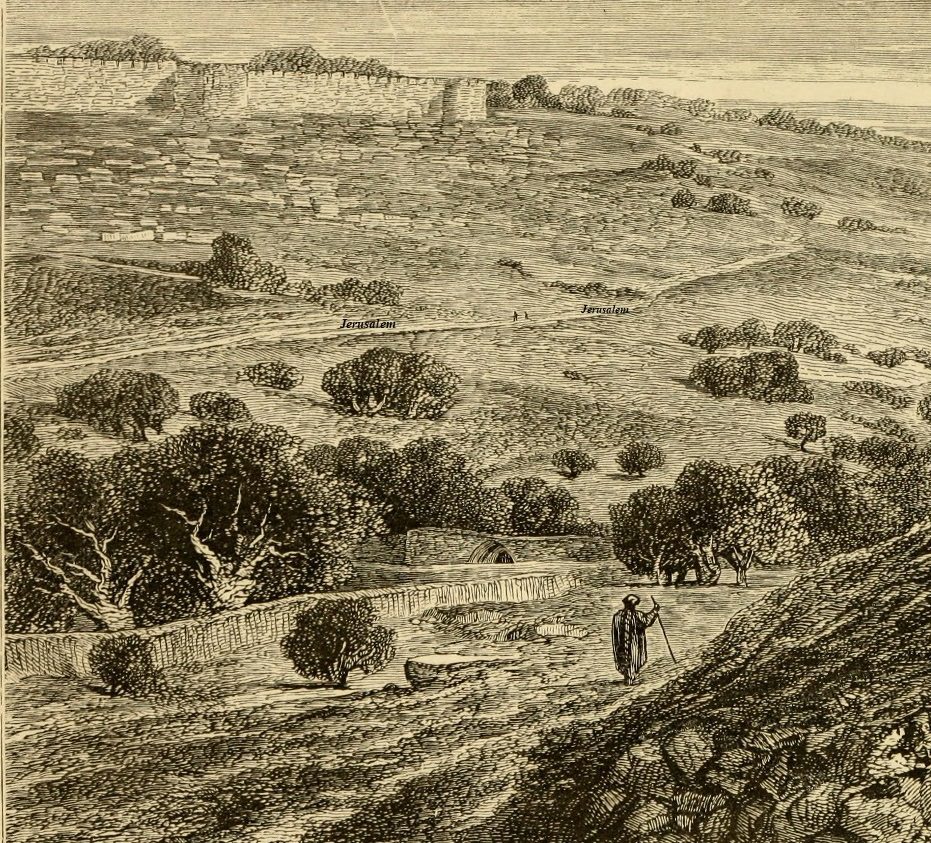
  • James and Jerusalem’s Controversy – 7

    James and Jerusalem’s Controversy – 7

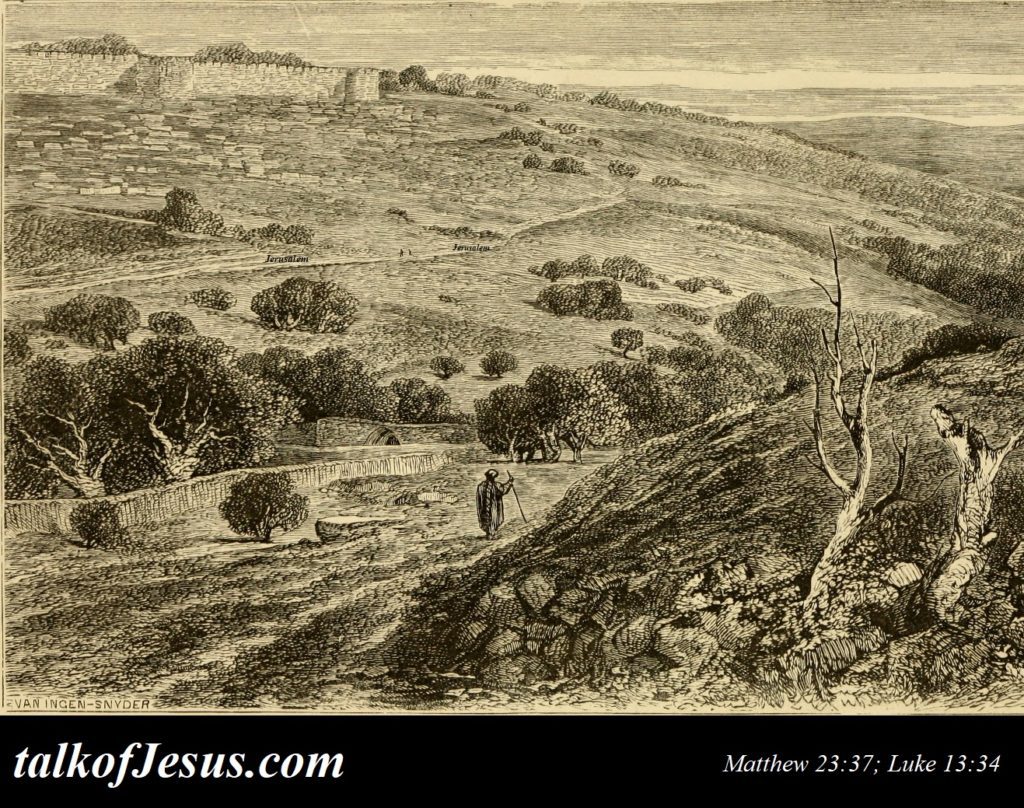
    Jerusalem’s controversy at the time of Jesus and James continues to this day, yet goes back to the centuries before Christ.

    “ירושלים, ירושלים, ההורגת את הנביאים ורוגמת באבנים את שליחי אלוהים, פעמים רבות חפצתי לקבץ את בניך כתרנגולת המקבצת את אפרוחיה תחת כנפיה, אולם לא הנחתם לי.

    הבשורה על-פי לוקס 13:34 Habrit Hakhadasha/Haderekh (HHH)

    I briefly outlined a few controversies from the history of Jerusalem in an earlier post, which also includes a helpful timeline. More recently we have examined the setting of the first century church in Jerusalem during its leadership by James.

    And in the preceding post we discussed the probable relationship between the two brothers James and Jesus, before the Lord’s resurrection.

    Jerusalem’s Controversy

    Most of us know very little of the ancient history which preceded Rome’s dominance of Judea.

    Jesus, the Apostles, James and first century residents of Jerusalem would have looked at Jerusalem’s controversy through contemporary eyes. Their perspective is very distant to our own understanding.

    The glory of Israel under King David and Solomon from their Bible teachings were distant memories ten centuries past. Even the Second Temple dated five hundred years before the Judea of Jesus and James.

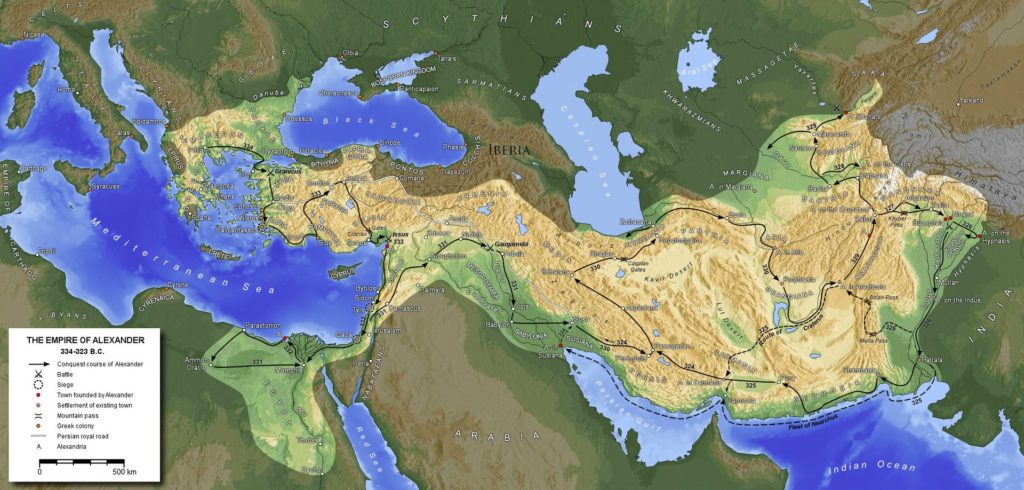
    Alexander captured Jerusalem in 332 BC

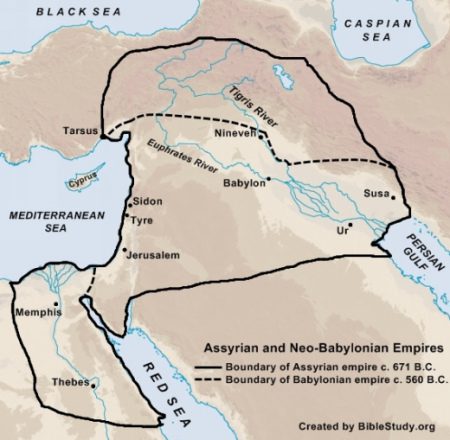
    Although Jerusalem was finally spared by powerful empires from the east, those same empires would fall to Alexander the Great of Macedon about three centuries before Christ.

    Alexander captured the captors of Jerusalem, Egypt, Babylon and Assyria. Consequently, Hellenism and the Greek language assimilated easily into the surrounding cultures of the whole world known to Jerusalem.

    This universal acceptance continued to impact all of the Mediterranean even after Rome’s dominance. Alexandria, which he founded in Egypt, would later become a strategic political center tied to the fates of Rome.

    Just a few generations Before Christ

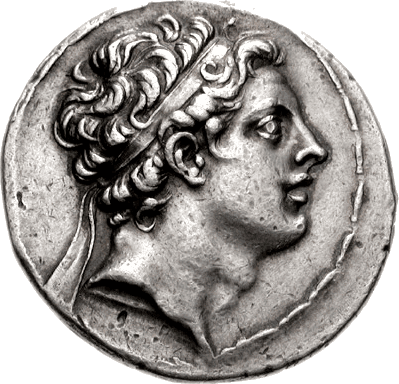
    coin head of Antiochus IV Epiphanes

    (a few generations after Alexander)

    175-163 B.C. The reign of Antiochus IV Epiphanes

    The Seleucid king of the Hellenistic Syrian kingdom who called himself, “god manifest,” caused a revolt in Jerusalem. This overt blasphemy by a ruling emperor forced deep divisions between religious rulers and political thought among local leaders.

    Jews would have taken a stance during the sieges of Tyre and Gaza, ports crucial to trade and the well-being of Jerusalem. The complexity of the political intrigue also involves Rome, Egypt and others, but for Jerusalem the rise of Antiochus IV caused the revolt of the Maccabees.

    Pharisees, Sadducees, Essenes & others

    What do we remember of our history?

    • Moses, first. The Lord led Israel from captivity in Egypt, the the LORD give the Law (Torah) to us through Moses. c. 1525 BC
    • David unites the twelve tribes into one, capturing the promised land.
    • Solomon built the richest and most powerful kingdom and also the Temple. c. 966 BC
    • Israel and Judah separate and both eventually fall to others.
    • Judaism continues in Babylon and prophets predict many things.
    • The Torah was lost and forgotten, but then found during the rebuilding of the second Temple c. 570 BC
    • Several ruling empires tolerated Judaism while ruling over Jerusalem.
    • Antiochus does not, declaring himself ‘God in the flesh’ in the Temple.

    Does this controversy resonate in the conversations of first century Jews? Of course it does.

    “Is Jesus the Messiah,” many would ask?

    Is this man Jesus of Nazareth, brother of James and Joses, actually God Incarnate?”

    Therefore, from this more recent background of Jerusalem’s controversy, James, now leader of the church in Jerusalem, must address the Good News that Jesus IS the promised Messiah.

    Although not unlike today’s controversies, first century believers knew that the expected answer of a questioner could depend upon the party of their religious affiliation. Their questions came from diverse political and religious views.

    167 BC – What to do?

    So what must you do, believer in the Lord God?

    At the time of Antiochus several opposing religious and political movements took root.

    During the formation of the Jewish religious parties and political movements prior to the days of Jesus Christ and Herod, all debated what followers of the Lord must do in each circumstance at various times.

    The question to Jesus or to James in the first century AD remains nearly the same as now in the 21st c. A.D.

    Scribes & Zealots

    One group with both political and religious influence chose to separate religion from politics, claiming the higher ground of religion. The Scribes reached back to the authority of the re-established Law under Ezra the founding priest of the second Temple.

    Zealots took a radically different approach to the invaders taking from them the promised land of God. At various times bands of Zealots hid in the mountains, formed powerful armed communities and used terrorism to attack the invaders from their mountain strongholds. (Does this radical religious military tactic sound at all familiar?)

    כִּֽי־קִנְאַ֣ת בֵּיתְךָ֣ אֲכָלָ֑תְנִי וְחֶרְפֹּ֥ות חֹ֝ורְפֶ֗יךָ נָפְל֥וּ עָלָֽי׃
    because zeal for your house has consumed me,
    and the insults of those who insult you have fallen on me.

    Psalm 69:9 WLC;CSB

    Additional research on Jerusalem’s controversy at this time appears below, along with a brief outline of other Jewish political/religious parties of the first century AD.

    Judah Maccabee – Savior of Judaism

    Excerpts Source: ENCYCLOPEDIA BRITANNICA

    On Antiochus’ death in 164 BCE, the Seleucids offered the Jews freedom of worship, but Judas continued the war, hoping to free his nation politically as well as religiously.

    The son of Mattathias, an aged priest who took to the mountains in rebellion when Antiochus attempted to impose the Greek religion on the Jews, Judas took over the rebel leadership on his father’s death and proved to be a military genius, overthrowing four Seleucid armies in quick succession and restoring the Temple of Jerusalem.

    This deed is celebrated in the Jewish festival of lights, Ḥanukka.

    The Hasmonean Kings of Judah

    The Maccabees founded the Hasmonean dynasty, which began their rule in 167 BC. They eventually managed independence for their kingdom of Judah from 110 BC until 63 BC.

    The decline of the Hasmoneans coincided with the rise of Rome, but it wasn’t coincidence, for the once great Jewish family had become a shell of its holy roots.

    End of the Hasmoneans

    In the year 67 BCE, Queen Salome Alexendra (also known as Queen Shelomtzion) died. With her death, the dynasty of the Hasmoneans began a steady decline. Over the next 20-25 years it would fall apart completely. – source

    Jerusalem’s Controversy after the Hasmoneans

    Although divisions in rabbinic thought existed from earlier times, the onslaught of Roman power into the eastern Mediterranean brought about deeper divides in political and religious alliances.

    A timeline of Jerusalem’s conflict after the end of the Hasmoneans details additional events.

    Ideally, he [Pompey the Great, of Rome] did not want to do it through war, because the Jews – the Hasmoneans/Maccabees – had a fearsome reputation. The Romans referred to the Jews as “porcupines.” Just as a porcupine is an animal that even great predators avoid, so too the Jews. Even if you ate it you would be sorry. Therefore, Pompey wanted to control the Jews without somehow going to war. Source.

    Herods – Kings of Compromise

    NOTE: When you see the name Herod in the Bible, always ask yourself, which one?
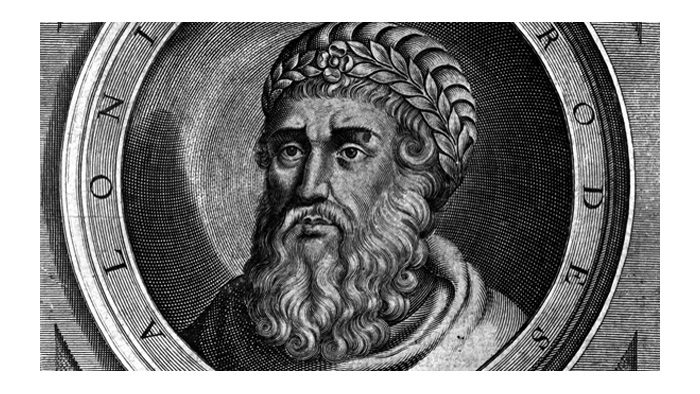
    image of Herod the Great
    Herod the Great

    An article in Christianity Today sheds light on a view likely held by the rich and powerful Jewish leaders in the first century AD.

    In terms of wealth, power, and influence, Herod the Great rivaled King Solomon as the greatest king in the history of the Jews.

    Christianity Today – Dec 22, 2015 – Alexander Stewart

    Herod was born in the Roman region of Idumea (formerly Edom) around 74 BC, built the Roman port of Caesarea and expanded the second Temple in Jerusalem. Christians know Herod for his attempt to prevent an innocent baby born in Bethlehem from becoming King.

    When Pompey’s ally Herod died, not only did Joseph and Mary return with Jesus to Nazareth in Israel, but politically Rome divided his kingdom between Herod’s three sons and daughter. Again, the politics and various names of the Herod’s is complex, but first century Jews became caught up in it all.

    Competing Religious Parties – Jerusalem’s controversy of the Temple

    Party of the Sadducees – 167 BC

    The Sadducees are a Jewish group mentioned in three different contexts in the Synoptic Gospels ( Mark 12:18 ; [= Matt 22:23-34 ; Luke 20:27] ; Matt 3:7 ; 16:1-12 ) and six in Acts ( 4:1 ; 5:17 ; 23:6-8 ). They always appear as inquisitors or opponents of John the Baptist, Jesus, or the early Christians. – Baker’s Evangelical Dictionary

    Rabbinic writings sometimes interchange the term “Sadducee” with “Samaritans” (here meaning “opponents”) and “Boethuians.” The latter is probably from their connection with the house of Boethus, from which came several high priests during the New Testament period.

    Party of the Essenes – 167 BC

    John the Baptist most likely was of one of the Essenes.

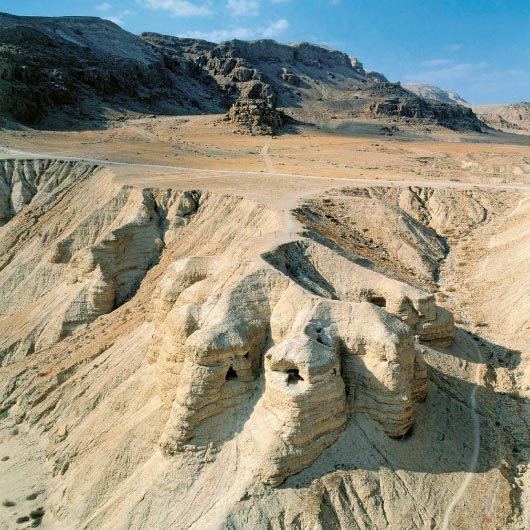
    When Jerusalem’s controversy erupted in the second century BC, the Essenes withdrew into the Judean desert and formed an isolated monistic community dedicated to the word of God and obedience to the Lord.

    Unlike the Zealots, the Essenes had no agenda to retake the land of the promised land ‘for God.’

    History recalled little about the Essenes until shepherds recovered the buried Dead Sea scrolls in Qumran Lebanon in A.D. 1948. The slow and meticulous study of these scroll fragments has revealed more in this past century.

    Qumran, between the Judean hills and the Dead Sea. Qumran,

    Party of the Pharisees – 167 BC

    Jerusalem’s controversy most familiar to Christians is that of the resurrection. Not all Jews believed in the resurrection of the body and soul, but the Pharisees did.

    However the party of the Pharisees had already divided into many opinionated sects over the written Law, the oral law, additional regulations and many other controversies. Discussion of these among rabbis reached far beyond Jerusalem into Galilee and other regions.

    Φαρισαῖος – Pharisaios

    In addition to OT books the Pharisees recognised in oral tradition a standard of belief and life. They sought for distinction and praise by outward observance of external rites and by outward forms of piety, and such as ceremonial washings, fastings, prayers, and alms giving; and, comparatively negligent of genuine piety, they prided themselves on their fancied good works. They held strenuously to a belief in the existence of good and evil angels, and to the expectation of a Messiah; and they cherished the hope that the dead, after a preliminary experience either of reward or of penalty in Hades, would be recalled to life by him, and be requited each according to his individual deeds.

    Strong’s G5330 – blueletterbible.org

    Pharisees were not of the class of the rich, but lived a modest life closer to that of many other Jews. These rabbis were likely affectionate, popular teachers similar to most rabbis today.

    They believed that God would act justly based on their works and attitudes toward others. The Law of Moses and oral law designating how we should obey the Lord provided the basis of their teaching and unity of purpose for a life lived separately from evil.

    First Century Pharisees – in Jerusalem’s controversy of leadership

    John the Baptist called them a brood of vipers (poisonous snakes).

    Matthew tells us that ‘the Pharisees went out and plotted against him [Jesus], how they might kill him.’

    Jesus accepted invitations from Pharisees to publicly join them in their homes. However the Lord also rebuked them, frequently including them with their rival party the scribes.

    “Woe to you Pharisees! You love the front seat in the synagogues and greetings in the marketplaces.

    So the chief priests and the Pharisees convened the Sanhedrin and were saying, “What are we going to do since this man is doing many signs?

    John 11:47

    The Apostle John speaks to the delicacy of their political dilemma within the religious leadership of Jerusalem.

    Nevertheless, many did believe in him even among the rulers, but because of the Pharisees they did not confess him, so that they would not be banned from the synagogue.

    John 12:42

    James, Secretive believer in Jesus?

    I have never heard anyone ask if James believed in Jesus before our Lord’s personal appearance to his half-brother after the resurrection.

    As Peter had denied knowing Jesus at His trial, as the Apostles had gone into hiding and even as many Pharisees and others felt obligated to keep their faith in Jesus secret out of fear for their own lives, James may have come to believe in Jesus.

    James, leader of the church in Jerusalem was about to take on a new role, an important sacrificial leadership of a post-Pentecost church. He would lead and write letters to other fearful new Christians from Jerusalem.

    As Jesus had become Jerusalem’s controversy for the Jews, the Herods and the Romans, so too James was about to become just one more controversial leader in Jerusalem in the first century.

    God-willing, we will return to James’ Letter to the Church next.

    To be continued...

  • That you may have Certainty – 5 – A King of the Jews

    That you may have Certainty – 5 – A King of the Jews

    King of the Jews

    Herodian coin from Judea with palm branch (right) and wreath (left), 34 AD.

    And Pilate asked him, “Are you the King of the Jews?” And he answered him, “You have said so.” – Luke 23:3

    They had remembered  hearing the indictment of this gentile governor 

    while hiding their faces from his Roman judgment seat. Although complicit in Jesus’ prosecution, an illegitimate half-jew Herodian sat powerless while Roman troops ruled the streets of Jerusalem.

    While Jesus was not the kind of Messiah King they had expected, He did acknowledge the title bestowed by Jews accusing Jesus of treason against Judah and Rome.

    Most amazingly, Jesus has now appeared to these disciples after His resurrection! He continues to appear to hundreds of disciples; here and there, even in the locked rooms of Jerusalem.

    Herod’s rule as tetrarch of Galilee and Peraea, holds no authority over Judea, ruled by Marcus Pontius Pilatus, Roman prefect (governor) under the emperor Tiberius.

    Captive Israel, now named Judea, Samaria, Galilee and Perea had no king, only legions of Rome. Most  people lamented for the days of their strong kings, David and Solomon. Occasionally some rebelled against Rome, led by misguided ambitious young lions in hope of glory.

    Judge or King?

    From the day Israel crossed the Jordan its people encountered many kings of surrounding kingdoms. The Hebrew people had followed the Lord, but judges would become unable to rule this stiff-necked and proud people.

    1 Samuel 7:

    15 Samuel judged Israel all the days of his life. 16 And he went on a circuit year by year to Bethel, Gilgal, and Mizpah. And he judged Israel in all these places. 17 Then he would return to Ramah, for his home was there, and there also he judged Israel. And he built there an altar to the Lord.

    1 Samuel 8:

    “… Now appoint for us a king to judge us like all the nations.”

    More than a thousand years before Pilate judged Judea, here marks the beginning of kings of the Jews.  Samuel was no more inclined to accept a king of the Jews than the Roman governor Pilate.

    6 But the thing displeased Samuel when they said, “Give us a king to judge us.” And Samuel prayed to the Lord. 7 And the Lord said to Samuel,

    “Obey the voice of the people in all that they say to you, for they have not rejected you, but they have rejected me from being king over them.

    8 According to all the deeds that they have done, from the day I brought them up out of Egypt even to this day, forsaking me and serving other gods, so they are also doing to you. 9 Now then, obey their voice; only you shall solemnly warn them and show them the ways of the king who shall reign over them.”

    A King to rule over Israel

    A risen Christ Jesus must have reminded disciples of the Lord’s anointing of their kings. Its truth had not been as their traditions recalled, but rather a concession to the desires of their forefathers.

    1 Samuel 9:

    … “Behold, there is a man of God in this city, and he is a man who is held in honor; all that he says comes true. So now let us go there. Perhaps he can tell us the way we should go.” …

    5 Now the day before Saul came, the Lord had revealed to Samuel: 16 “Tomorrow about this time I will send to you a man from the land of Benjamin, and you shall anoint him to be prince over my people Israel. He shall save my people from the hand of the Philistines. For I have seen my people, because their cry has come to me.” 17 When Samuel saw Saul, the Lord told him, “Here is the man of whom I spoke to you! He it is who shall restrain my people.”

    A Humble King and Triumphant Return

    What was it worshipers near Jerusalem had sung while laying palm branches before Jesus?

    “As for me, I have set my King
    on Zion, my holy hill.” 

    I will tell of the decree:
    The LORD said to me, “You are my Son;
    today I have begotten you.

    Ask of me, and I will make the nations your heritage,
    and the ends of the earth your possession.

    You shall break them with a rod of iron
    and dash them in pieces like a potter’s vessel.”

    Psalm 2:6-9


    It had been a week of anointing for the King of the Jews.

    The Cross had not been the anticipated breaking of Israel’s oppressors, but the Lord’s embracing forgiveness for mankind.

    And now with a resurrection begins the ascent to His Kingdom of righteousness and everlasting reign. Jesus certainly must have repeated stories of the kings and predictions of the Prophets. For the Gospels retell those very scriptures.

    His disciples hear their beloved friend, the risen Messiah, tell why He had to be crucified on a cross and sacrificed for our sins.


    Zechariah 9:9

    Rejoice greatly, O daughter of Zion!
    Shout aloud, O daughter of Jerusalem!
    Behold, your king is coming to you;
    righteous and having salvation is he,
    humble and mounted on a donkey,
    on a colt, the foal of a donkey.


    Come, Lord Jesus. 


    To be continued…