We have again been working through the Gospel of John with specific focus on the Trinity of God the Father, Son and Holy Spirit. Before moving on to more signs of Jesus as the Messiah, I thought it appropriate to take a brief look at the Gospel’s author John.
About the Author John
In a larger sense the Author of Scripture is always the Lord God and specifically the Gospel author John refers to Jesus as, “the Word,” in effect crediting the Lord Jesus for Scripture.
The Good News of the author John and three other Gospel writers is that Jesus IS the Messiah of God, fulfillment of the Lord’s promise to redeem Israel.
John’s Gospel differs some from those of the Apostle Matthew, another Jewish author, and that of two gentile author’s, John Mark and Luke. (God-willing I may share more about these Gospel authors at a later time in separate posts.)
a First century story
I would like to relate a story to you which involves the author John, who wrote not only the Gospel, but three letters and the Revelation (or Apocalypse) of the New Testament. But first let’s consider the genre of my story to follow.
Fiction or Nonfiction?
Although we step away from the Bible and specifically the Gospel for a moment, I have crafted the following “biography” to make you think.
You might ask of any story, a classic novel, Scripture or a television script: ‘Is it true?’ That is, does this story I’m reading, hearing or seeing represent reliable truth? Is it nonfiction or is it (at least in part) fiction?
“Fiction or nonfiction,” we may ask thoughtfully?
If Scripture is true, then our only conclusion must be that the Bible is ‘nonfiction;’ therefore our compelling question must address God’s will, “How should I apply these truths?”
I caution however of entertainment which claims ‘authoritative’ speculation that misleads the masses into false and dangerous applications. Just one example would be “The History Channel.”
We naturally assume anything claiming history or science to be a reliable true source of researched fact. Yet what about a fantastical speculation proclaiming possibility of “Ancient Aliens,” which invades our thinking as pure fiction with no basis in fact?
Many writers of supposed ‘scientific fact’ place such nonsensical fiction in the same speculative category as they do the Bible. Their heretical premise implies that God does not exist anymore than ancient aliens do (therefore both are fiction). These authors create gods of their own making, denying the glory of the Living God.
Of course not all fiction denies the truth and historicity of Christ. Thankfully some fiction pursues a higher calling to give us insight into the historical men and women of the Bible, or even the true nature of faith following the Lord Jesus as a true Christian. Perhaps one of the best of these would be John Bunyan’s “The Pilgrim’s Progress.”
Historical Fiction
If a story, i.e. nonfiction, doesn’t qualify as fact, then what kind of fiction is it?
Some stories illustrate imagined or actual characteristics of historical characters who actually existed. One example might be the story of George Washington chopping down the cherry tree. (Certainly you can think of others.)
I would caution that many such stories have hidden agendas often opposed to the Lord God. So a story may pose as historical fiction when in fact it is not historical in any way (other than taking the name of its lead character in vain).
Some so-called ‘christian’ cults would have you believe that Jesus was nothing more than a character in the historical fiction of the New Testament of the Bible. It’s also important here to point out that the Gospel of Jesus Christ is NOT a “historical fiction,” acknowledging that Jesus was real and did exist in the first century, while denying Christ’s deity.
No deception of the devil will lead your soul astray more than this lie against the saving Son of the Most High! Many will concede and even preach the existence of Jesus, without worshiping Him as Lord.
A Father of Thunder
The following story hopefully will illustrate a helpful perspective as historical fiction from the first century A.D.
Although based on the characters discussed, including the author John, this fictional account is not intended to provide evidence for John’s Gospel, but to provide circumstance into its writing by the author John.
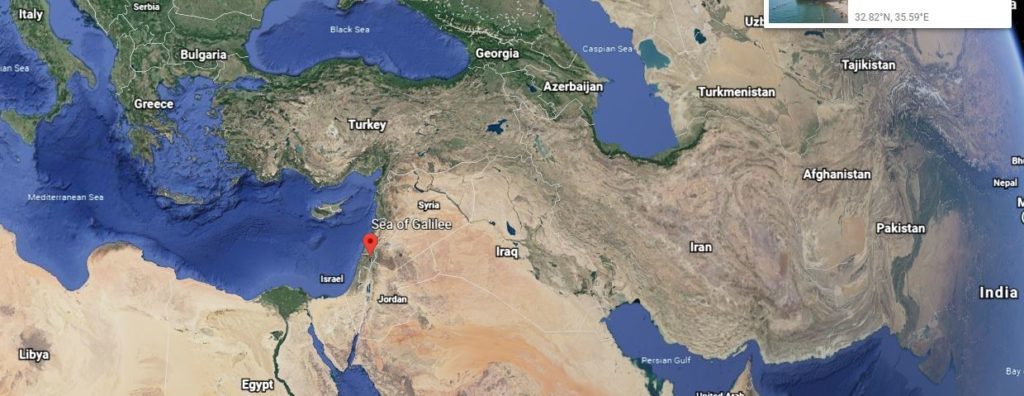
Israel & Sea of Galilee – crossroads of cultures and trade
And what nation is there so great, that hath statutes and judgments so righteous as all this law, which I set before you this day?
Only take heed to thyself, and keep thy soul diligently, lest thou forget the things which thine eyes have seen, and lest they depart from thy heart all the days of thy life:
but teach them thy sons, and thy sons’ sons…
Deuteronomy 4:8-9 KJV
Introduction
Men call me Bonerges for my thunderous commands they hear ‘mongst my fleet on the Galilee.
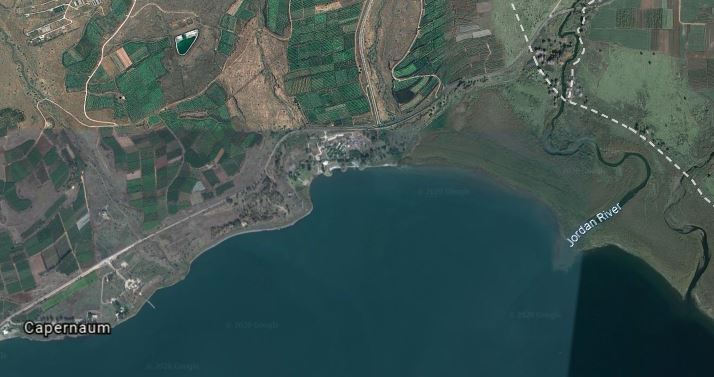
Sea of Galilee at inlet of Jordan River in the north
I thank the LORD for my blessings and that of my boisterous leadership, but mostly I call out for the supply of my business. Though faithful to the LORD in every area of my life as a Jew, I am no hammer upon the anvil of Israel’s hard-forged apostasy.
Now that my double blessing of sons join my fleet as young men of God, I must teach them not only of fishing but of the leading of men.
The LORD made me a man of modest means, so now I may send them to any man of God of my choosing to learn more of the LORD’s will for their lives. It’s not so simple though; for our life as Jews in the land which was once Israel had never been simple since Solomon.
Whether here in Bethsaida or on journeys to Jerusalem (also never the same again) all we seem to argue is how the LORD wants us to follow in a strange land which was once our own.
I should even say it was once HIS, but is no more. God help us.
Ahh, who would have thought that Israel could become a land which is not ours or the Lord’s?
(the second Law) דברים
We are sons of Moses; I have been praying on this Scripture.
Where shall I send my sons to learn the faith of our fathers?
“Give ear, O heavens, and let me speak;
 And let the earth hear the words of my mouth.
“For I proclaim the name of the LORD;
 Ascribe greatness to our God!
“Then He said, ‘I will hide My face from them, I will see what their end shall be; For they are a perverse generation, Sons in whom is no faithfulness.
from the song of Moses – Deuteronomy 32:(1,3,)20 WLC;NASB
What is the will of the Lord God for my sons James and John?
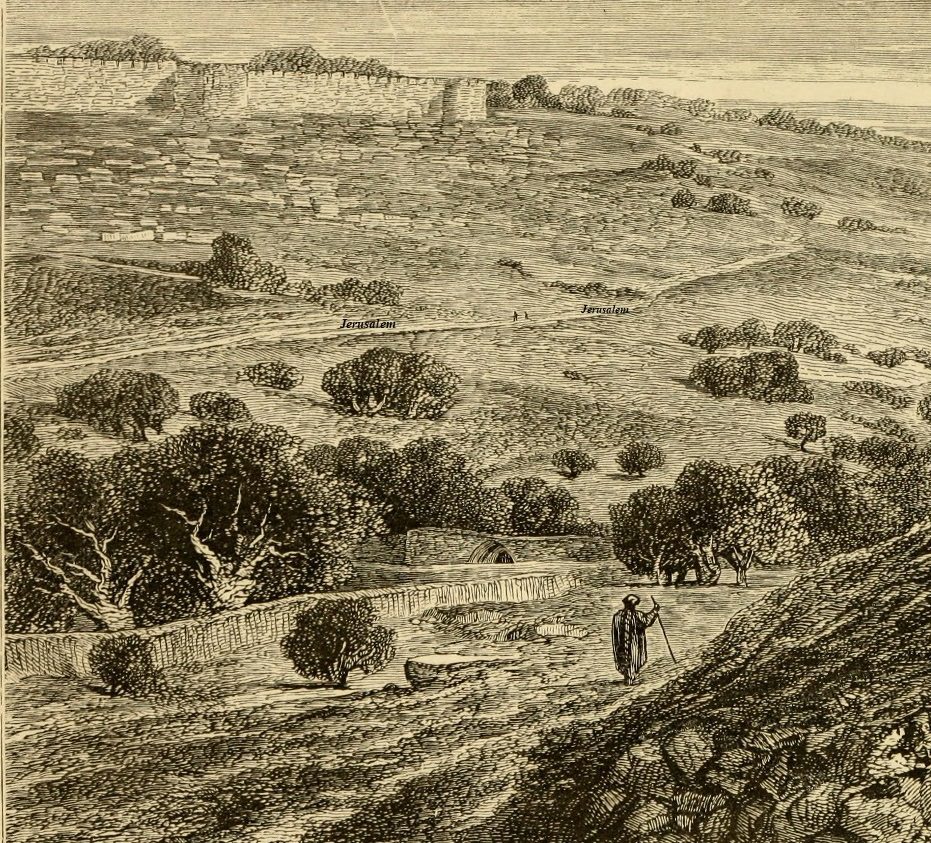
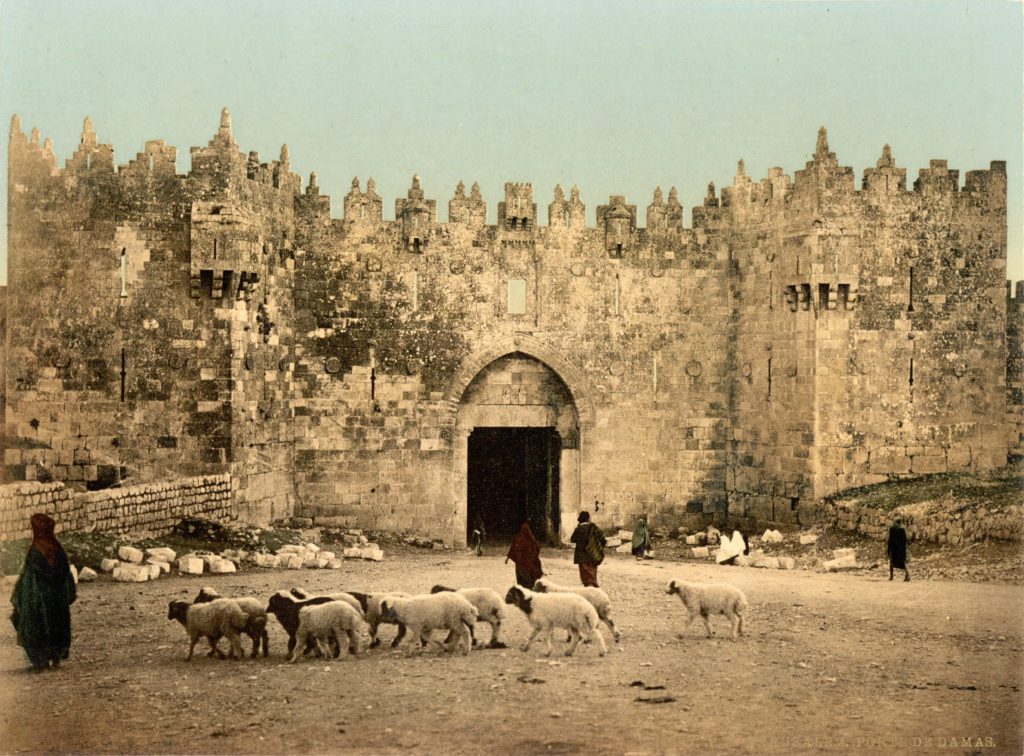
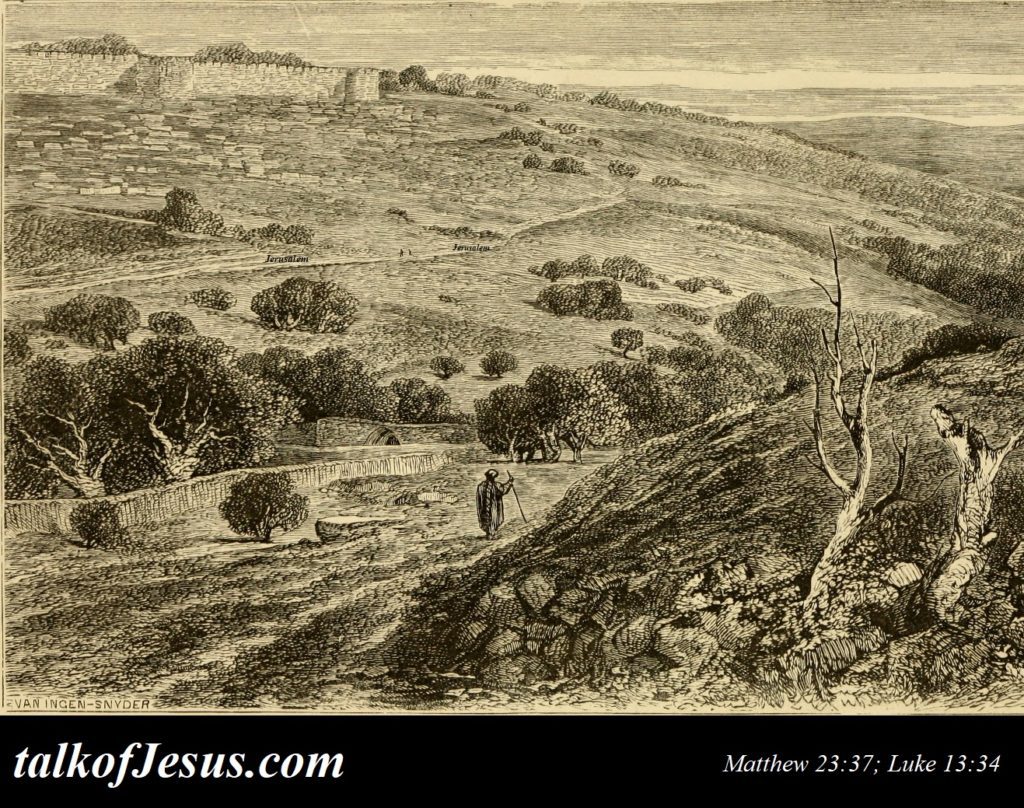
Jerusalem’s controversy at the time of Jesus and James continues to this day, yet goes back to the centuries before Christ.
“ירושלים, ירושלים, ההורגת את הנביאים ורוגמת באבנים את שליחי אלוהים, פעמים רבות חפצתי לקבץ את בניך כתרנגולת המקבצת את אפרוחיה תחת כנפיה, אולם לא הנחתם לי.
הבשורה על-פי לוקס 13:34 Habrit Hakhadasha/Haderekh (HHH)
And in the preceding post we discussed the probable relationship between the two brothers James and Jesus, before the Lord’s resurrection.
Jerusalem’s Controversy
Most of us know very little of the ancient history which preceded Rome’s dominance of Judea.
Jesus, the Apostles, James and first century residents of Jerusalem would have looked at Jerusalem’s controversy through contemporary eyes. Their perspective is very distant to our own understanding.
The glory of Israel under King David and Solomon from their Bible teachings were distant memories ten centuries past. Even the Second Temple dated five hundred years before the Judea of Jesus and James.
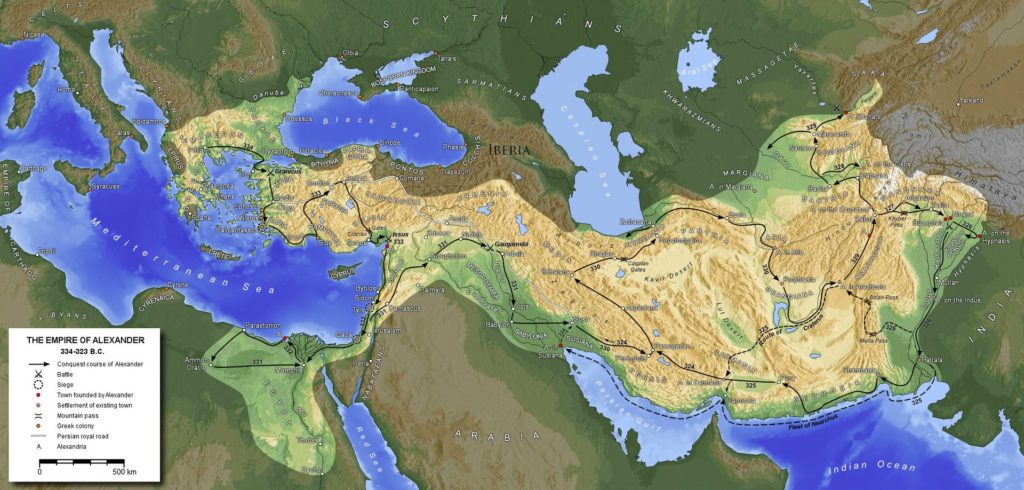
Alexander captured Jerusalem in 332 BC
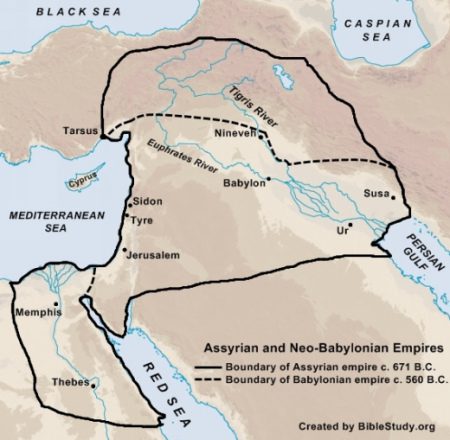
Although Jerusalem was finally spared by powerful empires from the east, those same empires would fall to Alexander the Great of Macedon about three centuries before Christ.
Alexander captured the captors of Jerusalem, Egypt, Babylon and Assyria. Consequently, Hellenism and the Greek language assimilated easily into the surrounding cultures of the whole world known to Jerusalem.
This universal acceptance continued to impact all of the Mediterranean even after Rome’s dominance. Alexandria, which he founded in Egypt, would later become a strategic political center tied to the fates of Rome.
Just a few generations Before Christ
(a few generations after Alexander)
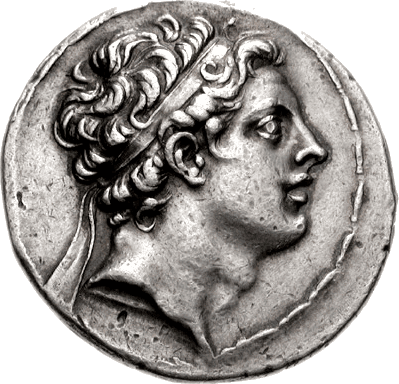
175-163 B.C. The reign of Antiochus IV Epiphanes
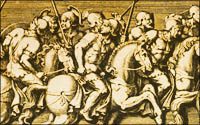
The Seleucid king of the Hellenistic Syrian kingdom who called himself, “god manifest,” caused a revolt in Jerusalem. This overt blasphemy by a ruling emperor forced deep divisions between religious rulers and political thought among local leaders.
Jews would have taken a stance during the sieges of Tyre and Gaza, ports crucial to trade and the well-being of Jerusalem. The complexity of the political intrigue also involves Rome, Egypt and others, but for Jerusalem the rise of Antiochus IV caused the revolt of the Maccabees.
Pharisees, Sadducees, Essenes & others
What do we remember of our history?
Moses, first. The Lord led Israel from captivity in Egypt, the the LORD give the Law (Torah) to us through Moses. c. 1525 BC
David unites the twelve tribes into one, capturing the promised land.
Solomon built the richest and most powerful kingdom and also the Temple. c. 966 BC
Israel and Judah separate and both eventually fall to others.
Judaism continues in Babylon and prophets predict many things.
Several ruling empires tolerated Judaism while ruling over Jerusalem.
Antiochus does not, declaring himself ‘God in the flesh’ in the Temple.
Does this controversy resonate in the conversations of first century Jews? Of course it does.
“Is Jesus the Messiah,” many would ask?
Is this man Jesus of Nazareth, brother of James and Joses, actually God Incarnate?”
Therefore, from this more recent background of Jerusalem’s controversy, James, now leader of the church in Jerusalem, must address the Good News that Jesus IS the promised Messiah.
Although not unlike today’s controversies, first century believers knew that the expected answer of a questioner could depend upon the party of their religious affiliation. Their questions came from diverse political and religious views.
At the time of Antiochus several opposing religious and political movements took root.
During the formation of the Jewish religious parties and political movements prior to the days of Jesus Christ and Herod, all debated what followers of the Lord must do in each circumstance at various times.
The question to Jesus or to James in the first century AD remains nearly the same as now in the 21st c. A.D.
Scribes & Zealots
One group with both political and religious influence chose to separate religion from politics, claiming the higher ground of religion. The Scribes reached back to the authority of the re-established Law under Ezra the founding priest of the second Temple.
Zealots took a radically different approach to the invaders taking from them the promised land of God. At various times bands of Zealots hid in the mountains, formed powerful armed communities and used terrorism to attack the invaders from their mountain strongholds. (Does this radical religious military tactic sound at all familiar?)
כִּֽי־קִנְאַ֣ת בֵּיתְךָ֣ אֲכָלָ֑תְנִי וְחֶרְפֹּ֥ות חֹ֝ורְפֶ֗יךָ נָפְל֥וּ עָלָֽי׃ because zeal for your house has consumed me, and the insults of those who insult you have fallen on me.
Additional research on Jerusalem’s controversy at this time appears below, along with a brief outline of other Jewish political/religious parties of the first century AD.
On Antiochus’ death in 164 BCE, the Seleucids offered the Jews freedom of worship, but Judas continued the war, hoping to free his nation politically as well as religiously.
The son of Mattathias, an aged priest who took to the mountains in rebellion when Antiochus attempted to impose the Greek religion on the Jews, Judas took over the rebel leadership on his father’s death and proved to be a military genius, overthrowing four Seleucid armies in quick succession and restoring the Temple of Jerusalem.
This deed is celebrated in the Jewish festival of lights, Ḥanukka.
The Hasmonean Kings of Judah
The Maccabees founded the Hasmonean dynasty, which began their rule in 167 BC. They eventually managed independence for their kingdom of Judah from 110 BC until 63 BC.
The decline of the Hasmoneans coincided with the rise of Rome, but it wasn’t coincidence, for the once great Jewish family had become a shell of its holy roots.
End of the Hasmoneans
In the year 67 BCE, Queen Salome Alexendra (also known as Queen Shelomtzion) died. With her death, the dynasty of the Hasmoneans began a steady decline. Over the next 20-25 years it would fall apart completely. – source
Jerusalem’s Controversy after the Hasmoneans
Although divisions in rabbinic thought existed from earlier times, the onslaught of Roman power into the eastern Mediterranean brought about deeper divides in political and religious alliances.
Ideally, he [Pompey the Great, of Rome] did not want to do it through war, because the Jews – the Hasmoneans/Maccabees – had a fearsome reputation. The Romans referred to the Jews as “porcupines.” Just as a porcupine is an animal that even great predators avoid, so too the Jews. Even if you ate it you would be sorry. Therefore, Pompey wanted to control the Jews without somehow going to war. Source.
Herods – Kings of Compromise
NOTE: When you see the name Herod in the Bible, always ask yourself, which one?
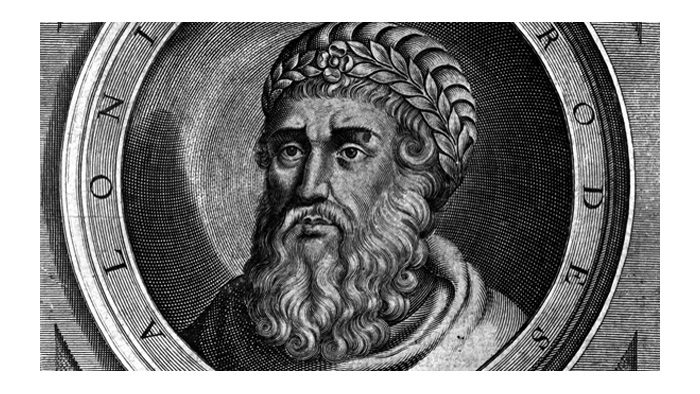
Herod the Great
An article in Christianity Today sheds light on a view likely held by the rich and powerful Jewish leaders in the first century AD.
In terms of wealth, power, and influence, Herod the Great rivaled King Solomon as the greatest king in the history of the Jews.
Christianity Today – Dec 22, 2015 – Alexander Stewart
Herod was born in the Roman region of Idumea (formerly Edom) around 74 BC, built the Roman port of Caesarea and expanded the second Temple in Jerusalem. Christians know Herod for his attempt to prevent an innocent baby born in Bethlehem from becoming King.
When Pompey’s ally Herod died, not only did Joseph and Mary return with Jesus to Nazareth in Israel, but politically Rome divided his kingdom between Herod’s three sons and daughter. Again, the politics and various names of the Herod’s is complex, but first century Jews became caught up in it all.
Competing Religious Parties – Jerusalem’s controversy of the Temple
Party of the Sadducees – 167 BC
The Sadducees are a Jewish group mentioned in three different contexts in the Synoptic Gospels ( Mark 12:18 ; [= Matt 22:23-34 ; Luke 20:27] ; Matt 3:7 ; 16:1-12 ) and six in Acts ( 4:1 ; 5:17 ; 23:6-8 ). They always appear as inquisitors or opponents of John the Baptist, Jesus, or the early Christians. – Baker’sEvangelical Dictionary
Rabbinic writings sometimes interchange the term “Sadducee” with “Samaritans” (here meaning “opponents”) and “Boethuians.” The latter is probably from their connection with the house of Boethus, from which came several high priests during the New Testament period.
Party of the Essenes – 167 BC
John the Baptist most likely was of one of the Essenes.
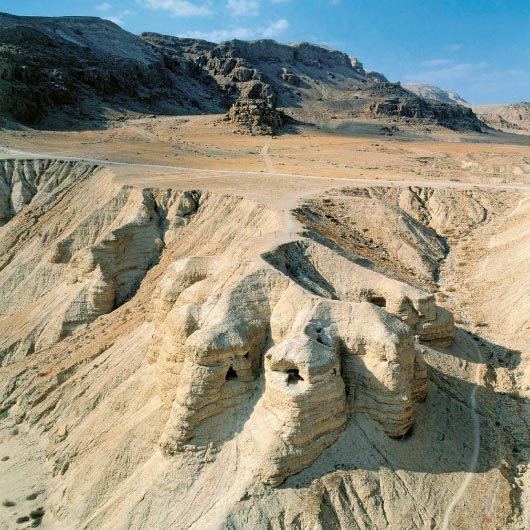
When Jerusalem’s controversy erupted in the second century BC, the Essenes withdrew into the Judean desert and formed an isolated monistic community dedicated to the word of God and obedience to the Lord.
Unlike the Zealots, the Essenes had no agenda to retake the land of the promised land ‘for God.’
History recalled little about the Essenes until shepherds recovered the buried Dead Sea scrolls in Qumran Lebanon in A.D. 1948. The slow and meticulous study of these scroll fragments has revealed more in this past century.
Qumran, between the Judean hills and the Dead Sea. Qumran,
Party of the Pharisees – 167 BC
Jerusalem’s controversy most familiar to Christians is that of the resurrection. Not all Jews believed in the resurrection of the body and soul, but the Pharisees did.
However the party of the Pharisees had already divided into many opinionated sects over the written Law, the oral law, additional regulations and many other controversies. Discussion of these among rabbis reached far beyond Jerusalem into Galilee and other regions.
In addition to OT books the Pharisees recognised in oral tradition a standard of belief and life. They sought for distinction and praise by outward observance of external rites and by outward forms of piety, and such as ceremonial washings, fastings, prayers, and alms giving; and, comparatively negligent of genuine piety, they prided themselves on their fancied good works. They held strenuously to a belief in the existence of good and evil angels, and to the expectation of a Messiah; and they cherished the hope that the dead, after a preliminary experience either of reward or of penalty in Hades, would be recalled to life by him, and be requited each according to his individual deeds.
Strong’s G5330 – blueletterbible.org
Pharisees were not of the class of the rich, but lived a modest life closer to that of many other Jews. These rabbis were likely affectionate, popular teachers similar to most rabbis today.
They believed that God would act justly based on their works and attitudes toward others. The Law of Moses and oral law designating how we should obey the Lord provided the basis of their teaching and unity of purpose for a life lived separately from evil.
First Century Pharisees – in Jerusalem’s controversy of leadership
John the Baptist called them a brood of vipers (poisonous snakes).
Matthew tells us that ‘the Pharisees went out and plotted against him [Jesus], how they might kill him.’
Jesus accepted invitations from Pharisees to publicly join them in their homes. However the Lord also rebuked them, frequently including them with their rival party the scribes.
“Woe to you Pharisees! You love the front seat in the synagogues and greetings in the marketplaces.
So the chief priests and the Pharisees convened the Sanhedrin and were saying, “What are we going to do since this man is doing many signs?
John 11:47
The Apostle John speaks to the delicacy of their political dilemma within the religious leadership of Jerusalem.
Nevertheless, many did believe in him even among the rulers, but because of the Pharisees they did not confess him, so that they would not be banned from the synagogue.
John 12:42
James, Secretive believer in Jesus?
I have never heard anyone ask if James believed in Jesus before our Lord’s personal appearance to his half-brother after the resurrection.
As Peter had denied knowing Jesus at His trial, as the Apostles had gone into hiding and even as many Pharisees and others felt obligated to keep their faith in Jesus secret out of fear for their own lives, James may have come to believe in Jesus.
James, leader of the church in Jerusalem was about to take on a new role, an important sacrificial leadership of a post-Pentecost church. He would lead and write letters to other fearful new Christians from Jerusalem.
As Jesus had become Jerusalem’s controversy for the Jews, the Herods and the Romans, so too James was about to become just one more controversial leader in Jerusalem in the first century.
God-willing, we will return to James’ Letter to the Church next.
What witness of the ascension of the risen Christ shall we share? Our witness of Christ two-thousand and some years after the resurrection and ascension is different than first century believers. Some, but not all, had had encounters with the risen Christ! Many were Jews and some Gentiles, just the inverse of 21st century witness. When the Apostles had stood in awe observing Jesus’ ascension into the clouds it brought them to worship for days.
Christ IS risen and He will return! And thousands upon thousands first century followers believed from hearing first-hand witness of Jesus by others. Good News of Jesus was proclaimed by men and women from every walk of life.
Jews, Gentiles, Samaritans; rich and poor, soldiers, merchants, lepers, the working class and religious leaders; Greeks, travelers, tax collectors; Romans,shepherds and foreigners… yes, even women and children.
And all had heard first-hand witness of Christ! They heard from those who knew Lazarus or from witnesses to other miracles; diverse followers the Way of Christ Jesus.
Luke the physician is one of these witnesses and a Gentile who records witness and proof of Christ Jesus. This current series has focused on Luke’s two-part history from first-hand interviews and written testimony. His introductions to the Gospel and Acts point to the motivation of Luke’s writing.
Luke 1 Holman Christian Standard Bible (HCSB)
Many have undertaken to compile a narrative about the events that have been fulfilled among us, 2 just as the original eyewitnesses and servants of the word handed them down to us. 3 It also seemed good to me, since I have carefully investigated everything from the very first, to write to you in an orderly sequence, most honorable Theophilus, 4 so that you may know the certainty of the things about which you have been instructed.
Events of the first century recorded by a Gentile physician. Why?
Think of it as a chronicle of witnessed history recorded for the certainty of the nations and generations to come. We have certainty that Christ was born a man, Immanuel, God with us. The Cross becomes realization that Christ died for sinners; sinners Jew and Gentile; sinners then and sinners now.
Luke chronicles an eye witness of the Good News. Christ Jesus IS Risen!
Jesus IS risen from death on a Cross and then forty days later He ascends into the clouds. For forty days the risen Christ Jesus continued to instruct the Disciples in His fulfillment of Scripture and a new covenant with believers.
Luke 24:
26 Didn’t the Messiah have to suffer these things and enter into His glory?” 27 Then beginning with Moses and all the Prophets, He interpreted for them the things concerning Himself in all the Scriptures.
Then forty days after His bodily resurrection, Jesus departs once more, this time not by uncertain death on a cross, but ascending in certain victory.
The Ascension of Jesus
50 Then He led them out as far as Bethany, and lifting up His hands He blessed them. 51 And while He was blessing them, He left them and was carried up into heaven. 52 After worshiping Him, they returned to Jerusalem with great joy. 53 And they were continually in the temple complex praising God.
END – Luke’s Book I, Continued in Book II – The Acts of the Apostles
I wrote the first narrative, Theophilus, about all that Jesus began to do and teach 2 until the day He was taken up, after He had given orders through the Holy Spirit to the apostles He had chosen. 3 After He had suffered, He also presented Himself alive to them by many convincing proofs, appearing to them during 40 days and speaking about the kingdom of God.
The Holy Spirit Promised
4 While He was together with them, He commanded them not to leave Jerusalem, but to wait for the Father’s promise…
7 He said to them, “It is not for you to know times or periods that the Father has set by His own authority. 8 But you will receive power when the Holy Spirit has come on you, and you will be My witnesses in Jerusalem, in all Judea and Samaria, and to the ends of the earth.”
The Ascension
9 After He had said this, He was taken up as they were watching, and a cloud took Him out of their sight.
Luke then proceeds to record the miraculous events of Pentecost caused by their receiving the Holy Spirit.
4 Then they were all filled with the Holy Spirit and began to speak in different languages, as the Spirit gave them ability for speech.
5 There were Jews living in Jerusalem, devout men from every nation under heaven. 6 When this sound occurred, a crowd came together and was confused because each one heard them speaking in his own language.
Peter then preaches a Spirit-filled sermon convicting the hearers of the word.
37 When they heard this, they came under deep conviction[m] and said to Peter and the rest of the apostles: “Brothers, what must we do?”
38 “Repent,” Peter said to them, “and be baptized, each of you, in the name of Jesus Christ for the forgiveness of your sins, and you will receive the gift of the Holy Spirit. 39 For the promise is for you and for your children, and for all who are far off, as many as the Lord our God will call.”
Three-thousand converts that day! But it gets even better.
Luke’s witness continues with the conversion of the church’s most zealous Jewish persecutor, Saul. And later Luke recounts conversations with the Apostles, more miracles and he details Paul’sjourneys as Apostle to the Gentiles.
It is written
Beloved remnant of scriptural faith, perhaps you had not anticipated our journey’s end. For we began with Resurrection, moving to Ascension then Pentecost.
The Revelation of Jesus Christ to John is certain! Yet this series we close with forgotten prophesy, confirmed by New Testament witness.
Could Christ have also instructed the Apostles in these fulfilled prophesies before His Ascension?
… They are striking the judge of Israel
on the cheek with a rod.
2 Bethlehem Ephrathah,
you are small among the clans of Judah;
One will come from you
to be ruler over Israel for Me.
His origin is from antiquity,
from eternity.
Luke records: 4 And Joseph also went … to the city of David, which is called Bethlehem, because he was of the house and family line of David.. 6 While they were there, the time came for her to give birth. 7 Then she gave birth to her firstborn Son..
Luke’s Gospel also witnesses: 63 The men who were holding Jesus started mocking and beating Him. 64 After blindfolding Him, they kept asking, “Prophesy! Who hit You?”
And the Apostle John records an incident in the Temple and Jesus’ witness to Jewish authorities. Consider the words of Micah 5:2 with which these Temple officials should have been familiar.
12 Then Jesus spoke to them again: “I am the light of the world. Anyone who follows Me will never walk in the darkness but will have the light of life.”
13 So the Pharisees said to Him, “You are testifying about Yourself. Your testimony is not valid.” …
21 Then He said to them again, “I’m going away; you will look for Me, and you will die in your sin. Where I’m going, you cannot come.” …
He told them, “I am from above. You are of this world; I am not of this world. 24 Therefore I told you that you will die in your sins. For if you do not believe that I am He, you will die in your sins.”
25 “Who are You?” they questioned.
“Precisely what I’ve been telling you from the very beginning,” Jesus told them…
28 So Jesus said to them, “When you lift up the Son of Man, then you will know that I am He, and that I do nothing on My own…
42 Jesus said to them, “If God were your Father, you would love Me, because I came from God and I am here. For I didn’t come on My own, but He sent Me.43 Why don’t you understand what I say?
54 “If I glorify Myself,” Jesus answered, “My glory is nothing. My Father—you say about Him, ‘He is our God’—He is the One who glorifies Me…
56 Your father Abraham was overjoyed that he would see My day; he saw it and rejoiced.” …
Christ died. Jesus IS risen and His ascension confirms what the He told officials of the Temple. These same words of the LORD confirmed to Israel through Moses His very eternity.
Jesus’ ascension confirms the ONE who sent Him. Surely our Lord will return as is His promise. And we can know with certainty that Christ’s eternal reign draws near in these last days.
Amen,
Cookie Consent
We use cookies to improve your experience on our site. By using our site, you consent to cookies.
Used to monitor number of Google Analytics server requests
10 minutes
__utmb
Used to distinguish new sessions and visits. This cookie is set when the GA.js javascript library is loaded and there is no existing __utmb cookie. The cookie is updated every time data is sent to the Google Analytics server.
30 minutes after last activity
__utmc
Used only with old Urchin versions of Google Analytics and not with GA.js. Was used to distinguish between new sessions and visits at the end of a session.
End of session (browser)
__utmz
Contains information about the traffic source or campaign that directed user to the website. The cookie is set when the GA.js javascript is loaded and updated when data is sent to the Google Anaytics server
6 months after last activity
__utmv
Contains custom information set by the web developer via the _setCustomVar method in Google Analytics. This cookie is updated every time new data is sent to the Google Analytics server.
2 years after last activity
__utmx
Used to determine whether a user is included in an A / B or Multivariate test.
18 months
_ga
ID used to identify users
2 years
_gali
Used by Google Analytics to determine which links on a page are being clicked
30 seconds
_ga_
ID used to identify users
2 years
_gid
ID used to identify users for 24 hours after last activity
24 hours
_gat
Used to monitor number of Google Analytics server requests when using Google Tag Manager
1 minute
_gac_
Contains information related to marketing campaigns of the user. These are shared with Google AdWords / Google Ads when the Google Ads and Google Analytics accounts are linked together.