Tag: history

  • Beyond Nineveh

    Beyond Nineveh

    Taking the long view – Beyond Nineveh and Nazareth

    “Do you think that I like to see wicked people die? says the Sovereign LORD. Of course not! I want them to turn from their wicked ways and live. Ezekiel 18:23 NLT

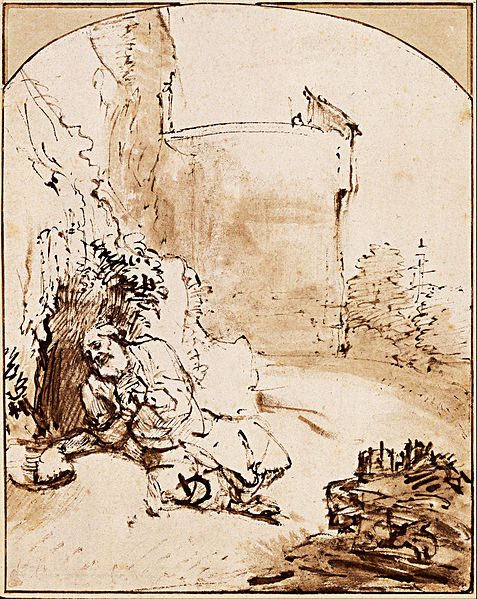
    You may remember the story of the Prophet Jonah, a ‘follower’ of God who turned a different direction when the LORD sent him to save foreigners. A later Prophet from Nazareth would refer to Jonah, by comparison:

    “The men of Nineveh will rise up at the judgment with this generation and condemn it, for they repented at the preaching of Jonah, and behold, something greater than Jonah is here. – Matthew 12:41 & Luke 11:32

    What do we know beyond this reference of Jesus of Nazareth about Jonah?
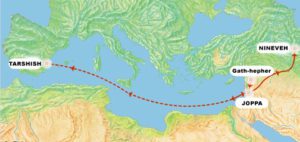
    Jonah of Gath-hepher, a town of Lower Galilee, about 5 miles from Nazareth

    We do know this: religious leaders remain unrepentant because of their own sins, just like Jonah booking a ship away from the city where the LORD wanted him to preach.

    Wickedness and unrepentance remain as issues today. Jonah spoke it of the Ninevites and Jesus spoke to it in all of us. We, too are not sent to the righteous, but to sinners. Like Jonah and like Jesus we do not preach or prophesy only to the chosen, but to the nations.
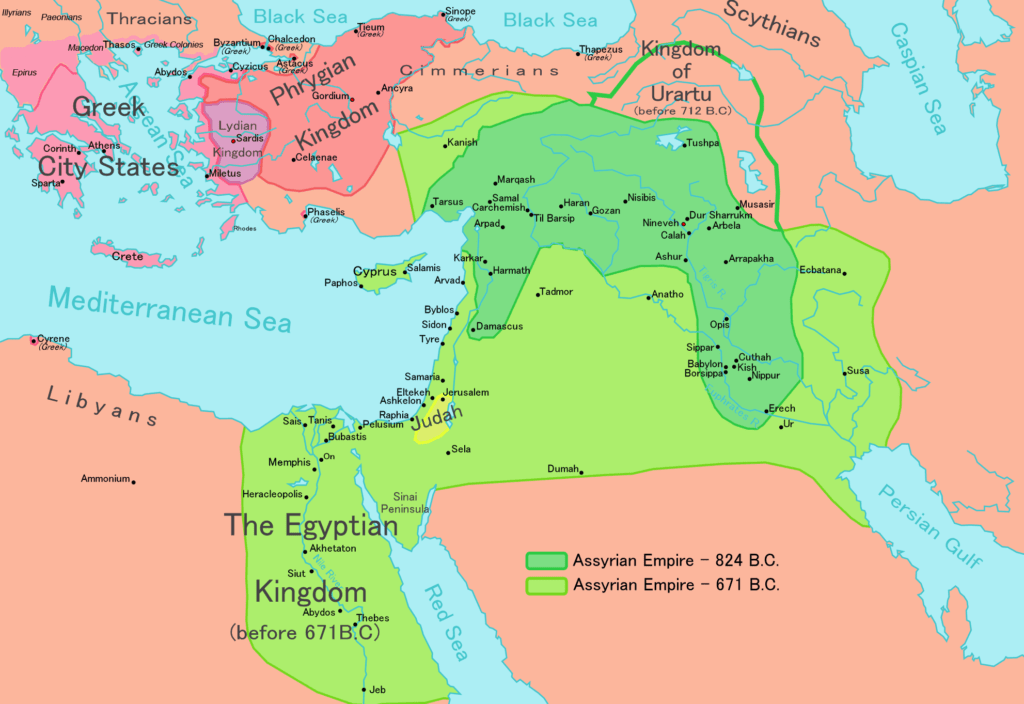
    Assyria at the time of Jonah

    Nineveh

    Jonah 3:

    Now Nineveh was an exceedingly great city, three days’ journey in breadth. 4 Jonah began to go into the city, going a day’s journey. And he called out, “Yet forty days, and Nineveh shall be overthrown!” 5 And the people of Nineveh believed God.


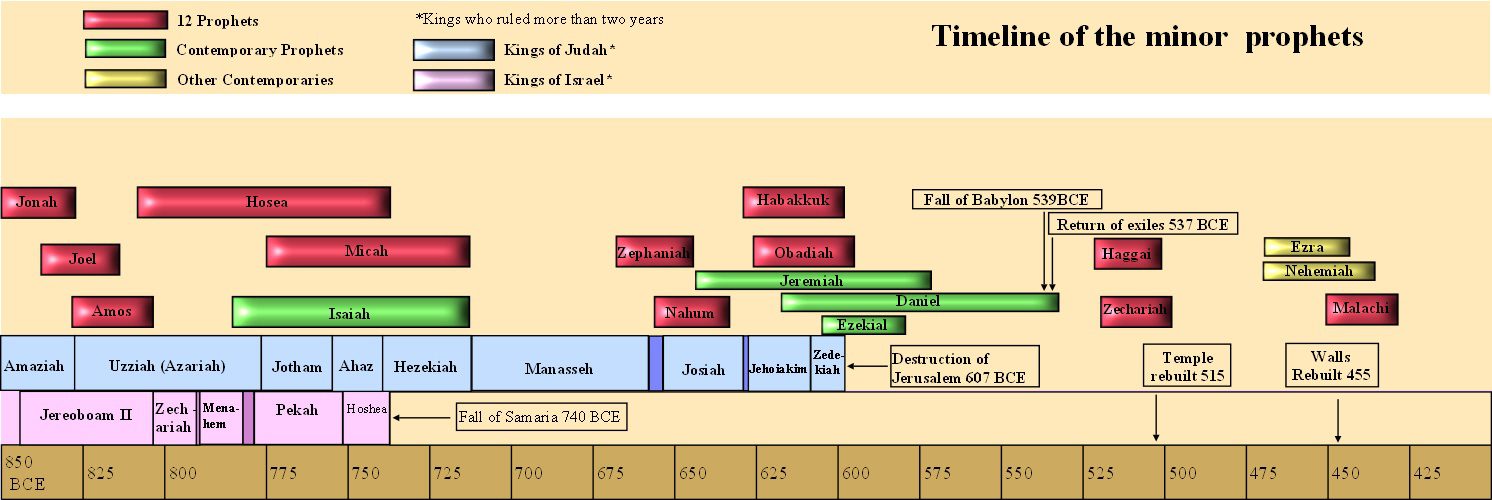
    760-750 B.C. Hosea & Jonah Prophets in Israel

    These were tumultuous times in the 8th c. B.C. A mere 200 years after Israel had separated from Judah, by the end of Jonah’s century Israel would disappear from the map. Assyria was expanding from east of the Tigris and Euphrates beyond the borders of Judah, even further than the Nile. Prior to it’s own fall in about 625 B.C., Nineveh, Assyria’s capital was known as ‘the mistress of the East; but for her great luxury and wickedness, the prophet Jonah was sent, more than eight hundred years before Christ, to warn the Ninevites of her speedy destruction.’ source

    It was the largest city in the world for some fifty years [thus, the 3-day journey to travel through Nineveh] until the year 612 BC when, after a bitter period of civil war in Assyria, it was sacked by a coalition of its former subject peoples, the Babylonians, Medes, Chaldeans, Persians, Scythians and Cimmerians. Its ruins are across the river from the modern-day major city of Mosul, in the Ninawa Governorate of Iraq. source

    Jonah and Israel certainly believed that the Lord had no desire to save sinners in a far away city in a land of unbelievers.

    The compassion of the Lord reaches well beyond borders, His power beyond the horizon and beneath the depths of the sea.

    Yet time would tell a story of Israel destroyed, Jerusalem destroyed. The centuries from the falls of nations reveals the unseen power of the Lord to turn sinners to repentance and save the helpless from the powers of evils and the perils of sin and death.

    To be continued…
     

  • The Burden of the Word of the Lord

    The Burden of the Word of the Lord

    The burden of the word of the LORD to Israel by Malachi.

    מַשָּׂא דְבַר־יְהוָה אֶל־יִשְׂרָאֵל בְּיַד מַלְאָכִֽי׃

    We have heard it before: a ‘burden,’ a weight laid upon the back of a mortal soul, an oracle from the LORD laid upon the tongue of a Prophet. Malachi was the last Prophet of Judah. Israel (Samaria) had already fallen. Defeat of the Jews and a silence of the LORD prevails until the voice in the wilderness of John the Baptist.

    The LORD had spoken severely to disobedient sons and daughters through many Prophets. In fact, the argument of the burden of leading the LORD’s chosen goes all the way back to Moses.

    Numbers 11:11

    Moses said to the LORD, “Why have you dealt ill with your servant? And why have I not found favor in your sight, that you lay the burden of all this people on me?

    Leading a people or a family steeped in our own righteousness is not an easy thing.

    How quickly we forget what the LORD has done to redeem us, how He saves us from the slavery of our past.

    Before the Lord came to us in a manger in Bethlehem in the Person of the Messiah, a great silence would follow the chastening of the Prophets.

    Malachi wrote to the Jews of the Persian province of Judea about 500 years before the Christ. The burden of the LORD on Malachi is a heavy correction even of our own thinking.

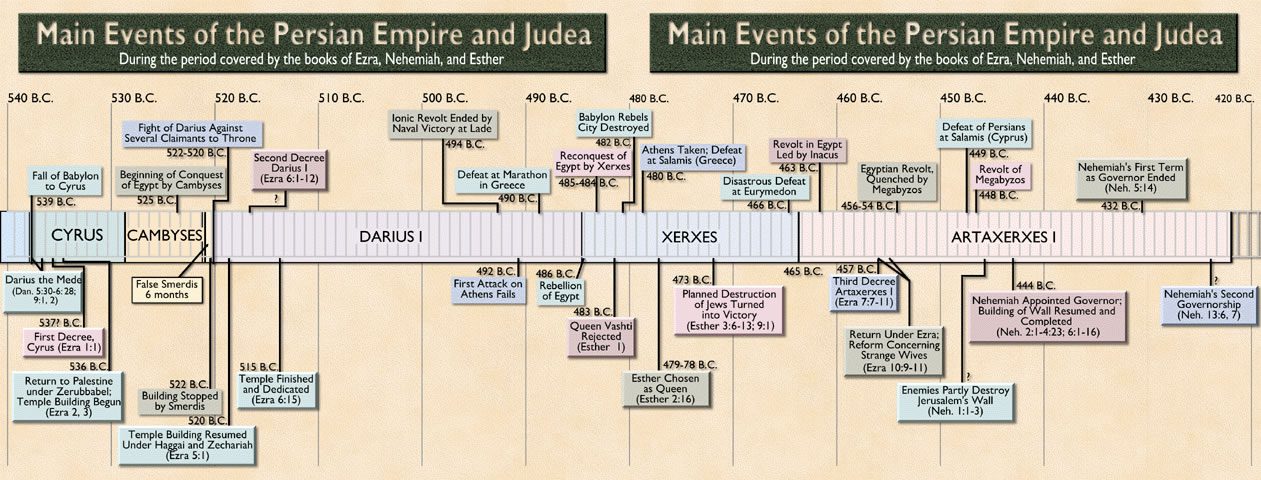
    persian-empire-chartMalachi 1:

    2 “I have loved you,” says the Lord. But you say, “How have you loved us?”

    Isn’t that our own question to God our Father? Are we not disrespectful in asking how God has loved us? We are impudent spoiled children to ask our Creator, “How have you loved us?”

    The Priests’ Polluted Offerings
    6 “A son honors his father, and a servant his master. If then I am a father, where is my honor? And if I am a master, where is my fear? says the Lord of hosts to you, O priests, who despise my name. But you say, ‘How have we despised your name?’


    If Moses had been burdened by the leading of a rebellious people, surely these rebellious sons of Levi offered no purification for our sins before God our Father. Who could even imagine that the LORD would allow His Chosen People, the Jews, to be ruled by Egypt once more!?


    10 Oh that there were one among you who would shut the doors, that you might not kindle fire on my altar in vain!  I have no pleasure in you, says the Lord of hosts, and I will not accept an offering from your hand. 11 For from the rising of the sun to its setting my name will be great among the nations, and in every place incense will be offered to my name, and a pure offering. For my name will be great among the nations, says the Lord of hosts. 12 But you profane it…

    14b For I am a great King, says the Lord of hosts, and my name will be feared among the nations.

    Malachi 2:

    Judah Profaned the Covenant
    10 Have we not all one Father? Has not one God created us? Why then are we faithless to one another, profaning the covenant of our fathers? 11 Judah has been faithless, and abomination has been committed in Israel and in Jerusalem. For Judah has profaned the sanctuary of the Lord, which he loves…

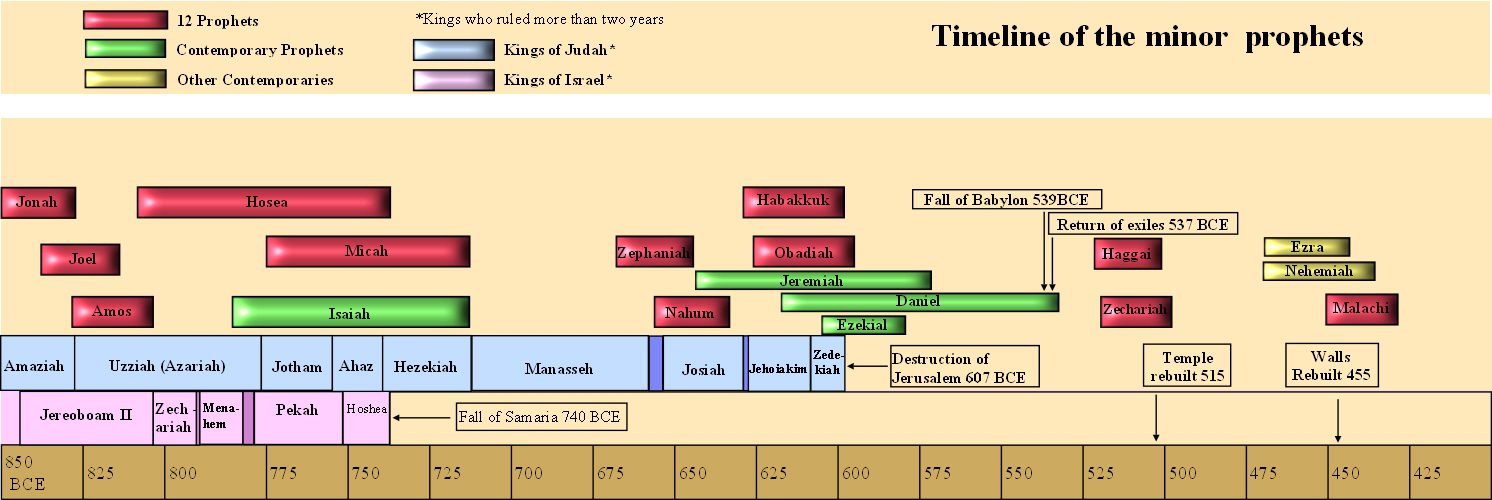
    Minor-Prophets-Timeline

    The Messenger of the Lord
    17 You have wearied the Lord with your words. But you say, “How have we wearied him?” By saying, “Everyone who does evil is good in the sight of the Lord, and he delights in them.” Or by asking, “Where is the God of justice?”

    Malachi preaches repentance to the Jews, captured by Babylon and now ruled by Persia. The word of the LORD is a hard burden on the Prophet, in these days prior to re-building a Second Temple by Ezra and Nehemiah. Yet even the Second Temple would fall.

    Judea of Persia:
    • Alexander the Great will conquer Persia in 331 B.C.
    • Alexander the Great will conquer Egypt a year earlier in 332 B.C.
    Judea of the Macedonian Kingdom:
    • Ptolemy I rules Judea
    • Alexander the Great rules the world
    • The Hebrew Bible is translated into Greek (Septuagint) in Egypt
    Judea of the Ptolemaic Kingdom:
    • The Ptolemy successors of Egypt rule Judea once more until 198 B.C.
    • Political upheaval brought the Seleucids to power from 321 B.C. until 64 B.C.
    • Ptolemy VIII (170-163 B.C.) and Cleopatra II (170-142 B.C.) vie for political power in Egypt
    • The Maccabean revolt in Judea defeats the Seleucids (166-142 B.C.)
    Judea of the Hasmoneans
    • Judas Maccabeus begins the line of Hasmonean rule (166-160 B.C.)
    • Pompey annexes Judea to Rome (63 B.c.)
    Judea under Rome
    • Augustus CaesarC. Octavius (later Augustus) was born on 23 September, 63 BC

    • Herod the Great (37-4 B.C.) gains political power in Judea as an ally of Rome.
    • Egypt, under Cleopatra VII, falls to Octavian (30 B.C.)
    • Rome (27 B.C.- A.D. 395) rules much of the world under Octavian
    • Judea is under the jurisdiction or Syria, part of the Roman Empire under Caesar Augustus.
    • Herod, funded by Rome, builds strategic roads for his Roman administration and rules over Judea with ruthless political savvy.

    The Prophet Malachi has foretold with accuracy these difficulty for the Jews in the time between the Temples and the coming of the Messiah.

    Malachi 3:  “Behold, I send my messenger, and he will prepare the way before me. And the Lord whom you seek will suddenly come to his temple; and the messenger of the covenant in whom you delight, behold, he is coming, says the Lord of hosts.

    To be continued…

    This post is part of a series in preparation for Christmas in the year of our Lord, 2015.


  • Reflections in Windows of Time

    Reflections in Windows of Time

    Looking back, running away from God is nothing new. We who would be so critical of Peter denying Jesus three times have now looked back to others faithful to God with moments of doubt.

    Note: Our Lenten reflection continues from where ‘Running from God‘ left off – an introduction to examining a history of relationships between God and believers.

    Moses, God’s chosen Prince, Prophet, Law Giver, Chief Justice, Administrator of the day-to-day lives of the rescued Hebrew nation: even Moses had had it!! – with these rebellious chosen people. Moses was ready to give up on the whole exodus thing more than once during their forty years stranded in the wilderness.

    Elijah, God’s great Prophet who stood against the evil King, with his foreign Queen – Elijah, a true Prophet of God who mocked the false prophets, who mocked the false idols – Elijah, God’s Prophet who both predicted and demonstrated the immeasurable Power of the One Almighty Creator of the heavens and the earth!! as the LORD Jehovah came into the place of his witness – Elijah turned from the victory of God and ran in fear for his own life.

    Christ Jesus never shrunk back from the fearful inevitable providential call of the Lamb of God to become the Living Perfect Sacrifice for our sins.

    Not only Peter turned away from what seemed like defeat for God – defeat for righteousness – defeat for the witnesses of God’s true word and God’s true will.

    You and I turn from God as well, in our everyday lives.

    Look through the many windows of time. What do you see?

    Are the reflections of our unrighteousness not evident in every millennium, in every century, in every generation?

    Look though the reflection of time: at Jerusalem; at Israel and Judah; look at the Hebrew people before they had a King, before they conquered a land; look before Judges and Generals, reflect before Moses and Abraham: what do we see through the reflections of the windows of time?

    We see God’s patience, God’s mercy and God’s love.

    IF YOU were God or if I was God, WE would have done it differently, wouldn’t we?

    None of this rebellion stuff! None of this disobedience allowed! And the SIN… why.. we would wipe it right out EVERY time, just like in the days of Noah and just like when God destroyed the evil men and the evil women in Sodom and in Gomorrah.

    I do not think you or I could be a merciful God (not even in our best moments).

    No work of any good man or any good woman is sufficient to the Holiness of God.

    The Bible only gives us glimpses into the windows of time at just part of the lives of a few righteous imperfect examples of God. Yet these good men and these good women had their moments of failing – every one of them.

    Jews and Christians and Muslims, who all believe in the ONE GOD, all tend to hold up story lines of convenience, while failing to acknowledge the sins and failings of our fathers of the faith.

    ALL men and ALL women of faith fail in the light of the example and teachings of Jesus Christ!

    The zealous and learned Jew and Pharisee, Saul of Tarsus, who we know as Paul, addresses God’s righteousness in Romans 3:

    “None is righteous, no, not one;
    11     no one understands;
        no one seeks for God.

    David, in a moment of weakness appeals to God:

    Psalm 143

    Hear my prayer, O LORD;
    give ear to my pleas for mercy!
    In your faithfulness answer me, in your righteousness!

    Enter not into judgment with your servant,
    for no one living is righteous before you.

    +

    We are too harsh! God is merciful.

    King David was not only God’s anointed King who united the Hebrew tribes into a United Israel; David, recall, was an adulterer and murderer.

    According to the Law of Moses, should not David have been executed for his sins?

    We see even through the broadcast windows of these evil days, merciless zealots of a false prophet executing judgment without mercy!

    God is patient; God is merciful. Our loving God, Father of our Lord Jesus Christ will save yet more enemies of the One True God. Was Saul of Tarsus not one of these?

    God seeks repentance in the hearts of all men and all women of every faith; that these will come to the love and grace of His mercy through Jesus Christ, Son of Sacrifice for the sins of the world.

    Look through the windows of time with eyes to see and ears to hear. God has given us the Holy Bible. NO other book is Holy!

    History reveals the hearts of men and women are only continually evil. Why should we worship any man or woman who is NOT God? Why would we kneel or bow down at their idols or lift up their ancestry or follow their teachings from man-made books?

    None is righteous, no not one. Yet God in His mercy reveals both His love for us and our own failings in the lives of the best of us.

    To be continued…