Tag: holy

  • HOLY | separated

    Leviticus 11:45 & John 6:69  Roger@talkofJesus.com reading today's devotional scriptures
    

    Isolation

    What does a pandemic have to do with holiness?

    Observe how some react to isolation (as in #StayatHome #Pandemic etc.) and you might just wonder how any wall of separation can exist between mankind. Human beings made in the inage of God are social. We must live and work together as families, as neighbors and as citizens of nations, even the world.

    So how does separation from those crucial to our lives work?

    And who makes the rules?

    In fact we currently see several struggles between many authorities of this world, nations, states, media, social and professional organizations, international corporations, wealthy philanthropists and more.

    Of course few in this world will first ask,

    ‘What is the will of the LORD for our interactions with others?

    Festivals of the LORD

    Now Jews and Christians alike must ask additional relational questions of gathering to worship the Lord God. Add to the urgency of questions in the year of our Lord 2020:

    • How will I celebrate Passover?
    • How will I celebrate Easter?

    We enter a HOLY WEEK in A.D. 2020 without possibility of practical obedience to traditional scriptural worship of the Lord God.

    Roger Harned – talkofJesus.com
    1. We must realize that obedient worship of the Lord has changed at times. Congregational worship began with a traveling Tabernacle, pointed to an established Temple, reinstituted in a rebuilt Temple, then dispersed into an unclean world.
    2. The Messiah of Israel, the Son of Man and Son of God offered a New Covenant of worship between God our Father and the world through the Holy Spirit of God given to those who believe in Jesus the Son.
    3. Regardless of which tradition of Judaism or Christianity you came to know you likely do not completely grasp the holiness of the Lord God and without the Lord’s mercy your sin before God fails to keep you appropriately distanced from the Very Holiness of the LORD GOD.

    We might easily become sidetracked in religious discussions about festivals and traditions, but more germain to our relationship to the Lord God is a brief look at holiness.

    Holy

    קֹדֶשׁ

    Outline of Biblical Usage

    1. apartness, holiness, sacredness, separateness
      1. apartness, sacredness, holiness
        1. of God
        2. of places
        3. of things
      2. set-apartness, separateness

    You likly know the first use of this word Holy from when Moses approached the LORD in a burning bush. It’s used more than a hunded times in just Exodus and Leviticus to describe detail concerning worship.

    It is used many times in reference to celebration of the Feast of the Unleavened Bread.

    ‘On the first day you shall have a holy assembly, and another holy assembly on the seventh day; no work at all shall be done on them, except what must be eaten by every person, that alone may be prepared by you.

    Exodus 12:16 NASB

    Holy

    קָדַשׁ

    sanctify (108x), hallow (25x), dedicate (10x), holy (7x), prepare (7x), consecrate (5x), appointed (1x), bid (1x), purified (1x), miscellaneous (7x).

    Outline of Biblical Usage
    to consecrate, sanctify, prepare, dedicate, be hallowed, be holy, be sanctified, be separate

    קָדַשׁ qâdash, kaw-dash’; a primitive root; to be (causatively, make, pronounce or observe as) clean (ceremonially or morally):—appoint, bid, consecrate, dedicate, defile, hallow, (be, keep) holy(-er, place), keep, prepare, proclaim, purify, sanctify(-ied one, self), wholly.

    Then Moses said to Aaron,

    “It is what the LORD spoke, saying,
    ‘By those who come near Me I will be treated H6942 as holy, H6942
    And before all the people I will be honored.’”
    So Aaron, therefore, kept silent.

    Leviticus 10:3 NASB

    Do you recall from Scripture what had just taken place?

    10 וַיִּקְח֣וּ בְנֵֽי־אַ֠הֲרֹן נָדָ֨ב וַאֲבִיה֜וּא אִ֣ישׁ מַחְתָּת֗וֹ וַיִּתְּנ֤וּ בָהֵן֙ אֵ֔שׁ וַיָּשִׂ֥ימוּ עָלֶ֖יהָ קְטֹ֑רֶת וַיַּקְרִ֜בוּ לִפְנֵ֤י יְהוָה֙ אֵ֣שׁ זָרָ֔ה אֲשֶׁ֧ר לֹ֦א צִוָּ֖ה אֹתָֽם׃

    וַתֵּ֥צֵא אֵ֛שׁ מִלִּפְנֵ֥י יְהוָ֖ה וַתֹּ֣אכַל אוֹתָ֑ם וַיָּמֻ֖תוּ לִפְנֵ֥י יְהוָֽה׃

    וַיֹּ֨אמֶר מֹשֶׁ֜ה אֶֽל־אַהֲרֹ֗ן הוּא֩ אֲשֶׁר־דִּבֶּ֨ר יְהוָ֤ה׀ לֵאמֹר֙ בִּקְרֹבַ֣י אֶקָּדֵ֔שׁ וְעַל־פְּנֵ֥י כָל־הָעָ֖ם אֶכָּבֵ֑ד וַיִּדֹּ֖ם אַהֲרֹֽן׃

    וַיִּקְרָ֣א מֹשֶׁ֗ה אֶל־מִֽישָׁאֵל֙ וְאֶ֣ל אֶלְצָפָ֔ן בְּנֵ֥י עֻזִּיאֵ֖ל דֹּ֣ד אַהֲרֹ֑ן וַיֹּ֣אמֶר אֲלֵהֶ֗ם קִ֠רְב֞וּ שְׂא֤וּ אֶת־אֲחֵיכֶם֙ מֵאֵ֣ת פְּנֵי־הַקֹּ֔דֶשׁ אֶל־מִח֖וּץ לַֽמַּחֲנֶֽה׃

    וַֽיִּקְרְב֗וּ וַיִּשָּׂאֻם֙ בְּכֻתֳּנֹתָ֔ם אֶל־מִח֖וּץ לַֽמַּחֲנֶ֑ה כַּאֲשֶׁ֖ר דִּבֶּ֥ר מֹשֶֽׁה׃


    Before the Lord our God you must: consecrate, sanctify, prepare, dedicate, be hallowed, be holy, be sanctified, be separate — precisely as the LORD instructs. Even Priest and prophet, pastor and teacher (these perhaps moreso) — all must be Holy, because the Lord our God is Holy.

    Holy

    ἅγιος

    Strong’s Definitions
    ἅγιος hágios, hag’-ee-os; from ἅγος hágos (an awful thing) (compare G53, G2282); sacred

    • (physically, pure, morally blameless or
    • religious, ceremonially, consecrated):—(most) holy (one, thing),
    • saint.

    “BUT THE LORD SAID TO HIM, ‘TAKE OFF THE SANDALS FROM YOUR FEET, FOR THE PLACE ON WHICH YOU ARE STANDING IS HOLY G40 GROUND.

    Acts 7:33 Stephen, quoting Moses before the Sanhedrin

    Holiness does not change from the Old Testament to the New – different word, same meaning. Stephen also uses it as Jesus did to describe the Holy Spirit of the Lord God.

    “You men who are stiff-necked and uncircumcised in heart and ears are always resisting the Holy G40 Spirit; you are doing just as your fathers did. – Acts 7:51

    Outline of Biblical Usage

    1. most holy thing, a saint

    Saints & Sinners

    Are you Holy to the Lord — separated to the Most High from the commonness of worldly sin?

    Dare you enter the Holy of Holies into the Presence of Almighty God?

    IF NOT, hear just a bit more about the Messiah Jesus to understand about the Holiness of Holy Week.

    Lord Jesus

    Christ our Passover is Sacrificed for us.

    Hebrews 10:

    For it was fitting for us to have such a high priest,

    holy, innocent, undefiled,

    separated

    from sinners

    and

    exalted above the heavens;

    who does not need daily, like those high priests, to offer up sacrifices,

    first for His own sins and then for the sins of the people,

    because this He [the Messiah] did once for all when He offered up Himself.

    For the Law appoints men as high priests who are weak,

    but the word of the oath, which came after the Law,

    appoints a Son, made perfect forever.

    Therefore let us keep the feast

    אֶרְחַץ בְּנִקָּיֹון כַּפָּי וַאֲסֹבְבָה אֶת־מִזְבַּחֲךָ יְהוָֽה׃

    For dogs have surrounded me;
    A band of evildoers has encompassed me;
    They pierced my hands and my feet… – Psalm 22:16

    I can count all my bones.

    They look, they stare at me;

    They divide my garments among them,

    And for my clothing they cast lots.

    the amen

    “Who will not fear, O Lord, and glorify Your name?
    For You alone are holy;
    For ALL THE NATIONS WILL COME AND WORSHIP BEFORE YOU,
    FOR YOUR RIGHTEOUS ACTS HAVE BEEN REVEALED.”
    The Revelation of Jesus Christ to John 15:4 NASB
  • Concerning This Salvation – a letter from 1 Peter – 1

    Concerning This Salvation – a letter from 1 Peter – 1

    Remembering Our Great Salvation

    Who needs to be encouraged more than believers in Christ suffering for His sake? And who trusted the Lord for their salvation more than any?

    First century Christians expelled from Rome and major cities of the Empire.

    Jews dispersed throughout the Empire, seeking to separate their identities from followers of The Way, increasingly persecuted believers of Christ, as did Roman authorities.

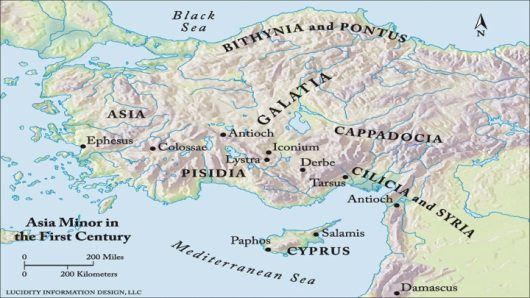
    The Apostle Peter writes to the church, primarily in first century cities in modern-day Turkey.

    1 Peter 1:

    Peter, an apostle of Jesus Christ:

    To those chosen, living as exiles dispersed abroad in Pontus, Galatia, Cappadocia, Asia, and Bithynia,

    Peter’s first encouragement of these persecuted believers of the dispersion is to call them elect or chosen by God the Father. He calls upon imagery of Israel as the Lord’s ‘chosen people.’ These faithful will also know prophesy from scripture of the Lord’s Messiah.

    “Behold! My Servant whom I uphold,
    My Elect One in whom My soul delights!
    I have put My Spirit upon Him;
    He will bring forth justice to the Gentiles.

    Isaiah 42:1 NKJV

    Peter speaks of the foreknowledge ‘through the sanctifying work of the Spirit’ and calls on believers ‘to be obedient and to be sprinkled with the blood of Jesus Christ.’ This clear reference of his greeting reassures their anointing by the Father, Christ Jesus and the Holy Spirit.

    Grace to you and peace multiplied.

    That the Lord chose you and me, as well as certain believers in these Asian provinces to whom Peter and other Apostles write, is great grace. We have received undeserved mercy and peace through Christ’s immeasurable love for sinners redeemed.

    Even so, Peter continues with an uplifting opening blessing, perhaps familiar to Christians from an opening call to your own worship.

    Blessed be God

    εὐλογητὸς ὁ θεὸς καὶ πατὴρ τοῦ κυρίου ἡμῶν Ἰησοῦ Χριστοῦ ὁ κατὰ τὸ πολὺ αὐτοῦ ἔλεος ἀναγεννήσας ἡμᾶς εἰς ἐλπίδα ζῶσαν δι’ ἀναστάσεως Ἰησοῦ Χριστοῦ ἐκ νεκρῶν - 1Peter1:3MGNT [Greek New Testament]

    Blessed be the God and Father of our Lord Jesus Christ, who according to His great mercy has caused us to be born again to a living hope through the resurrection of Jesus Christ from the dead, to obtain an inheritance which is imperishable and undefiled and will not fade away, reserved in heaven for you, who are protected by the power of God through faith for a salvation ready to be revealed in the last time.

    1 Peter 1:3-5 NASB

    Before considering the depth of this salvation introduced in Peter’s blessing, read what follows as one who has experienced the persecution of those to whom the Apostle writes:

    6 You rejoice in this, even though now for a short time, if necessary, you suffer grief in various trials so that the proven character of your faith—more valuable than gold which, though perishable, is refined by fire—may result in praise, glory, and honor at the revelation of Jesus Christ.

    8 Though you have not seen him, you love him; though not seeing him now, you believe in him, and you rejoice with inexpressible and glorious joy, because you are receiving the goal of your faith, the salvation of your souls.

    The Salvation of your Souls

    Salvation – σωτηρία – sōtēria { sō-tā-rē’-ä }

    Let’s begin with salvation, ‘the goal of our faith.’ Salvation is first deliverance, preservation, or safety. It includes deliverance from the molestation of enemies and our enemy is satan, ruler of this world, our temporal flesh and angelic opponent to Christ Jesus.

    In an ethical sense, salvation is ‘that which concludes to the soul’s safety,’ guaranteed by the Messiah of God.

    Future salvation is the sum of benefits and blessings which the Christians, redeemed from all earthly ills, will enjoy after the visible return of Christ from heaven in the consummated and eternal kingdom of God. source: BlueLetterBible.com

    It’s worth mentioning that the root word for salvation in greek is σωτήρ {sōtēr}, meaning savior, deliverer or preserver. Christ Jesus has saved, delivered and preserved all believers born again to a living hope, as Peter encourages us.

    Preserve your body and soul

    Peter speaks here to the church in the plural, souls. Perhaps you recognize the anglicized greek word, psychē, from it much maligned meaning by unbelieving contemporary interpreters of our complex God-given life. Our soul is defined as: the breath of life, the vital force which animates the body and shows itself in breathing; the seat of the feelings, desires, affections, aversions (our heart, soul etc.), as an essence which differs from the body and is not dissolved by death (distinguished from other parts of the body).

    Much we could discuss here, yet Peter addresses it sufficiently in his letter to the church, the body of believers saved by Christ Jesus. One form of the greek word for soul used by Jesus address the cooling breath of life of those who no longer believe in God.

    Matthew 24:9-11 “Then they will deliver you to tribulation, and will kill you, and you will be hated by all nations because of My name. At that time many will fall away and will betray one another and hate one another.

    Many false prophets will arise and will mislead many. (Peter addresses this later in his letter in 1 Peter 4.)

    Because lawlessness is increased, most people’s love will grow cold.

    Matthew 24:12 NASB

    A Communion Plea

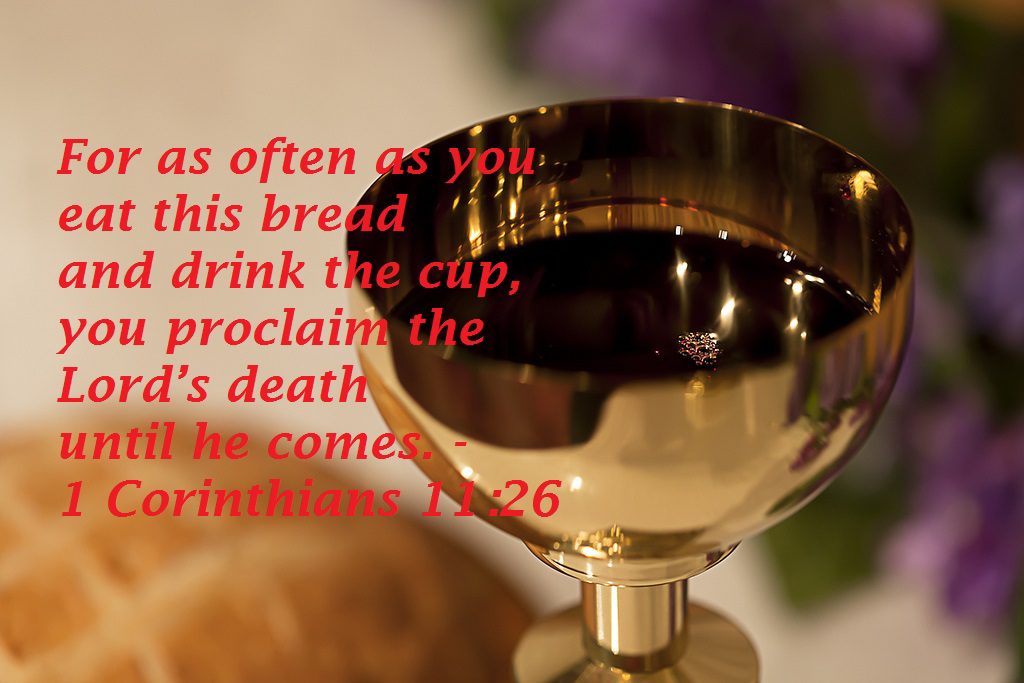
    communion cup of wine

    We do not presume
    to come to this your table, merciful Lord,
    trusting in our own righteousness,
    but in your manifold and great mercies…

    The body of our Lord Jesus Christ, which was given for you,

    preserve your body and soul to eternal life.

    Take and eat this in remembrance that Christ died for you,

    and feed on him in your heart by faith with thanksgiving.


    The blood of our Lord Jesus Christ, which was shed for you,

    preserve your body and soul to eternal life.

    Drink this in remembrance that Christ’s blood was shed for you,

    and be thankful.

    from The Book of Common Prayer

    The Grace that would come to us

    Now Peter encourages from the foundation of scripture.

    10 Concerning this salvation, the prophets, who prophesied about the grace that would come to you, searched and carefully investigated. 11 They inquired into what time or what circumstances the Spirit of Christ within them was indicating when he testified in advance to the sufferings of Christ and the glories that would follow.

    Prophets also asked about the Christ before His own sufferings for us. Once Jesus suffered, died and rose again, what would follow?

    What follows for believers in Christ?

    In a word, grace.

    Grace – χάρις – charis

    Grace is that which affords joy, pleasure, delight, sweetness, charm, loveliness.

    Certainly in this mortal life of suffering and persecution these hearers of Peter’s letter must have yearned for a return to a grace guaranteed beyond today.

    Grace is described [by Strong’s concordance] as a gift, a benefit, the spiritual condition of one governed by the power of divine grace. It is good will and loving-kindness, the merciful kindness by which God, exerting his holy influence upon souls, turns them to Christ, keeps, strengthens, increases them in Christian faith, knowledge, affection, and kindles them to the exercise of the Christian virtues.

    Grace through the Holy Spirit

    Peter assures them that the Prophets prophesied about the grace that would come to you. He testifies that the Spirit of Christ was within them, a reference to the Holy Spirit, living breath of God in the Word of Christ.

    12b These things have now been announced to you through those who preached the gospel to you by the Holy Spirit sent from heaven—angels long to catch a glimpse of these things.

    Be Holy

    ‘Thus you are to be holy to Me, for I the LORD am holy; and I have set you apart from the peoples to be Mine.

    Leviticus 20:26 NASB

    Peter points back to Moses and several commands of the Lord. He uses Jesus’ familial authority of holiness.

    17 If you appeal to the Father who judges impartially according to each one’s work…

    He urges followers of Christ (v.13b), set your hope completely on the grace to be brought to you at the revelation of Jesus Christ. And as Jesus taught, Peter urges us to be like Christ as an obedient child of the Father.

    14 As obedient children, do not be conformed to the desires of your former ignorance. 15 But as the one who called you is holy, you also are to be holy in all your conduct; 16 for it is written, Be holy, because I am holy.

    What’s it like to be holy?

    13-16 [PHILLIPS] So brace up your minds… Live as obedient children before God. Don’t let your character be moulded by the desires of your ignorant days, but be holy in every department of your lives…

    … you should spend the time of your stay here on earth with reverent fear.

    22 [CSB] Since you have purified yourselves by your obedience to the truth, so that you show sincere brotherly love for each other, from a pure heart love one another constantly, 23 because you have been born again—not of perishable seed but of imperishable—through the living and enduring word of God.

    Peter’s call to holiness in our Christian living and witness to the world is challenging enough. And for those facing true persecution and opposition to our faithfulness to the Lord, Peter encourages us in our new and permanent salvation in Christ, Redeemer of our sinful souls.

    This brief life of ours

    What more can Peter say to encourage those first century Christians suffering for their true faith in Christ Jesus?

    In fact, Peter has much more to say beginning with cautions about those ‘christians’ who disobey God our Father and Christ. We began this series with “They Stumble Because They Disobey,” from 1 Peter 2.

    Just prior to this, Peter reminds us that by comparison to eternity (and judgment) this mortal life in the flesh is very brief. Comfort to those faced with persecution or death for their faith in Christ.

    Once again, he quotes scripture, specifically the Prophet Isaiah, in the thought connecting their faithfulness and his caution against false prophets.

    Isaiah 40:

    The verses from Isaiah preceding 1 Peter 24-25 will be familiar to the persecuted church of the first century. Prophesy of John the Baptist and Jesus both resound in the powerful imagery of Isaiah 40:1-5.

    All flesh is grass, and all its loveliness is like the flower of the field.
    7 The grass withers, the flower fades,
    When the breath of the Lord blows upon it;
    Surely the people are grass.
    8 The grass withers, the flower fades,
    But the word of our God stands forever.

    Isaiah 40:6c-8

    Beloved believer, we are like grass, yet so are opponents to our faith in Christ Jesus. By His grace we know our salvation.

    Isaiah urges us to be a bearer of the Good News.

    “Here is your God!”

    Behold, His reward is with Him

    Like a shepherd He will tend His flock,
    In His arm He will gather the lambs
    And carry them in His bosom;
    He will gently lead the nursing ewes.

    excerpts from Isaiah 40 NASB

    Peter ends this opening of his first letter:

    25 BUT THE WORD OF THE LORD ENDURES FOREVER.”
    And this is the word which was preached to you.

    To be continued...

  • Hebrews 8- Minister of the Holy & true Tabernacle

    The Main Point


    Now the main point of what is being said is this:

    We have this kind of high priest, who sat down at the right hand of the throne of the Majesty in the heavens,  a minister of the sanctuary and the true tabernacle that was set up by the Lord and not man.

    Hebrews 8:1-2 CSB

    Let’s not miss this, the author of Hebrews emphasizes the ‘main point’ of the letter (not just this chapter, a reference added to the Letters later). Let’s look more closely.

    • ἀρχιερεύς – archiereus, High Priest in english points to the ‘chief priests’ of Judaism and also to Christ.

    Specifically, by the text which follows, the author affirms a text familiar to some from Luke 22:69 and other references. “[He] is seated at the right hand of God].”

    Ministers

    Now the writer of Hebrews points beyond the authority, nearer to our experience. God assigns a High Priest to minister to His people. Consequently, the High Priest is: “A minister of the sanctuary.”

    “Minister” is a favorite description of the leader of some denominations of Christianity, and for good reason. Because a minister is a servant, perhaps even a public servant of his community. He may even be a tax collector, assigned as a minister of the state or your servant of government delivering some military labor.

    Yet τῶν ἁγίων λειτουργὸς καὶ τῆς σκηνῆς, “a minister of the sanctuary and true tabernacle” serves the Lord God. A High Priest ministers to God’s people from the sanctuary.

    Reverends

    Of course we commonly hear of the esteemed leaders of some churches referred to as Reverend Soandso or the Reverend Doctor Soandso. But ‘reverend relates more to their position in the sanctuary, ἅγιον hagion, defined as: reverend, worthy of veneration; of persons whose services God employs; set apart to God; in a moral sense, pure sinless upright holy.

    Once again, from the text of Hebrews (in Greek) the imagery of holiness points back to the position of the High Priest in the Holy of Holies. And that is where the author points next.

    and of the true Tabernacle

    καὶ τῆς σκηνῆς τῆς ἀληθινῆς

    Hebrews 8:2b gk.

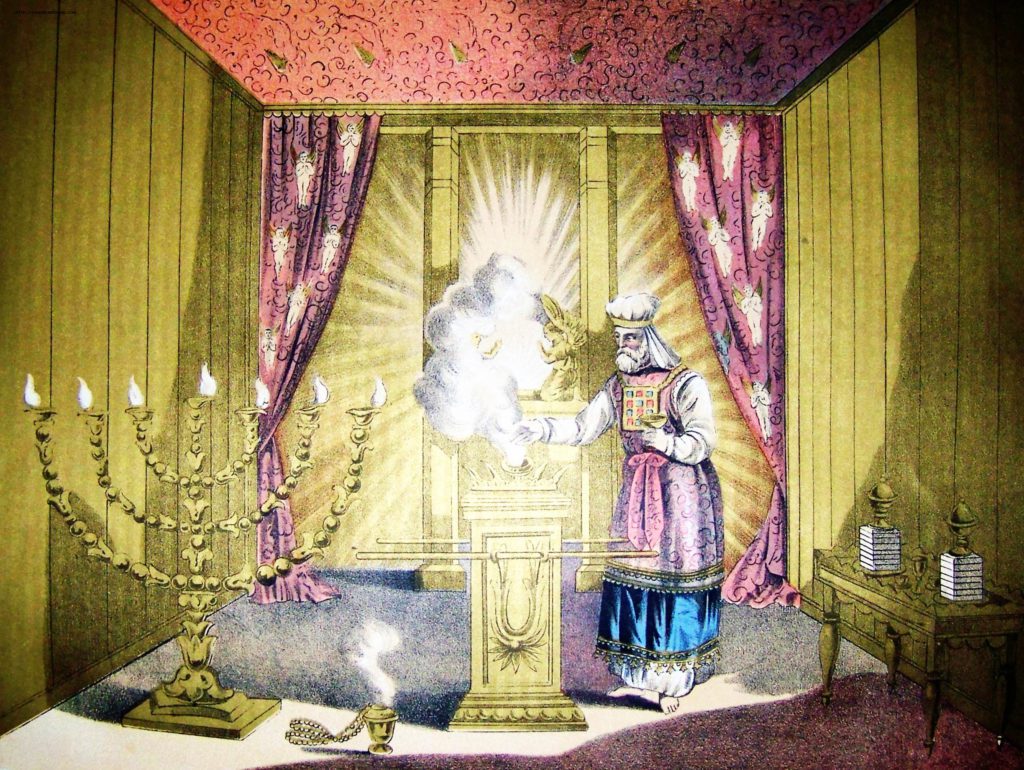
    Perhaps we understand the Holy of Holies more in the context of the Temple, yet it’s description as an exact place for God to come down to the High Priest is a temporary meeting place within a tent.

    Hebrew מִשְׁכָּן (mishkan), Tabernacle in English.

    Therefore, the Tabernacle, σκηνή skēnē is a tent, a shadow of the place of holiness like prescribed to Moses. This was why Peter wanted to build three tabernacles when he witnessed Moses and Elijah with Jesus.

    Exodus 25:

    8 “They are to make a sanctuary for me so that I may dwell among them. 9 You must make it according to all that I show you—the pattern of the tabernacle as well as the pattern of all its furnishings.

    The key point of the author of Hebrews is this ‘pattern of the tabernacle.’ Consequently Jesus the Messiah becomes a minister of the sanctuary and ‘true tabernacle.’ His appointment as a minister of Authority at the right hand of God makes Jesus a better High Priest.

    The tabernacles of the earth (including the Temples of Jerusalem) are temporary.

    These serve as a copy and shadow of the heavenly things, as Moses was warned when he was about to complete the tabernacle.

    Hebrews 8:5

    Covenant

    What is a covenant? (Twenty-first century Christians and Jews can hardly imagine its impact, because we do not even keep our less solemn promises.)

    ‘I’ve heard of it. I think God may be involved in a covenant.’

    “I will establish My covenant with you,” said God [אֱלֹהִים] to Noah.

    And “the LORD [יְהֹוָה] made a covenant with Abram.”

    But covenants may also be made between men. A covenant [בְּרִית bĕriyth] [διαθήκη diathēkē] is and alliance and pledge, a solemn promise to the agreed relationship.

    The Person of God our Father in heaven has made a covenant with you. Who do you think would break it? Certainly not the LORD!

    And Jew and follower of the Way knew scripture well enough to recall their heritage of breaking covenants with the Lord God. For a long history of kings ‘did what was evil in the sight of the Lord.’

    The Prophet Jeremiah

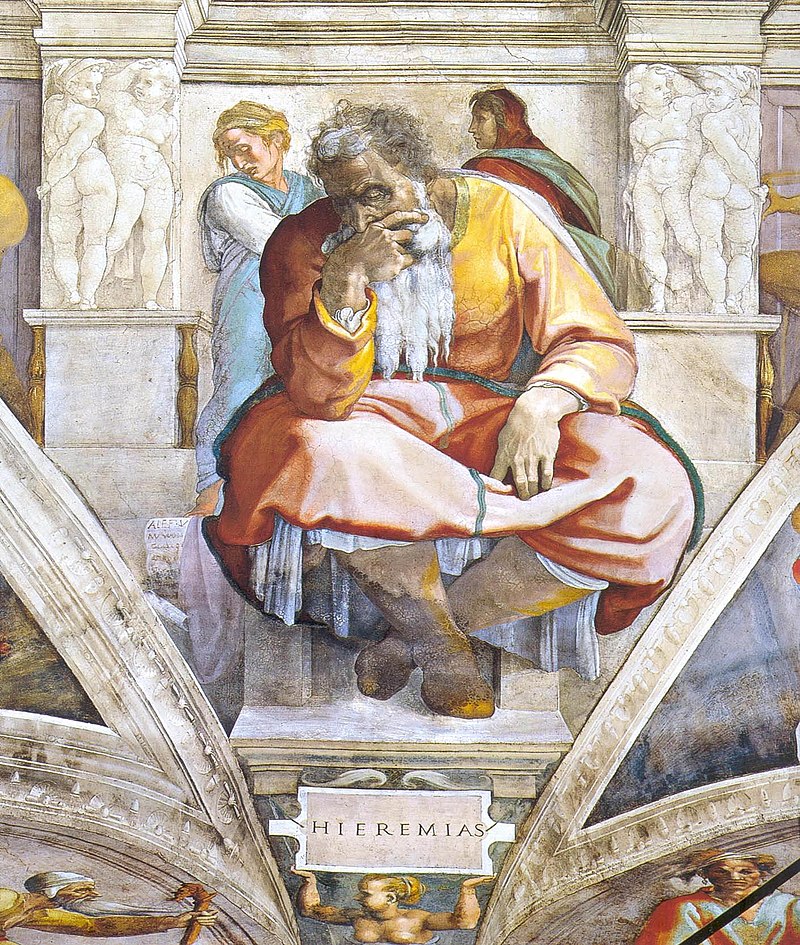
    By Микеланжело Буонаротти - Электронная библиотека.Музеи Ватикана., Public Domain, https://commons.wikimedia.org/w/index.php?curid=2284599
    Jeremiah by Michaelango

    Jeremiah lived about 600 years before the writer of Hebrews. His witness of the fall of Jerusalem follows calls for repentance which went unheeded.

    “Hear the words of this covenant, and speak to the men of Judah and to the inhabitants of Jerusalem; and say to them, ‘Thus says the LORD, the God of Israel, “Cursed is the man who does not heed the words of this covenant which I commanded your forefathers in the day that I brought them out of the land of Egypt, from the iron furnace, saying, ‘Listen to My voice, and do according to all which I command you; so you shall be My people, and I will be your God,’ in order to confirm the oath which I swore to your forefathers, to give them a land flowing with milk and honey, as it is this day.”’” Then I said, “Amen, O LORD.”


    11:6  וַיֹּ֤אמֶר יְהוָה֙ אֵלַ֔י קְרָ֨א אֶת־כָּל־הַדְּבָרִ֤ים הָאֵ֨לֶּה֙ בְּעָרֵ֣י יְהוּדָ֔ה וּבְחֻצֹ֥ות יְרוּשָׁלִַ֖ם לֵאמֹ֑ר שִׁמְע֗וּ אֶת־דִּבְרֵי֙ הַבְּרִ֣ית הַזֹּ֔את וַעֲשִׂיתֶ֖ם אֹותָֽם׃


    And the LORD said to me, “Proclaim all these words in the cities of Judah and in the streets of Jerusalem, saying,

    ‘Hear the words of this covenant and do them.

    Jeremiah 11:6

    The author of Hebrews now quotes scripture they know.

    Jeremiah 31:31-34 excerpts

    I will make a new covenant with the house of Israel and with the house of Judah.

    Jeremiah 31:31; Hebrews 8:8

    “… My covenant which they broke… – Jeremiah 31:32

    I showed no concern for them, says the Lord,
    because they did not continue in my covenant.

    Hebrews 8:9B

    32 This one will not be like the covenant I made with their ancestors… —the Lord’s declaration. “I will put my teaching within them and write it on their hearts…

    “For I will forgive their iniquity and never again remember their sin.

    Jeremiah 31:34D; Hebrews 8:12

    A Superior Covenant

    His point: we broke the old covenant and the intercession of human priests is insufficient.


    The author of Hebrews shows how the Temple and tabernacle were mere shadows of the relationship to the Lord yet to be fulfilled in a superior covenant. He then continues after quoting Jeremiah’s prophesy with hope for a more perfect outcome of its fulfillment.

    13 By saying a new covenant, he has declared that the first is obsolete. And what is obsolete and growing old is about to pass away.

    The author of Hebrews will proceed by contrasting Jesus with the old covenant.

    To be continued...