Tag: Isaiah

  • The Gatekeeper & the Shepherds

    The Gatekeeper & the Shepherds

    Then the watchman saw another man running; and the watchman called to the gatekeeper and said, “Behold, another man running by himself.”

    And the king said, “This one also is bringing good news.”

    2 Samuel 18:16
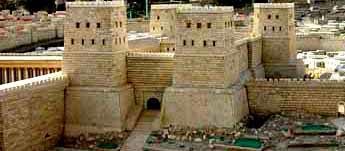
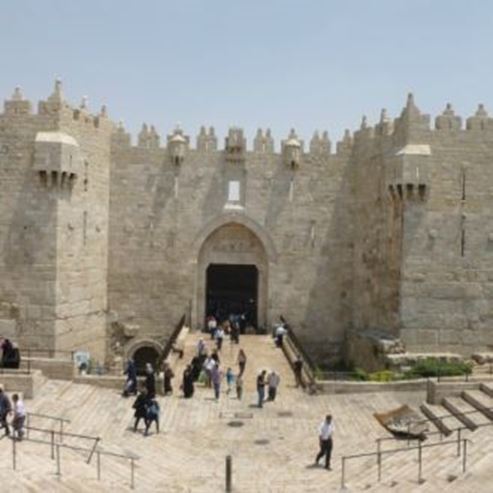
    watchtower at Jerusalem gate
    Watchtowers at gates of old city

    Of Gatekeepers and Watchmen

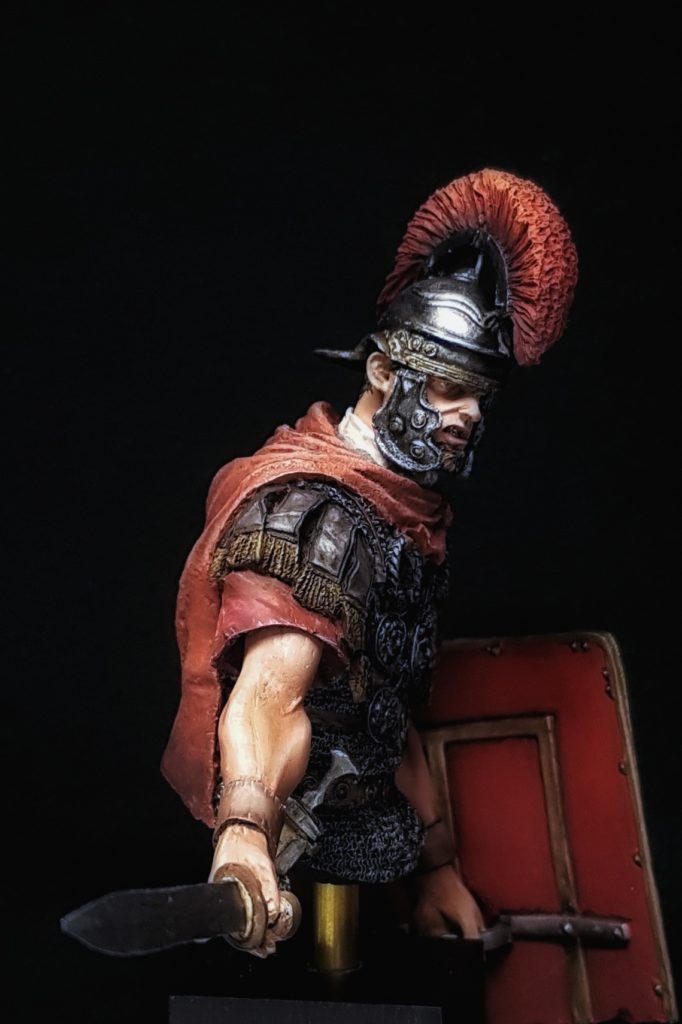
    Soldier of Roman Legion

    It would have been a Roman Centurion, Roman guards at the gates of first century Jerusalem.

    Armed soldiers, some who had marched on Roman roads connecting nearby towns and slaughtering rebellious zealots in the mountain passes guarded the gates.

    As each festival approached with its crowds of pilgrims flooding the streets of Jerusalem, each watchtower with its Roman overseers would look to turn back any threat to their subject-king and their Caesar.

    A Roman guard in each watchtower of Jerusalem would have sent out an alarm if any opponent approached their captive city.

    They were unlike the faithful who worshiped here and the not so casual crowds of curious visitors of this day.

    Damascus Gate of Jerusalem
    • Who approaches our city?
    • Will they enter through the gate by permission of their king (or city leader)?
    • Are they any threat to the Emperor’s representative, our leaders and our Legions?

    Who may enter?

    It was common practice of the people, including shepherds leading sheep for the slaughter of the sacrifice, to travel here from far away hills and trade within Jerusalem’s walls. Then they worshiped within the courts of their Temple, surrounded by walls of watchmen.

    The gatekeeper is much more than a ticket taker, so to speak, a man of authority.

    Please keep in mind the context of John’s gospel in the earthly journey of Jesus and the Apostles to Jerusalem. Although we pause once more in John’s witness of a man born blind, the context of Jesus’ actions set the stage for what will happen next.

    Rome will destroy Jerusalem later, as Babylon and others had destroyed her before. This nervous alliance between a subject king of the region and ruler of Rome governed the day-to-day lives of Judea’s subjects.

    Some mattered more than others. A ruling council guarded their revamped religion and culture: Pharisees, Sadducees, rich landowners paying taxes for the Roman army to remain there in peace.

    They kept pretense of self-rule under Herod as a self-subjugated nation which could be crushed by Rome at any hint of rebellion.

    A Roman legacy of a Judean King

    Back in 19 B.C., Rome had allowed their great builder king to start rebuilding the Temple. Ten thousand skilled laborers and a thousand Levites built it with contributions of Jews mostly from the diaspora to the east just beyond Rome’s grip. It would not be completed until A.D. 63, just seven years prior to their destruction of all Jerusalem. – Source

    Those now in authority choose who may enter Jerusalem. Several acted as gatekeeper for a gate entering the court of the Temple, a designated religious police poised at its gates. And as always, those judged for crimes were sentenced by a court sitting at the gate.

    But now their jewish judgments must be confirmed by Rome’s prefect who cruelly crushed opposition by the constant reminders of their Roman crosses of crucifixion along roads to the city.

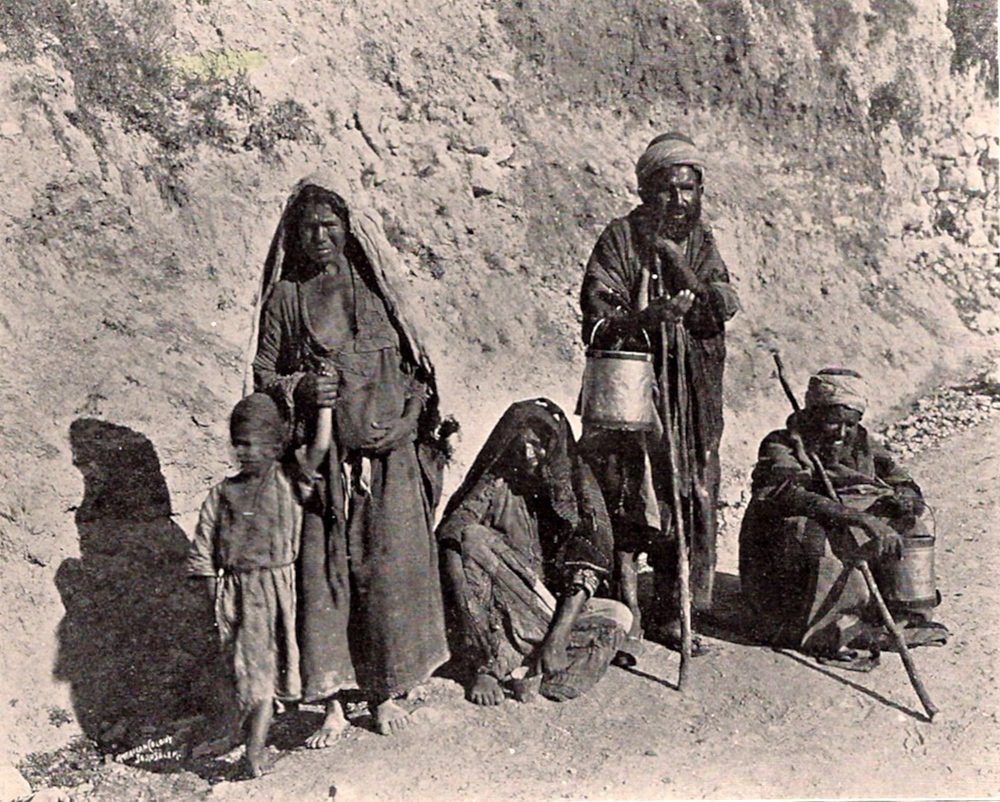
    Like always, men of no threat to anyone often sat within the gates begging from faithful pilgrims coming and going into the city.

    poor pilgrims to Jerusalem
    “For you always have the poor with you; but you do not always have Me. – the words of Jesus, Matthew 26:11 NASB

    David’s Watchmen

    When David was king, Jerusalem had fought for the LORD rather than bowing down to a Caesar. Yet even David sat as gatekeeper of Israel after opposition by his own son.

    David’s great kingdom long forgotten, Jerusalem’s leaders mustered the crowds toward a new faith of confidence by the name of David, although few remembered David’s defeats and difficulties.

    One such ne’er-told scripture would have been of David’s time after Absalom’s revolt. It was a day not so grandiose as their many reminders to first century crowds of Solomon’s first Temple.

    2 Samuel 18:

    Then David numbered the people who were with him and set over them commanders of thousands and commanders of hundreds…

    So the king stood beside the gate, and all the people went out by hundreds and thousands…

    6 Then the people went out into the field against Israel, and the battle took place in the forest of Ephraim. (Note Ephraim’s earlier loss of the blessing of Jacob.)

    7 The people of Israel were defeated there before the servants of David [Judah], and the slaughter there that day was great, 20,000 men…

    17 They took Absalom and cast him into a deep pit in the forest and erected over him a very great heap of stones. And all Israel fled, each to his tent.

    24 Now David was sitting between the two gates; and the watchman went up to the roof of the gate by the wall, and raised his eyes and looked, and behold, a man running by himself. The watchman called and told the king.

    And the king said, “If he is by himself there is good news in his mouth.”

    And he came nearer and nearer. Then the watchman saw another man running; and the watchman called to the gatekeeper and said, “Behold, another man running by himself.”

    And the king said, “This one also is bringing good news.”

    Why send two?

    Two messengers. King David awaits good news as he sits in the gate as gatekeeper of the City of David.

    Men from the watchtowers above see a distant scene long before David has news of what has happened. Two separate messengers approaching the stronghold of Jerusalem where the people had kept their king behind as gatekeeper.

    Why two? What details of the battle for the LORD will they reveal?

    “O my son Absalom

    The report of hope turns into great sorrow for the king.

    “Let my lord the king receive good news, for the Lord has freed you this day from the hand of all those who rose up against you.”

    “Let the enemies of my lord the king, and all who rise up against you for evil, be as that young man!”

    33 The king was deeply moved and went up to the chamber over the gate and wept.

    Though his victory as King is secured, David would have done anything to have kept his own son from death.

    And thus he said as he walked, “O my son Absalom, my son, my son Absalom! Would I had died instead of you, O Absalom, my son, my son!”

    2 Samuel 19:

    8 So the king arose and sat in the gate. When they told all the people, saying, “Behold, the king is sitting in the gate,” then all the people came before the king…

    After several violent battles between the rebellious tribes of Israel David prevails as king.

    Solomon then becomes Israel’s richest and greatest king, building the Temple of the Lord. But in his old age Solomon falls away from his faith and at his death Israel and Judah once again divide.

    After some centuries both kingdoms fall, the Temple of Solomon destroyed.

    A Babylonian-built Jewish temple

    Perhaps you have never considered that the temple in Jerusalem could never have been rebuilt over the ruble where the Law was found without Persia’s and Babylon’s help. Of course, the LORD made it possible as the LORD had influenced Pharaoh before.

    “Thus says Cyrus king of Persia, ‘The LORD, the God of heaven, has given me all the kingdoms of the earth and He has appointed me to build Him a house in Jerusalem, which is in Judah.

    Ezra 1:2 NASB

    Therefore, ‘in order to fulfill the word of the LORD by the mouth of Jeremiah, the LORD stirred up the spirit of Cyrus king of Persia.’ [Ezra 1:1]

    For every house is built by someone, but the builder of all things is God.

    Hebrews 3:3 NASB

    Therefore, just as the Holy Spirit says,
    “TODAY IF YOU HEAR HIS VOICE,

    DO NOT HARDEN YOUR HEARTS AS WHEN THEY PROVOKED ME,
    AS IN THE DAY OF TRIAL IN THE WILDERNESS…

    Hebrews 3:7-8 NASB

    Nehemiah & Ezra

    Prophets like Isaiah, Jeremiah and Ezekiel warned both Israel and Judah to return to the LORD, but they also provided hope for later faithful generations of God’s faithfulness.

    Although building of the second temple was begun around 516 BC (many centuries after David), it was not completed until about 349 BC under the leadership of Ezra and Nehemiah.

    Then I said to them, “You see the bad situation we are in, that Jerusalem is desolate and its gates burned by fire. Come, let us rebuild the wall of Jerusalem so that we will no longer be a reproach.”

    Nehemiah 2:17 NASB

    Again, note the passage of time and the patience of the LORD in completing His plan of redemption.

    Nehemiah 4:

    He [Sanballat] spoke in the presence of his brothers and the wealthy men of Samaria and said,

    “What are these feeble Jews doing?

    Are they going to restore it for themselves? Can they offer sacrifices? Can they finish in a day? Can they revive the stones from the dusty rubble even the burned ones?”

    The importance of gatekeepers guarding the gates of the faith, as well as the city continued as it had since the time of David and traditions of Moses.

    1 Chronicles 9

    A century before the beginning of the rebuilding of the temple

    … And Judah was carried away into exile to Babylon for their unfaithfulness.

    17 Now the gatekeepers were Shallum and Akkub and Talmon and Ahiman and their relatives (Shallum the chief being stationed until now at the king’s gate to the east)…

    20 Phinehas the son of Eleazar was ruler over them previously, and the Lord was with him. Zechariah the son of Meshelemiah was gatekeeper of the entrance of the tent of meeting. All these who were chosen to be gatekeepers at the thresholds were 212.

    The Pharisees and priests (Levites) of the rebuilt temple of the first century had legitimacy of guarding the purity of the faith of the LORD.

    Now the leaders of the people lived in Jerusalem, but the rest of the people cast lots to bring one out of ten to live in Jerusalem, the holy city, while nine-tenths remained in the other cities.

    Nehemiah 11:1 NASB

    Isaiah 60:

    ק֥וּמִי א֖וֹרִי כִּ֣י בָ֣א אוֹרֵ֑ךְ וּכְב֥וֹד יְהוָ֖ה עָלַ֥יִךְ זָרָֽח׃

    2 כִּֽי־הִנֵּ֤ה הַחֹ֙שֶׁךְ֙ יְכַסֶּה־אֶ֔רֶץ וַעֲרָפֶ֖ל לְאֻמִּ֑ים וְעָלַ֙יִךְ֙ יִזְרַ֣ח יְהוָ֔ה וּכְבוֹד֖וֹ עָלַ֥יִךְ יֵרָאֶֽה׃

    We will next return to first century Jerusalem, but first hear the words of the Prophet Isaiah. (Without knowing their context you may have heard them before.)

    Arise, shine;
    For your light has come!
    And the glory of the Lord is risen upon you.

    The Gentiles shall come to your light,
    And kings to the brightness of your rising.
    “Lift up your eyes all around, and see:
    They all gather together, they come to you;
    Your sons shall come from afar,
    And your daughters shall be nursed at your side.
    Then you shall see and become radiant,
    And your heart shall swell with joy…

    Yet previously Isaiah the Prophet had warned:

    His watchmen are blind,
    All of them know nothing.
    All of them are mute dogs unable to bark,
    Dreamers lying down, who love to slumber;
    And the dogs are greedy, they are not satisfied.

    And they are shepherds who have no understanding;
    They have all turned to their own way,
    Each one to his unjust gain, to the last one.

    Into this same Jerusalem the Messiah Jesus enters the gates, encounters the watchmen and shepherds of Herod. Among other signs the Lord gives a man blind from birth his sight!

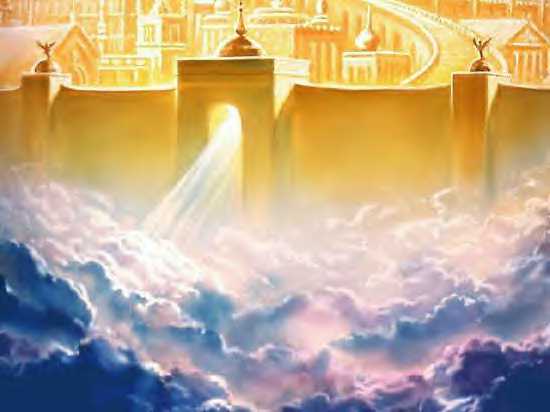
    Could the LORD have sent a new gatekeeper of heaven to Jerusalem?

    To be continued...
  • Do you believe in the Son of Man?

    Do you believe in the Son of Man?

    “No one has ascended into heaven, but He who descended from heaven: the Son of Man. As Moses lifted up the serpent in the wilderness, even so must the Son of Man be lifted up; so that whoever believes will in Him have eternal life.

    The witness of Jesus to Nikodēmos – John 3:13-15 NASB
    (the world knows where He is leading)

    Returning to the Light

    We have been following the signs of the Messiah which the Apostle John presents in his Gospel.

    Jesus had healed a man born blind who confronts the religious officials of Jerusalem with the evidence that this man must be the Messiah!

    “While I am in the world, I am the Light of the world.”

    The witness of Jesus to His Apostles – John 9:5

    To give a sense of some time passing in these events which took place I paused John’s story Jesus – Siloam – “I washed and I see where the man sent to Siloam to wash and could now see was questioned by Pharisees.

    Before returning to the seeing man’s witness of the Light in John 9, first let’s return to a scene of a Pharisee questioning Jesus. John has already set the stage for this sign of the Messiah giving sight to the blind.

    29:18 וְשָׁמְעוּ בַיֹּום־הַהוּא הַחֵרְשִׁים דִּבְרֵי־סֵפֶר וּמֵאֹפֶל וּמֵחֹשֶׁךְ עֵינֵי עִוְרִים תִּרְאֶֽינָה׃

    John 3:

    Now there was a man of the Pharisees, named Nicodemus, a ruler of the Jews; this man came to Jesus by night and said to Him,

    “Rabbi, we know that You have come from God as a teacher; for no one can do these signs that You do unless God is with him.”

    John 9:13 They brought the man who used to be blind to the Pharisees. 

    John 3:9 Nicodemus said to Him, “How can these things be?”

    10 Jesus answered and said to him, “Are you the teacher of Israel and do not understand these things? Truly, truly, I say to you, we speak of what we know and testify of what we have seen, and you do not accept our testimony.

    12 If I told you earthly things and you do not believe, how will you believe if I tell you heavenly things?

    John 9:24 So a second time they summoned the man who had been blind ...

    John 3:19 This is the judgment, that the Light has come into the world, and men loved the darkness rather than the Light, for their deeds were evil. For everyone who does evil hates the Light, and does not come to the Light for fear that his deeds will be exposed. But he who practices the truth comes to the Light, so that his deeds may be manifested as having been wrought in God.”

    John 9:28 They ridiculed him: 
    “You’re that man’s disciple, but we’re Moses’s disciples. We know that God has spoken to Moses. But this man—we don’t know where he’s from.”
     30 “This is an amazing thing!” the man told them. 
    “You don’t know where he is from, and yet he opened my eyes.

    John 9:

    35 Jesus heard that they had thrown the man out, and when he found him, he asked,

    “Do you believe in the Son of Man?”

    Now here is a question from our Lord to the man whose sight He returned worthy of consideration by each and every soul who for a brief time dwells in this world of darkness.

    • “Do you believe in the Son of God?”
    • Is Jesus who now confronts you in plain sight?
    • Does the Messiah of our salvation sent to the world by God our Father ask you to believe?

    Listen, learned Pharisee of these last days, and see the Light of the Gospel. Is the Spirit of the living LORD speaking to you?

    But returning to the response of the man formerly blind:

    36 “Who is he, Sir, that I may believe in him?” he asked.

    37 Jesus answered, “You have seen him; in fact, he is the one speaking with you.”

    38 “I believe, Lord!” he said, and he worshiped him.

    Wouldn’t you, if the Messiah had given you sight?

    Shouldn’t you, since the Messiah Jesus has drawn you from the darkness of your sin to the Very Light of Life?

    Son of Man – a view from Scripture

    Where did the Messiah Jesus come up with this favorite self-designation by which He describes His humanity to man?

    Jewish rabbis who studied scripture knew it well, for the Prophet Ezekiel uses ‘son of man’ in numerous descriptions of his heavenly encounters. First, a definition from the Hebrew:

    Son of Man!

    Such was the appearance of the likeness of the glory of the LORD. And when I saw it, I fell on my face and heard a voice speaking.

    Then He said to me, “Son of man, stand on your feet that I may speak with you!”

    Ezekiel 1:28-2:1 NASB

    2:3 וַיֹּאמֶר אֵלַי בֶּן־אָדָם שֹׁולֵחַ אֲנִי אֹֽותְךָ אֶל־בְּנֵי יִשְׂרָאֵל אֶל־גֹּויִם הַמֹּורְדִים אֲשֶׁר מָרְדוּ־בִי הֵמָּה וַאֲבֹותָם פָּשְׁעוּ בִי עַד־עֶצֶם הַיֹּום הַזֶּֽה׃

    בֵּן
    ben

    • Meaning ‘son’ in a broad sense, specifically as ‘son’ (2978x); but also as ‘first’ (51x)
    • Genesis 27:32 וַיֹּאמֶר לֹו יִצְחָק אָבִיו מִי־אָתָּה וַיֹּאמֶר אֲנִי בִּנְךָ בְכֹֽרְךָ עֵשָֽׂו׃
    • Revelation 22:13 [gk] ἐγὼ τὸ Ἄλφα καὶ τὸ Ὦ ὁ πρῶτος καὶ ὁ ἔσχατος ἡ ἀρχὴ καὶ τὸ τέλος
      • “I am the Alpha and the Omega, the first and the last, the beginning and the end.”

    אָדָם
    ‘adam

    • man or mankind, generally, only occasionally specific to the first man, Adam or a human man rather than a human woman
    • Genesis 2:7 Then the LORD God formed man H120 of dust from the ground, and breathed into his nostrils the breath of life; and man H120 became a living being.
    • Ezekiel 1:5 Within it there were figures resembling four living beings. And this was their appearance: they had human H120 form.

    Son of man most frequently designates a human being, one born of flesh. More than any other Prophet Ezekiel uses it to describe a mortal human chosen by God to tell God’s people what the LORD must say to them.

    בֶּן־אָדָם צֹפֶה נְתַתִּיךָ לְבֵית יִשְׂרָאֵל וְשָׁמַעְתָּ מִפִּי דָּבָר וְהִזְהַרְתָּ אֹותָם מִמֶּֽנִּי׃

    “Son of man, I have appointed you a watchman to the house of Israel; whenever you hear a word from My mouth, warn them from Me.

    Ezekiel 3:17 – Masoretic text; NASB

    Judgment by the Light

    Prior to this witness by the man who was blind the Apostle John has already witnessed the context of this sign by the Messiah Jesus.

    Then Jesus again spoke to them, saying,

    “I am the Light of the world; he who follows Me will not walk in the darkness, but will have the Light of life.”

    John 8:12 NASB

    13 So the Pharisees said to Him, “You are testifying about Yourself; Your testimony is not true.”

    Jesus’ debate with the Pharisees, some who do not believe, has already taken place. John now presents a proverbial metaphor at the conclusion of this sign by Jesus that indeed, He IS the Messiah.

    John 9:

    39 And Jesus said,

    “For judgment I came into this world, so that those who do not see may see, and that those who see may become blind.”

    Would we expect any better reaction to Jesus from those who have already publicly proclaimed their opposition to the Messiah before their very eyes?

    40 Those of the Pharisees who were with Him heard these things and said to Him,

    “We are not blind too, are we?”

    Are they? For they know well their own Scripture of the coming of the Messiah.

    Isaiah 29:

    הֹ֚וי אֲרִיאֵ֣ל אֲרִיאֵ֔ל קִרְיַ֖ת חָנָ֣ה דָוִ֑ד סְפ֥וּ שָׁנָ֛ה עַל־שָׁנָ֖ה חַגִּ֥ים יִנְקֹֽפוּ׃
    וְחָנִ֥יתִי כַדּ֖וּר עָלָ֑יִךְ וְצַרְתִּ֤י עָלַ֨יִךְ֙ מֻצָּ֔ב וַהֲקִֽימֹתִ֥י עָלַ֖יִךְ מְצֻרֹֽת׃
    הִתְמַהְמְה֣וּ וּתְמָ֔הוּ הִשְׁתַּֽעַשְׁע֖וּ וָשֹׁ֑עוּ שָֽׁכְר֣וּ וְלֹא־יַ֔יִן נָע֖וּ וְלֹ֥א שֵׁכָֽר׃
    כִּֽי־נָסַ֨ךְ עֲלֵיכֶ֤ם יְהוָה֙ ר֣וּחַ תַּרְדֵּמָ֔ה וַיְעַצֵּ֖ם אֶת־עֵֽינֵיכֶ֑ם אֶת־הַנְּבִיאִ֛ים וְאֶת־רָאשֵׁיכֶ֥ם הַחֹזִ֖ים כִּסָּֽה׃
    הֹ֛וי הַמַּעֲמִיקִ֥ים מֵֽיהוָ֖ה לַסְתִּ֣ר עֵצָ֑ה וְהָיָ֤ה בְמַחְשָׁךְ֙ מַֽעֲשֵׂיהֶ֔ם וַיֹּ֣אמְר֔וּ מִ֥י רֹאֵ֖נוּ וּמִ֥י יֹודְעֵֽנוּ׃

    Woe to Ariel, to Ariel, the city where David dwelt! add ye year to year; let them kill sacrifices.

    And I will camp against thee round about, and will lay siege against thee with a mount, and I will raise forts against thee.

    Be delayed and wait,
    Blind yourselves and be blind;
    They become drunk, but not with wine,
    They stagger, but not with strong drink.

    For the LORD has poured over you a spirit of deep sleep,
    He has shut your eyes, the prophets;
    And He has covered your heads, the seers.

    Woe to those who deeply hide their plans from the LORD,
    And whose deeds are done in a dark place,
    And they say, “Who sees us?” or “Who knows us?”

    On that day

    Isaiah 29:

    18 On that day the deaf will hear words of a book,
    And out of their gloom and darkness the eyes of the blind will see.

    19 The afflicted also will increase their gladness in the Lord,
    And the needy of mankind will rejoice in the Holy One of Israel.

    24 And those who go astray in spirit will come to understanding,
    and those who murmur will accept instruction.”

    These scriptures from Isaiah, a true Prophet of Israel, the Pharisees would know well.

    How will we know that the Messiah stands before us as the Son of Man?

    “The eyes of the blind will see.

    Give glory to the LORD your God,
    Before He brings darkness
    And before your feet stumble
    On the dusky mountains,
    And while you are hoping for light
    He makes it into deep darkness,
    And turns it into gloom.

    Jeremiah 13:16

    “We are not blind too, are we?”

    “What do you say about Him, since He opened your eyes?” And he said, “He is a prophet.”

    “… one thing I do know, that though I was blind, now I see.”

    “… You do not want to become His disciples too, do you?”

    41 Jesus said to them,

    “If you were blind, you would have no sin; but since you say, ‘We see,’ your sin remains.

    God saw that the light was good; and God separated the light from the darkness.

    The Light shines in the darkness, and the darkness did not comprehend it.

    “But if your eye is bad, your whole body will be full of darkness. If then the light that is in you is darkness, how great is the darkness!

    Genesis 1:4; John 1:5; Matthew 6:23 NASB

    John 9:41 Jesus said to them, “If you were blind, you would have no sin; but since you say, ‘We see,’ your sin remains.

    Have you born blind confronted your sin?

    Will you now worship the Messiah, the Lord Jesus, who opens your eyes to the Light?

    Then Jesus again spoke to them, saying,

    “I am the Light of the world;

    he who follows Me will not walk in the darkness,

    but will have the Light of life.”

    John 8:12 NASB