Tag: jerusalem

  • You Scoffers Who Rule – a Bed too Short

    You Scoffers Who Rule – a Bed too Short

    Therefore hear the word of the LORD, you scoffers who rule this people…

    Have you ever wanted to say that to those who claim to represent you in this government of the people?

    I have and suspect that most do as we helplessly watch the unraveling of rule which makes much sense or holds hope for our future.

    As lessons of history repeatedly remind us, the rise and fall of nations comes and goes with providential frequency throughout centuries of man’s devouring from the tree of knowledge.

    We’ll look further into the author of this indictment from the LORD and the people who he warns shortly, but first the gist of our controversy.

    לָכֵ֛ן שִׁמְע֥וּ דְבַר־יְהוָ֖ה אַנְשֵׁ֣י לָצֹ֑ון מֹֽשְׁלֵי֙ הָעָ֣ם הַזֶּ֔ה אֲשֶׁ֖ר בִּירוּשָׁלִָֽם׃ :TNIH

    I overheard your conversation

    “We have made a covenant with death

    “with Sheol we have made a pact.

    “The overwhelming punishment of the nation cannot touch US.

    “We have made untruth our refuge.

    “Carefully hidden are our deceitful frauds which we have ourselves concealed.

    Familiar, but not contemporary

    Who has heard such lies and uncovered truths carefully concealed?

    For these are proclaimed against the leaders by a man close to the Source of all truth.

    We know him only from ancient writings, but the evil he exposes cannot be hidden even in this day hundreds of years later.

    He is the Lord’s Prophet Isaiah.

    You may find it helpful to contemporize application of Isaiah’s warnings to leading characters of our own contemporary theatre of the absurd. For as then, even now we ought to see the futility of hiding our sin on a bed too short, under covers too small to wrap up in.

    Isaiah

    1:1 חֲזֹון֙ יְשַֽׁעְיָ֣הוּ בֶן־אָמֹ֔וץ אֲשֶׁ֣ר חָזָ֔ה עַל־יְהוּדָ֖ה וִירוּשָׁלִָ֑ם בִּימֵ֨י עֻזִּיָּ֧הוּ יֹותָ֛ם אָחָ֥ז יְחִזְקִיָּ֖הוּ מַלְכֵ֥י יְהוּדָֽה׃

    The vision of Isaiah the son of Amoz, which he saw concerning Judah and Jerusalem in the days of Uzziah, Jotham, Ahaz, and Hezekiah, kings of Judah.

    Isaiah 1:1 NKJV

    So who is this guy accusing many leaders of his day?

    The authors of the Baker Bible Commentary offer a few quick facts about Isaiah which may help.

    • Isaiah meahs: “Yahweh is salvation”
    • He is married and has two sons;
      • Shear-Jashub means: “a remnant will return”
      • Maher-Shalal-Hash-Baz means: “quickly to the plunder, swift to the spoil”
      • (We cannot hear take time to dig into how many times the LORD gives names for the children of faithful servants, but later John and Jesus are among these.)
    • The Prophet is respected by Ahaz and Hezekiah shows that he easily moves into and out of the palace and has access to the king. (Perhaps he holds an appointed position serving the leaders of Judah.)
    • Isaiah ministers from 742-700 BC.

    Israel, Rome & other passing Empires

    For those of you not up on chronologies of history this is not, of course, warnings to the US, a young Empire founded in AD 1776 and coming to age in the 20th century as a nation fully escaping devastation.

    Nor is it about a predecessor power which once claimed, “Rule, Britannia! rule the waves” in AD 1740 as they progressed since AD 1066.

    Who is sovereign over these nations today?

    Some purveyors of power idolize Rome, a Roman republic which overthrew a kingdom in 509 BC, only to be taken by force in 27 BC.

    We both know and some leaders admire the Caesars of this era, overlooking their inevitable ends, as well as tyranny over their own people. Rome as an empire divided in AD 180, which marked the descent “from a kingdom of gold to one of rust and iron”

    Rome’s division into east and west impacted the early church, but Isaiah speaks of Israel’s division into north and south – a once United Kingdom of Israel under David which has not returned yet to this day.

    Israel then to Israel now

    I don’t want to make too much of parallels between the time of the prophecies of Isaiah and instability in contemporary world empires.

    Note however, these comparisons of time between the woes of Israel and her neighboring nations and more current woes of world politics (and religion or lack thereof, to some extent).

    • 931 BC – United Kingdom of Israel divided after Solomon’s death
      • AD 1585 – English colonize Roanoke in the new world to the west
    • 722 BC – Israel destroyed by Assyria (from the east) [ ~200 years later]
      • AD 1783 – English colonies granted independence after the American Revolution succeeds [~200 years after Roanoke]
    • 701 BC – Assyria attacks Judah [just 21 years after destruction of Samaria, capital of Israel.]
      • AD 1929 FDR elected Governor of New York, then as America’s only 4-term President, 1933- April, 1945 [~21 yrs]
      • United States emerges as the dominant world power
      • In 1947, the United Nations (UN) adopted a Partition Plan for Palestine recommending the creation of independent Arab and Jewish states and an internationalized Jerusalem.[source]

    Returning to the Jerusalem of Isaiah

    Truly the scene is not Jerusalem; nor Judah then and later a Judea, Samaria and Galilee of Jesus. Israel is not the land defeated or Jacob from their seed.

    The scene Isaiah, son of Amoz, son of Abraham presents emanates from the Throne of the Lord God.

    Here we find an indictment which the Prophet Isaiah must read before leaders of the lands. He begins:

    Hear, O heavens, and give ear, O earth!
    For the LORD has spoken:

    Isaiah 1:2a NKJV

    Isaiah 1:

    1:2 ἄκουε οὐρανέ καὶ ἐνωτίζου γῆ ὅτι κύριος ἐλάλησεν υἱοὺς ἐγέννησα καὶ ὕψωσα αὐτοὶ δέ με ἠθέτησαν

    LXX Septuagint

    You will not likely hear this read today or indeed at any time in a temple or synagogue of jewish cultural worship. Yet it is “the word of the LORD!”

    יְהֹוָה

    I have nourished and brought up children,
    And they have rebelled against Me;

    Isa 1:3 The ox knows its owner
    And the donkey its master’s crib;
    But Israel does not know,
    My people do not consider.”

    Isa 1:4 Alas, sinful nation,
    A people laden with iniquity,
    A brood of evildoers,
    Children who are corrupters!
    They have forsaken the LORD,
    They have provoked to anger
    The Holy One of Israel,
    They have turned away backward.

    The LORD has much more to say to these rulers. Read it for yourself.

    We hear all-too-frequent accusation and condemnation of opposing leaders of men and women. Yet you will not hear these harsh words of the LORD in the halls of your nation, temples of worship or message in the palm of your hand.

    Isaiah rebukes them:

    9 Unless the Lord of hosts
    Had left to us a very small remnant,
    We would have become like Sodom,
    We would have been made like Gomorrah.

    10 Hear the word of the Lord,
    You rulers of Sodom;
    Give ear to the law of our God,
    You people of Gomorrah:

    Do you hear the Lord your God?

    1:20 וְאִם־תְּמָאֲנוּ וּמְרִיתֶם חֶרֶב תְּאֻכְּלוּ כִּי פִּי יְהוָה דִּבֵּֽר׃ ס

    But if you refuse and rebel,
    You shall be devoured by the sword”;
    For the mouth of the LORD has spoken.

    Isaiah 1:20 Masoretic Text; NKJV

    And while we consider our more contemporary dilemmas of the nations, let us consider the word of the LORD, through His Prophet Isaiah.

    Do the leaders of the nations listen to the Lord God?

    Why, they don’t even listen to their own advisors, let alone a godly advisor like Isaiah.

    Isa 2:2 Now it shall come to pass in the latter days
    That the mountain of the Lord’s house
    Shall be established on the top of the mountains,
    And shall be exalted above the hills;
    And all nations shall flow to it.

    For the day will come unexpectedly, even as a contemporary remnant found temporary solace in this from a “United Nations.”

    3 Many people shall come and say,
    “Come, and let us go up to the mountain of the Lord,
    To the house of the God of Jacob;
    He will teach us His ways,
    And we shall walk in His paths.”

    Yet do those who stop up their ears against the word of the Lord and dim their eyes to scripture spoken through the Prophets even realize the long-standing prediction of Isaiah?

    For out of Zion shall go forth the law,
    And the word of the Lord from Jerusalem.
    4 He shall judge between the nations,
    And rebuke many people;
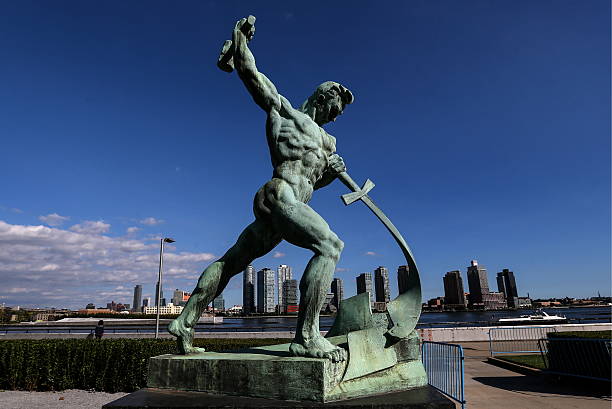
    They shall beat their swords into plowshares,
    And their spears into pruning hooks;

    Nation shall not lift up sword against nation,
    Neither shall they learn war anymore.

    Isaiah 2:3b-4 NKJV

    “There is no peace,” says the LORD, “for the wicked.”

    Isaiah 48:22 NKJV
    To be continued... 
    
  • James and Jerusalem’s Controversy – 7

    James and Jerusalem’s Controversy – 7

    Jerusalem’s controversy at the time of Jesus and James continues to this day, yet goes back to the centuries before Christ.

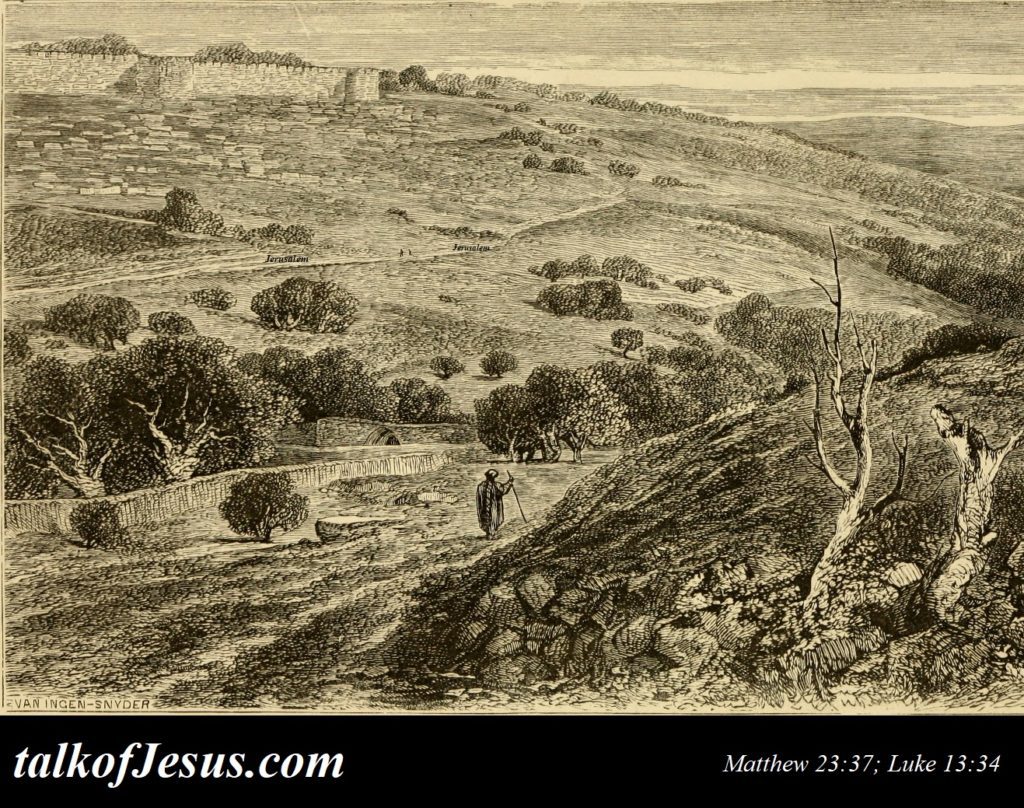
    “ירושלים, ירושלים, ההורגת את הנביאים ורוגמת באבנים את שליחי אלוהים, פעמים רבות חפצתי לקבץ את בניך כתרנגולת המקבצת את אפרוחיה תחת כנפיה, אולם לא הנחתם לי.

    הבשורה על-פי לוקס 13:34 Habrit Hakhadasha/Haderekh (HHH)

    I briefly outlined a few controversies from the history of Jerusalem in an earlier post, which also includes a helpful timeline. More recently we have examined the setting of the first century church in Jerusalem during its leadership by James.

    And in the preceding post we discussed the probable relationship between the two brothers James and Jesus, before the Lord’s resurrection.

    Jerusalem’s Controversy

    Most of us know very little of the ancient history which preceded Rome’s dominance of Judea.

    Jesus, the Apostles, James and first century residents of Jerusalem would have looked at Jerusalem’s controversy through contemporary eyes. Their perspective is very distant to our own understanding.

    The glory of Israel under King David and Solomon from their Bible teachings were distant memories ten centuries past. Even the Second Temple dated five hundred years before the Judea of Jesus and James.

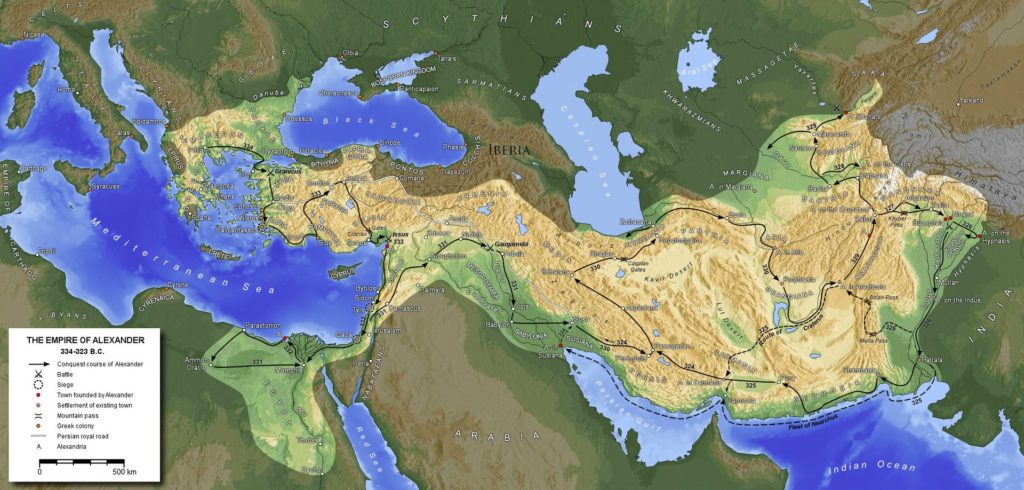
    Alexander captured Jerusalem in 332 BC

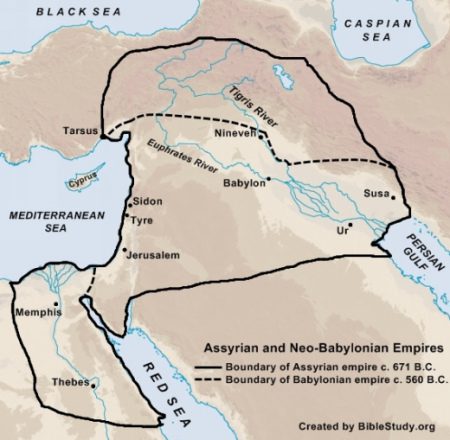
    Although Jerusalem was finally spared by powerful empires from the east, those same empires would fall to Alexander the Great of Macedon about three centuries before Christ.

    Alexander captured the captors of Jerusalem, Egypt, Babylon and Assyria. Consequently, Hellenism and the Greek language assimilated easily into the surrounding cultures of the whole world known to Jerusalem.

    This universal acceptance continued to impact all of the Mediterranean even after Rome’s dominance. Alexandria, which he founded in Egypt, would later become a strategic political center tied to the fates of Rome.

    Just a few generations Before Christ

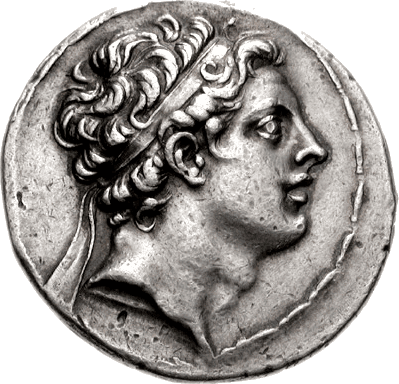
    coin head of Antiochus IV Epiphanes

    (a few generations after Alexander)

    175-163 B.C. The reign of Antiochus IV Epiphanes

    The Seleucid king of the Hellenistic Syrian kingdom who called himself, “god manifest,” caused a revolt in Jerusalem. This overt blasphemy by a ruling emperor forced deep divisions between religious rulers and political thought among local leaders.

    Jews would have taken a stance during the sieges of Tyre and Gaza, ports crucial to trade and the well-being of Jerusalem. The complexity of the political intrigue also involves Rome, Egypt and others, but for Jerusalem the rise of Antiochus IV caused the revolt of the Maccabees.

    Pharisees, Sadducees, Essenes & others

    What do we remember of our history?

    • Moses, first. The Lord led Israel from captivity in Egypt, the the LORD give the Law (Torah) to us through Moses. c. 1525 BC
    • David unites the twelve tribes into one, capturing the promised land.
    • Solomon built the richest and most powerful kingdom and also the Temple. c. 966 BC
    • Israel and Judah separate and both eventually fall to others.
    • Judaism continues in Babylon and prophets predict many things.
    • The Torah was lost and forgotten, but then found during the rebuilding of the second Temple c. 570 BC
    • Several ruling empires tolerated Judaism while ruling over Jerusalem.
    • Antiochus does not, declaring himself ‘God in the flesh’ in the Temple.

    Does this controversy resonate in the conversations of first century Jews? Of course it does.

    “Is Jesus the Messiah,” many would ask?

    Is this man Jesus of Nazareth, brother of James and Joses, actually God Incarnate?”

    Therefore, from this more recent background of Jerusalem’s controversy, James, now leader of the church in Jerusalem, must address the Good News that Jesus IS the promised Messiah.

    Although not unlike today’s controversies, first century believers knew that the expected answer of a questioner could depend upon the party of their religious affiliation. Their questions came from diverse political and religious views.

    167 BC – What to do?

    So what must you do, believer in the Lord God?

    At the time of Antiochus several opposing religious and political movements took root.

    During the formation of the Jewish religious parties and political movements prior to the days of Jesus Christ and Herod, all debated what followers of the Lord must do in each circumstance at various times.

    The question to Jesus or to James in the first century AD remains nearly the same as now in the 21st c. A.D.

    Scribes & Zealots

    One group with both political and religious influence chose to separate religion from politics, claiming the higher ground of religion. The Scribes reached back to the authority of the re-established Law under Ezra the founding priest of the second Temple.

    Zealots took a radically different approach to the invaders taking from them the promised land of God. At various times bands of Zealots hid in the mountains, formed powerful armed communities and used terrorism to attack the invaders from their mountain strongholds. (Does this radical religious military tactic sound at all familiar?)

    כִּֽי־קִנְאַ֣ת בֵּיתְךָ֣ אֲכָלָ֑תְנִי וְחֶרְפֹּ֥ות חֹ֝ורְפֶ֗יךָ נָפְל֥וּ עָלָֽי׃
    because zeal for your house has consumed me,
    and the insults of those who insult you have fallen on me.

    Psalm 69:9 WLC;CSB

    Additional research on Jerusalem’s controversy at this time appears below, along with a brief outline of other Jewish political/religious parties of the first century AD.

    Judah Maccabee – Savior of Judaism

    Excerpts Source: ENCYCLOPEDIA BRITANNICA

    On Antiochus’ death in 164 BCE, the Seleucids offered the Jews freedom of worship, but Judas continued the war, hoping to free his nation politically as well as religiously.

    The son of Mattathias, an aged priest who took to the mountains in rebellion when Antiochus attempted to impose the Greek religion on the Jews, Judas took over the rebel leadership on his father’s death and proved to be a military genius, overthrowing four Seleucid armies in quick succession and restoring the Temple of Jerusalem.

    This deed is celebrated in the Jewish festival of lights, Ḥanukka.

    The Hasmonean Kings of Judah

    The Maccabees founded the Hasmonean dynasty, which began their rule in 167 BC. They eventually managed independence for their kingdom of Judah from 110 BC until 63 BC.

    The decline of the Hasmoneans coincided with the rise of Rome, but it wasn’t coincidence, for the once great Jewish family had become a shell of its holy roots.

    End of the Hasmoneans

    In the year 67 BCE, Queen Salome Alexendra (also known as Queen Shelomtzion) died. With her death, the dynasty of the Hasmoneans began a steady decline. Over the next 20-25 years it would fall apart completely. – source

    Jerusalem’s Controversy after the Hasmoneans

    Although divisions in rabbinic thought existed from earlier times, the onslaught of Roman power into the eastern Mediterranean brought about deeper divides in political and religious alliances.

    A timeline of Jerusalem’s conflict after the end of the Hasmoneans details additional events.

    Ideally, he [Pompey the Great, of Rome] did not want to do it through war, because the Jews – the Hasmoneans/Maccabees – had a fearsome reputation. The Romans referred to the Jews as “porcupines.” Just as a porcupine is an animal that even great predators avoid, so too the Jews. Even if you ate it you would be sorry. Therefore, Pompey wanted to control the Jews without somehow going to war. Source.

    Herods – Kings of Compromise

    NOTE: When you see the name Herod in the Bible, always ask yourself, which one?
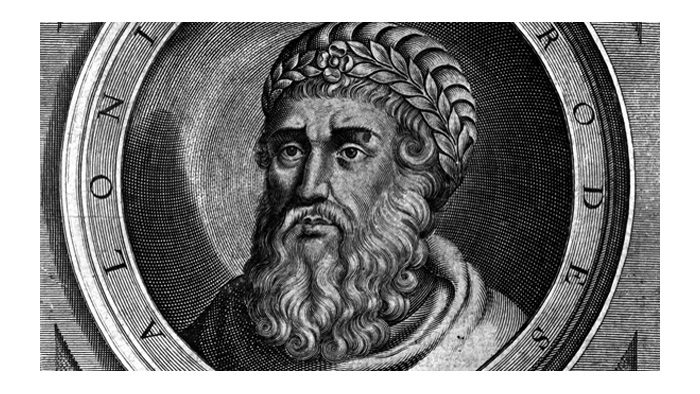
    image of Herod the Great
    Herod the Great

    An article in Christianity Today sheds light on a view likely held by the rich and powerful Jewish leaders in the first century AD.

    In terms of wealth, power, and influence, Herod the Great rivaled King Solomon as the greatest king in the history of the Jews.

    Christianity Today – Dec 22, 2015 – Alexander Stewart

    Herod was born in the Roman region of Idumea (formerly Edom) around 74 BC, built the Roman port of Caesarea and expanded the second Temple in Jerusalem. Christians know Herod for his attempt to prevent an innocent baby born in Bethlehem from becoming King.

    When Pompey’s ally Herod died, not only did Joseph and Mary return with Jesus to Nazareth in Israel, but politically Rome divided his kingdom between Herod’s three sons and daughter. Again, the politics and various names of the Herod’s is complex, but first century Jews became caught up in it all.

    Competing Religious Parties – Jerusalem’s controversy of the Temple

    Party of the Sadducees – 167 BC

    The Sadducees are a Jewish group mentioned in three different contexts in the Synoptic Gospels ( Mark 12:18 ; [= Matt 22:23-34 ; Luke 20:27] ; Matt 3:7 ; 16:1-12 ) and six in Acts ( 4:1 ; 5:17 ; 23:6-8 ). They always appear as inquisitors or opponents of John the Baptist, Jesus, or the early Christians. – Baker’s Evangelical Dictionary

    Rabbinic writings sometimes interchange the term “Sadducee” with “Samaritans” (here meaning “opponents”) and “Boethuians.” The latter is probably from their connection with the house of Boethus, from which came several high priests during the New Testament period.

    Party of the Essenes – 167 BC

    John the Baptist most likely was of one of the Essenes.

    When Jerusalem’s controversy erupted in the second century BC, the Essenes withdrew into the Judean desert and formed an isolated monistic community dedicated to the word of God and obedience to the Lord.

    Unlike the Zealots, the Essenes had no agenda to retake the land of the promised land ‘for God.’

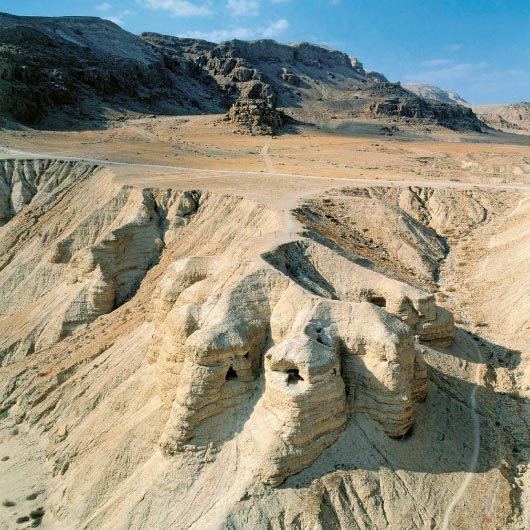
    History recalled little about the Essenes until shepherds recovered the buried Dead Sea scrolls in Qumran Lebanon in A.D. 1948. The slow and meticulous study of these scroll fragments has revealed more in this past century.

    Qumran, between the Judean hills and the Dead Sea. Qumran,

    Party of the Pharisees – 167 BC

    Jerusalem’s controversy most familiar to Christians is that of the resurrection. Not all Jews believed in the resurrection of the body and soul, but the Pharisees did.

    However the party of the Pharisees had already divided into many opinionated sects over the written Law, the oral law, additional regulations and many other controversies. Discussion of these among rabbis reached far beyond Jerusalem into Galilee and other regions.

    Φαρισαῖος – Pharisaios

    In addition to OT books the Pharisees recognised in oral tradition a standard of belief and life. They sought for distinction and praise by outward observance of external rites and by outward forms of piety, and such as ceremonial washings, fastings, prayers, and alms giving; and, comparatively negligent of genuine piety, they prided themselves on their fancied good works. They held strenuously to a belief in the existence of good and evil angels, and to the expectation of a Messiah; and they cherished the hope that the dead, after a preliminary experience either of reward or of penalty in Hades, would be recalled to life by him, and be requited each according to his individual deeds.

    Strong’s G5330 – blueletterbible.org

    Pharisees were not of the class of the rich, but lived a modest life closer to that of many other Jews. These rabbis were likely affectionate, popular teachers similar to most rabbis today.

    They believed that God would act justly based on their works and attitudes toward others. The Law of Moses and oral law designating how we should obey the Lord provided the basis of their teaching and unity of purpose for a life lived separately from evil.

    First Century Pharisees – in Jerusalem’s controversy of leadership

    John the Baptist called them a brood of vipers (poisonous snakes).

    Matthew tells us that ‘the Pharisees went out and plotted against him [Jesus], how they might kill him.’

    Jesus accepted invitations from Pharisees to publicly join them in their homes. However the Lord also rebuked them, frequently including them with their rival party the scribes.

    “Woe to you Pharisees! You love the front seat in the synagogues and greetings in the marketplaces.

    So the chief priests and the Pharisees convened the Sanhedrin and were saying, “What are we going to do since this man is doing many signs?

    John 11:47

    The Apostle John speaks to the delicacy of their political dilemma within the religious leadership of Jerusalem.

    Nevertheless, many did believe in him even among the rulers, but because of the Pharisees they did not confess him, so that they would not be banned from the synagogue.

    John 12:42

    James, Secretive believer in Jesus?

    I have never heard anyone ask if James believed in Jesus before our Lord’s personal appearance to his half-brother after the resurrection.

    As Peter had denied knowing Jesus at His trial, as the Apostles had gone into hiding and even as many Pharisees and others felt obligated to keep their faith in Jesus secret out of fear for their own lives, James may have come to believe in Jesus.

    James, leader of the church in Jerusalem was about to take on a new role, an important sacrificial leadership of a post-Pentecost church. He would lead and write letters to other fearful new Christians from Jerusalem.

    As Jesus had become Jerusalem’s controversy for the Jews, the Herods and the Romans, so too James was about to become just one more controversial leader in Jerusalem in the first century.

    God-willing, we will return to James’ Letter to the Church next.

    To be continued...

  • Festival of the Passover

    Festival of the Passover

    No holy holiday surpasses peçach, the festival of the Passover, in the calendar year of the jews. In a previous post, Josiah – a Good King also Dies, we discovered that Passover had been completely forgotten by the Judah. The Law had not been read and Kings before Josiah had done evil in the sight of the Lord.

    פֶּסַח

    We also reviewed the meaning of Passover:

    “a sparing, immunity from penalty and calamity.

    The root word suggests from application of scripture in Exodus 12 that the Lord will pass over or spring over you when executing judgment. He will halt the punitive action in your case.

    A Three-part Festival

    Instructions for the Passover

    Exodus 12:3 Tell the whole community of Israel that on the tenth day of this month they must each select an animal of the flock according to their fathers’ families, one animal per family. 4 If the household is too small for a whole animal, that person and the neighbor nearest his house are to select one based on the combined number of people; you should apportion the animal according to what each will eat. 5 You must have an unblemished animal, a year-old male; you may take it from either the sheep or the goats. 6 You are to keep it until the fourteenth day of this month…

    Preparation

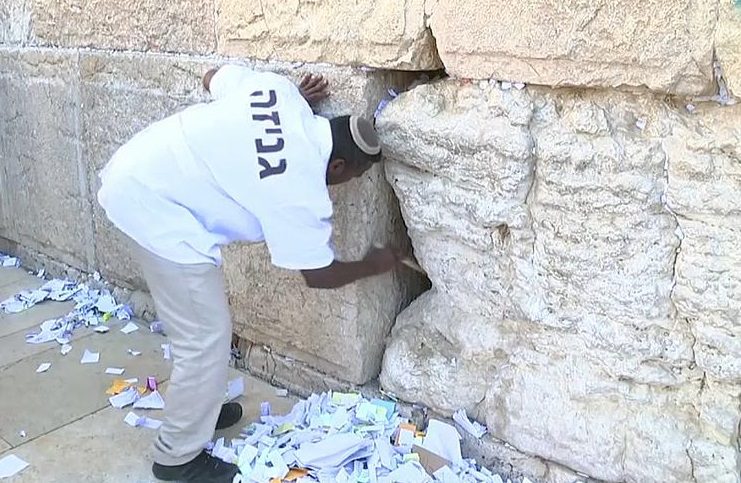
    The contemporary photo of an Israeli employee removing prayer notes from the western wall is just one example of a cleansing of sorts, associated with the sacrifice of Passover.

    You must be spotless before the Lord. Not better than everyone else, one who does more good works than (perhaps) the one who does not achieve eternal life. Spotless. Cleansed of sin.

    His place of worship in Jerusalem must be clean to begin the great sacrifice. Everything washed. Pure. This preparation to come before the Lord is symbolic of repentance.

    Are you mostly good?

    Not good enough (for no man or woman is good, no not one).

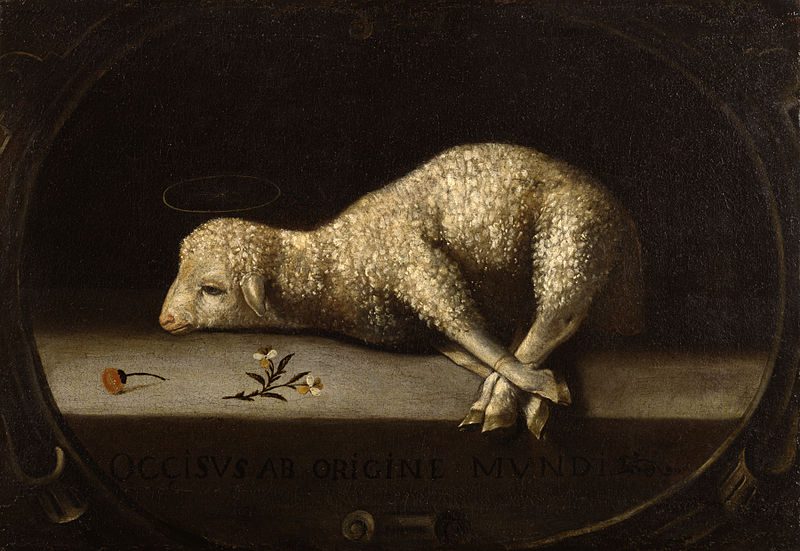
    lamb bound on the altar of sacrifice

    Yet we no longer sacrifice the blood of a lamb, for the Holy of Holies and the altar has been destroyed.

    Passover Meal

    Exodus 12: CSB/WLC שמות

    … then the whole assembly of the community of Israel will slaughter the animals at twilight.

    Exodus 12:6B

    7 They must take some of the blood and put it on the two doorposts and the lintel of the houses where they eat them. 8 They are to eat the meat that night; they should eat it, roasted over the fire along with unleavened bread and bitter herbs.

    Strict regulations also include: (9 Do not eat any of it raw or cooked in boiling water, but only roasted over fire—its head as well as its legs and inner organs. 10 You must not leave any of it until morning; any part of it left until morning you must burn.)

    What about now?

    Beloved follower of the Lord in this 21st century after the Messiah Jesus, I ask you:

    Even IF you strictly observance the Passover today, is your worship any more than symbolism?

    Can the blood of a lamb (no longer sacrificed) atone for your sin? כָּפַר

    11 וְכָכָה֮ תֹּאכְל֣וּ אֹתוֹ֒ מָתְנֵיכֶ֣ם חֲגֻרִ֔ים נַֽעֲלֵיכֶם֙ בְּרַגְלֵיכֶ֔ם וּמַקֶּלְכֶ֖ם בְּיֶדְכֶ֑ם וַאֲכַלְתֶּ֤ם אֹתוֹ֙ בְּחִפָּז֔וֹן פֶּ֥סַח ה֖וּא לַיהוָֽה׃

    Here is how you must eat it: You must be dressed for travel, your sandals on your feet, and your staff in your hand. You are to eat it in a hurry; it is the Lord’s Passover.

    Exodus 12:11

    Christian and Jew alike understand the significance of the events to follow the quickly eaten Passover meal and the account of Moses as redeemer from slavery in Egypt.

    Christians ought to understand this same symbolism of the body and blood of the Lamb, the risen Messiah King, as in an upper room in Jerusalem, Jesus shared a last Passover meal with His beloved Disciple family nearly two millennia ago.

    And as they were eating, Jesus took bread, and blessed it, and brake it, and gave it to the disciples, and said, Take, eat; this is my body.

    And he took the cup, and when he had given thanks, he gave it to them: and they all drank of it.

    And he said unto them, This is my blood of the new testament, which is shed for many.

    Mark 14:22-24 KJV

    Passover Celebration

    14 וְהָיָה֩ הַיּ֨וֹם הַזֶּ֤ה לָכֶם֙ לְזִכָּר֔וֹן וְחַגֹּתֶ֥ם אֹת֖וֹ חַ֣ג לַֽיהוָ֑ה לְדֹרֹ֣תֵיכֶ֔ם חֻקַּ֥ת עוֹלָ֖ם תְּחָגֻּֽהוּ׃

    “This day is to be a memorial for you, and you must celebrate it as a festival to the Lord. You are to celebrate it throughout your generations as a permanent statute.

    • 15 You must eat unleavened bread for seven days.
    • On the first day you must remove yeast from your houses.
    • Whoever eats what is leavened from the first day through the seventh day must be cut off from Israel.
    • 16 You are to hold a sacred assembly on the first day…
    • … and another sacred assembly on the seventh day.
    • No work may be done on those days except for preparing what people need to eat—you may do only that.

    Festival of Unleavened Bread

    … You must observe this day throughout your generations as a permanent statute.

    Thus, we remember how the Lord used Moses to bring Israel out of Egypt, where the Lord led and purified a people chosen to His for entry into a land promised to Abraham as his inheritance. Yet the Lord has used saviors besides Moses to redeem his faithful from the chains of this life.

    Other Saviors Redeeming God’s Faithful

    We know well the saving of the Jews from Pharaoh. Some would look to Moses or Joshua as their redeemer or savior. Certainly Joseph saved Israel in Egypt until in the generations he was forgotten.

    Others see David as Israel’s king triumphant. A few recognize Ezra for bringing back worship in Jerusalem. All of these would give the same glory instead to the Lord God.

    One more mention of the unleavened bread in the generation of Abraham may have missed your notice. You may not believe it, though Moses tells it. Once again, it was served quickly and judgment by the Lord followed.

    The Doom of Sodom

    If any family should have been celebrating a festival of unleavened bread it would be the families of Abraham, who faithful followed the Lord from place to place as the Lord commanded. The Lord’s covenant with Abraham preceded the Law of Moses.

    As you may know, Lot, son of Abram’s brother Haran, also followed the Lord to both Canaan and Egypt before settling in the city of Sodom. It was a walled city with a gate like other cities of its time.

    Genesis 19:

    The two angels entered Sodom in the evening as Lot was sitting in Sodom’s gateway. When Lot saw them, he got up to meet them. He bowed with his face to the ground…

    … He prepared a feast and baked unleavened bread for them, and they ate.

    Have you ever considered it? Lot prepared a feast of unleavened bread for the two angels who saved him from Sodom.

    Lot was unaware of their mission and events which had already taken place between the angels and Abraham.

    The Lord appeared to Abraham

    18 וַיֵּרָ֤א אֵלָיו֙ יְהוָ֔ה בְּאֵלֹנֵ֖י מַמְרֵ֑א וְה֛וּא יֹשֵׁ֥ב פֶּֽתַח־הָאֹ֖הֶל כְּחֹ֥ם הַיּֽוֹם׃

    Three angels had appeared to Abraham. Lot would only know that his uncle and aunt in their nineties were childless. He had been like a son to them.

    16 The men got up from there and looked out over Sodom, and Abraham was walking with them to see them off.

    17 Then the Lord said, “Should I hide what I am about to do from Abraham?

    Lot, of course knows nothing of the conversation to follow which has already taken place when two angels come to him at the gate of Sodom.

    The Lord had judged Sodom for the sin of all of its residents. Then Abraham intercedes, pleaing for the Lord to spare Lot and his family. Abraham saves them from the sentence of death, all except Lot’s wife who sinned even after the warning of angels.

    22 The men turned from there and went toward Sodom while Abraham remained standing before the Lord. 23 Abraham stepped forward and said, “Will you really sweep away the righteous with the wicked?

    Genesis 19:15 “Get up! … or you will be swept away in the punishment of the city.”

    29 וַיְהִ֗י בְּשַׁחֵ֤ת אֱלֹהִים֙ אֶת־עָרֵ֣י הַכִּכָּ֔ר וַיִּזְכֹּ֥ר אֱלֹהִ֖ים אֶת־אַבְרָהָ֑ם וַיְשַׁלַּ֤ח אֶת־לוֹט֙ מִתּ֣וֹךְ הַהֲפֵכָ֔ה בַּהֲפֹךְ֙ אֶת־הֶ֣עָרִ֔ים אֲשֶׁר־יָשַׁ֥ב בָּהֵ֖ן לֽוֹט׃

    So it was, when God destroyed the cities of the plain, he remembered Abraham and brought Lot out of the middle of the upheaval when he demolished the cities where Lot had lived.

    Genesis 19:29 WLC,CSB

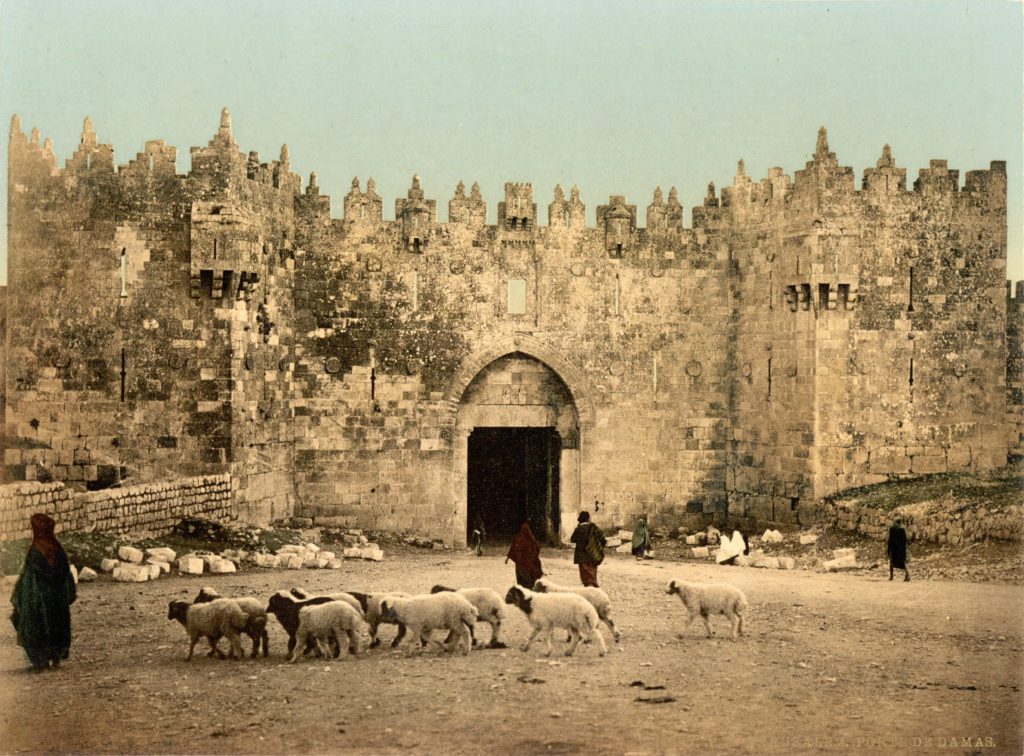
    A Savior at the gate of Jerusalem

    As the LORD in Person

    Came to Abraham by the oaks of Mamre,

    As the LORD in Person

    Came to Moses at Sinai,

    The LORD in the Person of the Son With Us

    Came to Jerusalem’s gate.

    The Lord in Person sacrificed

    On a Cross beyond its walls,

    Jesus, Messiah and King

    Risen! in Person,

    Jesus, in flesh and blood shed

    Our King comes on the clouds again!

    Roger Harned

    The Lord will return

    Will you bow down to your Lord and King?

    Or will you yet crucify Him?

    The choice of judgment is yours, yet your redemption or just punishment will be His.

    Is Jesus your Lord? Or will you justify your sin without Him?

    To be continued... [eternally]