The Son of Man is Slain

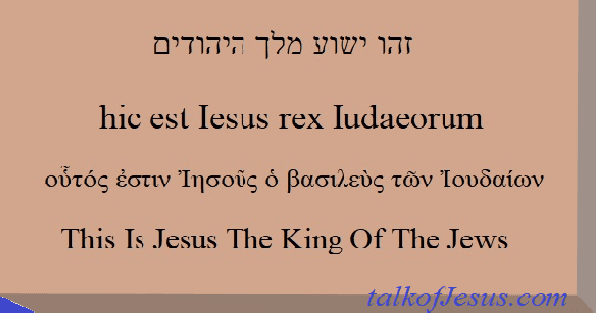
Jesus, the King of the Jews Day of Preparation The Passover Lamb He was already dead Therefore because of the Jewish day of preparation, since the tomb was nearby they laid Jesus there. Joseph rolled a large stone against the entrance of the tomb and went away.
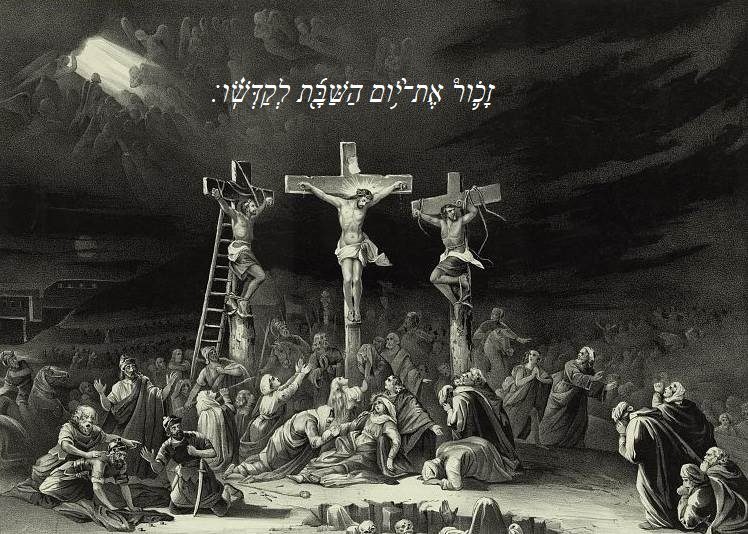
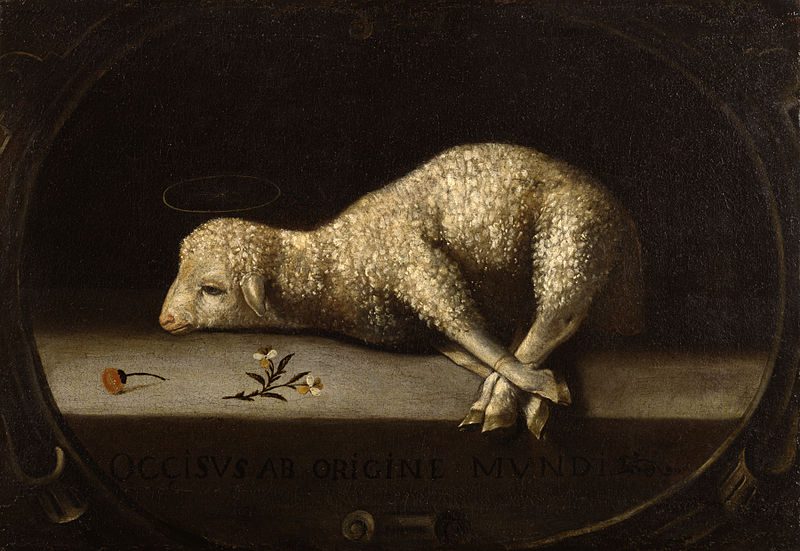
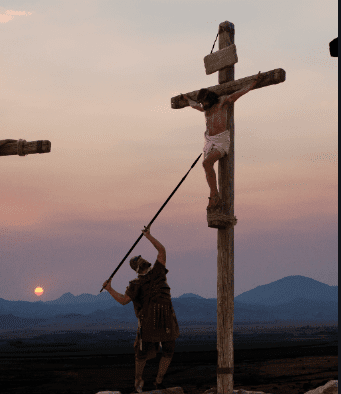
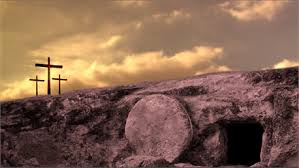
From the day the Son of Man is delivered into the world and laid in a manger the shadow of the Cross foretold Christ’s Sacrifice.
And the Word became flesh, and dwelt among us, and we saw His glory, glory as of the only begotten from the Father, full of grace and truth.. For of His fullness we have all received, and grace upon grace.
For the Law was given through Moses; grace and truth were realized through Jesus Christ.
John 1:14,16-17 NASB
וַיִּקְרָ֥א מֹשֶׁ֛ה לְכָל־זִקְנֵ֥י יִשְׂרָאֵ֖ל וַיֹּ֣אמֶר אֲלֵהֶ֑ם מִֽשְׁכ֗וּ וּקְח֨וּ לָכֶ֥ם צֹ֛אן לְמִשְׁפְּחֹתֵיכֶ֖ם וְשַׁחֲט֥וּ הַפָּֽסַח׃
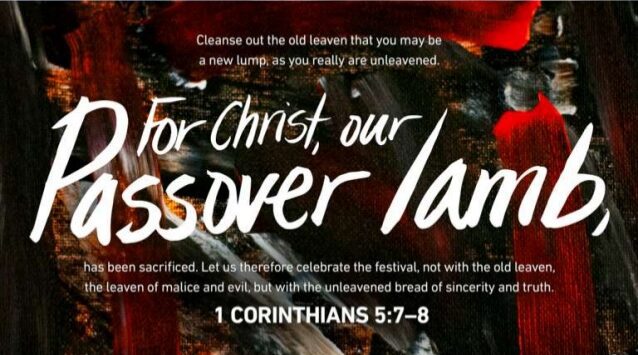
Then Moses called for all the elders of Israel and said to them, “Go and take for yourselves lambs according to your families, and slay the Passover lamb.
Exodus 12:21 WLC; NASB http://blb.sc/002lS2
Jesus has prepared unwilling ears of the Disciples for this shabbath of the pecach, which takes away the sins of the world.
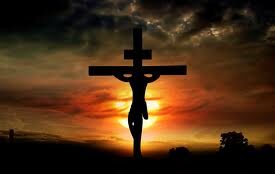
“As Moses lifted up the serpent in the wilderness, even so must the Son of Man be lifted up..
– John 3:13 NASB
The crowd then answered Him, “We have heard out of the Law that the Christ is to remain forever; and how can You say, ‘The Son of Man must be lifted up’?
Who is this Son of Man?”
John 12:34 NASB
By faith he kept the Passover and the sprinkling of the blood, so that he who destroyed the firstborn would not touch them.
Hebrews 11:28 NASB
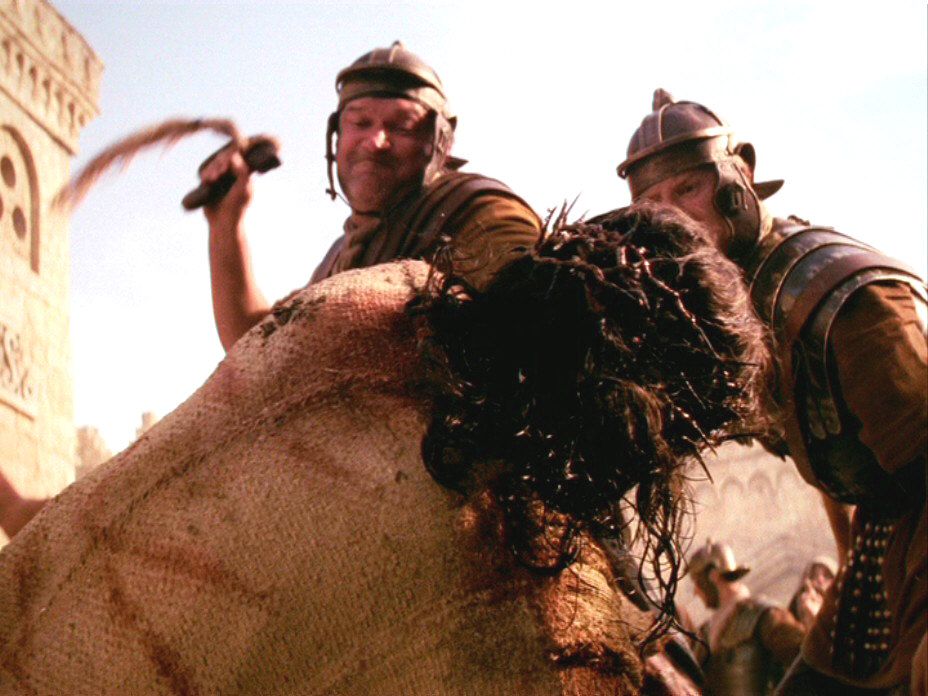
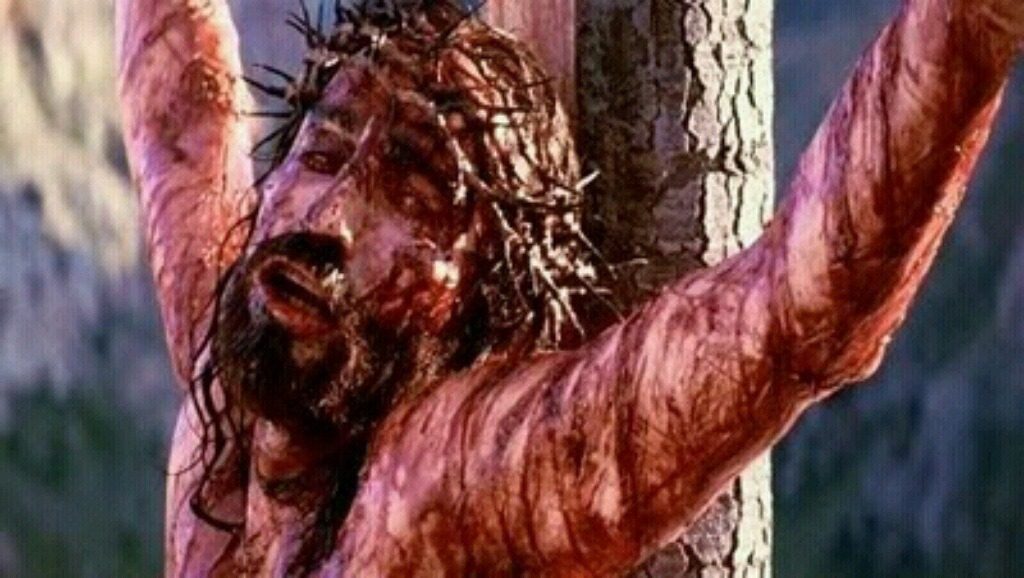
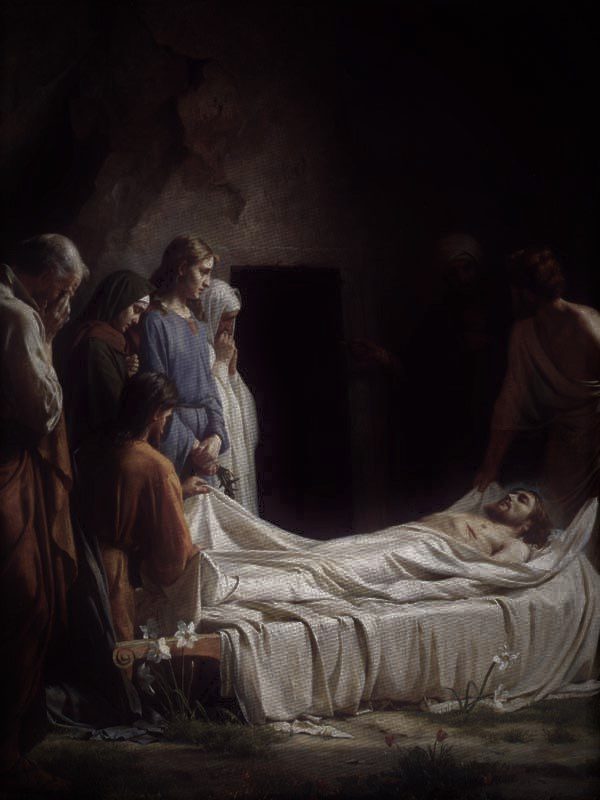
Now the body of the Son of Man lays lifeless and bloodied, partially wrapped in the shrouds of burial and entombed in darkness sealed away from the living by a guarded stone door.
Jesus the ROCK of Salvation
The Song of Moses
“Listen, you heavens, and I will speak;
And let the earth hear the words of my mouth!
2 May my teaching drip as the rain,
My speech trickle as the dew,
As droplets on the fresh grass,
And as the showers on the vegetation.
3 For I proclaim the name of the Lord;
Ascribe greatness to our God!
4 The Rock! His work is perfect,
For all His ways are just;
A God of faithfulness and without injustice,
Righteous and just is He.
5 They have acted corruptly against Him,
They are not His children, because of their defect;
But are a perverse and crooked generation.
6 Is this what you do to the Lord,
You foolish and unwise people?
Is He not your Father who has purchased you?
He has made you and established you.
הַאֲזִ֥ינוּ הַשָּׁמַ֖יִם וַאֲדַבֵּ֑רָה וְתִשְׁמַ֥ע הָאָ֖רֶץ אִמְרֵי־פִֽי׃
2 יַעֲרֹ֤ף כַּמָּטָר֙ לִקְחִ֔י תִּזַּ֥ל כַּטַּ֖ל אִמְרָתִ֑י כִּשְׂעִירִ֣ם עֲלֵי־דֶ֔שֶׁא וְכִרְבִיבִ֖ים עֲלֵי־עֵֽשֶׂב׃
3 כִּ֛י שֵׁ֥ם יְהוָ֖ה אֶקְרָ֑א הָב֥וּ גֹ֖דֶל לֵאלֹהֵֽינוּ׃
4 הַצּוּר֙ תָּמִ֣ים פָּעֳל֔וֹ כִּ֥י כָל־דְּרָכָ֖יו מִשְׁפָּ֑ט אֵ֤ל אֱמוּנָה֙ וְאֵ֣ין עָ֔וֶל צַדִּ֥יק וְיָשָׁ֖ר הֽוּא׃
5 שִׁחֵ֥ת ל֛וֹ לֹ֖א בָּנָ֣יו מוּמָ֑ם דּ֥וֹר עִקֵּ֖שׁ וּפְתַלְתֹּֽל׃
6 הֲ־לַיְהוָה֙ תִּגְמְלוּ־זֹ֔את עַ֥ם נָבָ֖ל וְלֹ֣א חָכָ֑ם הֲלוֹא־הוּא֙ אָבִ֣יךָ קָּנֶ֔ךָ ה֥וּא עָֽשְׂךָ֖ וַֽיְכֹנְנֶֽךָ׃
The Messiah & the Pharisees
Philip found Nathanael and said to him,
“We have found Him of whom Moses in the Law and also the Prophets wrote—Jesus of Nazareth, the son of Joseph.”
Gospel of John 1:45 NASB
The Pharisees had often come to Jesus before they crucified Him and now faithful men have laid their Messiah in a grave. Joseph, Nicodemus and a remnant of influential Jews believe and follow the Messiah secretly out of fear of their own lives.
“Truly, truly, I say to you, an hour is coming and now is, when the dead will hear the voice of the Son of God, and those who hear will live.
John 5:25
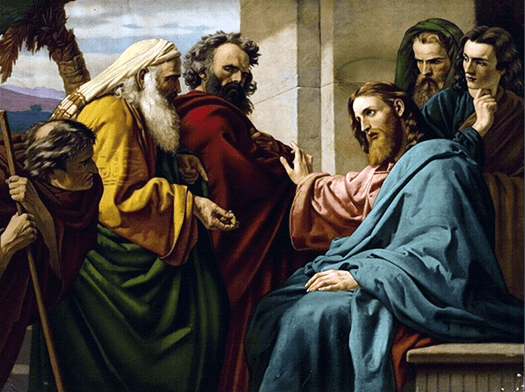
“You search the Scriptures because you think that in them you have eternal life; it is these that testify about Me; and you are unwilling to come to Me so that you may have life.
“I do not receive glory from men; but I know you, that you do not have the love of God in yourselves…
The Pharisees had tested Jesus. Yet most continued to give glory to each other rather than the Messiah who came to teach truth in their midst.
Jesus preached the truth of Scripture to the Jews who claimed to be teachers.
“Do not think that I will accuse you before the Father;
the one who accuses you is Moses, in whom you have set your hope.
For if you believed Moses, you would believe Me, for he wrote about Me. But if you do not believe his writings, how will you believe My words?”
John 5: NASB
The Writings of Moshe
Deuteronomy 32:
New American Standard Bible
.. And you drank wine of the blood of grapes..
18 You forgot the Rock who fathered you,
And forgot the God who gave you birth.
19 “The Lord saw this, and spurned them
Because of the provocation by His sons and daughters.
20 Then He said, ‘I will hide My face from them,
I will see what their end will be;
For they are a perverse generation,
Sons in whom there is no faithfulness.
…
39 See now that I, I am He,
And there is no god besides Me;
It is I who put to death and give life.
I have wounded and it is I who heal,
And there is no one who can save anyone from My hand.
40 Indeed, I raise My hand to heaven,
And say, as I live forever,
41 If I have sharpened My flashing sword,
And My hand has taken hold of justice,
I will return vengeance on My adversaries,
And I will repay those who hate Me.
דברים 32
Westminster Leningrad Codex
18 צ֥וּר יְלָדְךָ֖ תֶּ֑שִׁי וַתִּשְׁכַּ֖ח אֵ֥ל מְחֹלְלֶֽךָ׃
19 וַיַּ֥רְא יְהוָ֖ה וַיִּנְאָ֑ץ מִכַּ֥עַס בָּנָ֖יו וּבְנֹתָֽיו׃
20 וַיֹּ֗אמֶר אַסְתִּ֤ירָה פָנַי֙ מֵהֶ֔ם אֶרְאֶ֖ה מָ֣ה אַחֲרִיתָ֑ם כִּ֣י ד֤וֹר תַּהְפֻּכֹת֙ הֵ֔מָּה בָּנִ֖ים לֹא־אֵמֻ֥ן בָּֽם׃
…
39 רְא֣וּ׀ עַתָּ֗ה כִּ֣י אֲנִ֤י אֲנִי֙ ה֔וּא וְאֵ֥ין אֱלֹהִ֖ים עִמָּדִ֑י אֲנִ֧י אָמִ֣ית וַאֲחַיֶּ֗ה מָחַ֙צְתִּי֙ וַאֲנִ֣י אֶרְפָּ֔א וְאֵ֥ין מִיָּדִ֖י מַצִּֽיל׃
40 כִּֽי־אֶשָּׂ֥א אֶל־שָׁמַ֖יִם יָדִ֑י וְאָמַ֕רְתִּי חַ֥י אָנֹכִ֖י לְעֹלָֽם׃
41 אִם־שַׁנּוֹתִי֙ בְּרַ֣ק חַרְבִּ֔י וְתֹאחֵ֥ז בְּמִשְׁפָּ֖ט יָדִ֑י אָשִׁ֤יב נָקָם֙ לְצָרָ֔י וְלִמְשַׂנְאַ֖י אֲשַׁלֵּֽם׃
Prophesy: Curses on Disobedience
Deuteronomy 28 :: HNV / WLC
20 The LORD will send on you cursing, confusion, and rebuke, in all that you put your hand to do, until you are destroyed, and until you perish quickly; because of the evil of your doings, by which you have forsaken me.
33 The fruit of your ground, and all your labors, shall a nation which you don’t know eat up; and you shall be only oppressed and crushed always..
45-46 All these curses shall come on you, and shall pursue you, and overtake you, until you are destroyed; because you didn’t listen to the voice of the LORD your God, to keep his mitzvot and his statutes which he commanded you: and they shall be on you for a sign and for a wonder, and on your seed forever.
יְשַׁלַּח יְהוָה בְּךָ אֶת־הַמְּאֵרָה אֶת־הַמְּהוּמָה וְאֶת־הַמִּגְעֶרֶת בְּכָל־מִשְׁלַח יָדְךָ אֲשֶׁר תַּעֲשֶׂה עַד הִשָּֽׁמֶדְךָ וְעַד־אֲבָדְךָ מַהֵר מִפְּנֵי רֹעַ מַֽעֲלָלֶיךָ אֲשֶׁר עֲזַבְתָּֽנִי׃
פְּרִי אַדְמָֽתְךָ וְכָל־יְגִיעֲךָ יֹאכַל עַם אֲשֶׁר לֹא־יָדָעְתָּ וְהָיִיתָ רַק עָשׁוּק וְרָצוּץ כָּל־הַיָּמִֽים׃
וּבָאוּ עָלֶיךָ כָּל־הַקְּלָלוֹת הָאֵלֶּה וּרְדָפוּךָ וְהִשִּׂיגוּךָ עַד הִשָּֽׁמְדָךְ כִּי־לֹא שָׁמַעְתָּ בְּקוֹל יְהוָה אֱלֹהֶיךָ לִשְׁמֹר מִצְוֺתָיו וְחֻקֹּתָיו אֲשֶׁר צִוָּֽךְ׃
וְהָיוּ בְךָ לְאוֹת וּלְמוֹפֵת וּֽבְזַרְעֲךָ עַד־עוֹלָֽם׃
“In the morning you shall say, ‘Oh, that it were evening!’
And at evening you shall say, ‘Oh, that it were morning!’
because of the fear which terrifies your heart,
and because of the sight which your eyes see.
Deuteronomy 28:67 NKJV – curse of the LORD on Israel for breaking His Covenant
Judgment by a Savior
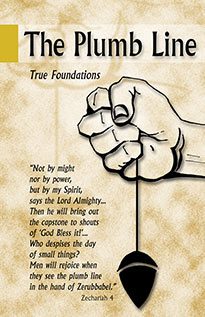
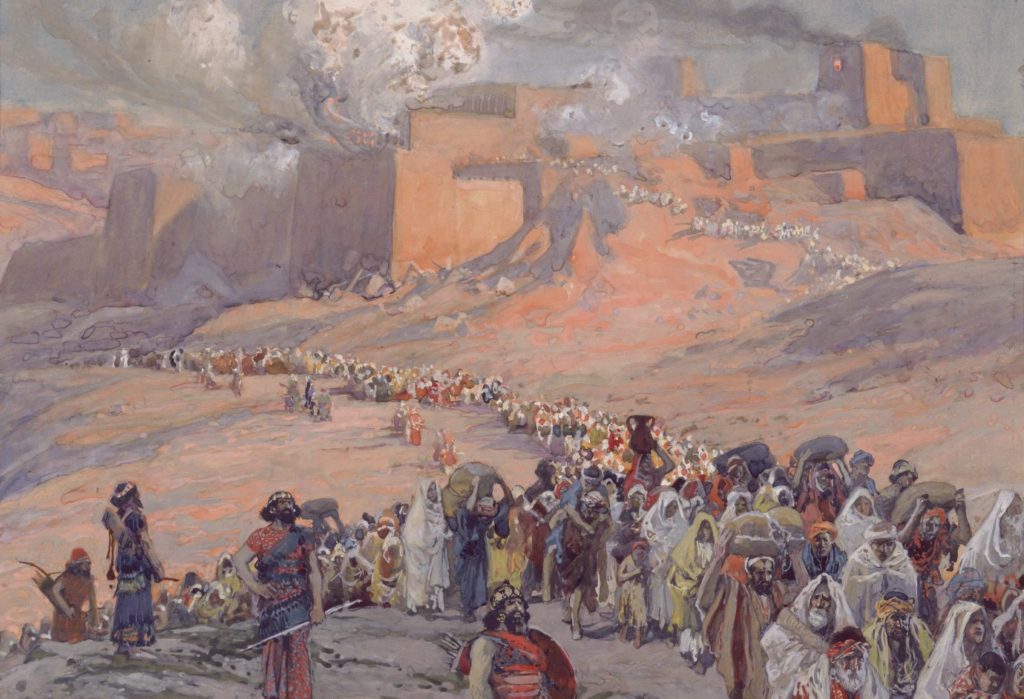
Thus he showed me: and, behold, the Lord stood beside a wall made by a plumb-line, with a plumb-line in his hand. – Amos 7:7 ASV Flight of the Prisoners, Artist: Tissot, Photographer: John Parnell, Photo © The Jewish Museum, New York “I do not receive glory from men; but I know you, that you do not have the love of God in yourselves.
“Do not marvel at this; for an hour is coming, in which all who are in the tombs will hear His voice, and will come forth;
those who did the good deeds to a resurrection of life,
those who committed the evil deeds to a resurrection of judgment.
The words of Jesus – John 5:28-29 NASB
As the crowds had approached Jerusalem for the seven-day celebration they laid palms before Jesus at the gates atop the holy hill.
Now as Jesus lay in the grave, His broken and bloodied Body partially prepared for burial, the public mourning of the faithful must wait for a sacred celebration of the final feast of pecach.
As Jesus lay on a slab of stone in a tomb sealed by a rock rolled before its entrance, faithful Jews knew well the curses of their own disobedience and separation from the Lord their God.
The Prophet Hosea (~755–710 B.C)
Hosea’s name means: salvation, as did that of Moses’ successor Joshua and as does that of the Son of Man known of Nazareth, Jesus.
From the hand of Sheol I do ransom them,
From death I redeem them,
Where is thy plague, O death?
Where thy destruction, O Sheol?
Repentance is hid from Mine eyes.
Hosea 13:14 YLT
After this day of irony in the festival feast would come the sorrowful day of mourning on the first day of the week.
Yet the words of Jesus before summoning Lazarus from the grave surly resounded in the hearts of their recent memory.
Jesus said to her, “I am the resurrection and the life; he who believes in Me will live even if he dies, and everyone who lives and believes in Me will never die.
Do you believe this?”
the Good News of John 11:25-26 NASB
She said to him, “Yes, Lord. I have come to believe that you are the Messiah, God’s Son, he who comes into the world.” – John 11:27 Hebrew Names Version
The Silence of this Shabbat
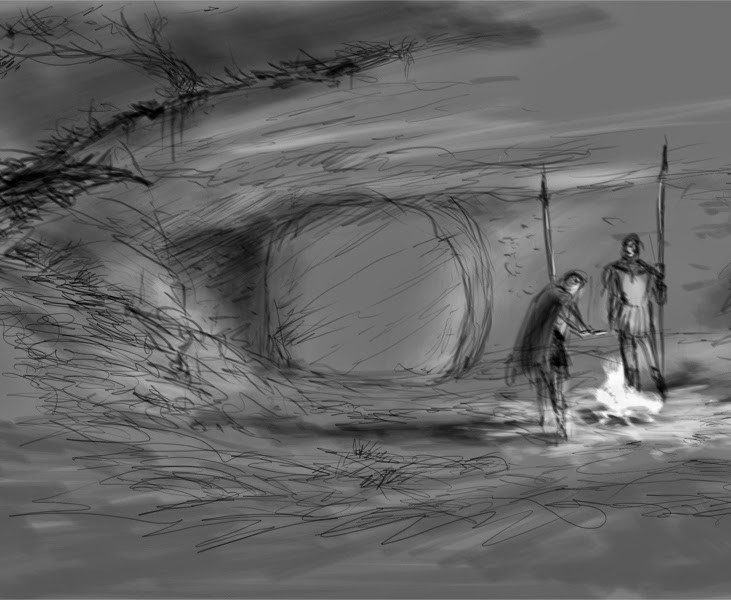
There, as Jesus’ loved ones, family and followers mourned silently during the final feast of the Passover, the preparations of their hearts found no solace in His upcoming burial on the first day of the week.
For they had witnessed the brutality of sin against the Sinless One on the Cross of Calvary.
The Father loves the Son, and has given all things into his hand. One who believes in the Son has eternal life,
but one who disobeys the Son won’t see life, but the wrath of God remains on him.”
the Good News of John 3:35-36 Hebrew Names Version