Tag: numbers

  • Hebrews 5- Christ a High Priest

    וְהַכֹּהֵן֩ הַגָּדֹ֨ול מֵאֶחָ֜יו אֲֽשֶׁר־יוּצַ֥ק עַל־רֹאשֹׁ֣ו שֶׁ֤מֶן הַמִּשְׁחָה֙ וּמִלֵּ֣א אֶת־יָדֹ֔ו לִלְבֹּ֖שׁ אֶת־הַבְּגָדִ֑ים אֶת־רֹאשֹׁו֙ לֹ֣א יִפְרָ֔ע וּבְגָדָ֖יו לֹ֥א יִפְרֹֽם׃

    “‘The high priest – who is greater than his brothers, on whose head the anointing oil is poured, who has been ordained to wear the priestly garments – must neither dishevel the hair of his head nor tear his garments.

    Leviticus 21:10 WLC NET

    The High Priest – a greater man

    If you have been following this series on the book of Hebrews you may already be thinking, ‘he just talked about the high priest in Hebrews 3.’ It’s obviously an office of great importance, but what more can be said by the author of Hebrews?
    https://mymorningmeditations.com/2014/07/30/sermon-review-of-the-holy-epistle-to-the-hebrews-the-bypass/
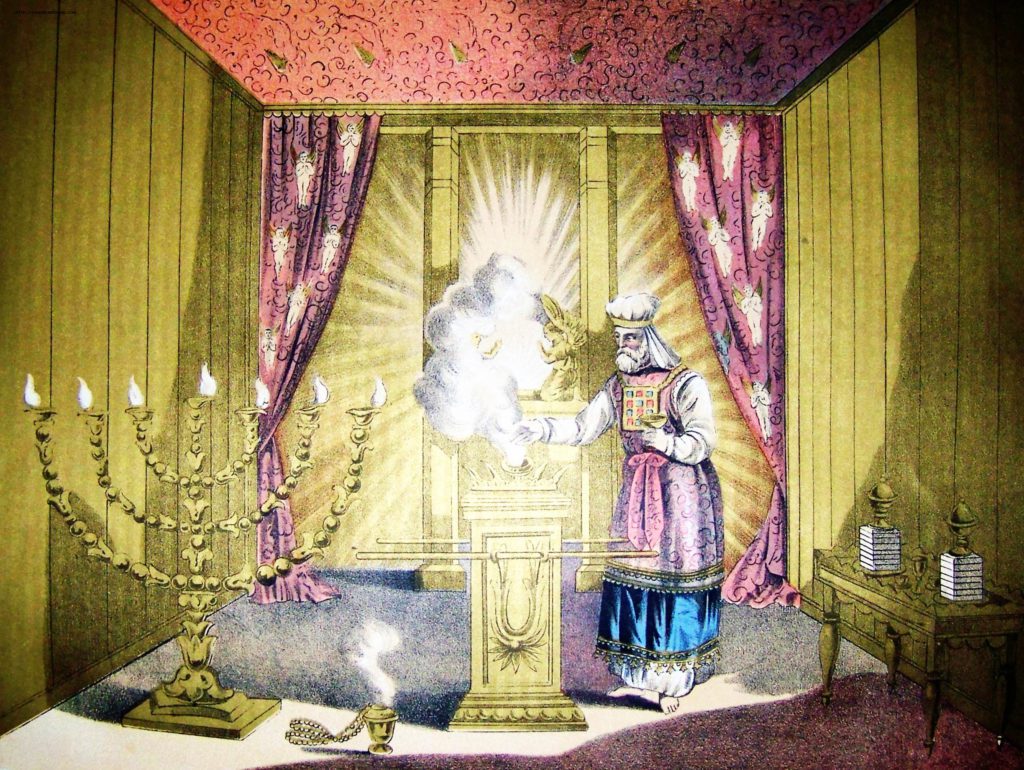
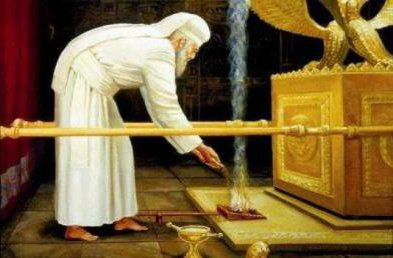
    High Priest in Holy of Holies

    In fact, even though we don’t necessarily revere an anointed priest above priests (or a bishop above bishops) as any more relevant to religion than any man, the LORD established an authority to come closer to Him on behalf of the congregation.

    Therefore the writer continues to make a connection between the high priest and Christ not only here, but also later in Hebrews 7 and 8. The priest and high priest are more than just anointed offices of the Temple and church.

    Hebrews 5 :

    For every high priest taken from among men is appointed in matters pertaining to God for the people, to offer both gifts and sacrifices for sins.

    Hebrews 5:1 CSB
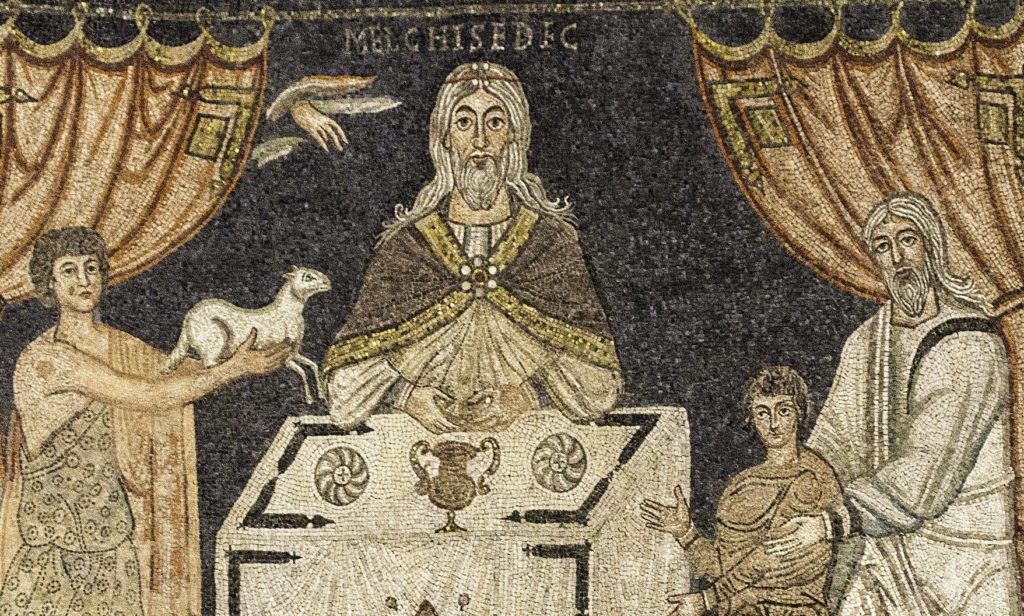
    We don’t really think of a priest in this way anymore, do we?

    Yet if we are not able to stand before the Living God, who can?

    And, in fact, if the Lord anoints a man to ‘offer both gifts and sacrifices’ for our sins, who should he be?

    So why do we need a priest? The writer of Hebrews reminds us:

    2 He is able to deal gently with those who are ignorant and are going astray, since he is also clothed with weakness.

    Think of one of your many sins. Would you want someone who will deal with your punishment and correction gently? And do you hope this intercessor between you and Almighty God in his own weakness will have compassion for you?

    Of course. And he continues:

    3 Because of this, he must make an offering for his own sins as well as for the people.

    Therefore any intercessor for our sins must also offer a personal sacrifice for his own sins. We cannot hide our sins from God. Perhaps the priest and high priest will be even more fearful coming before the judgement seat than you or me.

    4 No one takes this honor on himself; instead, a person is called by God, just as Aaron was.

    Scripture points to Christ as our High Priest

    5 In the same way, Christ did not exalt himself to become a high priest, but God who said to him,

    You are my Son;
    today I have become your Father,

    Hebrews 5:5, Psalm 2

    The writer of Hebrews adds:

    You are a priest forever
    according to the order of Melchizedek.

    He speaks not only of the high priest anointed for an appointed time, but of an order of priests before Levi, referring to Melchizedek to whom Abraham gave sacrifices to present to the LORD. (He will elaborate in later chapters.) The priests descended from Israel’s son, Levi, are only human.

    “Bring the tribe of Levi near and present them to the priest Aaron to assist him.

    Numbers 3:6

    The Son Intercessor

    Scriptural reference to Biblical quotes from Genesis and Psalms point to the Messiah, the Son of the Living God, as a first born Priest, even Most High above every High Priest.

    Who is this Son?

    His praises are sung by King David in Psalm 110, where His heart is revealed to those who know scripture.

    Psalm 110:

    110 לְדָוִ֗ד מִ֫זְמ֥וֹר נְאֻ֤ם יְהוָ֨ה׀ לַֽאדֹנִ֗י שֵׁ֥ב לִֽימִינִ֑י עַד־אָשִׁ֥ית אֹ֝יְבֶ֗יךָ הֲדֹ֣ם לְרַגְלֶֽיךָ׃

    This is the declaration of the Lord
    to my Lord:
    “Sit at my right hand
    until I make your enemies your footstool.”

    Examine part of verse 3: רֶחֶם rechem מִשְׁחָר mishchar; from the womb of the dawn. 

    The root word of womb, רָחַם, means to love, to have compassion or be compassionate.

    Can you find any better description of the Son of the Living God?

    And to say from the womb of the dawn may be metaphorical for the dawn of time, the beginning of light, but also derives from another Hebrew root, שָׁחַר, ‘to seek, seek early or earnestly, look early or diligently for.’ Is this not what the Messiah has done for sinful, yet faithful followers?

    He was with God in the beginning. In him was life, and that life was the light of men. He came to his own, and his own people did not receive him. The Word became flesh and dwelt among us. We observed his glory, the glory as the one and only Son from the Father, full of grace and truth.

    John 1:2,4,11, 14 CSB

    The writer refers to Jesus in Hebrews 5:7-10 speaking of His earthly life, yet comparing Him to Melchizedek.

    Our immaturity in Scripture

    Then a challenge. Do you know your Bible?

    Essentially, this is our consideration of the remainder of Hebrews 5.

    “…you have become too lazy to understand. 12 Although by this time you ought to be teachers, you need someone to teach you the basic principles of God’s revelation again. You need milk, not solid food. “

    Of course, this may not apply to all, yet he chastens most of the congregation. And doesn’t it sound so much like our 21st century ‘too long, but not too deep’ sermons?

    Now everyone who lives on milk is inexperienced with the message about righteousness, because he is an infant.

    But solid food is for the mature—for those whose senses have been trained to distinguish between good and evil.

    Hebrews 5:13-14

    Now which are you, beloved brother or sister in Christ, dear friend and heir of our Hebrew heritage?

    Are you lazy for milk or hungry for the mature nourishment of Scripture and the holiness of the LORD?

    To be continued...
  • Hebrews -4- Rest Promised or Pursued?

    But the message they heard did not benefit them…

    Hebrews 4:2a CSB

    Previously I asked, “Will you enter into God’s perfect rest?” The author of Hebrews traces our Hebrew heritage and history back to Moses and then states, “So we see that they were unable to enter [rest] because of unbelief.” It is significant warning to those who only pursue righteousness, rather than obtaining its rest.

    What is rest?

    Perhaps ‘rest from your work,’ as in Sabbath rest, a vacation or retirement?

    Do we think ‘rest in peace,’ when in fact it is rest in life we seek? Vanity. (Or futility, as Solomon suggests in Ecclesiastes.)

    Life convinces me of the elusiveness of rest more each day.

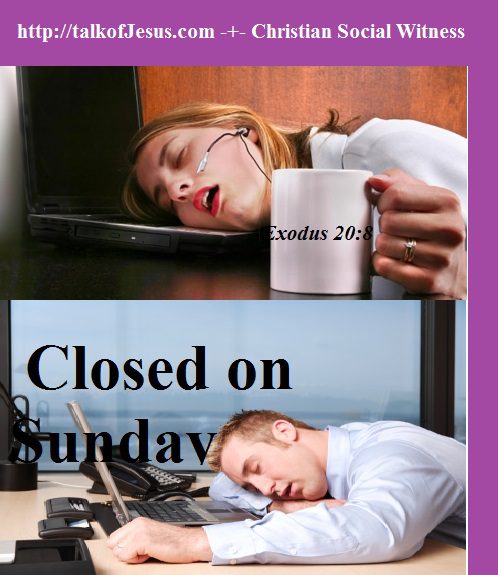
    closed on sunday
    Closed on Sunday – Rest in the Lord (it’s a Commandment).

    We begin with the application of these scriptures about the promised rest in our own lives, but first a look at definitions.

    Hebrews 4:

    Therefore, since the promise of entering his rest still stands – NIV

    Note some subtle differences of approach from verse 1.

    A promise to enter, a promise remains, a promise still open, a promise stands – all promises made, but not yet fulfilled. Surely the Lord will keep His promise.

    The warning of Hebrews 4:1 is that we ‘have fallen short, therefore take heed to our own obligation to the promise of the Lord. In fact, the previous warning to God’s chosen was, “So I sware in my wrath, They shall not enter into my rest.” KJV

    So what role do we have in completing the promises between the Lord and His faithful?

    The followers of Moses and many generations since did not receive the promise. Some continue to pursue the promise, others have abandoned God’s word. What is left to us is an inheritance; a promise not yet received, but a rest to be received – a rest only in the promised Messiah of God.

    “Come to me, all of you who are weary and burdened, and I will give you rest.

    Words of the Messiah Jesus, Matthew 11:28 CSB

    Rest defined

    • ἀναπαύω anapauō – One rest of which Jesus speaks is quiet, calm, an earthly collecting of strength. God can give us rest.
    • נָחַם nacham – in Hebrew is rest. In the sense of being comforted it means that God has compassion on us. In a most curious application from Moses’ story of creation he says,

    Now he called his name Noah, saying, “This one will give us rest from our work and from the toil of our hands arising from the ground which the LORD has cursed.”

    Genesis 5:29 NASB

    The LORD cursed creation, regretted man for our evil on the earth; yet in the LORD’s compassion He called נֹחַ Noah, which means ‘rest’ as a savior of creation.

    Instructions for the priesthood speak of a complete Sabbath, an increased rest in addition to our weekly worship of the LORD.

    שַׁבַּ֨ת שַׁבָּתֹ֥ון הוּא֙ לָכֶ֔ם וְעִנִּיתֶ֖ם אֶת־נַפְשֹׁתֵיכֶ֑ם בְּתִשְׁעָ֤ה לַחֹ֨דֶשׁ֙ בָּעֶ֔רֶב מֵעֶ֣רֶב עַד־עֶ֔רֶב תִּשְׁבְּת֖וּ שַׁבַּתְּכֶֽם׃ פ

    “It is to be a sabbath of complete rest to you, and you shall humble your souls…

    Leviticus 23:32 NASB

    Again, I remind us that first century Jews who practiced regular worship of the LORD with sacrifice knew scripture better than most modern Jews and Christians. The application of a promised rest, a rest pursued by the faithful, had more meaning in completion of the promise.

    • κατάπαυσις  katapausis in the common Greek of the day –
      • a putting to rest or a calming of the winds.
      • resting place; נוּחַ; metaphor for the heavenly blessedness in which God dwells, and of which he has promised to make persevering believers in Christ partakers after the toils and trials of life on earth are ended

    When the author of Hebrews, Paul and other Jews speak of perfection, it is this complete rest in the Lord of which they speak metaphorically.

    εὐαγγελίζω – Good News / Bad News

    We’ve all heard it told: I have good news and bad news. (Which do you want to hear first?) Once again the writer of Hebrews supports his gospel with scripture.

    2 For we also have received the good news just as they did…

    Hebrews 4:2a CSB

    Again he quotes scripture from Psalm 95 and Genesis, applying a warning to us.

    Psalm 95:

    Worship and Warning

    Come, let us shout joyfully to the Lord,
    shout triumphantly to the rock of our salvation!
    Let us enter his presence with thanksgiving;
    let us shout triumphantly to him in song.

    אַל־תַּקְשׁ֣וּ לְ֭בַבְכֶם כִּמְרִיבָ֑ה כְּי֥וֹם מַ֝סָּ֗ה בַּמִּדְבָּֽר׃

    אֲשֶׁ֣ר נִ֭סּוּנִי אֲבוֹתֵיכֶ֑ם בְּ֝חָנ֗וּנִי גַּם־רָא֥וּ פָעֳלִֽי׃

    10 אַרְבָּ֘עִ֤ים שָׁנָ֨ה׀ אָ֘ק֤וּט בְּד֗וֹר וָאֹמַ֗ר עַ֤ם תֹּעֵ֣י לֵבָ֣ב הֵ֑ם וְ֝הֵ֗ם לֹא־יָדְע֥וּ דְרָכָֽי׃

    11 אֲשֶׁר־נִשְׁבַּ֥עְתִּי בְאַפִּ֑י אִם־יְ֝בֹא֗וּן אֶל־מְנוּחָתִֽי׃

    So I swore in my anger,
    “They will not enter my rest.”

    Psalm 95:11 CSB

    A bad news warning

    … and those who formerly received the good news did not enter because of disobedience, 7 he again specifies a certain day—today.

    The writer of Hebrews warns that Joshua did not give them rest.

    Therefore, a Sabbath rest remains for God’s people. 

    11 Let us then make every effort to enter that rest, so that no one will fall into the same pattern of disobedience.

    Make every effort.

    He pleads with the readers and listeners of scripture to σπουδάζω – be diligent or eager to hear the gospel of our promised rest in Christ Jesus, the Messiah.

    Again, the common first century Greek logic to think toward what the LORD God meant in giving rest to us through the Messiah. (And this time don’t ignore His warnings spoken in scripture.)

    Then, as if speaking to those who feared the very Voice of G_d spoken from Sinai,

    11 Let us then make every effort to enter that rest, so that no one will fall into the same pattern of disobedience.

    And the author of Hebrews then follows with perhaps scripture’s best reason for all to read, hear and obey scripture.

    The Word of God

    12 For the word of God is living and active and sharper than any two-edged sword, and piercing as far as the division of soul and spirit, of both joints and marrow, and able to judge the thoughts and intentions of the heart.

    Hebrews 4:12 NASB

    The word of God, λόγος logos θεός theos is living and active.

    In the Greek does this have a familiar ring to it, beloved Christian or Messianic Jewish brother or sister?

    ἐν ἀρχῇ ἦν ὁ λόγος καὶ ὁ λόγος ἦν πρὸς τὸν θεόν καὶ θεὸς ἦν ὁ λόγος

    In the beginning was the Word, and the Word was with God, and the Word was God.

    Gospel of John 1:1

    Could the writer of Hebrews possibly be referring to Yeshua the Messiah, witnessed by many as risen from the dead?

    He is living and active! ‘and piercing as far as the division of soul and spirit, of both joints and marrow, and able to judge the thoughts and intentions of the heart.’

    Who can divide the soul and the spirit? Who holds power over our heart and every breath of life?

    Only the LORD God! This sounds like the True Judge, who is ‘able to judge the thoughts and intentions of the heart.’

    Nothing hidden from God’s sight

    The writer of Hebrews then continues appropriate warning to those who hear this word of scripture, all those who seek our promised rest.

    13 And there is no creature hidden from His sight…

    Not you, not his first century Hebrew audience, and certainly not me.

    … but all things are naked and open to the eyes of Him to whom we must give account.

    So imagine the Perfect Judge who can separate joints and marrow, discerning our thoughts and looking upon the nakedness of the intents of our hearts.

    How will we ever rest, when we have not laid down our sin before the Perfect Sacrifice of the Lord, slain for us – the Son of God Who IS and will judge our sin?

    Our Compassionate High Priest

    מֹשֶׁה Mosheh פָּלַל palal עַם `am

    And Moses interceded for the people.

    Numbers 21:7 NASB

    Moses interceded, then Aaron interceded as High Priest. Later anointed descendants of Levi stood in the Holy of Holies between the people and the Lord. But these godly men were all imperfect.

    Yet all priests, pastors and rabbis sin. Their sacrifices have been imperfect.

    The Messiah, however, is our perfect intercessor, a Son of man like us. He became our sinless Lamb whose Body and Blood were broken and shed for us.

    14 Therefore, since we have a great high priest who has passed through the heavens—Jesus the Son of God—let us hold fast to our confession. 15 For we do not have a high priest who is unable to sympathize with our weaknesses, but one who has been tempted in every way as we are, yet without sin.

    A promise fulfilled – rest in the Messiah Jesus. Confidence that the Lord has chosen us through Him. Yet have we pursued our rest in Christ, or presumed the promise as those who perished in the wilderness?

    Draw near to the Throne of grace, for we have confidence in Christ.

    Receive His compassionate mercy and grace, which is favor with God. For we are chosen if we believe in our compassionate High Priest, Christ Jesus.

    Is this your time of need?

    Do you desire God’s help?

    Pray – pray through our loving intercessor who has descended to His own and ascended to the Throne of heaven.

     To be continued...

  • God’s Love Through John – Sign of a Raised Serpent

    God’s Love Through John – Sign of a Raised Serpent

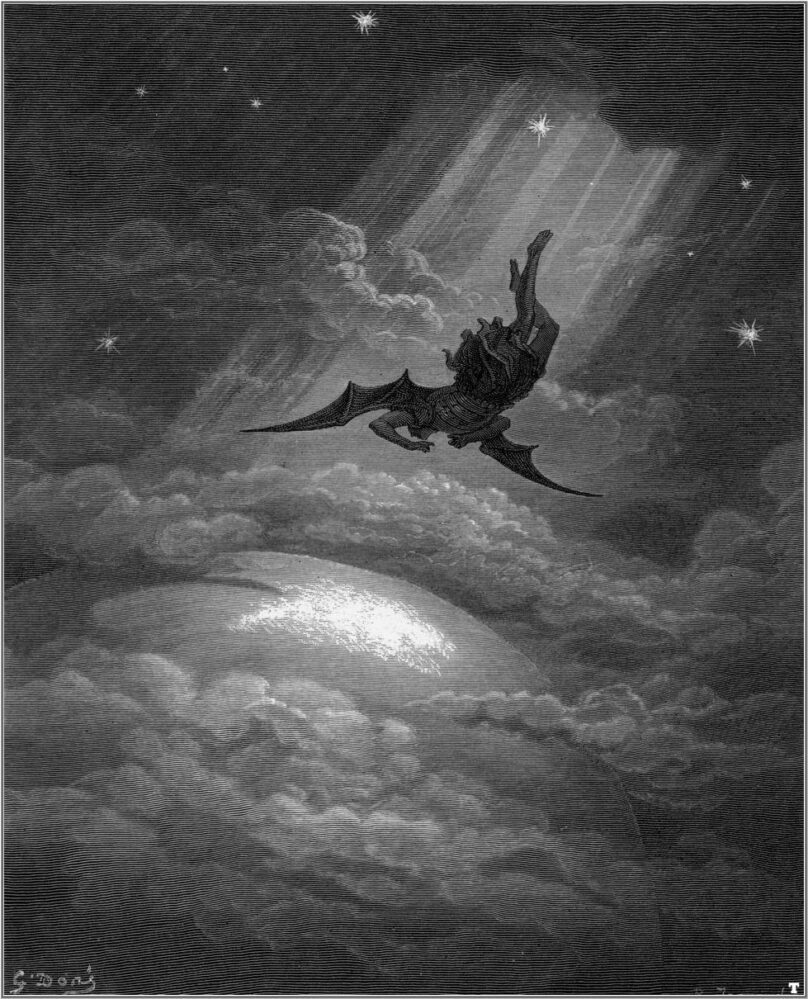
    He seized the dragon, that ancient serpent who is the devil and Satan, and bound him for a thousand years.

    Revelation of Jesus Christ to John 20:2 CSB

    A Sign for followers of Moses

    The Apostle John mentions the serpent in Revelation and also as a sign to the Jews in the Gospel of John. Jesus knew well the symbolism presented to Nicodemus associated with Moses, but He presents a connection to the Cross and what the Lord will teach to all as the purpose of His Incarnation.

    And as Moses lifted up the serpent in the wilderness, even so must the Son of man be lifted up:

    John 3:14 KJV


    You may have missed the familiar symbolism of the serpent in some translations using ‘snake’ or ‘bronze snake on a pole,’ so we will explore this from the Book of Numbers. But first, let’s return to the context of this conversation in John’s Gospel.

    “Are you a teacher of Israel…?

    We began our look at a theological debate between Nicodemus and Christ Jesus which the Apostle John records in God’s Love Through John: Of water and the Spirit. We associate Nicodemus mostly with Jesus’ clear answer to the initial question of the Israelite leader.

    John 3:4 KJV Nicodemus saith unto him, How can a man be born when he is old? can he enter the second time into his mother’s womb, and be born?

    Nicodemus is already old by measure of lifespans of his day. He is a ruler of the council and the most prominent Pharisee of the Temple, who must come to Jesus at night to have this conversation.

    He receives reports from others, including Pharisees and other Temple officials sent to John the Baptist, who testified that Jesus IS the Messiah, the Promised One. And Jesus’ bold actions have already made this Messiah even more controversial than John the Baptist.

    Most certainly, Nicodemus was either present at the Temple as witness to the earlier destruction by Jesus in the Temple courtyard, either as it happened or immediately after the disruption of the order of ritual sacrifices.

    John 2:

    15 After making a whip out of cords, he drove everyone out of the temple with their sheep and oxen. He also poured out the money changers’ coins and overturned the tables. 16 He told those who were selling doves, “Get these things out of here! Stop turning my Father’s house into a marketplace!”

    Do you suppose Nicodemus and other officials of the Temple council had a few questions for Jesus about this incident during the profitable Passover pilgrimage festival? Of course they did.

    John records (perhaps from a later memory after the Resurrection), 17 And his disciples remembered that it is written: “Zeal for your house will consume me.”

    He quotes the scriptural songbook of Israel of the day.

    from Psalm 69

    • 4 They that hate me without a cause…
    • 7 Because for thy sake I have borne reproach; shame hath covered my face.
    • 8 I am become a stranger unto my brethren, and an alien unto my mother’s children.
    • 9 For the zeal of thine house hath eaten me up; and the reproaches of them that reproached thee are fallen upon me.
    • 12 They that sit in the gate speak against me…
    • 19 Thou hast known my reproach, and my shame, and my dishonour: mine adversaries are all before thee.
    • 21 They gave me also gall for my meat; and in my thirst they gave me vinegar to drink.
    • 32 The humble shall see this, and be glad: and your heart shall live that seek God.

    Zeal for the Temple; and reproaches of those who disgrace the LORD will shame the Son of Man, the Son of God to be lifted on a Cross!

    Jesus is well-known to many witnesses. Nicodemus, no doubt, has both seen and heard the evidence of the Messiah, the Son of Man.


    So the Jews replied to him, “What sign will you show us for doing these things?”

    John 2:18


    19 Jesus answered, “Destroy this temple, and I will raise it up in three days.”

    23 While he was in Jerusalem during the Passover Festival, many believed in his name when they saw the signs he was doing…

    The Sign of the Serpent

    Numbers 21: CSB

    4 Then they set out from Mount Hor by way of the Red Sea to bypass the land of Edom, but the people became impatient because of the journey.

    5 The people spoke against God and Moses: “Why have you led us up from Egypt to die in the wilderness? There is no bread or water, and we detest this wretched food!”

    6 Then the Lord sent poisonous snakes [fiery serpents – KJV] among the people, and they bit them so that many Israelites died.

    7 The people then came to Moses and said, “We have sinned by speaking against the Lord and against you. Intercede with the Lord so that he will take the snakes [serpents] away from us.” And Moses interceded for the people.

    8 Then the Lord said to Moses,

    “Make a snake image [a fiery serpent] and mount it on a pole. When anyone who is bitten looks at it, he will recover.”

    9 So Moses made a bronze snake [a serpent of brass] and mounted it on a pole. Whenever someone was bitten, and he looked at the bronze snake, he recovered.

    A Sign of Healing

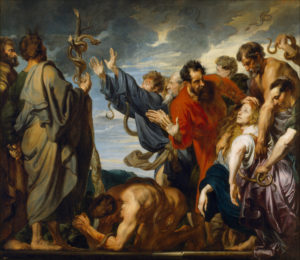
    Moses lifts up the brazen serpent in the wilderness

    The great symbolism of the snake raised in the wilderness connects

    to the very power of the Lord and Creator as well as the intercessor for the people; in the wilderness, Moses, and in the presence of Nicodemus, the miraculous intercessor healer, Christ Jesus.

    שָׂרָף saraph described as a poisonous serpent (fiery from burning effect of poison) is also the description found of a seraph or seraphim – majestic beings with six wings, human hands or voices in attendance upon God.

    … and it came to pass, that if a serpent had bitten any man, when he beheld the serpent of brass, he lived.

    Numbers 21:9b KJV

    Are you a Teacher of Israel…?

    John 3:

    9 “How can these things be?” asked Nicodemus.

    10 “Are you a teacher of Israel and don’t know these things?” Jesus replied.

    Every teacher of Israel knows that the LORD requires sacrifice as substitution for sin. And all Pharisees knew the significance of the ‘Lamb of God,’ as the Prophet John had witnessed of Christ Jesus.

    Teachers of the Law and the Prophets recognized the challenge of the analogy of Jesus. Jesus next addresses the association of the healing of the Cross and the Resurrection to Nicodemus.

    John 3:

    13 No one has ascended into heaven except the one who descended from heaven —the Son of Man.

    14 And as Moses lifted up the serpent in the wilderness, even so must the Son of man be lifted up:

    15 so that everyone who believes in him may have eternal life.

    To be continued…