We begin our SERIES from the Epistles of three Apostles with Simon Peter.
Peter – a Foundation of Apostolic Faith
Our best impressions of Simon Peter from the Gospels and the early ACTS of the Apostles cannot fully convey the heart of this ROCK whom JESUS had claimed for building His Church..
We tend to recall moments from back in the AD 30’s with Peter in Jerusalem.. Yet even then the Apostle was sent to surrounding towns with the Gospel.
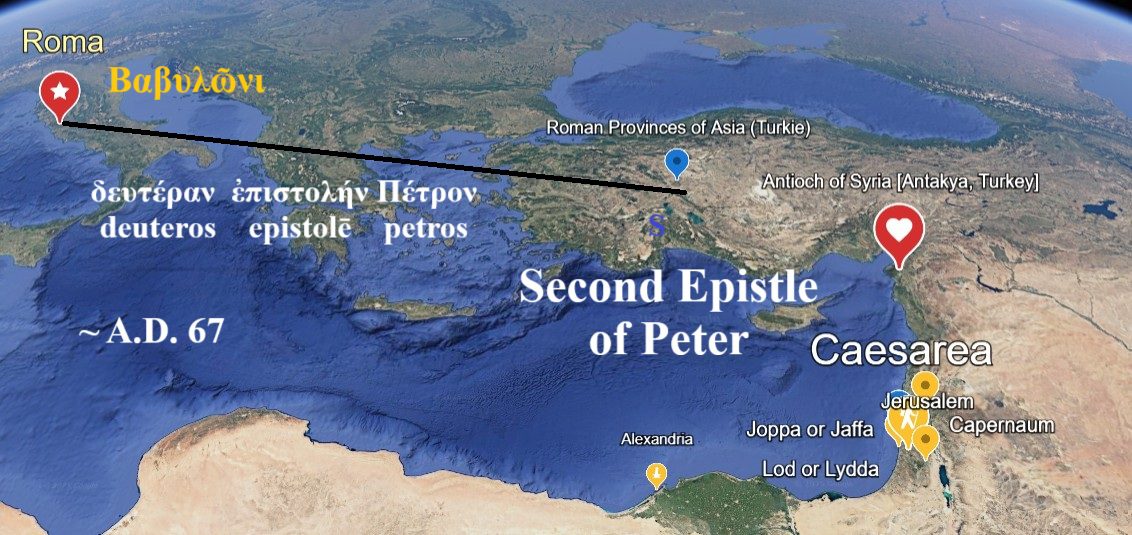
33 Years – Journeys from Capernaum to Rome
C
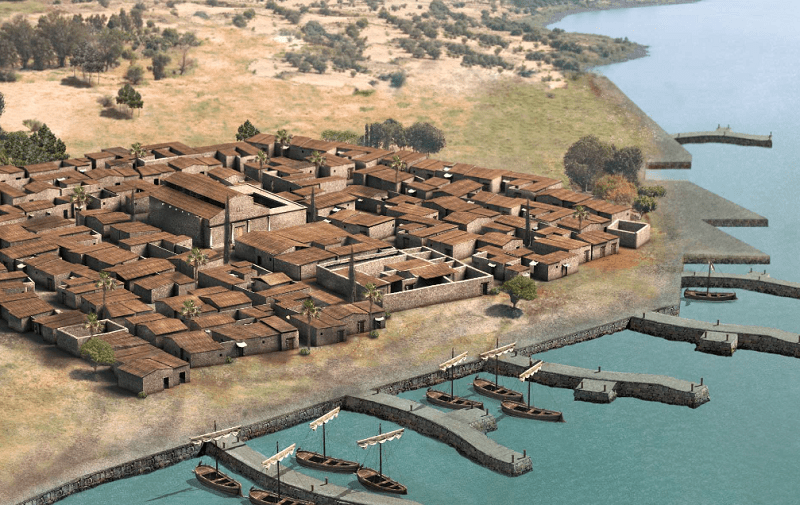
Capernaum
Jesus had appeared to Peter and others as they fished near the shore of the Sea of Galilee. The Lord instructed Simon Peter and the Apostles to go into all the world with the Gospel — Good News that they had all seen and touched, and had heard and obeyed the Lord – the risen Christ JESUS.
Now it is Simon Peter who will build not one church in Jerusalem, Capernaum or even Rome, but a living Church throughout the world (of Rome) — connected by the love of Christ and the Holy Spirit into a fellowship of saints sanctified and separated to the faith of eternal life in the Lord Jesus Christ.
Peter’s gospel is an apostolic gospel; Simon Peter’s faith is a Christian faith
So now after Jesus’ ascension, the Apostle will sojourn between Capernaum, Jerusalem and other Jewish communities of Galilee, eventually meeting Jewish believers from every corner of the world who will come to faith in Jesus Christ.
Simon Peter, sought out as a criminal by leading Jews opposing their own Messiah, would eventually be brought to Rome. Christ’s leading Apostle would also eventually be crucified there, but not until an appointed time after many years proclaiming the Gospel.
Like Paul and other Apostles, Peter wrote epistles and instructions for many years to those he had encouraged in the churches throughout Asia.
2 Peter
The World into which the Apostles Preached
~ AD 30’s – AD 60’s
We cannot fully appreciate the magnitude of Jesus’ great commission with only the Gospel accounts or even all Scripture of the Old Testament.
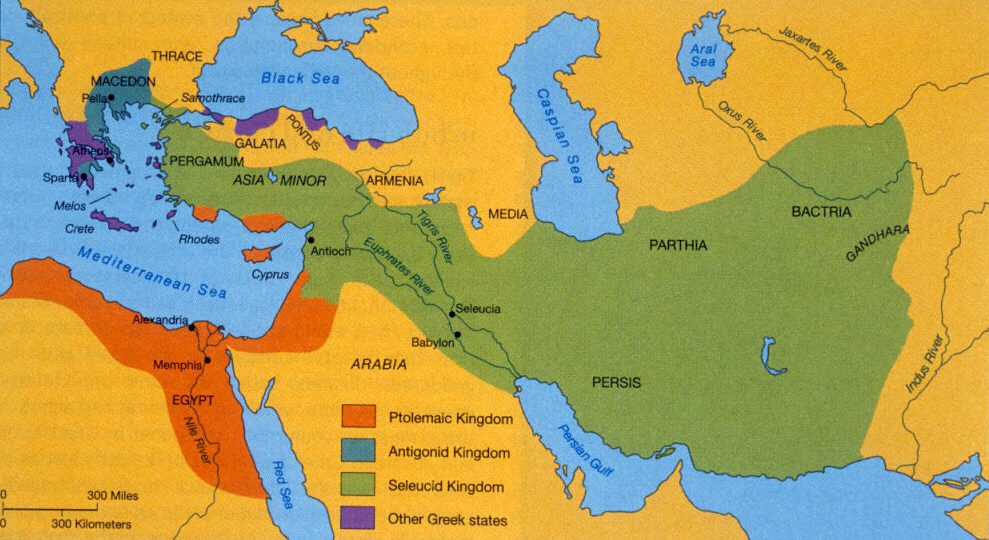
This is due a historic extended silence of God during a post-exilic gap which includes the powerful reign of Alexander the Great (of Macedonia) prior to the dominance of Rome.
a ROMAN world
The Messiah of Israel was given into a Roman world, not a Judaic land.
This Jewish fisherman, Simon Peter of Capernaum on the Sea of Tiberius (so renamed by Rome), though not a Roman, lived a daily existence dependent on Rome, This same dependence had also Romanized the half-Jewish Herod’s, adopted into an all-inclusive culture of the Caesar’s.
Without stepping into the Jewish controversies into which Jesus sometimes ventured about the state of Abrahamic or Mosaic of Semitic faith, let’s just say that Simon Peter’s faith, both before meeting the Messiah and after Jesus’ resurrection until now, is not specifically tied to either the Jewish sects returned from Medo-Persia or those Jews left in a devastated Israel and Judah.
Simon Peter sought to preach the Gospel to his fellow Jews, many who were local proselytes. Rome frequently rejected Jews, often sent on their way at any sign of controversy in distant provinces.
The Apostle writes to churches in lands once dominated by Alexander. And thousands of Jews had remigrated into a European world from an ancient Asia, once dominated by the Babylonians, Medes and Persians. [See your Old Testament.]
Greek culture prevails long after the return of the Jews into a Herodian re-built Roman Jerusalem.
The Twelve Apostles (and I include Matthias) led by Simon Peter were all Jews. And the scattered Jews throughout a world now dominated by Rome wanted to hear from these Apostolic witnesses of the risen Son of David, the Messiah Jesus.
a Second Epistle of Simon Peter
In case you missed the definition of Epistle, you may read it HERE from our introduction.
Simon Peter, a servant and apostle of Jesus Christ,
To those who through the righteousness of our God and Savior Jesus Christ have received a faith as precious as ours:
2 Peter 1:1 NIV
Who is Peter writing to?
We’ll get back to that in the context of this second letter, but let’s take a quick glance at his first epistle for an introductory clue.
παρεπίδημος Aliens of the Diaspora
Peter, an apostle of Jesus Christ,
To those who are elect exiles of the Dispersion in Pontus, Galatia, Cappadocia, Asia, and Bithynia, according to the foreknowledge of God the Father, in the sanctification of the Spirit, for obedience to Jesus Christ and for sprinkling with his blood:
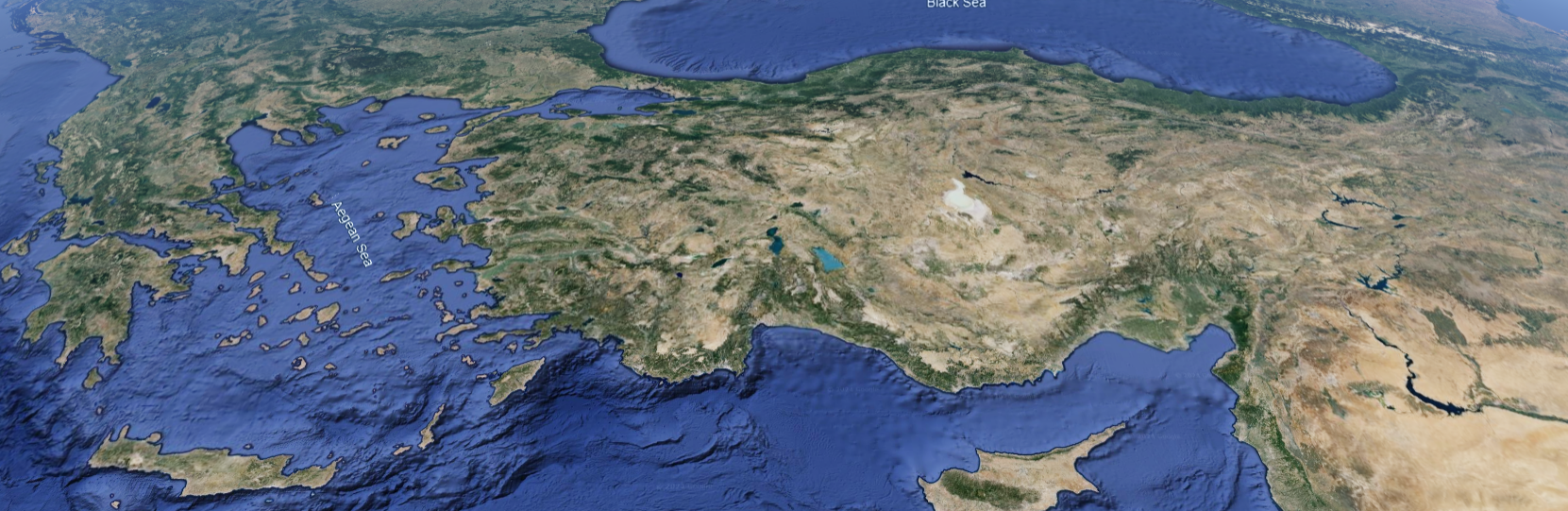
Anatolian peninsula
1 Peter 1:1-2a ESV
We can suppose that both epistles of Peter were sent to all of these churches on the Anatolian peninsula — all Roman provinces throughout modern-day Turkie.
some scholars date the Second Epistle of Peter in AD 64
These Jewish Christians, members of the Diaspora, are addressed here as pilgrims or sojourners… Jews expelled.. and living in a pagan environment.
1&2 Peter An Expositional Commentary, R.C. Sproul
Simon Peter: To the pilgrims
Peter, an apostle of Jesus Christ, To the pilgrims of the Dispersion..
1 Peter 1:1a New King James Version
"But WAIT.."as the old late-night TV ad suggested..
You probably have the WRONG PICTURE of PILGRIMS with an implanted prejudice of clashing cultures.
properly, “one who comes from a foreign country into a city or land to reside there by the side of the natives; hence, stranger; sojourning in a strange place, a foreigner“
Sojourn in this land, and I will be with thee,
Genesis 26:3a KJV – Oath of the LORD to Isaac, son of Abraham in Garar, a location south of Gaza – Source BLB
Alien, migrant, immigrant, foreigner — all have subtle prejudicial meaning.
These Christians to whom the Apostle’s write are rejected by former friends, neighbors and in workplaces. This sect of Jews following the way of the Messiah [or Christos] were also deported along with their families from their homes and Hellenist hometowns.
Therefore Christ-followers must sojourn to distant towns throughout the world of Roman citizens and pagans, those who rejected Jews anyway for the intolerance of their ONE GOD.
Why do they want to hear from Simon Peter?
Place yourself into any of the varied cities or towns in the Roman provinces addressed by the Apostle in ~ AD 64.
RC. Sproul in his PREFACE to 1-2 Peter offers one of the best descriptions of the heart of the saints receiving Simon Peter’s letter in the context of their situation:
Imagine what it would be like to receive a letter from someone who was a personal friend of Jesus during his earthly ministry?
Referring specifically to Peter, James and John, eyewitnesses to the glory of the transfigured Christ, Dr. Sproul continues:
A letter from a man such as this is a treasure for the church. His letter, beyond the value of his own eyewitness testimony and his intimate friendship with Jesus carries with it the weight of the divine inspiration of God the Holy Spirit.
ibid. R.C, Sproul
Why does Peter write a SECOND Epistle to them?
Remembering our AD 1st century cultural setting of the Church, as we discovered in Paul’s missionary journeys, the people living here are Hellenists.
Hellenists worshiped the tree of knowledge — towering temples of their gods — where philosophers plucked the forbidden fruit of wisdom.
Therefore, brethren, be even more diligent to make your call and election sure, for if you do these things you will never stumble
2 Peter 1:10 NKJV
Again, quoting R.C. SPROUL from: BE ALL THE MORE DILIGENT TO MAKE YOUR CALLING AND ELECTION SURE, concerning the recipiants of 1 Peter (likely the same churches):
The gnostics took a variety of religions and philosophies and thought to blend them to produce a new religion or philosophy… They targeted the early Christian community.. The only way the Gnostics could seduce Christians to believe their heresy was to undermine the authority of the Apostles.
ibid. p.6
Therefore,
Simon Peter, doulos and Apostle of Jesus Christ
2 Peter 1:1
writes an epistle —
(Remember the one definition emphasizing its impact as a letter of written command?) —
to encourage Elders ‘ (and those saints willingly obedient to their teaching [doctrine] and authority)
in the (precise and correct) KNOWLEDGE of God [epignōsis theos] and of Jesus our Lord..
Black Friday Deals Are Here – Epic Deals. All Week Long
2024 CE Amazon AD
Black Friday to Xmas
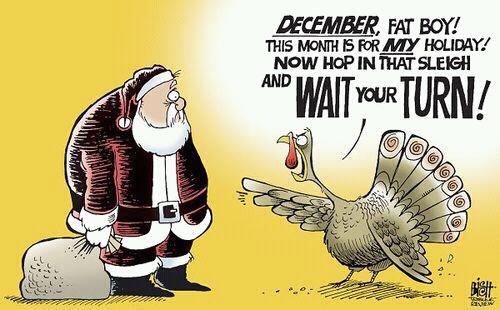
I don’t know about you, but once again Thanksgiving seems to be upon us, a prerequisite observance overrun by the rush of DEALS for the Christmas holidays.
Aren’t you THANKFUL for this holiday season immediately following Halloween?
Innumerable lights blinding in darkness and gift buying lasting forever and ever…
You might even see NEW deals for this Black Friday if you click on these old links.
A Puritan Thanksgiving in colonial America
from which our Thanksgiving traditions supposedly celebrate
Perhaps our 17th century Puritan forefathers who celebrated this uniquely American Thanksgiving holiday weren’t far from the truth of this holiday season.
Puritans forbade Christmas, considering it too pagan. Governor Bradford actually threatened New Englanders with work, jail or fines if they were caught observing Christmas.
Christianity.com
THANKS to BLACK FRIDAY & Cyber Monday this holiday provides little rest and even less thanks.
1 Come, let us shout joyfully to the Lord, shout triumphantly to the rock of our salvation!
2 Let us enter his presence with thanksgiving; let us shout triumphantly to him in song.
Psalm 95 CSB
a Consumer WARNING for a Common EraBlack Friday
Hear this caution from the Psalm, that we might not give our thanks lightly, forgetting the worship of Almighty God our Creator.
6 Come, let us worship and bow down; let us kneel before the Lord our Maker. 7 For he is our God, and we are the people of his pasture, the sheep under his care.
The Psalmist then reminds worshipers of those who had previously turned from the Lord.
Warning
Today, if you hear his voice: 8 Do not harden your hearts as at Meribah, as on that day at Massah in the wilderness 9 where your fathers tested me; they tried me, though they had seen what I did.
Psalm 95, referring to exodus 17:17
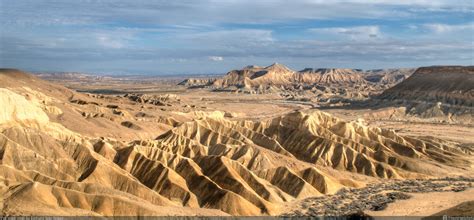
Wilderness of the Negev
Meribah מְרִיבָה means testing and is the place where the Hebrews escaping Egypt tested the Lord, rather than giving thanks to the Lord.
And Massah מַסָּה means quarreling, the politics of an ungrateful saved people in the wilderness.
Sound familiar?
The Lord saved many who had fled to the New World from persecution and death in the seventeenth century.
The Pilgrims and others gave God thanks for this.
Yet the Psalmist reminds worshipers of a blessed people:
Do not harden your hearts.
Those escaping to a new land had far to go and much to learn of community, lessons about authority and of thankfulness.
Because of their testing and quarreling, the promise of the Lord would not be fulfilled in their generation.
Therefore let us heed these cautions of the Psalmist in our attitude of thanks to the Lord.
Even today, in these Common Era seasons of Black Fridays,
If you hear His voice, do not harden your hearts.
10 For forty years I was disgusted with that generation; I said,
“They are a people whose hearts go astray; they do not know my ways.” So I swore in my anger, “They will not enter my rest.”
Do you thank the Lord this day?
OR
are BLACK FRIDAY and every other Common Era christmas consumer shopping day
gourging our mortal flesh in the delicacies of death without the Manna of our Redeemer and Lord?
featuring Santa Claus suggesting the best Christmas gifts &
a love story matching mates for a little girl (Natalie Wood)
(and let’s not forget appearances by Mr. Macy & Mr. Gimble)
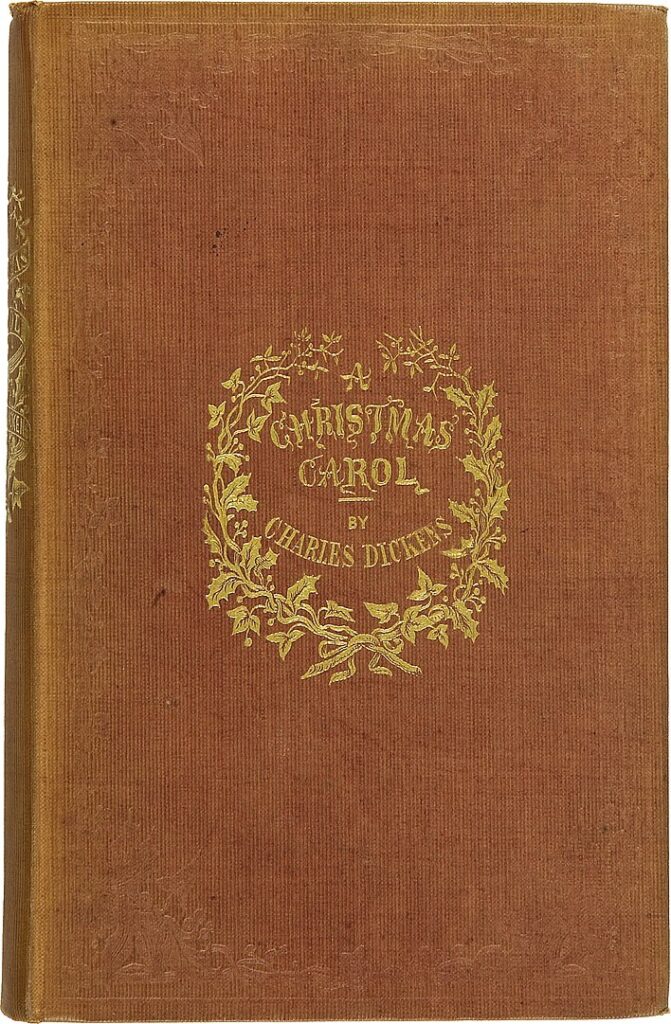
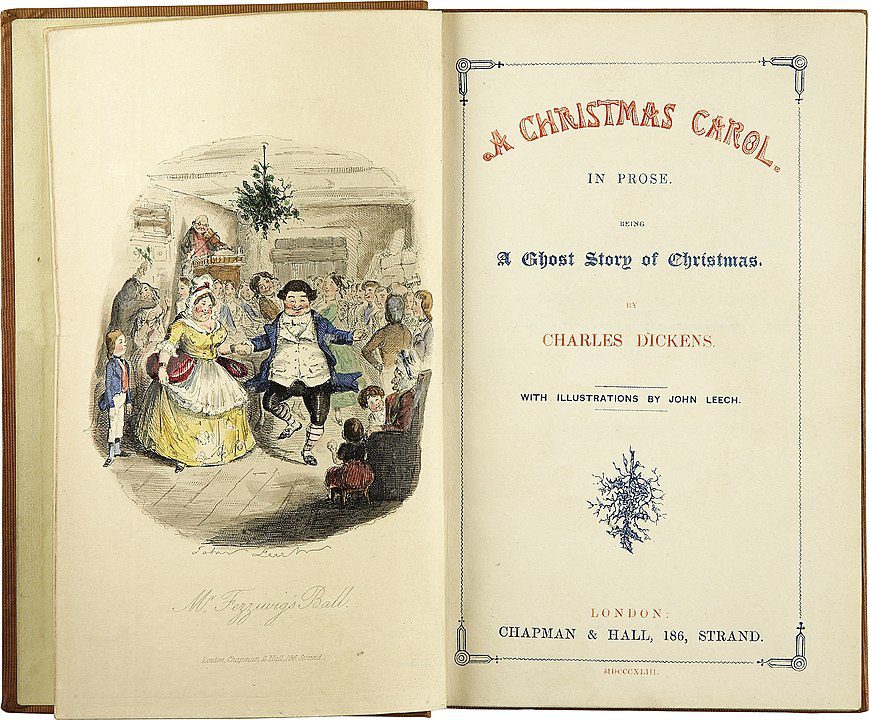
A Christmas Carol (1843)
Book by Charles Dickens
Focused on a stingy Ebenezer Scrooge & destitute poor employee with an ill son and
a ghost of Christmas Past
a ghost of Christmas Present
a ghost of Christmas Future
At issue is generosity and Christmas celebration with loved ones.
Various stage plays, animations and movies have followed for nearly two centuries.
Christmas the Setting, Not the story
We could mention many more ‘Christmas’ traditions which include books, movies, art and most of all children’s stories.
I love them all. Liked them as a kid and still find much joy in most of them. For by now (especially in this year) many of us have become a Scrooge or a Grinch, desperately in need of a smile-cracking child-like moment of escape from every-day cruelties cinching our lives.
Christmas, however, is not our holiday here – at least, not yet. So today only, I will focus on the ‘traditional and uniquely ‘American’ holiday of Thanksgiving.
Thanksgiving – A Family Holiday for US
OCTOBER – Christmas ‘stocking’ stores & ONLINE
NOVEMBER – Daily ‘Black Friday’ Early ‘Deals’
November 25, 2020 – ‘Christmas’ Marketing BLITZ
November 26, 2020 – Thanksgiving (US)
Shop online while you watch our National FL traditions
NOVEMBER 27, 2020 – BLACK FRIDAY
November 28, 2020 – Small Business Saturday
November 29, 2020 – 1st Sunday of Advent
November 30, 2020 – CYBER-MONDAY!
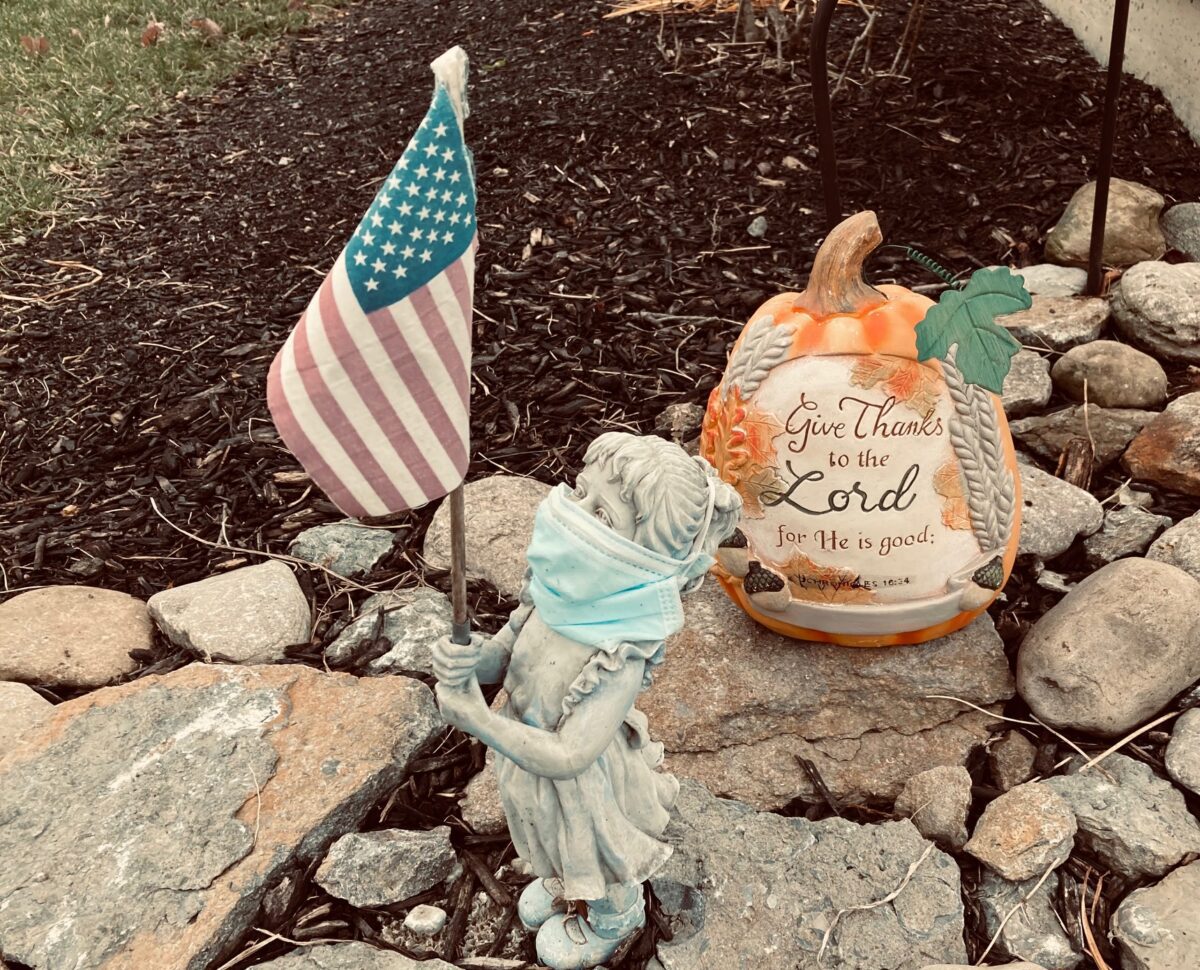
Thanksgiving was always a big family celebration for the Harned’s. We celebrated with the traditional turkey at home on Thursday, then my grandparents welcomed extended family to an even larger feast on Friday.
(I guess we have some COVID concerns about such gatherings this year.)
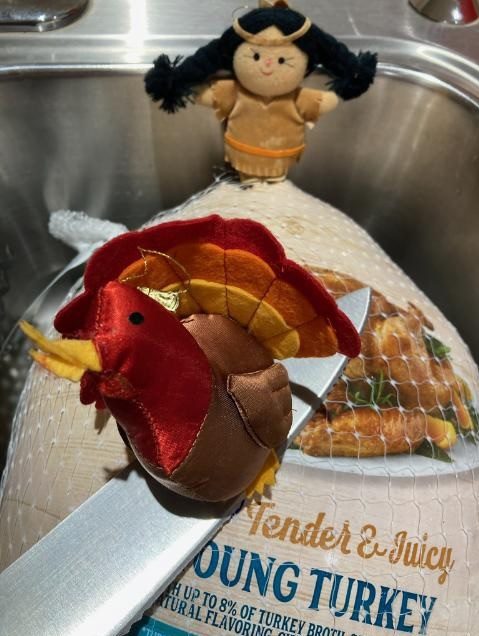
Things don’t always work out the way we plan for pandemic famine or previous feast. Our on-line grocery order sent a turkey large enough for us to invite a couple dozen guests.
We ordered the ‘smallest‘ turkey for just three of us this year. Yet even as I write during preparation for a scaled-back Thanksgiving dinner, two of the three cooks definitely overstocked.
Our expectations all seem as misguided as the annual telling of indians (now properly, ‘native Americans’) serving turkey to those English Pilgrims in the funny hats.
Pilgrims & the Mayflower
You may relate to the illustrations of the Pilgrims and important historical documents of America such as the Mayflower Compact, but as important as these foundational documents and principles may be, many just don’t get it.
History taught to children in school in not a chronicle of fact, but rather an agenda of culture continued.
Roger Harned
In fact, most school children never get past the quaint pictures of grammar school, leaving American adults with a fairy-tale application of American history and fractured foundation of government.
Briefly, let’s examine what Thanksgiving was to one of many groups of Europeans from several nations who colonized the New World, the English separatist Pilgrims.
Allow me just one personal commentary:
In fact, observe China, Russian and various Arab nations colonizing natives of other lands and continents even in this 21st century. You may not agree with their overriding storyline of these international powers subjecting others to their culture either, but a true history of the millennia reveal many motives and much sin.
The Mayflower
A ship and its cargo (including passengers) sail with a contract – getting from point A to point B. It’s a business proposition.
In the case of the Mayflower and most ships settling the east coast of the ‘New World,’ its owner conducted the business of England (and its king). But as is the case today, not all agree with the current king on all matters of government.
The Mayflower was chartered by a group of English merchants called the London Adventurers. Its paying passengers were Puritans, part of a group of more than 300 English separatists living in exile in Holland.
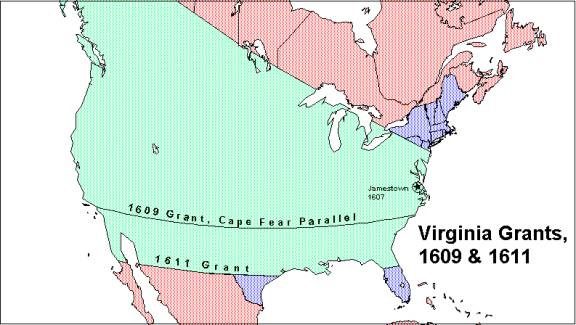
They encountered many difficulties which prevented them from sailing on 15 August 1620, from Plymouth England with another ship that leaked and was found not to be sea-worthy. The Mayflower departed finally on 16 September 1620, to establish a New Plymouth near the Hudson Valley just north of the struggling Jamestown colony of 1607.
We now know this to be the peak of the Atlantic hurricane season and as expected they encountered life-threatening rough seas.
The living quarters for these 102 Pilgrims on the gun deck of the Mayflower was cramped.
If you can picture the inside of a tractor-trailer [53′ x 13.5′], add about 50% in length & about 6′ in width — but LOWER the ceiling a full 8′ to just 5’6″! Toss it into a raging cold ocean and picture the worst days of their pilgrimage.
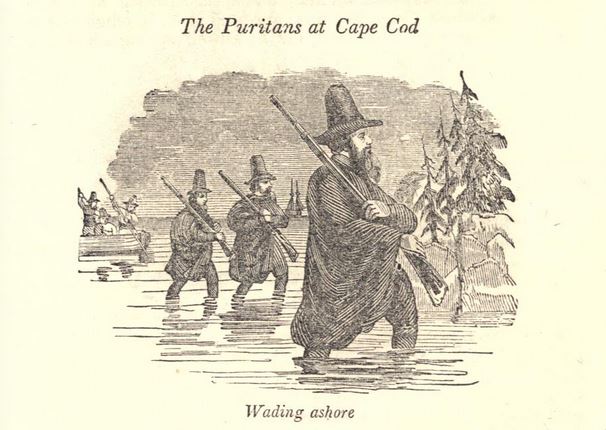
About halfway into the journey (late September?), the Mayflower ran into bad weather. A series of storms caused the ship to leak and the main mast to crack. The pilgrims worried the ship would not be strong enough to make it America. The crew managed to fix the beam and fill some of the leaks.
The passengers sighted shore on November 9. Although the pilgrims had intended to land in northern Virginia, when they reached the shore they realized they were in New England.
Bradford records, they resolved to sail southward to find someplace about Hudson’s river for their habitation.
Because of the change of course, the passengers were no longer within the jurisdiction of the charter granted to them in England by the Virginia Company.
Within this legally uncertain situation, friction arose between the English Separatists (the Pilgrims) and the rest of the travelers, with some of the latter threatening to leave the group and settle on their own.
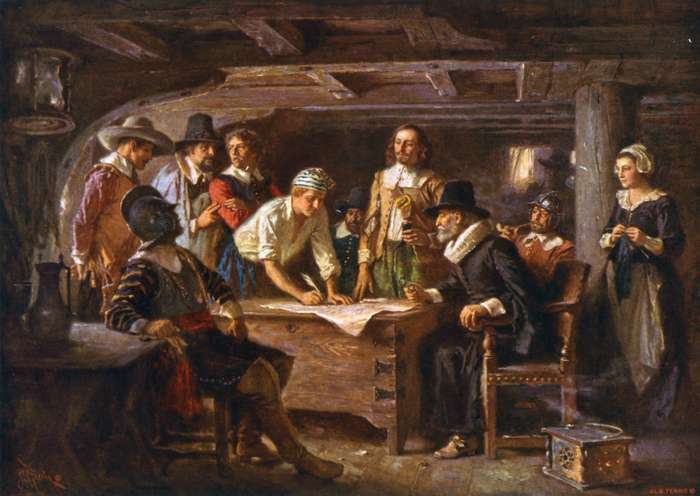
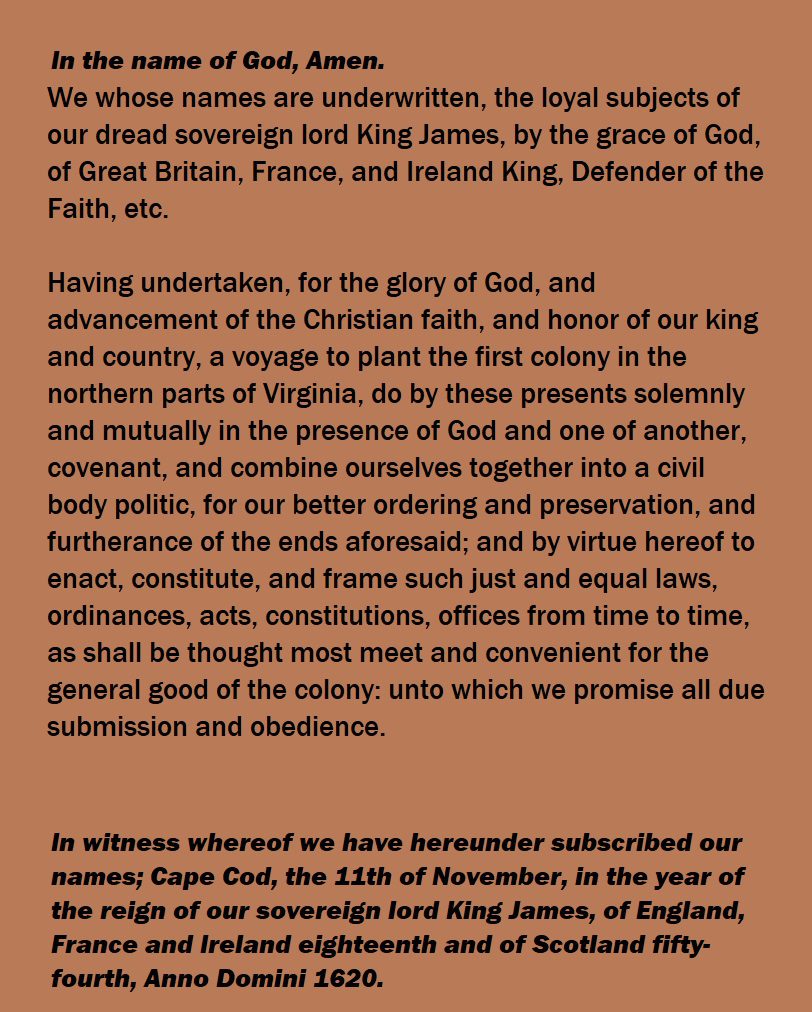
The Mayflower Compact bound its signers into a body politic for the purpose of forming a government and pledged them to abide by any laws and regulations that would later be established “for the general good of the colony.”
Once they agreed to settle and build a self-governing community, they came ashore.
Being thus arrived in a good harbor and brought safe to land, they fell upon their knees and blessed the God of heaven, who had brought them over the vast and furious ocean, and delivered them from all the perils and miseries thereof, again to set their feet on the firm and stable earth, their proper element.
William Bradford, second Governor of the Plymouth Colony
Here is the first Thanksgiving in this Promised Land for a new colony of Christians persecuted for their beliefs by other Christians.
Freedom of Religion
The American national holiday, Thanksgiving, originated from the first Thanksgiving feast held by the Pilgrims in 1621, a prayer event and dinner to mark the first harvest of the Mayflower settlers.
The emigrants weren’t just ordinary passengers but had distinguished themselves as being in religious conflict with the then accepted rites of worship in England and who were viewed as ‘dissenters’ and dangerous rebels. These English Puritans as they were to be known believed that their only means to practice their way of life and radical form of Protestantism was by creating their own Garden of Eden in the colonies.
Such an exodus from a Europe besieged by economic depression and the threat of war (the Thirty Year War) was essentially a journey into the unknown, a world of alien geography and strange indigenous peoples and little understanding of what would become of them.
Many of the refugees sailing on the Mayflower were regarded as dangerous religious and political dissidents who, having been in conflict with the Church of England for their unorthodox religious beliefs, had to worship in secret (or flee to another European country).
Mostly made up of evangelical Protestants who declared themselves as Separatists,
other passengers also included Quakers, who equally found themselves in disaccord with the religious laws of England
forbidding any form of worship other than the established rites of the Church of England.
German Princes (there were 225 princes) could choose the religion (whether they were Lutheran or Catholic) in their states
People that lived in a state that had chosen Lutheranism or Catholicism were not allowed to change their religion
Calvinism became the theology of the majority in Scotland (see John Knox), the Netherlands, and parts of Germany and was influential in France, Hungary, Transylvania, and Poland. Calvinism was popular as well for some time in Scandinavia, especially Sweden, but was rejected in favor of Lutheranism after the synod of Uppsala in 1593.
Most settlers in the American Mid-Atlantic and New England were Calvinists, including the Puritans and Dutch settlers of New Amsterdam (New York).
Into this new ‘land of the free,’ Protestants of varying beliefs, Roman Catholics, Jews and others sought refuge from the politics of local wars that had plagued much of Europe and brought desperate men and women of faith to their knees in hope of a new promised land.
The Mayflower Statement of Faith and Government
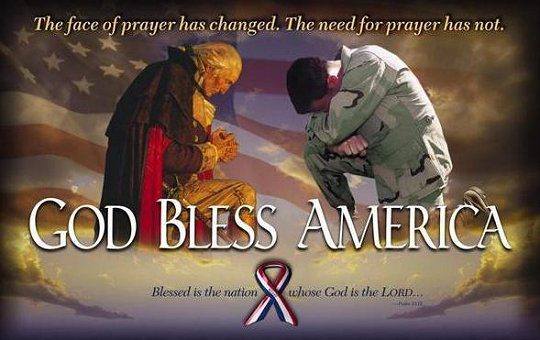
I ask you in this divisive year of our Lord (Anno Domini) 2020, to note that the God of the founders of this great nation is part and parcel of their purpose of establishing this land – a land of promise in the New World, free from war by division of religion or political subjugation by kings or princes – princes of land or of aristocratic ownership of the freedoms of its peoples.
Although these religious pilgrims and sojourners departed from England, spoke English and certainly carried the printed King James Version of the Bible into their new promised land, our English founders feared and ‘dreaded‘ this same King James.
They refer to themselves as ‘loyal subjects,’ although many had fled to Holland. The Pilgrims represented a church, that is a community in Christ, exiled and persecuted for their faith in the Lord Jesus Christ.
The Pilgrims have risked and nearly lost their very lives for their stated purpose, most thankfully put to pen before they set first foot on the rock of dry land.
..for the glory of God, and advancement of the Christian faith..
Mayflower Compact – 11 November in the year of our Lord 1620
It is a covenant of cooperation ‘into a civil body politic,’ .. ‘unto which we promise all due submission and obedience.’
Thanksgiving, A.D. 1621
It must have been a year of struggle in a New World far removed from Eden while somewhat short of a Promise Land.
Perhaps every year in America since has been, to a lesser extent, seen as a struggle short of that for survival. The plague of this present year threatens US no more than the troubling times of our founding fathers. (and mothers, to remain P.C.)
America seems to have glorified our past, forgetting to glorify Almighty God who has mercifully spared US.
We have not given thanks to God for mercy and grace through our Lord Jesus Christ, who even used a dreaded King James to translate the Holy Bible from Latin and Hebrew and Greek.
The Pilgrims of an uncivilized New England could have starved (as unseen homeless do in our US streets today).
They might have been killed by native princes, defending the sustenance of native animals and crops of their lands West of Eden, an untamed wilderness from where they fed the families of their own tribes.
Yet the Lord sustained the Puritan Pilgrims in a land where they could worship God freely – a new world with no fear of kings, princes and popes.
For this they gave thanks.
To the Name of God they gave glory.By the grace of God they gave thanks.
Therefore I will give thanks unto thee, O LORD, among the heathen, and I will sing praises unto thy name. – 2 Samuel 22:50
I will give thee thanks in the great congregation: I will praise thee among much people. – Psalm 35:18
And he took the cup, and gave thanks, and said, Take this, and divide it among yourselves.. And he took bread, and gave thanks, and brake it, and gave unto them, saying, This is my body which is given for you: this do in remembrance of me. – Luke 22:17,19
Now thanks be unto God, which always causeth us to triumph in Christ, and maketh manifest the savour of his knowledge by us in every place. – 2 Corinthians 2:14
And when those beasts give glory and honour and thanks to him that sat on the throne, who liveth for ever and ever,
The four and twenty elders fall down before him that sat on the throne, and worship him that liveth for ever and ever, and cast their crowns before the throne, saying,
Thou art worthy, O Lord, to receive glory and honour and power: for thou hast created all things, and for thy pleasure they are and were created.
The Revelation of Jesus Christ to John 4:9-11 KJV
Thank God
America, bless God.
All you Nations, bless God.
By the grace of God, the glory of Christ Jesus and the power of the Holy Spirit, let US give THANKS to the LORD our GOD, that He might bless and keep US.
AMEN.
Cookie Consent
We use cookies to improve your experience on our site. By using our site, you consent to cookies.
Used to monitor number of Google Analytics server requests
10 minutes
__utmb
Used to distinguish new sessions and visits. This cookie is set when the GA.js javascript library is loaded and there is no existing __utmb cookie. The cookie is updated every time data is sent to the Google Analytics server.
30 minutes after last activity
__utmc
Used only with old Urchin versions of Google Analytics and not with GA.js. Was used to distinguish between new sessions and visits at the end of a session.
End of session (browser)
__utmz
Contains information about the traffic source or campaign that directed user to the website. The cookie is set when the GA.js javascript is loaded and updated when data is sent to the Google Anaytics server
6 months after last activity
__utmv
Contains custom information set by the web developer via the _setCustomVar method in Google Analytics. This cookie is updated every time new data is sent to the Google Analytics server.
2 years after last activity
__utmx
Used to determine whether a user is included in an A / B or Multivariate test.
18 months
_ga
ID used to identify users
2 years
_gali
Used by Google Analytics to determine which links on a page are being clicked
30 seconds
_ga_
ID used to identify users
2 years
_gid
ID used to identify users for 24 hours after last activity
24 hours
_gat
Used to monitor number of Google Analytics server requests when using Google Tag Manager
1 minute
_gac_
Contains information related to marketing campaigns of the user. These are shared with Google AdWords / Google Ads when the Google Ads and Google Analytics accounts are linked together.