Tag: Psalms

  • They Stumble Because They Disobey – 1 Peter 2

    They Stumble Because They Disobey – 1 Peter 2

    The Apostle Simon Peter, who Jesus nicknamed, ‘the rock,’ warns the church about those who disobey God. He quotes scripture pointing to Christ as the cornerstone of the Temple and as a rejected stone causing some to stumble.

    As we suggested earlier in Apostates from Jude’s letter, these ‘religious’ opponents of Jesus often sway others to turn from the Lord. James also warns about Preaching to a Worldly Church, as do the Apostles.

    Peter reminds believers who hear his letter:

    For it stands in Scripture:
    See, I lay a stone in Zion,
    a chosen and honored cornerstone,

    and the one who believes in him
    will never be put to shame.

    So honor will come to you who believe; but for the unbelieving,
    The stone that the builders rejected—
    this one has become the cornerstone,

    and
    A stone to stumble over,
    and a rock to trip over.

    They stumble because they disobey the word; they were destined for this.

    1 Peter 2:6-8 CSB

    The Cornerstone in Zion
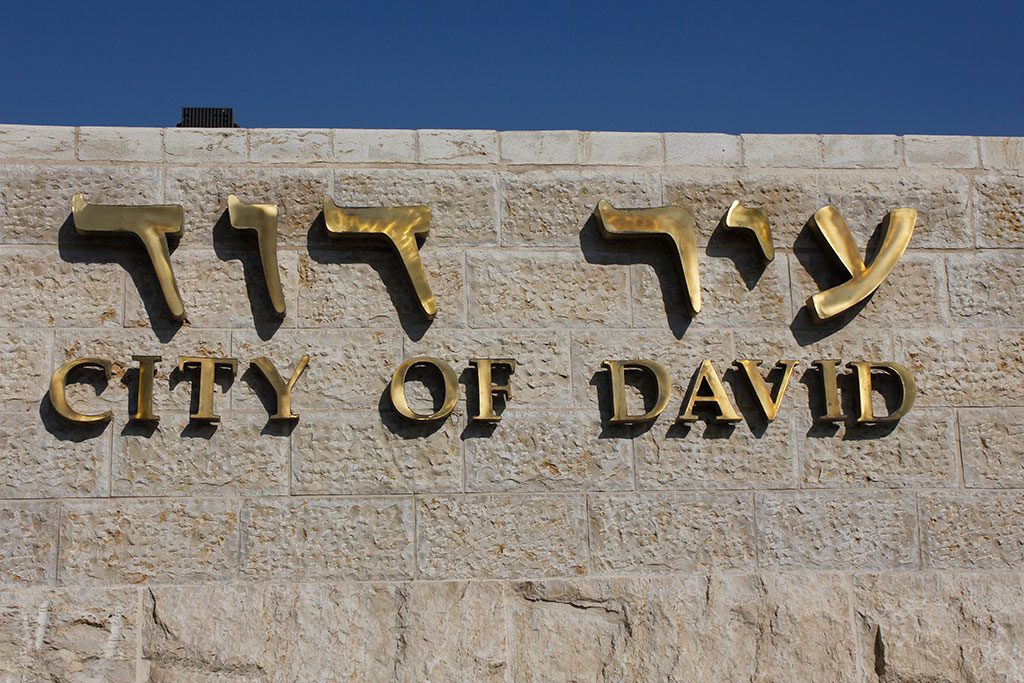
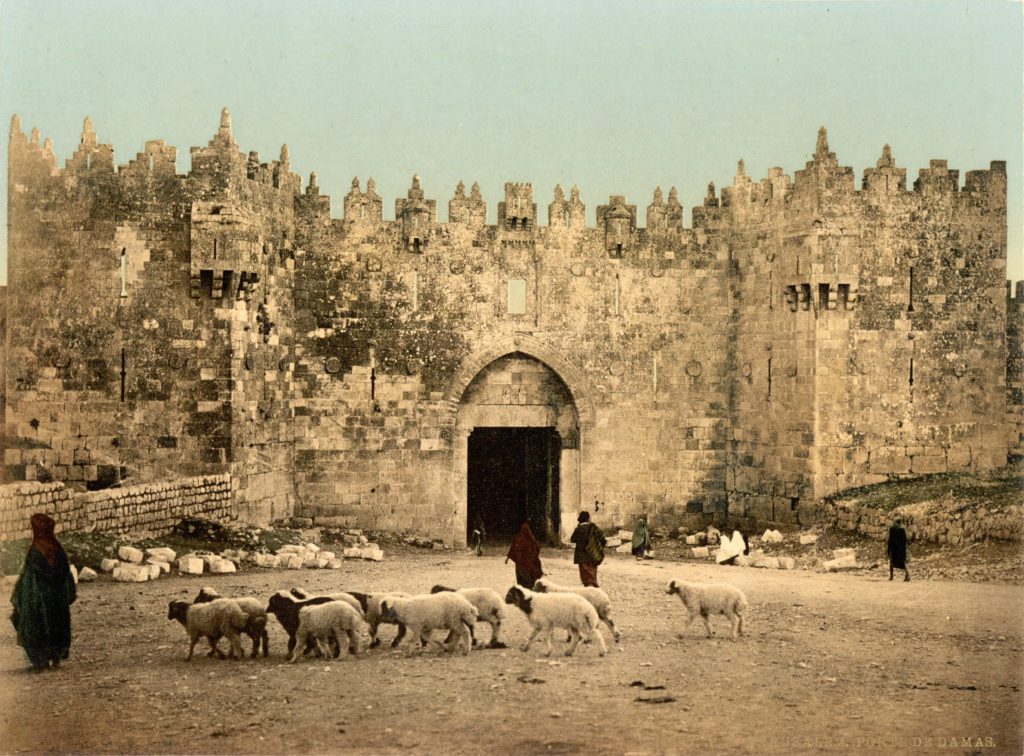
    stone wall "city of David" in Hebrew and English
    Zion צִיּוֹן

    Peter had witnessed the injustice to Jesus by Zion’s rulers first-hand. These same scornful men, a brood of vipers leavening the crowds of John the Baptist and Jesus – these arrogant religious scofferes pursued Peter and the Apostles, James and the church, and also Paul, Apostle to the gentiles.

    Peter quotes the prophecies of Psalm 118 and Isaiah, powerful imagery of the Messiah the Apostle had witnessed as he had entered Jerusalem with Jesus, who was crucified and then appeared alive after death on a cross.

    I shall not die, but live,
    And declare the works of the Lord.
    The Lord has chastened me severely,
    But He has not given me over to death.

    Psalm 118:17-18 KJV

    Two Herodian kings could not kill Christ and religious apostates who had turned against the Lord could not keep Jesus in the grave! Though the Lord rode into Jerusalem on the foal of a donkey triumphant as a king, His victory is that over sin and death by His Holy and Perfect Sacrifice on a Cross.

    Christ the Cornerstone

    Perhaps you know some lyrics from the 19th century hymn, The Church’s One Foundation, which shares this same imagery.

    The church's one foundation 
    Is Jesus Christ her Lord;
    She is his new creation
    By water and the Word...

    Mid toil and tribulation,
    And tumult of her war,
    She waits the consummation
    Of peace forevermore...

    The Apostle’s first letter to the church points back to the scripture of Isaiah, who states that the Lord’s foundation is firmly placed.

    “Surely My hand founded H3245 the earth,
    And My right hand spread out the heavens;
    When I call to them, they stand together.

    Isaiah 48:13 NASB – Strong’s reference H3245 – יָסַד

    In Scripture familiar to Peter’s first century readers, Isaiah chastises religious leaders who claim the Lord, but turn to a covenant with sin and death.

    Isaiah 28

    14 Therefore hear the word of the Lord, you scoffers,
    who rule this people in Jerusalem!

    … for we have made lies our refuge,
    and in falsehood we have taken shelter”

    Isaiah 28:15c ESV

    Peter quotes the LORD God from scripture in his accusation against those who turn from Christ Jesus.

    Isaiah 28:16 Therefore the Lord God said:
    “Look, I have laid a stone in Zion,
    a tested stone,
    a precious cornerstone, a sure foundation;
    the one who believes will be unshakable.

    Is your faith in the Lord unshakable?

    The church is Christ’s followers; saints all, every living soul gathered in His Holy Name. Peter refers to the faithful as living stones.

    No building of earth – not a Temple or grand Cathedral; but saved souls as living stones, placed by the Creator next to Christ our cornerstone. Unshakable – to offer spiritual sacrifices acceptable to God through Jesus Christ.
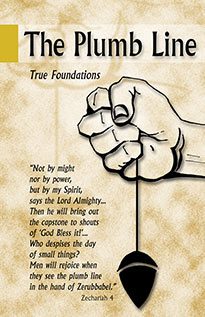
    How firm is your foundation in the Lord?

    Peter shows us to be as unhewn but useful stones for the Lord’s holiest of Temples, the Living place of worship to the LORD founded in Christ.

    Isaiah 28:17-18

    “I will make justice the measuring line
    And righteousness the level;
    Then hail will sweep away the refuge of lies
    And the waters will overflow the secret place.

    “Your covenant with death will be canceled,
    And your pact with Sheol will not stand;
    When the overwhelming scourge passes through,
    Then you become its trampling place.

    Surely Christ has cancelled our covenant with death by His Sacrifice on the Cross.

    Peter’s Guidance for the Church

    Peter opens his first letter to the church: “To those chosen” or “To those who reside as aliens” or “To God’s elect, exiles scattered.. or “To the pilgrims of the Dispersion.

    These living stones are not recognized in this world as the church the Lord creates for true and eternal worship.

    Are you one who does not stumble?

    The world, even your neighbors, will treat you as aliens and attempt to shake your faith. Christians are as unwelcome in our 21st c. culture as the recipients of Peter’s first century letters to the church.

    In Jesus, Peter reminds us, our faith is solid – a firm foundation, level and straight. Peter precedes this call to the church from scripture with a firm exhortation meant to keep us from stumbling.

    Therefore, rid yourselves of all malice, all deceit, hypocrisy, envy, and all slander.

    1 Peter 2:1 CSB

    1 Peter 2:

    4 As you come to him, a living stone—rejected by people but chosen and honored by God— 5 you yourselves, as living stones, a spiritual house, are being built to be a holy priesthood to offer spiritual sacrifices acceptable to God through Jesus Christ.

    Do you stumble when you encounter Christ?

    How could you stumble? Or how will the faithful help you to keep from stumbling in your witness of Christ Jesus?

    By the plumb line of Christ’s righteousness in your works:

    • You no longer show malice [ill-will, wickedness, depravity, evil,trouble] toward others.
    • Of course you no longer use deceit, a key tool of Satan, to mislead any.
    • Christians more than most receive the world’s indictment of hypocrisy where Jesus is just a false mask taken on and off as we please.
      • If all the world’s a stage, then all wear the masks of hypocrisy.
    • Envy also shows a worldly desire over our hope for eternal riches in Christ.
    • All slander [backbiting] must stop in redeemed Christians.

    The Chosen Stone and His Chosen People

    Peter’s call to Christians, so clear to those introduced to Christ as a ‘chosen generation’ to proclaim the Gospel, bears repeating {from the NKJV} if indeed you have tasted that the Lord is gracious.

    Coming to Him as to a living stone, rejected indeed by men, but chosen by God and precious, you also, as living stones, are being built up a spiritual house, a holy priesthood, to offer up spiritual sacrifices acceptable to God through Jesus Christ.

    Now you are God’s people

    9 But you are a chosen generation… called out of darkness.. (the darkness of sin).

    Christ, the Cornerstone, called you into His Living Light, though you were once dead in your sins. Peter reminds the faithful saints called and hewn by Jesus into living stones:

    Once you were not a people, but now you are God’s people; you had not received mercy, but now you have received mercy.

    1 Peter 2:10 CSB

    Peter will continue to guide the church in our actions with each other and with others. Even some worshiping with us stumble, preferring our own easy grace, rather than be held accountable to our reshaping for a firm and level foundation formed by Christ Jesus.


    I have begun the first letter of Peter from his challenging scriptural call to faithfulness in the second chapter. Next, we will return to the Apostle’s encouraging opening in chapter one, God-willing.

    To be continued...
    
  • James and Jerusalem’s Controversy – 7

    James and Jerusalem’s Controversy – 7

    Jerusalem’s controversy at the time of Jesus and James continues to this day, yet goes back to the centuries before Christ.

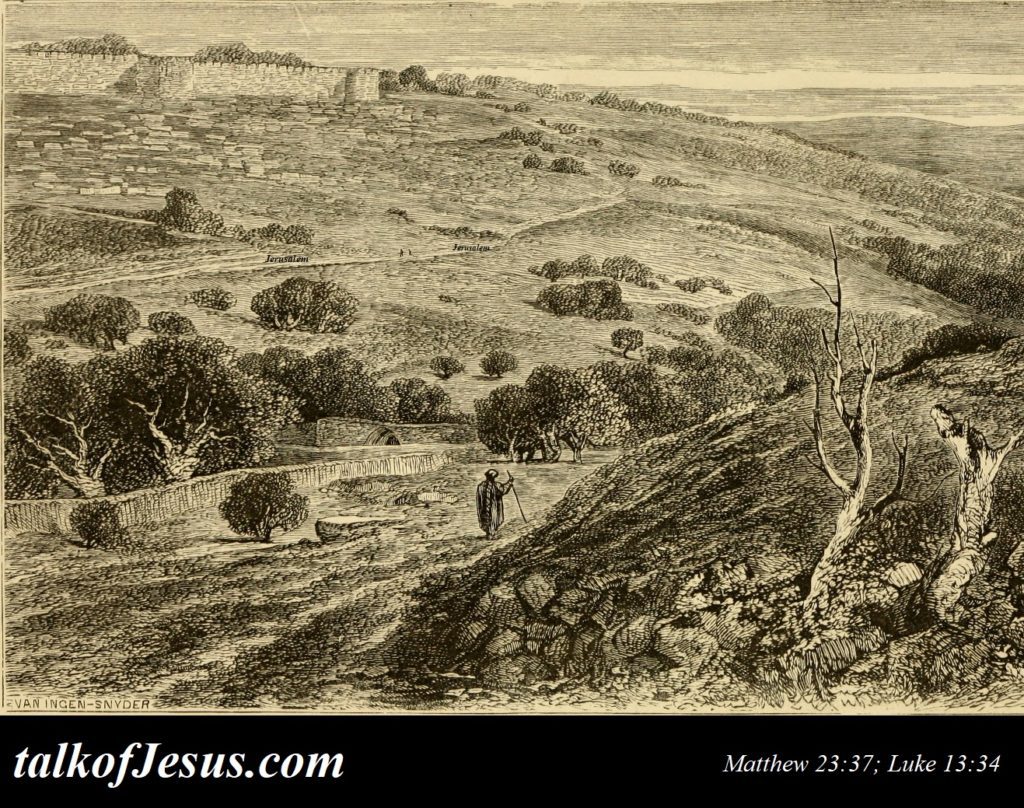
    “ירושלים, ירושלים, ההורגת את הנביאים ורוגמת באבנים את שליחי אלוהים, פעמים רבות חפצתי לקבץ את בניך כתרנגולת המקבצת את אפרוחיה תחת כנפיה, אולם לא הנחתם לי.

    הבשורה על-פי לוקס 13:34 Habrit Hakhadasha/Haderekh (HHH)

    I briefly outlined a few controversies from the history of Jerusalem in an earlier post, which also includes a helpful timeline. More recently we have examined the setting of the first century church in Jerusalem during its leadership by James.

    And in the preceding post we discussed the probable relationship between the two brothers James and Jesus, before the Lord’s resurrection.

    Jerusalem’s Controversy

    Most of us know very little of the ancient history which preceded Rome’s dominance of Judea.

    Jesus, the Apostles, James and first century residents of Jerusalem would have looked at Jerusalem’s controversy through contemporary eyes. Their perspective is very distant to our own understanding.

    The glory of Israel under King David and Solomon from their Bible teachings were distant memories ten centuries past. Even the Second Temple dated five hundred years before the Judea of Jesus and James.

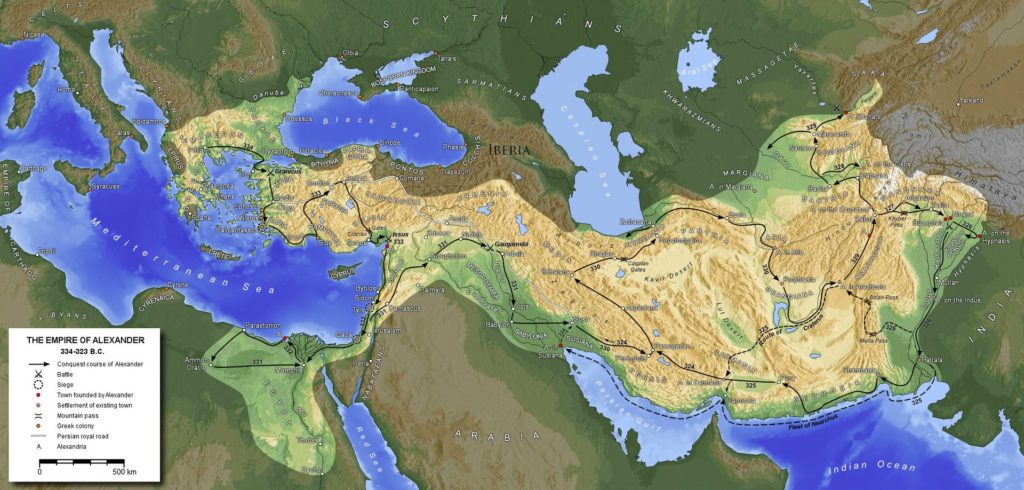
    Alexander captured Jerusalem in 332 BC

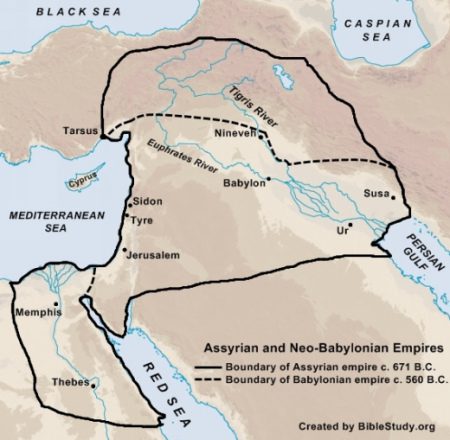
    Although Jerusalem was finally spared by powerful empires from the east, those same empires would fall to Alexander the Great of Macedon about three centuries before Christ.

    Alexander captured the captors of Jerusalem, Egypt, Babylon and Assyria. Consequently, Hellenism and the Greek language assimilated easily into the surrounding cultures of the whole world known to Jerusalem.

    This universal acceptance continued to impact all of the Mediterranean even after Rome’s dominance. Alexandria, which he founded in Egypt, would later become a strategic political center tied to the fates of Rome.

    Just a few generations Before Christ

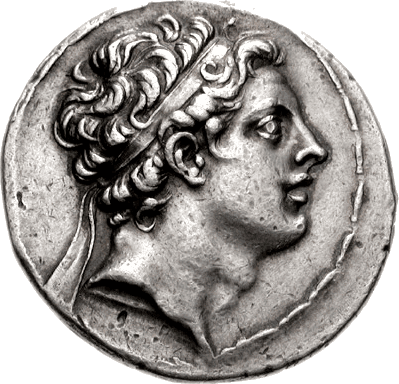
    coin head of Antiochus IV Epiphanes

    (a few generations after Alexander)

    175-163 B.C. The reign of Antiochus IV Epiphanes

    The Seleucid king of the Hellenistic Syrian kingdom who called himself, “god manifest,” caused a revolt in Jerusalem. This overt blasphemy by a ruling emperor forced deep divisions between religious rulers and political thought among local leaders.

    Jews would have taken a stance during the sieges of Tyre and Gaza, ports crucial to trade and the well-being of Jerusalem. The complexity of the political intrigue also involves Rome, Egypt and others, but for Jerusalem the rise of Antiochus IV caused the revolt of the Maccabees.

    Pharisees, Sadducees, Essenes & others

    What do we remember of our history?

    • Moses, first. The Lord led Israel from captivity in Egypt, the the LORD give the Law (Torah) to us through Moses. c. 1525 BC
    • David unites the twelve tribes into one, capturing the promised land.
    • Solomon built the richest and most powerful kingdom and also the Temple. c. 966 BC
    • Israel and Judah separate and both eventually fall to others.
    • Judaism continues in Babylon and prophets predict many things.
    • The Torah was lost and forgotten, but then found during the rebuilding of the second Temple c. 570 BC
    • Several ruling empires tolerated Judaism while ruling over Jerusalem.
    • Antiochus does not, declaring himself ‘God in the flesh’ in the Temple.

    Does this controversy resonate in the conversations of first century Jews? Of course it does.

    “Is Jesus the Messiah,” many would ask?

    Is this man Jesus of Nazareth, brother of James and Joses, actually God Incarnate?”

    Therefore, from this more recent background of Jerusalem’s controversy, James, now leader of the church in Jerusalem, must address the Good News that Jesus IS the promised Messiah.

    Although not unlike today’s controversies, first century believers knew that the expected answer of a questioner could depend upon the party of their religious affiliation. Their questions came from diverse political and religious views.

    167 BC – What to do?

    So what must you do, believer in the Lord God?

    At the time of Antiochus several opposing religious and political movements took root.

    During the formation of the Jewish religious parties and political movements prior to the days of Jesus Christ and Herod, all debated what followers of the Lord must do in each circumstance at various times.

    The question to Jesus or to James in the first century AD remains nearly the same as now in the 21st c. A.D.

    Scribes & Zealots

    One group with both political and religious influence chose to separate religion from politics, claiming the higher ground of religion. The Scribes reached back to the authority of the re-established Law under Ezra the founding priest of the second Temple.

    Zealots took a radically different approach to the invaders taking from them the promised land of God. At various times bands of Zealots hid in the mountains, formed powerful armed communities and used terrorism to attack the invaders from their mountain strongholds. (Does this radical religious military tactic sound at all familiar?)

    כִּֽי־קִנְאַ֣ת בֵּיתְךָ֣ אֲכָלָ֑תְנִי וְחֶרְפֹּ֥ות חֹ֝ורְפֶ֗יךָ נָפְל֥וּ עָלָֽי׃
    because zeal for your house has consumed me,
    and the insults of those who insult you have fallen on me.

    Psalm 69:9 WLC;CSB

    Additional research on Jerusalem’s controversy at this time appears below, along with a brief outline of other Jewish political/religious parties of the first century AD.

    Judah Maccabee – Savior of Judaism

    Excerpts Source: ENCYCLOPEDIA BRITANNICA

    On Antiochus’ death in 164 BCE, the Seleucids offered the Jews freedom of worship, but Judas continued the war, hoping to free his nation politically as well as religiously.

    The son of Mattathias, an aged priest who took to the mountains in rebellion when Antiochus attempted to impose the Greek religion on the Jews, Judas took over the rebel leadership on his father’s death and proved to be a military genius, overthrowing four Seleucid armies in quick succession and restoring the Temple of Jerusalem.

    This deed is celebrated in the Jewish festival of lights, Ḥanukka.

    The Hasmonean Kings of Judah

    The Maccabees founded the Hasmonean dynasty, which began their rule in 167 BC. They eventually managed independence for their kingdom of Judah from 110 BC until 63 BC.

    The decline of the Hasmoneans coincided with the rise of Rome, but it wasn’t coincidence, for the once great Jewish family had become a shell of its holy roots.

    End of the Hasmoneans

    In the year 67 BCE, Queen Salome Alexendra (also known as Queen Shelomtzion) died. With her death, the dynasty of the Hasmoneans began a steady decline. Over the next 20-25 years it would fall apart completely. – source

    Jerusalem’s Controversy after the Hasmoneans

    Although divisions in rabbinic thought existed from earlier times, the onslaught of Roman power into the eastern Mediterranean brought about deeper divides in political and religious alliances.

    A timeline of Jerusalem’s conflict after the end of the Hasmoneans details additional events.

    Ideally, he [Pompey the Great, of Rome] did not want to do it through war, because the Jews – the Hasmoneans/Maccabees – had a fearsome reputation. The Romans referred to the Jews as “porcupines.” Just as a porcupine is an animal that even great predators avoid, so too the Jews. Even if you ate it you would be sorry. Therefore, Pompey wanted to control the Jews without somehow going to war. Source.

    Herods – Kings of Compromise

    NOTE: When you see the name Herod in the Bible, always ask yourself, which one?
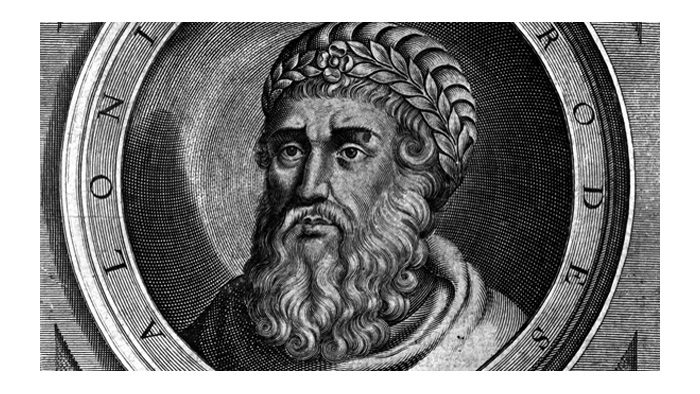
    image of Herod the Great
    Herod the Great

    An article in Christianity Today sheds light on a view likely held by the rich and powerful Jewish leaders in the first century AD.

    In terms of wealth, power, and influence, Herod the Great rivaled King Solomon as the greatest king in the history of the Jews.

    Christianity Today – Dec 22, 2015 – Alexander Stewart

    Herod was born in the Roman region of Idumea (formerly Edom) around 74 BC, built the Roman port of Caesarea and expanded the second Temple in Jerusalem. Christians know Herod for his attempt to prevent an innocent baby born in Bethlehem from becoming King.

    When Pompey’s ally Herod died, not only did Joseph and Mary return with Jesus to Nazareth in Israel, but politically Rome divided his kingdom between Herod’s three sons and daughter. Again, the politics and various names of the Herod’s is complex, but first century Jews became caught up in it all.

    Competing Religious Parties – Jerusalem’s controversy of the Temple

    Party of the Sadducees – 167 BC

    The Sadducees are a Jewish group mentioned in three different contexts in the Synoptic Gospels ( Mark 12:18 ; [= Matt 22:23-34 ; Luke 20:27] ; Matt 3:7 ; 16:1-12 ) and six in Acts ( 4:1 ; 5:17 ; 23:6-8 ). They always appear as inquisitors or opponents of John the Baptist, Jesus, or the early Christians. – Baker’s Evangelical Dictionary

    Rabbinic writings sometimes interchange the term “Sadducee” with “Samaritans” (here meaning “opponents”) and “Boethuians.” The latter is probably from their connection with the house of Boethus, from which came several high priests during the New Testament period.

    Party of the Essenes – 167 BC

    John the Baptist most likely was of one of the Essenes.

    When Jerusalem’s controversy erupted in the second century BC, the Essenes withdrew into the Judean desert and formed an isolated monistic community dedicated to the word of God and obedience to the Lord.

    Unlike the Zealots, the Essenes had no agenda to retake the land of the promised land ‘for God.’

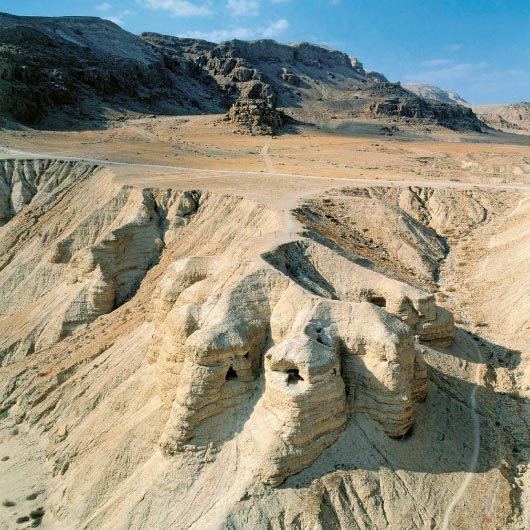
    History recalled little about the Essenes until shepherds recovered the buried Dead Sea scrolls in Qumran Lebanon in A.D. 1948. The slow and meticulous study of these scroll fragments has revealed more in this past century.

    Qumran, between the Judean hills and the Dead Sea. Qumran,

    Party of the Pharisees – 167 BC

    Jerusalem’s controversy most familiar to Christians is that of the resurrection. Not all Jews believed in the resurrection of the body and soul, but the Pharisees did.

    However the party of the Pharisees had already divided into many opinionated sects over the written Law, the oral law, additional regulations and many other controversies. Discussion of these among rabbis reached far beyond Jerusalem into Galilee and other regions.

    Φαρισαῖος – Pharisaios

    In addition to OT books the Pharisees recognised in oral tradition a standard of belief and life. They sought for distinction and praise by outward observance of external rites and by outward forms of piety, and such as ceremonial washings, fastings, prayers, and alms giving; and, comparatively negligent of genuine piety, they prided themselves on their fancied good works. They held strenuously to a belief in the existence of good and evil angels, and to the expectation of a Messiah; and they cherished the hope that the dead, after a preliminary experience either of reward or of penalty in Hades, would be recalled to life by him, and be requited each according to his individual deeds.

    Strong’s G5330 – blueletterbible.org

    Pharisees were not of the class of the rich, but lived a modest life closer to that of many other Jews. These rabbis were likely affectionate, popular teachers similar to most rabbis today.

    They believed that God would act justly based on their works and attitudes toward others. The Law of Moses and oral law designating how we should obey the Lord provided the basis of their teaching and unity of purpose for a life lived separately from evil.

    First Century Pharisees – in Jerusalem’s controversy of leadership

    John the Baptist called them a brood of vipers (poisonous snakes).

    Matthew tells us that ‘the Pharisees went out and plotted against him [Jesus], how they might kill him.’

    Jesus accepted invitations from Pharisees to publicly join them in their homes. However the Lord also rebuked them, frequently including them with their rival party the scribes.

    “Woe to you Pharisees! You love the front seat in the synagogues and greetings in the marketplaces.

    So the chief priests and the Pharisees convened the Sanhedrin and were saying, “What are we going to do since this man is doing many signs?

    John 11:47

    The Apostle John speaks to the delicacy of their political dilemma within the religious leadership of Jerusalem.

    Nevertheless, many did believe in him even among the rulers, but because of the Pharisees they did not confess him, so that they would not be banned from the synagogue.

    John 12:42

    James, Secretive believer in Jesus?

    I have never heard anyone ask if James believed in Jesus before our Lord’s personal appearance to his half-brother after the resurrection.

    As Peter had denied knowing Jesus at His trial, as the Apostles had gone into hiding and even as many Pharisees and others felt obligated to keep their faith in Jesus secret out of fear for their own lives, James may have come to believe in Jesus.

    James, leader of the church in Jerusalem was about to take on a new role, an important sacrificial leadership of a post-Pentecost church. He would lead and write letters to other fearful new Christians from Jerusalem.

    As Jesus had become Jerusalem’s controversy for the Jews, the Herods and the Romans, so too James was about to become just one more controversial leader in Jerusalem in the first century.

    God-willing, we will return to James’ Letter to the Church next.

    To be continued...

  • James – Count It All Joy -2

    James – Count It All Joy -2

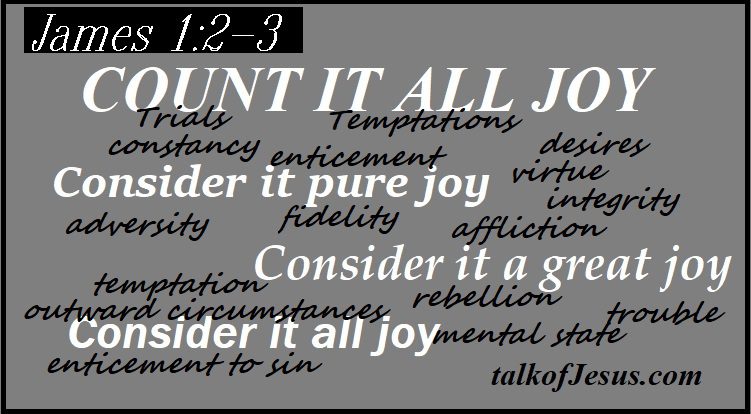
    Count it all joy, my brethren, when you meet various trials…

    James 1:2 RSV

    πειρασμός Trials & Temptations

    Messengers from Jerusalem arrive with a letter from the leader of the church. (Can’t wait to hear their good news.) So what is the first thing James has to say to all of us? Consider all of the various trials and temptations you have all experienced as a cause for joy.

    Christ was crucified and risen just a dozen years ago, then James became head of the church in Jerusalem. Peter and the Apostles work with us as a family of our Lord, sending the Gospel to all of us whenever they can.

    Background to the Persecution of Christians

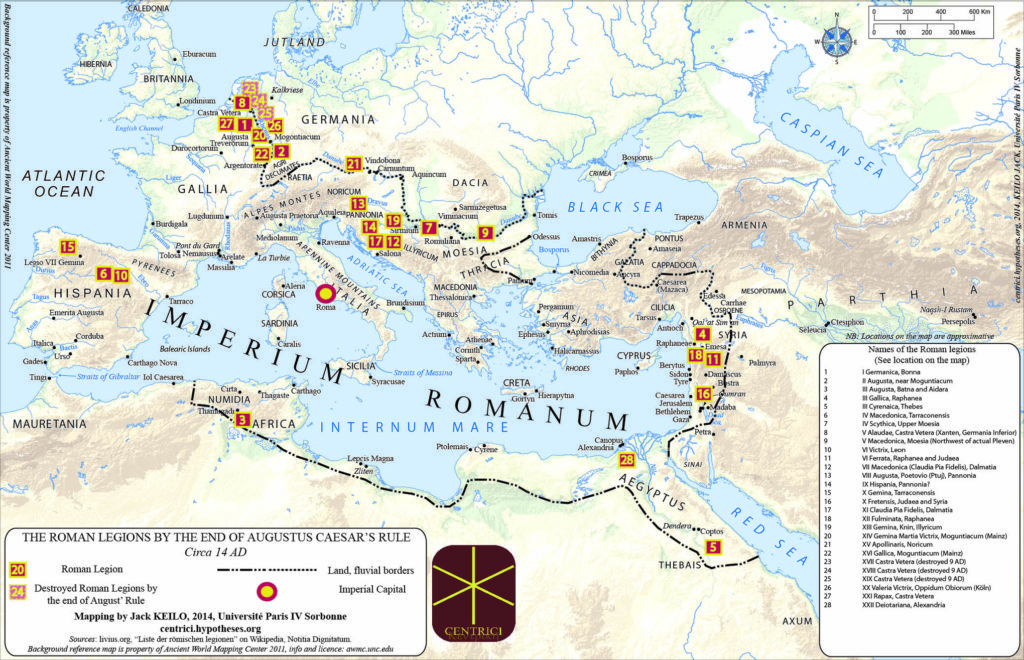
    map of Roman Empire - Augustus organization of Legions
    1st c. Roman Cities

    To Rome, Herod was “King of the Jews,” and when they hung the sign over our crucified Lord they all thought that was the end of it. But after witness of His resurrection our troubles multiplied not only in Judea, but in every city with a synagogue from Coptos to Corinth.

    Romans may arrest, imprison or enslave us. And zealous Jews loyal to Herod follow us to synagogues in every port, persecuting our Elders at any opportunity. We can hardly make a living in any city for fear of our lives.

    Yet for the sake of Christ we worship God our Father with familiar songs and praises.

    Psalm 55:
    4 My heart shudders within me;
    terrors of death sweep over me.
    5 Fear and trembling grip me;
    horror has overwhelmed me...

    12 Now it is not an enemy who insults me—
    otherwise I could bear it;
    it is not a foe who rises up against me—
    otherwise I could hide from him.
    13 But it is you, a man who is my peer,
    my companion and good friend!
    14 We used to have close fellowship;
    we walked with the crowd into the house of God...

    19 God, the one enthroned from long ago,
    will hear and will humiliate them Selah
    because they do not change
    and do not fear God.

    Who Gets the Letters to the Early Church?

    Now those who had been scattered as a result of the persecution that started because of Stephen made their way as far as Phoenicia, Cyprus, and Antioch, speaking the word to no one except Jews.

    Acts 11:19 CSB

    Acts 11:20 But there were some of them, men from Cyprus and Cyrene, who came to Antioch and began speaking to the Greeks also, proclaiming the good news about the Lord Jesus. 21 The Lord’s hand was with them, and a large number who believed turned to the Lord.

    Jews fled Jerusalem and Judea to cities up the eastern coast of the Mediterranean. These followers of Jesus and many new Jewish followers of the Apostles had heard first-hand witnesses to the resurrection. And now they even go to preach to the gentiles – Greeks and Romans. It is a new diaspora of Christ-followers to cities where Jews have already settled.

    Baker Illustrated Bible Commentary

    The commentator, Douglas Moo, describes their circumstances:

    Forced to live away from their home church, these scattered parishioners required exhortation and advice on issues they were facing. What is more natural than that their spiritual guide send them a pastoral letter?

    Perhaps some of these faithful followers of Jesus had even heard the powerful preaching of Stephen as he had been stoned to death.

    Trials and Maturity

    In Jerusalem they stoned and beheaded our beloved brother, James the Greater, son of Zebedee. It’s encouraging that James writes to us to have joy. No doubt all in Jerusalem endure more trials.

    Ἰάκωβος θεοῦ καὶ κυρίου Ἰησοῦ Χριστοῦ δοῦλος ταῖς δώδεκα φυλαῖς ταῖς ἐν τῇ διασπορᾷ χαίρειν

    James 1:1

    James, bond-servant of Theos and the Lord Jesus,” he greets us. God knows his faithfulness to the Apostles and Elders of The Way.

    “To the twelve tribes of the diaspora abroad.”

    Yes, we are the true Israel driven into every part of the world, but now in the victory of our risen Messiah we finally have joy and mercy, grace and peace, and the love of God in our Lord Jesus.

    James writes to us (and his messengers who will go into all the other cities):

    Consider it a great joy, my brothers and sisters, whenever you experience various trials, because you know that the testing of your faith produces endurance. And let endurance have its full effect, so that you may be mature and complete, lacking nothing.

    James 1:2-4 CSB

    We know trials… temptations to live like the Greeks or the Romans, even like the hateful Herodians and hypocrites of the Temple who pursue us.

    Thank God for James and our brothers in Jerusalem, who send encouragement and help to us, so we might survive these trying times. Rome must have been part of God’s plan plan of completion for us. Christ is redeeming this remnant.

    Our Lord has sent us all fleeing into the all the world, and for this James encourages us to count it all joy.

    Joy

    Shout for joy, you heavens!
    Earth, rejoice!
    Mountains break into joyful shouts!
    For the LORD has comforted his people,
    and will have compassion on his afflicted ones.
    - Isaiah 49:13

    James writes to us:

    Let the brother of humble circumstances boast in his exaltation, but let the rich boast in his humiliation because he will pass away like a flower of the field.

    James 1:9-10 CSB

    Our humble circumstances as followers of Jesus brings our hearts low. For we struggle greatly in our daily lives. We can barely provide for our wives and our children. And what will happen to them if our witness for Christ would cost our life here?

    Yes, we are with our Lord, forever; but what will happen to our loved ones? James calls on us to be as humble as Jesus, to have joy for our salvation won. We will hold his proverb from this letter near to our hearts:

    Blessed is the one who endures trials, because when he has stood the test he will receive the crown of life that God has promised to those who love him.

    James 1:12 CSB

    Spurgeon on James

    Excerpt from CSB Introduction to James

    When blessed by God, our trials ripen us. Believers who have endured a great deal of affliction exhibit a great deal of mellowness that you never see in other people. It cannot be mistaken or imitated…

    Do you count it all joy?

    The 19th century preacher points out how different these believers with faith ripened in the burning sun appear as a fruit with unmistakable sweetness.

    Are you, beloved brother, dear sister – suffering in any way for your sweetness in Christ?

    Do trials by those around you refine your witness or delineate your humility?

    Would anyone recognize Jesus by looking at you?

    James has a few firm suggestions to solidify our faith and bring joy to our witness. Consider all of these things.

    To be continued...