Tag: Psalms

  • Hebrews -4- Rest Promised or Pursued?

    But the message they heard did not benefit them…

    Hebrews 4:2a CSB

    Previously I asked, “Will you enter into God’s perfect rest?” The author of Hebrews traces our Hebrew heritage and history back to Moses and then states, “So we see that they were unable to enter [rest] because of unbelief.” It is significant warning to those who only pursue righteousness, rather than obtaining its rest.

    What is rest?

    Perhaps ‘rest from your work,’ as in Sabbath rest, a vacation or retirement?

    Do we think ‘rest in peace,’ when in fact it is rest in life we seek? Vanity. (Or futility, as Solomon suggests in Ecclesiastes.)

    Life convinces me of the elusiveness of rest more each day.

    closed on sunday
    Closed on Sunday – Rest in the Lord (it’s a Commandment).

    We begin with the application of these scriptures about the promised rest in our own lives, but first a look at definitions.

    Hebrews 4:

    Therefore, since the promise of entering his rest still stands – NIV

    Note some subtle differences of approach from verse 1.

    A promise to enter, a promise remains, a promise still open, a promise stands – all promises made, but not yet fulfilled. Surely the Lord will keep His promise.

    The warning of Hebrews 4:1 is that we ‘have fallen short, therefore take heed to our own obligation to the promise of the Lord. In fact, the previous warning to God’s chosen was, “So I sware in my wrath, They shall not enter into my rest.” KJV

    So what role do we have in completing the promises between the Lord and His faithful?

    The followers of Moses and many generations since did not receive the promise. Some continue to pursue the promise, others have abandoned God’s word. What is left to us is an inheritance; a promise not yet received, but a rest to be received – a rest only in the promised Messiah of God.

    “Come to me, all of you who are weary and burdened, and I will give you rest.

    Words of the Messiah Jesus, Matthew 11:28 CSB

    Rest defined

    • ἀναπαύω anapauō – One rest of which Jesus speaks is quiet, calm, an earthly collecting of strength. God can give us rest.
    • נָחַם nacham – in Hebrew is rest. In the sense of being comforted it means that God has compassion on us. In a most curious application from Moses’ story of creation he says,

    Now he called his name Noah, saying, “This one will give us rest from our work and from the toil of our hands arising from the ground which the LORD has cursed.”

    Genesis 5:29 NASB

    The LORD cursed creation, regretted man for our evil on the earth; yet in the LORD’s compassion He called נֹחַ Noah, which means ‘rest’ as a savior of creation.

    Instructions for the priesthood speak of a complete Sabbath, an increased rest in addition to our weekly worship of the LORD.

    שַׁבַּ֨ת שַׁבָּתֹ֥ון הוּא֙ לָכֶ֔ם וְעִנִּיתֶ֖ם אֶת־נַפְשֹׁתֵיכֶ֑ם בְּתִשְׁעָ֤ה לַחֹ֨דֶשׁ֙ בָּעֶ֔רֶב מֵעֶ֣רֶב עַד־עֶ֔רֶב תִּשְׁבְּת֖וּ שַׁבַּתְּכֶֽם׃ פ

    “It is to be a sabbath of complete rest to you, and you shall humble your souls…

    Leviticus 23:32 NASB

    Again, I remind us that first century Jews who practiced regular worship of the LORD with sacrifice knew scripture better than most modern Jews and Christians. The application of a promised rest, a rest pursued by the faithful, had more meaning in completion of the promise.

    • κατάπαυσις  katapausis in the common Greek of the day –
      • a putting to rest or a calming of the winds.
      • resting place; נוּחַ; metaphor for the heavenly blessedness in which God dwells, and of which he has promised to make persevering believers in Christ partakers after the toils and trials of life on earth are ended

    When the author of Hebrews, Paul and other Jews speak of perfection, it is this complete rest in the Lord of which they speak metaphorically.

    εὐαγγελίζω – Good News / Bad News

    We’ve all heard it told: I have good news and bad news. (Which do you want to hear first?) Once again the writer of Hebrews supports his gospel with scripture.

    2 For we also have received the good news just as they did…

    Hebrews 4:2a CSB

    Again he quotes scripture from Psalm 95 and Genesis, applying a warning to us.

    Psalm 95:

    Worship and Warning

    Come, let us shout joyfully to the Lord,
    shout triumphantly to the rock of our salvation!
    Let us enter his presence with thanksgiving;
    let us shout triumphantly to him in song.

    אַל־תַּקְשׁ֣וּ לְ֭בַבְכֶם כִּמְרִיבָ֑ה כְּי֥וֹם מַ֝סָּ֗ה בַּמִּדְבָּֽר׃

    אֲשֶׁ֣ר נִ֭סּוּנִי אֲבוֹתֵיכֶ֑ם בְּ֝חָנ֗וּנִי גַּם־רָא֥וּ פָעֳלִֽי׃

    10 אַרְבָּ֘עִ֤ים שָׁנָ֨ה׀ אָ֘ק֤וּט בְּד֗וֹר וָאֹמַ֗ר עַ֤ם תֹּעֵ֣י לֵבָ֣ב הֵ֑ם וְ֝הֵ֗ם לֹא־יָדְע֥וּ דְרָכָֽי׃

    11 אֲשֶׁר־נִשְׁבַּ֥עְתִּי בְאַפִּ֑י אִם־יְ֝בֹא֗וּן אֶל־מְנוּחָתִֽי׃

    So I swore in my anger,
    “They will not enter my rest.”

    Psalm 95:11 CSB

    A bad news warning

    … and those who formerly received the good news did not enter because of disobedience, 7 he again specifies a certain day—today.

    The writer of Hebrews warns that Joshua did not give them rest.

    Therefore, a Sabbath rest remains for God’s people. 

    11 Let us then make every effort to enter that rest, so that no one will fall into the same pattern of disobedience.

    Make every effort.

    He pleads with the readers and listeners of scripture to σπουδάζω – be diligent or eager to hear the gospel of our promised rest in Christ Jesus, the Messiah.

    Again, the common first century Greek logic to think toward what the LORD God meant in giving rest to us through the Messiah. (And this time don’t ignore His warnings spoken in scripture.)

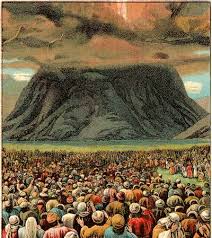
    Then, as if speaking to those who feared the very Voice of G_d spoken from Sinai,

    11 Let us then make every effort to enter that rest, so that no one will fall into the same pattern of disobedience.

    And the author of Hebrews then follows with perhaps scripture’s best reason for all to read, hear and obey scripture.

    The Word of God

    12 For the word of God is living and active and sharper than any two-edged sword, and piercing as far as the division of soul and spirit, of both joints and marrow, and able to judge the thoughts and intentions of the heart.

    Hebrews 4:12 NASB

    The word of God, λόγος logos θεός theos is living and active.

    In the Greek does this have a familiar ring to it, beloved Christian or Messianic Jewish brother or sister?

    ἐν ἀρχῇ ἦν ὁ λόγος καὶ ὁ λόγος ἦν πρὸς τὸν θεόν καὶ θεὸς ἦν ὁ λόγος

    In the beginning was the Word, and the Word was with God, and the Word was God.

    Gospel of John 1:1

    Could the writer of Hebrews possibly be referring to Yeshua the Messiah, witnessed by many as risen from the dead?

    He is living and active! ‘and piercing as far as the division of soul and spirit, of both joints and marrow, and able to judge the thoughts and intentions of the heart.’

    Who can divide the soul and the spirit? Who holds power over our heart and every breath of life?

    Only the LORD God! This sounds like the True Judge, who is ‘able to judge the thoughts and intentions of the heart.’

    Nothing hidden from God’s sight

    The writer of Hebrews then continues appropriate warning to those who hear this word of scripture, all those who seek our promised rest.

    13 And there is no creature hidden from His sight…

    Not you, not his first century Hebrew audience, and certainly not me.

    … but all things are naked and open to the eyes of Him to whom we must give account.

    So imagine the Perfect Judge who can separate joints and marrow, discerning our thoughts and looking upon the nakedness of the intents of our hearts.

    How will we ever rest, when we have not laid down our sin before the Perfect Sacrifice of the Lord, slain for us – the Son of God Who IS and will judge our sin?

    Our Compassionate High Priest

    מֹשֶׁה Mosheh פָּלַל palal עַם `am

    And Moses interceded for the people.

    Numbers 21:7 NASB

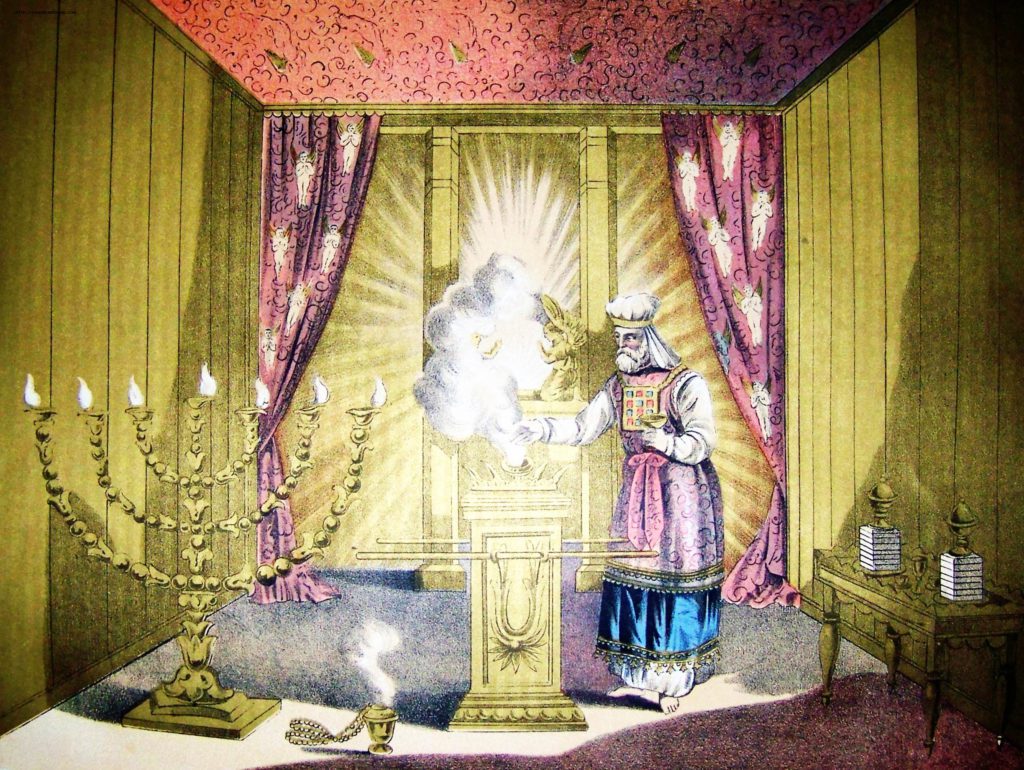
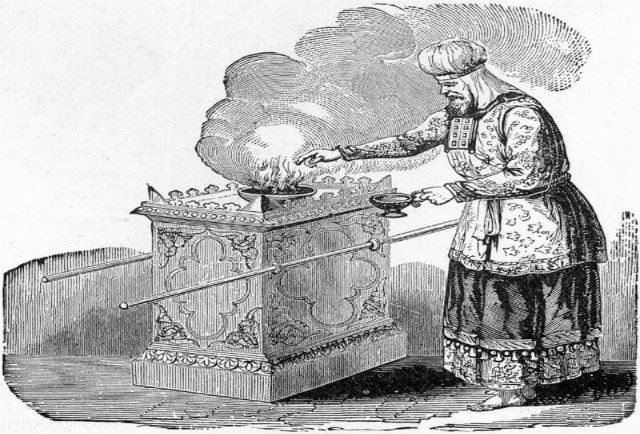
    Moses interceded, then Aaron interceded as High Priest. Later anointed descendants of Levi stood in the Holy of Holies between the people and the Lord. But these godly men were all imperfect.

    Yet all priests, pastors and rabbis sin. Their sacrifices have been imperfect.

    The Messiah, however, is our perfect intercessor, a Son of man like us. He became our sinless Lamb whose Body and Blood were broken and shed for us.

    14 Therefore, since we have a great high priest who has passed through the heavens—Jesus the Son of God—let us hold fast to our confession. 15 For we do not have a high priest who is unable to sympathize with our weaknesses, but one who has been tempted in every way as we are, yet without sin.

    A promise fulfilled – rest in the Messiah Jesus. Confidence that the Lord has chosen us through Him. Yet have we pursued our rest in Christ, or presumed the promise as those who perished in the wilderness?

    Draw near to the Throne of grace, for we have confidence in Christ.

    Receive His compassionate mercy and grace, which is favor with God. For we are chosen if we believe in our compassionate High Priest, Christ Jesus.

    Is this your time of need?

    Do you desire God’s help?

    Pray – pray through our loving intercessor who has descended to His own and ascended to the Throne of heaven.

     To be continued...

  • Hebrews – 3 – Jesus, our Apostle & High Priest

    Therefore, holy brothers and sisters, who share in a heavenly calling, consider Jesus, the apostle and high priest of our confession.

    Hebrews 3:1 CSB

    Why a Priest?

    What do you think of when someone mentions a priest or a high priest?

    https://davidfowlerpreacher.com/2014/06/08/pictures-of-the-holy-spirit/
    Exodus 21:5-7

    A religious ceremony? A regal religious robed man in charge?

    As mentioned previously in Hebrews 2, an anointing or separation of a priest from common impurity symbolizes holiness, a perfection by which he may approach the Lord.

    וְכִפֶּר הַכֹּהֵן אֲשֶׁר־יִמְשַׁח אֹתֹו וַאֲשֶׁר יְמַלֵּא אֶת־יָדֹו לְכַהֵן תַּחַת אָבִיו וְלָבַשׁ אֶת־בִּגְדֵי הַבָּד בִּגְדֵי הַקֹּֽדֶשׁ׃

    Leviticus 16:32

    Again, returning to a Jewish understanding of the Priesthood, the writer of Hebrews points to Jesus the Messiah as a High Priest. G_d the Father appointed Jesus, just as Moses and Aaron were anointed by the LORD.

    5 Moses was faithful as a servant in all God’s household, as a testimony to what would be said in the future.

    but Messiah is faithful as a Son over his house; whose house we are, if we hold fast our confidence and the glorying of our hope firm to the end.

    Hebrews 3:6 Hebrew Names Version

    Moses was… but the Messiah is. The author will make this point again later in his letter to the Hebrews concerning Abraham.

    Jesus is priest of God Most High, a Priest everlasting and perfect Sacrifice before the LORD.

    Jesus is our Apostle sent from God the Father as our High Priest of perfection.

    Do you believe Scripture?

    Once again the author points back to Hebrew scripture in his ‘therefore, watch out’ conclusion of this section of his letter (Hebrews 3).

    7 Therefore, as the Holy Spirit says:

    Today, if you hear his voice,
    do not harden your hearts as in the rebellion.

    קָשָׁה qashah לֵבָב lebab

    Psalm 95:

    “Harden not your heart, as in the provocation, and as in the day of temptation in the wilderness,” a direct quote (KJV) from Psalm 95:8 reiterated for emphasis also in Hebrews 3:15.

    Do you claim Scripture – the very Word of the LORD?

    Listen up! so that there won’t be in any of you an evil, unbelieving heart that turns away from the living God.

    Was God angry for forty years? The bodies of those who sinned – those who did not believe – fell in the wilderness. Who will not enter God’s rest?

    κατάπαυσις – the heavenly blessedness in which God dwells

    Will you, my fellow Hebrews, enter into rest? This, through Scripture, is what the author asks his readers.

    So I sware in my wrath, They shall not enter into my rest.)

    Hebrews 3:11 KJV

    And to whom sware he that they should not enter into his rest, but to them that believed not?

    Hebrews 3:18 KJV

    19 So we see that they were unable to enter because of unbelief.

    Do you believe the scriptural evidence that Jesus is the Messiah?

    Will you enter into God’s perfect rest? Or do you persist to rebel in the wilderness of sin in these last days?

    To be continued...

  • Hebrews – 2 – Pioneer of Perfect Salvation

    In bringing many sons and daughters to glory, it was fitting that God, for whom and through whom everything exists, should make the pioneer of their salvation perfect through what he suffered.

    Hebrews 2:10 NIV

    But we see Jesus… Hebrews 2:9a

    The author begins his letter to his Jewish brothers stating that G_d’s final word is through the Son, not angels or prophets.

    Previously the author of Hebrews has made a case through scripture that Jesus, the Son of God, is higher than the angels.

    Heir of all things

    Who has ascended into heaven and descended?
    Who has gathered the wind in His fists?
    Who has wrapped the waters in His garment?
    Who has established all the ends of the earth?
    What is His name or His son’s name?
    Surely you know!

    Proverbs 30:4 NASB

    Continuing in our study of Hebrews, a letter authored to first century Jews, we now continue the second chapter after what we covered previously in the beginning verses 1-9 in Hebrew 2 – Pay Attention.

    Fitting and proper perfection

    Are you a perfect Jew?

    Or more to a personal point, am I a perfect Christian?

    Of course not.

    So how do we have any chutzpah outside of the Messiah Jesus to say that we may be accepted into eternal life by the Lord? This is the issue of salvation the writer of Hebrews takes on here.

    Hebrews 2:

    For it was bekavod (fitting, proper) for him, for whom are all things and through whom are all things, in bringing banim rabbim (many sons) to kavod, to bring to shleimut (perfection, completion) the Rosh (Head) and Mekhonen (Founder) of their Yeshua’at Hashem through yissurim (suffering).

    Hebrews 2:10 Orthodox Jewish Bible

    Most Christians lack a full understanding of many terms of Hebrew origin like perfection, author, purification and redemption. I am neither a Torah trained Rabbi nor Messianic Jew, but further readings of Paul‘s letters will help you to understand an academic Jewish approach to some of these terms.

    10 – It was fitting for Him

    Various translations of πρέπω read: it became Him, it was bekavod, it was fitting, it was entirely appropriate – the concept that God does what is right and perfect. Jews and Christians must agree that man has a tendency to weigh perfection incorrectly.

    כָּֽל־דֶּרֶךְ־אִישׁ יָשָׁר בְּעֵינָיו וְתֹכֵן לִבֹּות יְהוָֽה׃

    עֲשֹׂה צְדָקָה וּמִשְׁפָּט נִבְחָר לַיהוָה מִזָּֽבַח׃

    Proverbs 21:2,3

    in bringing many sons

    “Many sons – πολύς υἱός speaks of multitudes and not specifically men (as opposed to women) or of a specific son. Think of the beneficiary as humanity, rather than all creation or even the Creator Himself. And what is the benefit – what is our reward?

    unto glory

    “εἰςδόξα – eis doxa – To glory or toward glory.

    Gloria Patri

    Now glory means many things to different people, so let’s be clear in our completed understanding of doxa, as in ‘doxology.’ Yes, praise of God or of a man.

    Glory becomes a Biblical description of the brightness of God, or of the sun, moon, stars, angels or an object; implying magnificence, excellence, preeminence, dignity, grace and majesty.

    God is unsurpassed glory! A higher indescribable brightness. Yet the glory of God has a contrasting glory of which we seldom speak.

    Doxa in Greek translates as an opinion, judgment, view; therefore our human opinion or estimate of someone or something, whether good or bad, is a glory or judgement – Biblically of God, a Most High Glory.

    to perfect

    τελειόω – to complete (perfect), to bring to the end (goal) proposed, to accomplish or bring to a close, a fulfillment by event of the prophecies of the scriptures.

    לָכֵן אֲחַלֶּק־לֹו בָרַבִּים וְאֶת־עֲצוּמִים יְחַלֵּק שָׁלָל תַּחַת אֲשֶׁר הֶעֱרָה לַמָּוֶת נַפְשֹׁו וְאֶת־פֹּשְׁעִים נִמְנָה וְהוּא חֵטְא־רַבִּים נָשָׂא וְלַפֹּשְׁעִים יַפְגִּֽיעַ׃ ס

    Isaiah 53:12

    their head and founder

    We must, at some point in our lives, confess that some have authority over us. (This is assumed in a Biblical-based Hebrew culture.) Current authority, previous authority and a succession of authority all come into play.

    Abraham, Israel, Moses, David and family patriarchs may all be mentioned as a head or founding father of Jews. The Lord granted both His Authority and succession through them. Here the author of Hebrews points to their Higher Authority.

    ἀρχηγός – archēgos implies one that takes the lead in any thing and thus affords an example, a predecessor in a matter, pioneer. Jesus, therefore, becomes a captain or founder, a chief leader or Prince over these who followed.

    Within the same verse His origin was established as ‘Him, for whom are all things, and through whom are all things’… or other translations read: ‘God—for whom and through whom all things exist—...’ Clearly, the Son of God IS God! Jesus IS before all founders and over all authority.

    of their salvation

    Two questions come immediately to mind:

    1. What is salvation?
    2. Whose salvation? (Or who can be saved?)

    σωτηρία sōtēria –Salvation, in Greek, the common language of first century Judea and much of the Roman Empire, refers to deliverance, preservation, safety, even from molestation by one’s enemies. A Roman understanding of sōtēria could have viewed a “savior” as a threat to their own authority.

    In an ethical sense, that which concludes to the soul’s safety, of Messianic salvation.

    יָשַׁע – yasha` is the Hebrew concept. Isaiah asks,

    פָּגַ֤עְתָּ אֶת־שָׂשׂ֙ וְעֹ֣שֵׂה צֶ֔דֶק בִּדְרָכֶ֖יךָ יִזְכְּר֑וּךָ הֵן־אַתָּ֤ה קָצַ֨פְתָּ֙ וַֽנֶּחֱטָ֔א בָּהֶ֥ם עֹולָ֖ם וְנִוָּשֵֽׁעַ׃

    How can we be saved if we remain in our sins?

    Isaiah 64:5 CSB

    The question of who can be saved is one of some debate, which we will not take on today. Since the writer of Hebrews refers to the Son, the Messiah, as God in this introductory passage, we will briefly examine His own answer to this question.

    When the disciples heard this, they were utterly astonished and asked, “Then who can be saved? ”

    Matthew 19:25 CSB

    The Jewish Apostle and tax collector relates consecutive stories about money, the rich and salvation, asking the Messiah who can be saved. Hear His answer:

    26 Jesus looked at them and said, “With man this is impossible, but with God all things are possible.”

    Matthew 19:26 CSB

    Not even an Apostle or rich ruler can earn salvation or buy perfection. Yet God the Father has made a way for the completion of sinful man.

    through sufferings.

    διά dia πάθημα pathēma

    We hesitate here, even that the Messiah must suffer, let alone that we must in death. Yet the meaning is clear: that which one suffers or has suffered. We shrink from some of the descriptions of sufferings: misfortune, calamity, evil, affliction.

    Many of us have experienced some of the afflictions which Christians must undergo. And we know we cannot endure that with the Messiah suffered for our sins as a Sacrifice painfully crucified on the Cross.

    Hebrews and gentiles know that in perfection a price must be paid for sin.

    Sanctification – ἁγιάζω

    To sanctify is to purify, separating from the profane and dedicating or consecrating to a Holy God.

    How can a sinner be consecrated to the Lord God?

    The author of Hebrews continues by assuring us that the Messiah Jesus completed our sanctification and He, the crucified Son of Man calls us brothers (or sisters). What undue grace and love of those of the world. And grace for both Jew and gentile, grace for those of the first century and sinners of this twenty-first century.

    Once again the writer of Hebrews quotes familiar scripture, even the very song
    from Psalm 22 יְהוֹשׁוּעַ Yĕhowshuwa` cried out from the cross! He also quotes the historical record of Samuel and the prophet Isaiah.

    Again, I will trust in him. And again, Here I am with the children God gave me.

    Hebrews 2:13 CSB

    The Lord God has become a personal God on the Cross!

    וְה֥וּא כֹהֵ֖ן לְאֵ֥ל עֶלְיֹֽון׃

    a Priest of G_d Most High

    The writer of Hebrews closes this section about Jesus becoming our Pioneer of Perfection with explanation why the Son of Man became a High Priest for us.

    17 Therefore, he had to be like his brothers and sisters in every way, so that he could become a merciful and faithful high priest in matters pertaining to God, to make atonement for the sins of the people.

    More about atonement and our need for this Priest in Hebrews 3.

    To be continued...