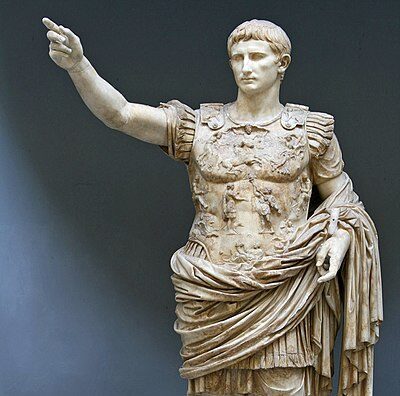

Tag: roman

  • The Gospel of an Angel to Cornelius

    The Gospel of an Angel to Cornelius

    ACTS 10 of Cornelius – a devout Roman Centurion

    Now there was a man in Caesarea named Cornelius, a centurion of what was called the Italian [~600 man] cohort, a devout man and one who feared God with all his household, and made many charitable contributions to the Jewish people and prayed to God continually.

    Who do we see here?

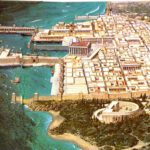
    A Roman soldier in a navy town built by Caesar.

    A devout humble worshipper of God.

    A family man, leader of his household as well.

    A generous man who gave to the Jews subjected to Roman rule, taxes and its army.

    This is the Italian Centurion Κορνήλιος [Cornelius].


    We have already read about the Angel he will encounter in ACTS 10:3

    Learn more about angels by clicking on our previous post below.
    About the ninth hour of the day he clearly saw in a vision an angel of God who had just come in and said to him, “Cornelius!”

    Answer to a Roman prayer:

    And he looked at him intently and became terrified, and said, “What is it, lord?”

    Cornelius, a Roman centurion, calls the Angel, lord; that is respectfully addressing him as “sir” and waiting for the response of a superior.

    And he said to him, “Your prayers and charitable gifts have ascended as a memorial offering before God.

    ACTS 10:4b – the answer of an angel to the Roman Centurion Cornelius
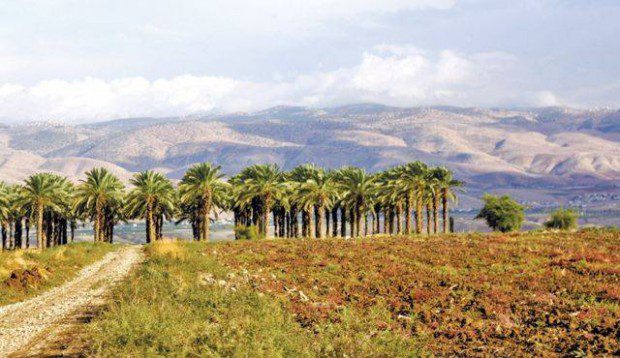
    plain of Sharon Israel looking back from Mediterranean toward Joppa and the samarian hills

    Meanwhile, back in Joppa

    Peter stayed in Joppa for many days with a man named Simon who was a leatherworker. – CLICK HERE for Greek, English, Italian & Russian for Acts 9:43

    We have already travelled to Joppa from Jerusalem with Simon Peter in Luke's account prior to this angelic encounter in Caesarea.
    Ταβιθά – Δορκάς – Dorcas = “gazelle”
    the name of a woman Peter raised from the dead

    An Angel’s Command to a Roman Soldier in Caesarea

    piadoso y temeroso de Dios con toda su casa, y que hacía muchas limosnas al pueblo, y oraba a Dios siempre.

    Hechos 10:2 :: Reina-Valera 1960 (RVR60)

    Luke’s Greek text describes Cornelius as εὐσεβής [eusebēs]. We would not want to miss the significance of worshipers of God of any ethnicity. [Above]

    The word in Spanish resembles an English word which will put off some free-thinking evangelicals, but don’t miss it:

    AN ANGEL of GOD came to an Italian in Roman Syria.

    (NOT a Hebrew like the Apostles).

    Cornelius is NOT even a Greek like Luke, born a Greek and a Gentile in Antioch, Syria.

    The word Luke uses to describe him is Pious.

    Cornelius EXEMPLIFIES the ACT of being pious or dutiful to all – especially God.


    The Angel’s Messengers to Peter

    εὐαγγέλιον [pronounced] yoo-ang-ghel’-ee-onGospel

    • good tidings
    • same as εὐαγγελίζω (G2097)
      • to bring good news, to announce glad tidings
    • Do you recall from our look at Angels that they are messengers from God generally with a message for a man of God?

    ΠΡΑΞΕΙΣ ΤΩΝ ΑΠΟΣΤΟΛΩΝ [ACTS] 10:4-8

    “Now dispatch some men to Joppa and send for a man named Simon, who is also called Peter; he is staying with a tanner named Simon, whose house is by the sea.”

    ACTS 10:5-6 [NASB20] of an Angel of God instructing Cornelius with his gospel message

    Obedient immediate response to the gospel

    7 The angel who spoke to Cornelius left.

    Then Cornelius called two of his servants and a soldier. The soldier was a religious man, one of his close helpers.

    8 Cornelius explained everything to these three men and sent them to Joppa.


    NEXT: A most unlikely lunch meeting in Joppa

    Comment on Scripture in our series from ACTS +
    Share the Gospel of Jesus Christ our Lord

    TalkofJESUS.COM + Acts of the Apostles for a 21st c. Church
  • He distinctly saw an angel of God

    He distinctly saw an angel of God

     “Cornelius!” the angel said.

    Cornelius stared at him in terror.

    “What is it, sir?” he asked the angel.

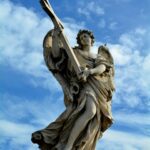
    ACTS 10:4 of angels

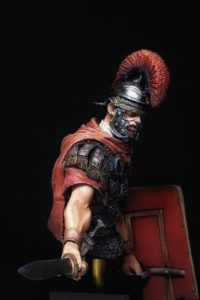
    roman centurion

    Sir, yes Sir!?!

    ACTS 10: of an angel & a Roman warrior

    What an unlikely scene in this new missionary journey of Twelve Jewish Apostles of JESUS the Messiah of Israel.

    Luke records an encounter of a Roman soldier, Cornelius, with an angel of God!

    Previously, we left Peter in Joppa, where the Apostle has just performed another resurrection.

    We will get to Cornelius and then Peter; but TODAY I would like us to consider the role of an angel of God in the mission of the Church.

    A missionary moment with a timeless messenger

    Man, even a prophet or an Apostle, is mortal – spirit adorned in flesh with beating heart tirelessly churning the blood of life from limb to limb.

    We know the nature of a fellow being of dust whom we meet in the street.

    But what of an angel?

    How would you and I react to such an encounter with that which is unlike us – an angel – a living being created of spirit without flesh and bone, an eternal messenger who may appear to mankind only once in many lifetimes?

    What do we really know about angels?

    Angels in art have blurred our view of truth, eternity and the messengers of the Lord our God.

    Roger@TalkofJESUS.com
    • What do YOU think?

    We cannot take time here for an exhaustive quest for God-sent angels or an unveiling of messengers veiled in darkness, but let’s glance at the evidence of angels in the Bible.

    What do you know about them?

    Angels in a Biblical Context

    • Question: What book of the Bible makes the most mentions of an angel (or angels)?
    If you guessed: The Revelation of Jesus Christ to John [51x in the KJV]
    you would be correct. (But that's a scene somewhat challenging for any to get a clear picture of an angel in its usual mission for the Lord.)
    • What about all the angels in Luke’s Gospel announcing Jesus’ birth?
      • Pretty good guess. [15x KJV] But it comes in fifth.
      • Two Old Testament Books come in at #3 and #4.
        • Any guesses? [hint: one is a Prophet]
        • CLICK HERE for that answer [19x]

    • TWO books of the Bible, one in the Old Testament and one in the New Testament, contain the most references (second only to Revelation) to an angel or angels).

    • DO YOU KNOW WHAT THESE TWO BOOKS REFERRING TO ANGELS HAVE IN COMMON?

    Answer:

    History.

    • #3 is Judges
      • & you have probably guessed..
    • #2 is ACTS of the Apostles.
    So before we proceed with our look at an angel bringing messages to Cornelius, Peter and others, let's take a brief glance at what the Bible reveals about these messengers of God.

    מַלְאָךְ

    mal’āḵ – From an unused root meaning to despatch as a deputy

    1. messenger
    2. angel
    3. the theophanic angel

    a messenger; specifically, of God, i.e. an angel (also a prophet, priest or teacher):—ambassador, angel, king, messenger.

    Strong’s H4397 – mal’āḵ

    An angel may be a heavenly being with a message from God.

    BUT a man such as Zechariah (or the Apostle John) may also bring a commanded message and/or a prophetic message of the future from the Lord.

    We see this many times:

    • And the angel H4397 of God spake unto me in a dream, saying, Jacob: And I said, Here am I.
    • And Jacob went on his way, and the angels H4397 of God met him.
    • And Jacob sent messengers H4397 before him to Esau his brother unto the land of Seir, the country of Edom.

    We needn’t debate if these angels of specific instances were men or heavenly beings; the point is that these angels bring a message of God to men and women for whom He cares.

    וַיַּעַל מַלְאַךְ־יְהוָה מִן־הַגִּלְגָּל אֶל־הַבֹּכִים פ וַיֹּאמֶר אַעֲלֶה אֶתְכֶם מִמִּצְרַיִם וָאָבִיא אֶתְכֶם אֶל־הָאָרֶץ אֲשֶׁר נִשְׁבַּעְתִּי לַאֲבֹתֵיכֶם וָאֹמַר לֹֽא־אָפֵר בְּרִיתִי אִתְּכֶם לְעוֹלָֽם׃

    CLICK FOR ENGLISH TRANSLATION FROM HEBREW: Shoftim (Judges) 2:1 :: Westminster Leningrad Codex (WLC)
    Would you like to READ an encounter from the Old Testament between an angel and the parents of Samson?
    CLICK HERE FOR JUDGES 13 CSB with ten references to this angel.

    Angel in the New Testament

    ἄγγελος – angelos

    • The KJV translates Strong’s G32 in the following manner:
      • angel (179x),
      • messenger (7x).

    Thayer’s Greek Lexicon

    STRONGS G32:
    ἄγγελος, -ου, ὁ,

    1. a messenger, envoy, one who is sent: Matthew 11:10; Luke 7:24, 27; Luke 9:52; Mark 1:2; James 2:25. [From Homer down.]
    2. In the Scriptures, both of the Old Testament and of the New Testament, one of that host of heavenly spirits that, according alike to Jewish and Christian opinion, wait upon the monarch of the universe, and are sent by him to earth, now to execute his purposes (Matthew 4:6, 11; Matthew 28:2; Mark 1:13; Luke 16:22; Luke 22:43

    ἄγγελος θεός – angelos theos

    AN ANGEL OF GOD

    Acts 10:3 (and other passages) referenced by Thayer’s Greek Lexicon [above]

    He saw in a vision evidently about the ninth hour of the day an angel of God coming in to him, and saying unto him, Cornelius.

    sent by him to earth, now to execute his purposes

    hence, the frequent expressions ἄγγελος (angel, messenger of God, מַלְאָך) and ἄγγελοι κυρίου or ἄγγελοι τοῦ Θεοῦ.


    They are subject not only to God but also to Christ (Hebrews 1:4ff; 1 Peter 3:22, cf. Ephesians 1:21; Galatians 4:14), who is described as hereafter to return to judgment surrounded by a multitude of them as servants and attendants: Matthew 13:41, 49; Matthew 16:27; Matthew 24:31; Matthew 25:31; 2 Thessalonians 1:7, cf. Jude 1:14.


    Up until now, we have encountered an angel seven times in Acts of the Apostles.

    What is your COMMENT about any similarities and differences between these seven angels we have met so far in ACTS of the Apostles?


    NEXT: Cornelius and the Angel of God

    in ACTS 10: [click for NASB]

  • The Gatekeeper & the Shepherds

    The Gatekeeper & the Shepherds

    Then the watchman saw another man running; and the watchman called to the gatekeeper and said, “Behold, another man running by himself.”

    And the king said, “This one also is bringing good news.”

    2 Samuel 18:16
    watchtower at Jerusalem gate
    Watchtowers at gates of old city

    Of Gatekeepers and Watchmen

    Soldier of Roman Legion

    It would have been a Roman Centurion, Roman guards at the gates of first century Jerusalem.

    Armed soldiers, some who had marched on Roman roads connecting nearby towns and slaughtering rebellious zealots in the mountain passes guarded the gates.

    As each festival approached with its crowds of pilgrims flooding the streets of Jerusalem, each watchtower with its Roman overseers would look to turn back any threat to their subject-king and their Caesar.

    A Roman guard in each watchtower of Jerusalem would have sent out an alarm if any opponent approached their captive city.

    They were unlike the faithful who worshiped here and the not so casual crowds of curious visitors of this day.

    Damascus Gate of Jerusalem
    • Who approaches our city?
    • Will they enter through the gate by permission of their king (or city leader)?
    • Are they any threat to the Emperor’s representative, our leaders and our Legions?

    Who may enter?

    It was common practice of the people, including shepherds leading sheep for the slaughter of the sacrifice, to travel here from far away hills and trade within Jerusalem’s walls. Then they worshiped within the courts of their Temple, surrounded by walls of watchmen.

    The gatekeeper is much more than a ticket taker, so to speak, a man of authority.

    Please keep in mind the context of John’s gospel in the earthly journey of Jesus and the Apostles to Jerusalem. Although we pause once more in John’s witness of a man born blind, the context of Jesus’ actions set the stage for what will happen next.

    Rome will destroy Jerusalem later, as Babylon and others had destroyed her before. This nervous alliance between a subject king of the region and ruler of Rome governed the day-to-day lives of Judea’s subjects.

    Some mattered more than others. A ruling council guarded their revamped religion and culture: Pharisees, Sadducees, rich landowners paying taxes for the Roman army to remain there in peace.

    They kept pretense of self-rule under Herod as a self-subjugated nation which could be crushed by Rome at any hint of rebellion.

    A Roman legacy of a Judean King

    Back in 19 B.C., Rome had allowed their great builder king to start rebuilding the Temple. Ten thousand skilled laborers and a thousand Levites built it with contributions of Jews mostly from the diaspora to the east just beyond Rome’s grip. It would not be completed until A.D. 63, just seven years prior to their destruction of all Jerusalem. – Source

    Those now in authority choose who may enter Jerusalem. Several acted as gatekeeper for a gate entering the court of the Temple, a designated religious police poised at its gates. And as always, those judged for crimes were sentenced by a court sitting at the gate.

    But now their jewish judgments must be confirmed by Rome’s prefect who cruelly crushed opposition by the constant reminders of their Roman crosses of crucifixion along roads to the city.

    Like always, men of no threat to anyone often sat within the gates begging from faithful pilgrims coming and going into the city.

    poor pilgrims to Jerusalem
    “For you always have the poor with you; but you do not always have Me. – the words of Jesus, Matthew 26:11 NASB

    David’s Watchmen

    When David was king, Jerusalem had fought for the LORD rather than bowing down to a Caesar. Yet even David sat as gatekeeper of Israel after opposition by his own son.

    David’s great kingdom long forgotten, Jerusalem’s leaders mustered the crowds toward a new faith of confidence by the name of David, although few remembered David’s defeats and difficulties.

    One such ne’er-told scripture would have been of David’s time after Absalom’s revolt. It was a day not so grandiose as their many reminders to first century crowds of Solomon’s first Temple.

    2 Samuel 18:

    Then David numbered the people who were with him and set over them commanders of thousands and commanders of hundreds…

    So the king stood beside the gate, and all the people went out by hundreds and thousands…

    6 Then the people went out into the field against Israel, and the battle took place in the forest of Ephraim. (Note Ephraim’s earlier loss of the blessing of Jacob.)

    7 The people of Israel were defeated there before the servants of David [Judah], and the slaughter there that day was great, 20,000 men…

    17 They took Absalom and cast him into a deep pit in the forest and erected over him a very great heap of stones. And all Israel fled, each to his tent.

    24 Now David was sitting between the two gates; and the watchman went up to the roof of the gate by the wall, and raised his eyes and looked, and behold, a man running by himself. The watchman called and told the king.

    And the king said, “If he is by himself there is good news in his mouth.”

    And he came nearer and nearer. Then the watchman saw another man running; and the watchman called to the gatekeeper and said, “Behold, another man running by himself.”

    And the king said, “This one also is bringing good news.”

    Why send two?

    Two messengers. King David awaits good news as he sits in the gate as gatekeeper of the City of David.

    Men from the watchtowers above see a distant scene long before David has news of what has happened. Two separate messengers approaching the stronghold of Jerusalem where the people had kept their king behind as gatekeeper.

    Why two? What details of the battle for the LORD will they reveal?

    “O my son Absalom

    The report of hope turns into great sorrow for the king.

    “Let my lord the king receive good news, for the Lord has freed you this day from the hand of all those who rose up against you.”

    “Let the enemies of my lord the king, and all who rise up against you for evil, be as that young man!”

    33 The king was deeply moved and went up to the chamber over the gate and wept.

    Though his victory as King is secured, David would have done anything to have kept his own son from death.

    And thus he said as he walked, “O my son Absalom, my son, my son Absalom! Would I had died instead of you, O Absalom, my son, my son!”

    2 Samuel 19:

    8 So the king arose and sat in the gate. When they told all the people, saying, “Behold, the king is sitting in the gate,” then all the people came before the king…

    After several violent battles between the rebellious tribes of Israel David prevails as king.

    Solomon then becomes Israel’s richest and greatest king, building the Temple of the Lord. But in his old age Solomon falls away from his faith and at his death Israel and Judah once again divide.

    After some centuries both kingdoms fall, the Temple of Solomon destroyed.

    A Babylonian-built Jewish temple

    Perhaps you have never considered that the temple in Jerusalem could never have been rebuilt over the ruble where the Law was found without Persia’s and Babylon’s help. Of course, the LORD made it possible as the LORD had influenced Pharaoh before.

    “Thus says Cyrus king of Persia, ‘The LORD, the God of heaven, has given me all the kingdoms of the earth and He has appointed me to build Him a house in Jerusalem, which is in Judah.

    Ezra 1:2 NASB

    Therefore, ‘in order to fulfill the word of the LORD by the mouth of Jeremiah, the LORD stirred up the spirit of Cyrus king of Persia.’ [Ezra 1:1]

    For every house is built by someone, but the builder of all things is God.

    Hebrews 3:3 NASB

    Therefore, just as the Holy Spirit says,
    “TODAY IF YOU HEAR HIS VOICE,

    DO NOT HARDEN YOUR HEARTS AS WHEN THEY PROVOKED ME,
    AS IN THE DAY OF TRIAL IN THE WILDERNESS…

    Hebrews 3:7-8 NASB

    Nehemiah & Ezra

    Prophets like Isaiah, Jeremiah and Ezekiel warned both Israel and Judah to return to the LORD, but they also provided hope for later faithful generations of God’s faithfulness.

    Although building of the second temple was begun around 516 BC (many centuries after David), it was not completed until about 349 BC under the leadership of Ezra and Nehemiah.

    Then I said to them, “You see the bad situation we are in, that Jerusalem is desolate and its gates burned by fire. Come, let us rebuild the wall of Jerusalem so that we will no longer be a reproach.”

    Nehemiah 2:17 NASB

    Again, note the passage of time and the patience of the LORD in completing His plan of redemption.

    Nehemiah 4:

    He [Sanballat] spoke in the presence of his brothers and the wealthy men of Samaria and said,

    “What are these feeble Jews doing?

    Are they going to restore it for themselves? Can they offer sacrifices? Can they finish in a day? Can they revive the stones from the dusty rubble even the burned ones?”

    The importance of gatekeepers guarding the gates of the faith, as well as the city continued as it had since the time of David and traditions of Moses.

    1 Chronicles 9

    A century before the beginning of the rebuilding of the temple

    … And Judah was carried away into exile to Babylon for their unfaithfulness.

    17 Now the gatekeepers were Shallum and Akkub and Talmon and Ahiman and their relatives (Shallum the chief being stationed until now at the king’s gate to the east)…

    20 Phinehas the son of Eleazar was ruler over them previously, and the Lord was with him. Zechariah the son of Meshelemiah was gatekeeper of the entrance of the tent of meeting. All these who were chosen to be gatekeepers at the thresholds were 212.

    The Pharisees and priests (Levites) of the rebuilt temple of the first century had legitimacy of guarding the purity of the faith of the LORD.

    Now the leaders of the people lived in Jerusalem, but the rest of the people cast lots to bring one out of ten to live in Jerusalem, the holy city, while nine-tenths remained in the other cities.

    Nehemiah 11:1 NASB

    Isaiah 60:

    ק֥וּמִי א֖וֹרִי כִּ֣י בָ֣א אוֹרֵ֑ךְ וּכְב֥וֹד יְהוָ֖ה עָלַ֥יִךְ זָרָֽח׃

    2 כִּֽי־הִנֵּ֤ה הַחֹ֙שֶׁךְ֙ יְכַסֶּה־אֶ֔רֶץ וַעֲרָפֶ֖ל לְאֻמִּ֑ים וְעָלַ֙יִךְ֙ יִזְרַ֣ח יְהוָ֔ה וּכְבוֹד֖וֹ עָלַ֥יִךְ יֵרָאֶֽה׃

    We will next return to first century Jerusalem, but first hear the words of the Prophet Isaiah. (Without knowing their context you may have heard them before.)

    Arise, shine;
    For your light has come!
    And the glory of the Lord is risen upon you.

    The Gentiles shall come to your light,
    And kings to the brightness of your rising.
    “Lift up your eyes all around, and see:
    They all gather together, they come to you;
    Your sons shall come from afar,
    And your daughters shall be nursed at your side.
    Then you shall see and become radiant,
    And your heart shall swell with joy…

    Yet previously Isaiah the Prophet had warned:

    His watchmen are blind,
    All of them know nothing.
    All of them are mute dogs unable to bark,
    Dreamers lying down, who love to slumber;
    And the dogs are greedy, they are not satisfied.

    And they are shepherds who have no understanding;
    They have all turned to their own way,
    Each one to his unjust gain, to the last one.

    Into this same Jerusalem the Messiah Jesus enters the gates, encounters the watchmen and shepherds of Herod. Among other signs the Lord gives a man blind from birth his sight!

    Could the LORD have sent a new gatekeeper of heaven to Jerusalem?

    To be continued...