Tag: rome

  • Kings, Governors, Politicians & Priests 2โ€“ Pontius Pilate

    Kings, Governors, Politicians & Priests 2โ€“ Pontius Pilate

    ฮคฮฏฮฝฮฑ ฮบฮฑฯ„ฮทฮณฮฟฯฮฏฮฑฮฝ ฯ†ฮญฯฮตฯ„ฮต ฮบฮฑฯ„แฝฐ ฯ„ฮฟแฟฆ แผ€ฮฝฮธฯฯŽฯ€ฮฟฯ… ฯ„ฮฟฯฯ„ฮฟฯ…

    โ€œTis katฤ“goria pherล kata ho anthrลpos hoytos?

    John 18:29 โ€“ question of Pilate to the Jews who brought Jesus before him

    โ€œWhat accusation do you bring against this Man?โ€

    Pilate’s question to those who brought Jesus before him is most appropriate for any judge of a man brought to law before the court.

    Previously we discussed in Kings, Governors, Politicians & Priests โ€“ Power in the Palaces of Justice the political nature of the accusations of Jerusalem’s religious officials. We also addressed why the Jewish prosecutors brought their Messiah to the Roman Prefect, Pontius Pilate.

    Then the Jewish leaders took Jesus from Caiaphas to the palace of the Roman governor. By now it was early morning, and to avoid ceremonial uncleanness they did not enter the palace, because they wanted to be able to eat the Passover.

    John 18:28 NIV

    John 18:

    29 Therefore Pilate went out to them and said, โ€œWhat accusation do you bring against this Man?โ€

    30 They answered and said to him, โ€œIf this Man were not an evildoer, we would not have delivered Him to you.โ€

    Did these Jewish religious prosecutors answer Pilate’s question – what charge against this man?

    The Jewish officials make no specific charge before the judge of this court, the Governor Pilate. They indict Jesus as ‘an evildoer.’

    31 So Pilate said to them, โ€œTake Him yourselves, and judge Him according to your law.โ€

    In effect, the Roman Governor of all the province of Judea acting as High Court Judge of Jerusalem tells them, ‘Case dismissed.’

    Politics & Religion

    If you read too quickly through the trial transcript (as we often do Scripture) you may miss more of the motivation and underpinnings of politics and religion in Jerusalem.

    • Pilate (Governor and Judge) dismisses the case of the Jews against Jesus.
    • The Prosecutors (Jewish officials) appeal his judgment immediately.
    We'll return to the Praetorium of Pilate,
    but first the questions of politics.

    Who is Pontius Pilate?

    Pontius Pilate (Latin: Pontius Pฤซlฤtus [หˆpษ”ntษช.สŠs piหหˆlaหtสŠs]; Ancient Greek: ฮ ฯŒฮฝฯ„ฮนฮฟฯ‚ ฮ ฮนฮปฮฌฯ„ฮฟฯ‚, Pรณntios Pilรกtos) was the fifth governor of the Roman province of Judaea, serving under Emperor Tiberius from 26/27 to 36/37 AD.

    Source: Wikipedia
    • First, Pilate is Roman in every context of culture.

    • Second, Pilate is a politician.

    He was appointed by Roman leaders as Prefect for this challenging eastern extreme of the Empire. His ten year appointment means that Pilate has full understanding of Jerusalem’s politics of religion prior to the Jews bringing Jesus to trial.

    It may be helpful to think of the Roman Prefect Pilate, governing from Herod’s elegant palace during every large Jewish festival, as a governor replacing the former kings – a sort of remote emperor of Rome.

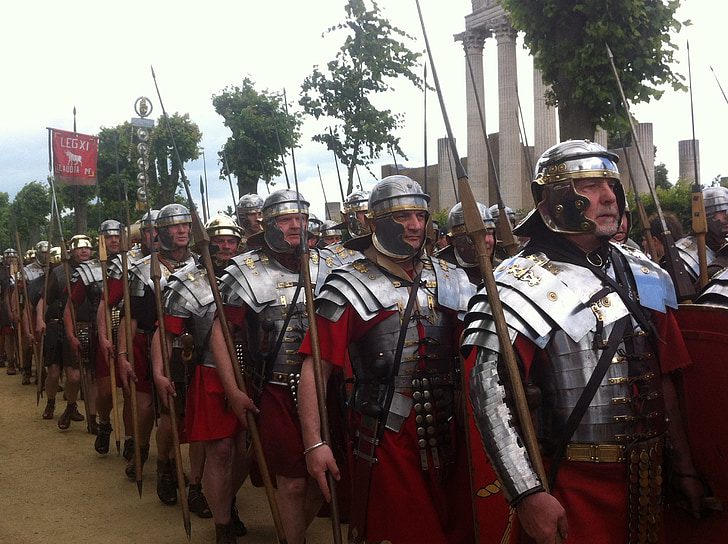
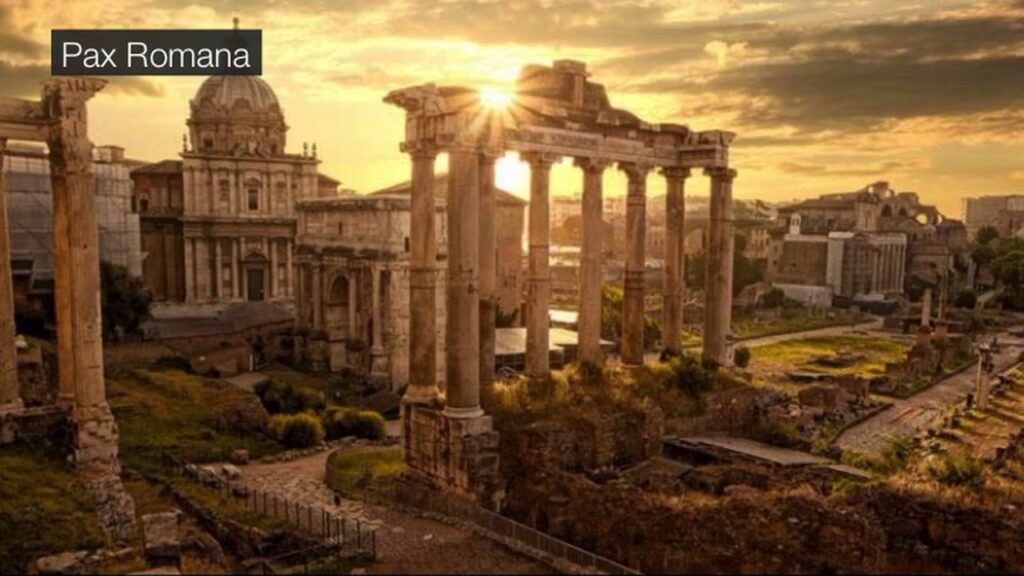
    He commands nearly 3000 troops, which Pilate can order at will to control Jerusalem’s crowds and zealous pilgrims. Jesus’ trial for Pilate falls only in the jurisdiction of keeping the pax Romana peace for Rome in Jerusalem.

    To understand Pilate, Rome’s Governor, you first must understand the politics & religion of Rome.

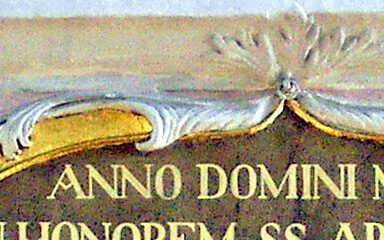
    anno Domini is Medieval Latin and means “in the year of the Lord”

    Rome – 1st c. Anno Domini

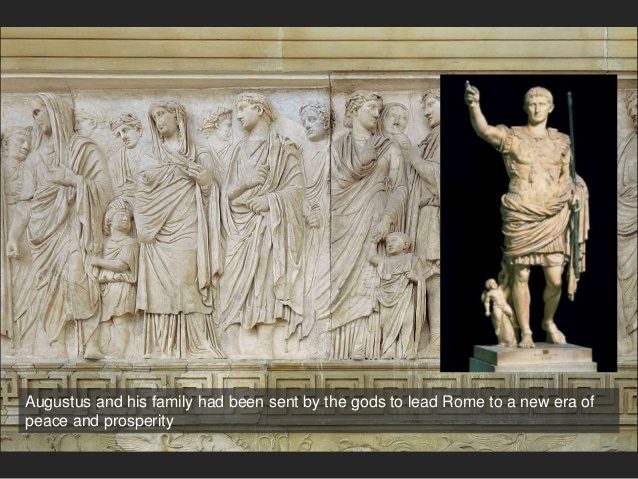
    We know the connection of Caesar Augustus to the birth {in approximately 6-4 BC} of Jesus Christ.

    In those days Caesar Augustus issued a decree that a census should be taken of the entire Roman world.

    Luke 2:1 NIV

    But understand the politics of Caesar throughout the Empire over time and gain insight into Pilate’s politics in this trial of Jesus {in approximately AD 30-33} far-removed from Rome in distant Judea.

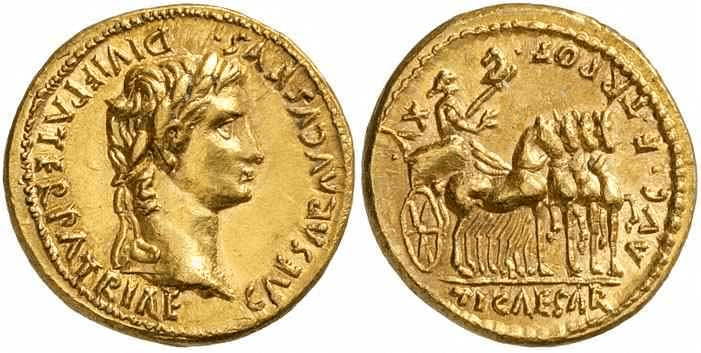
    Coin of Caesar Augustus

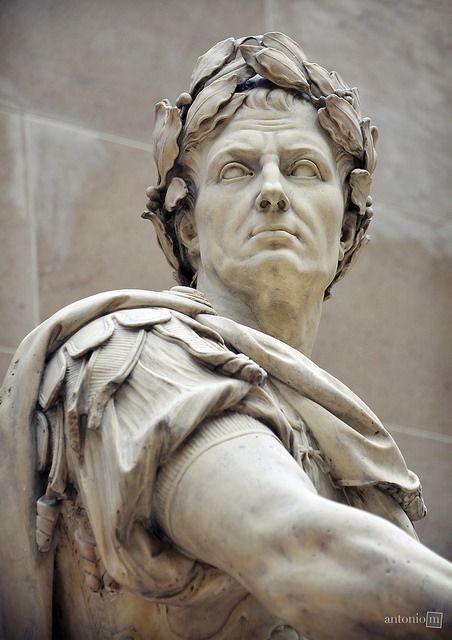
    Caesar

    ฮšฮฑแฟ–ฯƒฮฑฯ,ย ฮšฮฑฮฏฯƒฮฑฯฮฟฯ‚ย ,ย Caesarย (properly, the surname of Julius Caesar, which being adopted by Octavianus Augustus and his successors afterward became an appellative, and was appropriated by the Roman emperors as a part of their title)

    • Tiberius Caesar Augustus was the second Roman emperor, reigning from AD 14 to 37 (during the time of Jesus’ trial). He succeeded his stepfather, the Roman emperor Augustus. – source: Wikipedia
    • Tiberius’s father, also named Tiberius Claudius Nero, a high priest and magistrate, was a former fleet captain for Julius Caesar. – source: Britannica.com
      • Don’t miss this: he was a Roman soldier commanding a fleet AND a judge AND a high priest; that is military, governing and religious authority
    • Emperor (Tiberius Caesar Augustus), ‘one of the greatest Roman generals’ appointed Pontius Pฤซlฤtus [หˆpษ”ntษช.สŠs piหหˆlaหtสŠs] governor of the Roman province of Judea in AD 26/27 {a few years prior to Jesus’ trial for which he is best known}.
    More about the politics & religions of Rome to come…
    Page TWO - Please click Page 2 below for the questions.
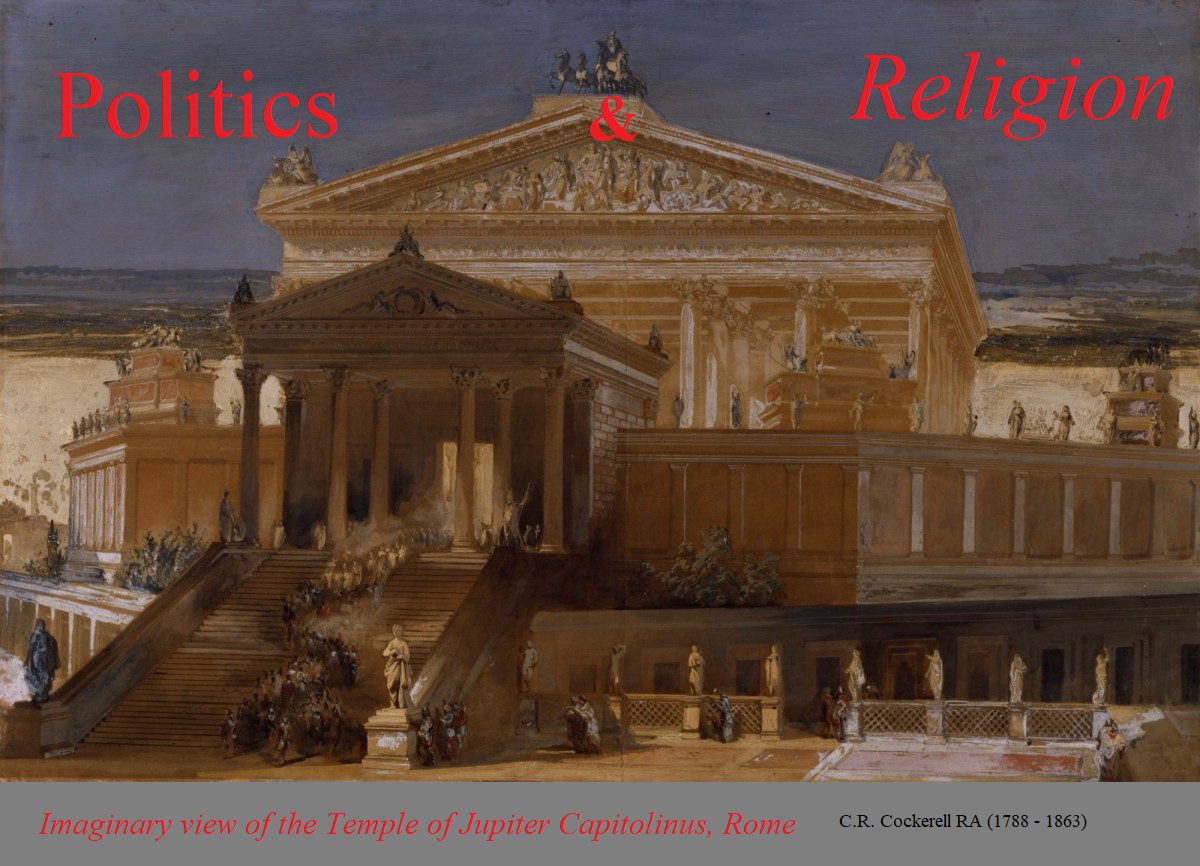
    We’ll return to the Pilate’s trial of Jesus Christ, but I would like to provide a few more resources about the politics and religions of the Roman Empire before we do.

    To be continued...

    Pages: 1 2

  • Kings, Governors, Politicians & Priests – Power in the Palaces of Justice

    Kings, Governors, Politicians & Priests – Power in the Palaces of Justice

    Then led they Jesus from Caiaphas unto the hall of judgment: and it was early; and they themselves went not into the judgment hall, lest they should be defiled; but that they might eat the passover.

    John 18:28 KJV

    the Praetorium – in the Palace of Power

    painting of scene of banquet table of Herod with Salome presenting head of John the Baptist
    Herod’s Palace – Salome presents head of John the Baptist to Herod

    I don’t know about you, but the rapid-fire events of the conviction of the Messiah Jesus in so brief a time in the early hours of the day confuses me concerning the places these trials took place.

    If you have a comment of clarification please add it to this post.

    IF, unlike those present at the Lord’s first century trials you do not understand who is in charge, the venues of Jesus’ trials can get a little confusing.

    You may ask, ‘What does this banquet hall of Herod..’ (where King Herod had been presented the head of John the Baptist) ‘.. have to do with the Messiah Jesus on this morning following the betrayal of Judas?’

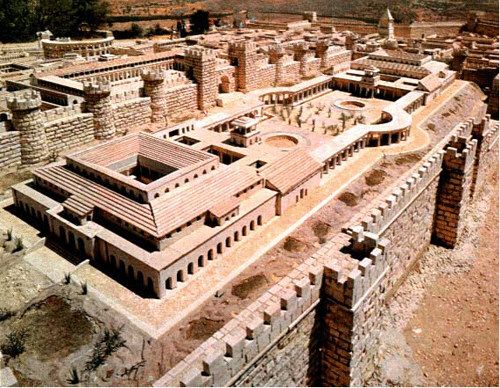
    The Praetorium is a semi-public place where Jesus has been sent — this place is on the grounds of the palace of King Herod.

    Let’s look back briefly at the history of the keys players in this developing drama which convicts the Messiah Jesus at night.

    King Herod

    Briefly, the history of the Herod’s gets complicated at times, but remember here that we are not talking about Herod the Great who navigated the complex politics of Rome with great agility.

    After Herod’s death, Augustus Caesar ratified the wishes of his client king, Herod, to divide this eastern territory of Rome into three parts.

    Source: Herodian Tetrarchy
    From Wikipedia, the free encyclopedia
    1. Herod Archelaus was appointed Ethnarch (a governor & not king) of Idumaea, Judea (including Jerusalem) and Samaria.
    2. Herod Antipas (simply, Antipas to the Romans & his subjects, but described as ‘Herod‘ in the Gospels) became Tetrarch ofย Galileeย (including Nazareth and Capernaum) andย Perea.
    3. Philip I, son of Herod the Great and Cleopatra of Jerusalem, became Tetrarch of the northern part of Herod’s kingdom (area in modern Lebanon & Syria).

    ‘Governor Herod

    You've never heard Herod called that, have you?

    This is no longer the Jerusalem of Herod the Great! Jews are now considered merely as an ethnic people and Judeans an ‘ethnic group’ similar to nearby client Roman states. They are now governed as a regional people rather than as a small kingdom allied to Rome for mutual military advantage.

    Ethnarch (technically) is a Roman rank just a little higher than Tetrarch. (Kind of like Arch-Bishop is to Bishop in the church.)

    Judean Governors (like Herod) sometimes appear politically and practically to be more Roman than like traditional sons of David.

    IF these Herod’s were officially governors of their respective Roman regions, i.e. Judea, Galilee, Ituria, etc., — who then governed the governors?

    Who governs these Jews?

    John now addresses the question of who’s in charge in Jerusalem, who’s in charge of Judea, which Tetrarch governor of which ethnic region has authority in what was once the Kingdom of Israel.

    As Jesus is dragged from place to place for trial the quiestions mount:

    Is He a Judean? A Galilean? A Jew with authority in Jerusalem? A would-be King? Who IS this Man?

    Other Gospel writers have hinted earlier how this delicate duality of rule in first century Jerusalem provided opportunity of great hypocrisy among the rulers of the Jews and their religious political parties, i.e. Sadducees, Pharisees, etc..

    The scribes and the chief priests tried to lay hands on Him…

    So they watched Him, and sent spies who pretended to be righteous, in order that they might catch Him in some statement, so that they could deliver Him to the rule and the authority of the governor.

    Luke 20:19a,20 NASB

    โ€œIs it lawful for us to pay taxes to Caesar, or not?โ€

    But He detected their trickery and said to them,

    โ€œShow Me a denarius. Whose likeness and inscription does it have?โ€

    They said, โ€œCaesarโ€™s.โ€ – Luke 20:22-24 NASB

    John 18:

    28 Then they led Jesus from Caiaphas into the Praetorium, and it was early; and they themselves did not enter into the Praetorium so that they would not be defiled, but might eat the Passover.

    29 Therefore Pilate went out to them and said,

    โ€œWhat accusation do you bring against this Man?โ€

    the Praetorium – palace of the Governor

    WAIT! Even knowing something of the political intrigue and complexity of the Herod’s, I’m still confused.

    Again, please comment if you can help or have a question.

    Note that the King James Version {at beginning of this post} states:

    ‘Then led they Jesus from Caiaphas unto the hall of judgment…’

    I get that a hall of judgment could be a large room in the palace.


    Note now in the NASB translation,

    ‘.. into the [a]Praetorium..’

    AND by definition:

    ฯ€ฯฮฑฮนฯ„แฝฝฯฮนฮฟฮฝ = Praetorium [note a]

    ‘John 18:28 i.e. governorโ€™s official residence’

    Why is Pilate there?

    Why does Pilate emerge from the Governor’s palace to greet the religious police who have taken the Messiah Jesus into custody?

    The CSB clearly calls it 'the governorโ€™s headquarters.'

    Wasn’t Pilate’s headquarters outside Jerusalem’s walls with the Roman Legion he commanded?

    NO!

    When Rome moved into a captured land they ‘civilized’ its remaining residents to become supporting (taxed) residents (not citizens) under Roman rule. As long as they paid their taxes and did not rebel against Roman authority these local Jews could do what they want with their own ethnic people.

    What accusation?

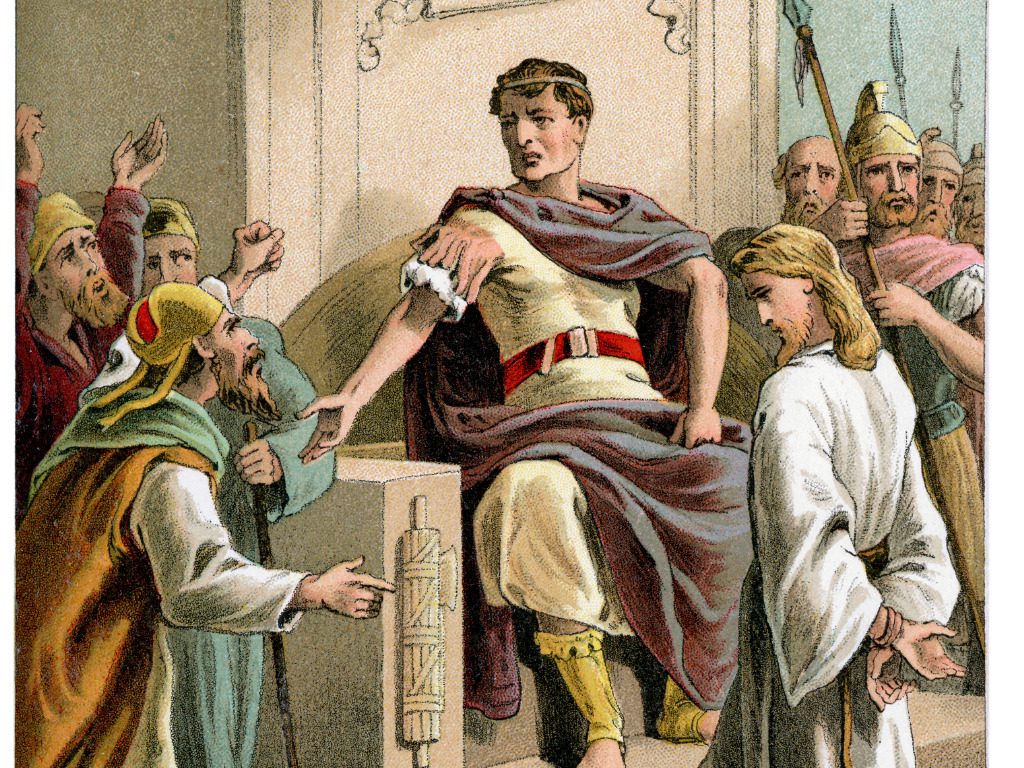
    Roman custom is such that some public judgments are made from the court of the Governor in charge. Pilate asks the local Jewish leaders who have led a prisoner to him the reasonable question of a Governor and Judge:

    https://www.blueletterbible.org/nasb/jhn/18/1/t_concf_1015029ฮคแฝทฮฝฮฑ ฮบฮฑฯ„ฮทฮณฮฟฯแฝทฮฑฮฝ ฯ†แฝณฯฮตฯ„ฮต ฮบฮฑฯ„แฝฐ ฯ„ฮฟแฟฆ แผ€ฮฝฮธฯแฝฝฯ€ฮฟฯ… ฯ„ฮฟแฝปฯ„ฮฟฯ…

    “Tis katฤ“goria pherล kata ho anthrลpos hoytos?

    John 18:29 – question of Pilate to the Jews who brought Jesus before him

    These Jewish leaders of Jerusalem have brought a prisoner to Pilate in the earliest hours of the morning. Pilatos, the sixth Roman procurator of Judah and Samaria, addresses them in the universal language of the vast Empire, Greek not his native Latin, the religious Hebrew tongue of these Jews or a local Aramaic language.

    Their prisoner bound for trial appears to be Jesus, who had led thousands of followers to Jerusalem’s gates just a few days ago. Pilate would already know that the Man has not caused any trouble, except one minor incident within the courts of the Jews own Temple.

    The Governor has plenty to be concerned about for the upcoming day in monitoring the massive multitudes here for the Jewish holiday Pesach.

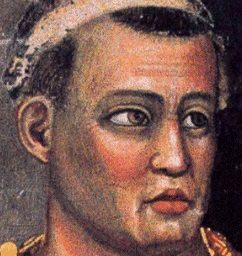
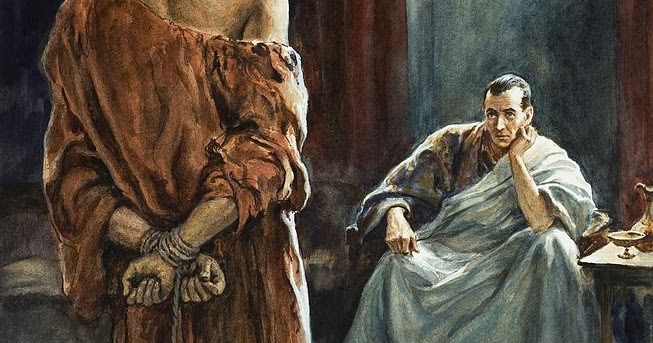
    painting of pontius pilate

    Imagine the thoughts of Pilatos:

    You’ve brought a prisoner to the governor in these early hours of this busy day?

    What does your warrant accuse that I should imprison the Man now?

    I have more important things to do than trifle with such matters of your religious concern.

    So Pilate, the governor, went out to them and asked,

    โ€œWhat is your charge against this man?โ€

    John 18:29 NLT
    To be continued...
    
  • Hebrews – Benediction

    What is a benediction? Where did it originate and why is it the most appropriate closing to this or any letter?

    Perhaps you have heard a benediction or two, in Latin or another language, words sung closing a worship service.

    โ€œSo they shall invoke My name on the sons of Israel, and I then will bless them.โ€

    Numbers 6:22 NASB

    Benedictus Dominus Deus Israel
    Canticle of Zechariah
    Benedictus also known as the Canticle of Zechariah, is one of the hymns for Maundy Thursday in Holy Week. It was sung by the Jewish priest Zechariah, father of St. John the Baptist, in thanks for the son bestowed upon him by God. source:
    Benedictus Dominus Deus Israel:

    Definition: Benediction

    From the earliest times the records bear testimony that pronouncing the benediction or giving the blessing was a common practice. In the temple service, this duty was assigned to the Aaronites and was made an impressive part of the service. The form of the benediction used is given in Nu 6:22-27. References to this practice may be found in Le 9:22; De 10:8; 2Ch 30:27. After a time, minute directions were given concerning it and careful preparation was made for this part of the service. source: International Standard Bible Encyclopaedia

    The Priestly Blessing

    โ€œThe Lord bless you and keep you;
    The Lord make His face shine upon you,
    And be gracious to you;
    The Lord lift up His countenance upon you,
    And give you peace.โ€ โ€™

    The blessing of worship given by the one who stands between the congregation and the Lord. Go in peace.

    Although an appropriate closing for a letter to be read to the congregation of a church, not all letters to the churches ended with such a benediction.

    Other Closings of Letters to the Church

    I have linked some benedictions of Paul above. Some letters such as James offer no benediction, while others close briefly.

    Peace to all of you who are in Christ. – First Letter of Peter 4:14B

    Some combine it with a closing caution and others offer just the exhortation.

    Little children, guard yourselves from idols. – 1 John 5:21

    While his last letter, the Revelation of Jesus Christ to John closes:

    แผฉ ฯ‡แฝฑฯฮนฯ‚ ฯ„ฮฟแฟฆ ฮบฯ…ฯแฝทฮฟฯ… แผกฮผแฟถฮฝ แผธฮทฯƒฮฟแฟฆ ฮงฯฮนฯƒฯ„ฮฟแฟฆ ฮผฮตฯ„แฝฐ ฯ€แฝฑฮฝฯ„ฯ‰ฮฝ แฝ‘ฮผแฟถฮฝ แผˆฮผแฝตฮฝ

    The grace of our Lord Jesus Christ be with you all. Amen.

    Hebrews

    Before we conclude Hebrews 13 which begins, ‘Let love of the brethren continue’ and ends with a benediction, let’s take a brief look at the focus of the author’s letter.

    ื”ืื’ืจืช ืืœ-ื”ืขื‘ืจื™ื 1 Habrit Hakhadasha/Haderekh (HHH)
    ื ืœืคื ื™ ืฉื ื™ื ืจื‘ื•ืช ื“ื™ื‘ืจ ืืœื•ื”ื™ื ืืœ ืื‘ื•ืชื™ื ื• ื‘ืืžืฆืขื•ืช ื”ื ื‘ื™ืื™ื ื‘ื“ืจื›ื™ื ืฉื•ื ื•ืช, ื•ืกื™ืคืจ ืœื”ื, ืฉืœื‘ ืื—ืจื™ ืฉืœื‘, ืขืœ ืชื•ื›ื ื™ื•ืชื™ื•.
    2 ืืš ืขืชื”, ื‘ืื—ืจื™ืช ื”ื™ืžื™ื, ื“ื™ื‘ืจ ืืœื™ื ื• ืืœื•ื”ื™ื ื‘ืืžืฆืขื•ืช ื‘ื ื•, ืืฉืจ ื‘ื™ื“ื• ื”ืคืงื™ื“ ืืช ื”ื›ื•ืœ ื•ืขืœ-ื™ื“ื• ื‘ืจื ืืช ื”ืขื•ืœื ื•ืืช ื›ืœ ืืฉืจ ื‘ื•.

    God, after He spoke long ago to the fathers in the prophets in many portions and in many ways, in these last days has spoken to us in His Son, whom He appointed heir of all things, through whom also He made the world.

    Hebrews 1:1-2 NASB

    The author of Hebrews’ point of scripture: God speaks to us in various ways. And now the Son, Jesus, heir and creator of the world, has spoken.

    3 The Son is the radiance of Godโ€™s glory and the exact expression of his nature, sustaining all things by his powerful word.

    Hebrews 1:3 CSB

    Jesus, the Son IS exactly, God’s own glory! Quite a statement. Because we are human, the Father became human in the flesh of the Son.

    3: Therefore, holy brethren, partakers of the heavenly calling, consider the Apostle and High Priest of our confession, Christ Jesus, who was faithful to Him who appointed Him, as Moses also was faithful in all His house.

    Note that the Apostle is ‘one sent with orders’ and so was the Son to us. The writer refers to us as holy partakers of the heavenly calling. For this same calling Christ Jesus is our High Priest.

    8:6 Jesus has now obtained a superior ministry, and to that degree he is the mediator of a better covenant, which has been established on better promises.

    But Christ came as High Priest of the good things to come, with the greater and more perfect tabernacle not made with hands, that is, not of this creation.

    Hebrews 9:11 NKJV

    15 Therefore, he is the mediator of a new covenant… Jesus secured a promised eternal inheritance, because of His Perfect Sacrifice for our sins.

    10:19 Therefore … enter the Holiest by the blood of Jesus, 20 by a new and living way which He consecrated for us, through the veil, that is, His flesh..

    Persecuted believers in Rome and beyond

    The persecution of Christians in Rome had likely already begun and these Hebrews likely faced severe social suffering, starvation, banishment and even death. So the writer of Hebrews encourages these prior to his closing.

    Endure the race of faith and persecution for His sake. Continue to love each other and continually praise God.

    17 Obey your leaders and submit to them, for they keep watch over your souls as those who will give an account.

    Pray also for me. This familiar theme of connection between leaders of the church separated from those they love. The author suggests that their prayer could lead him to be returned to them sooner. (Perhaps he is imprisoned or hiding elsewhere due to cautious fear for his life.)

    Benediction of the letter of Hebrews

    Now may the God of peace, who brought up from the dead our Lord Jesusโ€”the great Shepherd of the sheepโ€”through the blood of the everlasting covenant, equip you with everything good to do his will, working in us what is pleasing in his sight, through Jesus Christ, to whom be glory forever and ever. Amen.

    Hebrews 13:20-21 CSB

    God IS a God of peace, even when peace seems nowhere near.

    Jesus, Shepherd of the church, was brought up from the dead; therefore we honor Him as Lord. Do His will. All glory to Christ Jesus! Amen.

    This lesser shepherd of the church then encourages them with some additional timely good news of others they know. The author then closes:

    13:25 แผก ฯ‡แฝฑฯฮนฯ‚ ฮผฮตฯ„แฝฐ ฯ€แฝฑฮฝฯ„ฯ‰ฮฝ แฝ‘ฮผแฟถฮฝ

    Grace be with you all.

    Philippine Madrigal Singers

    For by His Blood we have grace and peace.