I will indeed bless you, and I will greatly multiply you.
Hebrews 6:14; Genesis 22:17
What an inheritance we expect from God! A blessing passed on from generation to generation, then unto us and eventually to our heirs. No chosen people can claim any inheritance like the Jews.
From a detailed Commandment and covenants of scripture the LORD makes wondrous promises of inheritance to the generations. Trouble is, none of us are faithful – no not one. For we all sin against God and must often repent. This is reason enough for our sacrifice as part of our worship. It goes back to Genesis, the faith of Abraham in the beginning.
Faith beyond traditions
“THEREFORE,” begins the writer of Hebrews in this important transition of his letter, leave elementary school. And learn the important things of our faith beyond the obvious traditions and practices.
Two dangers confront believers.
- We stand where we are. We are chosen by God, we are ‘in,’ we were born into the right religion and family line. Heaven is assured for us (but not others) and God blesses me because of who I am.
- Or we turn back from where we ought to be. Call it ‘intentional sin,’ for we want nothing to do with God. No repentance, ever. And who cares about God’s inheritance?
The writer of Hebrews begins by asking us not to stand still in our elementary look at religion. We must repent of our ‘dead works,’ which we think ought to earn us a fair judgment.
Hebrews 6:
Therefore, let us leave the elementary teaching about Christ and go on to maturity, not laying again a foundation of repentance from dead works, faith in God…
Hebrews 6:1 CSB
Why do we need perseverance in our faith? Because just following the rules does not assure us eternal life.
2 teaching about ritual washings, laying on of hands, the resurrection of the dead, and eternal judgment.
Basics. These are the foundation of our elementary school. We know these practices, but these ritual works are not the steps of faith which lead to our inheritance.
4 For it is impossible to renew to repentance those who were once enlightened, who tasted the heavenly gift, who shared in the Holy Spirit… and who have fallen away.
Listen, here; for you know these who claim to be ‘christians.’
… they are recrucifying the Son of God and holding him up to contempt.
Hebrews 6:6B CSB
Beloved believers, he speaks of Jews who have come to know the Messiah and received the Holy Spirit. Yet they turn away from an inheritance of their eternal promise to stand on their own right works.
And dear Christian brothers and sisters, who does not know one recrucifying Christ with easy teachings denying Christ’s commandment?
Many despaired that Jesus did not come to the Jews taking the Throne of the Temple victoriously. Even now many Christians lament the same.
Christ came not to conquer a throne of Jerusalem, but to conquer sin and death upon the altar of sacrifice. For זָבַח the sacrifice is that which is given, slaughtered in divine judgment.
God’s love for the world
Who receives the blessings of God? John’s gospel also points toward this.
He came to his own, and his own people did not receive him. But to all who did receive him, he gave them the right to be[e] children of God, to those who believe in his name, who were born, not of natural descent…
John 1:11-13a CSB
God blessed the Jews, but also blesses the gentiles. The writer of Hebrews uses the blessing of God’s rain as illustration. God’s blessing falls upon the good and the evil. (What will you do with this same blessing?)
7 For the earth which drinks in the rain that often comes upon it, and bears herbs useful for those by whom it is cultivated, receives blessing from God; 8 but if it bears thorns and briers, it is rejected and near to being cursed, whose end is to be burned.
He says, “We are confident of better things in you. God is not unjust and will not forget your work. He remembers your labors of love toward Him and toward the saints. (NOT Saints, revered examples of the faiths with a capital “S,” but saints, our beloved fellow followers of Christ.)
Ministering to the saints
For God is not unjust to forget your work and labor of love which you have shown toward His name, in that you have ministered to the saints, and do minister.
Hebrews 6:10 NKJV
We show our love of God through ministering to others who grow in His love. These saints in our midst receive the same rain by which the Lord blesses us.
Let us not become the thorns to be sifted into the fire of judgment.
He asks us to demonstrate the same diligence for the full assurance of your hope until the end. Do others receiving rain turn against us? Or do they rail against the Lord, even persecuting some proclaiming Christ even to death? Yes, but death only of this flesh of dust, which has received the water and the Spirit.
We minister to our fellow saints,serving the Lord’s Holy messengers of the Spirit, fellow failing flesh given eternal life. And the writer gives us the reason.
12 … so that you won’t become lazy but will be imitators of those who inherit the promises through faith and perseverance.
These saints some churches capitalize, “Saints,” as examples for us. Yet the call of Christ and scripture is to minister to the many ‘saints’ among us. For we are the church, saints in the flesh, are brothers and sisters of the Lord by the Spirit.
God’s Promise through Abraham
The writer of Hebrews makes clear that not even all followers of Moses received the promise. He now mentions how God guarantees His promise, referring back to Genesis 22.
God swore it; Abraham waited; his heir waited. And for what reason did the LORD swear this oath to Abraham of the promise?
That we who have fled for refuge might have strong encouragement to seize the hope set before us. [v.18]
We still expect God to act for us NOW. (Nothing has changed since Abraham and Moses.) Yet the LORD has purpose in blessing different generations with His more perfect will of eternal promise.
How does the writer of Hebrews link Abraham and the Messiah Jesus? Once again, he returns to the most symbolic Holy of Holies, which Moses later built.
This Hope as an anchor of the soul
19 We have this hope as an anchor for the soul, firm and secure.
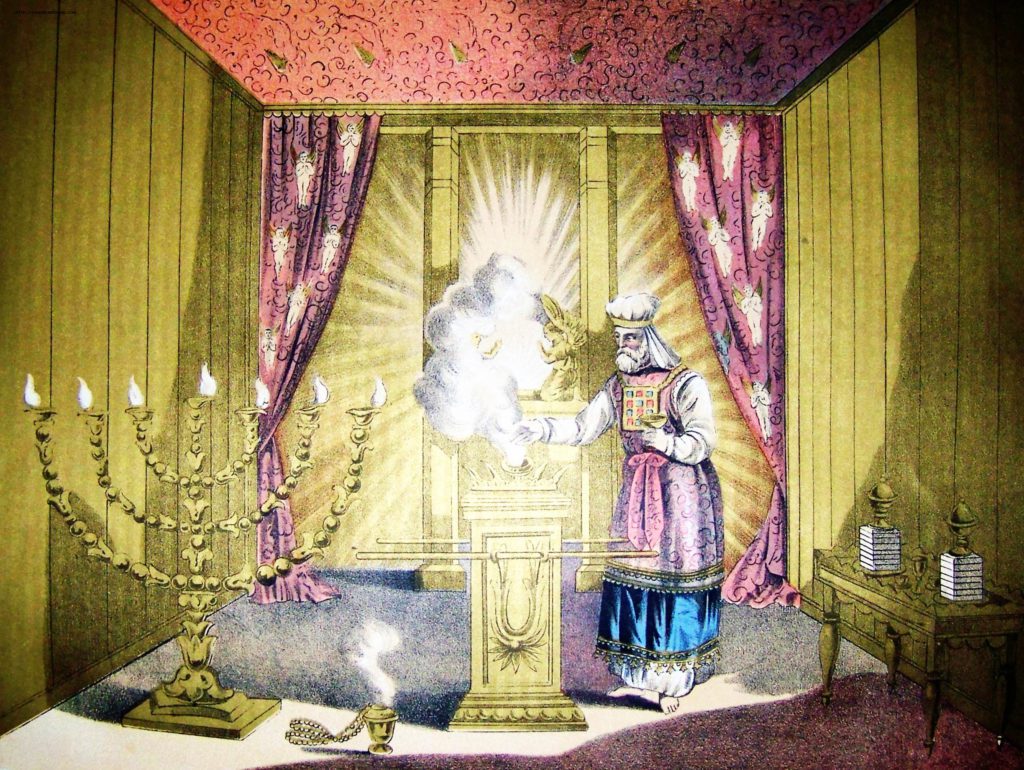
It enters the inner sanctuary behind the curtain. 20 Jesus has entered there on our behalf…
As our hopes and fears leave us tossed about in the depth and vastness of eternity; yet like a ship held secure, Christ holds us in place. He makes the most certain intercession for our soul in the Holiest place before God the Father.
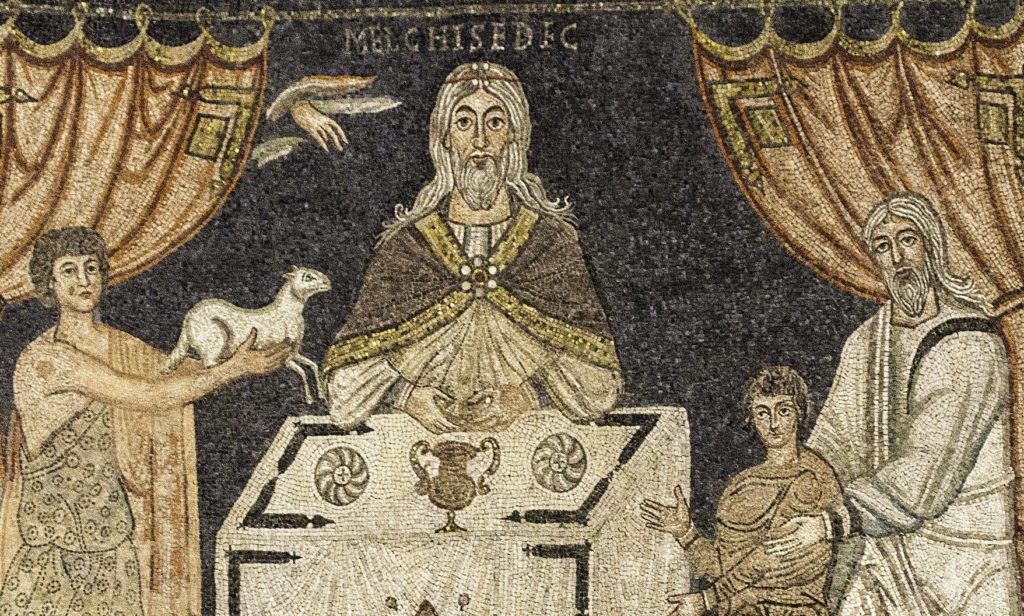
20 Jesus has entered there on our behalf as a forerunner, because he has become a high priest forever according to the order of Melchizedek.
Once again, the writer of Hebrews compares Jesus Christ to Melchizedek. He will follow this mature teaching through scripture in his next chapter.
To be continued...