How does a veil torn in the Temple on Good Friday connect all Jews to Christians of the 21st century Church?
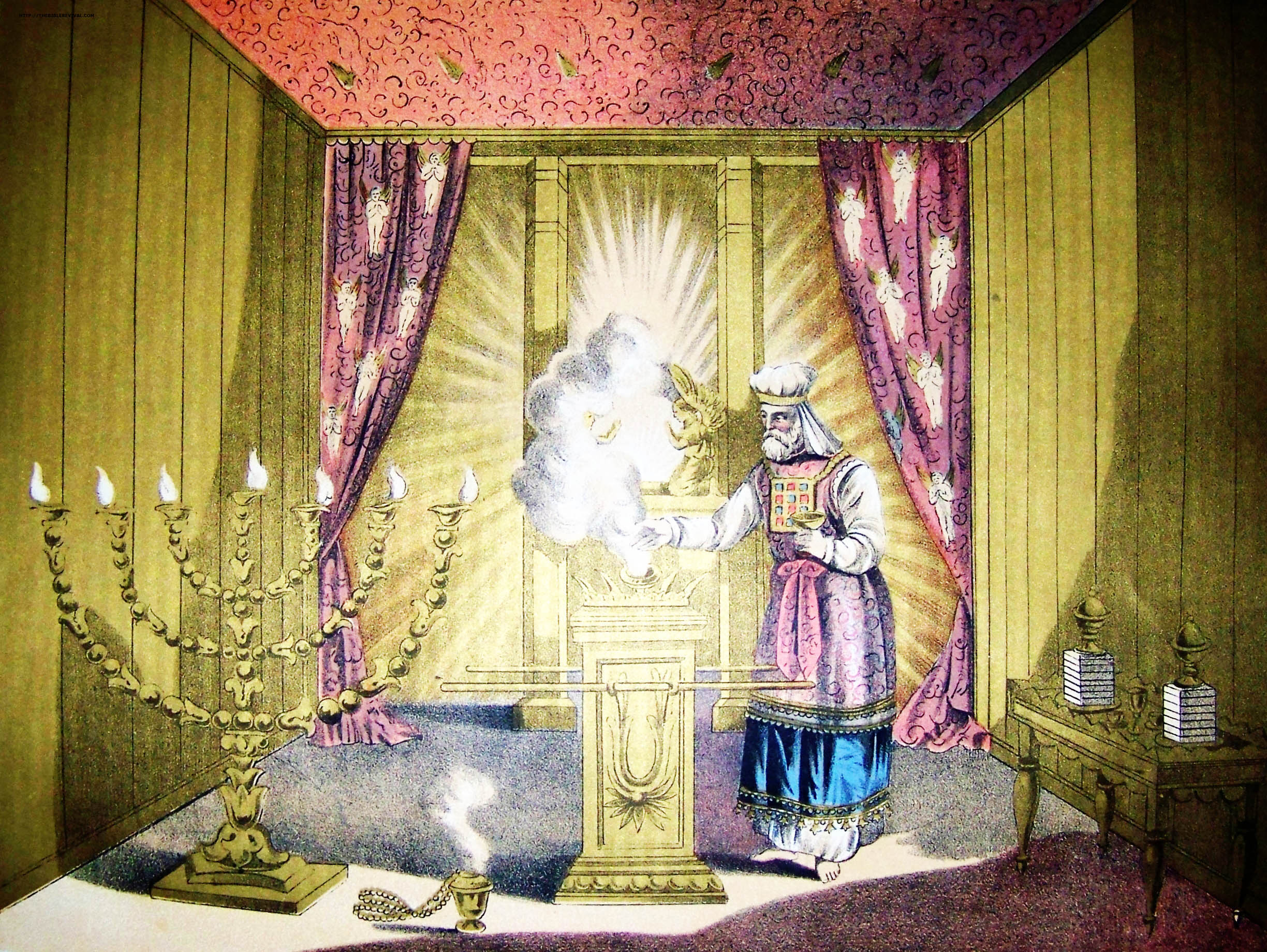
a glance inside the HOLY OF HOLIES as described in the books of Moses And the veil of the temple was torn in two from top to bottom. – Mark 15:38
Good Friday
Before we turn to the actual script of this pivotal event in history, allow me to place you into a fictional Good Friday scene as one witness to what is about to take place with the veil of the Temple.
I trust that you understand the imagery and symbolic significance of this scene set within the Temple.
Setting:
First century Jerusalem during the week of Passover festival.
In fact, on this most fateful day prior to the Sabbath of the sacred Passover feast, crowds larger than usual have already witnessed unprecedented scenes convicting Jesus of Nazareth of sedition against Caesar and blasphemy against G-d.
The politics of Jerusalem and Rome have impacted you your entire life.
Inside the Temple after Jesus’ trials and predetermined death sentence on a cross.
Picture a fictional scene near the HOLY OF HOLIES in first century Jerusalem. The veil of the Temple is always closed.
Characters:
Just you (or so it seems).
Other Levite priests may also be near in other parts of the Temple, also performing their regular duties away from the massive crowds.
Imagine that you witness this Good Friday event as a Levite in first century Jerusalem (under Annas, Caiaphas and the seventy of the Sanhedrin, and also under King Herod Antipas Tetrarch, Judean Governor Pilate and of course Tiberias Caesar).
The lights dim..
The curtain opens (so to speak) .. as the scene before us unfolds…
.. this Man, delivered over by the predetermined plan and foreknowledge of God, you nailed to a cross by the hands of godless men and put Him to death. Acts 2:23 And how is this the Spirit of Grace?
For God so loved the world, that he gave his only begotten Son, that He might suffer and die on a Cross for sinners like us, that we should not perish, but have everlasting life.
Roger Harned – talkofJesus.com – on Christ’s Crucifixion & John 3:16
The Apostle John presents the Good News of Jesus Christ in light of the love of God the Father.
Yes, the LORD of Old Testament Scripture to which John will point IS the Almighty God who must judge sin! Yet John testifies of Jesus who reveals God as the Father, the One of relationship who willingly shows mercy for the sake of the Son and saves sinners like you and me by grace.
A brief reintroduction to John
John had unique access to witness the questioning of Jesus by the High Priests of Jerusalem. At the beginning of our journey through the Gospel of John we introduced the Apostle, this youngest Son of Zebedee who we now know was also known in the house of Herod.
It is important to note here that the Apostle John later became the last surviving Disciple of Jesus Christ, living more than fifty years more until nearly the next century.
John wrote the gospel during his residence at Ephesus in Asia Minor when he was advanced in age (Against Heresies 2.22.5; 3.1.1) – source
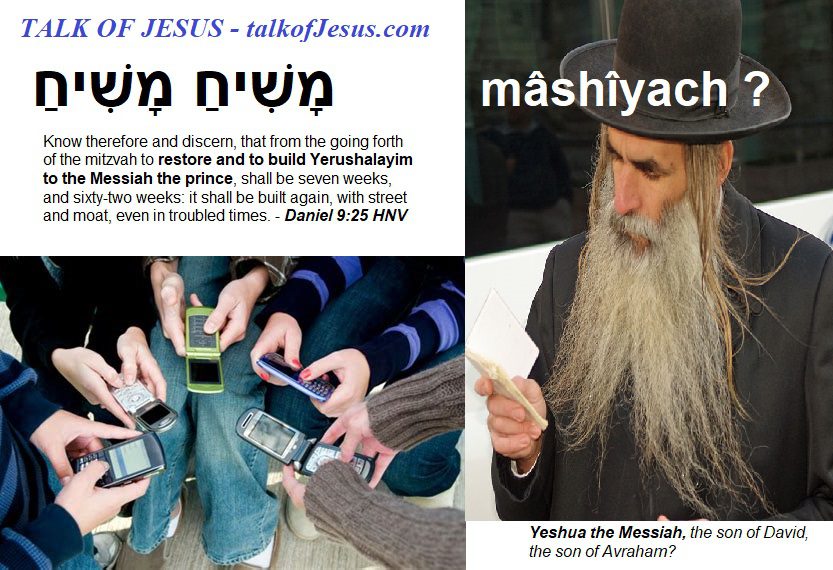
John’s Good News is NOT a News Alert to our phone, a BREAKING NEWS HEADLINE interrupting our life at home or even a well-researched story for an Ephesus News Courier.
The Apostle, therefore, has not written the Gospel of John as events unfolded at the horrific scene of the crime of Jesus’ Crucifixion.
In Conclusion
The beloved Apostle and recognized authority of witness to these historical events some decades ago will soon assure the reader of John’s Good News (Gospel): Now Jesus did many other signs in the presence of the disciples, which are not written in this book;
.. but these are written so that you may believe that Jesus is the Christ, the Son of God, and that by believing you may have life in his name.
John now begins the conclusion of his Gospel even before the climax of the Good News of Jesus’ resurrection.
Intermingled with John’s conclusive evidence, he includes reporter-like facts (which we will address in a later post), but his purpose now is to reveal why Jesus did some of what the Lord came to accomplish.
Every mention of Scripture (of course) refers to the Old Testament. John links the events of Jesus’ crucifixion to Old Testament prophesy.
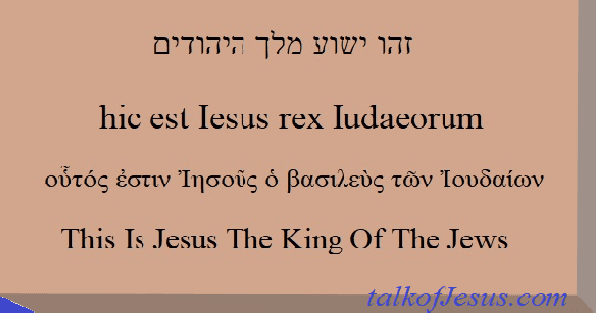
Then Pilate took Jesus and had him flogged. 2 The soldiers also twisted together a crown of thorns, put it on his head, and clothed him in a purple robe. 3 And they kept coming up to him and saying, “Hail, king of the Jews!” and were slapping his face.
6 I gave My back to those who strike Me, And My cheeks to those who pull out My beard; I did not hide My face from insults and spitting. 7 For the Lord God helps Me, Therefore, I am not disgraced; Therefore, I have made My face like flint, And I know that I will not be ashamed.
14 It was the preparation day for the Passover, and it was about noon…
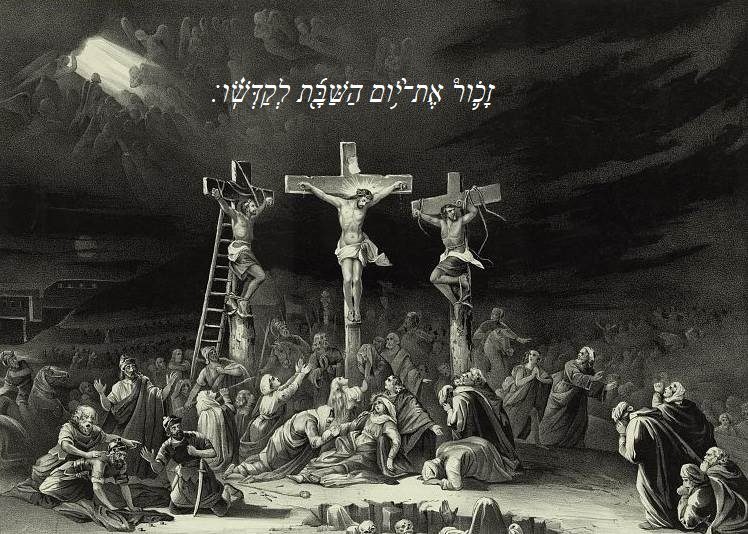
17 Carrying the cross by himself, he went out to what is called Place of the Skull, which in Aramaic is called Golgotha. 18 There they crucified him and two others with him, one on either side, with Jesus in the middle.
23 When the soldiers crucified Jesus, they took his clothes and divided them into four parts, a part for each soldier. They also took the tunic, which was seamless, woven in one piece from the top. 24 So they said to one another, “Let’s not tear it, but cast lots for it, to see who gets it.
This happened that the Scripture might be fulfilled, John tells us.
Scripture includes more than the Law, which Jesus promises will be satisfied; but also the Psalms (or songs of worship), historical scrolls and also writings of the Prophets who Jerusalem’s religious leaders seldom heeded and like now, rarely taught.
Here is this Scripture, a Psalm most descriptive of Jesus’ crucifixion.
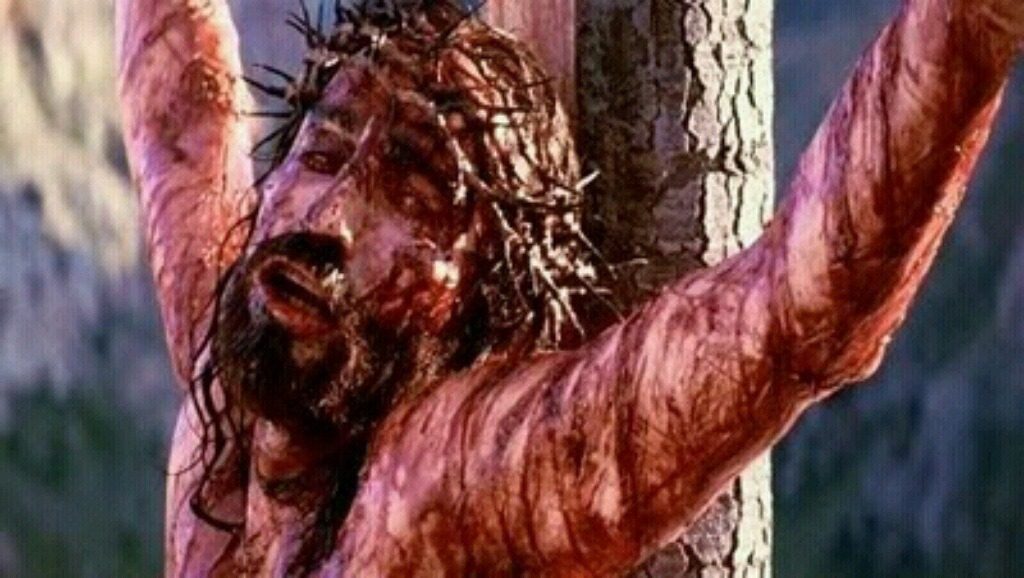
READ ALL of Psalm 22, if you dare. And looking upon the scene of the Place of the Skull, with Jesus’ Blood pouring forth from His broken Body on the middle Cross, know His suffering for our sin endured for the grace of God’s love.
Yet we ourselves assumed that He had been afflicted, Struck down by God, and humiliated. 5 But He was pierced for our offenses, He was crushed for our wrongdoings; The punishment for our well-being was laid upon Him, And by His wounds we are healed.
John’s Testimony is True
Jesus replied [to Pilate]. “I was born for this, and I have come into the world for this: to testify to the truth. Everyone who is of the truth listens to my voice.”
Here is John’s Gospel GOOD NEWS of Scripture fulfilled.
“I will pour out on the house of David and on the inhabitants of Jerusalem, the Spirit of grace and of supplication, so that they will look on Me whom they have pierced;
and they will mourn for Him, as one mourns for an only son, and they will weep bitterly over Him like the bitter weeping over a firstborn.
John began his Good News speaking of grace. He begins his conclusion by quoting Zechariah’s imagery of the Spirit of grace and of supplication.
For of His fullness we have all received, and grace upon grace. For the Law was given through Moses; grace and truth were realized through Jesus Christ.
Even Pilate would share some understanding of this Greek concept of grace.
that which affords joy, pleasure, delight, sweetness, charm, loveliness: grace of speech
of the merciful kindness by which God, exerting his holy influence upon souls, turns them to Christ, keeps, strengthens, increases them in Christian faith, knowledge, affection, and kindles them to the exercise of the Christian virtues
(This, of course, is that love of the Lord Jesus which John frequently shares freely as grace.)
John later greets his fellow beloved believers in his second letter(mailed in about A.D. 90–95):
Grace, mercy and peace will be with us, from God the Father and from Jesus Christ, the Son of the Father, in truth and love.
About 5-10 years earlierin about A.D. 80–90 John would have had his Gospel delivered to these same saints of the churches where he quotes Zechariah (from about 520 BC, five centuries after David and before Christ), whose name means: “The LORD remembers.”
“I will pour out on the house of David and on the inhabitants of Jerusalem, the Spirit of grace..,” John encourages from Scripture, as one who witneesed and had mourned for his beloved friend Jesus near the foot of the Cross.
In the days of His flesh, He offered up both prayers and supplications with loud crying and tears to the One able to save Him from death, and He was heard because of His piety.
John began his Gospel by hope in the Messiah who was hung on a Cross.
No one has ascended into heaven, except He who descended from heaven: the Son of Man. And just as Moses lifted up the serpent in the wilderness, so must the Son of Man be lifted up, so that everyone who believes will have eternal life in Him.
John 3:13-15 NASB
As Jesus gave up His Spirit while John and other witnesses sat beneath the Bloodied Cross with the corpse of their Messiah and Savior they must have wondered why.
John 3:35–36 “.. The Father loves the Son and has entrusted all things to His hand.
The one who believes in the Son has eternal life; but the one who does not obey the Son will not see life, but the wrath of God remains on him.”
Observe how some react to isolation (as in #StayatHome #Pandemic etc.) and you might just wonder how any wall of separation can exist between mankind. Human beings made in the inage of God are social. We must live and work together as families, as neighbors and as citizens of nations, even the world.
So how does separation from those crucial to our lives work?
And who makes the rules?
In fact we currently see several struggles between many authorities of this world, nations, states, media, social and professional organizations, international corporations, wealthy philanthropists and more.
Of course few in this world will first ask,
‘What is the will of the LORD for our interactions with others?‘
Festivals of the LORD
Now Jews and Christians alike must ask additional relational questions of gathering to worship the Lord God. Add to the urgency of questions in the year of our Lord 2020:
How will I celebrate Passover?
How will I celebrate Easter?
We enter a HOLY WEEK in A.D. 2020 without possibility of practical obedience to traditional scriptural worship of the Lord God.
Roger Harned – talkofJesus.com
We must realize that obedient worship of the Lord has changed at times. Congregational worship began with a traveling Tabernacle, pointed to an established Temple, reinstituted in a rebuilt Temple, then dispersed into an unclean world.
The Messiah of Israel, the Son of Man and Son of God offered a New Covenant of worship between God our Father and the world through the Holy Spirit of God given to those who believe in Jesus the Son.
Regardless of which tradition of Judaism or Christianity you came to know you likely do not completely grasp the holiness of the Lord God and without the Lord’s mercy your sin before God fails to keep you appropriately distanced from the Very Holiness of the LORD GOD.
We might easily become sidetracked in religious discussions about festivals and traditions, but more germain to our relationship to the Lord God is a brief look at holiness.
You likly know the first use of this word Holy from when Moses approached the LORD in a burning bush. It’s used more than a hunded times in just Exodus and Leviticus to describe detail concerning worship.
‘On the first day you shall have a holy assembly, and another holy assembly on the seventh day; no work at all shall be done on them, except what must be eaten by every person, that alone may be prepared by you.
Outline of Biblical Usage to consecrate, sanctify, prepare, dedicate, be hallowed, be holy, be sanctified, be separate
קָדַשׁqâdash, kaw-dash’; a primitive root; to be (causatively, make, pronounce or observe as) clean (ceremonially or morally):—appoint, bid, consecrate, dedicate, defile, hallow, (be, keep) holy(-er, place), keep, prepare, proclaim, purify, sanctify(-ied one, self), wholly.
Then Moses said to Aaron,
“It is what the LORD spoke, saying, ‘By those who come near Me I will be treated H6942 as holy, H6942 And before all the people I will be honored.’” So Aaron, therefore, kept silent.
Leviticus 10:3 NASB
Do you recall from Scripture what had just taken place?
Before the Lord our God you must: consecrate, sanctify, prepare, dedicate, be hallowed, be holy, be sanctified, be separate — precisely as the LORD instructs. Even Priest and prophet, pastor and teacher (these perhaps moreso) — all must be Holy, because the Lord our God is Holy.
“BUT THE LORD SAID TO HIM, ‘TAKE OFF THE SANDALS FROM YOUR FEET, FOR THE PLACE ON WHICH YOU ARE STANDING IS HOLY G40 GROUND.
Acts 7:33 Stephen, quoting Moses before the Sanhedrin
Holiness does not change from the Old Testament to the New – different word, same meaning. Stephen also uses it as Jesus did to describe the Holy Spirit of the Lord God.
“You men who are stiff-necked and uncircumcised in heart and ears are always resisting the Holy G40 Spirit; you are doing just as your fathers did. – Acts 7:51
Outline of Biblical Usage
most holy thing, a saint
Saints & Sinners
Are you Holy to the Lord — separated to the Most High from the commonness of worldly sin?
Dare you enter the Holy of Holies into the Presence of Almighty God?
IF NOT, hear just a bit more about the Messiah Jesus to understand about the Holiness of Holy Week.
For dogs have surrounded me; A band of evildoers has encompassed me; They pierced my hands and my feet… – Psalm 22:16
I can count all my bones.
They look, they stare at me;
They divide my garments among them,
And for my clothing they cast lots.
the amen
“Who will not fear, O Lord, and glorify Your name? For You alone are holy; For ALL THE NATIONS WILL COME AND WORSHIP BEFORE YOU, FOR YOUR RIGHTEOUS ACTS HAVE BEEN REVEALED.”
Used to monitor number of Google Analytics server requests
10 minutes
__utmb
Used to distinguish new sessions and visits. This cookie is set when the GA.js javascript library is loaded and there is no existing __utmb cookie. The cookie is updated every time data is sent to the Google Analytics server.
30 minutes after last activity
__utmc
Used only with old Urchin versions of Google Analytics and not with GA.js. Was used to distinguish between new sessions and visits at the end of a session.
End of session (browser)
__utmz
Contains information about the traffic source or campaign that directed user to the website. The cookie is set when the GA.js javascript is loaded and updated when data is sent to the Google Anaytics server
6 months after last activity
__utmv
Contains custom information set by the web developer via the _setCustomVar method in Google Analytics. This cookie is updated every time new data is sent to the Google Analytics server.
2 years after last activity
__utmx
Used to determine whether a user is included in an A / B or Multivariate test.
18 months
_ga
ID used to identify users
2 years
_gali
Used by Google Analytics to determine which links on a page are being clicked
30 seconds
_ga_
ID used to identify users
2 years
_gid
ID used to identify users for 24 hours after last activity
24 hours
_gat
Used to monitor number of Google Analytics server requests when using Google Tag Manager
1 minute
_gac_
Contains information related to marketing campaigns of the user. These are shared with Google AdWords / Google Ads when the Google Ads and Google Analytics accounts are linked together.