Happy Holidays
NO, I’m not taking a trip to relatives or friends and setting Scripture aside for a time. (And it has nothing to do with #socialdistancing.)

In my previous holiday post, COVID – The Sĭn’ch WHO Stole Thanksgiving, I suggested that we make too much of certain holidays.
Although the American tradition of Thanksgiving begins with a storyline of faith,
WE THE PEOPLE have strayed far from the faith of our fathers.
Pilgrims & Puritans
It’s worth mentioning again at Christmas, with its varied denominational, traditional and secular celebrations:
All of us are pilgrims journeying from place to place on the troubled seas of this world.
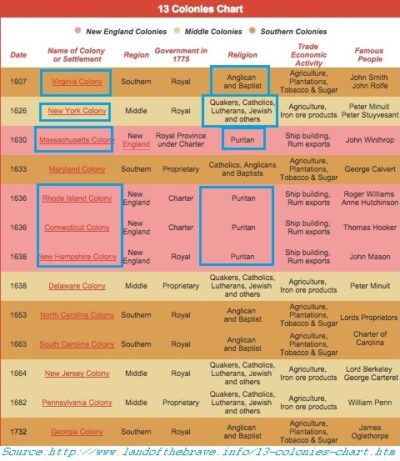
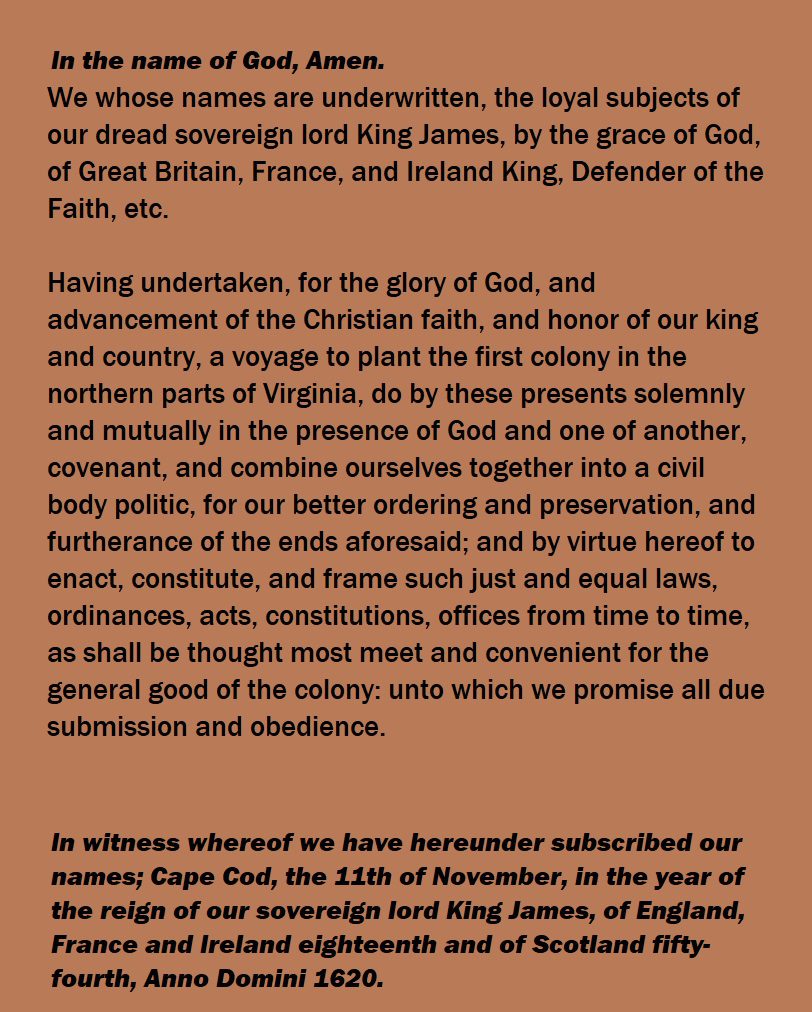
The religious founding of various Colonies created challenges from the very first, but pilgrims found freedoms of worship in America agreed upon by men of differing faiths.

13 Colonies Religions The Mayflower Compact
Men of faith will continue to disagree with each other, but faithless men will never agree with any who worship Christ Jesus.
Roger Harned
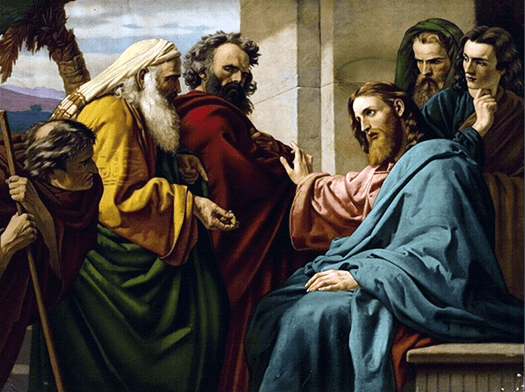
Jesus (He was the baby in the story about to be frequently retold) rebuked His fellow Jews who constantly disagreed with each other on many interpretations of the Law of Moses.
“Woe to you, scribes and Pharisees, hypocrites! For you tithe mint and dill and cumin, and have neglected the weightier matters of the law: justice and mercy and faithfulness. These you ought to have done, without neglecting the others.
The Good News of Matthew 23:23
Christian pilgrims will worship the Lord in ways which differ, regardless of the holiday.
I wonder what Jesus might have to say about our Christmas ‘traditions’ in America, in this ‘one nation, under God?’
Puritans and Christmas
Puritans and many more orthodox believers become ostracized by a culture which resists rule by law and rebuke for sin.
Yet as warning against our own severity with cultures we do not understand, remember the rebuke of the Lord Jesus against those who judge outsiders.
A Puritan Christmas
A 21st century pilgrimage back into the turbulence of 17th century America will challenge our own lethargic drifting away from Scripture as witnessed by Puritans and others.
Briefly, I would like to share a couple of points from an excellent look back (linked above), BY ANDREAS KÖSTENBERGER.
- In 1642, the article notes, “the Puritan-led English parliament asked citizens not to celebrate Christmas in any way, other than private respectful prayer.”
- The anti-Christmas laws remained in effect until 1660 when the monarchy was restored, yet it took almost another 300 years before Christmas became a full national holiday in Scotland in 1958.
No Miracle on 34th St
in 2020..
OR at Macy’s or at Shillato’s.
(due to COVID)
Think of the disappointment of all the little boys and all the little girls
who believe that Christmas is all about Santa Claus.
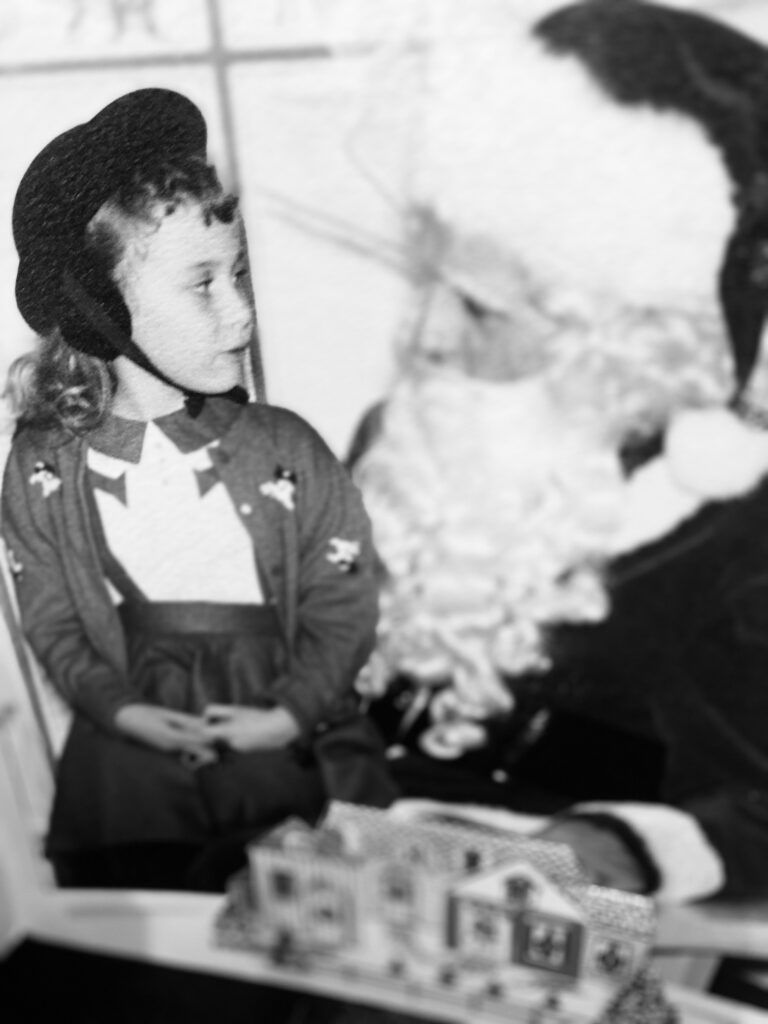
Pictured: 1956 Rochelle Baverman
(a Jewish girl, like the virgin Mary) photo with Santa in Cincinnati, Ohio
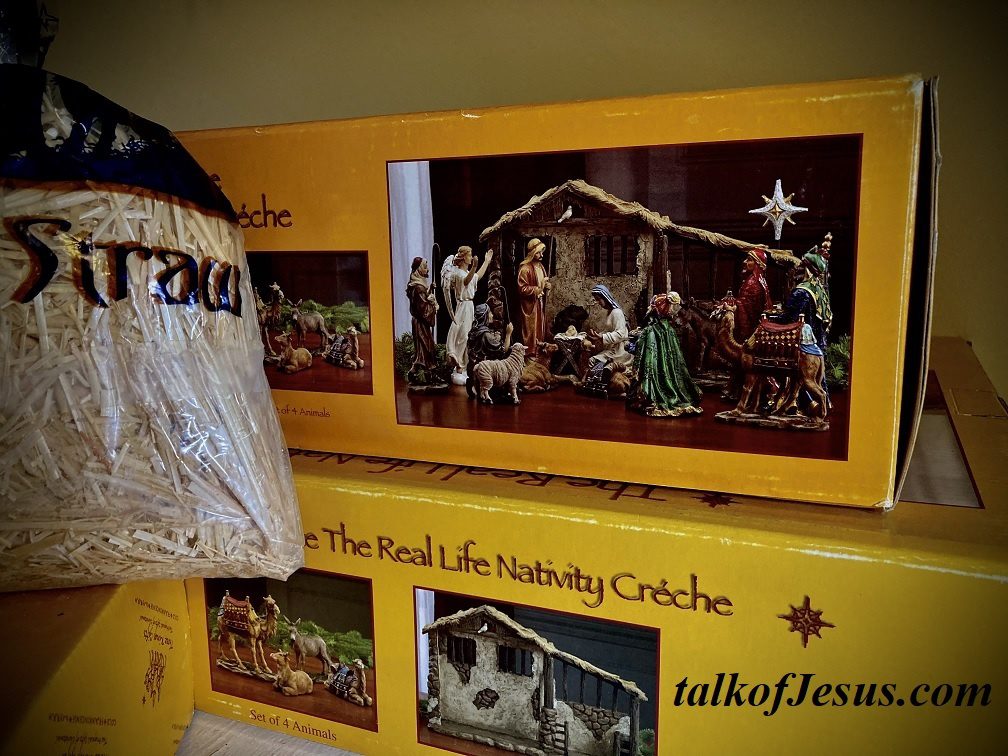
- The Nativity Crèche (pictured for this post) became one of her traditions later as a Messianic Jew.
Christmas of the Gospels
Many a preacher either struggles or delights to return in December to the all-too-familiar passages of Scripture (now recited by Linus & other children for the joy of all parents).
The church continues to tell the story of a Virgin birth of a baby Jesus in a manger, with a secular ‘Once upon a time’ message targeting children, as the Puritans once feared.
When we present Christmas as a gift to children, do we perhaps upstage God’s purpose of sending His Only Son Jesus to the Cross?
The Puritans thought more of the Cross than of the Manger. (And there are other issues of Roman idolatry here.)
Are you still a child in your understanding of Christ?
Is Christmas the way we traditionally celebrate with our families, truly the Good News of the gift of the Lord Jesus Christ to sinners like us?
Christ is Born (Good News edition)
I will just briefly address the Christmas nativity narrative here, for our purpose is to present the Gospel of Jesus Christ by each writer of the four Gospels — the Good News of Christmas, the Good News of Jesus’ Crucifixion and especially the Good News of Jesus’ Resurrection.
Matthew
1:18 Now the birth of Jesus Christ was as follows: when His mother Mary had been betrothed to Joseph, before they came together she was found to be with child by the Holy Spirit.
You may read the rest of the Nativity story in the link above.
Luke
Now in those days a decree went out from Caesar Augustus, that a census be taken of all the inhabited earth. This was the first census taken while Quirinius was governor of Syria.
Luke 2:1-2 NASB
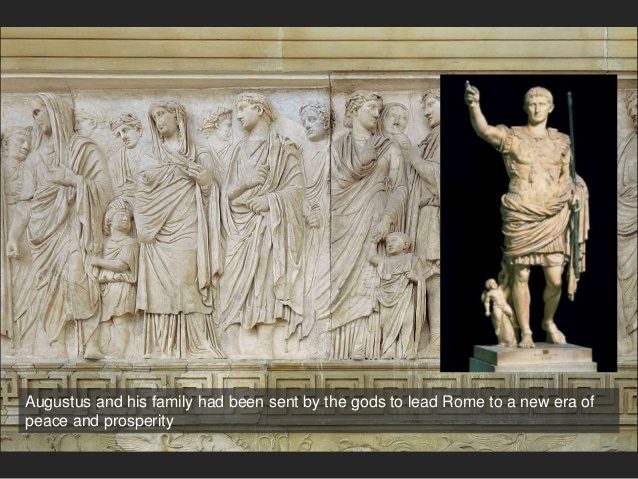
Recall that we have just discussed Caesar Augustus from later in the Gospel of John.
1st century Rome – an awkward embrace of RELIGION & politics
Our children’s Christmas pageants may not convey that Rome is in charge of Judea, a subject kingdom of Syria’s Roman Governor, Quirinius.
We may not even have sensed how the Herod’s had lost power with Rome or noted that Quirinius’ successor was not appointed by Caesar, leaving Pontius Pilate as governor of Judea (with no governor of all Syria).
Other detail of Luke’s Gospel will resound familiar detail of the birth of Jesus Christ in Bethlehem of Judea.
Once again, what you do not hear from Linus you may read in the link from the Gospel of Luke above.
Mark
The beginning of the gospel of Jesus Christ, the Son of God.
Mark 1:1
Note that I have not taken the Gospels in order. This is due to the Nativity detail given by Matthew and Luke not being mentioned by Mark or John.
As it is written in Isaiah the prophet:
“BEHOLD, I SEND MY MESSENGER AHEAD OF YOU,
WHO WILL PREPARE YOUR WAY;THE VOICE OF ONE CRYING IN THE WILDERNESS,
The Gospel of Mark 1:1-3 NASB
‘MAKE READY THE WAY OF THE LORD,
MAKE HIS PATHS STRAIGHT.’”
Note that Mark points to the Prophet Isaiah as well as a prophesied messenger, John the Baptist. Mark’s Gospel begins with the baptism of Jesus by John (as it is written) and receiving the Holy Spirit of the LORD God His Father!
Luke records this as well after reporting from witnesses of Jesus’ birth.
John:
I began this year of our Lord, 2020, with John’s Gospel.

Jesus Said:
John 3:19 “And this is the condemnation, that the light has come into the world, and men loved darkness rather than light, because their deeds were evil.
We have followed Jesus through Scripture, primarily from the Gospel of John, little knowing in January what darkness of this past year would bring to a world far-distanced from Christ.
How did John approach the birth of Jesus?
The Apostle reflected that which was before every event of the Nativity!
In the beginning was the Word, and the Word was with God, and the Word was God.
He was in the beginning with God.
All things came into being through Him, and apart from Him nothing came into being that has come into being.
John 1:1-3 NASB
The Apostle John records what he has already witnessed of Jesus, the Christ of the Jews and Savior of the world:
Jesus IS the Creator, the LORD GOD!
HE WAS, before HIS own birth as Emmanuel, God With Us.
John has witnessed through Jesus Christ the fullness of the LORD’s glory, including Jesus’ resurrection and when the Apostle records this witness:
Yeshua said to them,
“Most assuredly, I tell you, before Avraham came into existence, I AM.”
John 8:58 HNV
John testifies that Jesus tells us this unscaleable truth to creatures of His making, which all men and women are:
“I and the Father are one.”
John 10:30
His place of birth, His mother, His lineage, His story told at Christmas — ALL pale by comparison to His Existence before the beginning — the Genesis of Adam and Creation to which Moses testifies.
When will we emerge from the darkness?
The earth was formless and void, and darkness was over the surface of the deep, and the Spirit of God was moving over the surface of the waters. – Genesis 1:2 NASB
He who dwells in the shelter of the Most High
Will abide in the shadow of the Almighty.
I will say to the LORD,
“My refuge and my fortress,
My God, in whom I trust!”
You will not be afraid of the terror by night,
Or of the arrow that flies by day;
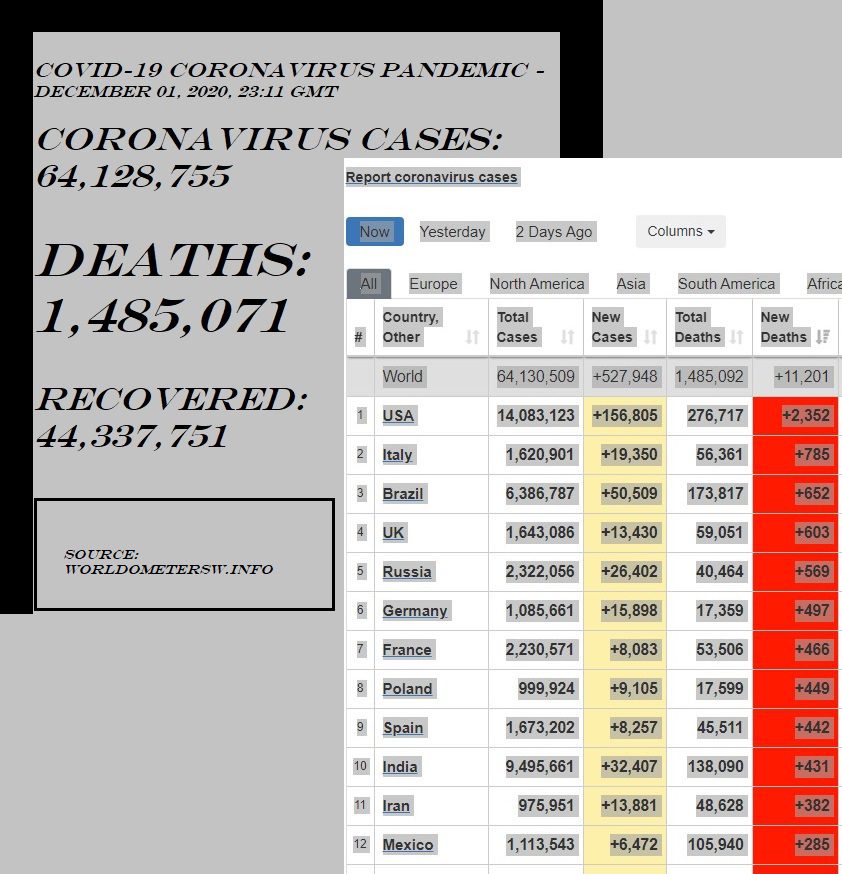
Of the pestilence that stalks in darkness,
Or of the destruction that lays waste at noon.
“Because he has loved Me, therefore I will deliver him;
I will set him securely on high, because he has known My name.
Excerpts from Psalm 91 NASB
Shall we take Jesus out of the box of Christmas?
continuous media updates by media 19 March AD2020 Churches ordered closed Christmas – HUMBUG! 2020? I stole that too, BOO HOO, BOO HOO. I just want to have a perfect gift this Christmas. a Covid Christmas

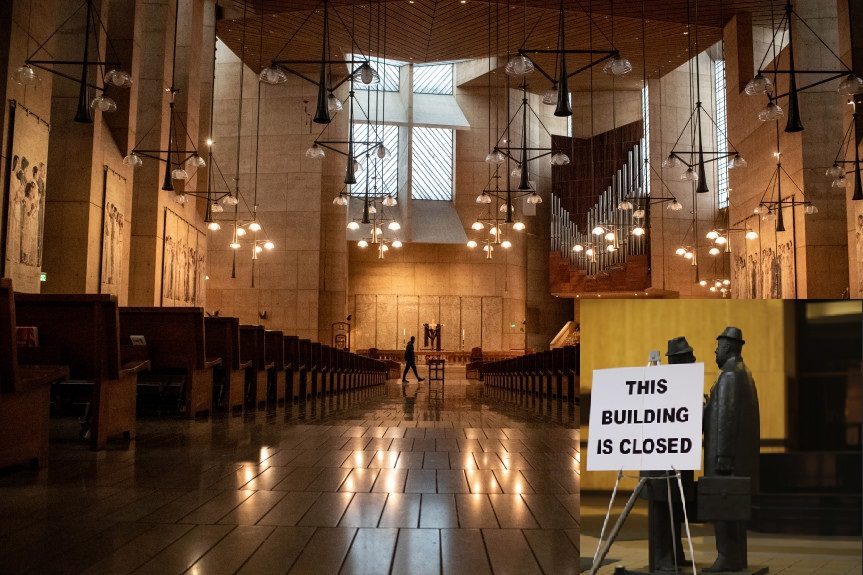
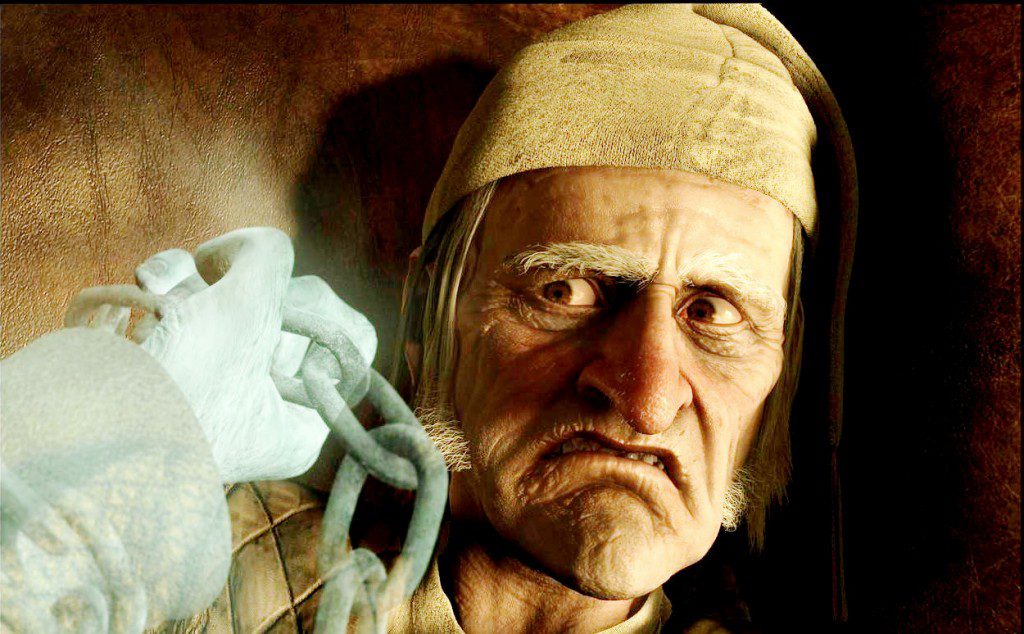
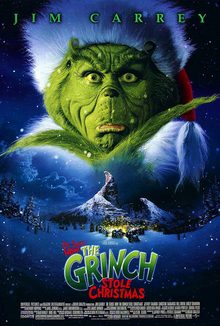
What does CHRISTMAS mean to YOU?
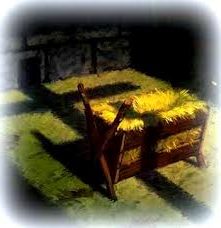
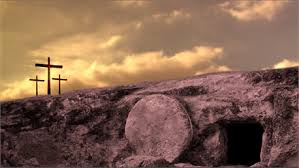
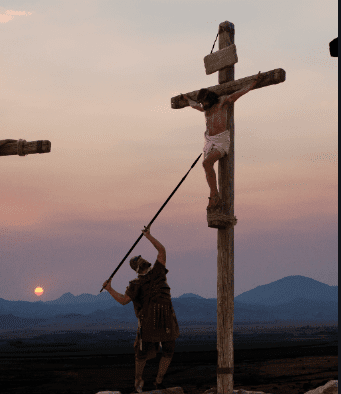
We can not have Jesus born in a manger without the shadow of the CROSS.
Will we leave Jesus in the grave?
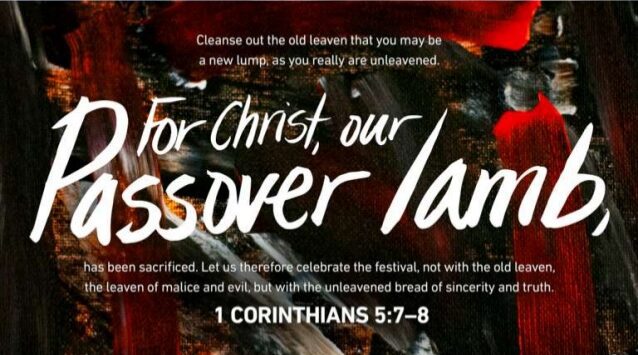
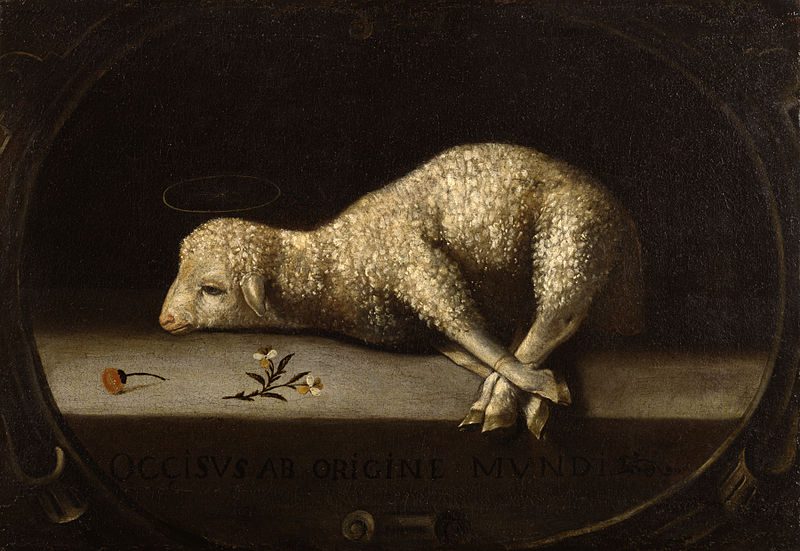
As we have painstakingly walked with John in this year of our Lord, 2020, we have tarried during the long week of the Passover of the Lamb of God, who takes away the sins of the world.
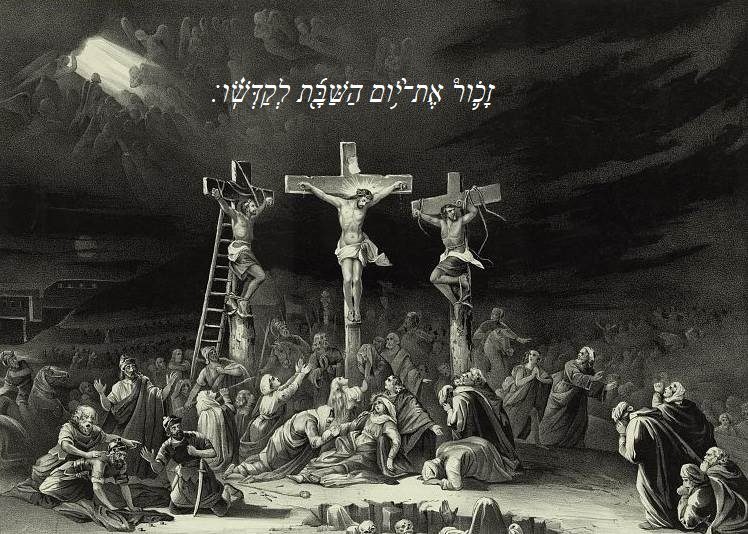
The Light shines in the darkness,
and the darkness did not comprehend it.
John 1:5
“I have come as Light into the world,
so that everyone who believes in Me will not remain in darkness…
I did not come to judge the world, but to save the world.
“He who rejects Me and does not receive My sayings, has one who judges him;
the word I spoke is what will judge him at the last day.
The promise of Jesus – John 12:46-48 excerpt NASB
“Destroy this temple, and in three days I will raise it up.”
John 2:19
But He was speaking of the temple of His body.
John 19:
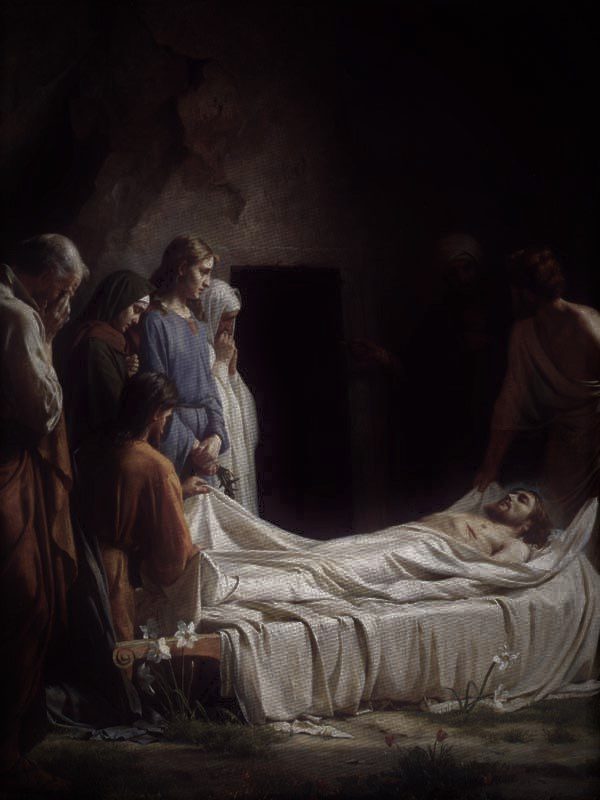
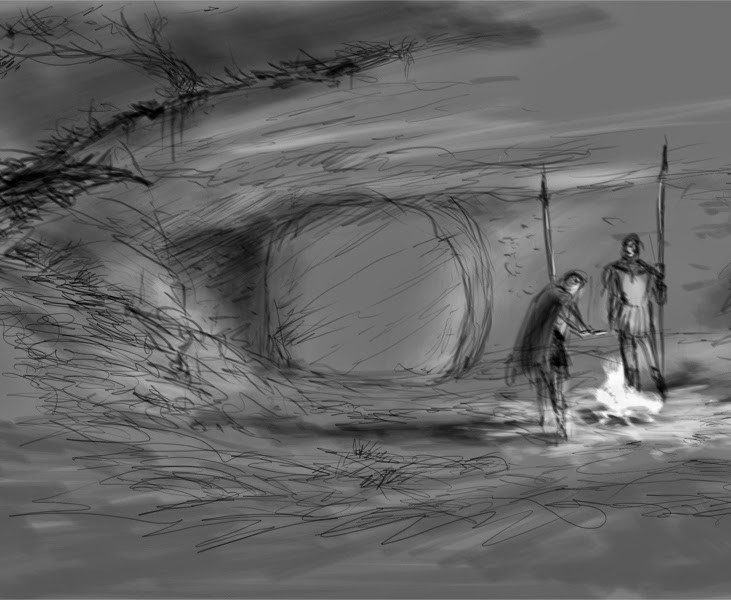
40 They took Jesus’s body and wrapped it in linen cloths with the fragrant spices, according to the burial custom of the Jews.
41 There was a garden in the place where he was crucified. A new tomb was in the garden; no one had yet been placed in it. They placed Jesus there because of the Jewish day of preparation and since the tomb was nearby.
To be continued...