Tag: Christ

  • Emmanuel -2

    Emmanuel -2

    Christmas according to the Gospel

    Yesterday, in part one of this 3-part Christmas series, I mentioned that ‘Emmanuel’ is a Latin or romanized spelling of “Immanuel” from the Hebrew. I also remind us that Christmas was a minor celebration, actually banned at times by the church.

    We began discussion of the Nativity (the birth of Jesus) with an introduction of the Gospels of Mark and John, discovering that the prophets had already predicted the coming of a Messiah, God With Us, Immanuel.

    Today we continue with the Gospel of Matthew, Disciple to Jesus and a Jew familiar with the Bible (Old Testament).

    The Genealogy of Jesus Christ

    Matthew 1: KJV

    The book of the generation of Jesus Christ, the son of David, the son of Abraham.

    Abraham begat Isaac; and Isaac begat Jacob; and Jacob begat…

    Wait! Why start the story of Jesus with a history of ancestry? It reads a little bit like Genesis 5 to me. Adam begat Seth, who begat Enoch, who begat... (you get the idea). We tend to skip over those little details anyway.

    We see Abraham in there and David on the list. 

    And Josias begat Jechonias and his brethren, about the time they were carried away to Babylon: a clear connection of this Jewish genealogy from Adam through David, then Kings of a divided, defeated and deported Israel.

    If we look at Mathew’s list of the genealogy of Jesus more closely, another question may even come to mind.

    and Jacob fathered Joseph the husband of Mary,
    who gave birth to Jesus who is called the Christ.

    Matthew 1:16 CSB

    Immediately following, Matthew mentions the controversy of the time:

    Now the birth of Jesus Christ was on this wise [in this way]:

    When as his mother Mary was espoused [betrothed] to Joseph, before they came together [physically {or sexually, if we may be so bold}], she was found with child of the Holy Ghost [pregnant, by the Holy Spirit of  God the Father!].

    Matthew 1:18 KJV [with comment]

    Before we address the controversies of verse 18, let’s address the obvious question about Joseph first.

    If Joseph was not the father of Jesus, why include Joseph’s family in the genealogy of Jesus?  

    Here we must first remove the blinders of our twenty-first century biases against practices of other cultures in distant places and former times we do not understand.

    Glance at a First Century Woman

    Our misunderstanding of the place and role of Mary may be helped by this brief glance at life at the time of Jesus’ birth.

    Make no mistake about it, first century life from Rome to Jerusalem and the hills of Syria was hierarchical. Caesar Augustus sought to build a civilized ‘Roman’ culture throughout the captive states of his reign.

    In Rome some women were freeborn citizens, but did not vote. Slaves had no inheritance rights and under Roman law a slave had no father. I mention this because Rome was highly dependent on slaves, including physicians, accountants, along with common laborers. Nearly four of every ten Romans were slaves of a citizen. Romans could actually sell their own children as slaves, property of the buyer with no family association. A woman belonged to her father or husband.

    Captive Israel and Judah were client states of Rome. Kings and others held some authority over the men of these captive states. Romans and Jews held similar views about the value of marriage, stability of families and value of the relationship of a virgin daughter joining herself to a husband and new family (betrothal).

    The light regulation of marriage by the law with regards to minimum age (12) and consent to marriage was designed to leave families, primarily fathers, with much freedom to propel girls into marriage whenever and with whomever they saw fit. [source]

    Mary is no queen, just a common girl, most likely age 13-16, promised to an older man of somewhat better standing.

    Two controversies

    Joseph, a carpenter born to a family from very rural Bethlehem near Jerusalem, by order of Rome, must register (in person) for a census in the city of his family. This, the reason for the genealogies of men in historical documents. Matthew 1:1-17 details Joseph’s ancestry. We will examine more of the details of the event in tomorrow’s concluding story of the Nativity from the Gospel of Luke.

    Mary, a virgin pledged to him as a wife, returns from an extended visit to her relatives – pregnant!

    Matthew clearly states that this is the Child of the Holy Spirit [ἐκ ἅγιος hagios πνεῦμα pneuma].

    Clearly, Joseph knows that the child in the womb of his betrothed is not his – he is not the father, suggesting divorce (rather than stoning her to death), which brings us to our second, even larger controversy.

    An angel of the Lord appeared to Joseph in a dream revealing both the identity and Holy conception of the Child.

    She will give birth to a son, and you are to name him Jesus, because he will save his people from their sins.”

    Matthew 1:21 CSB

    Ἰησοῦς Iēsous יְהוֹשׁוּעַ JESUS – THE LORD SAVES

    bLUElETTERbIBLE.ORG http://blb.sc/000q28

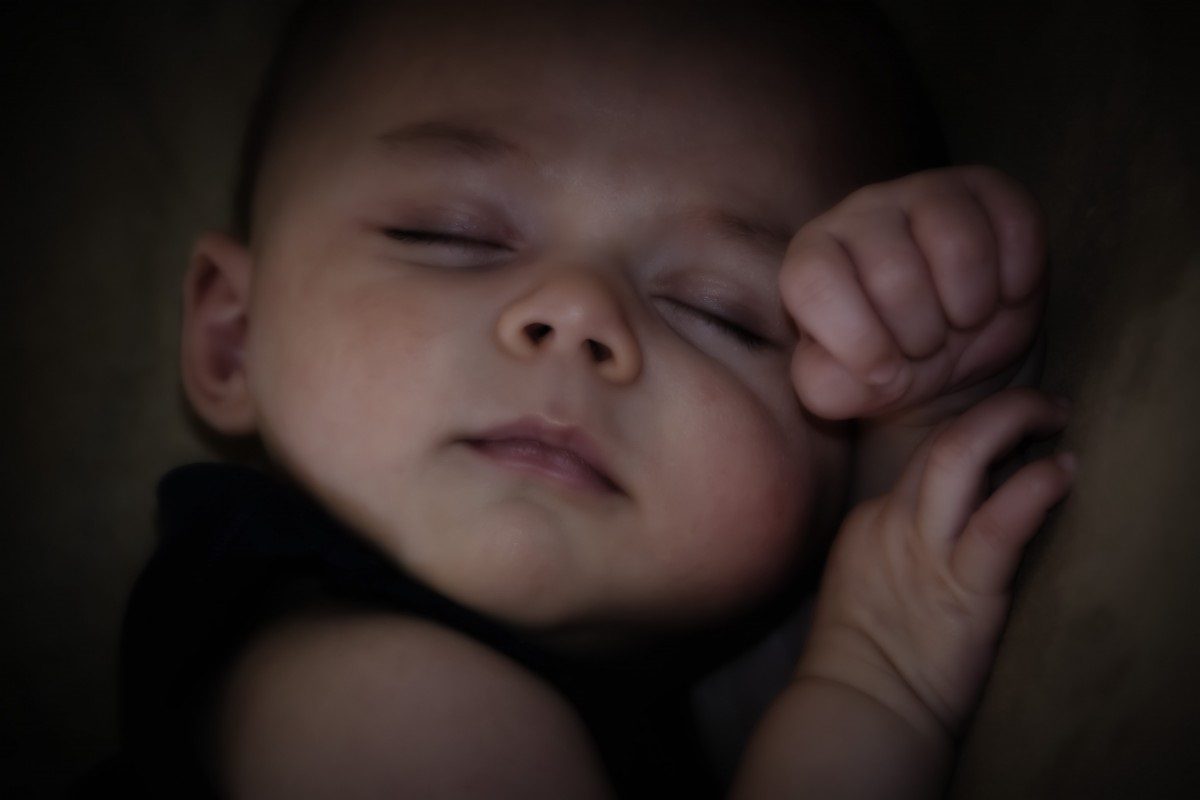
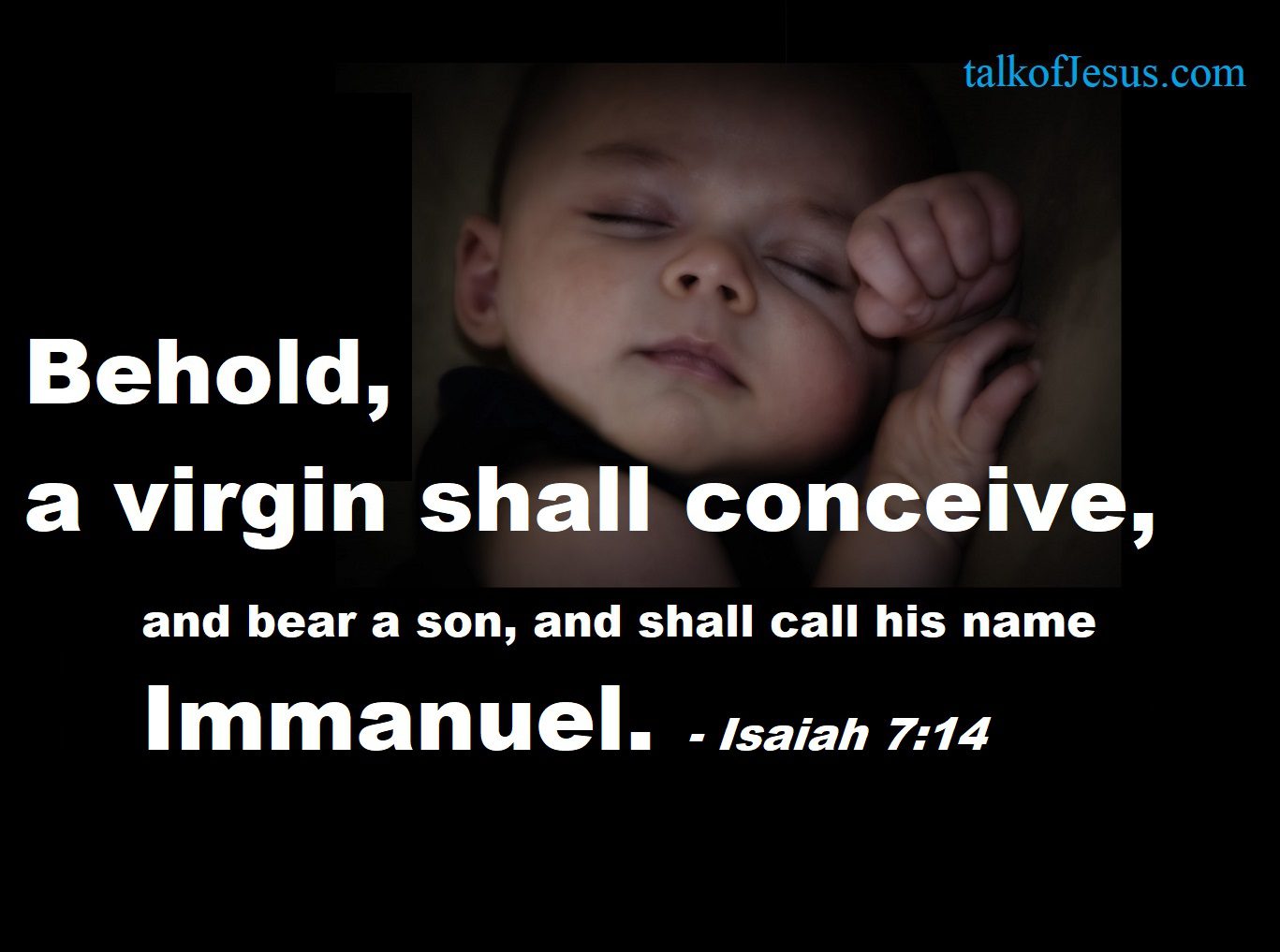
    Behold a virgin shall conceive and bear a son, and shall call his name Immanuel - Isaiah 7-14 = picture of sleeping baby
    Immanuel

    Prophesy

    Joseph and faithful Jews of first Century Judea and other captive Roman provinces would know predictions of a Messiah. Herod, vassal tenant king or tetrarch (one of four local Jewish governors) would have also known or learned the prophesy.

    Isaiah said, “Listen, house of David! Is it not enough for you to try the patience of men? Will you also try the patience of my God? Therefore, the Lord himself will give you a sign: 
    See, the virgin will conceive, have a son, and name him Immanuel.

    24 When Joseph woke up, he did as the Lord’s angel had commanded him. He married her 25 but did not have sexual relations with her until she gave birth to a son. And he named him Jesus.

    One other prophesy

    5:2 וְאַתָּה בֵּֽית־לֶחֶם אֶפְרָתָה צָעִיר לִֽהְיֹות בְּאַלְפֵי יְהוּדָה מִמְּךָ לִי יֵצֵא לִֽהְיֹות מֹושֵׁל בְּיִשְׂרָאֵל וּמֹוצָאֹתָיו מִקֶּדֶם מִימֵי עֹולָֽם׃

    But you, O Bethlehem Ephrathah,
    are only a small village among all the people of Judah.
    Yet a ruler of Israel will come from you,
    one whose origins are from the distant past.

    Micah 5:2 – Hebrew Bible & NLT

    Matthew 2:

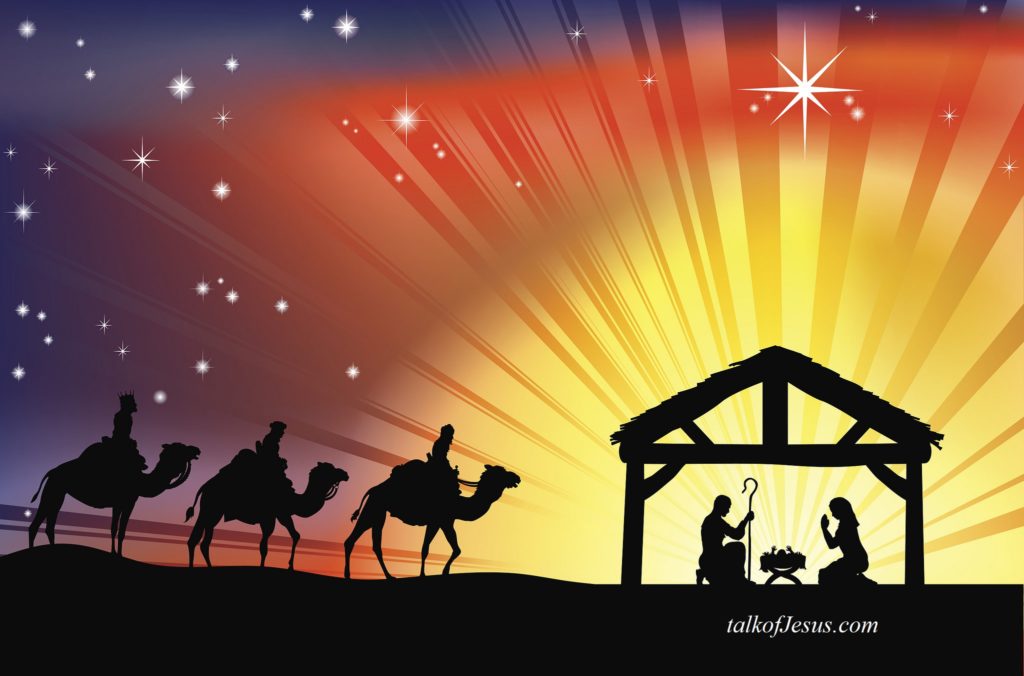
    This familiar scene (of Kings following a star to worship Jesus takes place some time after His birth).

    After Jesus was born in Bethlehem of Judea in the days of King Herod, wise men from the east arrived in Jerusalem, 2 saying,

    “Where is he who has been born king of the Jews?

    For we saw his star at its rising and have come to worship him.”

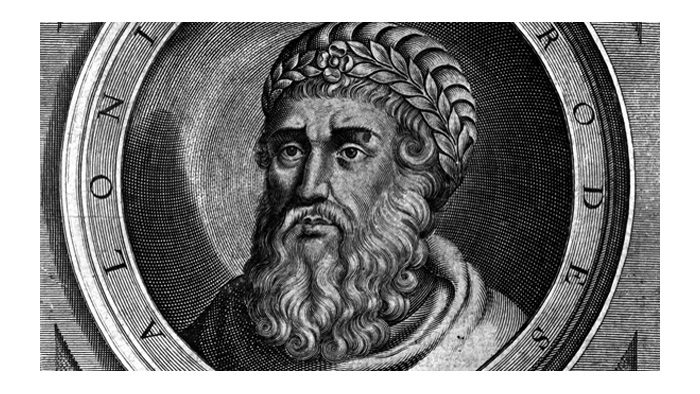
    image of Herod the Great
    Herod the Great

    Traveling kings ask about one born ‘king of the Jews.’ And by protocol they ask the so-called king ruling in Jerusalem under Rome.

    The Herod’s have have held the captive thrones of Judea and surrounding Roman states for just a few decades.

    Where is this new King of the Jews?

    3 When King Herod heard this, he was deeply disturbed, and all Jerusalem with him. 4 So he assembled all the chief priests and scribes of the people and asked them where the Christ would be born.

    5 “In Bethlehem of Judea,” they told him, “because this is what was written by the prophet:

    6 And you, Bethlehem, in the land of Judah,
    are by no means least among the rulers of Judah:
    Because out of you will come a ruler
    who will shepherd my people Israel.”

    9 After hearing the king, they went on their way. And there it was—the star they had seen at its rising. It led them until it came and stopped above the place where the child was. 10 When they saw the star, they were overwhelmed with joy.

    11 Entering the house, they saw the child with Mary his mother, and falling to their knees, they worshiped him. Then they opened their treasures and presented him with gifts: gold, frankincense, and myrrh.

    12 And being warned in a dream not to go back to Herod, they returned to their own country by another route.

    Joseph and Mary take Jesus to Jerusalem, then escape Herod to live in Egypt during the early childhood of Jesus.

    To be continued... (tomorrow, Christmas Day)
    
    
  • Emmanuel -1

    Emmanuel -1

    7:14 לָכֵן יִתֵּן אֲדֹנָי הוּא לָכֶם אֹות הִנֵּה הָעַלְמָה הָרָה וְיֹלֶדֶת בֵּן וְקָרָאת שְׁמֹו עִמָּנוּ אֵֽל׃

    prophesy of Isaiah [יְשַׁעְיָה – Yĕsha`yah]

    Emmanuel – I AM: born a man, GOD for us

    As I have written previously, contemporary celebrations of Christmas have been much overblown in our worldly “christian” pageants, performances and present-buying excesses. Our sins of false witness in this season go back centuries and as I also mentioned earlier at one time celebrations of Christmas were actually outlawed by Puritans and other Christian believers. Furthermore, Christmas was never celebrated by believers of the early church.

    Christmas isn’t the important story of Good News, but every story must have a beginning, even the Gospel of Christ Jesus.

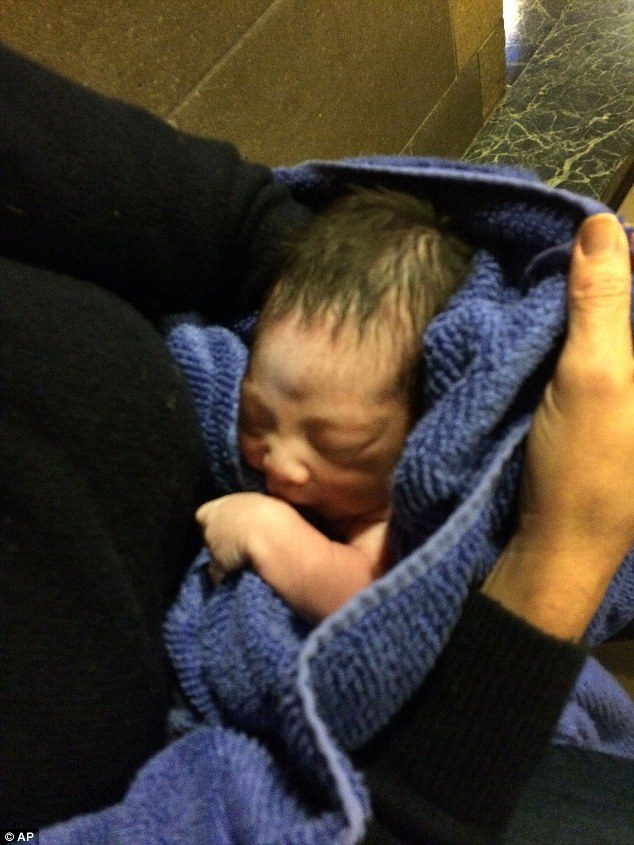
    a baby born - is he Immanuel - God with us?

    Look upon the face of innocence, sinlessness flesh born of man, who would remain without sin, a Sacrifice for our redemption.

    I do not assume that all Christians will know the full biblical meaning of many common 'christian' terms. If you don't know one, go ahead: click on the secure link and look it up. RH

    The Gospel Stories of Christmas

    Mark

    1:1 The beginning of the gospel of Jesus Christ, the Son of God. As it is written in Isaiah the prophet:

    Mark simply begins from the prophesy of Isaiah (as I have above), proceeds to the witness of John the Baptist that Jesus is the Messiah, then tells of the grown man, Jesus in His ministry to us as the Son of Man. No mentions of the virgin birth which all knew to be prophesied by Isaiah and no ‘nativity scene,’ by which we have become so enthralled. 

    Although he makes no mention of Jesus’ birth, Mark clearly witnesses in his Gospel that Jesus IS who He says He is: the Son of Man.

    Mark 14:61b

    Again the high priest questioned him,

    “Are you the Messiah, the Son of the Blessed One? ”

    “I am,” said Jesus, “and you will see the Son of Man seated at the right hand of Power and coming with the clouds of heaven.”

    Mark 14:62

    John

    We rarely hear from the beginning of John’s gospel during the Christmas season, because like Mark, John offers no nativity narrative. 

    John doesn’t approach his Gospel as “Good News” or “glad tidings,” but rather explains a more personal relationship with Jesus.

    I must confess my personal preference to John’s look back at the beginning of the Good News of Christ. For after all, if Jesus IS GOD, then His story does not begin in a manger.

    In the beginning was the Word, and the Word was with God, and the Word was God.

    John 1:1

    A remarkable reference to Christ! In the beginning, is of course a reiteration of the opening of Genesis. God creates by speaking and John refers to Jesus as “the Word,” or logos. John places Jesus “with God,” then continues with the inescapable premise:  and the Word was God.

    Therefore, John states of the time of creation, Jesus IS God!

    John’s singular reference to the birth of Christ occurs after the introduction of John the Baptist, explaining how Jesus came to us as the Son of Man, to whom the Baptist had already testified.

    The Word became flesh and dwelt among us. We observed his glory, the glory as the one and only Son from the Father, full of grace and truth.

    John 1:14

    Immanuel – עִמָּנוּאֵל 

    Immanuel (Hebrew: עִמָּנוּאֵל‬ meaning, “God with us”; also romanized Emmanuel) – Wikipedia

    The name of Immanuel, clearly referred in the Gospels, originates in the scriptures of the Old Testament from the book of Isaiah. 

    Immanuel = “God with us” or “with us is God”

    Blueletterbible.org 
    • symbolic and prophetic name of the Messiah, the Christ, prophesying that He would be born of a virgin and would be ‘God with us’

    “Therefore, the Lord himself will give you a sign: See, the virgin will conceive, have a son, and name him Immanuel.

    Isaiah 7:14 CSB

    In two of the four Gospels we have no mention of the nativity or birth of Jesus.

    Our Christmas traditions, teachings, songs, stories (and yes, myths and false impressions) all come from the two remaining Gospels, Matthew and Luke.

    Yet in all, Emmanuel appears, God as a man. And all mankind begins as newborn babies. In this very personal sense, God becomes a man like us – God With Us.

    To be continued...
  • God’s Love Through John: In the Beginning

    God’s Love Through John: In the Beginning

    The Gospel of John

    John 1:1 ESV In the beginning was the Word, and the Word was with God, and the Word was God.

    1:1  ἐν ἀρχῇ ἦν ὁ λόγος καὶ ὁ λόγος ἦν πρὸς τὸν θεόν καὶ θεὸς ἦν ὁ λόγος

    The Apostle John begins his Gospel prologue with inspired, nearly unparalleled words pointing back to Genesis 1. Every Jew who knew God knew the beginning of the the Pentateuch.

    In the beginning God created the heavens and the earth.


    Genesis 1:1  בְּרֵאשִׁית בָּרָא אֱלֹהִים אֵת הַשָּׁמַיִם וְאֵת הָאָֽרֶץ׃

    Bereshit bara Elohim et hashamayim ve’et ha’aretz.

    John connects creation with logos, literally the word for word in the GreekJesus is the Person of the spoken Word of Elohimאֱלֹהִים

    2 He was in the beginning with God.

    In essence John proclaimed:

    Jesus IS in the beginning, Jesus is with Elohim, Jesus IS Elohim!

    Basic Belief: Do you believe in God?

    John begins by categorically stating that Jesus IS the One True God.

    This is Good News to those who believe. Yet even if you do not believe in the One God, John proclaims this Gospel as challenge to our misconceptions of the Creator.

    Every Greek knew the importance of logos. A secondary use of the word logos, familiar to unbelieving Greeks who claimed many gods, is its use as respect to the MIND alone. 

    Think about this, John tells those who do not know God.

    Reason through it and try calculating the logic of this relationship between a Power you cannot measure and a Person whom we have regarded. And again, John points to creation:

    3 All things were made through him, and without him was not any thing made that was made.

    John 1:3 CSB

    The First Letter of John

    In his first letter to the church John begins in a similar fashion when addressing those who already follow Christ Jesus in the first century.

    What was from the beginning, what we have heard, what we have seen with our eyes, what we have observed and have touched with our hands, concerning the word of life …

    1 John 1:1 CSB

    The Disciple Jesus loved gives followers of The Way a testimony of his own witness of ‘God in the flesh’ in the Person of the Messiah of God.

    Orazio Fidani, Saint John the Apostle, c. 1640-56

    John, now a fully mature Elder, tells his churches, gatherings of believers in Christ:

    We know that Jesus IS who He says He IS. We are witnesses to the facts and preach our testimony to you you. 

    Jesus IS God and we have personally seen, heard, observed and touched the Living God!

    Good news for believers.

    4 ‘We are writing these things so that our joy may be complete,’ John writes to believers.

    Jesus, the Christ, a personal Lord who loves and ministers to sinners.

    The Beginning and the End

    John’s Gospel and three letters reveal Jesus as the Christ, Almighty God as One with the eternal Person of the Son of Man.

    The Revelation of Jesus Christ to John speaks to the beginning of Creation, in addition to providing troubling imagery of the apocalypse of the heavens and earth.

     “I am the Alpha and the Omega,” says the Lord God, “the one who is, who was, and who is to come, the Almighty.”

    Revelation 1:8 CSB

    John’s Vision of the Risen Lord

    I, John, your brother and partner in the affliction, kingdom, and endurance that are in Jesus, was on the island called Patmos because of the word of God and the testimony of Jesus.

    The Apostle John, whom we picture as a young man mentored by Jesus, reveals much more about the Lord.

    Almighty God, Creator of the heavens and earth, in whose image man is made, IS; in the Person of Jesus, a Savior to eternal life to those He loves.

    Jesus will also judge rebellious sinners and cleanse creation of all unrighteousness. The LORD will make all things right.

    John, through Christ, reveals the ending:

    Revelation 21:3b Look, God’s dwelling is with humanity, and he will live with them. They will be his peoples, and God himself will be with them and will be their God. 4 He will wipe away every tear from their eyes. Death will be no more; grief, crying, and pain will be no more, because the previous things have passed away.

    John’s Good News

    Jesus loves you. This is John’s message. God is immeasurably more than an understood Power. Jesus shows God as a loving Father who also gives freedom to mankind to choose eternal life or deserved punishment for sin. 

    Do you believe in One God? Can you relate to Almighty God as a loving Father of a chosen family? In Christ Jesus we have seen the Lord!

    John gives us both brief glimpses and detailed accounts of the Logos, the Very Word of God.

    No mere mortal can fully fathom the ever-existent Creator of all things and of all men, even in the personal witness of John. Yet John reveals even more of the completeness of the One True God through consideration of the Spirit of God, the subject of our next look at understanding the Lord through the eyes of the Disciple Jesus loved.

    To be continued...