DEATH! Everyone must have had questions about the DEATH and life of Jesus now. Resurrection, though they had talked about it — even witnessed the dead coming to life like Lazarus and others — resurrection remained far from their minds.
The Messiah of Israel, authoritative rabbi, proven prophet, beloved shepherd, gentle lamb of God — Jesus, even the Son of God crucified on a shameful Roman cross, buried in a grave like any other man — Jesus, the Christ — dead. How could G-d allow it? For if any man or woman deserved DEATH, even shameful crucifixion hanging on a Cross, it was not this Son of Man, Jesus (shamefully mocked as King of the JEWS). He was so much more than that, but DEATH?
What meaning to our life if living like a Perfect Son was not enough to avoid DEATH?
Of course, Lazarus like everybody else will die again. But what then, without Jesus?
What does Scripture say about DEATH?
DEATH looms so LARGE in each of our lives…
A beloved wife or husband dies or even a child before their time.
My younger brother died before me; my mother’s older brother had died as a child — and for most mortals my age, one or both parents have already suffered DEATH by various causes.
Is life so meaningless that DEATH must conquer each mortal soul?
What does the Bible say about death?
And more to our hope from the ‘Easter story,’
What does Scripture say about life AFTER DEATH, that is: Resurrection?
DEATH after life
One of the first mentions of death in Genesis is by the wife of Abraham, Hagar anticipating the death of her son.
When the water in the skin was used up, she left the boy under one of the bushes. Then she went and sat down opposite him, about a bowshot away, for she said,
“May I not see the boy die!”
And she sat opposite him, and raised her voice and wept.
God heard the boy crying; and the angel of God called to Hagar from heaven and said to her, “What is the matter with you, Hagar? Do not fear, for God has heard the voice of the boy where he is.
Genesis 21:[15-]17 NASB20
מָוֶת – מוּת
1:12 הֲל֧וֹא אַתָּ֣ה מִקֶּ֗דֶם יְהוָ֧ה אֱלֹהַ֛י קְדֹשִׁ֖י לֹ֣א נָמ֑וּת יְהוָה֙ לְמִשְׁפָּ֣ט שַׂמְתּ֔וֹ וְצ֖וּר לְהוֹכִ֥יחַ יְסַדְתּֽוֹ׃
Hab 1:12 Masoretic text
‘We will not die,’ we hope to God daily.
- The KJV translates Strong’s H4191 in the following manner: die (424x), dead (130x), slay (100x), death (83x), surely (50x), kill (31x), dead man (3x), dead body (2x), in no wise (2x), miscellaneous (10x).
- The KJV translates Strong’s H4194 in the following manner: death (128x), die (22x), dead (8x), deadly (1x), slay (1x).
We see ‘death, dying, Death (personified), realm of the dead; to die, kill, be put to death (even like the Messiah Yeshua) innumerable times in the Bible — hundreds of instances of DEATH — hundreds.
Yet what then (after death, that is)?
Moses – מֹשֶׁה
Deuteronomy 31:16 The LORD said to Moses,
“Behold, you are about to lie down with your fathers;
[KJV – ‘Behold, thou shalt sleep‘ – H7901 – šāḵaḇ – lie (106x), sleep (48x), lie down (43x), rest (3x) (some dual meaning here as well – RH)]
and this people will arise and play the prostitute with the foreign gods of the land into the midst of which they are going, and they will abandon Me and break My covenant which I have made with them.
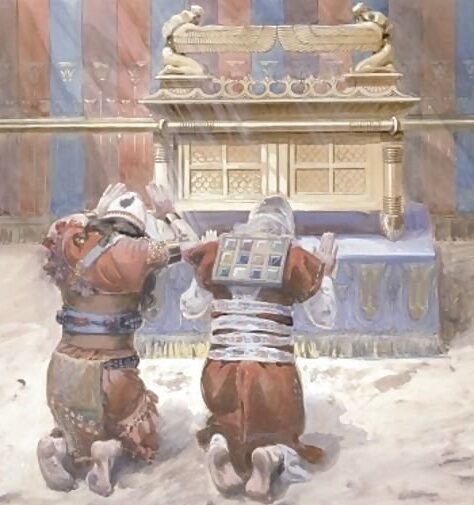
“Take this Book of the Law and place it beside the ark of the covenant of the LORD your God, so that it may remain there as a witness against you.
Deuteronomy 31:26
34:5 So Moses the servant of the LORD died there in the land of Moab, in accordance with the word of the LORD.
And He buried him in the valley in the land of Moab, opposite Beth-peor; but no one knows his burial place to this day.
Deuteronomy 34:6 NASB20
7 Although Moses was 120 years old when he died, his eyesight was not dim, nor had his vigor left him.
- They BURIED MOSES. (Site unknown.)
- and later — a resurrection appearance?
And behold, Moses and Elijah appeared to them, talking with Him.
Matthew 17:3 NASB20
Elijah – אֵלִיָּהוּ
We easily get caught up in his great battles against evil yet forget that the great prophet of the LORD raised a boy from the dead, as later the Messiah Jesus did at Nain.
1 Kings 17:
“O Lord my God, I pray thee, let this child’s soul come into him again.”
22 And the Lord heard the voice of Elijah; and the soul of the child came into him again, and he revived…
DEATH as a young man; and then RESURRECTION by the LORD and the prayer of Elijah.
Later a second great prophet Elisha witnesses Elijah at his DEATH.
And as they were walking along and talking, behold, a chariot of fire appeared with horses of fire, and they separated the two of them. Then Elijah went up by a whirlwind to heaven.
And Elisha was watching it and he was crying out, “My father, my father, the chariot of Israel and its horsemen!” And he did not see [fn]Elijah again. Then he took hold of his own clothes and tore them in two pieces.
2 Kings 2: [9]-12 NASB20
Elijah, not like Moses, was taken up; yet still Elisha mourns. Even having witnessed NO death, he mourns the loss of his beloved teacher.
And Simon Peter, who loved his teacher, the Messiah Jesus also witnessed him (never giving thought to what must happen to the Christ BEFORE HIS RESURRECTION).
Jesus – Ἰησοῦς – יְהוֹשׁוּעַ
Matthew 17:
You may need to click the link above for common English if you have trouble following the
Orthodox Jewish Bible used by some Messianic Jews.
And after shisha yamim (six days), Rebbe, Melech HaMoshiach took Kefa, Yaakov and Yochanan his brother; he brings them up to a high mountain in yechidus.
2 And Rebbe, Melech HaMoshiach was transfigured before them, and Moshiach’s face shone like the shemesh (sun), and his garments became brilliant like the ohr.
3 And hinei! There appeared before them Moshe Rabbenu and Eliyahu HaNavi conferring with Rebbe, Melech HaMoshiach.
KJV 4 Then answered Peter, and said unto Jesus, Lord, it is good for us to be here: if thou wilt, let us make here three tabernacles; one for thee, and one for Moses, and one for Elias.
5 While he yet spake, behold, a bright cloud overshadowed them: and behold a voice out of the cloud, which said, This is my beloved Son, in whom I am well pleased; hear ye him.
6 And when the disciples heard it, they fell on their face, and were sore afraid.
Glorious! Not unlike the LORD on Sinai.
Yet listen to what Jesus tells Peter and John who were present.
“..Tell the vision to no man, until the Son of man be risen again from the dead… Elijah already came, and they did not recognize him, but did to him whatever they wanted. So also the Son of Man is going to suffer at their hands.”
Matthew 17:9b KJV, 12b NASB
Of course, even though the Twelve had heard Jesus say plainly and He must suffer and die, them be raised from the dead after three days, now after the Lord’s cruel crucifixion resurrection was far from their thoughts.
LIFE after death?
First:
You can not get to LIFE after death until you have dealt with sin.
.. death spread to all mankind, because all sinned—
Romans 5:12b NASB20
וְכָל־יִשְׂרָאֵל עָֽבְרוּ אֶת־תּוֹרָתֶךָ וְסוֹר לְבִלְתִּי שְׁמוֹעַ בְּקֹלֶךָ וַתִּתַּךְ עָלֵינוּ הָאָלָה וְהַשְּׁבֻעָה אֲשֶׁר כְּתוּבָה בְּתוֹרַת מֹשֶׁה עֶֽבֶד־הָֽאֱלֹהִים כִּי חָטָאנוּ לֽוֹ׃
Daniel 9:11 Masoretic Text with NASB20 translation
And no man on earth can fully compensate God for the sin he has committed. No priest can intercede perfectly, save One.
Second.
The Messiah Jesus was left for dead in the grave of a man.
The Son of Man (born into Adam’s image) was witnessed through His many signs and miracles as the Son of God, incarnate of the Holy Spirit of the LORD. God IS His Father and Jesus IS our heavenly Father’s only Son, though all in Christ have become His children. (It is a great mystery rooted in love, mercy and grace.)
Third.
JESUS CHRIST was sinless. He lived the human life of a mortal for thirty some years. Yet God sent His Only Son to the CROSS!
So WHY was a SINLESS man executed, even the MESSIAH of God’s chosen?
Romans 3:
- 21..the righteousness of God has been revealed
- (He lived in human flesh but did not succumb to the sin of the flesh. – RH)
- 24 ..as a gift by His grace through the redemption which is in Christ Jesus, whom God displayed publicly as a propitiation in His blood through faith.
Propitiation, a word to which 21st century culture cannot relate, is important (and not too complicated).
Jews of the first century understood it as did the Jews in the generations of Moses and Elijah.
READ its significance below & be convicted of what Jesus did for you on the Cross:
The Covenant of God’s chosen with the LORD was broken.
Propitiation – used of the cover of the ark of the covenant in the Holy of Holies, which was sprinkled with the blood of the expiatory victim on the annual day of atonement (this rite signifying that the life of the people, the loss of which they had merited by their sins, was offered to God in the blood as the life of the victim, and that God by this ceremony was appeased and their sins expiated); hence the lid of expiation, the propitiatory
Strong’s G2435 – hilastērion – Blueletterbible.org
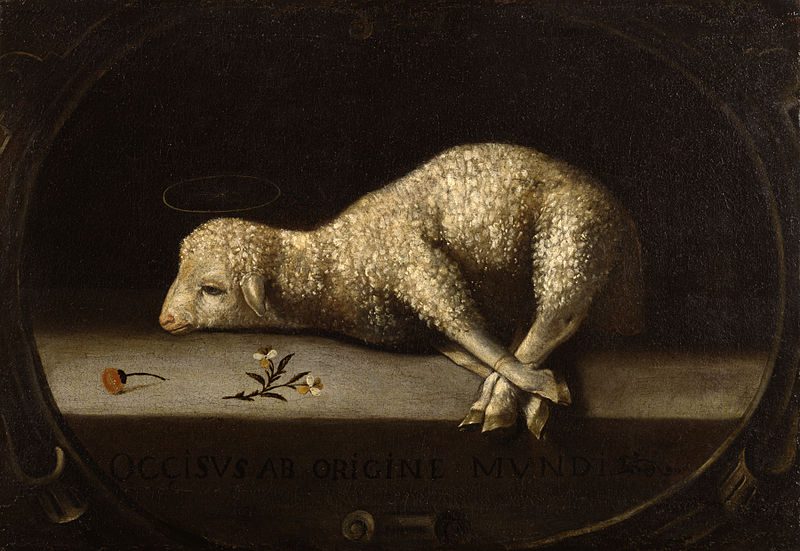
.. for all have sinned and fall short of the glory of God, being justified as a gift by His grace through the redemption which is in Christ Jesus,
- an expiatory sacrifice
- a expiatory victim
.. whom God displayed publicly as a propitiation G2435 in His blood through faith.
Finally.
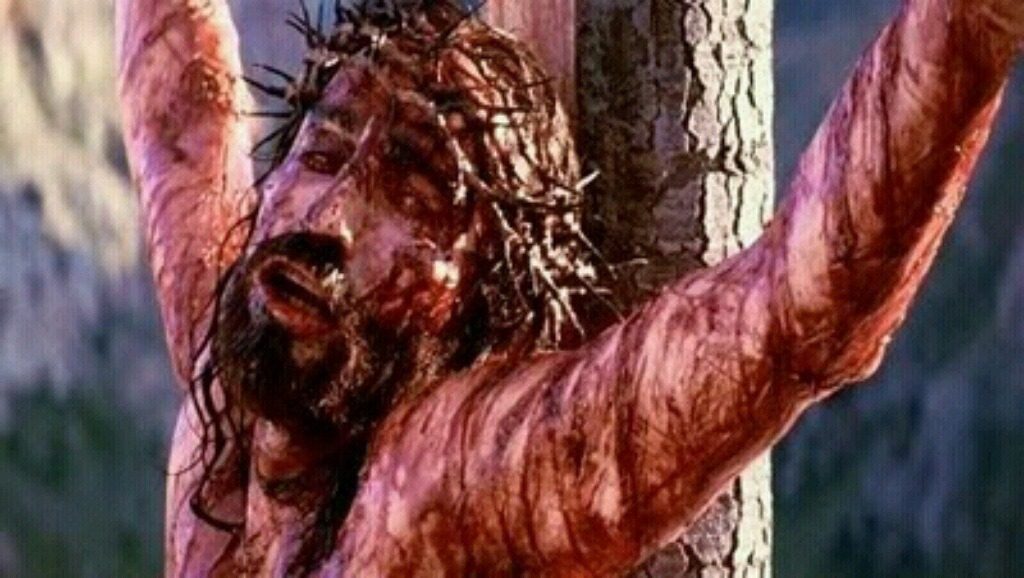
“You shall not offer the blood of My sacrifice with leavened bread, nor is the sacrifice of the Feast of the Passover to be left over until morning.
Exodus 34:25 NASB20
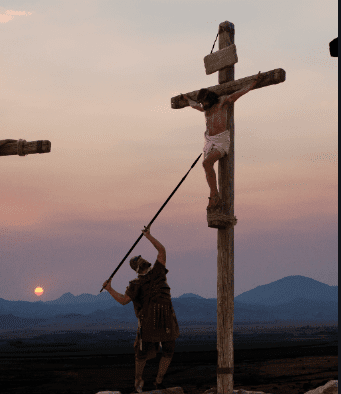
Therefore because of the Jewish day of preparation, since the tomb was nearby, they laid Jesus there.
John 19:42
The DEATH of the LAMB is accomplished. Sin is buried by the Sacrifice of the Sinless.
Resurrection – LIFE by grace
What were Jesus’ closest disciples feeling and remembering early that Easter morning?
They must have thought of His incarnate life extinguished so violently on a Cross last Friday and duty to complete the embalming of their Lord’s entombed flesh.
DEATH, then taken up like Elijah?
Would they have even thought back to what Jesus had said about Moses or Elijah — concerning His own death or resurrection?
Those near Golgotha would have recalled his CRY before death.
At the ninth hour Jesus cried out with a loud voice, “ELOI, ELOI, LEMA SABAKTANEI?” which is translated,
“MY GOD, MY GOD, WHY HAVE YOU FORSAKEN ME?”
Mark 15:34 NASB20
Did they remember what some Jews in the crowds had mocked?
“Look! He is calling for Elijah!”
Mark 15:35b
No — the Lord Jesus was NOT taken up from the Cross in glory into a chariot of fire in heaven.
He died and hung there +++ only to be buried in a tomb.
Mourning Moses, yet not their Messiah
Jesus had invoked Moses and the Law as accusers of the Jews who would crucify Him, yet leaves room for grace. (For many of the Jews believed in Him publicly or privately.)
“Do not think that I will accuse you before the Father; the one who accuses you is Moses, in whom you have put your hope. For if you believed Moses, you would believe Me; for he wrote about Me.
Mark 5:45-46
Did they remember Jesus’ answer about the resurrection?
Luke 20:
“But as for the fact that the dead are raised, even Moses revealed this in the passage about the burning bush, where he calls the Lord THE GOD OF ABRAHAM, THE GOD OF ISAAC, AND THE GOD OF JACOB. Now He is not the God of the dead, but of the living; for all live to Him.”
Luke 24:
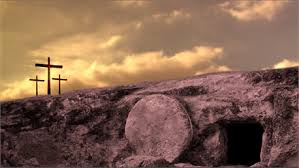
But on the first day of the week, at early dawn, they came to the tomb bringing the spices which they had prepared. 2 And they found the stone rolled away from the tomb, 3 but when they entered, they did not find the body of the Lord Jesus…
That’s really it, is it not? — It’s what we want to know about the resurrection:
..“Why are you seeking the living One among the dead?
6 He is not here, but He has risen.
Remember how He spoke to you while He was still in Galilee, saying that the Son of Man must be handed over to sinful men, and be crucified, and on the third day rise from the dead.”
8 And they remembered His words, and returned from the tomb and reported all these things to the eleven, and to all the rest.
THEY DID NOT FIND THE BODY.
This was the miraculous scene concerning the Son of God who had performed MANY signs and miracles.
Will OUR BODY be there when WE go to the grave?
YES! But, we will NOT — for our Soul formed into flesh and bone will rise to the judgment or to the Lord our God. Our body returning to the dust of creation will also rise; but too many questions about our resurrections body to address here today.
Death + NOT THE END +
Luke 24:
38 And He said to them,
“Why are you frightened, and why are doubts arising in your hearts?
It’s a tough question when confronting death and life, isn’t it?
44 Now He said to them,
“These are My words which I spoke to you while I was still with you, that all the things that are written about Me in the Law of Moses and the Prophets and the Psalms must be fulfilled.”
45 Then He opened their minds to understand the Scriptures, and He said to them,
“So it is written, that the Christ would suffer and rise from the dead on the third day, and that repentance for forgiveness of sins would be proclaimed in His name to all the nations, beginning from Jerusalem.
48 You are witnesses of these things…
Are you? Even though you did not put your fingers into His hands and pierced side, DO YOU BELIEVE, my dear brother, beloved sister in Christ our RISEN Lord?
Do you talk of Jesus as if He IS – witness Jesus as if He is your Lord and Savior from your sin?
And what of LIFE after death. In Him and through Him, DO YOU BELIEVE IN THE RESURECTION?
LIFE, after DEATH!
in CHRIST JESUS + TO BE CONTINUED…
Amen.