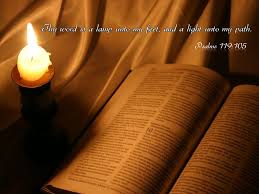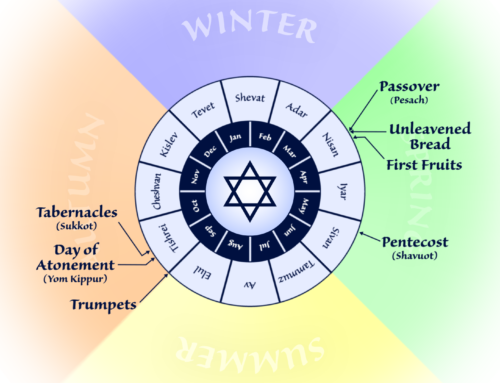
Speak unto the children of Israel, and say unto them, Concerning the feasts of the LORD, which ye shall proclaim to be holy convocations, even these are my feasts.
Leviticus 23:2 KJV
Holy Holidays
We’ve lost something of the holiness of the holidays in the translation. Worldliness seeps steadily into our daily lives and we don’t necessarily relate to what some versions of the Bible call, ‘sacred assemblies,’ or ‘holy feasts.’
Six days shall work be done: but the seventh day is the sabbath of rest, an holy convocation; ye shall do no work therein: it is the sabbath of the LORD in all your dwellings.
Leviticus 23:3 KJV
Do we hear of or even know what “holy convocations” might be?
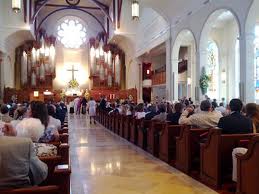
Even though raised in the church, I didn’t until I looked it up during my college years. A convocation מִקְרָא is a sacred gathering, a called public meeting for the reading of God’s word.
Perhaps you’ve noted our digression from holy worship to a more culturally palatable feast of entertainment at church.
Priests and religious officials would have taken all sorts of rules (and definitions of work) from Leviticus, which we recognize as the Sabbath Commandment. Yet what many contemporary gatherings may miss or dismiss from Exodus and Deuteronomy is holiness.
Seasons and celebrations between the sabbaths may be designated as holy convocations; days for feasting — neither a time for fasting, nor ordinary work day.
The sabbath of the LORD, which Christ points out it is ‘made for man,‘ is, never-the-less, set aside by the LORD for Holiness.
So what are these convocations? And more importantly, how do their principles apply to us today?

Note that these seven prescribed seasons of holy rest do not include certain notable minor holiday observances.
Hanukkah חֲנֻכָּה and Christmas??

Christmas and Hanukkah both focus on light and God’s faithfulness in helping men (and women) of faith to be restored to holiness.
The minor celebration of Hanukkah began during the second temple period, about 200 years before Christ and was also known as the feast of dedication.
The minor convocation of Christmas points to the holiness of God, humbly descending to us as the Son of Man; a baby like all others, yet without sin, like no other man.
Jews have recently celebrated eight days of Hanukkah.

Christians have begun a preparatory season of Advent leading up to the festival of Christmas.
Do you feel rested?
Has God been a part of your celebrations of this season?
I mention these holidays blown out of proportion by our sustained worldly emphasis on minor celebrations, because we fail to rest in the Lord.
Return to the Lord’s rest
“I hate all your show and pretense—
Amos 5:21 NLT
the hypocrisy of your religious festivals and solemn assemblies.
This, too, is nothing new, as you can see from the rebuke of the Lord through the prophet Amos. His complaint sounds much like that of contemporary unbelievers, when Christians most of all ought to be questioning our own Christmas traditions.
God deserves worship שָׁחָה, not occasions of excess and entertainment.
“Where is he who has been born king of the Jews? For we saw his star at its rising and have come to worship him.”
Matthew 2:2
Religious Convocations
Without drilling down to the detail of ancient worship to the Lord called for in the Law, let’s briefly examine these other Sabbath rests. I invite you to research these scriptures and celebrations further, since I will only comment on each briefly.
Most scriptures and quotes in this section from BlueLetterBible.org
Below are festivals linked to this article from Easton's Bible Dictionary.
- The weekly Sabbath
- The Passover feast:
- Pentecost, or the feast of weeks.
- The Ingathering, or feast of Tabernacles
- The seventh new moon or the feast of Trumpets (Num 28:11-15; Num 29:1-6)
- The Sabbatical year (Exd 23:10-11; Lev 25:2-7)
- The year of jubilee (Lev 25:8-16; Lev 27:16-25)
“The Passover was kept just before the harvest commenced, Pentecost at the conclusion of the corn harvest and before the vintage, the feast of Tabernacles after all the fruits of the ground had been gathered in.
As previously mentioned, Jews celebrated additional feasts after destruction of the first Temple.
- The feast of Purim
- The feast of Dedication (Hanukkah)
The Day of Atonement, the tenth day of the seventh month (Lev 16:1; Lev 16:34; Lev 23:26-32; Num 29:7-11).
Christians cannot overemphasize God’s requirement of holiness, achieved by atonement for our sins.
God presented Christ Jesus as an atoning sacrifice in his blood, received through faith, to demonstrate his righteousness, because in his restraint God passed over the sins previously committed.
Romans 3:25
The Sacrifice and death of Christ, made possible by the incarnation of God in the flesh of Jesus, exceeds the importance of our holy celebrations.
Traditions of Sabbath Rests
Contemporary worshipers may not relate to cultures of the times of these designated rests from the Lord; however, hear the Lord’s purpose in these additional Sabbaths made for man.
On each of these occasions every male Israelite was commanded “to appear before the Lord” (Deu 27:7; Neh 8:9-12).
The attendance of women was voluntary. (Luk 2:41; 1Sa 1:7; 1Sa 2:19.)
The promise that God would protect their homes (Exd 34:23-24) while all the males were absent in Jerusalem at these feasts was always fulfilled.
“During the whole period between Moses and Christ we never read of an enemy invading the land at the time of the three festivals. The first instance on record is thirty-three years after they had withdrawn from themselves the divine protection by imbruing their hands in the Saviour’s blood, when Cestius, the Roman general, slew fifty of the people of Lydda (Joppa) while all the rest had gone up to the feast of Tabernacles, A.D. 66.
A few details of worship
Of the new moon festivals the Lord commands: “this is the burnt offering of every month throughout the months of the year ‘And in the seventh month, on the first day of the month, ye shall have an holy convocation; ye shall do no servile work.’
All men worship the Lord and all men have rest for this worship.
Of the Sabbatical year the Lord commands rest for the field, the vineyard and orchard.
Celebration of the year of Jubilee each fiftieth year: “In the Year of Jubilee each of you may return to the land that belonged to your ancestors…Be assured that I will send my blessing for you in the sixth year, so the land will produce a crop large enough for three years…
‘The land shall not be sold permanently, for the land is Mine; for you are strangers and sojourners with Me.
Leviticus 25:23
“You are to allow the redemption of any land you occupy.
We walk with the Lord: our land, a temporary possession of sojourners in this temporary world where we work. The Lord grants redemption to us, the ability to repurchase what He has rightfully given to us from all that is His. Our worship returns but a portion of His abundance to our Lord.
The Lord’s laws are unlike our own unbalanced views of righteousness and justice. His ways are higher than our ways. Though the birth of our Redeemer is important, Jesus’ sacrificial death and resurrection challenge the sinners of this world with consequence for our worldly ways.
Are you caught up in the restless rush of the holidays?
1 Peter 1:
3 Blessed be the God and Father of our Lord Jesus Christ. Because of his great mercy he has given us new birth into a living hope through the resurrection of Jesus Christ from the dead…
Christmas defines the beginning of the life of God Incarnate, His gift to us: “new birth into a living hope…”
14 As obedient children, do not be conformed to the desires of your former ignorance.
15 But as the one who called you is holy, you also are to be holy in all your conduct; 16 for it is written, Be holy, because I am holy.
“Be holy, because I am holy. – 1 Peter 1:15b, Leviticus 11:44-45; 19:2; 20:7
Christ-mass: ‘because I am holy.’
Be holy, because I am holy. – This is our promised rest, through a babe in a manger, a sinless Savior born for the Cross.