Tag: Jesus

  • James – Witness of a Converted Brother

    James – Witness of a Converted Brother

    We’ve just looked at testimonies of several witnesses to Jesus, risen in the flesh, in I have Seen the Lord. Here we will take a look at one witness converted by Jesus’ resurrection, James.

    painting of Jesus and guests at a feast in the house of Simon the Pharisee
    Feast for Jesus in home of Simon the Pharisee

    He frequently spent time with Jesus, heard His preaching, yet his name is not even mentioned in John’s Gospel. Was he was a doubter perhaps more skeptical than Thomas? Thousands heard the Lord preach on mountaintops, in homes, many synagogues and frequently in various public areas of the Temple.

    How does one of more than five hundred witnesses to Jesus’ resurrection become so important to the first century church? Why is he hardly mentioned in the four Gospel accounts? And could 21st century Christians have missed the identity and influence of the Apostle leading the church in Jerusalem after Jesus’ ascension?

    We’ll address some of this mystery later, but James’ familial witness is found in the important pastoral letter he wrote.

    Letter of James

    This won’t be a detailed look at the Epistle of James, but rather a study of the early church. You may want an answer to the same question I had (‘which James?’), but before we focus on our letter writer let’s take a quick look at a commentary on his letter.

    James at a Glance

    Source:  
    Willmington's Bible at a Glance 

    This book offers sound advice for practical Christian living, examining such issues as prayer, steadfastness in trial, impartiality, demonstrating one’s saving faith in God by one’s service for God, proper control of the tongue, overcoming worldliness, and finally, exhortation to practice patience while awaiting the return of Jesus!

    Bottom Line Summary

    THIS NEW TESTAMENT BOOK IS THE PROVERBS AND AMOS OF THE OLD TESTAMENT.

    Letter of James description from Willmington’s Bible at a Glance

    No doubt you understand the nature of Proverbs and his proverb-like quotes from the letter may have been intended for memorization. This commentary evokes questions about the author’s identity, but anyone familiar with the prophets will appreciate James’ intent.

    • The book of Amos, because of its uncompromising “in your face” rebuke of sin and hypocrisy!

    Our own examination of James applies in this same way to our easy-grace church of this twenty-first century perhaps even more that the first century church to which James wrote his letter.

    James, James, What’s in a name?

    Ἰάκωβος

    James, a servant of God and of the Lord Jesus Christ:
    To the twelve tribes dispersed abroad.
    Greetings.

    Gk for ‘James,’ James 1:1 CSB

    English translations of common names from Hebrew, Greek, Aramaic or other languages sometimes confuse our understanding of whose’s who in the Bible. We associate certain traits to people we read about in the Bible without really knowing much about then.

    Ἰάκωβος translated as James, means “the supplanter.” You may recognize it – same meaning as “Jacob.” The greek root, Ἰακώβ, derives from the Hebrew roots: יַעֲקֹב עָקַב

    The Lord God had made Jacob’s new name literally, Israel, meaning ‘God prevails’ – יִשְׂרָאֵל. And though we won’t go there now, let’s just mention the name of the father of Mary’s husband, Joseph, was also ‘Jacob.’

    So this common name in its numerous variations seems to denote a VIP, regardless of what we call him or what works he achieves for the Lord.

    James, and my other brother James

    Those from my generation may recall a familiar chorus by Jim Croce.

    They say you don't tug on Superman's cape. 
    You don't spit into the wind.
    You don't pull the mask off that old Lone Ranger
    And you don't mess around with Jim.

    You may know a James like ‘Jim,’ but let’s dispense with some preconceived notions about the writer James. We certainly recognize the superlative contributions of more than one James to the establishment of the early church.

    May I remind us that Jesus is the way, the truth and the life. Jesus came to justify sinners by faith. (The ‘American way’ is as fictional as Krypton and occasionally our arrogance spits into the wind of His great mercy.)

    In some ways James should not be unmasked; for every Apostle gave the glory to Jesus, whose order will be restored through grace and truth. The identity behind the mask of the author of James may not be certain, but let’s peak at some thoughts of who some theologians believe he may be.

    James the Great (Son of Zebedee)

    profile of James, kneeling in prayer, painting by Rembrandt
    Saint James the Greater

    ‘The Great,’ that’s what we probably would have called him.

    James, son of Zebedee was called James the Greater and sometimes, James the Elder. We all know the story of the influence his Jewish mother attempted to enhance his reputation in Jesus’ Kingdom.

    Matthew 20:21-22

    Then the mother of Zebedee’s sons approached him with her sons. She knelt down to ask him for something.

    “What do you want? ” he asked her.

    “Promise,” she said to him, “that these two sons of mine may sit, one on your right and the other on your left, in your kingdom.”

    Yes, the Apostle, older brother of John, was a pretty strong guy, part of Jesus’ inner circle along with his younger brother and Peter. Just as Jesus had called Simon by the name Peter, which means ‘the rock,’ He called the two brothers, Boanerges or ‘Sons of Thunder.

    Although James the Great, a leader among the twelve Apostles, would seem a logical choice as author to the letter, events suggest otherwise.

    Acts 12:

    About that time [during the reign of Claudius] King Herod violently attacked some who belonged to the church, 2 and he executed James, John’s brother, with the sword.

    James the Great was martyred for the sake of Christ circa AD 44. Although James may be the earliest New Testament book written, the date was likely not until AD 45 in Jerusalem.

    James the Less (Son of Alphaeus)

    Matthew 10:2 These are the names of the twelve apostles: First, Simon, who is called Peter, and Andrew his brother; James the son of Zebedee, and John his brother; 3 Philip and Bartholomew; Thomas and Matthew the tax collector; James the son of Alphaeus, and …

    This second James of the Twelve may have been called ‘the less’ because he was younger or smaller, but mostly to differentiate him from James Son of Zebedee, brother of John.

    Although some have speculated he may have written the Epistle (letter), he is probably not its author.

    James Half-brother of Jesus

    The gospels mention this younger son of Mary during the three-year ministry of Jesus. He would likely have been in his twenties. However, this other son of Mary did not believe until after the resurrection.

    Matthew 13:

    54 Coming to his hometown, he began teaching the people in their synagogue, and they were amazed. “Where did this man get this wisdom and these miraculous powers?” they asked.

    • 55 “Isn’t this the carpenter’s son?
    • Isn’t his mother’s name Mary,
    • and aren’t his brothers James, Joseph, Simon and Judas?
    • 56 Aren’t all his sisters with us?

    Where then did this man get all these things?” 57 And they took offense at him. But Jesus said to them, “A prophet is not without honor except in his own town and in his own home.”

    58 And he did not do many miracles there because of their lack of faith.

    Here we see witness of questions about Jesus’ brothers and sisters, although some false teaching of the early church denied this apparent family connection.

    Commentaries generally agree that Jesus’ half brother led the church in Jerusalem. Additional scripture also points toward this converted brother of Jesus.

    John 7:

    Jesus Goes to the Festival of Tabernacles

    It’s very public, the place for Jews to take time to worship the Lord. And festivals are a time when those in Galilee would have traveled to Jerusalem.

    2 But when the Jewish Festival of Tabernacles was near, 3 Jesus’ brothers said to him, “Leave Galilee and go to Judea, so that your disciples there may see the works you do. 4 No one who wants to become a public figure acts in secret. Since you are doing these things, show yourself to the world.” 5 For even his own brothers did not believe in him.

    Yes, skeptics. Even though others had already testified to Jesus’ miracles , the younger James and Joses did not believe. They no doubt had heard all the talk, but were in fact saying, ‘prove it.’

    … he stayed in Galilee. 10 However, after his brothers had left for the festival, he went also, not publicly, but in secret…

    12 Among the crowds there was widespread whispering about him. Some said, “He is a good man.” Others replied, “No, he deceives the people.” 13 But no one would say anything publicly about him for fear of the leaders.

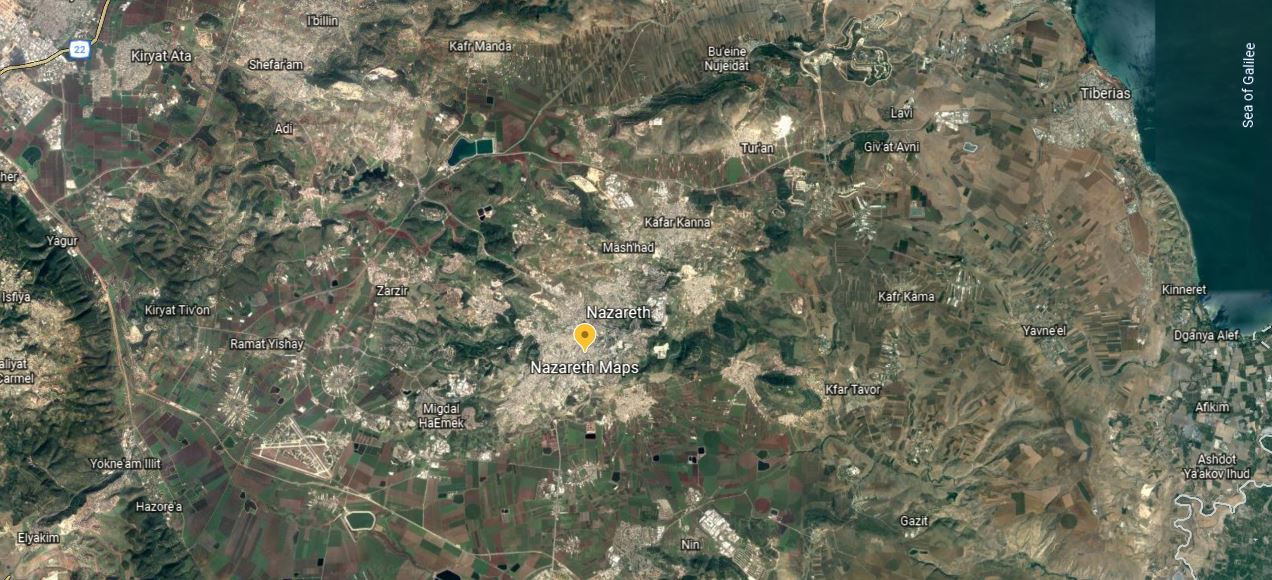
    Jesus’ brothers certainly would have been drawn into the debates in Nazareth which now they experience in Jerusalem.

    Jesus Teaches at the Festival

    14 Not until halfway through the festival did Jesus go up to the temple courts and begin to teach. 15 The Jews there were amazed and asked, “How did this man get such learning without having been taught?”

    16 Jesus answered, “My teaching is not my own. It comes from the one who sent me. 17 Anyone who chooses to do the will of God will find out whether my teaching comes from God or whether I speak on my own.18 Whoever speaks on their own does so to gain personal glory, but he who seeks the glory of the one who sent him is a man of truth; there is nothing false about him…

    Would you miss your own brother teaching, knowing the witnesses to miracles and claims that this familiar older brother (actually, half-brother) is the promised Messiah?

    Probably not.

    26 Here he is, speaking publicly, and they are not saying a word to him. Have the authorities really concluded that he is the Messiah?

    Jesus and his brothers participated in the festival multiple days, further evidence that James fully knew everything that Jesus taught. For this reason he is later referred to as an Apostle, because he is witness to Jesus Incarnate (God in Flesh and Blood).

    On the last and greatest day of the festival, Jesus stood and said in a loud voice, “Let anyone who is thirsty come to me and drink. 38 Whoever believes in me, as Scripture has said, rivers of living water will flow from within them.”

    John 7:37-38 CSB

    After His Brother’s Resurrection

    The Apostle Paul essentially writes to the church the same gospel as James.

    Paul’s First Letter to the Corinthians 15:

    Now, brothers and sisters, I want to remind you of the gospel I preached to you, which you received and on which you have taken your stand. 2 By this gospel you are saved, if you hold firmly to the word I preached to you. Otherwise, you have believed in vain…

    5 … and that he appeared to Cephas, and then to the Twelve.

    Paul has already accounted for Jesus’ post-resurrection appearances to Peter and the Twelve Apostles. (Even Mathias may be counted here, a discussion for another time).

    6 After that, he appeared to more than five hundred of the brothers and sisters at the same time, most of whom are still living, though some have fallen asleep.

    Paul’s letter was written circa AD 55, while the letter of James was written ten years earlier, circa AD 45. Returning to Paul’s witness of those to whom Jesus appeared in the flesh after death:

    7 Then he appeared to James, then to all the apostles, 8 and last of all he appeared to me also, as to one abnormally born.

    Although some traditions conclude a writer other than the half-brother of Jesus, the authenticity of the letter of James and his firm scriptural leadership of the early church cannot be disputed. Like Paul, James preaches Christ crucified and risen; Jesus Lord, the One we serve and by the Holy Spirit He IS with us, before God the Father.

    James, converted skeptic, as was Saul of Tarsus until Jesus appeared to him, writes to the church – all the believers. These letters inform and shape Christians in every place in the world until Christ returns again.

    To be continued...
  • I Have Seen the Lord!

    I Have Seen the Lord!

    Hear what so many witnesses to the Resurrection have to say about Jesus.

    The following first person accounts of the resurrection of Christ Jesus are not literal, but taken from the testimony of the Holy Gospels.

    The Gospel of John

    This is the disciple who testifies to these things and who wrote them down. We know that his testimony is true.

    John 21:24

    John

    I was not first to see our Lord Jesus risen. She came running to us with the Good News.

    Μαγδαληνή – Mary Magdalene

    We had been at the foot of the Cross where they crucified Jesus; three of us, all named Mary. (They alway called me, Magdalēnē, after my hometown by the seashore of Galilee). I heard the Lord cry out, “teleō (it is finished),” as His Spirit left Him.

    Later we wailed as a centurion pierced His already dead and lifeless torn flesh hanging on the Cross. Other disciples came to the skull beyond the gate where they gathered His body into a clean shroud and gently carried it to a nearby tomb.

    We followed Jesus’ body and the men carrying it to a newly carved tomb. Uniformed guards rolled a stone in front of the cave and they made us leave. As darkness fell upon us we knew it our duty to somehow complete His preparation once the daylight after the Sabbath allowed us to return.

    I returned on the first day of the week even before dawn. When I arrived at the tomb, expecting to ask the Roman guards to remove the stone at the entrance, I was amazed to see it had already been rolled away.

    What could I do? I ran back to tell Peter about the empty tomb.

    Mary returns to the tomb

    Peter and John had left after running to the empty tomb and examining it briefly. I returned to find them looking inside. They didn’t know what to make of the empty tomb and went back to town talking to each other. There I was alone, I thought.

    I cried as I fell to my knees. What had happened, I wondered? Then through my tears I looked into the darkness of the tomb and thought I saw the two guards sitting where Jesus’ body had been laid on the day before the Sabbath.

    “Woman, why are you crying,” one of them asked?

    “Because they’ve taken away my Lord,” I told them, “and I don’t know where they’ve put him.” I was about to tell them how I had to prepare His body for burial, how Joseph and Nicodemus had only brought the shroud and the myrrh, but we had to finish the preparation of our Lord for burial.

    The First Witness

    Then I turned to look beyond the door of the cave. It was brighter outside and there stood another man I had not seen before. He spoke to me as men always addressed women with work to do.

    15 “Woman, why are you crying? Who is it that you’re seeking?”

    This man probably also has work to do, I thought. But I continued to plea for my Lord’s body which was not there.

    “Sir, if you’ve carried him away, tell me where you’ve put him, and I will take him away.”

    Then I recognized His gentle smile and loving voice.

    “Mary.”

    I turned to embrace Him as I poured out my joy at the sight of Him:

    ““Rabboni!”

    “Don’t cling to me,” Jesus cautioned after I called Him teacher, “since I have not yet ascended to the Father…”

    It took every bit of obedience to restrain my joy to listen, but not to touch the Lord. As I struggled with my emotions, He continued:

    “… But go to my brothers and tell them that I am ascending to my Father and your Father, to my God and your God.”

    Of course, I ran back to town and announced it to the Disciples. Jesus always called them His brothers and all of us His family.

    “I have seen the Lord!”

    John 20:18b CSB

    As quickly as I could I told them all I had seen, then Peter ran out the door followed by John.

    Σίμων Πέτρος – Simon Peter

    I am Simon, son of John the fisherman, owner of the fishing fleet on the Sea of Tiberias. Jesus calls me Cephas or Peter, but I denied knowing Him when the soldiers took Him away. It was just as He had said.

    The trial was no trial at all and they convicted Him of nothing. But they tortured and killed Him anyway, mocking Him before the crowds. I was afraid. We were all afraid and we hid from the authorities.

    On the first day of the week after His execution Mary Magdalene comes bursting in the door. “They’ve taken the Lord out of the tomb, and we don’t know where they’ve put him!”

    I took the lead, not waiting for anyone, and darted out the door. John followed closely, the young man running a bit quicker than me. When I arrived he was stooping down looking into the empty tomb. He was looking at something.

    I stooped down and went on in and saw the linen cloths lying there. 7 The wrapping that had been on his head was not lying with the linen cloths but was folded up in a separate place by itself.

    This makes no sense, I thought. John stepped in behind me and also saw the neatly folded linen cloths and the wrapping that Joseph had placed around Jesus’ head as we had carefully held His lifeless body.

    We left and went back to town.

    Ἰάκωβος – James, Son of Zebedee

    James, chosen randomly for this post-resurrection witness, represents any of the unnamed Disciples in the locked room where the Lord appeared.

    I am James the elder or the greater, as I am sometimes called so as not to confuse me with Jesus’ younger half-brother, son of Joseph. John, my younger brother and I were followers of John the Baptist until we met the Lord.

    John, Peter and I had all witnessed the transfiguration of our Lord when He appeared with Moses and Elijah. We knew He IS the Messiah of God.

    But I feared for my own life after Peter cut off the ear of a centurion arresting Jesus in Gethsemane. Even then He healed the man as if it had never happened. It was like so many miracles of Jesus we had witnessed the last three years.

    Most of us had gone back into town to the room where our Lord had washed our feet. And we kept the doors locked.

    On the first day of the week Peter and John had answered an early and urgent knock at the door. They left hastily, following Mary. When they returned my brother John told us he was certain the Lord was alive. Peter agreed and confirmed the evidence of all they had seen at the empty grave.

    We all discussed it, all, that is, except Thomas who was not there. But we once again began to hope and thought hard about scripture Jesus had so often discussed with us. Then in the evening an amazing thing happened, and as I said, the door was locked.

    Jesus came, stood among us and said, shä·lōm, that is, “Peace be with you.”

    Having said this, he showed us his hands and his side. I shed tears of joy, but also of sorrow as I looked upon the Lord’s hands and the place where the nails had been driven through. He also showed us his spear-pierced side. How was it possible? Yet there our Lord stood among us.

    And ever so briefly as we were all still rejoicing the Lord left, disappearing instantly as He had appeared in our room with the locked door.

    Θωμᾶς Δίδυμος – Thomas

    Jesus and the others called me Thomas or Didymos, which means, ‘the twin.’ My given name is Judas, but they call me Thomas so as to not confuse me with Judas, half-brother of Jesus or Judas Iscariot, who betrayed our Lord.

    Word had reached me that Jesus IS alive and had appeared to the others. I hurried back to Jerusalem to the room where we had celebrated the Passover feast before our Lord’s suffering and death. The door was locked, of course. I knocked and announced myself, ‘it is Didymos.’

    ‘Thomas,” Peter replied as he opened the door and quickly locked it once more. “Last week the Lord appeared to us here.” “Thank you for sending the messenger with the good news to me,” I responded.

    “We’ve seen the Lord!” all the Disciples were telling me.

    Yet even though I had come back with my heart full of hope I replied,

    “If I don’t see the mark of the nails in his hands, put my finger into the mark of the nails, and put my hand into his side, I will never believe.”

    For they had all told me how they had seen the scars of His crucifixion.

    Jesus tells Thomas, “Put your finger here..”

    Suddenly, the Lord also appeared in the locked upper room to me. The Lord greeted us all, “Peace be with you.” Then He turned to me.

    “Put your finger here and look at my hands. Reach out your hand and put it into my side. Don’t be faithless, but believe.”

    I touched the bloodless indentation in the Lord’s right hand, buckled to my knees, weeping and looking into His familiar loving eyes.

    “My Lord and my God!”

    Jesus’ look accepted my belated worship. Then He said to all of us:

    “Because you have seen me, you have believed.”

    “Blessed are those who have not seen and yet believe.”

    John 20:29B CSB – words of the risen Christ Jesus

    Μαθθαῖος לֵוִי – Matthew Levi

    The Gospel of Matthew

    The Hebrews know me by Levi and I collected the Roman tax for their leaders. But once the Lord called on me to follow Him, I was mostly called by my Greek name, Matthew.

    Besides John, I am one of the twelve witnesses to the incarnate life of the Messiah Jesus. We were all, of course, Jews, who spoke Aramaic and Greek with the Romans. My Gospel adds other detail to John’s Gospel.

    The Gospels of Mark and Luke

    You would probably call us second generation disciples of Jesus. Just a short time after the resurrection of the Lord Jesus, Peter came to us after Herod executed James, John’s brother with the sword. John Mark began recording all that Peter witnessed and then interviewed other Apostles as well.

    The physician Luke also wrote a detailed Gospel of the events in Jesus’ life and a second scroll of the Acts of the Apostles, where Luke faithfully records the events of Pentecost. John also recorded the receiving of the Holy Spirit, as the Lord Jesus had promised.

    John – Much more to say

    The Apostle John closes his Gospel and resurrection account in this way:

    The Purpose of This Gospel

    Jesus performed many other signs in the presence of his disciples that are not written in this book. But these are written so that you may believe that Jesus is the Messiah, the Son of God, and that by believing you may have life in his name.

    John 20:30-31 CSB

    The young Apostle John would be the only Disciple to live to old age. (All others sacrificed their own lives for the sake of the Good News of Christ Jesus).

    John wrote three letters to the church as well as the closing book of the Bible about the apocalypse of the close of the age, Revelation.

    Παῦλος שָׁאוּל – Paul [Saul of Tarsus]

    Our witness of the risen Christ would not be complete without that of a zealous Jewish scholar and Pharisee once opposed to the Lord Jesus and a murderer of followers of The Way, Paul, known as Saul.

    Luke records Paul’s own witness in Acts 9:

    3 As he traveled and was nearing Damascus, a light from heaven suddenly flashed around him. Falling to the ground, he heard a voice saying to him, “Saul, Saul, why are you persecuting me? ” “Who are you, Lord? ” Saul said. “I am Jesus, the one you are persecuting,” he replied.

    Paul’s later letter to the church at Corinth speaks to us about the all-important witness of the resurrection of Christ.

    1 Corinthians 15

    Resurrection Essential to the Gospel

    Now I want to make clear for you, brothers and sisters, the gospel I preached to you, which you received, on which you have taken your stand.

    .. that Christ died for our sins according to the Scriptures,

    • 4 that he was buried,
    • that he was raised on the third day according to the Scriptures,
    • 5 and that he appeared to Cephas [Peter]
    • then to the Twelve)

    Then he [the risen Christ Jesus] appeared to over five hundred brothers and sisters at one time; most of them are still alive, but some have fallen asleep.

    1 Corinthians 15:6
    • 7 Then he appeared to James,
    • then to all the apostles.
    • 8 Last of all, as to one born at the wrong time,a he also appeared to me.

    Resurrection Essential to the Faith

    13 If there is no resurrection of the dead, then not even Christ has been raised… 17 And if Christ has not been raised, your faith is worthless; you are still in your sins…

    If we have put our hope in Christ for this life only, we should be pitied more than anyone.

    1 Corinthians 15:19

    Christ’s Resurrection Guarantees Ours

    20 But as it is, Christ has been raised from the dead, the firstfruits of those who have fallen asleep… If the dead are not raised, Let us eat and drink, for tomorrow we die.

    Note that he does not call on us to party (as the world misquotes), but warns that to live in this way is fruitless, since we believe in the resurrection. Our certainty of eternal life in Christ guarantees that the fruit of this life becomes our reward for eternity.

    A closing thought for Easter

    John has told us that he could have told us many more convincing things to convince us that Jesus IS the Messiah. Many witnesses, even historians outside the Bible testify to Jesus.

    Paul continues his eloquent witness for Christ and the resurrection of Jesus, which I commend to your prayer and study.

    Question is: Do you believe in the Lord, Christ Jesus?

    I will close with Paul’s own further witness, which I pray you will take to heart for the sake of your eternal soul.

    Death has been swallowed up in victory.
    55 Where, death, is your victory?
    Where, death, is your sting?

    56 The sting of death is sin, and the power of sin is the law.

    57 But thanks be to God, who gives us the victory through our Lord Jesus Christ!

  • Festival of the Passover

    Festival of the Passover

    No holy holiday surpasses peçach, the festival of the Passover, in the calendar year of the jews. In a previous post, Josiah – a Good King also Dies, we discovered that Passover had been completely forgotten by the Judah. The Law had not been read and Kings before Josiah had done evil in the sight of the Lord.

    פֶּסַח

    We also reviewed the meaning of Passover:

    “a sparing, immunity from penalty and calamity.

    The root word suggests from application of scripture in Exodus 12 that the Lord will pass over or spring over you when executing judgment. He will halt the punitive action in your case.

    A Three-part Festival

    Instructions for the Passover

    Exodus 12:3 Tell the whole community of Israel that on the tenth day of this month they must each select an animal of the flock according to their fathers’ families, one animal per family. 4 If the household is too small for a whole animal, that person and the neighbor nearest his house are to select one based on the combined number of people; you should apportion the animal according to what each will eat. 5 You must have an unblemished animal, a year-old male; you may take it from either the sheep or the goats. 6 You are to keep it until the fourteenth day of this month…

    Preparation

    The contemporary photo of an Israeli employee removing prayer notes from the western wall is just one example of a cleansing of sorts, associated with the sacrifice of Passover.

    You must be spotless before the Lord. Not better than everyone else, one who does more good works than (perhaps) the one who does not achieve eternal life. Spotless. Cleansed of sin.

    His place of worship in Jerusalem must be clean to begin the great sacrifice. Everything washed. Pure. This preparation to come before the Lord is symbolic of repentance.

    Are you mostly good?

    Not good enough (for no man or woman is good, no not one).

    lamb bound on the altar of sacrifice

    Yet we no longer sacrifice the blood of a lamb, for the Holy of Holies and the altar has been destroyed.

    Passover Meal

    Exodus 12: CSB/WLC שמות

    … then the whole assembly of the community of Israel will slaughter the animals at twilight.

    Exodus 12:6B

    7 They must take some of the blood and put it on the two doorposts and the lintel of the houses where they eat them. 8 They are to eat the meat that night; they should eat it, roasted over the fire along with unleavened bread and bitter herbs.

    Strict regulations also include: (9 Do not eat any of it raw or cooked in boiling water, but only roasted over fire—its head as well as its legs and inner organs. 10 You must not leave any of it until morning; any part of it left until morning you must burn.)

    What about now?

    Beloved follower of the Lord in this 21st century after the Messiah Jesus, I ask you:

    Even IF you strictly observance the Passover today, is your worship any more than symbolism?

    Can the blood of a lamb (no longer sacrificed) atone for your sin? כָּפַר

    11 וְכָכָה֮ תֹּאכְל֣וּ אֹתוֹ֒ מָתְנֵיכֶ֣ם חֲגֻרִ֔ים נַֽעֲלֵיכֶם֙ בְּרַגְלֵיכֶ֔ם וּמַקֶּלְכֶ֖ם בְּיֶדְכֶ֑ם וַאֲכַלְתֶּ֤ם אֹתוֹ֙ בְּחִפָּז֔וֹן פֶּ֥סַח ה֖וּא לַיהוָֽה׃

    Here is how you must eat it: You must be dressed for travel, your sandals on your feet, and your staff in your hand. You are to eat it in a hurry; it is the Lord’s Passover.

    Exodus 12:11

    Christian and Jew alike understand the significance of the events to follow the quickly eaten Passover meal and the account of Moses as redeemer from slavery in Egypt.

    Christians ought to understand this same symbolism of the body and blood of the Lamb, the risen Messiah King, as in an upper room in Jerusalem, Jesus shared a last Passover meal with His beloved Disciple family nearly two millennia ago.

    And as they were eating, Jesus took bread, and blessed it, and brake it, and gave it to the disciples, and said, Take, eat; this is my body.

    And he took the cup, and when he had given thanks, he gave it to them: and they all drank of it.

    And he said unto them, This is my blood of the new testament, which is shed for many.

    Mark 14:22-24 KJV

    Passover Celebration

    14 וְהָיָה֩ הַיּ֨וֹם הַזֶּ֤ה לָכֶם֙ לְזִכָּר֔וֹן וְחַגֹּתֶ֥ם אֹת֖וֹ חַ֣ג לַֽיהוָ֑ה לְדֹרֹ֣תֵיכֶ֔ם חֻקַּ֥ת עוֹלָ֖ם תְּחָגֻּֽהוּ׃

    “This day is to be a memorial for you, and you must celebrate it as a festival to the Lord. You are to celebrate it throughout your generations as a permanent statute.

    • 15 You must eat unleavened bread for seven days.
    • On the first day you must remove yeast from your houses.
    • Whoever eats what is leavened from the first day through the seventh day must be cut off from Israel.
    • 16 You are to hold a sacred assembly on the first day…
    • … and another sacred assembly on the seventh day.
    • No work may be done on those days except for preparing what people need to eat—you may do only that.

    Festival of Unleavened Bread

    … You must observe this day throughout your generations as a permanent statute.

    Thus, we remember how the Lord used Moses to bring Israel out of Egypt, where the Lord led and purified a people chosen to His for entry into a land promised to Abraham as his inheritance. Yet the Lord has used saviors besides Moses to redeem his faithful from the chains of this life.

    Other Saviors Redeeming God’s Faithful

    We know well the saving of the Jews from Pharaoh. Some would look to Moses or Joshua as their redeemer or savior. Certainly Joseph saved Israel in Egypt until in the generations he was forgotten.

    Others see David as Israel’s king triumphant. A few recognize Ezra for bringing back worship in Jerusalem. All of these would give the same glory instead to the Lord God.

    One more mention of the unleavened bread in the generation of Abraham may have missed your notice. You may not believe it, though Moses tells it. Once again, it was served quickly and judgment by the Lord followed.

    The Doom of Sodom

    If any family should have been celebrating a festival of unleavened bread it would be the families of Abraham, who faithful followed the Lord from place to place as the Lord commanded. The Lord’s covenant with Abraham preceded the Law of Moses.

    As you may know, Lot, son of Abram’s brother Haran, also followed the Lord to both Canaan and Egypt before settling in the city of Sodom. It was a walled city with a gate like other cities of its time.

    Genesis 19:

    The two angels entered Sodom in the evening as Lot was sitting in Sodom’s gateway. When Lot saw them, he got up to meet them. He bowed with his face to the ground…

    … He prepared a feast and baked unleavened bread for them, and they ate.

    Have you ever considered it? Lot prepared a feast of unleavened bread for the two angels who saved him from Sodom.

    Lot was unaware of their mission and events which had already taken place between the angels and Abraham.

    The Lord appeared to Abraham

    18 וַיֵּרָ֤א אֵלָיו֙ יְהוָ֔ה בְּאֵלֹנֵ֖י מַמְרֵ֑א וְה֛וּא יֹשֵׁ֥ב פֶּֽתַח־הָאֹ֖הֶל כְּחֹ֥ם הַיּֽוֹם׃

    Three angels had appeared to Abraham. Lot would only know that his uncle and aunt in their nineties were childless. He had been like a son to them.

    16 The men got up from there and looked out over Sodom, and Abraham was walking with them to see them off.

    17 Then the Lord said, “Should I hide what I am about to do from Abraham?

    Lot, of course knows nothing of the conversation to follow which has already taken place when two angels come to him at the gate of Sodom.

    The Lord had judged Sodom for the sin of all of its residents. Then Abraham intercedes, pleaing for the Lord to spare Lot and his family. Abraham saves them from the sentence of death, all except Lot’s wife who sinned even after the warning of angels.

    22 The men turned from there and went toward Sodom while Abraham remained standing before the Lord. 23 Abraham stepped forward and said, “Will you really sweep away the righteous with the wicked?

    Genesis 19:15 “Get up! … or you will be swept away in the punishment of the city.”

    29 וַיְהִ֗י בְּשַׁחֵ֤ת אֱלֹהִים֙ אֶת־עָרֵ֣י הַכִּכָּ֔ר וַיִּזְכֹּ֥ר אֱלֹהִ֖ים אֶת־אַבְרָהָ֑ם וַיְשַׁלַּ֤ח אֶת־לוֹט֙ מִתּ֣וֹךְ הַהֲפֵכָ֔ה בַּהֲפֹךְ֙ אֶת־הֶ֣עָרִ֔ים אֲשֶׁר־יָשַׁ֥ב בָּהֵ֖ן לֽוֹט׃

    So it was, when God destroyed the cities of the plain, he remembered Abraham and brought Lot out of the middle of the upheaval when he demolished the cities where Lot had lived.

    Genesis 19:29 WLC,CSB

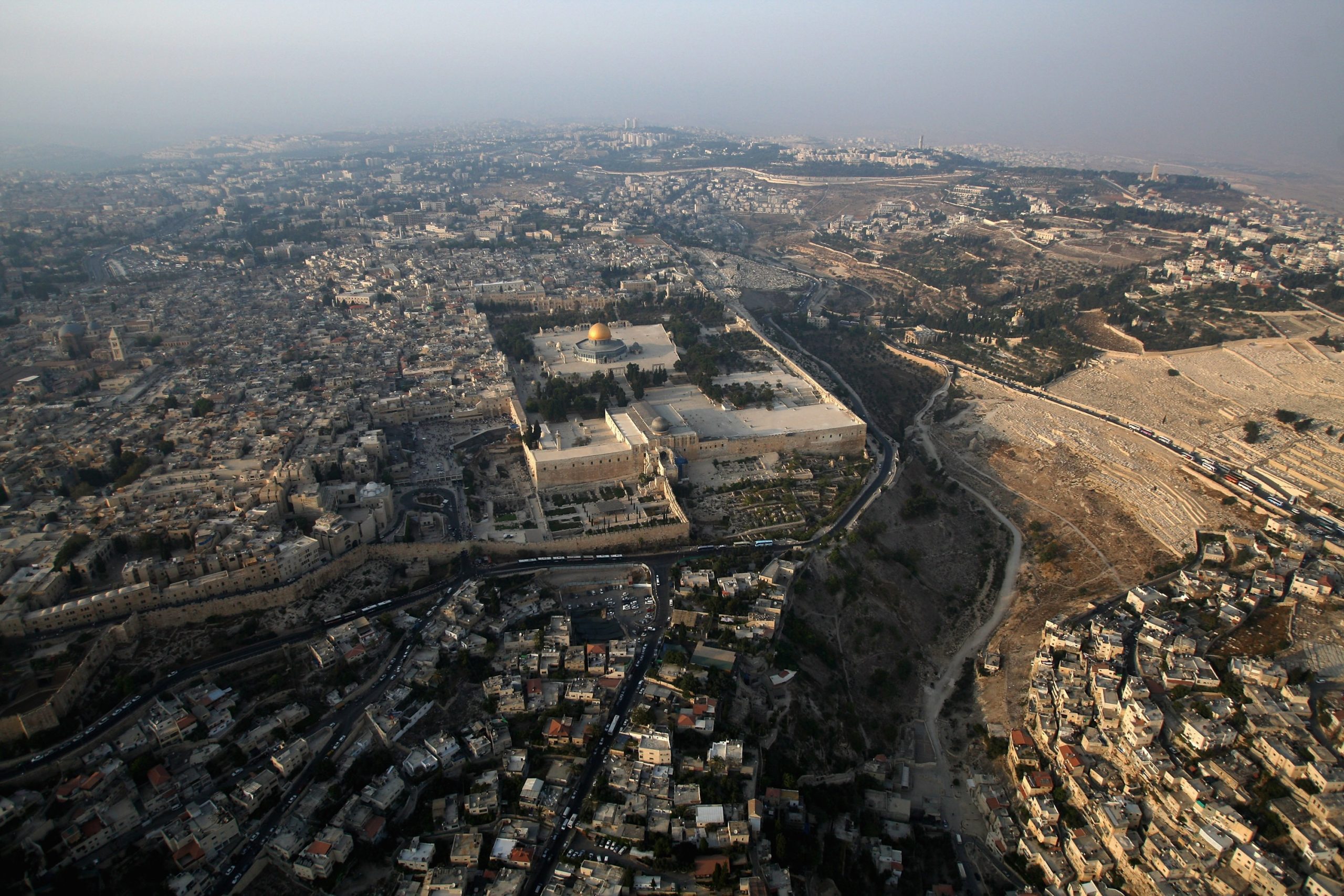
    A Savior at the gate of Jerusalem

    As the LORD in Person

    Came to Abraham by the oaks of Mamre,

    As the LORD in Person

    Came to Moses at Sinai,

    The LORD in the Person of the Son With Us

    Came to Jerusalem’s gate.

    The Lord in Person sacrificed

    On a Cross beyond its walls,

    Jesus, Messiah and King

    Risen! in Person,

    Jesus, in flesh and blood shed

    Our King comes on the clouds again!

    Roger Harned

    The Lord will return

    Will you bow down to your Lord and King?

    Or will you yet crucify Him?

    The choice of judgment is yours, yet your redemption or just punishment will be His.

    Is Jesus your Lord? Or will you justify your sin without Him?

    To be continued... [eternally]