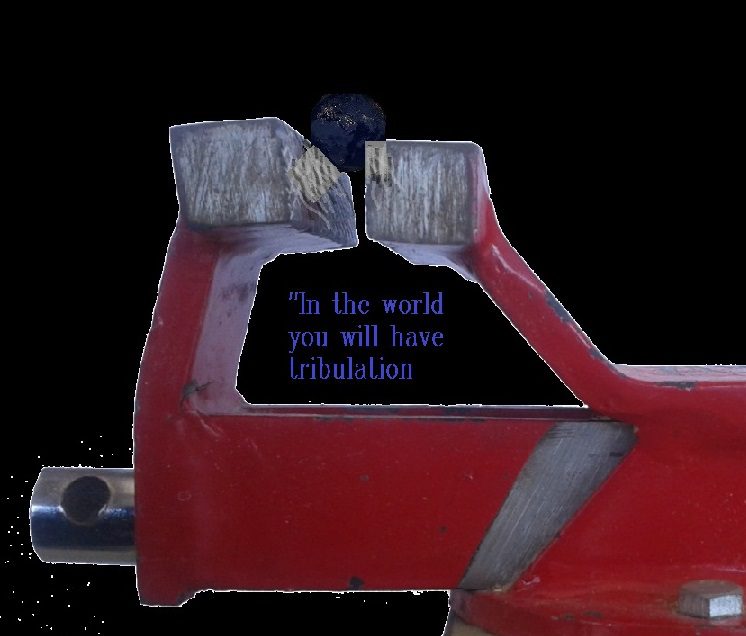
2017: Keep on for Christ’s sake.
I’m not invoking a phrase of cursing here, rather I call on the saints who hold fast to Jesus Christ to continue in faith. This is no new calling out in times of difficulty or anticipated times of trouble. We anticipate tribulation in the world.
Solomon may have come up with this calming wisdom for some new year [about 2900 years ago]:
History merely repeats itself. It has all been done before. Nothing under the sun is truly new. – Ecclesiastes 1:9 NLT
We begin this new year of expectant change by those with troubling temperaments leading us into the unknown. Certainly Rome ruled with a harsh hand. When the Messiah Jesus knew that His drama of suffering was imminent, the Lord offered true hope to His followers.
John 16:
“I have said all these things to you to keep you from falling away…
Jesus is not speaking to non-believers here, but to those followers, saints of the church. In fact, our Lord adds a vaguely familiar motive for these troubles ahead.
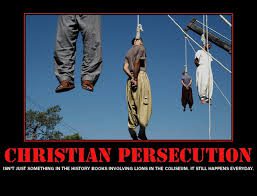 “… Indeed, the hour is coming when whoever kills you will think he is offering service to God.
The world sees and overlooks routine persecution in Africa, the Middle East, Asia and in the slums of our rich cities. (Nothing new under the sun.)
[ctt title=”The world remotely headlines the very sufferings, persecution, expulsion and genocide of many who refuse to bow down to idol false gods and violent dead prophets.” tweet=”We pray for persecuted Christians, Jews and Muslims of the wrong sect in places controlled by hopeless men.” coverup=”2IbK7″]
Tribulation Defined

Oxford defines tribulation (usually tribulations) as: 1 A cause of great trouble or suffering or 1.1 A state of great trouble or suffering.
A look into the Greek root of Jesus’ word used here is more revealing.
θλῖψις [thlipsis] –
a pressing, pressing together, pressure
metaph. oppression, affliction, tribulation, distress, straits

Photos of war and refugees define our present pressing in of evil. Distant news reveals affliction all too well, therefore the world’s loss of hope leads us to believe we cannot have peace – ever.
Think about it: Jesus Christ, God in the flesh, offends those who deny God and perpetrate evil.
[ctt title=”Followers of causes opposed to the LORD most often claim false gods, false traditions and false men offering false hope.” tweet=”GOD offends the godless!” coverup=”IbtST”]
Life’s evils do and will again repeat themselves.
“But I have said these things to you, that when their hour comes you may remember that I told them to you.
– John 16:4”
Tribulations define a pressing in of sin by a fallen world opposed to God.
- When you are in tribulation, and all these things come upon you in the latter days, you will return to the LORD your God and obey his voice. – Deuteronomy 4:20
- “Then they will deliver you up to tribulation and put you to death, and you will be hated by all nations for my name’s sake. – Matthew 24:9
Yes, Jesus, the incarnate Messiah of the LORD God, is hated by all nations, because the world hates the LORD. Tribulations for Christians and others will continue in the 21st century, as in the 20th and the first centuries. History of the church reveals the truth of Jesus’ warnings to followers. We do not have to look far to see those who refuse the Holy Spirit of the LORD God.
Acts 14:19-22
… they stoned Paul and dragged him out of the city, supposing that he was dead. But when the disciples gathered about him, he rose up and entered the city… they had preached the gospel to that city and had made many disciples.
… encouraging them to continue in the faith,
and saying that through many tribulations we must enter the kingdom of God.
The Pressing In
As we anticipate the inevitable tribulation of this upcoming year, Christians would do well to heed the cheery advice of our Lord. Jesus has overcome the world and its troubles; therefore in Him we can have peace in our hearts.
We have Gospel good news! God came to man in His own Perfect Image as a living perfect sacrifice for our sins. After Jesus returned to God the Father He sent the Holy Spirit of God to be with those who love the LORD.
8 And when he [the Helper] comes, he will convict the world concerning sin and righteousness and judgment: 9 concerning sin, because they do not believe in me; 10 concerning righteousness, because I go to the Father, and you will see me no longer; 11 concerning judgment, because the ruler of this world is judged.
Christians and non-christians alike experience sin pressing in. Judgment, therefore, awaits every living soul and each deceased failed body of mortal flesh.
20 Truly, truly, I say to you, you will weep and lament, but the world will rejoice. You will be sorrowful, but your sorrow will turn into joy…
… but I will see you again, and your hearts will rejoice, and no one will take your joy from you.
29 His disciples said… “Now we know that you know all things and do not need anyone to question you; this is why we believe that you came from God.”
31 Jesus answered them..
[And the Lord answers us as we anticipate with some trepidation of the year to come.]
“Do you now believe?
32 Behold, the hour is coming, indeed it has come, when you will be scattered…
33 I have said these things to you, that in me you may have peace.
In the world you will have tribulation.
But take heart; I have overcome the world.”
Welcome 2017
2 Corinthians 1: NKJV
To the church of God… with all the saints…
2 Grace to you and peace from God our Father and the Lord Jesus Christ.
3 Blessed be the God and Father of our Lord Jesus Christ, the Father of mercies and God of all comfort,
4 who comforts us in all our tribulation,
that we may be able to comfort those who are in any trouble,
with the comfort with which we ourselves are comforted by God.
5 For as the sufferings of Christ abound in us, so our consolation also abounds through Christ.
Beloved believer, cheer up; for Christ our saving hope from tribulation, from death and from judgment returns for those who love the Lord – for the chosen ones, saints for all time, this year and forever.
Amen.
 24 (Now they had been sent from the Pharisees.) 25 They asked him, “Then why are you baptizing, if you are neither the Christ, nor Elijah, nor the Prophet?”