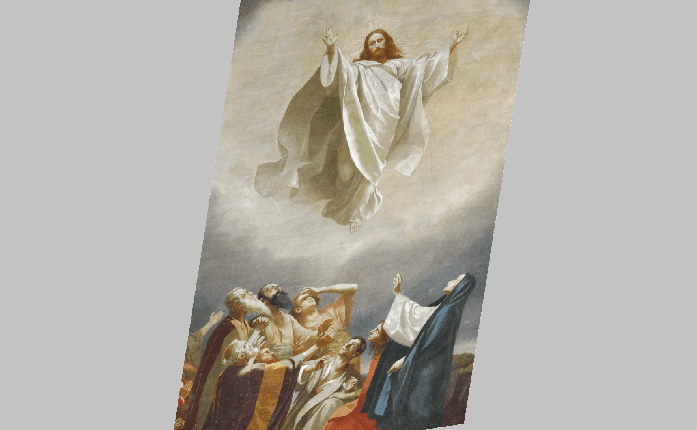
So then the Lord Jesus, after he had spoken to them, was taken up into heaven and sat down at the right hand of God.
Gospel of Mark 16:19 ESV
Why we believe
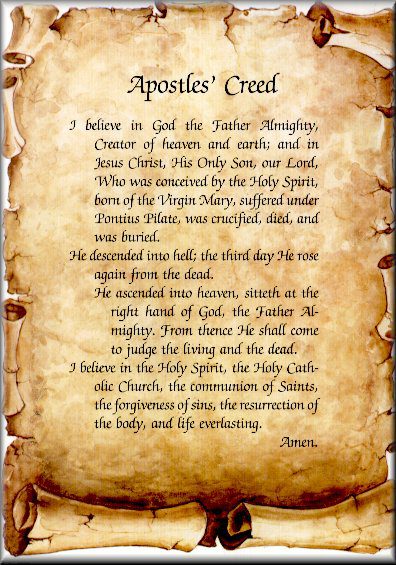
Here we have further evidence that the crucified Son of Man, the risen Son of God IS was and will be God. The Apostles’ Creed reiterates the great mystery of the Trinity revealed by Christ.
During His incarnation as the Son of Man and prior to His crucifixion Jesus had confessed:
ἐγὼ καὶ ὁ πατὴρ ἕν ἐσμεν
“I and the Father are [*] one.”
* One in substance, one and the same.
John 10:30 LSB
During Jesus' many appearances to more than 500 men for 40 days after His resurrection; unlike Lazarus, He appeared to be a man with certain spirit-like charactistics more similar to an angel or even God.
And it happened that when He had reclined at the table with them, He took the bread and blessed it, and after breaking it, He was giving it to them.
Then their eyes were opened and they recognized Him. And He vanished from their sight.
Gospel of Luke 24:30-31 LSB – Jesus on the road to Emmaus
Jesus himself stood among them.
But they were startled and frightened, and supposed that they saw a spirit.
“See my hands and my feet, that it is I myself; handle me, and see; for a spirit has not flesh and bones as you see that I have.” And when he had said this, he showed them his hands and his feet.
Luke 24:36-40 RSV excerpt
And after the days leading up to the Pentecost (50 days after the Passover feast), Jesus ascended.
And from the Olde English of the King James Version of the Creed:
‘and sitteth at the right hand of God the Father Almighty’
“Lord, will you at this time restore the kingdom to Israel?”
“It is not for you to know times or seasons which the Father has fixed by his own authority.
But you shall receive power when the Holy Spirit has come upon you; and you shall be my witnesses in Jerusalem and in all Judea and Sama’ria and to the end of the earth.”
And when he had said this, as they were looking on, he was lifted up, and a cloud took him out of their sight. And while they were gazing into heaven as he went, behold, two men stood by them in white robes, and said,
“Men of Galilee, why do you stand looking into heaven? This Jesus, who was taken up from you into heaven, will come in the same way as you saw him go into heaven.”
Acts of the Apostles 1:6-11 RSV excerpt
I believe that JESUS ascended to heaven and sits at the right hand of God the Father almighty
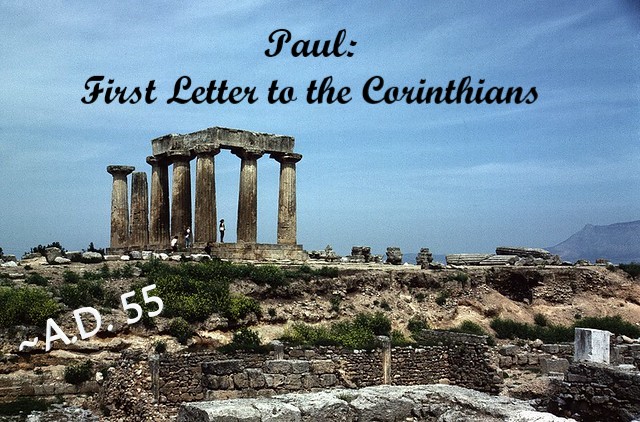
I recommend that you read 1 Cor 16 here [in the link above], since I will not detail much of this closing chapter (into which of course Paul's letters were not divided) in this brief synopsis.
Paul closes his epistle to the Corinthian saints first by asking for their charity to help the struggling and persecuted church in Jerusalem. (Their regimen should be like what the Apostle set in place for the Galatian churches.
Part of the collection of gifts and delivery of other epistles (letters) always depends upon who may be available at the time.
Paul is not in person, which is why he writes, and neither is Apollos.
The Apostle closes his letter with several detailed instructions, explanations of where and why they travel with the Gospel, and specific mention of several individuals (to whom we will get after looking back at Paul’s entire epistle to the Corinthians).
Basically, this is his personal closing like any of us would end a personal letter to loved ones.
Corrective Behavior – Guided by Love
Now these three remain: faith, hope, and love [agapē] — but the greatest of these is love.
John MacArthur introduces Paul’s first letter to the Corinthians:
Although the major thrust of this epistle is corrective of behavior rather than of doctrine, Paul gives seminal teaching on many doctrines that directly relate to the matters of sin and righteousness.
In one way or another, wrong living always stems from wrong belief.
Paul’s great dilemma in ‘fathering’ the Corinthians was to correct some of these disobedient children in the faith with the love Christ commands for each of us who claim Jesus as Lord.
The Wisdom of Mature Love in Christ
What do you want? Should I come to you with a rod, or in love and a spirit of gentleness?
1 Corinthians 4:21 CSB
Now about food sacrificed to idols: We know that “we all have knowledge.” Knowledge puffs up, but love builds up...
But if anyone loves God, he is known by him.
1 Corinthians 8:1,3 CSB
Speaking of human wisdom, Paul compares it by saying that ‘knowledge makes arrogant’ [KJV] gnōsisphysioō;
The opening and closing of Paul’s epistle both appeal to the individual love [agapē] of the Corinthians the Apostle knew and loved so well.
He contrasted the morals and behaviors of those who challenged their faith in Christ Jesus to the childish ways of the wisdom of the world worshipping SELF — even with the crowds in Corinth’s temples of worship of myths and wisdom of the logic of mythological man-created gods and goddesses.
Paul loved the Corinthian saints as Christ has loved us.
The Apostle closes his epistle with these important points:
Plans and communication are important for and effective gospel ministry.
Personal relationships and communication are important for and effective gospel ministry.
In closing, let's look at what the Apostle writes to the leaders and saints of Corinth — and to the pastors and Sunday sheep of our Common Era christian flocks.

After all, when you write to someone you love, don't you want to leave them with a final thought about you and what you write to them?
Final Exhortation
16:13
γρηγορέω – Be alert
“Therefore be alert, because you don’t know either the day or the hour.[in which the Son of Man is coming.]
Let anyone who has no love for the Lord be accursed.
Don't get to hung up on the specific words — or English parts of speech.
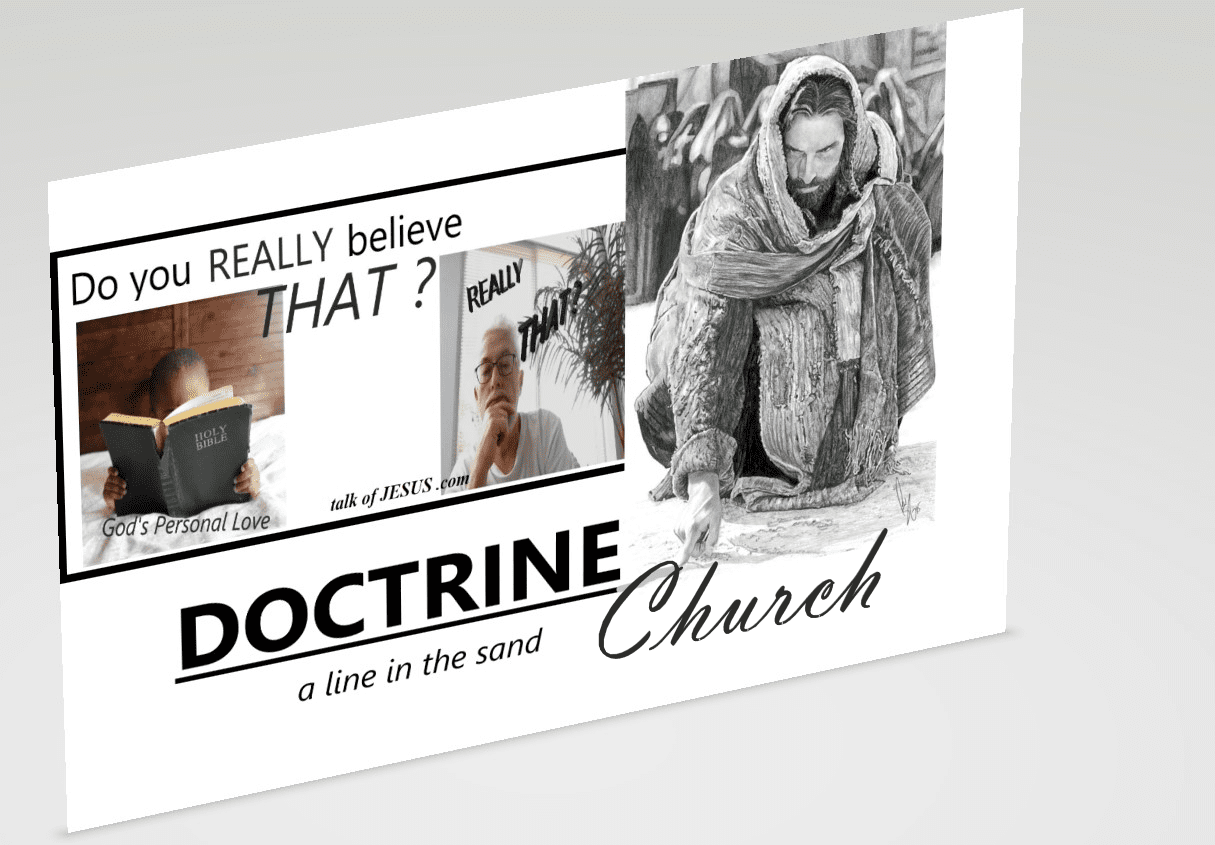
The seriousness of the Apostle’s line-in-the-sand for Christians cannot be missed.
The term “curse” translates from the Greek “anathema,” meaning something devoted to destruction.
In the Jewish context, it referred to things set apart for God, often through destruction, as seen in Joshua 6:17 with the fall of Jericho.
Paul uses strong language to stress the seriousness of rejecting Christ,
aligning with Galatians 1:8-9, where he condemns any gospel contrary to the one he preached. This reflects the early church’s struggle against false teachings and the necessity of maintaining doctrinal purity.
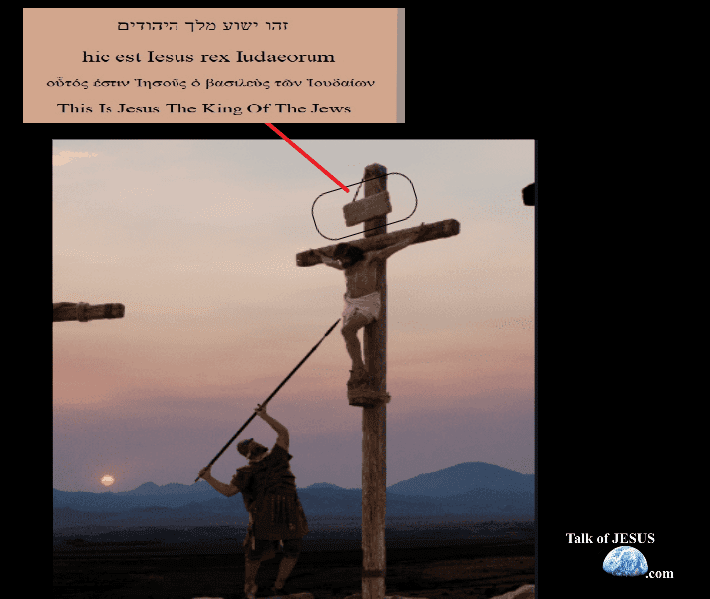
“Are you the king of the Jews? ” the governor asked him. Jesus answered, “You say so.”
— Matthew 27:11 (CSB)
Religion — Mingled with Politics – A.D. 30’s style
You know the old expression about mixing religion and politics -- ('Don't do it' all warn. Yet in every century our religious and political leaders rely on it.)
Today, Good Friday 2025 of the Common Era, we will address both!
—The POLITICS of ROME mingling with the RELIGION of JEWISH rulers of first century Jerusalem.
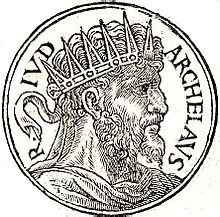
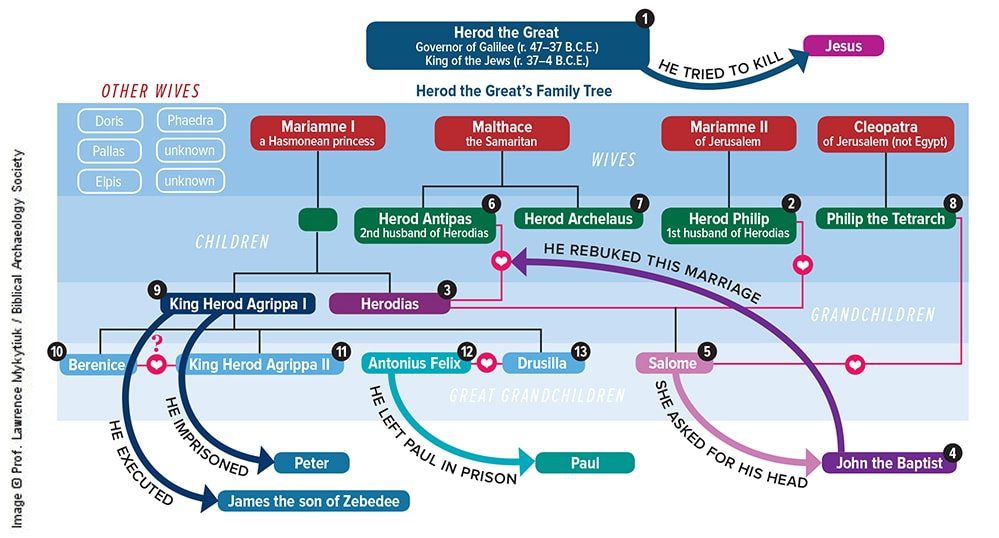
First, ROME and the rule of Pilate, the Roman Governors, several Caesars and captive/cooperative kings. This of course would include severalKing Herod’s and various Governor Herod‘s.
The cooperative nature of the Roman peace made strange bedfellows, so to speak.
Although it all comes to its pinnacle in the trial of Jesus Christ, the politics of these Roman and faux-Jewish governors and subject-kings will continue to affect the Apostles and saints well beyond Jerusalem’s destruction by Rome just forty years from this pivotal day in history.
For MORE insight into the politics of first century Jerusalem take a look at the above post from September, A.D. 2020. - RH
The Governor’s Examination of the Jewish King Jesus
From Pilate’s early-morning awakening by Jerusalem’s Jewish officials it began like this (as reported by Matthew, Jesus’ Disciple who had himself had an official tax-collecting post for Rome).
After tying him [Jesus] up, they [the chief priests and elders of Jerusalem] led him away and handed him over to Pilate, the governor.
— Matthew 27:2 (CSB)
At this point Matthew reports nothing more of the examination of Jesus by Pilate.
Let’s look at the testimony of the other Gospels.
So Pilate asked him, “Are you the king of the Jews? ”
He answered him, “You say so.”
3 And the chief priests accused him of many things.
Pilate questioned him again, “Aren’t you going to answer? Look how many things they are accusing you of! ”
But Jesus still did not answer, and so Pilate was amazed.
–– Mark 15:2-5 (CSB)
(The Gospels witness this mix of the Jewish false charges and the examination of the Governor in this brief early-morning balcony scene of sorts.)
Let’s move back a bit further in the transition of the actions which brought the accused King Jesus of the Jews before the Roman Governor.
Luke 23:
Then the whole company of them [the gathering of the Council] arose and brought him before Pilate. And they began to accuse him, saying,
“We found this man [Jesus] misleading our nation and forbidding us to give tribute to Caesar, and saying that he himself is Christ, a king.”
And Pilate asked him,
“Are you the King of the Jews?”
And he answered him, “You have said so.”
Then Pilate said to the chief priests and the crowds,
“I find no guilt in this man.”
But they were urgent, saying,
“He stirs up the people, teaching throughout all Judea, from Galilee even to this place.”
Can you see the contemptable REJECTION of Pilate’s authorityby the same religious officials?
They falsely claimed that JESUS would not allow Jewish followers to pay a Roman tax to Caesar — a tax which of course funds the Roman Governor and legions overseeing this captive city of Jerusalem.
Therefore the next POLITICAL move of both the Governor and these Jewish religious officials is to send the case to a more mutually agreeable jurisdiction – that of the Roman-appointed King legitimately appointed by the Caesar’s from the ruling family of the Herod’s.
The King’s Examination of King Jesus
We refer, of course, to political Judean King receiving Jesus, the Christ of the Jews!
(How volatile this judgment challenging who is king?)
And when he (the Roman Governor Pilate) learned that he [Jesus of Galilee] belonged to Herod’s jurisdiction, he sent him over to Herod, who was himself in Jerusalem at that time.
When Herod saw Jesus, he was very glad, for he had long desired to see him, because he had heard about him, and he was hoping to see some sign done by him. So he questioned him at some length, but he [Jesus] made no answer.
The chief priests and the scribes stood by, vehemently accusing him. And Herod with his soldiers treated him [the Jewish Christ or Messiah, Jesus] with contempt and mocked him. Then, arraying him in splendid clothing, he [King Herod] sent him [Christ Jesus] back to Pilate [the Roman Prefect/Governor].
And Herod and Pilate became friends with each other that very day, for before this they had been at enmity with each other.
Yes, 'strange bedfellows' indeed, but not so out of the ordinary for the great Herod's - Kings of the Jews!
Friends, Romans and Jewish countrymen.. (let us make pax–shalom)..
Pilate then called together the chief priests and the rulers and the people, and said to them,
“You brought me this man as one who was misleading the people. And after examining him before you, behold, I did not find this man guilty of any of your charges against him.
Neither did Herod, for he sent him back to us.
Look, nothing deserving death has been done by him. I will therefore punish and release him.”
Jerusalem Evangelical Witnesses Political Action Committee –
JEWPAC
Now don't get all bent out of shape over my fictional illustration of the San Hedren of A.D. first century Jerusalem -- religious leaders beholden to the politics of Rome.

WE all know and recognize the function of Political Action Committees -- even 21st century C.E. Christian Evangelical PAC's

-- they raise and spend MONEY to influence a political outcome desired by leaders holding the purse-strings of THE PEOPLE.
“What will you give me if I deliver him over to you?” And they paid him [Judas Iscariot] thirty pieces of silver.
One day, as Jesus was teaching the people in the temple and preaching the gospel, the chief priests and the scribes with the elders came up..
“.. But when the tenants saw him, they said to themselves, ‘This is the heir. Let us kill him, so that the inheritance may be ours.’ ..”
The scribes and the chief priests sought to lay hands on him at that very hour, for they perceived that he had told this parable against them, but they feared the people. So they watched him and sent spies, who pretended to be sincere, that they might catch him in something he said, so as to deliver him up to the authority and jurisdiction of the governor.
Then Judas Iscariot, who was one of the twelve, went to the chief priests in order to betray him to them. And when they heard it, they were glad and promised to give him money. And he sought an opportunity to betray him.
and they cried out—the whole multitude—saying, “Away with this One, and release Barabbas to us,” .. Pilate again then—wishing to release Jesus—called to them, but they were calling out, saying,
Surly, a pre-meditated placement of party members loyal to its leaders pressing against true judgment -- shouting down all opposition in order to create a consensus of social truth opposed to the True Savior of Jew and gentile.

These Chief Priests of Jerusalem had party leaders and blind sheep in their political pocket!

No Jew would dare oppose the mammon of their political power and leadership.
Buying the lies of status quo
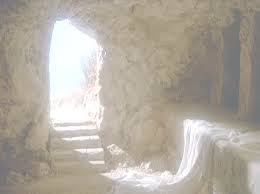
AFTER Jesus burial and resurrection these same Political Action Committee-men would have to counter true witness of over five hundred men who knew that the Christ – Jesus of Nazareth – was no longer in the grave.
HE IS RISEN!
.. some of the guards went into the city and told the leading priests what had happened.
A meeting with the elders was called, and they decided to give the soldiers a large bribe. They told the soldiers,
“You must say, ‘Jesus’ disciples came during the night while we were sleeping, and they stole his body.’ If the governor [Pontius Pilate] hears about it, we’ll stand up for you so you won’t get in trouble.”
So the guards accepted the bribe and said what they were told to say.
Their story spread widely among the Jews, and they still tell it today.
[.. reports the Disciple Matthew Levi, who recorded his Gospel in Hebrew about 30 years later.
Used to monitor number of Google Analytics server requests
10 minutes
__utmb
Used to distinguish new sessions and visits. This cookie is set when the GA.js javascript library is loaded and there is no existing __utmb cookie. The cookie is updated every time data is sent to the Google Analytics server.
30 minutes after last activity
__utmc
Used only with old Urchin versions of Google Analytics and not with GA.js. Was used to distinguish between new sessions and visits at the end of a session.
End of session (browser)
__utmz
Contains information about the traffic source or campaign that directed user to the website. The cookie is set when the GA.js javascript is loaded and updated when data is sent to the Google Anaytics server
6 months after last activity
__utmv
Contains custom information set by the web developer via the _setCustomVar method in Google Analytics. This cookie is updated every time new data is sent to the Google Analytics server.
2 years after last activity
__utmx
Used to determine whether a user is included in an A / B or Multivariate test.
18 months
_ga
ID used to identify users
2 years
_gali
Used by Google Analytics to determine which links on a page are being clicked
30 seconds
_ga_
ID used to identify users
2 years
_gid
ID used to identify users for 24 hours after last activity
24 hours
_gat
Used to monitor number of Google Analytics server requests when using Google Tag Manager
1 minute
_gac_
Contains information related to marketing campaigns of the user. These are shared with Google AdWords / Google Ads when the Google Ads and Google Analytics accounts are linked together.