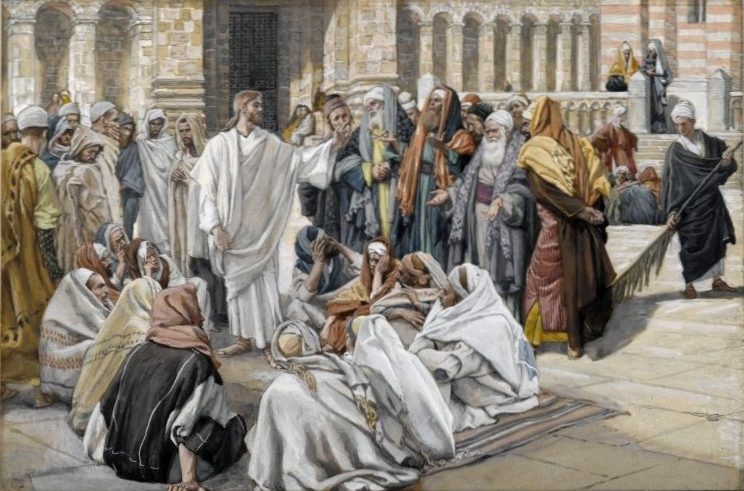
“For you set aside the mitzvah of God, and hold tightly to the tradition of men — the washing of pitchers and cups, and you do many other such things.”
Words of the Messiah from the Gospel of Mark 7:8Hebrew Names Bible
History of Faithvs Traditions of History
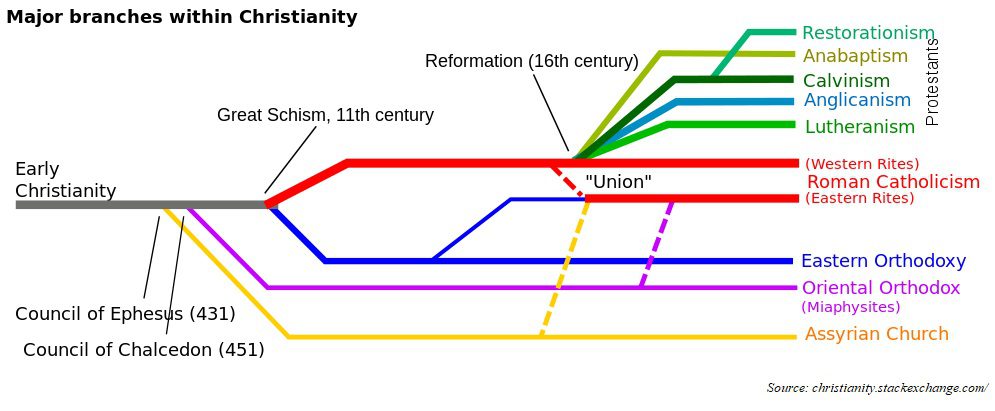
In our previous Summer Rerun, I mentioned the Great Schism of the Christian Church & later divisions of the Protestant Reformation.
Before then, however, Christianity originates from the faith of Judaism.
In a prior Summer Scriptural Rerun we quote Jesus telling the Jews,
“You are mistaken, since you do not understand the Scriptures nor the power of God.
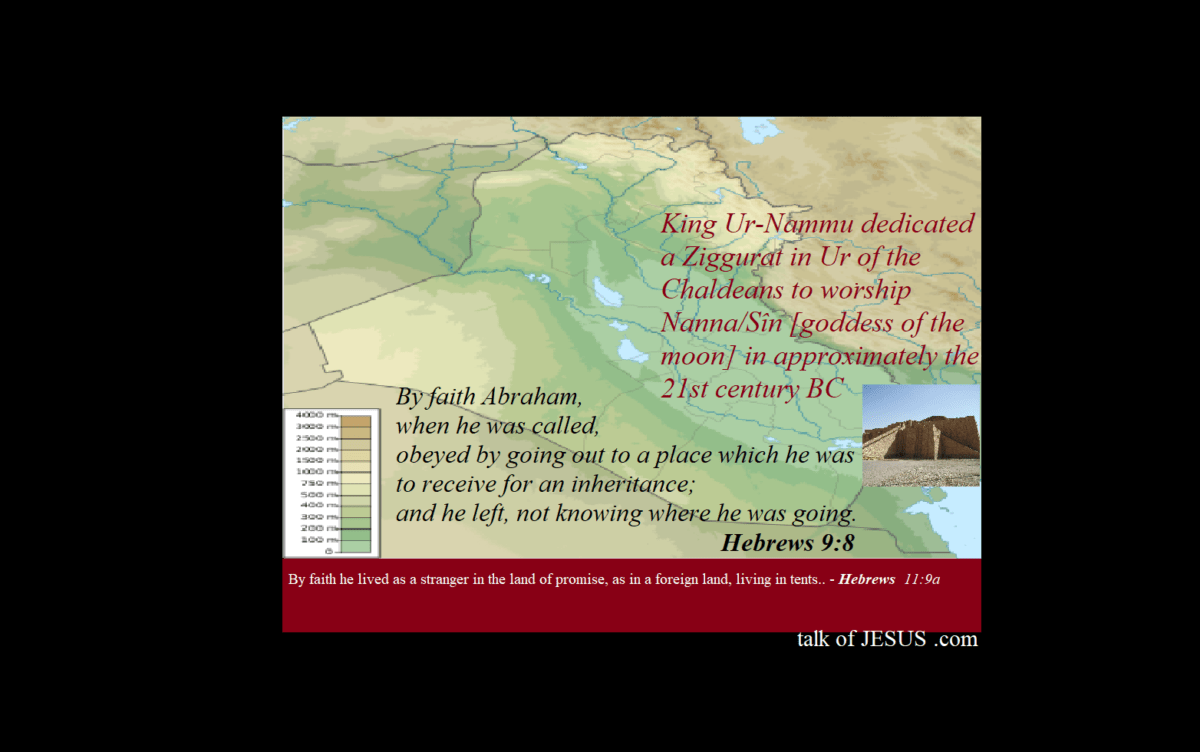
Now in this introduction to our next Summer Scriptural Rerun we will reintroduce the faith of Abraham.
ByfaithAbraham, when he was called, obeyed by going out to a place which he was to receive for an inheritance; and he left, not knowing where he was going
And what does this have to do with traditions of the Catholic Church?
In fact, Jesus makes the point to the Jews that FAITH through Scripture far outweighs the TRADITIONS of man.
Jewish traditions, Roman Catholic traditions, Orthodox traditions — even Anglican, Lutheran and other traditions of the Protestant Reformation must give way to Holy Scripture.
We begin this journey into the Reruns of Summer as a focus on the Bible. Do you know the Scriptures? In fact, most Christians read more world-focused social media than actual word of Scripture from their Bible.
But Jesus answered and said to them,
“You are mistaken, since you do not understand the Scriptures nor the power of God.
In fact many, (dare I say, ‘most’) Christians do not read much of the Bible and rarely take the essential truths of Scripture to heart in these last days.
I take issue with Pharisaical preachers who POINT the Bible at others without looking anything like the Personal loving Christ of Scripture.
And at the other extreme I also take issue with personally magnetic pastors who neglect to preach from their Bible. I must also challenge any preacher who sometimes chooses to play fast and loose with the actual words of Scripture so as to cloud the clarity of Christ’s teaching.
Summer Scriptural Reruns
Due to technical issues of online publishing, Summer Reruns may:
1. Simply have a previous post embedded to click
2. While others require edits of my original post or post series for you to view properly.
+ June A.D. 2021
This POST SERIES: “Your Mistake – You don’t know the Scriptures” from March 2018 appears in an undated edited form below:
Your Mistake – You don’t know the Scriptures – 2a
Jesus replied, “Your mistake is that you don’t know the Scriptures, and you don’t know the power of God.
We began this series with the priest of the second Temple Ezra, Looking Back at times preceding the fall of Jerusalem and the first Temple. Continuing with contrasts of Looking Back in real time from our 21st century, we examined a recent history of the Sadducees, whose auspicious beginnings were relatively new in the time of Jesus.
The question of the preceding centuries before Christ addressed who is in charge in a captive Israel, rather than that those in charge must first serve God.
We learned that the Sadducees had only been around since only about 175 years at the time of Christ’s teachings. In fact, the Essenes, like John the Baptist, and also the Pharisees could only trace their roots back to this same time.
Again, think of it in terms of today as looking back to the time of the American Civil War between the divided 33 states of the U.S. Yet the larger question to all generations is:
Should we look to our leaders for morality?
Jesus said to them, “Watch and beware of the leaven of the Pharisees and Sadducees.”
Sadducees had it wrong, because they did not believe the evidence of the resurrection. They filtered scriptural knowledge of others by their own strict literal Hebrew translation, which may or may not have been accurate. The other two parties of Jewish belief were the Pharisees and the Essenes.
Pharisees and the Essenes
John the Baptist had withdrawn from the towns ruled by Romans and the religious controversies of power. He believed as the Essenes in a continuing spiritual life after death if we forsake our worldly ways in this mortal life.
In those days John the Baptist came preaching in the wilderness of Judea, “Repent, for the kingdom of heaven is at hand.” …
5 Then Jerusalem and all Judea and all the region about the Jordan were going out to him, and they were baptized by him in the river Jordan, confessing their sins. But when he saw many of the Pharisees and Sadducees coming to his baptism, he said to them,
“You brood of vipers! Who warned you to flee from the wrath to come? Bear fruit in keeping with repentance.
Matthew 3: Caution of John the Baptist on repentance
Even though the Pharisees believed in the resurrection, they also believed more in intellectual wisdom than in following the foolishness of the Lord. The Essenes on the other hand were seeking the Messiah of Scripture, the promised Teacher of All Righteousness. This is why John sent his disciples to Jesus and asked, “Are You the Coming One, or do we look for another?” – Matthew 11:3b – NKJV
Pharisees would have seen Jesus agreeing with them on the resurrection as a victory. Yet Jesus cautioned the crowds against their hypocrisy even more than opposing practices of Sadducees, Scribes or other political leaders.
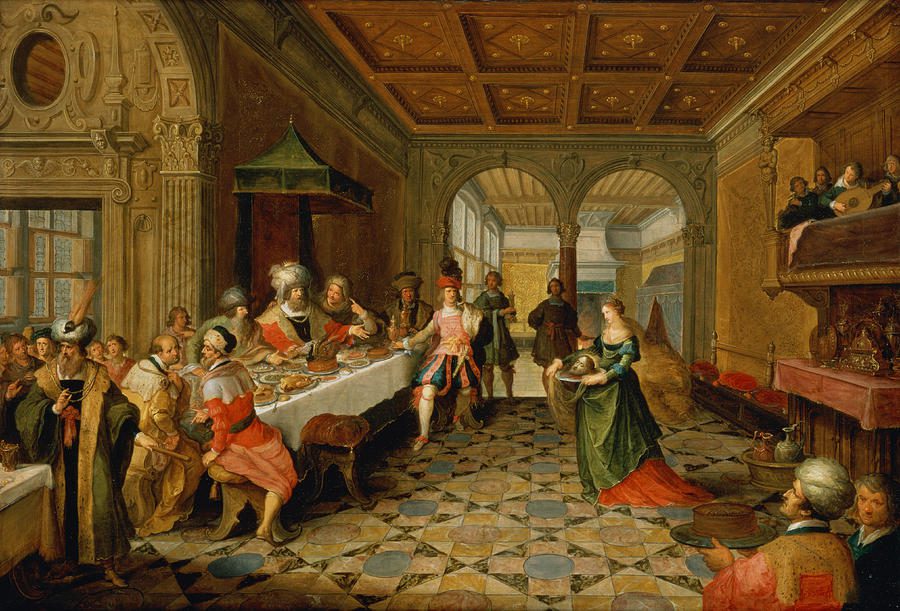
Pharisees had likely been complicit in the elimination of their popular Essene rival, the prophet John, who Herod beheaded.
Now the most popular opposition in Israel (which was, of course, a nation no more) was Jesus of Nazareth. Perhaps this charismatic itinerant rabbi is no more knowledgeable of Scripture than a common carpenter’s son. He certainly cannot have done the miracles to which the multitudes give witness.
The Pharisees, Sadducees and Herodians should easily be able to sway the crowds against this Jesus.
Then the Pharisees went and plotted how to entangle him in his words. And they sent their disciples to him, along with the Herodians, saying,
“Teacher, we know that you are true and teach the way of God truthfully, and you do not care about anyone’s opinion, for you are not swayed by appearances. Tell us, then, what you think. Is it lawful to pay taxes to Caesar, or not?”
But Jesus, aware of their malice, said, “Why put me to the test, you hypocrites?”
Not real complementary of these religious leaders of Jerusalem.
Jesus did not speak against Herod with the prior intensity of John the Baptist nor against their Roman governors. Now the Lord shows the Pharisees a Roman coin and tells them to pay their taxes and ‘give to Caesar what is Caesar’s.’ – v.21a
Jesus also reminds us: ‘and (give) to God the things that are God’s.”
Gospel of Mathew 22:– v.21b + Do WE do that, my ‘christian’ friends?
Matthew, the gospel writer, Disciple and former tax collector records the reaction of the Pharisees to Jesus’ answer to the question Pharisees had carefully crafted to trip Him up.
When they heard it, they marveled. And they left him and went away. –Matthew 22:22
Thriving on Controversy
Pharisees were common people just like you and me, but ambitious to many faults.
In many ways Pharisees are no different than the politicians and self-absorbed religious leaders of today.
They argued amongst themselves endlessly about subtleties of religion and culture they thought most applied in these changed times. They legislated their own interpretations of the Law of Moses to educate their disciples to obey as equal to written Scripture and the Torah.
Pharisees interpreted Law written for Priests and worship adapting them into laws forced upon all Jews by additional strict rules. These oral laws given to fill in the gaps of what the Law does not prescribe required their own scholarly interpretation, as well as obedient application in everyday life by followers of the Pharisees.
A few centuries later these new oral traditions would evolve into various versions of modern Judaism.
Jesus challenged the elevation of Pharisees and other religious participants into authority and glory reserved for Almighty God. The Pharisees sought to dethrone Jesus the Nazarene by catching the Lord off guard in His exclusive claims to powers reserved for God. Even the Scribes agreed of His blasphemy. For no man, after all, can forgive sins; but many have witnessed that Jesus spoke these words to those He healed:
The questions are seasonal reruns played from broken promises of the past — whether from October A.D. 2020 or during the first century trial of Jesus Christ.
We learned that doctrine can be religious or political. Recently many ‘christians’ have confused these.
FALSE politics is treason, but FALSE religion is heresy.
What is true of false political promises is also true of false teaching about God and Jesus Christ. The Apostle Peter and others sound the trumpet of warning against false teaching and heresy.
Used to monitor number of Google Analytics server requests
10 minutes
__utmb
Used to distinguish new sessions and visits. This cookie is set when the GA.js javascript library is loaded and there is no existing __utmb cookie. The cookie is updated every time data is sent to the Google Analytics server.
30 minutes after last activity
__utmc
Used only with old Urchin versions of Google Analytics and not with GA.js. Was used to distinguish between new sessions and visits at the end of a session.
End of session (browser)
__utmz
Contains information about the traffic source or campaign that directed user to the website. The cookie is set when the GA.js javascript is loaded and updated when data is sent to the Google Anaytics server
6 months after last activity
__utmv
Contains custom information set by the web developer via the _setCustomVar method in Google Analytics. This cookie is updated every time new data is sent to the Google Analytics server.
2 years after last activity
__utmx
Used to determine whether a user is included in an A / B or Multivariate test.
18 months
_ga
ID used to identify users
2 years
_gali
Used by Google Analytics to determine which links on a page are being clicked
30 seconds
_ga_
ID used to identify users
2 years
_gid
ID used to identify users for 24 hours after last activity
24 hours
_gat
Used to monitor number of Google Analytics server requests when using Google Tag Manager
1 minute
_gac_
Contains information related to marketing campaigns of the user. These are shared with Google AdWords / Google Ads when the Google Ads and Google Analytics accounts are linked together.