HE IS RISEN!
‘HE IS RISEN, INDEED,’ goes a traditional response.
Christ Born & Witnessed, Crucified, Risen, Ascended..
If you haven’t been following this series you will likely ask, “Why is he talking of Easter during this Advent season of Christmas in the year of our Lord, 2020?”
My dear brother or sister in Christ,
Allow me to ask you a question:

Do you talk of Jesus OR ‘christmas’?
Christians and non-Christians alike will focus on the ‘.COMmercial‘ obligations of this ‘holiday’ season so much more than the CHRIST of ‘christmas.’ And in fact, (in case you haven’t heard) Jesus, Emmanuel or God With Us was most likely NOT born DECEMBER 25.
(Forget the ‘.com‘ technical choice of my Christian Social Witness – talkofJesus.com for my personal & shared talk of Jesus Christ.)
Has Christmas not become MORE important than EASTER in the witness of the 21st c. Church?
How like the world we have become.
Many 21st c. ‘christians’ also witness the risen JESUS of the resurrection, celebrated by eggs and bunnies impersonalized and separated from the Person of God, without witness of the Person symbolized, He who died for sinners and defeated death!
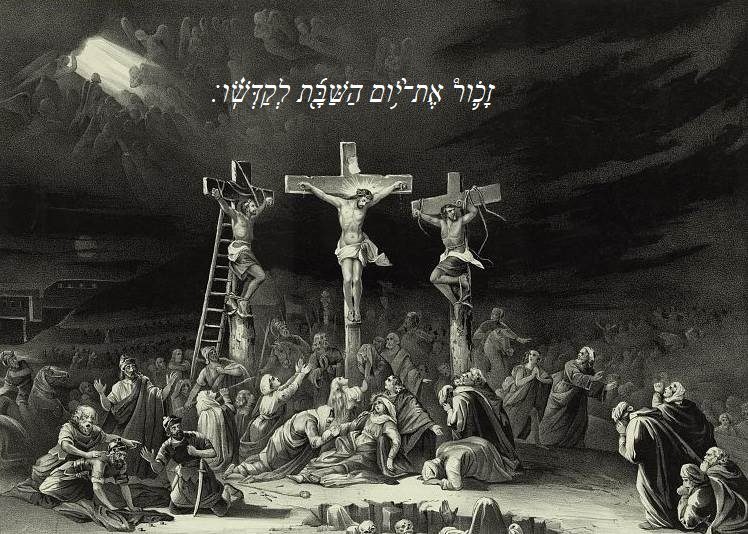
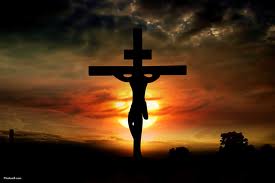
Yes, JESUS IS born as a man-child like no other. Yet our witness must remember the shadow of the Cross on a newborn’s manger and the glory and hope through CHRIST’s resurrection.
Continuing Witness to Jesus’ Resurrection!
Our journey through Scripture in this year of our Lord 2020, continues in the Good News of John. We have just begun to revisit the personal witness of many who testify to the resurrection of Jesus Christ.
As a reminder to contemporary readers of John’s Gospel:
- Jesus was crucified around the year AD 30
- John writes his Gospel to the churches in about AD 85
Witnesses to Jesus Risen! – Mary Magdalene
Some who witnessed the risen Jesus fifty years earlier still lived!
As we continue in John’s Good News and Mary’s announcement of Jesus’ resurrection, we begin to hear his Gospel through the ears of others. See Jesus with their eyes and experience the risen Christ through their personal touch and interaction with the risen Lord Jesus.
Mary Magdalene came and announced to the disciples, “I have seen the Lord,” and that He had said these things to her.
John 20:18 NASB
What command had the risen Lord given Mary?
“..go to My brothers and say to them, ‘I am ascending to My Father and your Father, and My God and your God.’”
John and Simon Peter have already run to the empty tomb where the crucified Body of Jesus had been placed prior to celebration of the feast of the Passover and observing of the Sabbath. Then they returned not yet having seen the Lord.
John 20 continued
It had been morning when the women had first seen the empty tomb before summoning John and Peter.
19 Now when it was evening on that day, the first day of the week..
.. and when the doors were shut where the disciples were together due to fear of the Jews, Jesus came and stood in their midst, and said to them, “Peace be to you.”
20 Having said this, he showed them his hands and his side.
So the disciples rejoiced when they saw the Lord.
(Not Twelve, but the Eleven – one)
We mentioned previously that Judas Iscariot, Jesus’ betrayer has hanged himself. John will mention shortly that Thomas also is not present.
And just one additional reminder:
the eleven Disciples, Jesus and His family are all Jews.
Though their common language is Greek or locally Arabic,
the Complete Jewish Bible [CJB] (used here occasionally) gives flavor of Jesus as the Messiah of Israel.
21 “Shalom aleikhem!” Yeshua repeated.
“Just as the Father sent me, I myself am also sending you.”
22 Having said this, he breathed on them and said to them,
“Receive the Ruach HaKodesh!
The Holy Spirit & Forgiven Sins
“Receive ye the Holy Ghost,” translates the King James and most versions read, “the Holy Spirit.”
What follows should sound familiar if you have followed the great commission of Jesus to the Twelve Disciples given earlier in His earthly ministry and all returned to Jesus amazed.
23 If you forgive the sins of any, their sins have been forgiven them; if you retain the sins of any, they have been retained.”
What an astounding authority Jesus has given to the Apostles through the Holy Spirit!
Many Jewish disciples will know it well from the Psalms of David. Gentile Christians to whom John now also witnesses may know it from Paul’s letter [ca. AD 56.] to the Romans [4:7].
לְדָוִד מַשְׂכִּיל אַשְׁרֵי נְֽשׂוּי־פֶּשַׁע כְּסוּי חֲטָאָֽה׃
אַשְֽׁרֵי אָדָם לֹא יַחְשֹׁב יְהוָה לֹו עָוֹן וְאֵין בְּרוּחֹו רְמִיָּה׃
Blessed is he whose transgression is forgiven, whose sin is covered.
Blessed is the man unto whom the LORD imputeth not iniquity, and in whose spirit there is no guile.
Psalm 32:1-2 WLC, KJV
The Lord has instructed His Disciples on how they must judge their fellow saints and others with unfailing grace and mercy in His Name, especially forgiving those who also follow Jesus as their Lord and their God.
Ministry of the Twelve (then Eleven)
Eleven now and again Twelve Apostles after Mathias replaces Judas Iscariot
Although John reveals much of the Holy Spirit, he does not reiterate what is already well known of the ministry of the Twelve prior to Jesus’ Crucifixion and Resurrection. (Remember John writes this decades later to his beloved fellow saints of the church.)
Jesus had previously given the Twelve a taste of this awesome power over sin in the lives of others.
Some eight days after these sayings, He took along Peter and John and James, and went up on the mountain to pray. And while He was praying, the appearance of His face became different, and His clothing became white and gleaming.
Luke 9:28-29
Most of the following is also witnessed in Luke's Gospel Chapter 9:
Matthew 10:
Jesus summoned His twelve disciples and gave them authority over unclean spirits, to cast them out, and to heal every kind of disease and every kind of sickness.
Now the names of the twelve apostles are these:
- The first, Simon, who is called Peter,
- and Andrew his brother;
- and James the son of Zebedee,
- and John his brother;
- Philip
- and Bartholomew [son of Talmai];
- Thomas [not present for Jesus’ first appearance]
- and Matthew the tax collector;
- James the son of Alphaeus,
- and Thaddaeus;
- Simon the Zealot,
- and Judas Iscariot, the one who betrayed Him [who hanged himself].
Matthew 10:5 continues:
These twelve Jesus sent out after instructing them:
“Do not go in the way of the Gentiles, and do not enter any city of the Samaritans; but rather go to the lost sheep of the house of Israel.
(Of course Christ commissioned these to go to all of these after His resurrection.)
“And as you go, preach, saying, ‘The kingdom of heaven is at hand.’
It is Jesus’ urgent appeal to the Jews through the Twelve – Matthew 10:7 NASB
Matthew 10: continued Complete Jewish Bible [CJB]
7 As you go, proclaim, ‘The Kingdom of Heaven is near,’ 8 heal the sick, raise the dead, cleanse those afflicted with tzara’at, expel demons…
12 When you enter someone’s household, say, ‘Shalom aleikhem!’ If the home deserves it, let your shalom rest on it; if not, let your shalom return to you. But if the people of a house or town will not welcome you or listen to you, leave it and shake its dust from your feet!
Yes, I tell you, it will be more tolerable on the Day of Judgment for the people of S’dom and ‘Amora than for that town!
16 “Pay attention! I am sending you out like sheep among wolves, so be as prudent as snakes and as harmless as doves.
Be on guard, for there will be people who will hand you over to the local Sanhedrins and flog you in their synagogues. On my account you will be brought before governors and kings as a testimony to them and to the Goyim.
19 But when they bring you to trial, do not worry about what to say or how to say it; when the time comes, you will be given what you should say. For it will not be just you speaking, but the Spirit of your heavenly Father speaking through you.
Therefore when Jesus appears in Person to the eleven Apostles after His resurrection from the grave, He had already taught them what He is about to say.
John 20 continued
If you forgive the sins of any, they are forgiven them;
if you retain the sins of any, they are retained.”
John 20:23 CSB – Jesus’ authority given to the Apostles through the Holy Spirit
Next:
John is not making a list of miracles so that the Eleven (who will soon add Mathias as replacement to Judas Iscariot) can convince their first century A.D. followers that Christ IS Risen indeed!
You will find many of these miracles of the Holy Spirit witnessed in the Acts of the Apostles.
(Again, when John wrote his Gospel these had already taken place.)
If you have been following John’s Gospel closely you may have noticed my intentional oversight of some detail about the Disciples. Thomas, who was not present with the other eleven will appears next [vs. 24-29].
We will begin with Thomas next time.
Also, John has much more to say about Peter and we will once again want to add more detail about other Apostles and especially John.
30 Jesus performed many other signs in the presence of his disciples that are not written in this book.
To be continued...